Bigodi Wetland Wildlife Experience
Uganda wildlife & community experiences
Bigodi Wetland Wildlife Experience
Explore a wildlife-rich community wetland beside Kibale National Park, where colorful birds, playful monkeys and local conservation come together.
Bigodi Wetland Sanctuary at a glance
Bigodi Wetland Sanctuary is a community-managed wetland beside Kibale National Park in western Uganda. Visitors join a trained local guide to watch birds, look for monkeys and explore papyrus marshes and forest-edge paths. The classic route is approximately 4.5 km and takes up to three hours. Wildlife is free-ranging, so sightings vary.
What makes Bigodi Wetland Sanctuary special?
Bigodi Wetland Sanctuary is a community-managed conservation area beside Kibale National Park in western Uganda. Also known as Magombe Wetland, it is a wonderfully accessible place to discover birds, monkeys, butterflies and the changing habitats along a guided trail. Unlike a fast-paced game drive, Bigodi rewards travelers who enjoy slowing down, listening to wildlife and noticing the details of a living forest.
The sanctuary is managed by the Kibale Association for Rural and Environmental Development (KAFRED). Local guides interpret the wildlife and plants while income from tourism supports community projects. Its combination of nature and local stewardship makes Bigodi a meaningful addition to a Uganda safari, particularly for visitors already planning guided forest walks near Kibale.
What can you see on a Bigodi Wetland walk?
The wildlife varies from one walk to the next. Some days bring excellent views of monkeys feeding above the path; on others, the standout moment may be a turaco calling from the trees, a flash of kingfisher color or butterflies gathering beside the vegetation. A trained guide helps visitors recognize both animals and the sounds that reveal their presence.


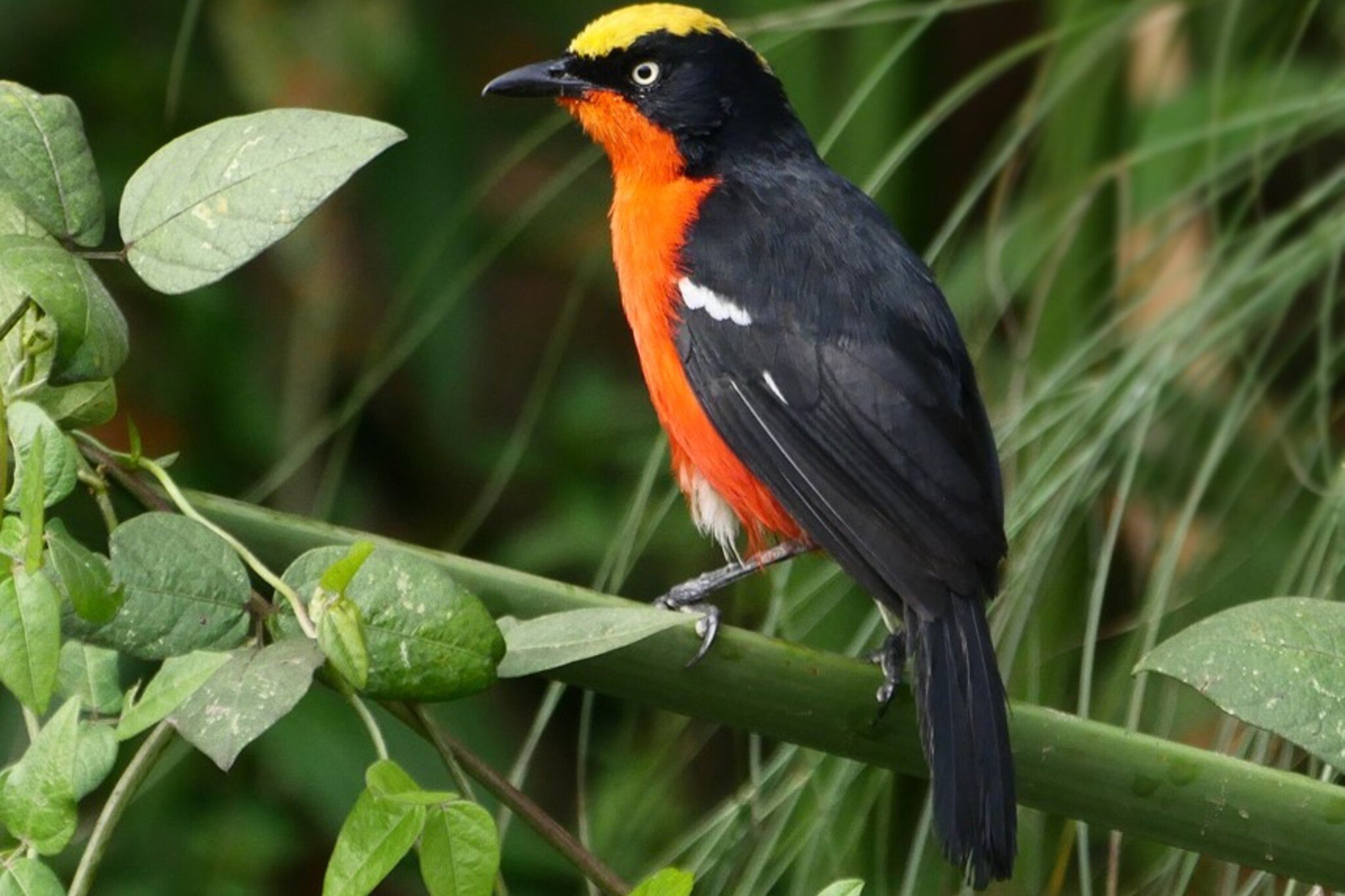

Birdwatching in Bigodi Wetland Sanctuary
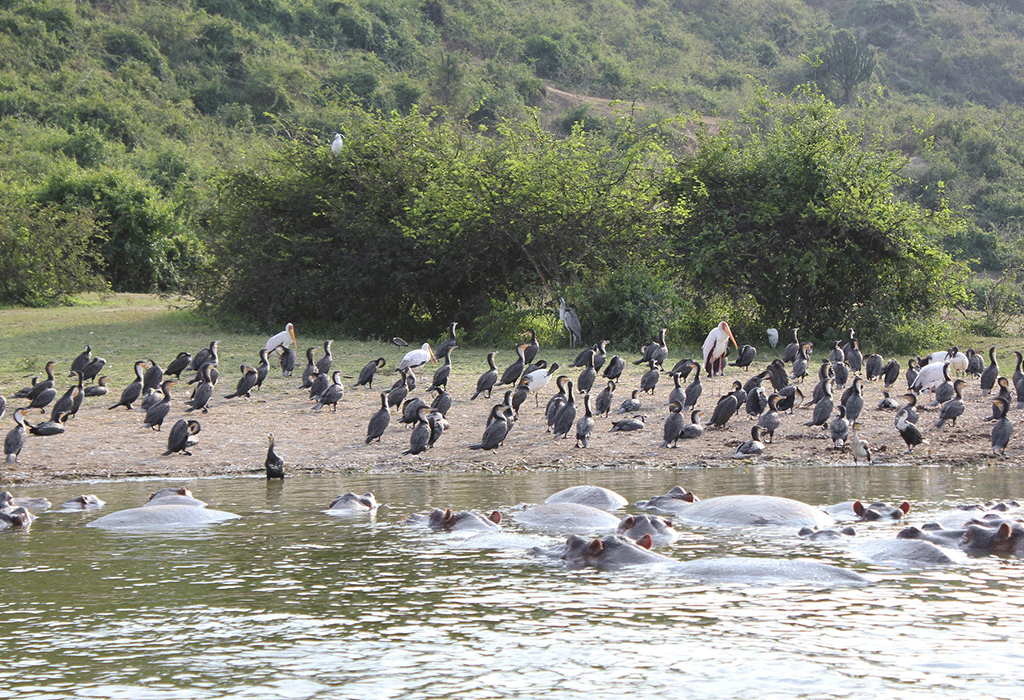
Bigodi is especially rewarding for birdwatchers because swamp, forest edge, farmland and papyrus habitats occur close together. KAFRED reports more than 200 bird species in the sanctuary area. The famous great blue turaco often tops visitors’ wish lists, but hornbills, kingfishers, parrots and other wetland birds also make the walk worthwhile.
Experienced birders will appreciate the chance to stop quietly, listen for calls and take time with each sighting. Beginners are equally welcome. Your guide can explain distinguishing features and point out birds that might otherwise disappear into dense foliage. Early morning is usually preferable for bird activity, cooler walking conditions and gentle photographic light.
Monkeys and other wildlife at Bigodi
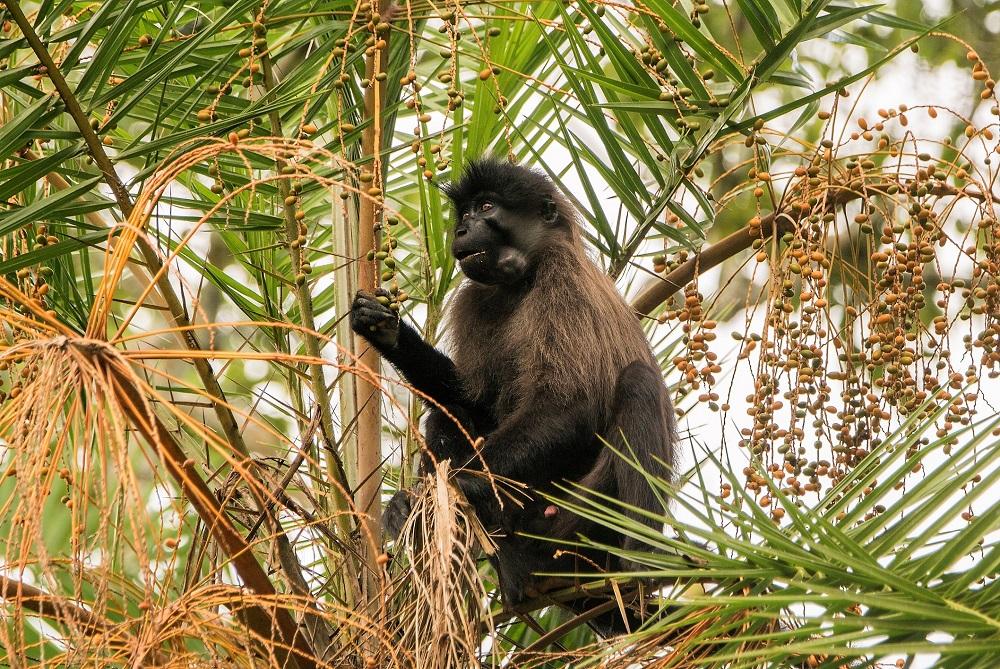
The sanctuary and surrounding forest support several primates, including black-and-white colobus, red colobus, red-tailed monkeys, blue monkeys, vervet monkeys, olive baboons, grey-cheeked mangabeys and L’Hoest’s monkeys. Not every species will appear on a single walk. Wildlife is free-ranging, and the guide will adapt the pace to what is visible and safe to approach.
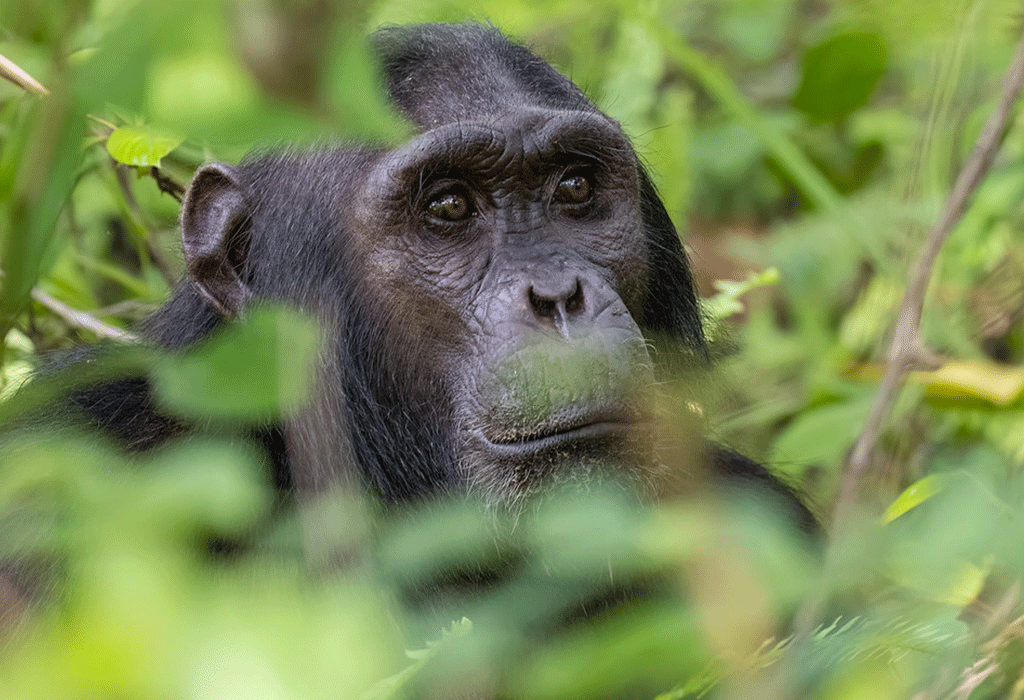
Sitatunga and other secretive wetland mammals have also been recorded, although they are much less likely to be seen than monkeys and birds. Chimpanzees belong primarily to the neighboring Kibale forest ecosystem; Bigodi should not be booked as a replacement for a dedicated chimpanzee tracking experience. For travelers particularly interested in primates, see our guide to Kibale’s primates.
The guided Bigodi Swamp Walk: what to expect
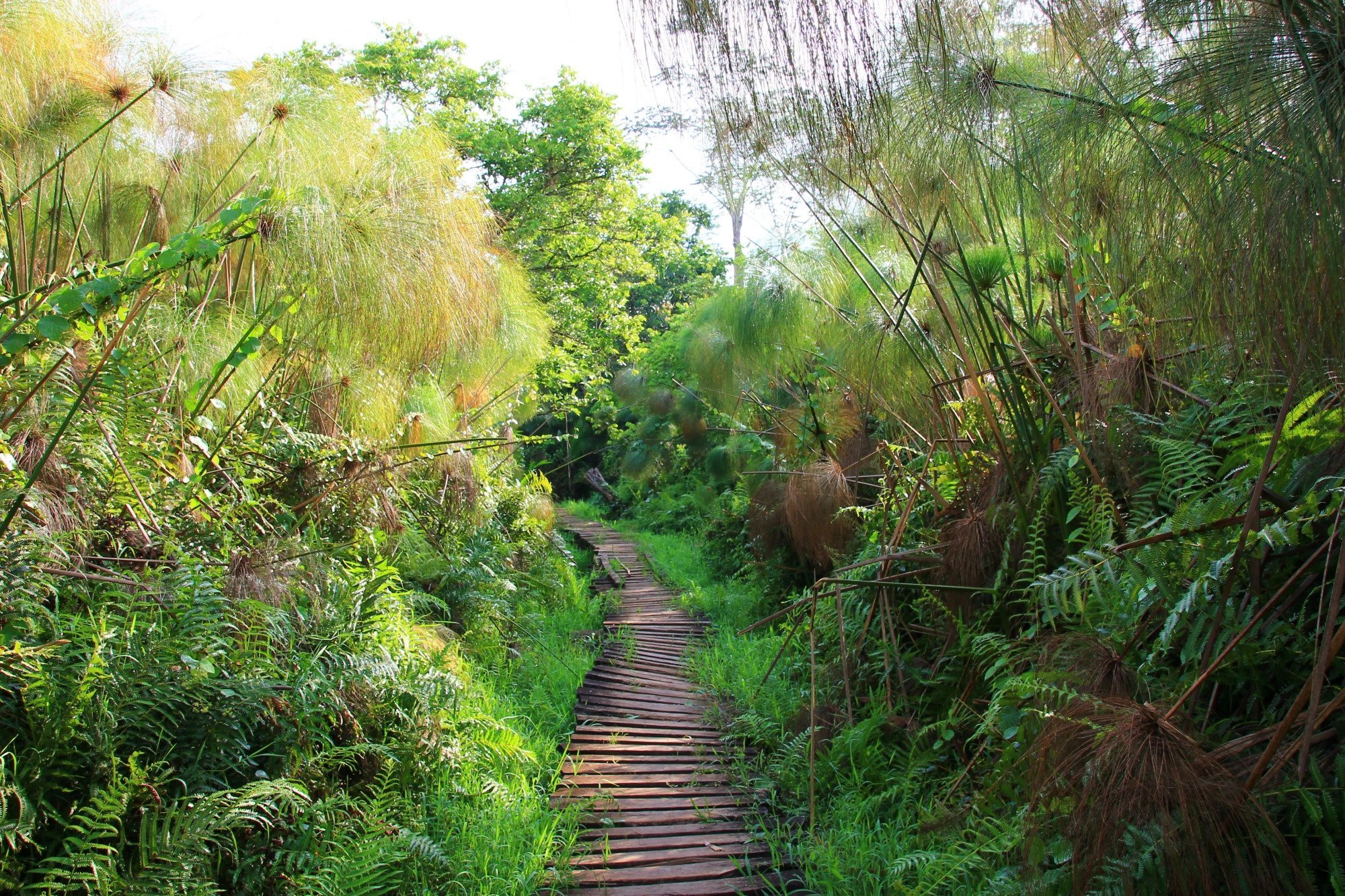
A typical guided nature walk follows roughly 4.5 km of paths and raised boardwalks and may take up to three hours. The ground is generally manageable for active visitors, but wet sections, muddy paths and occasional uneven surfaces mean sturdy footwear is important. Boardwalks can be slippery after rain, so move carefully and follow your guide’s instructions.
Your guide will introduce the vegetation, point out birds and monkeys, and discuss how the wetland supports the surrounding forest and community. Bring binoculars and a camera if you have them, but leave enough time simply to observe. A private pace is particularly useful for keen photographers and birdwatchers who may want to spend longer at promising viewpoints.
Explore Bigodi village and community culture
Beyond wildlife viewing, visitors can join a separately arranged cultural village walk. This offers a chance to learn about everyday life, community traditions, crafts and local food practices through respectful, locally guided encounters. Activities vary according to community availability and should be arranged rather than assumed to be included with the wetland entry.



Bigodi nature walk vs Kibale chimpanzee trekking
| Experience | Bigodi Wetland | Kibale chimpanzee trek |
|---|---|---|
| Main purpose | Birds, wetland ecology, monkeys and local conservation | Tracking a habituated chimpanzee community |
| Location | Community sanctuary outside Kibale National Park | Inside Kibale National Park |
| Typical time | Up to 3 hours | Variable; allow several hours |
| Booking | KAFRED community guide and separate walk fee | Separate Uganda Wildlife Authority chimpanzee permit |
If chimpanzees are your priority, reserve a dedicated trekking permit. Bigodi is a wonderful complement, but it is not a substitute for chimpanzee trekking.
How to combine Bigodi with Kibale chimpanzee trekking
For additional planning context, read our Kibale forest activity guide.
Bigodi is an ideal complement to a Kibale chimpanzee safari. One practical option is to track chimpanzees in the morning, return to your lodge for lunch and enjoy an afternoon wetland walk, provided the chimpanzee activity ends in time. If you are an enthusiastic birder, you may prefer a dedicated early-morning Bigodi visit on a separate day.
Suggested one-day experience
Morning: Kibale chimpanzee tracking · Midday: lunch and rest · Afternoon: Bigodi guided wetland walk · Evening: return to your lodge. Exact timings depend on trekking duration and confirmed start times.
Suggested Bigodi and Kibale safari itineraries
For longer routes, add savannah wildlife in Queen Elizabeth National Park or gorilla trekking in Bwindi. Your guide will adjust each day to real driving times, permit schedules and accommodation.
Best time to visit Bigodi Wetland Sanctuary
For additional planning context, read our Kibale seasonal wildlife guide.
Bigodi can be visited throughout the year. The relatively drier periods, commonly June to September and December to February, often make walking more comfortable, while wetter months can bring lush greenery and particularly atmospheric forest scenes. Rain is possible at any time around Kibale, so pack a light waterproof jacket even during the drier seasons.
KAFRED recommends morning walks around 7:30–9:00 a.m. or an afternoon start around 3:00 p.m., although arrangements should be checked before arrival. Birdwatchers often favor the earliest available walk, while an afternoon visit fits well after a morning wildlife activity.
Where to stay near Bigodi Wetland Sanctuary
Choose accommodation according to your priorities: an early Kibale chimpanzee briefing, a relaxed Bigodi nature walk or time to explore the crater lakes. Confirm the drive from your lodge to both Kanyanchu and Bigodi before booking.
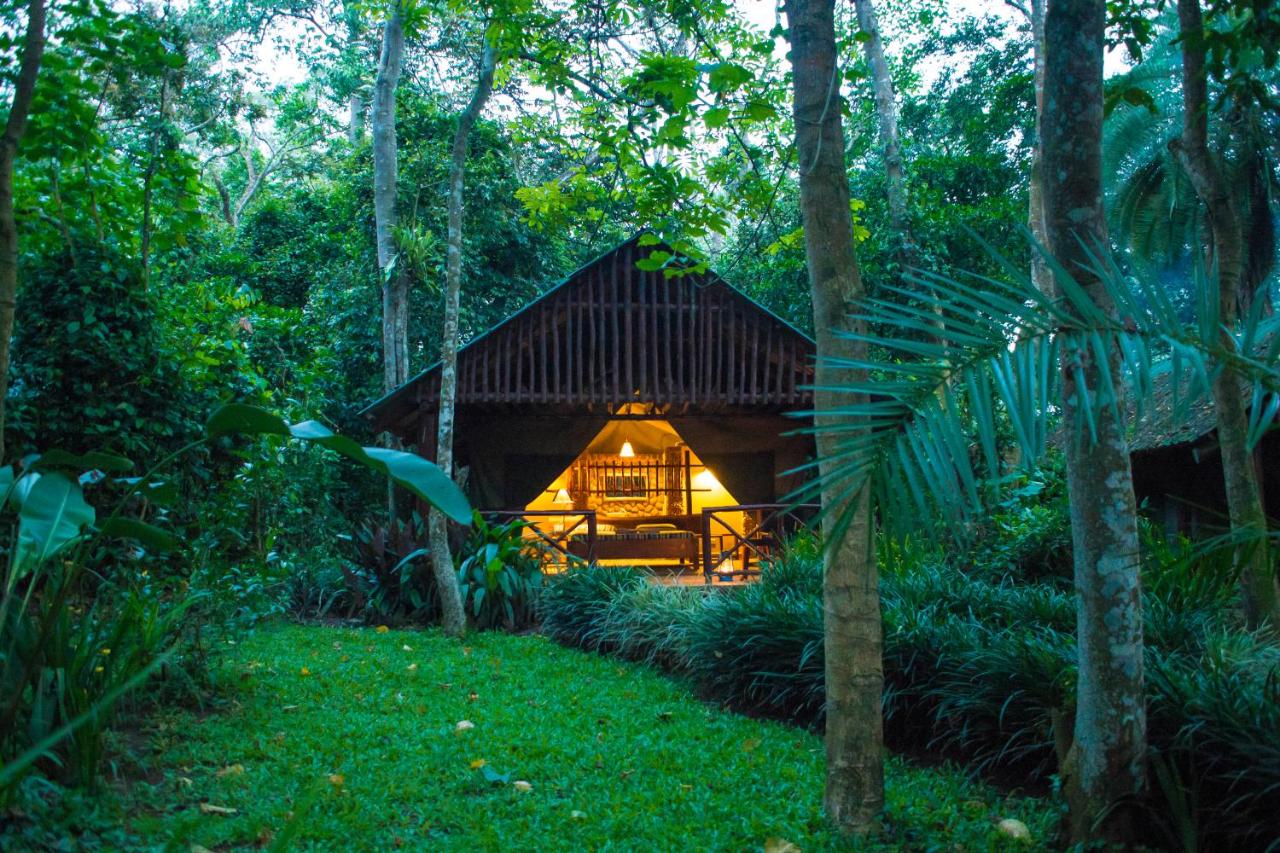
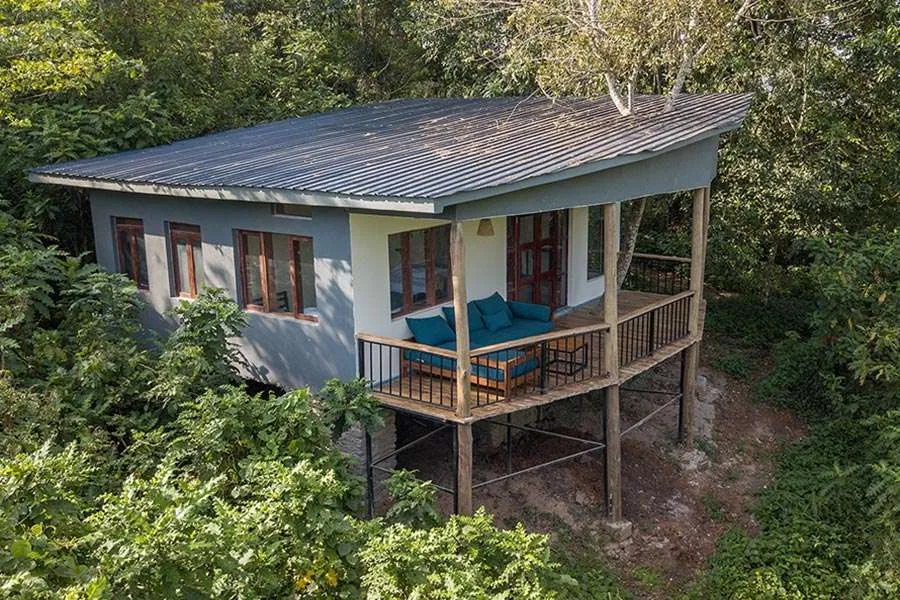

See our Kibale accommodation guide for more options and a location-by-location comparison. Rates, room types and availability are confirmed before quotation.
Where is Bigodi and how do you get there?
Bigodi village lies near Kibale National Park, approximately 40 km from Fort Portal in western Uganda. Visitors generally travel by road from Fort Portal or stay in one of the lodges around Kibale. The sanctuary is convenient to the Kanyanchu area, making it easy to combine with other forest activities. From Kampala or Entebbe, the journey requires several hours by road, so an overnight stay near Kibale is more relaxed than attempting a same-day return.
Safari Vacations can arrange transportation, accommodation and a locally guided Bigodi visit as part of a longer western Uganda itinerary. Travelers may also pair Kibale with Queen Elizabeth National Park, Bwindi Impenetrable National Park and other destinations depending on their available days.
How to plan a comfortable Bigodi walk
Bigodi is roughly 40 km from Fort Portal by road. Road conditions, traffic and the location of your accommodation affect transfer times, so allow a flexible margin rather than assuming an exact journey. If you are staying near Kanyanchu, your driver can usually combine the sanctuary visit with another Kibale activity.
Trail and mobility: Expect a mixture of earthen paths and wooden boardwalks. Mud, standing water and uneven footing are possible, especially after rain. The standard circuit may not be wheelchair accessible. Tell us about any limited mobility, knee concerns or a preference for a shorter route so we can check current conditions and alternatives with KAFRED.
Best departure: Early mornings are attractive for birdwatching. The operator also describes afternoon guided walks. Confirm your start time before travel, particularly when pairing Bigodi with chimpanzee trekking.
Fees: KAFRED’s detailed online fee table is marked effective 2017; those prices should not be treated as current 2026 charges. We confirm current walk, community visit, transfers and any separate park permits before issuing a quotation.
Packing: Wear closed shoes with grip, lightweight long trousers, sunscreen, insect repellent and a light rain jacket. Bring drinking water, binoculars and a camera with a secure strap. Avoid touching wildlife, feeding monkeys or leaving the trail.
Bigodi Wetland entrance fees and booking
The sanctuary has separate admission arrangements from Kibale National Park. KAFRED’s public information includes older price tables, so it is important to confirm the applicable fee for your travel date and residency category before making payment. A Bigodi walk is not automatically covered by a Kibale chimpanzee tracking permit.
For up-to-date arrangements, consult the official KAFRED guided nature walk page. We can include the guided experience, transfer arrangements and any additional community activities in a personalized safari quotation.
What to pack for your Bigodi nature walk
Wear closed walking shoes with reasonable grip, lightweight long trousers and breathable clothing. Carry drinking water, insect repellent, sunscreen and a rain jacket. Binoculars are particularly worthwhile because many birds and monkeys remain high in the trees. Protect your phone or camera in a small waterproof pouch during rainy conditions.
Keep to the designated trail, avoid feeding animals and ask before photographing local residents. A respectful, patient pace makes the walk more enjoyable for both wildlife and people.
Plan the rest of your Uganda safari
Explore the Kibale landscape
To understand Bigodi in the context of the wider rainforest, these carefully selected resources help with landscape, monkeys, walking and finding the right place to stay. Kibale National Park; Kibale travel guide; Kibale national park guide; Kibale forest overview; Chimpanzees of Kibale; Primates of Kibale; Kibale forest walks; Other guided Kibale walks; Kibale accommodation guide.
Plan chimpanzees and accommodation
A Bigodi visit can be planned as a short extension or part of a longer forest itinerary. These planning resources explain the different permit-based activities and realistic safari combinations. Chimpanzee safari inclusions; Kibale weekend chimp trekking; Kibale road trip; Five days in Kibale; Three-day chimpanzee and cultural safari; Seven-day chimpanzee and gorilla safari; Five-day Uganda primates safari; Uganda primates express safari; Gorilla and chimpanzee safari options.
Build a wider Uganda safari
If you are continuing from Kibale to other parts of Uganda, use these trip and booking guides to compare how the wetland fits into a longer private safari. Nature walks and chimpanzee trekking; Best gorilla trekking tours; Wildlife safari collection; Booking a Uganda safari; Uganda and Tanzania safari extension; Safari Vacations experiences; Uganda travel and safari ideas; Privacy and booking information; Contact our safari specialists.
FAQs About Bigodi Wetland Wildlife Experience
Is Bigodi Wetland Sanctuary inside Kibale National Park?
No. Bigodi is a community-managed attraction beside Kibale National Park, with its own guides and visitor fees.
How long does the Bigodi Wetland walk take?
Allow approximately two to three hours for the standard guided route, depending on pace, sightings and trail conditions.
What is Bigodi best known for?
It is particularly known for the great blue turaco, numerous wetland birds, several monkey species and community-based conservation.
Can I see chimpanzees at Bigodi?
Chimpanzees may occasionally move through the wider area, but sightings are unpredictable. Book a separate Kibale chimpanzee tracking experience if chimpanzees are your main goal.
Is the walk suitable for children?
Many children who enjoy nature walks can participate, but the route includes wet or uneven surfaces. Discuss ages and mobility needs with the organizer before booking.
Do I need a guide?
Yes. KAFRED requires visitors to enter the wetland with a trained sanctuary guide.
Can Bigodi be visited after chimpanzee tracking?
Yes, an afternoon wetland walk is a popular combination when your morning chimpanzee activity finishes early enough.
When is the best time for birdwatching?
An early-morning walk is typically most rewarding because birds are active and conditions are cooler.
Are monkeys guaranteed?
No. The primates are wild and sightings depend on their movements, weather and other natural conditions.
Is the community cultural walk included?
Usually it is a separate experience. Confirm availability and pricing when booking.
Can travelers with limited mobility visit?
The trail can include muddy and uneven sections as well as boardwalks. Contact the organizer in advance to discuss suitable options.
How do I book Bigodi with a Uganda safari?
Safari Vacations can include the Bigodi guided walk in a Kibale-focused trip or a multi-park Uganda itinerary.
YOUR NEXT UGANDA ADVENTURE
Discover the Beauty of Bigodi Wetland Sanctuary
Walk through lush wetlands, spot colorful birds and playful primates, and experience community-led conservation near Kibale National Park. Let us create a memorable Uganda safari just for you.
Tailor-made Uganda safaris • Experienced local guides • Personalised travel planning