
Guided Forest Walks in Kibale National Park

Uganda’s Primate Capital • Guided Nature Experiences
Guided Forest Walks in Kibale National Park
Step beneath the rainforest canopy, discover remarkable primates and birds, and experience the quieter side of Kibale with knowledgeable local ranger guides.
Guided forest walks in Kibale National Park invite you to slow down and discover Uganda’s rainforest one step at a time. While many travellers arrive in search of chimpanzees, Kibale also offers superb opportunities to appreciate its towering trees, butterflies, monkeys, bird calls and intricate forest ecology. With a trained guide interpreting the landscape, even a short walk becomes an engaging introduction to the relationships that sustain this biodiverse ecosystem.
Choose Your Kibale Forest Walking Experience
Different guided walks reveal different sides of Kibale. Choose a classic interpretive nature walk, venture out after dark, or explore the community-managed wetland just outside the national park. The experiences below are not interchangeable with chimpanzee trekking permits; they must be booked according to their individual arrangements.


What Makes a Guided Forest Walk Special?
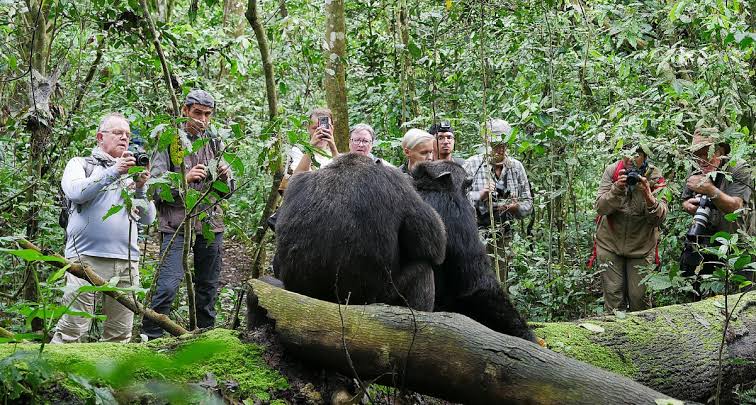
Walking gives you time to notice details that are easily missed from a vehicle. One moment you may hear colobus monkeys moving through the canopy; the next, your guide may point out a tiny fungus, an unusual insect or a bird calling from high in the trees. These small discoveries are what distinguish a nature walk from a fast-paced wildlife search.
Kibale’s habitat is a mosaic of moist tropical forest, swamp, grassland and woodland. Guides explain how the forest regenerates, how birds and mammals disperse seeds and why deadwood and leaf litter support countless organisms. They can also explain the traditional uses of certain plants while making clear that visitors should never pick, taste or disturb them. This approach makes forest walks worthwhile for nature lovers, photographers, families, students and travellers seeking a more reflective safari experience.
Where Guided Walks Take Place
Kanyanchu: The Main Forest Walking Hub
Kanyanchu Visitor Centre is the best-known starting point for visitor activities in Kibale. It offers organised nature experiences along forest trails, including day walks and authorised night walks. Uganda Wildlife Authority park information has listed two-hour daytime walks at 8:00 a.m., 10:00 a.m. and 2:00 p.m. These are published reference times, not a live schedule; we confirm current departures before finalising your safari. A two-hour nature walk is ideal if you want time for another experience the same day.
Sebitoli: A Quieter Northern Sector
Sebitoli, in the northern part of Kibale, provides an alternative for visitors interested in forest birdlife, monkeys and peaceful natural surroundings. It is more convenient for some travellers approaching from Fort Portal. Sightings may include colobus monkeys and other forest primates, but this is not a substitute for the main habituated chimpanzee tracking experience at Kanyanchu. Trail access and guide availability should be arranged in advance.
Bigodi: Forest-Edge Wetland and Community Conservation
Bigodi Wetland Sanctuary lies outside Kibale National Park and is managed through a local community conservation initiative. Its mix of papyrus, swamp and forest-edge habitats supports rewarding birdwatching and monkey sightings. Guided walks often take approximately two to three hours, depending on weather, interest and trail conditions. A Bigodi visit is a particularly strong addition to morning chimpanzee trekking or a daytime forest walk, and visitor fees support local conservation and community programmes.

Wildlife You May Encounter in Kibale
Primates: Kibale is celebrated for its chimpanzees and other primates. On a general forest walk, you may encounter black-and-white colobus, red colobus, red-tailed monkeys, blue monkeys or grey-cheeked mangabeys. Many are heard before they are seen; none can be guaranteed. Chimpanzee sightings on a nature walk are incidental and do not include the protected viewing time provided by a dedicated chimpanzee tracking permit.
Birds: Birders can look and listen for great blue turacos, hornbills, forest kingfishers, greenbuls, sunbirds and other forest specialists. Dense canopy can make sightings challenging, so binoculars are especially useful. Bigodi offers complementary wetland and forest-edge birding.
Smaller forest life: Colourful butterflies, millipedes, frogs, interesting fungi and unusual plant forms reward patient observation. At night, visitors may hear or occasionally glimpse galagos, pottos, owls, nightjars and tree hyraxes. Larger mammals inhabit Kibale, but forest walks should never be sold as guaranteed encounters with elephants, buffaloes or other potentially dangerous animals.


Day Forest Walks vs Chimpanzee Trekking
These activities share a rainforest setting but serve different interests. A guided nature walk concentrates on the wider ecosystem: trees, birds, butterflies, monkeys, animal signs and scenery. A chimpanzee tracking excursion is specifically organised to locate a habituated chimpanzee community and, when found, allow the permitted viewing period under ranger supervision. Chimpanzee tracking generally takes longer, is subject to age and health rules and requires a separate permit. For visitors seeking deeper observation, the chimpanzee habituation experience is another separately booked activity.
Combining two activities often makes more sense than choosing one. For example, you could track chimpanzees in the morning, rest over lunch and join a Bigodi community walk later in the day. Alternatively, travellers who prefer a slower itinerary could dedicate one day to forest ecology and birdwatching without the physical demands of tracking mobile chimpanzees.
Best Time for Forest Walks in Kibale
Kibale is a year-round destination. The relatively drier periods, commonly June through September and December through February, tend to make trails more comfortable underfoot. Rainier months, often March to May and October to November, bring lush vegetation, atmospheric forest scenery and excellent conditions for appreciating plants and amphibians. Rainfall is possible in any month, however, and conditions can change quickly beneath the canopy.
Morning walks often appeal to birdwatchers and photographers because temperatures can be cooler and bird activity strong. Afternoon sessions work well when paired with a separate morning activity. Night walks offer a different atmosphere, but visibility is limited and wildlife sightings are unpredictable. Good footwear and a light rain jacket are useful regardless of the season.
How Difficult Are the Walks?
The standard short interpretive nature walk is generally manageable for travellers with moderate mobility, although rainforest paths can be uneven, root-covered and muddy. A longer forest hike may require more stamina and should only be booked if the route is currently open and suitable for your fitness level. Wetland boardwalks and approaches can also be slippery after rain. Tell us in advance about mobility concerns, children’s ages or accessibility requirements so we can request an appropriate route instead of promising that every walk is easy or wheelchair-accessible.
What to Pack
Wear closed-toe walking shoes or lightweight hiking boots with grip, comfortable trousers and a breathable long-sleeved shirt. Pack drinking water, a compact rain jacket, insect repellent and a small daypack. Binoculars can transform a birding walk, while a camera with a quiet shutter is useful for wildlife photography. For night walks, follow your guide’s instructions about lighting and equipment. Avoid bright flashes near animals and do not bring food to attract wildlife.
A Suggested Two-Day Kibale Forest Experience
Day 1: Travel to Kibale and Explore the Forest
Arrive from Fort Portal, Entebbe or another safari destination and check into your lodge. Depending on your arrival time and confirmed availability, join an afternoon guided nature walk to discover the forest’s birdlife, primates and plant communities. Return for dinner. An authorised night walk may be an option for guests keen to experience the nocturnal forest.
Day 2: Chimpanzees and Bigodi Wetland
After an early breakfast, report for a separately booked chimpanzee trekking experience at Kanyanchu. Enjoy lunch and, if you have the energy, visit Bigodi Wetland Sanctuary with a community guide for an afternoon of birdwatching, primate sightings and conservation stories. This schedule is illustrative; the actual order depends on confirmed permits, availability and trail conditions.
Where to Stay Near Kibale National Park
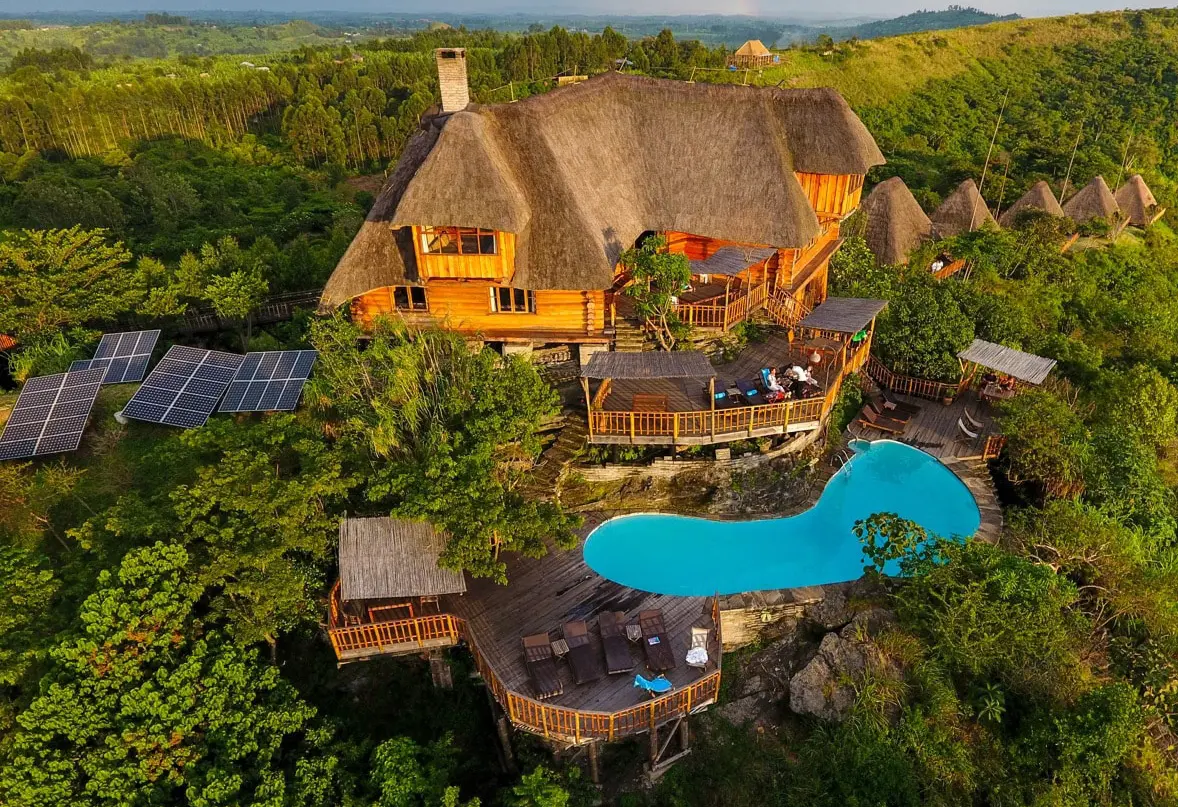
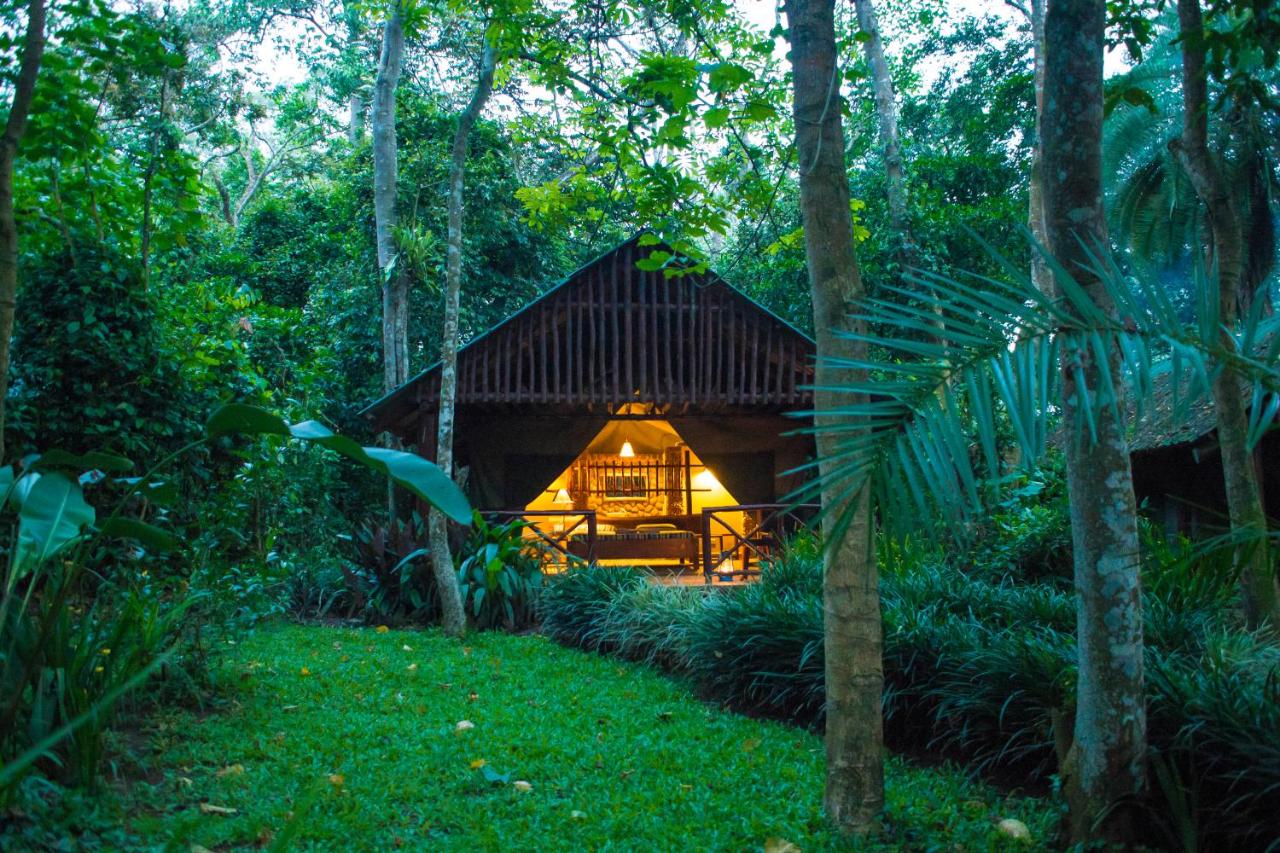
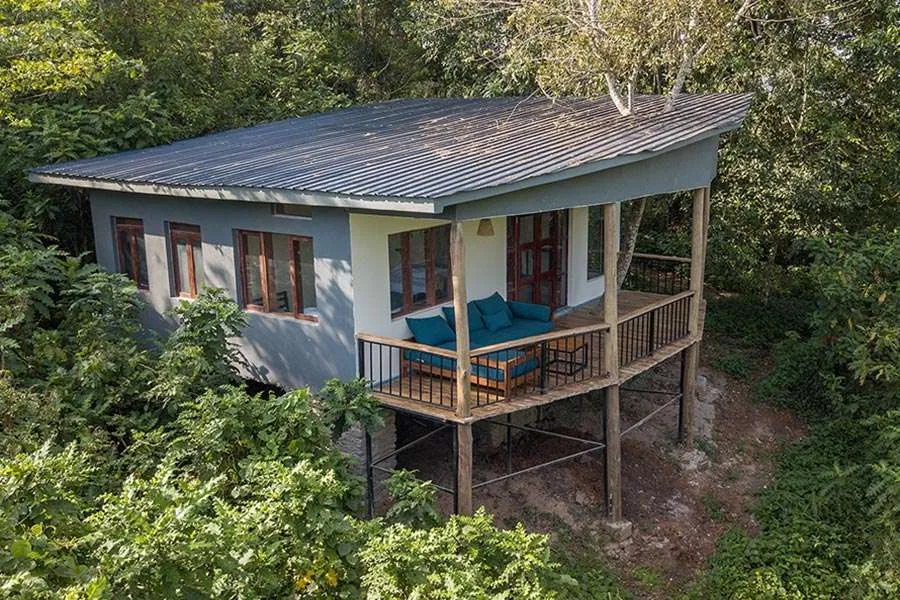
Most visitors stay around the Kanyanchu–Bigodi area or the wider Fort Portal region. The best choice depends on your budget, preferred atmosphere and travel time to the activity briefing point. These are suggestions, not guaranteed room availability; we check the exact lodge and room category for your dates.
How to Plan and Book Your Guided Walk
First, choose the kind of walk you want: an interpretive nature walk inside Kibale, an authorised nocturnal activity, or a community-led Bigodi Wetland walk. Next, share your dates, ages, group size, accommodation preference and any mobility considerations. Safari Vacations and Travel Services Ltd can then check current guiding arrangements, activity fees, available departure times and transfers before confirming a quotation.
Important: Park admission, guiding fees, night-walk arrangements and Bigodi fees may be charged separately. A chimpanzee trekking permit is a different product and should not be assumed to be included in a forest-walk quotation. Prices and age rules can change, so request an itemised, date-specific price before booking.
Which Forest Walk Is Best for You?
For first-time visitors: A daytime interpretive walk offers an accessible introduction to forest ecology and is easier to combine with other activities. For keen birders: Consider a dedicated birding walk and Bigodi Wetland Sanctuary, allowing extra time with binoculars. For wildlife enthusiasts: Choose a nocturnal walk where authorised and available, while remembering that sightings are unpredictable. For primate-focused travellers: Reserve a separate chimpanzee tracking or habituation permit and use the nature walk as a complementary experience.
Getting to Kibale National Park
Kibale lies in western Uganda close to Fort Portal. Most guests arrive by road in a private safari vehicle. From Entebbe or Kampala, allow much of a day for the drive, depending on traffic, stops and road conditions. Fort Portal is a convenient gateway for travellers combining Kibale with nearby crater lakes and other western Uganda attractions. Visitors coming from Queen Elizabeth National Park can integrate Kibale into a broader primates-and-wildlife safari. We plan departures around your actual lodge, not simply around the park boundary.
Conservation and Responsible Forest Walking
By following established trails and travelling with authorised guides, visitors help reduce disturbance to wildlife and sensitive vegetation. Keep a respectful distance from animals, never feed monkeys or birds, and avoid removing plants or natural objects. Speak softly, carry away all litter and follow ranger directions immediately. If you feel unwell with a potentially infectious illness, tell your organiser before participating in primate-related activities. Choosing a community-led Bigodi walk also gives you a practical way to support conservation-linked local livelihoods.
Frequently Asked Questions About Guided Forest Walks in Kibale
Do I need a guide to walk inside Kibale National Park?
For organised forest trails and visitor nature activities, use an authorised park guide and follow Uganda Wildlife Authority procedures. Do not enter restricted forest paths independently.
How long is a standard nature walk?
The commonly advertised Kanyanchu interpretive nature walk is approximately two hours. Longer specialised routes may be possible, subject to current park operations, trail conditions and fitness requirements.
Will I see chimpanzees on a forest walk?
Chimpanzees live in Kibale, but general nature walks do not guarantee sightings or provide the dedicated chimpanzee viewing experience. Book a chimpanzee tracking permit if chimpanzees are your priority.
Is Bigodi part of Kibale National Park?
No. Bigodi Wetland Sanctuary is a community-managed conservation attraction beside the park. It has its own local guiding and admission arrangements.
Can children join guided forest walks?
Some general nature activities may suit children who are comfortable walking and following a guide. Age rules vary by activity, and chimpanzee tracking has stricter age requirements. We confirm eligibility before booking.
What do Kibale nature walks cost?
Prices depend on nationality or residency category, selected experience, park fees and whether transport or other services are included. We provide a date-specific quote using the applicable published rates rather than an unverified flat price.
Can I combine Kibale with gorilla trekking?
Yes. Kibale and Bwindi Impenetrable National Park are commonly combined in a Uganda primates itinerary, often with Queen Elizabeth National Park between them. We can tailor the route to your available days and preferred accommodation.
Explore More Uganda Primate Experiences
Continue planning with our Kibale travel guide, Kibale Forest National Park overview, chimpanzee habituation guide, walking safaris in Uganda and complete Kibale National Park guide.
Plan with a local safari specialist
Ready to Walk the Trails of Kibale Forest?
Tell Safari Vacations and Travel Services Ltd your travel dates, group size and preferred walking experience. We’ll arrange the right ranger-led walk, accommodation and transfers—and help you combine Kibale with chimpanzees, Bigodi, Queen Elizabeth National Park or Bwindi.




