
Best East African Country for a Wildlife Safari: 4 Gems

Best East African Country for a Wildlife Safari
If you want one answer to the question “What is the best East African country for a wildlife safari?”, choose Tanzania for the broadest classic savannah experience, Kenya for a flexible first safari, Uganda for gorillas and chimpanzees alongside game drives, and Rwanda for a compact, gorilla-led itinerary. Each country rewards a different set of expectations. The right choice depends on the animals you care about, your travel dates, the time available, and whether you prefer sweeping plains or forest trekking. This guide makes the trade-offs practical, without promising sightings or presenting a single destination as best for every traveler.
Quick answer: Tanzania leads for a longer plains safari; Kenya for a shorter, varied wildlife circuit; Uganda for mountain gorillas, chimpanzees and contrasting habitats; Rwanda for streamlined gorilla access with Akagera as a savannah addition. Wildlife moves, travel times vary, and park arrangements change, so plan around priorities rather than rankings alone. For more context, see our Uganda and Rwanda gorilla comparison before deciding where to trek.
How to Choose the Best East African Country for a Wildlife Safari
East Africa works so well for a major wildlife journey because several very different ecosystems can be combined within one region. Kenya and Tanzania deliver the classic safari image: broad grasslands, predator-rich game areas, elephants, giraffes, zebras, buffalo and seasonal concentrations of wildebeest. Uganda and Rwanda add a different dimension through highland forests and primate trekking. Instead of choosing between a “Big Five safari” and a rainforest adventure, a well-designed itinerary can include both.
The region also suits different trip lengths. A focused week can explore one strong circuit, while two or three weeks can connect several ecosystems. A specialist East African safari route becomes especially valuable when border crossings, regional flights, trekking permits and long road transfers must work together. The goal is not to visit the greatest number of places; it is to spend enough time in each place for wildlife viewing to feel unhurried. For more context, see our Queen Elizabeth National Park guide for savannah and waterway experiences.
An East Africa wildlife safari is not a single type of holiday. In a Kenya vs Tanzania safari decision, driving time and wildlife habitat often matter as much as the price of a lodge. A Uganda wildlife safari is a stronger fit when travelers want to blend primates, birds and savannah, while a Rwanda wildlife safari can make sense for a more focused trip with short regional connections. These phrases describe distinct approaches, not guarantees about sightings or costs. For more context, see our Tanzania wildlife safaris for more detail on classic game drives.
Kenya vs Tanzania vs Uganda vs Rwanda: Honest Safari Comparison
Kenya is our recommendation for travelers who want strong predator viewing, varied reserves and a manageable first safari. The Maasai Mara has extensive grassland habitat and opportunities to watch lions and other carnivores, but game viewing still depends on location, weather and the guide’s fieldcraft. Amboseli is celebrated for elephants and views toward Mount Kilimanjaro when the weather is clear; Samburu and Laikipia add a contrasting dry-country setting. Its network of safari camps and conservancies creates choice, although private activities and fee structures need careful comparison. For more context, see our Akagera National Park safari for a closer look at Rwanda’s savannah option.

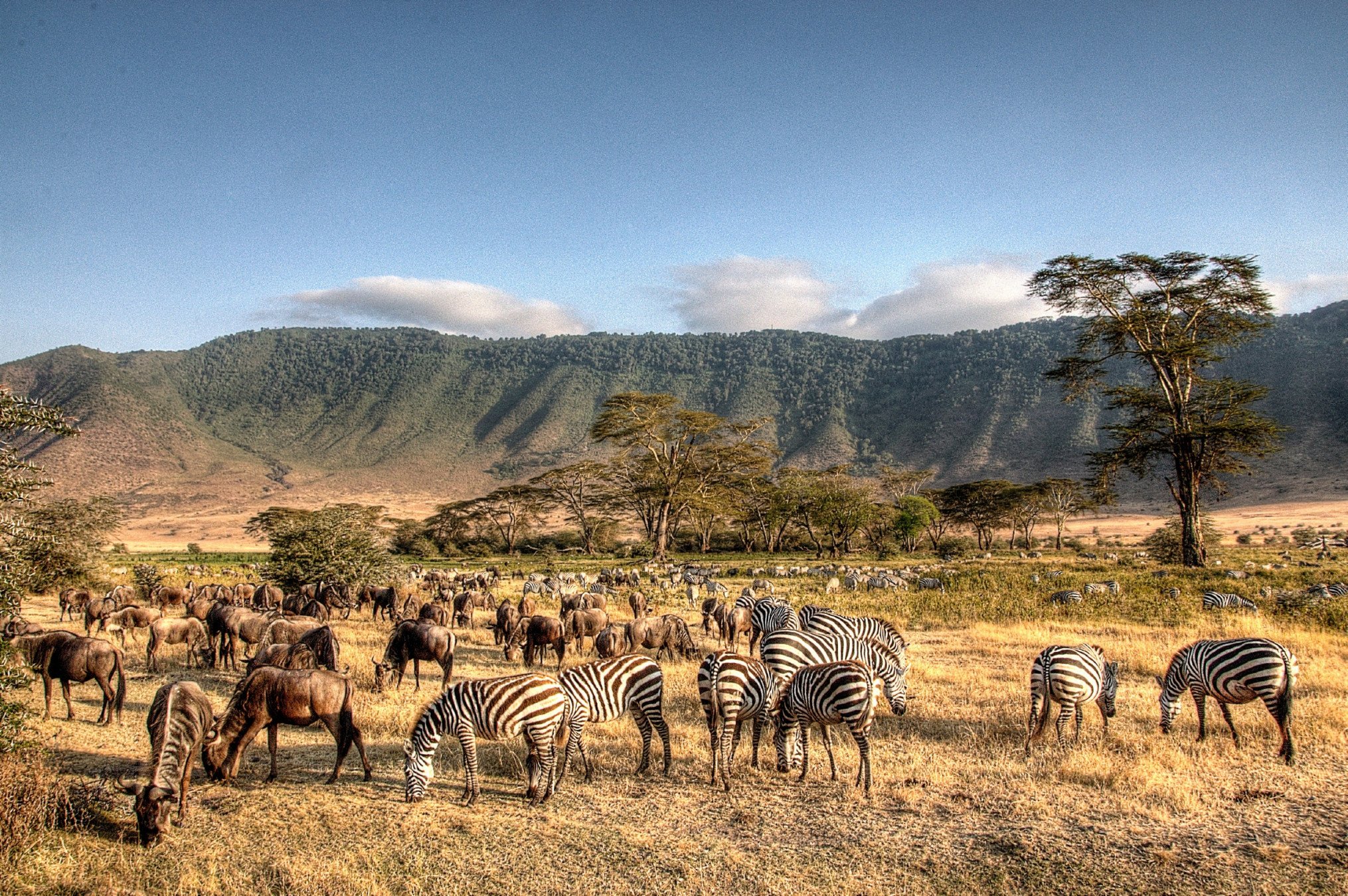
Tanzania is our first choice for travelers who can devote a full week or longer to an iconic plains safari. The Serengeti has exceptional scale, with migration movement across the wider ecosystem; Ngorongoro offers a very different enclosed landscape; and Tarangire complements both with woodland and elephant experiences. The main drawback is not a shortage of wildlife but the distance between areas, the cost of protected-area access, and the danger of rushing a large circuit. A sensible itinerary spends enough nights in its strongest wildlife zones. For more context, see our Tanzania safari routes before setting your number of nights.
Uganda ranks first for travelers who want to combine great apes with a broader nature safari. Bwindi and Mgahinga offer mountain-gorilla trekking, Kibale is particularly known for chimpanzee encounters, and Queen Elizabeth, Murchison Falls and Kidepo support classic wildlife drives or boat excursions. Forest walks can be steep or muddy, and the driving distances between some parks deserve respect. Uganda is not the most direct destination for the Great Migration, but it can create an unusually varied itinerary across forests, savannahs, wetlands and rivers. For more context, see our Uganda primates and wildlife safari when combining forests with open-country wildlife.
Rwanda is our recommendation for visitors prioritizing a shorter, well-organized mountain-gorilla journey. The road journey from Kigali to the Volcanoes region is generally more straightforward than many longer regional safari transfers. Akagera provides a chance to see savannah species, while Nyungwe introduces chimpanzees and rainforest scenery. Gorilla permits are a major budget consideration, and the country has fewer expansive plains-safari areas than Kenya or Tanzania. For travelers with limited nights, however, concentrating on one or two Rwanda ecosystems can be rewarding. For more context, see our Rwanda wildlife guide to see the country’s wider safari mix.
Which Country Wins for Specific Wildlife Encounters?
Best East African Country for a Wildlife Safari: Which Migration Route Wins?
The Great Migration is not a single event on a fixed date. Wildebeest, zebra and other grazers move through the Serengeti–Mara ecosystem in response to seasonal conditions, while predators follow opportunities around the herds. River crossings are famous, but they are only one chapter. Calving areas, rutting periods, moving columns and resident wildlife can all produce remarkable viewing. If migration is your priority, ask where the herds are commonly expected during your travel window rather than booking a country simply because an advertisement says “migration season.” For more context, see our Serengeti migration planning if seasonal herds lead your wish list.

2. Gorilla Trekking in the Albertine Rift
Mountain gorilla trekking changes the rhythm of a safari. Instead of scanning an open plain from a vehicle, travelers hike with trained guides and trackers through steep, humid forest. Uganda’s Bwindi Impenetrable Forest is a major trekking destination, while Rwanda’s Virunga landscape offers another well-established option. Permits are limited, and the trekking sector influences accommodation and transfers, so secure the trek before locking in the surrounding route. For more context, see our Volcanoes National Park guide for practical gorilla-trip planning.
3. Chimpanzee Trekking
Chimpanzee trekking is more energetic and vocal than many first-time visitors expect. Calls can travel through the forest before the animals are visible, and a community may move quickly through the canopy or feed at ground level. Uganda’s Kibale Forest National Park is a natural addition to a western Uganda circuit. Pairing chimpanzees with gorillas also creates a useful contrast between two great-ape experiences rather than repeating the same style of activity. For more context, see our Kibale Forest National Park if chimpanzees are a priority.
4. Boat Safaris, Lakes and the Nile
Not every wildlife encounter needs to happen from a 4×4. Boat trips can reveal hippos, crocodiles, elephants at the water’s edge and prolific birdlife while giving travelers a welcome break from long drives. In Uganda, the Nile is central to the experience at Murchison Falls National Park. In Rwanda, Lake Kivu can provide a slower finish after trekking and road travel. For more context, see our Murchison Falls National Park for Nile wildlife and landscapes.
Turn Your Wildlife Wish List Into an Itinerary
Dreaming of lions, gorillas, chimpanzees, elephants or the Great Migration? Share your must-see animals and travel dates and start shaping a safari around them.
Plan Around My Must-See Wildlife →
Email: info@ugandarwanda-safaris.com
Best Time to Visit Kenya, Tanzania, Uganda and Rwanda
There is no universal best month because East Africa combines equatorial forests, highlands, savannahs and coastal climates. For many classic game-viewing areas, drier periods can improve road conditions and concentrate wildlife around water, while green seasons bring fresh landscapes, dramatic skies, young animals, migratory birds and sometimes lower demand. Migration timing adds another variable because herd locations shift through the year and cannot be reduced to one guaranteed week. For more context, see our East Africa safari guide for the full regional planning context.
For gorilla trekking, drier months are often preferred because forest trails may be less muddy, but trekking operates across much of the year and rainforest weather remains changeable. A guide to the best time to trek mountain gorillas should therefore be read alongside your wider safari dates. If you are combining gorillas with the Serengeti or Maasai Mara, choose dates around the experience with the narrowest seasonal window and let the more flexible activities fit around it. For more context, see our Bwindi Impenetrable Forest for the gorilla-trekking setting.
How Many Days Do You Need in Each Safari Country?
Seven to nine days works best for one focused circuit: northern Tanzania, a Kenya wildlife route, or a compact Uganda/Rwanda primate itinerary. Ten to fourteen days gives enough room to combine contrasting habitats without changing hotels every night. Two to three weeks makes a multi-country East African safari more rewarding because border crossings and regional flights no longer consume a disproportionate share of the holiday. For more context, see our Uganda national parks guide to compare regional differences.
Days 1–4: Serengeti or Maasai Mara plains safari.
Days 5–6: second ecosystem or crater/highland wildlife area.
Days 7–8: regional transfer and a slower recovery day.
Days 9–11: Uganda or Rwanda primate region.
Days 12–13: gorilla trek plus nearby nature/cultural experience.
Day 14: departure or an extension to Lake Kivu, Zanzibar or another restful destination.
How Many Safari Days Are Right for You?
Send your available dates, group size and priorities. Get help balancing game drives, primate trekking, culture and travel time without rushing the journey.
Help Me Plan the Right Length →
Email: info@ugandarwanda-safaris.com
Which East African Safari Country Offers the Best Value?
Safari prices vary too widely for one headline number to be useful. The biggest drivers are season, accommodation level, whether the vehicle is private or shared, group size, park and conservation fees, domestic or regional flights, trekking permits and how remote the itinerary becomes. A simple lodge outside a reserve may cost less than a camp positioned deep inside a prime wildlife area, but location can also save hours of driving. Compare what is included rather than comparing package totals alone. For more context, see our chimpanzee tracking seasons when choosing forest travel dates.
A lower-cost trip usually uses fewer flights, shared or efficiently sized vehicles, comfortable mid-range lodges and a route with limited backtracking. Luxury often adds exclusive camps, private vehicles, fly-in transfers, premium locations and more flexibility. Gorilla and chimpanzee permits should be treated as specific activity costs, not hidden inside a vague daily average. Ask for park fees, permits, meals, drinks, transfers and internal flights to be itemized before paying a deposit. For more context, see our Uganda gorilla permits before securing trekking accommodation.
Build a Safari Around Your Budget
Share your travel month, number of travelers and preferred comfort level for a route designed around the experiences that matter most to you.
Request a Tailor-Made Safari Idea →
Email: info@ugandarwanda-safaris.com
Planning Transport, Borders and Visas
East African distances look deceptively small on a map. Road speed can be affected by terrain, park tracks, traffic, border formalities and wildlife stops. A good itinerary alternates longer transfer days with two- or three-night stays. Domestic flights can protect valuable safari time, especially when connecting distant parks, but road travel often reveals landscapes and communities that a fly-in itinerary misses.
Visa rules depend on nationality and itinerary and can change, so travelers should check current official requirements before departure. For routes involving eligible countries, understanding the East African Tourist Visa can help clarify whether it fits the exact border sequence. Do not assume that one regional visa automatically covers every East African safari country. For more context, see our East African Tourist Visa guide when planning eligible multi-country routes.
Make the Logistics Easy
Planning multiple parks or countries? Ask for help connecting airports, road transfers, border crossings and safari sectors into one workable route.
Ask About Transfers & Routing →
Email: info@ugandarwanda-safaris.com
Safari Accommodation: Lodge, Tented Camp or Fly-In Camp?
Accommodation shapes the safari more than star ratings suggest. A permanent lodge may offer larger rooms, pools and extensive facilities, making it attractive for families or travelers who want downtime between drives. A tented camp can feel closer to the landscape, with canvas walls carrying the sounds of birds, hippos or distant predators through the night. Mobile or seasonal camps may position themselves around wildlife movements, while remote fly-in properties can trade road-transfer time for higher transport costs. For more context, see our Uganda travel advice when planning travel days and practical details.

Location deserves as much attention as room design. Staying inside or immediately beside a major wildlife area may allow earlier access and shorter daily drives, whereas a cheaper property far outside the gate can add repeated transfer time. Ask where the camp sits in relation to the specific part of the park you intend to explore. During a migration-focused safari, being in the wrong sector can matter more than whether the room has a plunge pool. For a mixed trip, consider spending more on location in wildlife-critical areas and choosing simpler accommodation on transit nights.
East African Safari for Couples, Families and Solo Travelers
Couples often benefit from fewer bases and longer stays, especially when a honeymoon or anniversary trip should feel restorative as well as adventurous. Private vehicles add flexibility for slow mornings or photography, while a final beach or lake stay can soften an intensive wildlife schedule. Families should check minimum ages for particular activities, room configurations, drive lengths and whether a camp welcomes younger children. Breaking long road journeys with flights or two-night stops can make a major difference. For more context, see our Uganda safaris for couples for romantic itinerary ideas.
Solo travelers can choose scheduled departures to share vehicle costs and meet other travelers, or pay a supplement for a private itinerary. Small-group safaris can offer excellent value when interests are compatible. Whatever the travel style, clarify vehicle seating: everyone should have a reasonable view, and photographers may prefer fewer passengers per row. Accessibility and mobility needs should be discussed before booking, particularly for primate treks, boat access and camps with steep paths or raised walkways. For more context, see our budget gorilla trekking when balancing permit and lodging costs.
Next, decide how much time you are willing to spend moving. A seven-night journey with three remote bases can feel busy even when the map looks compact. Spending three nights in a prime wildlife area often delivers more productive morning and afternoon drives than changing lodges every day. Families may value shorter transfers and a lodge with flexible mealtimes; photographers may choose longer stays and a private guide; hikers should plan carefully around the physical demands of forest trekking. These practical factors frequently matter more than a country’s reputation.
Ask yourself which experience you would most regret missing. If it is the migration, start with Tanzania or Kenya and choose the relevant sector for your dates. If it is mountain gorillas, start with Uganda or Rwanda and book the relevant permit before committing to expensive lodging. If your interests are divided, think in pairs: Kenya with Uganda, Tanzania with Rwanda, or another efficient route supported by actual flight schedules. A second country should introduce something materially different, not simply another airport stamp. For more context, see our Tanzania northern circuit options when weighing several northern parks.
A Fast Decision Checklist Before You Choose
Uganda becomes the strongest choice when a gorilla encounter is non-negotiable but you still want lions, elephants, hippos and river or savannah scenery. A trip can connect Bwindi or Mgahinga with Kibale, Queen Elizabeth and Murchison Falls, provided you allow enough transfer time. Rwanda works especially well when a short holiday needs a memorable gorilla trek without many days on the road. Volcanoes National Park, Akagera and Nyungwe are distinct destinations, and fitting all three together still requires realistic logistics. Neither Uganda nor Rwanda is the closest match to an exclusively open-plains migration safari. For more context, see our Uganda safaris to compare broader itinerary possibilities.
Kenya is the best practical answer for many first-time visitors. The Maasai Mara is compelling for predators and open-country encounters, while Amboseli, Samburu, Laikipia and lake-region reserves offer different landscapes and species. Nairobi makes it possible to design a focused trip with fewer complicated connections. Conservancies can add a quieter atmosphere and alternative activities, although rules differ by landholder and location. Kenya is not automatically cheap: a private conservancy lodge in peak season can cost more than a comfortable Tanzanian park itinerary.
The strongest overall recommendation for travelers dreaming of large herds, predators and a classic photographic safari is Tanzania. The Serengeti offers immense grassland scale, while Ngorongoro and Tarangire provide a contrasting crater and elephant-rich woodland landscapes. These are not interchangeable stops. The Serengeti rewards several nights and patient game drives; Ngorongoro is a concentrated ecosystem with its own access arrangements; Tarangire is especially memorable when wildlife gathers near water. If you only have four or five safari days, however, the time involved in reaching different Tanzanian parks may become the deciding factor. For more context, see our Ngorongoro Crater safari to evaluate a contrasting wildlife landscape.
Our Verdict: Which Country Is Best for Your Safari Style
The 360° East Africa Safari Planning Framework
Before paying a deposit, make sure the itinerary answers all of these questions: which countries and parks match your priority wildlife; which animals are seasonal or habitat-specific; whether gorilla or chimpanzee permits are secured; how long transfers really take; whether a 4×4, scheduled flight, charter, boat or border transfer is involved; what luggage limits apply; and which entry, vaccination or insurance requirements apply to your passport and route. For more context, see our chimpanzee tracking experience if forest wildlife matters to you.
Then check the human side of the journey: accommodation standard, dietary needs, accessibility, children’s age restrictions, cultural experiences, tipping expectations, cash and card access, mobile connectivity, electricity, photography rules, weather, road conditions and emergency support. Finally, shortly before departure, recheck official immigration information, park authority notices, permit conditions, airline baggage rules, health guidance and your own government’s destination-specific travel advice because these can change after an itinerary is booked. For more context, see our luxury gorilla safari planning for a higher-comfort forest stay.
A useful rule: wildlife geography and park landscapes are relatively stable; visas, fees, permits, border procedures, health requirements, flight schedules and travel advisories are time-sensitive. Treat the latter as information to verify again close to departure rather than permanent facts.
Add Meaningful Cultural Experiences
Tell us what kind of community, food, heritage or cultural experiences interest you and we can help weave them naturally into your safari route.
Email: info@ugandarwanda-safaris.com
Responsible Safari Travel
Wildlife tourism is most valuable when it supports protected areas, professional guiding and neighboring communities while minimizing disturbance. Follow guide instructions, never pressure a driver to crowd animals, keep noise low at sightings and respect rules around off-road driving. During primate trekking, health and distance rules are especially important because great apes are susceptible to human disease. Responsible travel also means asking how lodges manage waste, water, employment and community partnerships rather than judging sustainability by marketing language alone.
Cultural experiences deserve the same care. Choose visits that are welcomed and locally organized, ask before photographing people, and prioritize genuine exchange over staged encounters. The best safari guides connect wildlife to ecology, conservation history and contemporary life, making the journey richer than a checklist of species.
Animals You Can Encounter on an East African Safari
East Africa is not one wildlife habitat. Open savannah, acacia woodland, volcanic highlands, tropical forest, wetlands, lakes and river systems create very different encounters. On classic game drives, travelers may see lions, leopards, cheetahs, African elephants, Cape buffalo, giraffes, zebras, wildebeest, hippos, crocodiles, warthogs, hyenas, jackals and many antelope species. Rhino sightings are more location-specific, while primate-focused journeys can add mountain gorillas, chimpanzees, golden monkeys, colobus monkeys and other forest primates. Birdlife is exceptional throughout the region, so even a mammal-focused itinerary benefits from binoculars and a guide who reads habitats rather than simply searching for the Big Five. For more context, see our gorilla trekking fitness guidance when assessing how active the trip should be.
Lion, leopard, cheetah, elephant, buffalo, giraffe, zebra, wildebeest, hyena and plains antelope.
Mountain gorillas, chimpanzees, golden monkeys, colobus and other monkeys in Uganda and Rwanda’s forested parks.
Hippos, Nile crocodiles, elephants, buffalo and prolific waterbirds along channels, lakes and the Nile.
Major Parks, Reserves and Places to Visit
A strong itinerary chooses parks for contrast rather than collecting names. Kenya’s Masai Mara is associated with predator-rich plains and the wider Mara–Serengeti ecosystem; Amboseli is known for elephant country and Kilimanjaro views. Tanzania’s Serengeti is central to migration-focused safaris, while Ngorongoro Crater offers concentrated wildlife in a dramatic caldera; Tarangire and Lake Manyara can diversify the northern circuit. Uganda combines savannah and waterways in Queen Elizabeth and Murchison Falls with gorilla country in Bwindi and chimpanzee habitat in Kibale. Rwanda’s Volcanoes National Park anchors mountain-gorilla and golden-monkey trekking, while Akagera adds savannah wildlife and Nyungwe adds rainforest, primates and hiking. Cities, highlands, community experiences and lakes can provide useful slower days between intensive wildlife activities. For more context, see our Serengeti safari tours when assessing time in the plains.

Beyond the headline parks: consider cultural visits arranged with responsible local partners, Lake Victoria, the Rift Valley, the Rwenzori region, Uganda’s crater lakes, Rwanda’s highlands, Zanzibar or the Kenyan coast for a safari-and-beach combination, and carefully selected conservancies or community-run wildlife areas. The best additions depend on available time; a slower route with fewer long transfers usually creates better wildlife hours than an itinerary that changes lodge every night. For more context, see our Rwanda safari packages when building a compact cross-ecosystem itinerary.
How to Reach East Africa and Move Between Safari Areas
International gateways commonly used for safari circuits include Nairobi, Kilimanjaro/Arusha connections, Entebbe and Kigali. From these hubs, travelers typically combine private 4×4 road transfers with scheduled or charter bush flights. Road travel gives context and can reduce cost, but distances that look short on a map may take much longer because of road conditions, park tracks, traffic, border formalities and stops. Fly-in safaris save time on long sectors but have stricter baggage limits and may require soft-sided luggage.
Cross-border safaris need deliberate handovers. A vehicle or guide may not simply continue into the next country, and border formalities can interrupt an otherwise short-looking route. Build buffer time around international connections, border days and bush flights. For remote parks, ask exactly which gate, airstrip or trekking sector your lodge uses: choosing accommodation on the wrong side of a park can add hours of driving.
Current Travel Status, Safety and What to Check Before You Go
Travel conditions are time-sensitive. Before departure, review the latest official travel advice issued by your own government and the destination authorities, especially for border areas, demonstrations, disease outbreaks, severe weather, road disruptions or regional security changes. A national-level advisory does not describe every tourism circuit equally, so read the geographic detail rather than relying on a headline level alone, and discuss any affected route with a reputable local operator.
For day-to-day safari safety, the most important habits are simpler: listen to guides, do not walk around unfenced camps after dark without an escort, keep tents or rooms secured, never approach wildlife on foot unless the activity is specifically guided, use hotel/lodge safes appropriately, and allow realistic transfer times. Travel insurance should match the activities you will actually do and should be reviewed for medical treatment, evacuation, trip interruption and high-altitude or trekking exclusions where relevant.
Health, Fitness and Trekking Readiness
Discuss destination-specific vaccines, malaria prevention and personal medical needs with an appropriate travel-health professional well before departure. Bring adequate prescription medication in original packaging, plus copies of prescriptions where useful. Hydration, sun protection and insect-bite prevention matter even on luxury safaris. Forest trekking can involve steep, muddy and uneven ground at altitude, so footwear, rain protection and realistic fitness expectations are more important than fashion.
Choosing the Right Safari Style
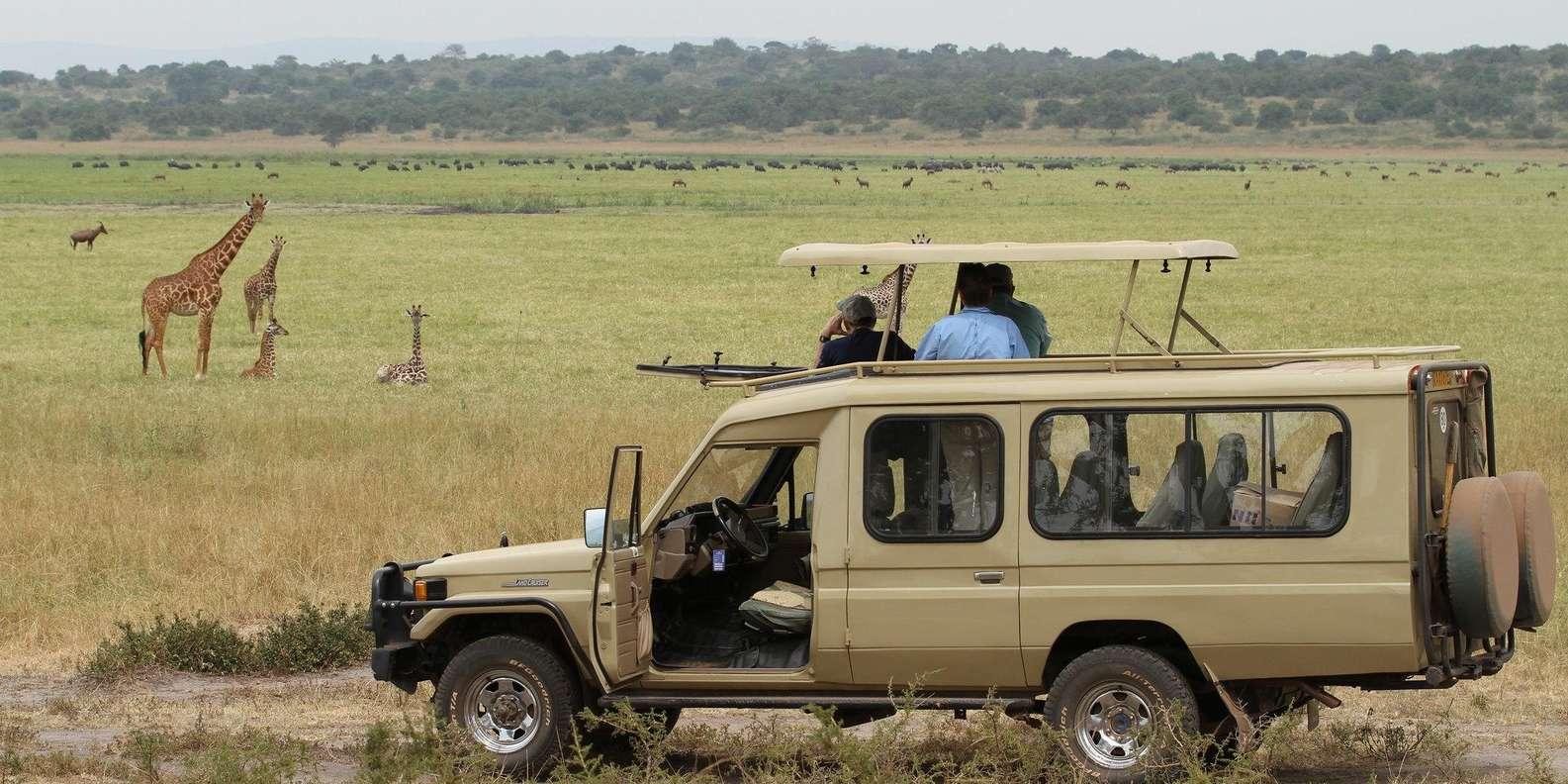
Private road safaris offer flexibility for photographers, families and travelers who want control over stops. Small-group departures can reduce per-person cost and add a social element, but fixed dates and shared priorities matter. Fly-in safaris maximize time in wildlife areas and work well for shorter premium trips. Self-drive is possible in some areas but requires stronger navigation, vehicle, road-condition and park-rule knowledge. First-time visitors with multi-country plans generally gain value from having transfers, permits and border handovers coordinated in advance.
Also decide what pace suits you. Two nights in a park may produce only one full uninterrupted safari day. Three nights often creates space for morning and afternoon drives without feeling rushed. For gorilla trekking, consider a buffer night near the trekking area and avoid scheduling a tight international departure immediately after a long road transfer.
Before You Book and Before You Fly: Final Checklist
Confirm the exact countries and park sectors; match the season to the wildlife priority; verify passport and entry rules; secure controlled permits; check official travel advice; confirm yellow-fever or other health-document requirements for your route; buy suitable insurance; understand cancellation terms; verify airport, border and lodge transfers; check bush-flight baggage limits; ask about park fees and inclusions; plan cash and tipping; disclose dietary, mobility or medical requirements early; download offline documents; and leave realistic buffer time around border crossings and international flights.
Ready to Turn Research Into a Real Safari?
Email your preferred dates, group size, countries or parks, must-see wildlife and approximate comfort level. Use those details to start a personalized East African safari conversation.
Start Planning My East African Safari →
Email: info@ugandarwanda-safaris.com
Frequently Asked Questions: Which East African Country Is Best?
Is East Africa good for a first safari?
Yes. The region has established safari circuits, experienced guides and an exceptional range of wildlife experiences. First-time travelers should resist overpacking the itinerary and spend multiple nights in the most important wildlife areas.
Can I combine gorillas with the Serengeti or Maasai Mara?
Yes, and it is one of the region’s most distinctive combinations. Regional flights can reduce travel time, while longer overland routes may work for travelers with more days. Build the itinerary around confirmed gorilla permits and the seasonal wildlife priority on the plains.
Do I need a private safari vehicle?
Not always. Shared departures can lower costs and suit social travelers. A private vehicle gives couples, families and photographers more control over departure times, sighting duration and daily pace. The value depends on group size and how much flexibility matters to you.
Should I add a beach or lake stay?
A restful ending works particularly well after early game drives and trekking days. Tanzania pairs naturally with Zanzibar, Kenya with its Indian Ocean coast, while Rwanda itineraries can slow down beside Lake Kivu. The best choice is the one that requires the least disruptive transfer from your final safari stop. For more context, see our Rwanda national parks for a wider forest-and-savannah overview.
Final Verdict: The Best East African Country for Your Wildlife Safari
Begin with three decisions: the experience you would regret missing, the number of nights you genuinely have on the ground, and a realistic total budget. Next, choose one anchor region and add only destinations that contribute a different habitat or experience. Confirm scarce permits and high-demand camps before arranging the less constrained parts of the trip. Finally, check every transfer in hours rather than kilometers and protect some unscheduled time.

For many travelers, the most memorable East African safari is not the itinerary with the longest park list. It is the one that gives a guide time to follow tracks, wait at a promising waterhole, watch a herd move through changing light, listen to a forest before spotting a primate, and let each landscape feel different from the last. Kenya, Tanzania, Uganda and Rwanda can each carry a complete trip; together, when combined thoughtfully, they offer one of the world’s richest wildlife journeys. For more context, see our Lake Kivu travel guide for a restful Rwanda extension.
Your East African Safari Starts With One Email
Whether you already know your route or only know what you want to see, share your ideas and begin shaping a safari around your pace, interests and travel dates.
Email: info@ugandarwanda-safaris.com


