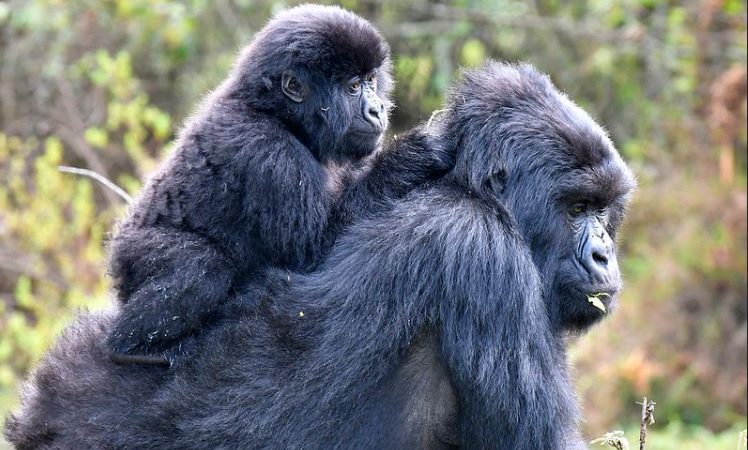
Dian Fossey Grave Trek: 7 Amazing, Essential Tips

Dian Fossey Grave trek
Rwanda • Volcanoes National Park • Karisoke Research Site • Practical travel guide
Why the Dian Fossey Grave Trek Matters
The Dian Fossey Grave trek is more than a forest walk with a historical destination. It leads through the misty slopes of Rwanda’s Virunga volcanoes to the former Karisoke field camp, where Dian Fossey studied mountain gorillas and defended them against threats. The place is quiet, sometimes rainy, and deliberately simple. Its importance comes from the story carried by the landscape: years of patient observation, difficult conservation decisions, personal relationships with individual gorillas, and an enduring scientific legacy. Visitors who want to understand the human history behind modern gorilla conservation often find this day more thoughtful than a conventional sightseeing excursion. The reward is not a guaranteed animal encounter.
This guide is written for travelers planning a practical, respectful visit. It explains the route, permit, departure arrangements, walking conditions, and what you will actually find at Karisoke. It also helps you decide whether to add the hike to a Rwanda safari, whether it makes sense after a gorilla trek, and how to prepare without overestimating the difficulty or underestimating the mountain weather. Your day may be shaped by fog, muddy volcanic soil, or a slower group member. Those details are part of the real experience rather than problems that automatically diminish it.
Where Is Dian Fossey Buried?

Dian Fossey is buried at the former Karisoke Research Center inside Volcanoes National Park in northwestern Rwanda. The site lies in the high forest between Mount Bisoke, also often written Visoke, and Mount Karisimbi. Karisoke takes its name from those two volcanoes. Reaching the grave involves leaving the road network behind and walking through mountain vegetation toward the historic camp. The journey itself helps explain why Karisoke once functioned as a remote research station and why living there required resilience.
The main gateway is Kinigi, near Musanze, where visitors report for official park procedures before transferring to a trailhead. Many people sleep in Musanze or near the park headquarters on the preceding night. The exact walking route can be adjusted by park staff in response to access, safety, and trail conditions. Travelers researching the wider area should think of the Musanze area as a useful base rather than assuming the hike begins from their hotel door.
Who Was Dian Fossey?
Dian Fossey was an American primatologist whose long-term research transformed public understanding of mountain gorilla behavior. In 1967 she established her fieldwork in Rwanda’s Virunga Mountains, eventually creating the Karisoke Research Center. Through close observation and individual identification, she documented gorilla social relationships, family behavior, and changes over time. Her book, Gorillas in the Mist, brought that story to a broader audience; a later film introduced it to still more people.
Fossey was also a forceful and controversial conservation figure. She confronted poaching and habitat threats in ways that remain part of historical discussions about her career. It is more useful to acknowledge this complexity than to present a polished legend with no difficult choices. She died at Karisoke in December 1985. Her murder became internationally known, and the circumstances have continued to draw attention. The wider history of mountain gorillas places her work in a longer story that also includes Rwandan researchers, trackers, rangers, neighboring communities, and conservation organizations.
The Historic Karisoke Research Site
Enjoy Karisoke at a pace that suits your travels.
Karisoke began as a working research camp, not a visitor monument. Conditions were physically demanding. Trails became slippery in rain, supplies needed moving uphill, and every research day depended on knowledge of the forest. The original camp ceased operating in its historic form during the instability of the 1990s. What visitors encounter now are remains, markers, and a burial area rather than a fully preserved museum of furnished buildings.
This difference matters when setting expectations. The guide can help interpret the site and explain what different areas once represented. If your interests include a broader account of research methods and the present-day conservation movement, consider the Karisoke Research Center story before traveling. Reading in advance often makes a quiet stretch of forest much more meaningful because you know why specific names and places are remembered.
What You See at the Graveside
The focal point is Dian Fossey’s grave within the historic gorilla cemetery. Nearby are memorials to gorillas associated with her research, including Digit, an individual whose death deeply affected her. The place is not designed around a spectacle. You may have mist moving through trees, damp leaves underfoot, and the sound of birds beyond the clearing. The experience often feels personal even if you arrive with a small guided group.
Allow time to listen before taking photographs. Avoid touching markers, placing objects on graves, or treating the cemetery as a prop for staged pictures. Different travelers respond in different ways; some are deeply affected, while others are more interested in the scientific history. Both reactions are understandable. What matters is approaching this Dian Fossey grave hike with curiosity and respect rather than expecting a theme-park attraction or a guaranteed dramatic moment.
Where the Hike Begins: Kinigi and the Trailhead
Official arrangements begin at the park headquarters area in Kinigi. The Rwanda Development Board booking information specifies a 7:00 a.m. reporting time for the Dian Fossey tomb activity. You should therefore stay nearby the night before, eat breakfast early, and travel with your passport or identification documents matching the booking. Staff verify permits and visitor categories, and a ranger guide explains the day’s procedures. After registration, travelers transfer by vehicle toward the trailhead.
The first walking section typically crosses a settled or cultivated landscape before reaching the park boundary. From there, the trail moves into the protected forest and climbs toward Karisoke. A private driver is useful for transfers, but the trekking activity itself follows park rules. If your itinerary includes gorilla tracking from Musanze on another morning, the same accommodation base may work well for both activities, reducing unnecessary packing and hotel changes.
A Step-by-Step Dian Fossey Grave Trek Experience
The morning starts with registration, introductions, and practical instructions. A guide may explain the trail, anticipated conditions, and appropriate behavior around wildlife. Porters can often be arranged locally for travelers who would rather concentrate on walking than carrying a daypack. Once the group reaches the trailhead, the route usually begins at a comfortable pace through open or partially cultivated ground. A walking pole can become valuable even before the route feels particularly steep.
Higher up, the landscape becomes cooler and more humid. You may move past bamboo, shrubs, or tall trees depending on the exact path and elevation. Conversation often becomes quieter as the climb requires more effort. Arriving at Karisoke is a transition from hiking to interpretation. The group pauses while the ranger explains the site, the cemetery, and Fossey’s work, then begins the descent. The day finishes with the return walk and vehicle transfer. The route is a single guided excursion, not an overnight expedition or a replacement for Rwanda gorilla tracking.

How Long Does the Dian Fossey Hike Take?
Descriptions of duration sometimes appear contradictory because they count different parts of the day. The official RDB page describes the Karisoke trek in a roughly three-to-four-hour range while also listing the transfer and approaches. Other operators advise a larger block for a return outing, registration, photo stops, rain, and slower conditions. Ask your operator whether the time quoted is walking only, the complete trail excursion, or the entire hotel-to-hotel experience.
The actual ascent varies with the group’s pace and the state of the ground. Even fit walkers can slow considerably when roots and volcanic mud make every foothold uncertain. A patient guide will adjust the pace within the safety requirements of the group. If you are linking this activity with top attractions in Volcanoes National Park, leave the afternoon flexible enough for a late return, warm shower, and unhurried dinner rather than treating the schedule like a timed urban walking tour.
How Difficult Is the Climb?
Enjoy Karisoke at a pace that suits your travels.
The hike is commonly described as moderate, but that rating assumes a traveler who is comfortable walking uphill for sustained periods on uneven terrain. It is not technical mountaineering, and you do not normally need climbing equipment. However, the high elevation, wet forest, roots, and steep sections can make the effort feel strenuous. People who exercise regularly may still be surprised by a muddy descent in boots they have not broken in.
Before booking, evaluate your ability to walk for several hours, maintain footing on slippery ground, and manage a steady uphill gradient. A porter may help with your bag or provide assistance on awkward sections, but cannot remove the need to walk. If you are considering a more ambitious summit outing, read about Mount Bisoke hiking difficulty separately: that route has different elevation and exertion demands. The goal is to choose a day that is demanding enough to be memorable without becoming unsafe or miserable.
Dian Fossey Grave Trek Permit Cost
The Rwanda Development Board’s official booking portal currently lists the Dian Fossey tomb permit at US$75 for a foreign non-resident adult. It also lists separate categories for Rwandan citizens, East African citizens, and qualifying foreign residents, with different fees and supporting-document requirements. These are category-specific tariffs, not general discounts available to anyone who asks. The same official page gives a minimum participant age of fifteen years.
The tomb-hike permit is distinct from a mountain-gorilla viewing permit. It should not be described as including a gorilla-family visit, and the cost should not be confused with booking Volcanoes gorilla permits. Ask your tour organizer which services are included in the package quotation: official permit, transport from Kigali or Musanze, hotel, meals, porter, gratuities, and any additional activities. A transparent breakdown is more helpful than a single headline price without conditions.
How to Book the Karisoke Activity
Start with your preferred travel date and the number of participants, then check the official RDB booking process. The park system requires correct personal details and supporting documentation for the selected visitor category. The official guidance warns that inaccurate applications can cause refusal of entry even after a permit is generated. The booking must reflect the actual traveler, and it is wise to keep a digital and offline copy of the confirmation.
For a short Rwanda holiday, coordinate this date with accommodation and the other permitted activities before making nonrefundable arrangements. A trek to Karisoke is generally easiest when based near Kinigi, whereas arrival through Kigali adds a road transfer that should be planned realistically. Travelers arranging a larger Rwanda safari holiday should ask for the Fossey day to be treated as its own meaningful activity rather than squeezed into a rushed departure morning.
A Realistic One-Day Itinerary
Early morning is for breakfast, registration, and briefing at Kinigi. The first portion allows the group to find a comfortable rhythm, and the guide can explain the landscape as the trail rises. Keep a light snack within reach and drink small amounts of water regularly. You should have enough time to pause without pressure to race against a later road departure. Slower walking is usually preferable to falling on a slippery patch while trying to keep up.
At Karisoke, you explore the burial area and remains of the historic site with the guide’s interpretation. This is the point to ask questions, observe the forest, and photograph respectfully if conditions allow. The return follows the trail downhill, with care taken on wet roots or soft ground. The rest of the day can be restorative rather than crowded with additional major hikes. Travelers who prefer a prearranged structure can draw ideas from a two-day Dian Fossey hike program, but should still verify the daily arrangements, transport, and permit inclusions for their exact dates.
A Two-Day Volcanoes Park Stay
A two-day plan works well if the Dian Fossey Grave trek is your main reason to visit the region. The transfer should leave enough margin for traffic, weather, and breaks along the road. An afternoon walk, local meal, or cultural experience can introduce the setting without exhausting you before the climb. Arrange your breakfast and vehicle pickup with the lodge that evening, and confirm the identification documents you will need at the park headquarters.
On the second day, complete the tomb hike and return to your accommodation for lunch or a rest before continuing onward. If your travel schedule permits, keeping the same lodge for a second night makes the day calmer. A Kinigi village walk can be a gentle complement, depending on timing and interest, but it should not be promised before the hiking group has returned. It allows Karisoke to be the center of the visit rather than an afterthought.
Enjoy Karisoke at a pace that suits your travels.
Combining Karisoke With Gorilla Trekking
Many visitors pair the historical hike with a separately booked gorilla trek on a neighboring day. Keeping them on separate days is important because both activities involve early reporting and uncertain return times. A traveler who tries to do everything on one morning is likely to misunderstand the practical requirements and risk missing a briefing or permit activity.

A three- or four-day stay can allow travel from Kigali, one gorilla-tracking morning, one Karisoke morning, and an unhurried departure. The precise sequence depends on permit availability and personal fitness. Neither order is universally better. A Rwanda gorilla and Dian Fossey tour is one way to think about the combination, but the two permits and each day’s start time must be confirmed independently.
Is This Hike the Same as Gorilla Tracking?
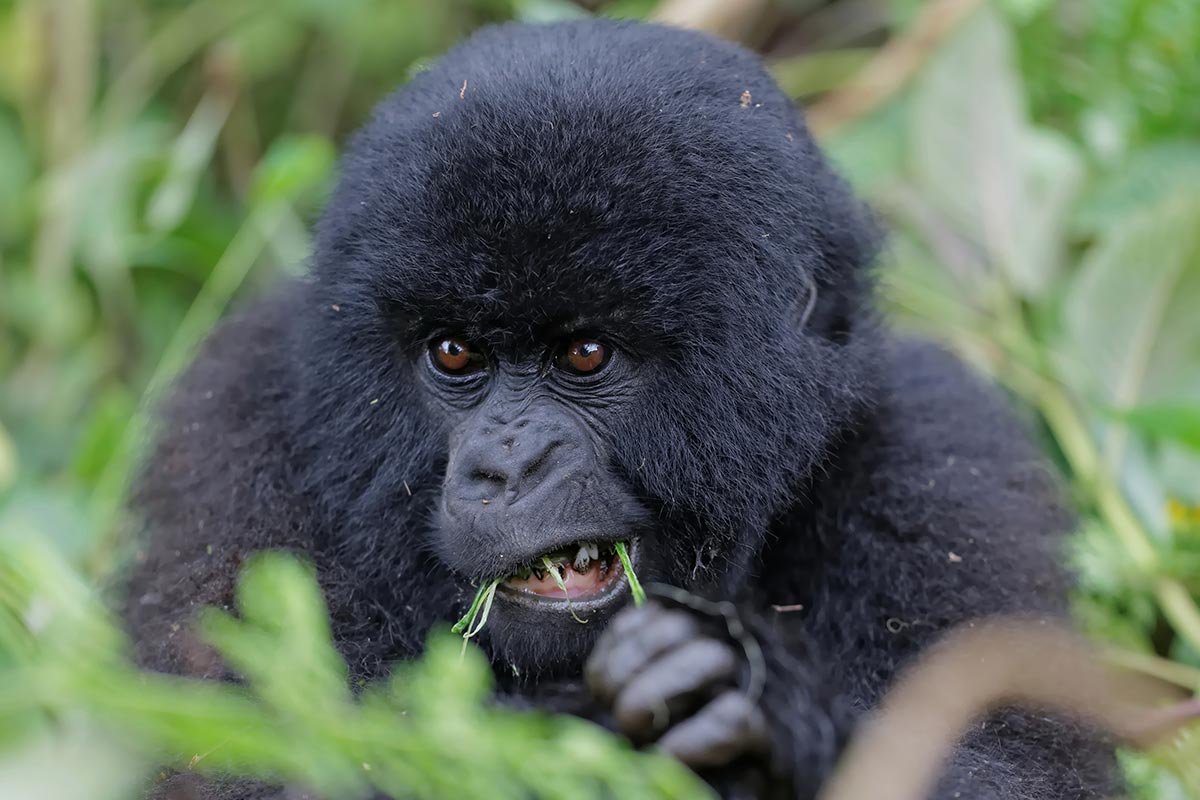
No. The Dian Fossey Grave trek is a guided historical forest hike whose designated destination is the former Karisoke camp and cemetery. Gorilla tracking, by contrast, is organized around locating a habituated gorilla group and observing it under carefully managed park rules. A gorilla sighting is not included in the Karisoke activity. Visitors who travel primarily to see living gorillas should budget for and secure a separate permit.
This distinction also protects the visitor experience. For a closer look at how the actual gorilla activity operates, the Volcanoes gorilla tracking experience offers a different planning perspective. The two experiences share a landscape and a conservation story, yet neither should be treated as a substitute for the other.
Wildlife and Vegetation Along the Way
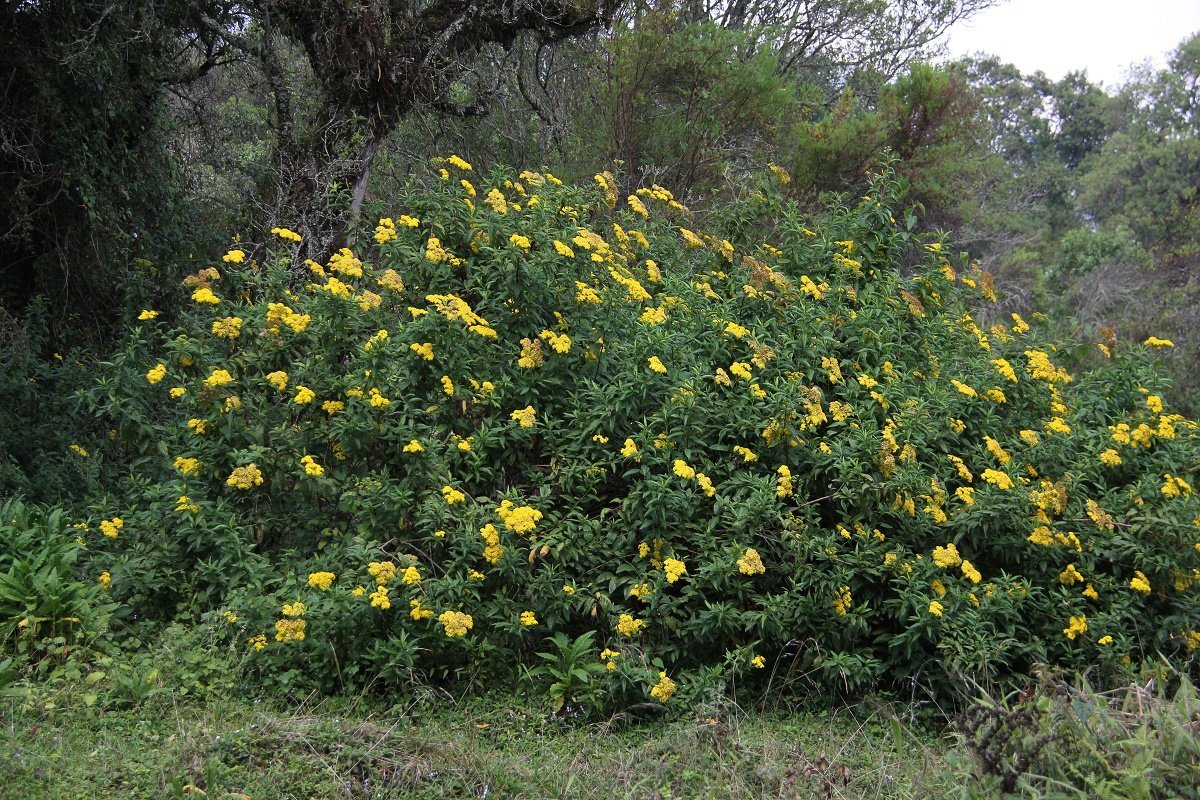
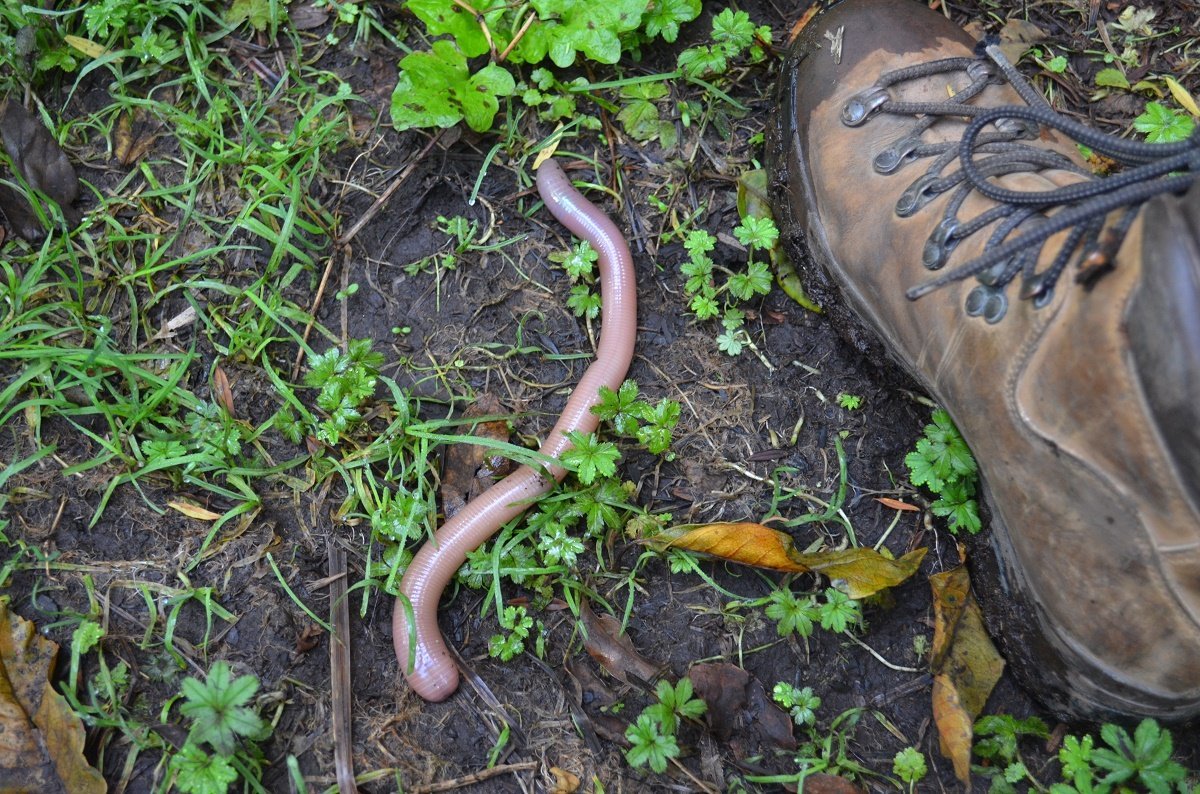
The forest is a living ecosystem, not simply a pathway to a grave. Its high-altitude vegetation includes bamboo and broadleaf montane forest, with moss, lichens, ferns, and moisture-loving plants contributing to the atmosphere. Conditions change quickly as clouds move across the mountains, so colors and visibility can differ between the climb and descent. The sound of footsteps in damp leaf litter often becomes as memorable as a dramatic panoramic view.
Wild animals occur in the wider park, including primates and larger forest mammals, but sightings along a particular route are not guaranteed. Keep a respectful distance from any wildlife, listen to the guide, and avoid approaching animals for photographs. The park’s conservation value extends far beyond the single species that made it famous. Travelers especially interested in primates can combine this historical excursion with golden monkey tracking on another day.
The Best Season for a Dian Fossey Grave Trek
The hike is possible across much of the year, but rainfall strongly affects comfort and footing. These are patterns rather than guarantees. A nominally dry-season morning can still bring fog and heavy showers, especially on the mountain slopes. The main practical difference is usually the condition of the path rather than whether the forest is beautiful.
Choose travel dates based on your wider itinerary, desired weather, and tolerance for slippery conditions. Bring rain protection in every month and consider gaiters if you want to keep mud away from socks and trousers. If you are also planning a gorilla encounter, the best time to trek mountain gorillas involves similar weather trade-offs but may have additional consequences for accommodation and permit demand. Booking early is prudent whenever travel dates are fixed.
What to Wear and Pack
Wear broken-in waterproof hiking boots with firm soles and good grip. Long trousers protect against wet vegetation, while a breathable long-sleeved layer is useful on cool mornings and among branches. A waterproof jacket is essential, even when the forecast looks promising. Walking poles can help on steep sections; discuss with your guide whether they are provided or available for hire. A compact daypack is usually sufficient for water, snacks, camera, sun protection, and personal medication.

Avoid new boots, bulky luggage, and excessive electronics. Lightweight equipment is easier to manage on slippery ground, and porters are valuable support rather than an excuse to overpack. You do not need technical ropes or mountaineering gear for the standard guided activity. A practical Rwanda safari packing list can help you prepare for the broader journey, but prioritize footwear and rain protection specifically for Karisoke. Dry socks waiting at the lodge often feel more useful afterward than one more heavy lens in the bag.
Enjoy Karisoke at a pace that suits your travels.
Fitness, Altitude, and Pace
The original research camp sits at high elevation compared with Kigali, and that difference can influence how the hike feels. Travelers arriving directly from sea level may find themselves short of breath on steep sections despite being generally fit. Normal exertion is expected; severe dizziness, unusual breathlessness, chest discomfort, or confusion should not be dismissed as part of the adventure. The guide’s instructions and any medical advice specific to your circumstances take priority.
If you know that your knees struggle on descents, use poles and consider a porter. Travelers recovering from injuries should discuss realistic walking demands in advance rather than arriving and hoping the trail will be flat. The wider question of gorilla trekking difficulty is related but not identical, because gorilla groups can be located at varying distances, while the Karisoke trail has a fixed historical destination. Prepare for the actual route you have booked.
Photography Without Losing the Experience
Karisoke offers moody, atmospheric photography: wet plants, soft forest light, the changing texture of the trail, and memorial details at the cemetery. Cloud cover can make the light pleasantly diffuse, although rain will require protection for your camera or phone. It is worth taking a few wide images to show the surrounding forest rather than photographing only the graves. Permission and guidance matter at a memorial site, especially if other guests are having a quiet moment.
Photography should never require stepping off the approved route, moving objects, or disturbing wildlife. Ask before taking identifiable photographs of local residents, porters, or staff. If you also plan a gorilla encounter, expect separate photography rules for that regulated activity and follow the ranger’s instructions. The approach to ethical gorilla photography begins with respect for people, animals, and place, not with expensive equipment.
How to Reach Volcanoes National Park From Kigali
Most international travelers arrive through Kigali and travel by road to the Musanze–Kinigi area. The journey is commonly planned as a few hours, but roadworks, traffic, weather, and stops can extend the transfer. An overnight stay near the national park is the more practical choice for most travelers, particularly when a permit and ranger briefing are involved.
Private transfers are convenient because they can coordinate airport pickup, luggage, lodge arrival, and the early drive to park headquarters. Good planning leaves enough time to check into your room, rest, and eat before the climb. Those making a wider itinerary can fit the visit around Kigali city exploration, but a capital-city activity should be scheduled on a separate half-day rather than competing with an early mountain departure. The quality of your morning often depends on what you did the previous evening.
Where to Stay Near the Trail
Kinigi and Musanze offer a broad accommodation range. Close-to-park lodges are popular for early starts because they shorten the morning transfer. Musanze town can suit guests who want more restaurants or a different balance of facilities and budget. These practical details can matter more than a view from the room, especially for a traveler completing several park activities over consecutive days.
The best lodge is not always the most expensive. Families or groups with different hiking plans may benefit from a base offering alternative local activities. If you intend to combine the memorial with a longer luxury Rwanda gorilla tour, it can be worth retaining the same lodge for several nights to avoid the disruption of repeated check-ins. Whatever the budget, verify what is included in the room rate and whether packed food or transfers cost extra.
Visiting the Modern Gorilla Conservation Campus
The original Karisoke camp is a historical field site. This is a different place from Fossey’s grave and should not be confused with the destination of the tomb hike. Exhibits and educational programs can add context about conservation science, community programs, and how researchers study gorillas today. Check visiting arrangements directly before building a schedule around the campus, since hours and visitor policies may change.
Combining a forest hike with a modern educational visit provides a useful contrast. At Karisoke, the terrain shows the difficulties of early field research. At a purpose-built campus, the story moves toward continuing science and public engagement. It involves park authorities, researchers, local communities, and many people whose names are less internationally famous. Travelers who care about the long-term future of the species can also explore ways to contribute to gorilla conservation and consider how responsible tourism fits into that picture.
Community Connections and Responsible Travel
Protected areas exist alongside communities with their own histories, livelihoods, and priorities. One way to travel responsibly is to treat the region as a living place rather than an isolated landscape designed for visitors. Hiring a porter can make the hike easier while directly supporting someone’s work. Offer fair gratuities according to service and local guidance, but do not assume that tips replace proper wages or transparent payments.
Enjoy Karisoke at a pace that suits your travels.
Responsible travel also means staying on approved paths, carrying out litter, avoiding loud behavior at the grave, and following the ranger’s decisions. Do not collect plants or take items from the historic site. Cultural visits are best approached as conversations with real people, not performances that every visitor is entitled to demand. An optional Rwanda culture experience can deepen the trip if it is respectful and locally organized.
Other Experiences to Pair With the Trek
The most obvious addition is gorilla tracking on a separate day, but it is not the only option. Golden monkey tracking offers a different primate-focused outing, while a guided volcano walk provides a more overtly physical challenge. A cultural village visit or a relaxed afternoon in Musanze can balance the tougher hiking schedule. The right combination depends on interests, fitness, budget, and how much travel time you can spare.
A longer route can include Lake Kivu for lakeside rest or Nyungwe for forest activities in another part of the country. These destinations need additional driving time and should not be described as next-door attractions. An itinerary combining Volcanoes, Nyungwe and Lake Kivu can make sense for travelers with several days, whereas a short visit is better focused on the northern park.
Travel Costs Beyond the Permit
The official permit is only one element of the trip budget. Transport from Kigali, fuel, accommodation, meals, porter support, gratuities, and any additional permitted activities can all change the final amount. Prices vary especially widely between private and shared arrangements, basic and premium lodges, and short versus extended stays. An unusually cheap quote may simply omit essentials rather than represent better value.
Travelers from countries requiring visas or additional entry documentation should verify the current rules for their nationality. Travel insurance should also match the activities planned, including hiking and any relevant medical or evacuation cover. Consider flexibility in case weather or park operations require a change. Do not pay based solely on a promotional description that lacks terms.
Common Mistakes to Avoid
One common mistake is treating the grave trek as a gorilla-tracking permit. Another is arriving in Kinigi too late for the official briefing. A third is dressing for an easy city walk rather than muddy mountain terrain. The hike also suffers when a traveler schedules a fixed afternoon departure without allowing for variable walking speed. A modest amount of planning protects the experience more effectively than elaborate equipment.
Avoid promising children they can join before checking the age rule; the official tomb activity lists fifteen as the minimum age. Do not rely on photographs from a sunny day to judge the trail’s condition in another month. A reliable guide will explain what is historical, what is currently accessible, and what is uncertain. A well-structured Rwanda tour operator arrangement should leave you with a clear itinerary, realistic expectations, and the documents required for each separate activity.
Frequently Asked Questions About the Dian Fossey Grave Trek
Is Dian Fossey’s grave open to visitors?
Yes, visitors can access the historic Karisoke site through the designated guided tomb-hike activity managed under Rwanda’s park arrangements. Availability is subject to permits, operational conditions, and the rules in force for your travel date. Do not attempt to enter the park independently or use an informal path. The right process begins with an official booking and morning reporting in Kinigi.
Does the Dian Fossey Grave trek include gorillas?
The designated purpose is to visit the former research center and the graveyard, not to locate a habituated gorilla group. If a close, managed encounter with gorillas is central to your holiday, book a separate Volcanoes National Park gorilla visit on another morning. Both activities can be rewarding, but they tell different parts of the story.
How much does the Dian Fossey tomb permit cost?
At the time of this guide, the Rwanda Development Board’s online permit page lists US$75 for a foreign non-resident adult and different amounts for other eligible visitor categories. This is the government activity fee, not necessarily the entire guided-trip price from your hotel. Transport, food, porter services, accommodation, and other tour services may be charged separately.
What is the minimum age for the hike?
The official booking page lists fifteen years as the minimum age for Dian Fossey’s tomb hike. Families should verify that rule and any additional participation conditions before booking. If a mixed-age family is traveling, plan alternative supervision and activities rather than making assumptions at the park gate.
Do I need to be a very experienced hiker?
No specialist climbing skills are normally required, but a reasonable level of fitness and confidence on steep, slippery ground are important. The forest can be wet, and the trail rises toward a high-altitude site. Walking poles and a porter may make the outing more comfortable. It is better to ask early than to discover an avoidable difficulty after the hike begins.
Should I visit Karisoke before or after gorilla trekking?
Either sequence can work. Visiting Karisoke first provides historical context; visiting afterward may make Fossey’s memorial more emotionally resonant. A tailored four-day gorilla and Dian Fossey trip may offer comfortable spacing if your schedule allows.
Planning a Meaningful Visit
The Dian Fossey Grave trek is strongest when treated as a journey into conservation history rather than an item to tick off quickly. The climb gives you a physical sense of the landscape in which decades of mountain-gorilla research began. The cemetery invites reflection on individual animals, the scientists who knew them, and the people who have continued protection work since then.
Plan one dedicated morning, confirm the official permit and age conditions, stay near Kinigi if possible, and prepare for changing weather. Give the guide time to explain what remains at the historic site, and remember that the most important part of the hike may be quieter than a dramatic photograph. The forest, the history, and the walk belong together.