Uganda safari in September: 7 Amazing Travel Highlights
3 Days Nyungwe Chimpanzee Trekking & Canopy walk Safari
Uganda safari in September: 7 Amazing Travel Highlights
A Uganda safari in September brings together rainforest trekking, wide savannah horizons and memorable river journeys. September often sits near the end of a relatively drier travel period in southern and western Uganda. That makes it appealing for visitors hoping to combine mountain gorillas with traditional game drives, although cloudbursts remain possible. The season is not identical throughout the country: northern parks can follow a different rainfall rhythm, while high-altitude forest stays damp even when nearby towns are sunny. Think of this month as a transition rather than a promise of perfect weather. September safari weather shapes Uganda wildlife viewing, while gorilla trekking in September influences a September safari itinerary. A Uganda safari in September also deserves flexible expectations.
The strongest September safari itinerary starts with your biggest priority. Some travelers want a quiet hour with a habituated gorilla family, others dream of lions, elephants and a boat trip among hippos. Many visitors want both without spending every afternoon in a vehicle. This guide explains where to go, how the climate affects individual regions, how to arrange permits, what to pack and how to build realistic days. It also explains where September safari weather can complicate an otherwise excellent journey.

Is September a good month for a Uganda safari?
September is a rewarding choice for a well-planned Uganda safari in September, particularly when the route focuses on the western safari circuit. Compared with the busiest midyear school-holiday weeks, some lodges may have greater flexibility, although gorilla permits and sought-after properties can still sell out. Days often allow a combination of outdoor activities and comfortable evenings, but weather is localized and the timing of returning rains varies from year to year. For Uganda wildlife viewing, September safari weather matters; gorilla trekking in September also affects the September safari itinerary. Planning a Uganda safari in September means considering local conditions.
The advantage is variety. You might track chimpanzees in Kibale, drive the Kasenyi plains, take a Kazinga Channel cruise and walk into Bwindi forest during the same holiday. That mix is more dependable than building an entire trip around a particular lion sighting. Uganda wildlife viewing depends on habitat, water and guide knowledge, not a fixed monthly guarantee. September safari weather can bring clearer tracks one morning and slippery trails the next; leave enough room for both. The best approach combines a realistic route with flexible expectations about each animal encounter.
The month may not suit someone who requires entirely dry hiking, and it is not an automatic bargain. High demand for permits can continue well into September. Travelers who appreciate mixed landscapes, changing light and a balance between game drives and forests, however, can find this an especially satisfying time to visit. September safari weather may affect gorilla trekking in September, Uganda wildlife viewing and the September safari itinerary. A Uganda safari in September works best without rushing.
Understanding September safari weather by region
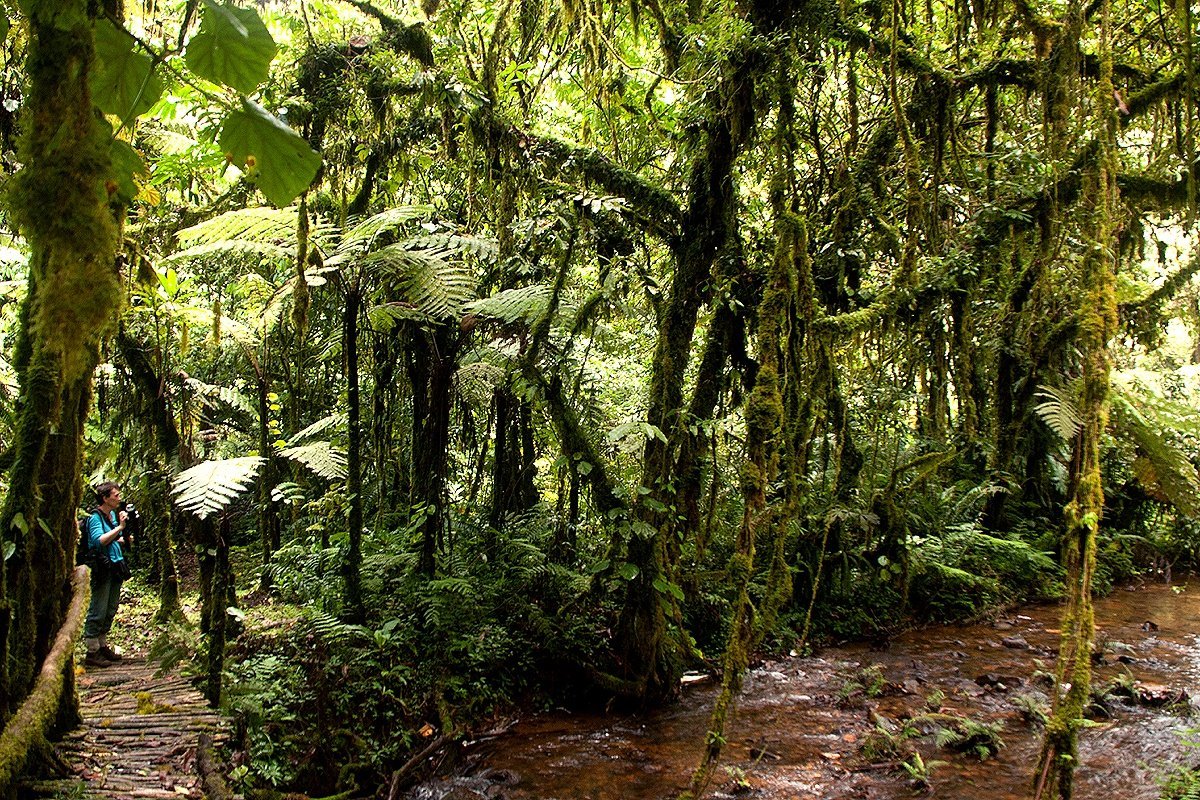
September safari weather differs sharply between Uganda’s forested southwest, the Rift Valley savannahs and the country’s north. In Bwindi, higher elevations, steep slopes and moist tropical forest create cool mornings, low clouds and unpredictable showers. In Queen Elizabeth, lower-lying grasslands can feel warmer and more open. Murchison Falls has several habitats and a significant river influence; Kidepo lies in a northern rainfall pattern that cannot simply be described as late dry season.
The most useful packing decision is to carry a light waterproof outer layer even if the forecast appears dry. Carrying an extra pair of socks is helpful when a morning trekking trail is slick. On open game drives, dust and sun can still be strong between showers. In town, warm conditions may contrast with cool nights near Bwindi or Mgahinga. Do not trust a single national rainfall average to describe the park you will visit. Ask your operator about the exact trekking sector, road access and lodge elevation. The September safari itinerary should balance gorilla trekking in September with Uganda wildlife viewing and September safari weather. A Uganda safari in September also deserves flexible expectations.
September safari weather also varies within the month. Early September sometimes resembles August more closely; later weeks can see the first stronger indications of a wetter period in parts of southern Uganda. Yet tropical rains do not arrive on a contractual date. A smart September safari itinerary allows time for slower journeys and avoids relying on one tightly scheduled transfer.
Choose Your September Route
Tell us your dates and ideal wildlife encounters for a practical itinerary.
info@ugandarwanda-safaris.com
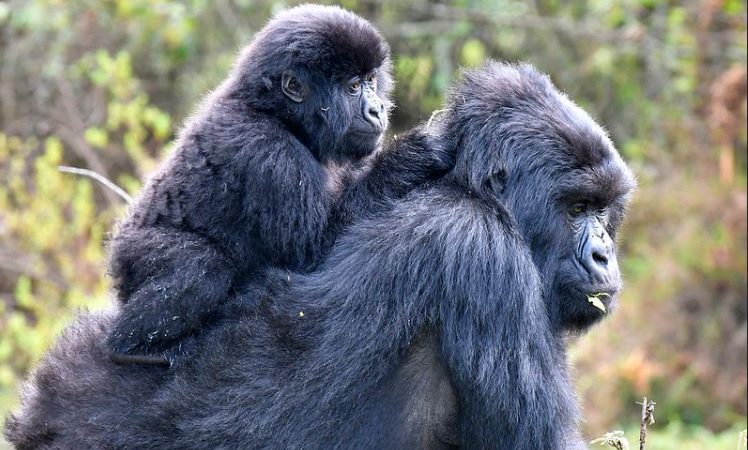
Gorilla trekking in September: Bwindi and Mgahinga
Uganda safari in September: practical advice
For many visitors, gorilla trekking in September is the reason to travel. The main Ugandan options are Bwindi Impenetrable National Park and Mgahinga Gorilla National Park. Forest walks are led by authorized rangers and trackers, and the route depends on where a habituated family is located that day. Some treks are relatively short; others involve long climbs, uneven roots and steep descents. No tour company can promise a particular walking time or easy slope. September safari weather shapes Uganda wildlife viewing, while gorilla trekking in September influences a September safari itinerary. Planning a Uganda safari in September means considering local conditions.
The popular idea that gorilla trekking in September guarantees dry tracks is misleading. Rainforest paths can remain wet all year, and fresh showers may fall even during otherwise sunny weeks. Sturdy footwear with grip, long trousers, a rain jacket, gloves where appropriate and a daypack make the experience more comfortable. Fitness helps, but steady pacing and honest communication with rangers matter too. A porter can assist with a bag and give practical support on tricky ground.
Before booking a Uganda safari in September, secure your trekking permit and align Accommodation with the correct Bwindi sector. Buhoma, Ruhija, Rushaga and Nkuringo do not function as interchangeable departures; the forest’s roads and hills create real travel differences. Arrive near your allocated briefing point the previous afternoon rather than attempting a last-minute cross-country drive. Follow the rangers’ hygiene, distance and photography instructions because the animals are vulnerable to human infections. For Uganda wildlife viewing, September safari weather matters; gorilla trekking in September also affects the September safari itinerary. A Uganda safari in September works best without rushing.
Chimpanzee tracking in Kibale
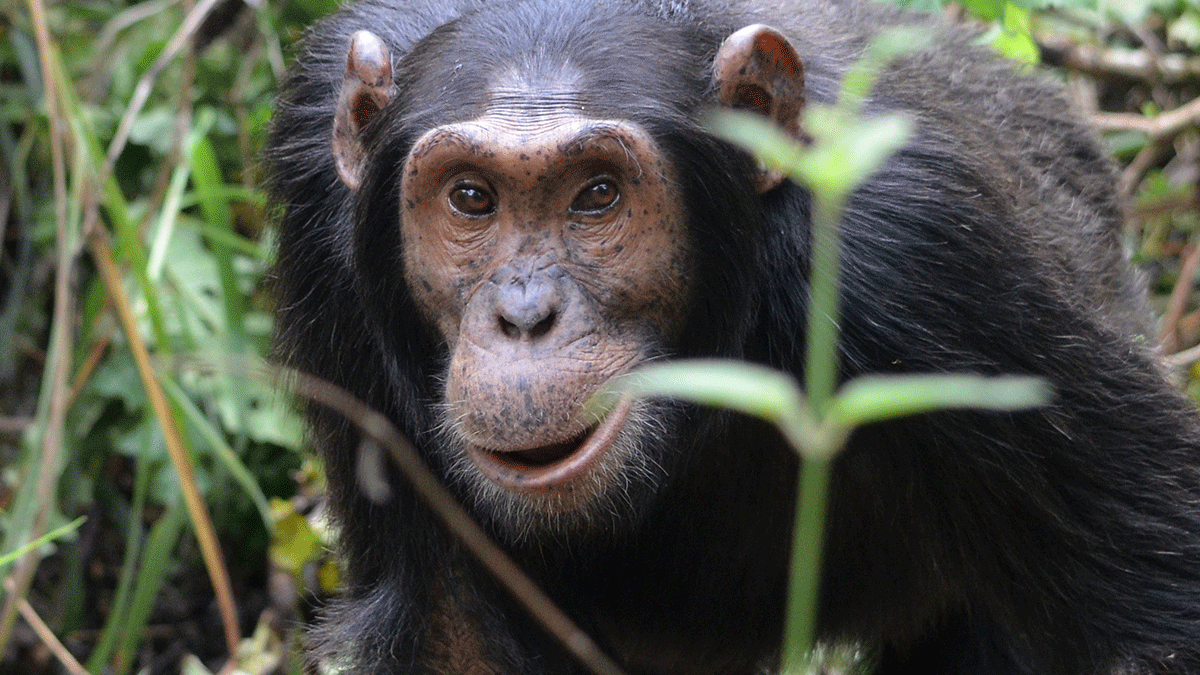
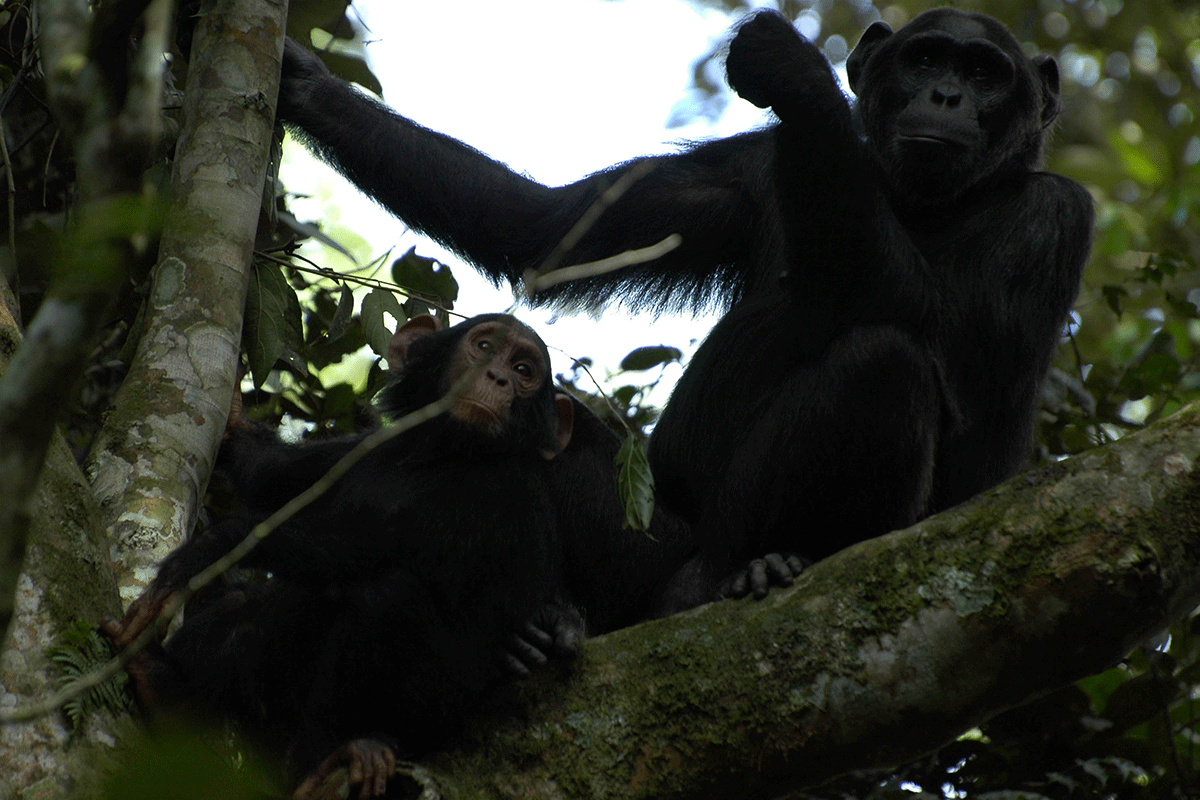
Kibale National Park offers a different primate encounter: chimpanzees communicate loudly, travel quickly and may feed high in the canopy. A guided morning or afternoon walk can be a memorable addition after several savannah drives. Compared with gorilla trekking in September, the chimpanzee experience often feels faster-moving and less predictable in how long a clear view lasts. Habituation experiences, when offered, follow different permits and schedules from standard tracking.
Kibale is not an entirely dry forest in September. Trails may be muddy, roots are slippery and animals may move away before a group reaches them. Guides interpret calls, feeding signs and behavior rather than simply following a fixed route. Visitors should avoid promising themselves a dramatic photograph; observing social behavior, listening and learning from the guide are equally valuable. If September safari weather turns showery, protective bags for cameras and binoculars can be useful. September safari weather may affect gorilla trekking in September, Uganda wildlife viewing and the September safari itinerary. A Uganda safari in September also deserves flexible expectations.
Stay in the Fort Portal–Kibale region long enough to enjoy the landscape instead of immediately racing south. Nearby crater lakes, village walks and community-led activities can turn a simple tracking stop into a broader visit. For a mixed September safari itinerary, Kibale combines naturally with Queen Elizabeth National Park, reducing the need for major backtracking.
Queen Elizabeth National Park in September
Queen Elizabeth National Park brings plains wildlife, crater scenery and the Kazinga Channel into one region. Game drives in the Kasenyi area may reveal Uganda kob, buffalo, elephant, warthog and predators, while the Ishasha sector is famous for lions that sometimes rest in trees. Sightings change by day and season; a tree-climbing lion is a possibility, not a guaranteed item on a booking voucher. The September safari itinerary should balance gorilla trekking in September with Uganda wildlife viewing and September safari weather.
The Kazinga Channel boat excursion is a useful complement to driving. Hippos and crocodiles often occupy the waters, and elephants, buffalo and waterbirds can be observed along the banks. Because the pace is slower, photographers can watch behavior instead of bouncing over rough tracks. Uganda wildlife viewing here is therefore about alternating habitats and activities rather than counting only the largest mammals. In September, a guide can adapt game-drive timing to light, road condition and recent wildlife movements.
A Uganda safari in September that includes Queen Elizabeth can flow south toward Bwindi or north toward Kibale. Reserve sufficient time for transfers between sectors; the park is not a single compact viewpoint. Even when September safari weather is cooperative, wildlife pauses and roadside conditions can stretch a journey. Two nights, or longer for serious photographers, allow a fuller understanding of the park than a rushed afternoon visit. September safari weather shapes Uganda wildlife viewing, while gorilla trekking in September influences a September safari itinerary.

Plan Your Gorilla and Safari Combination
Coordinate your trekking permit, park nights and transfers before finalizing flights.
info@ugandarwanda-safaris.com
Murchison Falls: game drives and the Nile
Murchison Falls National Park is one of the most varied places for a Uganda safari in September. Grasslands on the northern bank support giraffe, buffalo, elephant and predators, while the Victoria Nile offers striking viewpoints and boat-based observation. The waterfall itself is a dramatic geographic feature, where the river forces through a narrow rocky passage. Its scale is best appreciated from the water or designated viewpoints with local guidance.
A Nile boat trip can reveal hippos, crocodiles, fish eagles and animals approaching the bank. Combine that outing with an early drive rather than trying to squeeze every activity into a single midday window. September safari weather in this region does not necessarily match conditions in Bwindi; rain patterns and track accessibility vary. Your driver will know which areas are suitable after recent showers. For Uganda wildlife viewing, September safari weather matters; gorilla trekking in September also affects the September safari itinerary.
Murchison can be the northern anchor of a longer September safari itinerary, especially for travelers who want savannah sightings before primate tracking farther south. It is also worth considering the time needed from Entebbe and the route through the countryside. Uganda wildlife viewing rewards mornings spent patiently following fresh tracks, not an endless loop between famous photo stops.

Lake Mburo for a quieter safari
Lake Mburo National Park fits neatly into a road trip toward southwestern Uganda. Its mixed woodland, open slopes, wetlands and lakes create an appealing change after long-distance driving. Zebra, impala, buffalo, eland and many bird species can be seen, although particular sightings are never assured. The landscape feels different from the expansive plains of northern Queen Elizabeth, which makes the park a worthwhile stop rather than a substitute. September safari weather may affect gorilla trekking in September, Uganda wildlife viewing and the September safari itinerary.
A September safari itinerary can use Lake Mburo as a first or last wildlife night. Depending on current permitted activities and guide arrangements, travelers can consider walking, game drives or a water-based outing. The park is particularly useful for people who enjoy smaller details such as antelope behavior, birds and the changing texture of grassland. Uganda wildlife viewing should leave room for these moments, not only lions and elephants.
September safari weather may create warm daytime drives and cool early outings, so layers matter even during a shorter visit. If you have only a few days in Uganda, it may be better to spend a full night here than to plan a rushed stop without meaningful time inside the park. The September safari itinerary should balance gorilla trekking in September with Uganda wildlife viewing and September safari weather.

Kidepo Valley and the northern exception
Kidepo Valley National Park is compelling for experienced safari travelers who enjoy remote landscapes and a sense of geographic space. Its rugged mountains, grasslands and distinctive northeastern setting differ considerably from the western Uganda circuit. Wildlife interests can include buffalo, elephants, lions, antelope and birds, but sightings and routes depend on conditions and local guidance.
Kidepo is important to mention when discussing September safari weather because northern Uganda does not follow the same simple two-dry-season narrative as much of the south. Rain may remain significant into September. Access roads, river crossings and ground conditions need to be checked for the exact period, especially if you are driving rather than flying. For that reason, Kidepo is not automatically the easiest choice for a short Uganda safari in September. September safari weather shapes Uganda wildlife viewing, while gorilla trekking in September influences a September safari itinerary.
If the northern wilderness is your priority, allow extra travel time and coordinate accommodation, guiding and transport well ahead. A dedicated northern September safari itinerary may deliver greater enjoyment than treating Kidepo as a quick detour from Bwindi. The point is to fit expectations to geography rather than forcing every destination into the same seasonal description.
Birdwatching in September
Uganda is a major birdwatching destination, with species occupying forest canopy, wetlands, open grassland and riverbanks. September can be attractive for birders, especially those combining a broad range of habitats. In Bwindi, look for forest specialists with a knowledgeable guide; in Queen Elizabeth, scan shorelines, grasslands and woodland; on the Nile, watch for fish eagles and kingfishers. A shoebill-focused outing calls for suitable wetland habitat and careful scheduling, not an assumption that every boat trip passes one. For Uganda wildlife viewing, September safari weather matters; gorilla trekking in September also affects the September safari itinerary.
Uganda wildlife viewing is often richer when the guide includes birds between larger animal sightings. A lilac-breasted roller, a hornbill or a weaver colony can tell a story about the habitat, even while lions are absent. Birding plans should consider early starts, slow walking and binocular access. Pack a small field guide or offline checklist if you enjoy recording species.
September safari weather may bring a combination of crisp morning light and clouds. This is useful for photography but may also shorten a walking session during heavy rain. Birds remain wild animals, so any numbered species tally should be treated as a personal possibility rather than an operator’s guarantee. September safari weather may affect gorilla trekking in September, Uganda wildlife viewing and the September safari itinerary.

A practical seven-day route
Uganda safari in September: practical advice
For a week-long Uganda safari in September, it is usually sensible to concentrate on the southwest rather than add distant Murchison or Kidepo. On day one, arrive in Entebbe and recover from travel. On day two, transfer toward Kibale or fly into the region if services and budget align. Day three can focus on chimpanzee tracking and nearby activities. Day four continues toward Queen Elizabeth National Park, with an afternoon activity if arrival time permits.
Day five gives you the best chance for an unrushed morning game drive and a separate boat excursion. Day six is a transfer toward the booked Bwindi sector, followed by rest and a careful equipment check. Day seven is the gorilla trek; for an international flight home, add another night and travel the following day. That makes this seven-day concept a minimum on-the-ground sequence rather than a safe same-day departure plan. The September safari itinerary should balance gorilla trekking in September with Uganda wildlife viewing and September safari weather.
A September safari itinerary should leave breathing space around permits. Gorilla trekking in September may involve a long day, and the final location of the group is unknown in advance. Uganda wildlife viewing throughout the route is more pleasant when the guide can respond to sightings rather than a timetable with no spare hours.

Build a Safari Around Your Time
Share your preferred trip length and travel style for an itinerary with realistic driving days.
info@ugandarwanda-safaris.com
A balanced ten-day route
Ten days allow a more relaxed Uganda safari in September. Start with two nights near Murchison Falls, giving time for a drive and a Nile cruise after the initial transfer. Continue toward Kibale for two nights and one carefully arranged chimpanzee tracking activity. Move to Queen Elizabeth for two nights, with separate windows for the game drive and Kazinga Channel. Then stay two nights close to Bwindi, placing the gorilla permit between an arrival day and a departure buffer. September safari weather influences Uganda wildlife viewing and the September safari itinerary.
The last day returns toward Entebbe, preferably without a tight international connection. Depending on flight arrangements, an overnight near the airport may be wise. If you prefer fewer long road days, drop Murchison and add Lake Mburo, a second forest experience or a slower stay beside the crater lakes. No one route fits all ages, mobility levels or travel interests.
When creating a September safari itinerary, name the nights, not just the attractions. Lodge position determines how early you wake, how much time is spent in transit and whether afternoon activities are realistic. September safari weather is one reason to build buffers; the other is that good wildlife moments invite you to stop. A September safari itinerary should reflect September safari weather and Uganda wildlife viewing.
Choosing between road and fly-in travel
Road safaris reveal market towns, farmland, hills and changing ecosystems, giving context to the wildlife parks. They can be good value for small groups sharing a vehicle, but distances can feel longer than they look. Slow sections, construction, wet roads, park gates and photography stops all add time. A Uganda safari in September should be planned using route-specific driving estimates from the operator, not optimistic map calculations.
Domestic flights may reduce travel fatigue on selected sectors, particularly when the holiday is short and gorilla trekking is the main goal. Flights are subject to schedules, baggage limits, operating arrangements and weather. A fly-in September safari itinerary can be comfortable, but airstrips are not always immediately beside the lodge or trekking briefing point. Confirm the ground transfer at both ends. September safari weather influences Uganda wildlife viewing and the September safari itinerary.
Whether you drive or fly, separate arrival and permit days when possible. September safari weather can be unsettled in highland forest, and an early departure from a remote lodge should never rely on a perfect chain of connections. Include a contact plan for missed flights, changes and emergency support.
Permits, booking and realistic costs
The cost of a Uganda safari in September depends on travel style rather than a single seasonal price. A private 4×4, lodge category, park fees, domestic flights, guides, meals and the number of travelers all influence the total. Gorilla and chimpanzee permits deserve their own line on a quotation. Their prices, eligibility and availability can change, so confirm the current tariff and official booking conditions before paying a non-refundable deposit. A September safari itinerary should reflect September safari weather and Uganda wildlife viewing.
Ask the operator to identify which permits are already secured, exactly which park sector they apply to and what happens if an activity must be rescheduled. For gorilla trekking in September, a valid confirmed permit is more important than an advertised lodge discount. Do not assume a national-park entry ticket covers tracking, or that a reserve notice holds a permit indefinitely.
A September safari itinerary is easier to compare when quotations show the same inclusions: vehicle occupancy, fuel, park entry, activities, accommodations, drinking water, flights, transfers, tipping and cancellation terms. Uganda wildlife viewing may be excellent with a mid-range lodge and skilled guide; luxury upgrades chiefly change privacy, facilities and logistics, not the behavior of wild animals. Uganda wildlife viewing deserves time within the September safari itinerary.
Packing for a September safari
Pack to handle changing conditions rather than to match one forecast. A lightweight rain jacket, breathable long-sleeved tops, long trousers and sturdy walking shoes are essential for many activities. A warm fleece is useful before dawn and in higher elevations. Add a hat, sunscreen, refillable water bottle, small torch, binoculars and a power bank. Neutral clothing is practical on dusty game drives, but camouflage patterns may be inappropriate for visitors.
For gorilla trekking in September, boots with strong traction and spare dry socks deserve space in your bag. Lightweight gaiters can help with wet vegetation, while gardening-style gloves may help when vegetation is dense, subject to ranger guidance. Keep electronics in waterproof bags and avoid heavy packs. September safari weather can change quickly, making removable layers more useful than one thick outfit. Uganda wildlife viewing deserves time within the September safari itinerary.
Photographers should protect lenses from dust as well as moisture. Bring enough memory cards and batteries for remote lodges where charging may be scheduled. A September safari itinerary that includes short domestic flights should follow the airline’s actual baggage allowance, sometimes stricter than for international flights. Check these rules before buying a large rigid suitcase.
Health, safety and wildlife etiquette
Before a Uganda safari in September, review official entry rules and current advice for your citizenship and itinerary. Passport, visa, vaccination and health-document requirements can change. Speak with a travel-health clinician about malaria prevention, recommended immunizations and any personal conditions that affect trekking. Travel insurance should cover the activities you book, appropriate medical care and evacuation if needed. Uganda wildlife viewing benefits from unhurried observation.
In the parks, stay inside the vehicle except where rangers permit leaving it. Do not feed or approach wild animals, block a lion’s path or pressure the driver to chase a sighting. At unfenced lodges, follow escort instructions after dark. Uganda wildlife viewing is most rewarding when animals behave naturally and guides can maintain appropriate distance.
For gorilla trekking in September, observe all instructions about illness, distance and time with the animals. Avoid traveling to a primate visit when sick; discuss concerns with the operator promptly. September safari weather can affect footpaths, but the largest everyday safety improvements usually come from sensible shoes, patience, adequate hydration and listening to trained guides. For Uganda wildlife viewing, timing matters.
Ask for a Tailored Safari Estimate
Get an itemized proposal based on your group size, activities and preferred lodges.
info@ugandarwanda-safaris.com
Photography and seasonal light
Uganda safari in September: practical advice
September often produces beautiful contrasts between clear mornings, forest mist and returning cloud. For a photographer, a Uganda safari in September can mean warm light across savannah grass on one day and moody portraits in the rainforest on the next. The important preparation is not a promise of blue skies but a willingness to work in mixed conditions. Lens cloths, camera rain covers and a dry bag are inexpensive safeguards.
During Uganda wildlife viewing, pay attention to behavior instead of moving constantly toward every reported predator. A herd of elephants at a water source, a buffalo wallowing, or a fish eagle hunting may provide stronger images than a distant lion obscured by vehicles. Ask for a guide who appreciates patient photography if this is a central interest. Consider a private vehicle when additional time and space matter. Uganda wildlife viewing remains unpredictable.
On a September safari itinerary, early starts are worth protecting, but the afternoon can be equally compelling for light and activity. Forest photography has different challenges from open landscapes: dim conditions, branches and movement. Gorilla trekking in September is about a respectful encounter first; pictures are a bonus governed by ranger instructions.
Who should travel in September?
Couples who want gorillas and a few romantic lodge nights, families with older children who meet activity age limits and wildlife enthusiasts looking for a varied circuit can all enjoy a Uganda safari in September. The key is choosing an itinerary that fits the travelers. Long drives are harder with small children; demanding treks may be unsuitable for some visitors without additional support; keen photographers often want longer at one location than casual sightseers. Uganda wildlife viewing benefits from unhurried observation.
For families, confirm the current minimum ages and rules for each primate activity before discussing bookings. Some lodges provide family accommodation or flexible meal times, but availability differs. For older adults or people with mobility limitations, ask in advance about the terrain, porter arrangements and whether specialized assistance is possible. Gorilla trekking in September remains a forest activity, not a controlled paved path.
A September safari itinerary can also suit solo travelers through scheduled small-group departures, though supplements and departure dates need checking. September safari weather offers opportunities and surprises for everyone; it should influence clothing and scheduling rather than dictate who can enjoy the country. For Uganda wildlife viewing, timing matters.
Respectful culture and community visits
A well-designed Uganda safari in September does not need to be restricted to park gates. Local food, craft markets, guided village walks and community-hosted experiences can help visitors understand the landscapes they are traveling through. In western Uganda, consider conversations with local guides about farming, language and contemporary life; around Bwindi, choose activities where community hosts set the terms and benefit from the visit.
Ask permission before photographing people, especially children. Pay agreed fees, buy crafts directly from makers where practical and avoid handing gifts or money to children. Cultural groups are not tourist props; a respectful meeting should feel like an exchange rather than an arranged spectacle. The best operators can explain who receives the proceeds and whether participants have chosen to welcome visitors. Uganda wildlife viewing remains unpredictable.
A slower September safari itinerary creates opportunities for these experiences without sacrificing wildlife time. A village walk between two early game drives can be restorative, while an additional afternoon near Fort Portal may reveal more about local geography than another hurried road transfer.
Common planning mistakes to avoid
The first mistake is assuming September safari weather means rain never falls. High-altitude forests stay moist, and northern Uganda has a distinct precipitation cycle. The second mistake is booking accommodation without checking the exact gorilla permit sector. The third is treating every wildlife sighting as guaranteed. Wild animals move; experienced guides improve your chances but cannot control them.
Another common problem is a September safari itinerary with too many one-night stops. Every checkout, bumpy drive and late arrival consumes time that could have been spent observing wildlife. It is usually better to visit three compatible regions properly than five in constant transit. Families especially benefit from earlier arrivals and two-night stays. Photographers should build longer sessions at fewer locations.
Finally, compare full costs, not a headline rate. A quote may omit permits, park fees, drinks, transfers or flights. Confirm what is excluded, how cancellation works and who provides emergency assistance. A Uganda safari in September should be memorable for the parks and people, not for avoidable surprises in a payment schedule.
Frequently asked questions
Is September too wet for Uganda? Not necessarily. September safari weather is variable; parts of the western circuit often experience favorable travel periods, while rain remains possible and northern conditions differ. Ask for regional details rather than a single nationwide answer.
Can I see gorillas in September? Yes, gorilla trekking in September is a recognized activity in the appropriate Ugandan parks with advance permits. Weather, fitness, group location and ranger instructions affect the exact experience.
Can I combine chimpanzees, lions and gorillas? Yes. A September safari itinerary linking Kibale, Queen Elizabeth and Bwindi is an established geographic idea, provided you allow enough days and coordinate permits.
Does September guarantee cheaper lodges? No. Some properties may offer different rates or more choice as demand changes, but nothing is guaranteed. A Uganda safari in September should be priced with your actual dates and accommodation category.
Will I see the Big Five? Uganda wildlife viewing includes many iconic species, but sightings depend on the park. Rhino encounters generally require a separate, appropriate location rather than assuming every savannah park contains them.
Should I book flights or drive? Choose according to time, budget, baggage and transfer tolerances. Domestic flights can save driving hours, but a coordinated road journey offers cultural and scenic context.
Start Planning Your September Adventure
Send your travel dates and priorities to discuss a route that suits your pace.
info@ugandarwanda-safaris.com
Final thoughts
A Uganda safari in September is most successful when the route respects Uganda’s varied geography. Treat the climate as a pattern rather than a guarantee, schedule permits before expensive non-refundable extras and allow enough time in each region to enjoy unexpected moments. The forests of Bwindi and Kibale, the savannah and channel at Queen Elizabeth, the Nile at Murchison and the quiet setting of Lake Mburo all provide different reasons to travel.
September safari weather should guide sensible packing and flexible transfers, not reduce the experience to a forecast. Gorilla trekking in September can be the emotional center of the holiday, while Uganda wildlife viewing adds the wide landscapes, sounds and changing animal behavior around it. A carefully paced September safari itinerary gives all those experiences room to breathe.