Twin Lakes of Burera and Ruhondo: 7 Amazing Experiences

Twin Lakes of Burera and Ruhondo: 7 Amazing Experiences
Twin Lakes of Burera and Ruhondo are a peaceful highland escape near Musanze, ideal for lake views, local encounters and a slower day after trekking.
Why visit the Twin Lakes of Burera and Ruhondo?
Exploring the Twin Lakes of Burera and Ruhondo
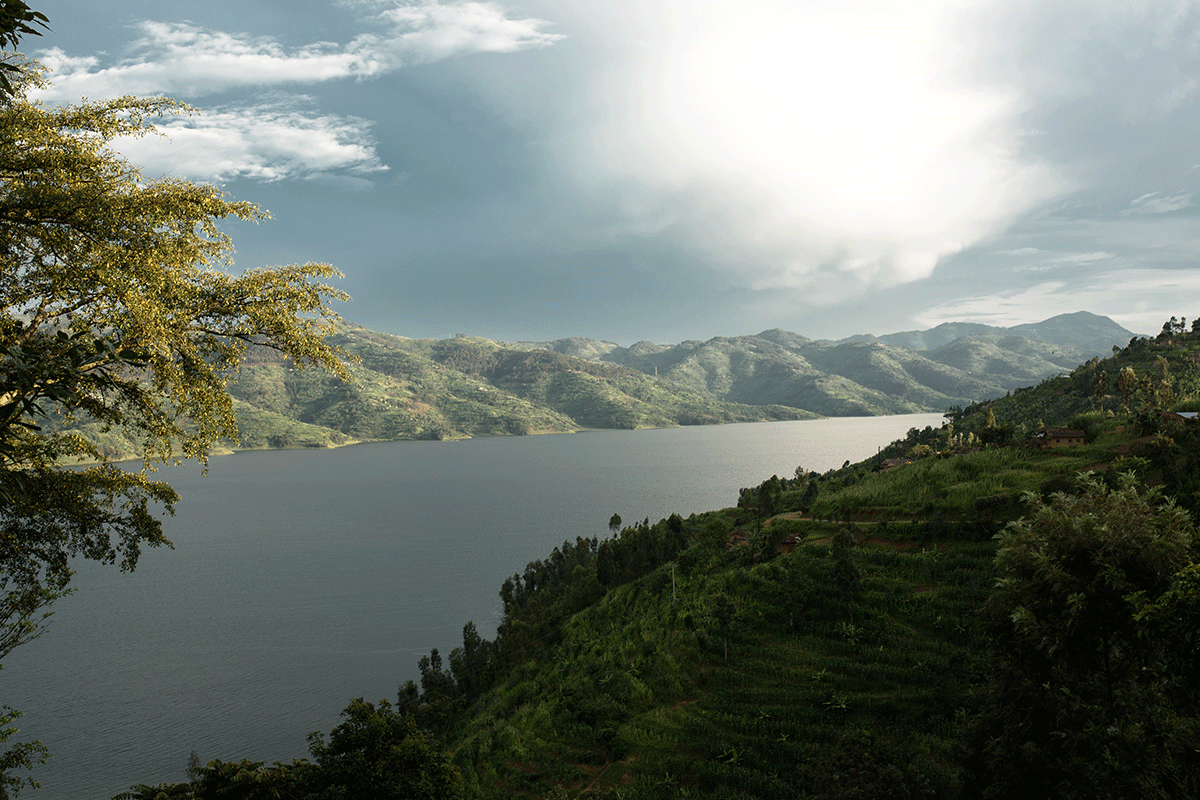
The Twin Lakes of Burera and Ruhondo offer one of northern Rwanda’s most rewarding changes of pace. A series of folded green hills reveals two stretches of water below the Virunga volcanoes, with small settlements, cultivated slopes and islands completing the scene. Visitors come for broad views rather than headline wildlife sightings. From a hilltop, watch sunlight move over the water; closer to shore, notice fishing boats crossing between farms and villages. The landscape makes sense as a quiet complement to a busy itinerary built around primates and volcano hikes.
The Twin Lakes of Burera and Ruhondo are close enough to Musanze to visit without changing accommodation, but their rural character feels distinct from town. Rather than racing through a viewpoint and leaving, allow time to explore one shoreline, meet a local guide and understand how the lakes shape daily life. Some travelers choose a peaceful picnic and photography; others prefer a paddle or a village walk. The best plan usually combines a scenic outlook with one activity at a relaxed pace.
A visit works especially well after an early gorilla trek, between more strenuous excursions, or on a spare day before returning to Kigali. The water and hills are attractive in changing weather, though good visibility makes the mountain panorama more dramatic. When arranging a tour, explain whether you want simple sightseeing, a guided activity, or a longer, photography-focused day. That choice determines the route and avoids spending too much time driving between viewpoints.

Where are the lakes in Rwanda?
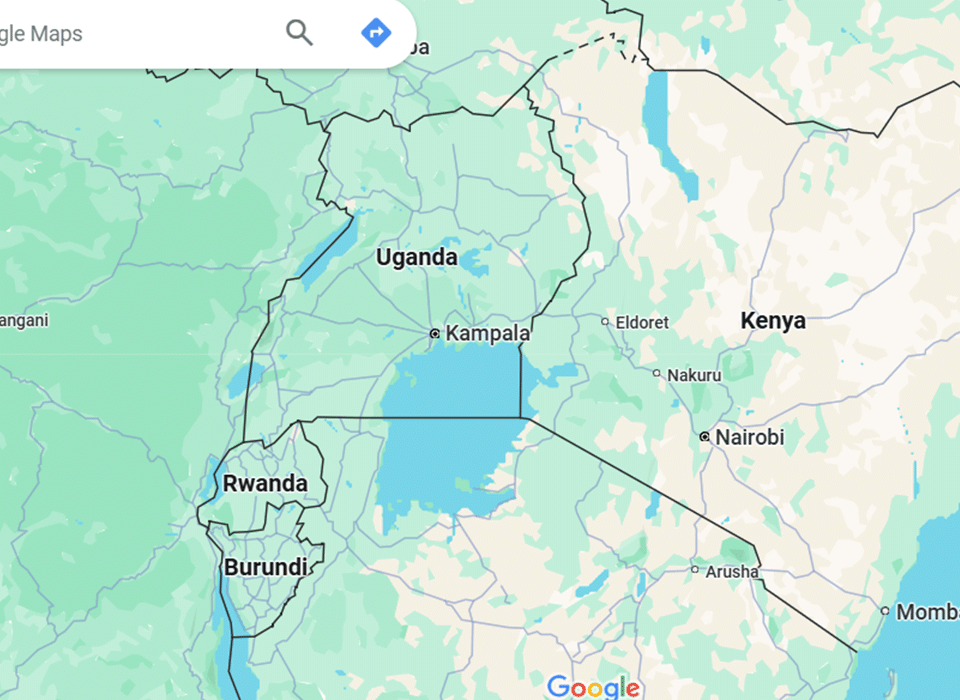
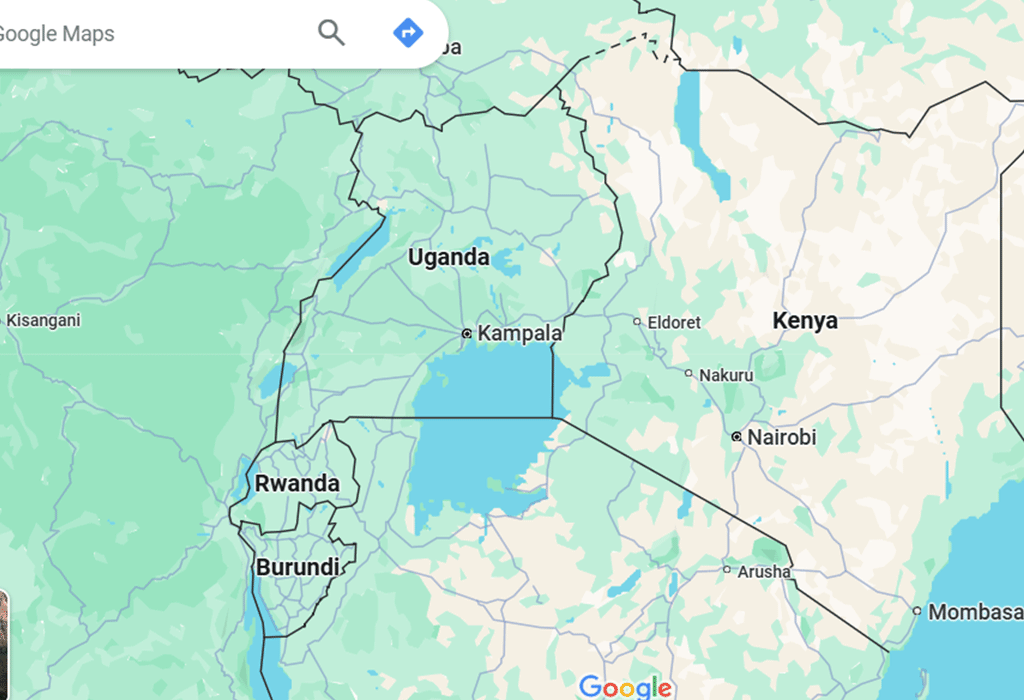
The lakes lie in Rwanda’s Northern Province, near Musanze and within reach of the Volcanoes National Park tourism circuit. Lake Burera sits to the north of Lake Ruhondo, and the two occupy adjacent basins beneath terraced highlands. They are often described together because their geography, landscape and visitor activities are closely connected. Yet each shoreline has its own perspectives, access roads and small communities. Asking for a specific viewpoint or boating departure point is more useful than simply saying “take me to the twin lakes.”
The drive from central Musanze to a common viewpoint or lakeside departure can be roughly half an hour to an hour, depending on which side you choose, road surface and conditions. Access to particular lodges or boat piers can take longer. A Kigali departure involves an additional journey to Musanze, so a same-day excursion is more demanding than one starting from a nearby lodge. Ask the driver to confirm the actual access point before setting your schedule, especially if you have an onward flight or a trekking briefing.
How the volcanic landscape took shape
Northern Rwanda’s scenery reflects its proximity to the Virunga volcanic chain. Lava flows and changes to drainage helped create lake basins and watercourses in the highlands. The two neighboring bodies of water, steep slopes and ridges explain why a short journey can deliver such different vantage points. There is no need to memorize a single dramatic origin story to appreciate the geography: read the hills, follow the drainage and notice how the water occupies the valleys below volcanic peaks.
Mount Muhabura is a recognizable presence in clear weather, while other Virunga summits add scale to the horizon. Early cloud can hide the peaks before revealing them later, sometimes creating more memorable photography than an uninterrupted blue sky. The terraced slopes are equally distinctive. Rows of cultivated land trace the contours of hillsides, emphasizing both the steep relief and the work involved in farming here. This is a lived-in landscape rather than an untouched wilderness.
These neighboring lakes reward travelers who notice these smaller details. Look at how paths switch back between farms, how houses occupy ridges and how islands break up the surface of the water. The impression changes as the road climbs or descends. A guided viewpoint stop can help connect the physical geography with present-day livelihoods without relying on exaggerated geological claims or unsupported statistics about depth and formation dates.
Lake Burera compared with Lake Ruhondo
Lake Burera typically feels expansive from elevated viewpoints, with wide water and strong mountain backdrops. Visitors who love landscapes often prioritize a high roadside overlook before descending toward the shore. Agricultural terraces, small boats and distant villages help give photographs a sense of scale. Conditions can vary sharply across the lake: an exposed ridge may be breezy while a sheltered inlet appears calm. Choose the viewpoint for the light as much as for the name of the lake.
Lake Ruhondo is frequently approached for boating, relaxed lakeside stays and nearby viewpoints. Islands, peninsulas and irregular shorelines make short excursions visually varied. Depending on where you start, a gentle boat ride can reveal a sequence of villages, terraced hills and volcano views. A quieter shore is ideal for travelers who would rather sit with a drink and listen to birds than complete a strenuous walk. Neither lake needs to “win” a comparison; they complement each other.
For travelers weighing Lake Burera and Lake Ruhondo, the practical difference is often access. Where is your accommodation? Which departure point has a suitable boat and experienced operator? How much time remains after a morning trek? Ask these questions first. A thoughtfully chosen two-hour visit may feel richer than an overpacked circuit attempting every accessible jetty and viewpoint. These neighboring lakes are best appreciated with flexibility and unhurried stops.
Best viewpoints and landscape photography
A hilltop overlooking both basins is the classic photographic goal. The strongest compositions bring together water, winding fields, islands and the distant volcanoes. On a clear morning the low light can reveal texture in terraces, while late afternoon often gives the slopes warm color. Weather changes quickly, so hold off on judging a viewpoint until clouds shift. A photograph taken just after a shower may have beautiful contrast and clarity, although wet road surfaces demand extra care.
Ask a local guide for a safe stopping area with a view that suits your camera rather than following an unverified map pin onto farmland. Avoid stepping on crops or entering private gardens without permission. A moderate zoom lens can isolate the pattern of fields and boats; a wider lens is helpful for the surrounding topography. Keep your equipment protected from dust and rain, and carry a cloth for lenses after mist or drizzle. There is no need for a drone to make memorable photographs.
These neighboring lakes can also be photographed from boat level. From the water, terraced hills rise dramatically and small changes of direction reveal new islands and headlands. This perspective makes a useful contrast to panoramic images from above. Before photographing residents or close-up fishing activity, ask permission through the guide. Respectful photography often creates more meaningful encounters, and it avoids turning working communities into backdrops without consent.

Plan a Scenic Twin Lakes Visit
Share your travel date and preferred activity so the road route and lake stops fit your wider Rwanda itinerary.
Boat rides, canoeing and paddling
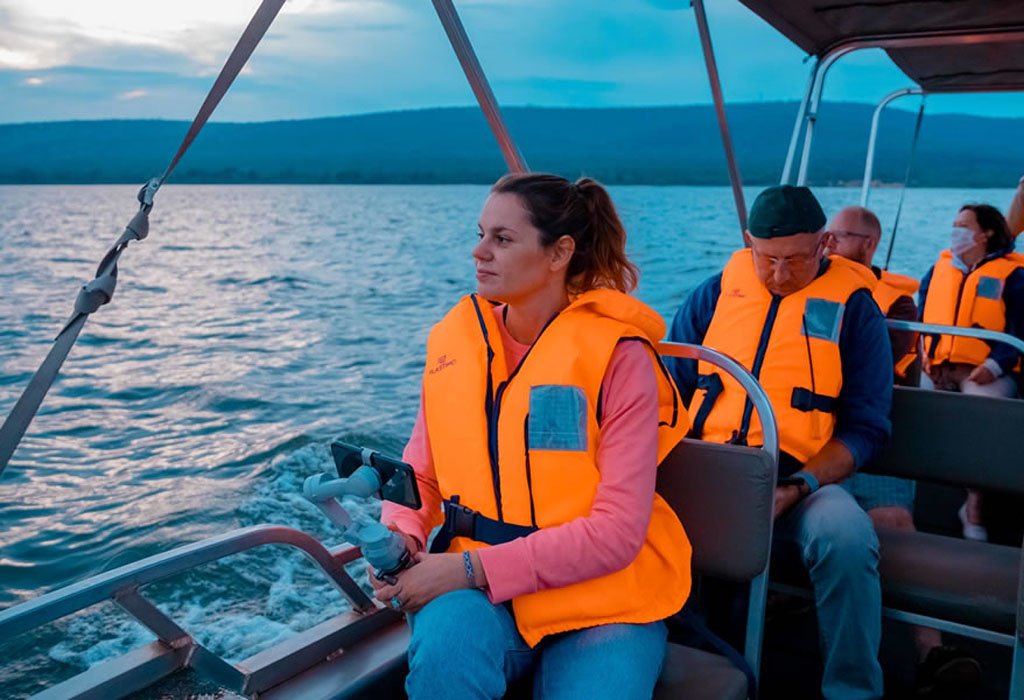
A guided boat ride is a popular way to experience the lakes at a slower rhythm. On Lake Ruhondo, operators may use covered local boats or other available craft; the precise offering varies by departure point. Ask who operates the vessel, whether a life jacket is provided, how long the trip lasts and whether the quoted price is per person or for a private group. Agree on the route before setting off. Popular possibilities include island views, sheltered bays and passing observations of fishing life from an appropriate distance.
Rwanda twin lakes boat trips are not interchangeable with an open-water wildlife safari. They are primarily about landscape, birdlife and the feeling of moving between the hills. Small-scale canoeing or kayaking can be enjoyable where reputable operators have suitable equipment and conditions permit. Wind, rain and visibility should determine whether paddling goes ahead. Do not assume the water is safe merely because it looks smooth from shore, and never board a craft without appropriate safety gear.
These neighboring lakes are particularly appealing to travelers who want an activity without a demanding hike. A short lake outing can fit between lunch and a scenic drive, whereas a longer route needs a proper weather buffer. If you are traveling with children, older relatives or anyone who needs mobility assistance, explain your requirements when booking. The boarding point and boat design matter more than a generic statement that an excursion is suitable for everyone.

Birdlife and wetland habitats
Kingfishers, cormorants, herons and other waterside birds add interest to lakeside outings, although exact sightings depend on weather, habitat and luck. A patient stop beside reeds or a quiet inlet can reveal more than a fast boat circuit. Watch for birds feeding, resting or moving between shoreline vegetation. Carry binoculars if you want to identify species without approaching nests or disturbing wildlife. A local bird guide is especially helpful for telling similar waterbirds apart.
Twin lakes birdwatching works best when you slow the itinerary. Choose early or late hours when light is gentle, ask the boat operator to avoid sudden approaches and concentrate on one productive stretch of shoreline. Birders with a broader Rwandan itinerary may also consider the Rugezi wetland region, although access rules, conservation conditions and suitable guiding should be confirmed before visiting. Protected or sensitive wetland habitat should never be entered casually just to improve a photograph.
These neighboring lakes can reward beginners as much as dedicated birders because the landscape itself encourages observation. Spend a few minutes listening before starting a walk. Look for differences between open water, cultivated fields, trees and marshy edges. Bird activity often reflects these transitions. Set modest expectations: the lakes are scenic destinations with wildlife opportunities, not a guaranteed checklist of rare species. Leaving room for unexpected sightings is part of the pleasure.

Guided village walks and local culture
The shorelines support working communities whose daily routines include farming, fishing, transport and trade. A locally guided village walk can reveal how steep hills are cultivated, where boats are launched and how settlements connect across the water. Cultural encounters work best when they are hosted by the people involved and when visitors understand any fee beforehand. Ask whether your booking supports the community guide directly and whether the route includes areas that residents have agreed to share.
Walk with curiosity rather than treating residents as attractions. A guide can explain local crops, seasonal work and changes in village life while avoiding broad generalizations about Rwandan culture. Ask before taking photographs, especially of children, homes or private activities. Buying a locally made item can support a maker when the transaction is voluntary and fairly priced. Do not distribute sweets or money to children; follow the advice of community hosts about appropriate ways to contribute.
The Twin Lakes of Burera and Ruhondo offer context for a Rwanda safari that might otherwise focus entirely on national parks. A leisurely conversation about fishing, family farms or markets shows how the landscape is used beyond tourism. Choose a short, well-organized walk rather than dropping into a village unannounced. Cultural respect, time and consent matter much more than a checklist of demonstrations or staged entertainment.
Hiking, cycling and active exploring
Travelers wanting movement can explore lanes and footpaths among the hills, ideally with a guide familiar with access rights and terrain. A modest climb may deliver wide views without requiring a technical mountain hike, but the hills can be steep and the ground slippery after rain. Wear shoes with reliable grip, carry drinking water and plan a route that matches the slowest walker. A local guide can adjust the distance and identify safe areas for viewpoint stops.
Cycling is another option for people comfortable with climbs, gravel and local traffic. Routes around Musanze and the lakes cross inhabited countryside rather than protected, traffic-free trails. A properly maintained bicycle, helmet and experienced guide are sensible choices. Ask about total elevation, road surface, distance, vehicle support and weather contingency, not simply how many kilometers a proposed loop covers. Experienced riders may enjoy longer circuits, while beginners can choose a shorter out-and-back route.
The Twin Lakes of Burera and Ruhondo are not a reason to schedule an exhausting activity immediately after an already demanding trek. If you plan to hike in Volcanoes National Park the following morning, keep your lake visit light. A short ridge walk followed by a viewpoint stop and lunch can feel like a complete outing. Flexibility is particularly valuable in the rainy season, when one slippery track may be less enjoyable than a nearby scenic drive.
Best time to visit the twin lakes
The lakes can be visited throughout the year, but weather influences visibility, walking conditions and boating decisions. The comparatively drier periods often associated with June through September and December through February may be convenient for visitors seeking clearer roads and outdoor activity. Rain can occur in any month, especially in highland settings. During wetter months, hillsides become lush and atmospheric, but paths may be muddy and low clouds can obscure the volcanoes.
For photography, the best time of day depends on your preferred viewpoint and how the light falls across it. Early morning can provide quiet conditions and atmospheric mist; later light can illuminate terraces beautifully. A planned sunrise visit is only worthwhile if your accommodation and transport allow safe travel. Confirm whether the viewpoint is publicly accessible, whether a guide is required and how the route behaves after heavy rain. Avoid claiming any season guarantees calm water or clear peaks.
The Twin Lakes of Burera and Ruhondo are easy to combine with a longer stay in northern Rwanda. Travelers coming mainly for gorilla permits should choose their trekking date first, then fit the lake excursion around it. The lake portion usually has greater scheduling flexibility. This also leaves room to switch a boat ride for a hilltop stop when the weather turns, without sacrificing the primary wildlife experience of the journey.
Combine the Lakes With Your Trek
Balance time at Volcanoes National Park with a relaxed outing on the water or at a hillside viewpoint.
Getting there from Musanze and Kigali
Musanze is the most practical base for many visitors. Drivers can reach a number of lakeside and ridge viewpoints on local roads, but a destination name alone will not establish the correct arrival point. Choose the lodge, landing area or viewpoint with your guide before departure. Road time changes with weather, traffic, roadworks and the kind of vehicle used. Leave space for roadside photographs without treating an approximate transfer time as a promise.
From Kigali, most travelers first travel toward Musanze and then continue to the lake area. This can be undertaken as a day excursion with an early start, but the extra distance means more hours in a vehicle. Staying overnight in Musanze or near the shore usually allows a more relaxed outing. Travelers crossing from Uganda or combining several destinations should confirm current border rules separately; the lake visit does not remove any immigration requirements that apply to a wider itinerary.
The Twin Lakes of Burera and Ruhondo are sometimes included in a driver-guided circuit after a primate trek. Make sure a plan accounts for the actual finishing time of the trek, lunch, energy levels and sunset. Mountain gorilla tracking can finish later than expected, so a fixed boat departure on the same afternoon may create stress. A flexible viewpoint visit often works better when the day’s earlier activity has an unpredictable duration.
Where to stay and how long to spend
Accommodation ranges from hillside lodges with lake panoramas to guesthouses and hotels in Musanze. Lakeside stays emphasize quiet evenings and sunrise views; Musanze provides broader dining, transport and activity connections. When comparing properties, consider the access road and the exact lake-facing aspect. A room advertised as being in the twin lakes area may not look onto both bodies of water. Confirm whether the dining area, terrace or rooms provide the view that matters to you.
A half-day suits many travelers: one panoramic viewpoint, a short boat ride or a guided village walk. A full day allows a slower combination of two activities, a leisurely meal and time to stop for photographs. One overnight stay creates opportunities to see both morning and evening light without driving back in darkness. Two nights might appeal to photographers, cyclists or travelers seeking rest rather than a packed safari schedule.
The Twin Lakes of Burera and Ruhondo are a strong choice for visitors who value a quieter base, but choosing the right location matters. Confirm meals and access arrangements before arrival, particularly if you will be away from town. Small properties may require advance notice for dinner or transport. If a gorilla trek is scheduled, establish how long it will take to reach the official briefing location and whether an early breakfast or packed meal can be arranged.
Combine the lakes with gorilla trekking
Volcanoes National Park is the best-known reason many international visitors come to Musanze. A gorilla trek is an early, permit-controlled activity requiring a briefing, ranger guidance and walking on potentially steep forest terrain. After such a morning, a gentle lake excursion can provide contrast without another demanding climb. It is wise to avoid prepaying a rigid afternoon boat schedule until you understand the possible duration of the trek and the transport between locations.
The Twin Lakes of Burera and Ruhondo are also useful on a buffer day before a gorilla trek. Visitors can settle into the highland climate, enjoy a scenic outing and organize clothing and equipment for the next morning. The lake visit does not require a gorilla permit, though specific activities have their own prices and arrangements. If you are booking a full Rwanda safari, separate park fees and permits from lake activity costs so the itinerary is easy to compare.
A simple two-night northern Rwanda plan could include arrival and lake viewpoints on day one, gorilla trekking on day two, and departure on the following morning. If you prefer to add golden monkeys, cave visits or a volcano hike, add time rather than squeezing every excursion into one day. The quality of a safari often depends less on the number of attractions than on whether the schedule leaves room to enjoy them.
Other worthwhile Musanze attractions
The region offers several ways to extend an itinerary beyond lakeside scenery. Golden monkey tracking in Volcanoes National Park introduces a lively primate encounter and has a different pace from gorilla trekking. Guided volcano walks can be strenuous and need proper planning, equipment and any required permits. Musanze’s caves provide a perspective on the area’s volcanic history, while cultural centers can offer structured, locally hosted experiences. Choose activities based on interests and fitness rather than attempting a long list.
Musanze lake excursions provide a gentler option when rain, fatigue or limited time makes a high-altitude hike unattractive. You might spend the morning at a viewpoint and the afternoon at a guided cultural activity, or combine a short walk with a relaxed lakeside meal. This varied pacing can be attractive to families whose members have different activity preferences. Confirm age rules for national park treks and arrange appropriate alternatives for anyone unable to participate.
The Twin Lakes of Burera and Ruhondo can also complement a longer Rwanda circuit that includes Lake Kivu, Nyungwe Forest or Akagera National Park. These destinations offer different habitats and should not be treated as interchangeable lakeside stops. Lake Kivu suits a longer waterside stay, while Burera and Ruhondo are especially convenient for northern volcano-region travelers. Plan travel days realistically and decide which experience deserves an overnight stay.

Responsible tourism on the shores
The most valuable visitor experiences respect the people who live and work beside the lakes. Hire local guides or boat operators where practical, agree on fees in advance and treat fishing areas as workplaces rather than open sightseeing stages. Avoid photographing people without permission and do not assume access to a path or island includes access to farms or homes. Small decisions around where you stop, spend and walk influence how residents experience tourism.
Keep litter out of the water, take reusable bottles where possible and leave plants and wildlife undisturbed. Listen to a boat operator’s safety briefing, wear a suitable life jacket and avoid encouraging risky maneuvers for photographs. Sensitive shorelines and wetlands should be viewed from established routes, with enough distance to prevent disturbance. If you are unsure whether an activity is appropriate, choose the lower-impact alternative or ask a knowledgeable local guide.
The Twin Lakes of Burera and Ruhondo do not need elaborate infrastructure to be rewarding. Much of their attraction lies in quiet water, hills, birds and ordinary village life. Traveling responsibly protects that atmosphere while allowing local businesses to benefit from visitors. A shorter, carefully arranged outing often supports better interaction than a rushed convoy stopping in multiple communities without any meaningful local participation.
How much does a visit cost?
There is no dependable single entry price for the entire landscape because lakeside access, viewpoints, private guiding, boats, meals and transport may be charged separately. A traveler using a vehicle to admire public views will have a different budget from someone arranging private boating, a community walk and lunch. Prices can depend on group size, duration, equipment, departure point and provider. Request an itemized quote rather than assuming a price found online covers the same service.
Before paying, ask what the boat price includes, whether life jackets are supplied, who provides guiding, and whether any island stop has an additional fee. For road transfers, check whether fuel, waiting time and parking are included. If your driver is already taking you to Volcanoes National Park, a lake addition may be easier to arrange than a completely separate Kigali day trip. However, that does not mean it is free or that activity operators have identical charges.
The Twin Lakes of Burera and Ruhondo are appealing partly because visitors can choose simple experiences. A well-selected viewpoint and a locally hosted walk may be enough for some travelers, while others value a private boat and a lakeside meal. Spend according to your interests, not a rigid menu of activities. Check current prices directly with your operator, as rates and seasonal arrangements can change.
Choose a Practical Lake Excursion
Ask about route options, activity inclusions and the most suitable departure point for your group.
What to pack for a lakeside outing
Bring a lightweight rain jacket, comfortable walking shoes, sun protection, drinking water and a small daypack. The highlands can feel cool in the morning and warm when the sun appears, so layers are more practical than a single heavy item. If boating is planned, protect your phone or camera from splashes with a waterproof pouch. A hat with a secure strap and sunglasses can make open-water travel more comfortable, while binoculars add value for birdwatching.
For longer hikes or cycling, check the route requirements. Carry suitable footwear, enough water and any personal medication, and tell the guide about mobility concerns. Photographers should pack lens protection and spare batteries but avoid carrying unnecessary equipment on narrow rural paths. Cash may be useful for small locally operated services, though ask what payment methods are accepted. Keep valuables secure and bring only what you need for the activity.
The Twin Lakes of Burera and Ruhondo are not a remote expedition for most Musanze-based visitors, but preparation still improves comfort. Confirm where toilets, meals and shelter are available along your chosen route. If you are moving between a trek and a lake excursion, a change of shoes and dry clothing can make the afternoon much more pleasant. Traveling light leaves you free to appreciate the scenery rather than manage an oversized bag.
Suggested half-day and full-day itineraries
For a half-day, leave Musanze after breakfast, pause at a safe ridge viewpoint and continue to a prearranged shoreline stop. Take a short guided boat ride if conditions are appropriate, then enjoy a lakeside drink or meal before returning. If weather rules out boating, replace it with a village walk or additional panoramic stops. This simple plan works well for photographers, couples and travelers with limited time. It also avoids the temptation to drive endlessly from one viewpoint to another.
For a full day, begin with early light, spend time at a panoramic overlook, and add a guided community activity before lunch. In the afternoon choose boating, walking or cycling according to energy and weather. The sequence can be reversed when morning conditions are better on the water. Include enough breaks to watch village life respectfully without interfering with local work. A prearranged pickup time makes it easier to return without driving narrow roads after dark.
The Twin Lakes of Burera and Ruhondo can also feature in a three-day northern Rwanda visit: arrive in Musanze and see the lakes, dedicate the next day to the main park activity, then use the final morning for a cultural stop or relaxed departure. This avoids treating scenic experiences as an afterthought. The precise itinerary should account for permit times, seasonal road conditions and the preferences of your group.
Planning tips for different travelers
Families often appreciate the flexibility of a short viewpoint visit and a comfortable lakeside lunch. Confirm that any boat has appropriately sized life jackets for children, that boarding is manageable and that a toilet stop can be arranged. Parents should not assume all water activities are suitable for every age. A walking route with gentle gradients can be a better choice for younger children than a long, exposed paddle. Keep the outing short enough to remain enjoyable.
Couples may prefer a quiet terrace, scenic boat outing or sunset viewpoint, while photographers benefit from a guide who understands light and is happy to wait. Solo visitors can ask about joining a scheduled outing, though shared departures should be confirmed rather than presumed. Travelers with mobility limitations should request photographs or descriptions of boat access, paths and vehicle stopping points before booking. A scenic drive may provide excellent views without difficult boarding or walking.
The Twin Lakes of Burera and Ruhondo can suit many travel styles because there is no single required way to enjoy them. Choose activities that match the least mobile or least energetic participant when traveling as a group. Make expectations clear before leaving Musanze, and resist marketing claims that every excursion is universally easy or safe. A little planning creates space for the unexpected pleasures of the lakes.
Frequently asked questions
Are the lakes worth visiting after gorilla trekking? Yes, especially if you want peaceful scenery after an active morning. Keep the timing flexible because gorilla treks vary in duration. A viewpoint may be more suitable than a fixed boat tour on a late-finishing trek day.
Can you see both lakes in one day? Often yes, from carefully selected viewpoints and road connections, but covering every shoreline is unnecessary. Focus on the view and activity that interests you most rather than maximizing stops.
Is swimming recommended? Do not assume an unfamiliar natural lake is safe for swimming. Water conditions, health considerations and local restrictions require current advice. Choose supervised activities arranged by responsible providers instead.
Do visitors need a national park permit? Viewing the lakes is separate from gorilla trekking, but specific excursions may have charges, access arrangements or local rules. Confirm these with the operator before visiting.
Which lake is better for photography? Both offer strong compositions. The position of the sun, clouds, chosen viewpoint and shoreline access matter more than a universal ranking. A guide familiar with the route can help choose between them.
Are the Twin Lakes of Burera and Ruhondo suitable for a day trip from Kigali? They can be, but a Musanze base is more relaxed. A Kigali day trip requires substantial road travel and should leave a generous buffer for conditions and stops.
Can I combine the lakes with golden monkeys? Yes, when permits and travel times work. If the park activity runs late, reduce the lake program rather than rushing. Make sure the day includes time for meals and rest.
Do I need to book a boat in advance? Advance arrangements are sensible, particularly if you want a particular vessel, guide or time. Confirm life jackets, departure point, weather policy and total cost before committing.
Final thoughts on the twin lakes
The Twin Lakes of Burera and Ruhondo are a reminder that northern Rwanda is more than a gateway to mountain gorillas. The lakes invite a gentler style of travel: notice how fields catch the light, listen to waterbirds, watch boats move between settlements and appreciate the volcanoes from a different angle. They are particularly satisfying when approached as living landscapes rather than another attraction to tick off a list.