gorilla habituation from Kigali: 7 Amazing Secrets
East Africa • Visitor guide
Gorilla Habituation From Kigali — Gorilla Habituation from Kigali
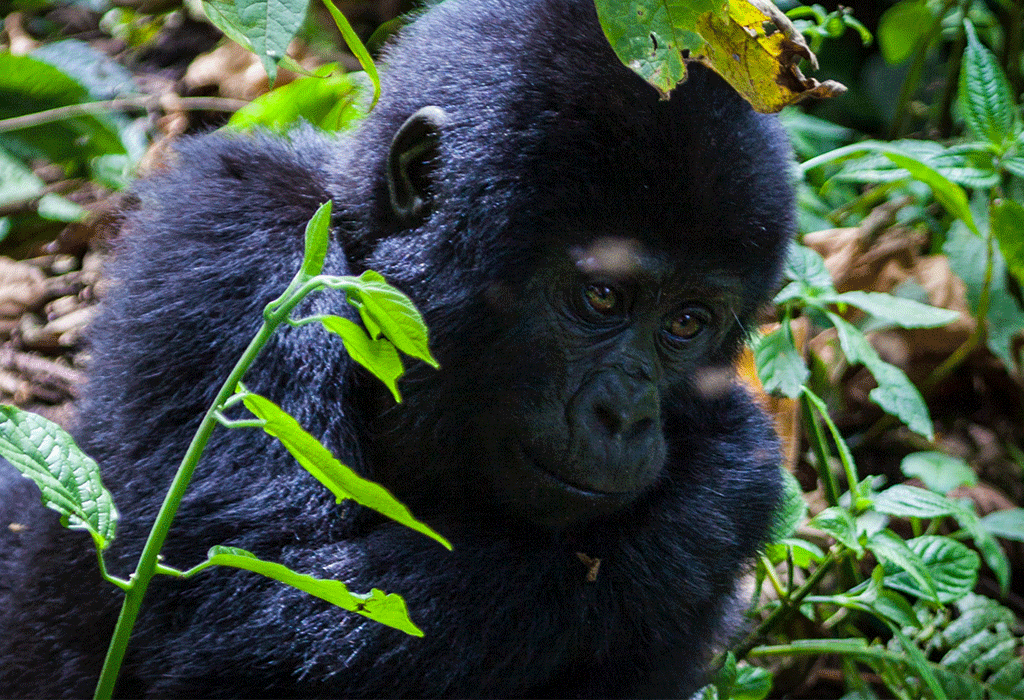
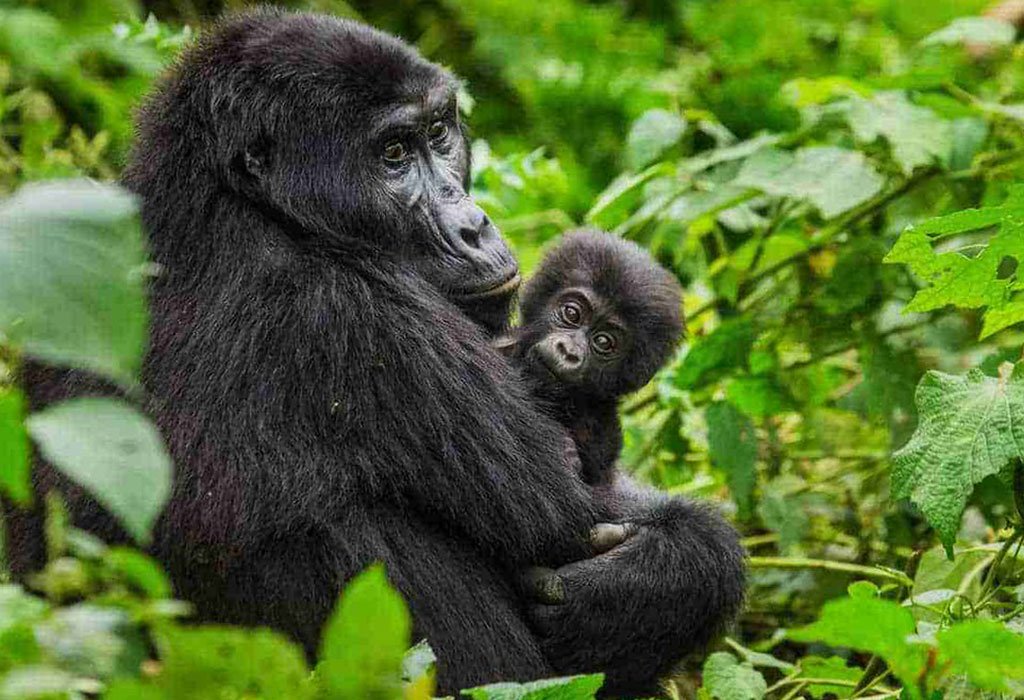
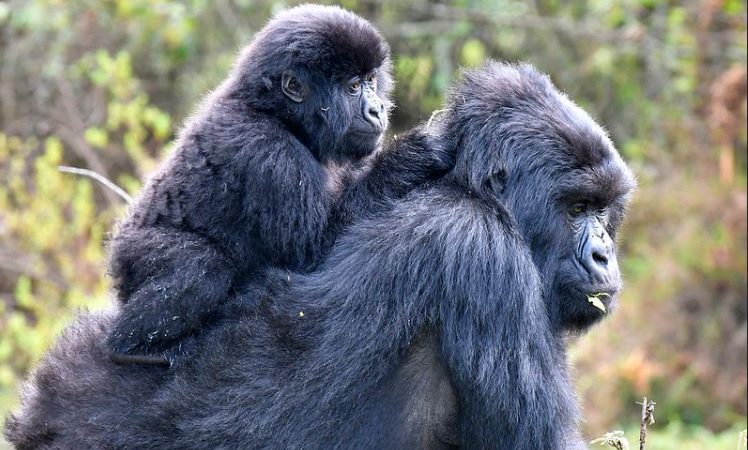
Gorilla habituation from kigali begins with clear expectations about the destination, timing and rules that affect the visitor experience. Uganda’s habituation experience is associated with designated gorilla groups in the Rushaga area of Bwindi, not Rwanda’s Volcanoes National Park. The longer permitted observation period is the principal difference from standard one-hour gorilla tracking; the hike itself is still unpredictable. This guide explains the important choices in a way that helps travelers arrange a realistic trip rather than relying on a general promise about travel time, scenery or wildlife sightings.
A practical example
If a guest books a standard gorilla permit but expects the longer habituation experience, the difference cannot be fixed by simply remaining with the gorillas after the viewing period. The permit type and operating rules are distinct. This is a booking-definition problem that should be resolved before an international flight or nonrefundable hotel payment.
Gorilla Habituation from Kigali .
gorilla habituation from Kigali: practical decisions and Rushaga habituation
Decision 01
gorilla habituation from Kigali: Habituation location
Uganda’s habituation experience is associated with designated gorilla groups in the Rushaga area of Bwindi, not Rwanda’s Volcanoes National Park.
Decision 02
Rushaga habituation: Time distinction
The longer permitted observation period is the principal difference from standard one-hour gorilla tracking; the hike itself is still unpredictable.
Decision 03
four hour encounter: Border route
A Kigali start requires crossing into Uganda with the right immigration documents and planning realistic road transfer time.
What to expect: activities, access and conditions
Uganda permits: Habituation location
Kigali transfer: Time distinction
Ask the person arranging gorilla habituation from kigali to explain how “time distinction” changes the practical plan. The important detail is not just the attraction’s name but the exact location, time and conditions described here.
Plan the next stage with a clear, practical itinerary.
Staying near Rushaga before the early briefing is preferable to trying to cross the international border on the trekking morning.
3 Day Bwindi Gorilla Habituation Safari .
Permit category
Habituation permits differ from normal tracking permits in price, group rules and allocation; specify the correct activity at booking.
The booking decision here is specific to permit category. Before paying, ask for the issued permit or reservation reference, applicable visitor category, operating date, and a written breakdown of what the quoted charge actually includes.
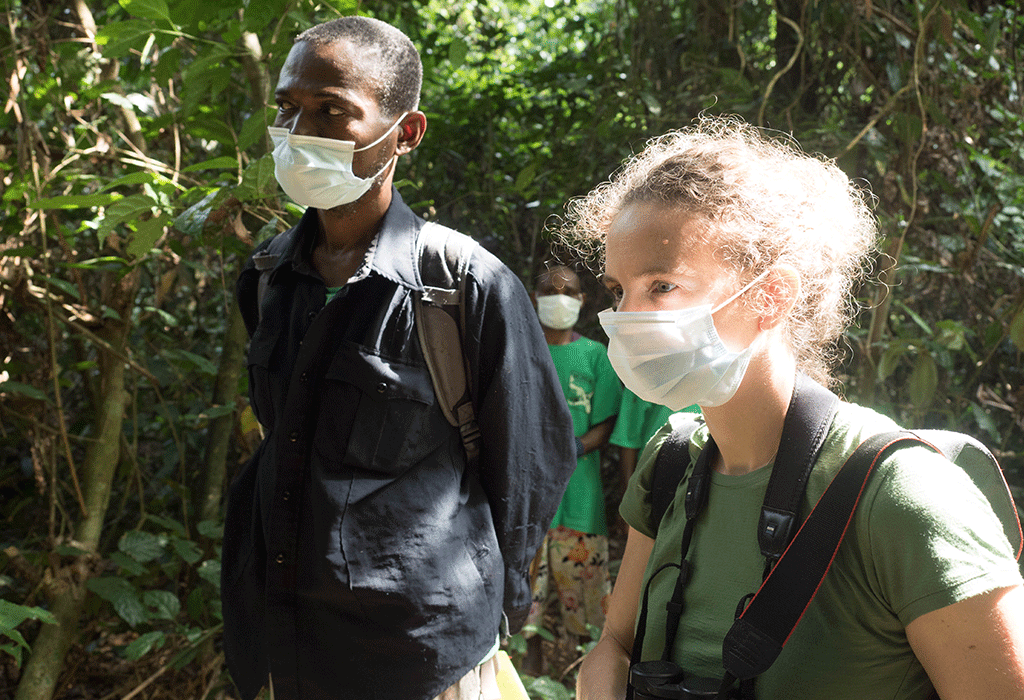
Wildlife health protocols, minimum visitor age and ranger directions apply even during a longer observation experience.
Gorilla Habituation Experience in Bwindi .
Photography preparation
Carry spare batteries and rain protection, but keep your kit light enough for narrow slippery rainforest paths.
After the forest
Leave the afternoon uncommitted because the route back from the gorillas cannot be timed exactly.
3 Day Bwindi Gorilla Habituation Experience .
Cost transparency
Ask for a quotation that lists the habituation permit, cross-border transport, guide costs and nearby lodging separately.
The booking decision here is specific to cost transparency. Before paying, ask for the issued permit or reservation reference, applicable visitor category, operating date, and a written breakdown of what the quoted charge actually includes.
four hour encounter and Uganda permits: preparation details
Before travel
What to confirm
Booking proof
Date, operator, location and whether every required permit is included
Transfers
Pickup time, driver contact, border or road buffers where relevant
Equipment
Footwear, rain protection, medication and suitable personal gear
Visitor rules
Minimum ages, guide instructions, health conditions and safety briefing
Price details
Entry tickets, accommodation, meals, extra activities and cancellation clauses
Weather contingency
Alternative timing or safe activities if conditions change
For this itinerary, choose Accommodation close enough to the actual activity entrance to avoid unnecessary transfers. Confirm the access road, check-in timing and any early breakfast arrangements.
Short Gorilla Safaris from Kigali to Bwindi .
Kigali transfer: what to decide before visiting
Frequently asked questions
What should visitors know about cost transparency?What should visitors know about photography preparation?What should visitors know about permit category?What should visitors know about border route?What should visitors know about habituation location?3 Days Bwindi Double Gorilla Trek via Kigali .
Key takeaways for this visit
The most useful planning details for Gorilla Habituation from Kigali are habituation location, border route and permit category. Confirm the relevant rules and logistics before travel, and keep weather-sensitive activities flexible.
Decisions that shape this visit
Habituation versus standard trek
Gorilla habituation in Uganda is not the same activity as a conventional one-hour gorilla encounter. Confirm the exact permit category, location and rules before paying.
Kigali as gateway
A journey marketed as from Kigali typically crosses into Uganda. Border formalities and the Bwindi trekking sector belong in the schedule.
Extra forest time
Longer time in the forest also means a greater need for suitable footwear, rain protection and flexible energy levels. It does not mean gorillas will remain in one easy location.
Participants should understand that terrain, altitude and wildlife movements affect trekking conditions; an operator cannot guarantee an effortless route.
Practical details worth checking
This approach is especially helpful for families, photographers and visitors who prefer a gentler pace, because gorilla habituation from kigali should be tailored to people rather than to a fixed sales script.
The most important early decision for gorilla habituation from Kigali is the confirmed date and access point.
Before departure
The day on the ground
Weather and season
gorilla habituation from Kigali: particular questions for this trip
The reason this deserves attention is that travelers often make the decision too late, after another part of the itinerary is already fixed. Ask for a quotation that lists the habituation permit, cross-border transport, guide costs and nearby lodging separately. The best comparison includes both the attractive experience and the less visible transport, access and recovery time needed to enjoy it. Keep the plan flexible enough to accommodate actual conditions while making sure the essential booking details are not vague.
A clear checklist helps avoid last-minute confusion. Review the documents and contact details well before the departure day, then confirm again when dates or visitor categories change. The questions below are deliberately specific: every operator should be able to explain which part of the journey is fixed, which is weather-dependent and which additional cost needs your approval.
For a smoother trip, review Accommodation options only after confirming the activity location and the travel day. A beautifully photographed lodge is not automatically convenient for an early park briefing or a long cross-border transfer. Ask how long the final approach takes in the conditions likely at your time of travel.
Suitability depends on formal age requirements, fitness, supervision and site conditions. Confirm the rules for each participant rather than assuming all attractions have the same threshold.
Before sending any final payment, ask for a written itinerary showing confirmed dates, activity locations, guide arrangements, hotel location and a transparent list of included services. This is especially important where national borders, protected wildlife or changing transport schedules are involved. A carefully checked itinerary gives visitors more freedom to appreciate the place once they arrive.
Gorilla habituation from Kigali: understanding the experience
Habituation is not an extended standard gorilla trek
A visitor asking for gorilla habituation should confirm exactly which activity is being booked. In Uganda, the habituation experience differs from conventional gorilla tracking in purpose, time spent with the animals and arrangements. It involves observation within an ongoing conservation and acclimatization process rather than simply purchasing extra minutes on an ordinary permit. Rules governing participation, visitor groups and access are set by park authorities. A package should describe the activity accurately and name the designated location. Someone booking the wrong type of permit cannot resolve the mistake by asking to remain in the forest longer after a normal gorilla viewing session.
Kigali is the departure point, not the habituation park
Travelers often use Kigali because it provides a convenient international arrival point for parts of southwestern Uganda. The habituation activity itself takes place across the border, requiring immigration formalities and a transfer to the correct forest area. Check the actual route and overnight location before buying flights. A brochure that says from Kigali is describing the start of a safari, not a special version of Rwanda’s Volcanoes National Park gorilla permit. This distinction matters for visas, payment, travel time and accommodation. Guests should know which country issues the activity permit and which park will conduct the official briefing.
Longer observation creates different expectations
A habituation experience can appeal to visitors who are especially interested in gorilla behavior, conservation work and patient observation. More time in the forest does not mean every moment will provide an unobstructed view. Gorillas move naturally, vegetation affects visibility and the work of trackers and guides follows conservation priorities. Travelers should be prepared to listen to instructions, watch quietly and understand why the animals’ welfare takes precedence over photographic ambitions. The significance of habituation lies in observing part of a sensitive process under controlled conditions, not in obtaining guaranteed close-up images of particular individuals.
Planning the cross-border journey
Arrive early enough to cross without rushing
An arrival in Kigali followed by a drive into Uganda involves more than the road distance shown on a map. Travelers need to allow for airport procedures, immigration and the onward mountain roads. The feasibility of a same-day transfer depends on when the plane lands and the location of the assigned forest lodging. Avoid treating a late evening arrival as equivalent to a morning one. If the first flight is delayed, the next day’s forest activity may be threatened. An additional overnight or a more conservative transfer plan can be valuable insurance against a tight schedule. The fixed activity date should determine the surrounding travel stages.
Prepare entry documents for both countries
Visitors entering Rwanda and continuing into Uganda should understand the immigration conditions relevant to their citizenship and route. Passport validity, visa eligibility and health-related documentation should be checked before departure. The tour operator may help explain the intended border crossing, but it cannot replace the traveler’s responsibility to carry correct papers. If multiple family members travel together, check individual documents rather than assuming one person’s eligibility applies to everyone. A package advertised as including transfers may still exclude visa charges. Confirm that distinction in writing and save important documents securely for use during the journey.
Match the lodge to the forest access area
A lodge somewhere near Bwindi is not necessarily convenient for the habituation meeting point. The southern and northern sectors of Bwindi are separated by road routes that can be long and difficult, particularly after rain. Ask the operator to identify the precise activity location and the intended morning approach. Choose accommodation after this is known rather than selecting an attractive property first and hoping it will work. A room near the correct roadhead may improve the day more than a luxury upgrade far away. Breakfast timing, packed food and dependable early transportation should also be confirmed before payment.
Return travel needs a separate day plan
The journey back to Kigali may follow a long road transfer and another immigration stage. Travelers should not select an international departure based only on the fastest possible drive estimate. Build time for delays, rest breaks and check-in procedures. If the habituation day has been physically demanding, a quiet night before the return may be preferable to an immediate long transfer. A three- or four-day itinerary can be arranged in different ways depending on flights and lodging. The important test is whether the forest activity remains protected when one road stage takes longer than expected.
What happens during the habituation day
The park briefing establishes the rules
Guests should arrive at the designated meeting point with identification, the correct reservation details and equipment appropriate for forest walking. Rangers explain expected conduct and the authority of the tracking team. These instructions are not optional, even for experienced photographers or visitors using private tour services. The group must follow guidance about health, noise, distance and movement around gorillas. A well-organized operator prepares travelers for these requirements before the morning begins. This allows the briefing to deepen understanding rather than being the first occasion on which guests discover that they have booked a different kind of experience from an ordinary wildlife tour.
The walk can be physically demanding
Gorillas range through dense habitat, and the approach can involve steep slopes, undergrowth and muddy ground. A longer activity may also mean more time outdoors and greater exposure to changing weather. Choose sturdy boots, long trousers, a waterproof layer and a comfortable small pack. Discuss health and mobility concerns honestly before purchasing the permit. Porter support may be useful where available, but it does not guarantee a flat or effortless route. Anyone with uncertainty about their ability to participate should seek realistic guidance rather than relying on a description of the activity as suitable for all visitors.
Patient observation is the central skill
Habituation places value on noticing behavior over time. Visitors may observe feeding, resting, movement or social interaction when conditions allow, but no particular behavior is promised. Listen carefully to guide explanations about why the group approaches or withdraws in certain ways. A visitor who spends the entire outing searching for an ideal photograph may miss important context. Take time to notice the forest environment and the work involved in tracking animals. The experience is best appreciated as an encounter with wildlife that is still managed carefully for conservation purposes, rather than as a private photographic session purchased through a tour company.
Respect the gorillas’ health and personal space
Wild great apes can be vulnerable to human illnesses. Travelers should follow current park health rules and avoid attending while symptomatic if instructed not to participate. Keep food packed away, avoid touching or feeding animals and respect the distances established by staff. Never attempt to prompt a gorilla to move or look toward a camera. Guides and rangers may ask the group to shift position or withdraw; those decisions protect wildlife welfare. The price of a habituation permit does not create a right to ignore the rules or prolong the encounter beyond the approved conditions.
Habituation and photography
Pack camera equipment for a forest walk
A photographer may want a variety of lenses, but a heavy bag can make steep and slippery trails more difficult. Consider which equipment can be carried safely and protect it against moisture. Spare batteries and memory cards should be prepared before leaving the lodge. Avoid changing lenses in heavy spray or rain when a simpler setup would work. If hiring a porter, discuss the weight and handling of equipment in advance. Camera choices should support careful observation rather than create a burden for the group. The most impressive gear cannot guarantee clear sightlines in a dense forest or control where wild gorillas move.
Natural light changes rapidly
Rainforest lighting can range from deep shade to bright openings within a short distance. Practice camera settings before the activity and avoid flash where prohibited. A stable handhold or careful stance may be useful, but do not step off the permitted position to gain a better angle. It is reasonable to hope for photographs of gorillas in their habitat; it is not reasonable to expect a staged composition. Include the surrounding vegetation in some images to communicate the environment. A picture that respects the limits of the encounter can be more meaningful than a technically perfect frame obtained through disruptive behavior.
Photographers must share the viewing space
A habituation group may include visitors with different interests and levels of equipment. Large lenses and backpacks can obstruct others, particularly on narrow forest ground. Follow the ranger’s direction about where to stand and move, and allow other guests a view. Avoid repeatedly switching places or asking the guides to change the animal’s position. Someone making a documentary or conducting commercial filming may have additional permission requirements beyond ordinary tourist photography. These should be clarified separately with the relevant authorities. A standard travel package should never imply that all forms of professional filming are automatically covered.
Comparing the habituation experience with other gorilla options
A conventional trek can still be the better choice
Not every traveler needs the longer habituation option. A standard gorilla trek may be more appropriate for someone on a tight schedule, with limited stamina or a simpler wildlife interest. The two experiences have distinct requirements and costs, so the choice should be based on purpose rather than an assumption that longer is always better. A visitor who mainly wants a first encounter with mountain gorillas may be perfectly satisfied by conventional tracking. Someone interested in extended observation should consider habituation if the conditions, eligibility and availability align. Neither experience guarantees a particular silverback or an easy walking route.
The route from Kigali may favor one plan over another
When comparing permit options, include road transfers, border formalities and suitable overnight bases. An activity that looks attractive by itself can become less practical if its confirmed location requires a long approach from the chosen accommodation. Ask for a complete itinerary with dates and route stages, not only a price list. A traveler arriving late or departing early may need an additional day. The relevant cost comparison includes transport and lodging as well as the official activity charge. It is more useful to select a feasible plan than to choose a permit category before understanding how it fits into the broader journey.
Rwanda gorilla trekking is a separate destination
Volcanoes National Park in Rwanda provides its own gorilla trekking experience, with different pricing, travel logistics and official arrangements. A visitor choosing between Rwanda and Ugandan habituation should decide what matters most: the particular activity, total cost, time available and broader travel plans. It is inaccurate to describe habituation from Kigali as a Rwanda-based park activity simply because the itinerary begins in Kigali. The destination country affects visas and the authority issuing the permit. A clear comparison respects these differences and avoids presenting distinct conservation products as interchangeable.
Costs and reservations
Request the exact permit category
A quote should identify the activity by its full name rather than relying on the phrase gorilla experience. Confirm that the offered authorization is for habituation and not conventional tracking. Ask what visitor category has been used to calculate the charge and which documents support it. Fees and eligibility conditions can change, so an old blog screenshot is not reliable proof of the current rate. The issuing arrangement should be clear before a nonrefundable hotel is booked around it. A precise confirmation helps prevent a misunderstanding that would be difficult to resolve after arrival in southwestern Uganda.
Know which services are priced separately
In addition to the permit, travelers may need road transport, a guide, meals, accommodation and optional assistance. A private vehicle from Kigali has different costs from shared transport, and an overnight near the correct forest location may be essential. Ask whether border-related charges are included and which expenses remain the guest’s responsibility. Porters, personal tips, travel insurance and specialist equipment are often separate decisions. Comparing two packages without the same list of inclusions can be misleading. Request an itemized quotation so the traveler understands what is fixed, what is optional and what will be paid locally.
Changes may affect multiple suppliers
If a flight is delayed or a guest must change dates, the permit, lodge and vehicle may each have different amendment rules. Ask about them separately before making a large payment. Do not assume a wildlife reservation can be moved as easily as an ordinary hotel room. Keep confirmation numbers and receipts in accessible storage. If the habituation date is the main purpose of the trip, arrange flights and accommodation to protect it as far as practical. A flexible itinerary is valuable, but it still needs to respect the conditions governing the official activity. Written policies help travelers understand the financial implications of unexpected changes.
Personal preparation and travel comfort
Fitness matters more than luxury accommodation
A comfortable lodge and private road transfer can reduce fatigue around the activity, but they do not flatten the forest. Travelers should prepare through suitable walking and discuss health concerns with a qualified professional when necessary. Footwear should be worn in before travel, and clothing should protect against wet vegetation. Carry drinking water, personal medication and a waterproof layer. A sensible packing list focuses on what will actually be needed during several hours outdoors rather than expensive outfits. Anyone who struggles on steep or uneven ground should seek individualized advice before committing to an activity with variable walking demands.
Avoid scheduling another demanding activity immediately afterward
An extended forest experience can leave visitors tired, wet or emotionally absorbed by what they have seen. A quiet afternoon at the lodge allows time to shower, rest and review the day. A long road transfer or another fixed-time excursion may be possible in some plans but should not be assumed. Travelers with a limited number of days can prioritize the central habituation activity and treat cultural or scenic extras as optional. Giving the principal experience breathing space often provides more enjoyment than trying to fit several unrelated attractions into the same day.
Keep documents and contacts organized
Before departure, save the permit confirmation, hotel name, border travel information and guide contact in a form that remains accessible without continuous internet service. Confirm where the Kigali pick-up will occur and how changes in flight timing will be communicated. Know which identification must be carried to the forest briefing. Guests traveling together should each understand the activity booked rather than relying only on one group leader. Clear documentation prevents avoidable uncertainty and allows the guide to concentrate on the journey itself. The forest experience is more rewarding when basic logistical questions have already been settled.
Responsible wildlife tourism
Habituation requires particular sensitivity
The activity’s conservation context makes responsible behavior especially important. Rangers and trackers manage how people approach animals and respond to their movements. Visitors should accept that staff may restrict a position, change the route or end an encounter for wildlife welfare. Never ask guides to encourage close contact merely because the permit offers a longer experience. Respect the forest and carry out waste. The purpose of habituation is not to turn gorillas into performers. A well-informed guest can appreciate the delicate balance between observation, research and protecting wild behavior.
Local services are part of the wider visit
A safari can support guides, drivers, porters, accommodation staff and local community enterprises when services are arranged fairly. Travelers can ask about the operator’s approach to employment and the role of surrounding communities. Cultural visits should be organized with consent rather than as spontaneous photo opportunities. Respect local customs and ask before photographing people. These choices do not replace the formal conservation protections of the park, but they can make the wider tourism experience more considerate. A visitor’s responsibility extends beyond the moment spent near gorillas to the people and landscapes encountered on the journey.
Keep expectations centered on learning
A worthwhile habituation trip is not measured only by the number of photographs or the proximity of an animal. It can reveal how challenging gorilla research and conservation are, why rangers follow strict rules and how forest conditions shape observation. Ask questions during suitable moments, listen to explanations and reflect afterward on what the experience taught you. The encounter may differ from promotional material because wildlife is unpredictable. That unpredictability is part of observing living animals in a protected habitat. A responsible trip gives guests a rare perspective without suggesting that nature can be controlled for their convenience.