
Chances of Seeing Gorillas in Bwindi
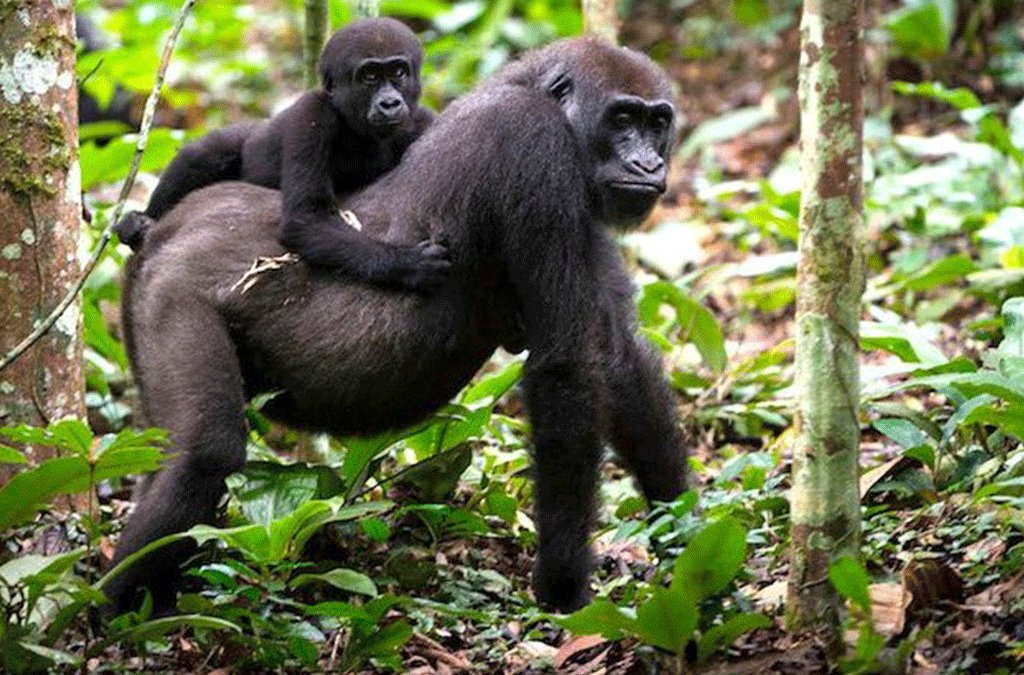
The chances of seeing gorillas in Bwindi Impenetrable National Park rank among the highest in wildlife tourism. Safari Vacations and Travel Services reports a remarkable 99% success rate for visitors trekking this UNESCO World Heritage Site. This number reflects decades of careful conservation work, expert tracking systems, and strict regulations. Understanding what drives this success helps you prepare well. It also deepens your respect for the complex systems working behind the scenes to protect these magnificent animals while delivering an unforgettable experience.
Why the Success Rate Reaches 99%
Bwindi offers one of wildlife tourism’s most reliable guarantees. Unlike standard safaris, where animals roam unpredictably across vast plains, gorilla trekking here takes place under controlled, well-managed conditions. Several key factors work together daily to make successful encounters almost certain.
First, gorilla habituation forms the backbone of this high success rate. Rangers spend two to three years gradually introducing wild gorilla families to human presence. Over time, the gorillas stop fleeing when people approach. Bwindi currently hosts approximately 20 fully habituated families across four sectors. These families maintain predictable home ranges, making them far easier to locate. Importantly, habituation does not change natural gorilla behavior. The gorillas still feed, play, rest, and socialize just as they would without human visitors nearby. They simply no longer run away.
Second, the Uganda Wildlife Authority takes visitor satisfaction seriously. Rangers hold the authority to extend treks well beyond typical durations when necessary. Sometimes searches continue for six to eight hours until trackers confirm a sighting. Since gorilla trekking began to be commercially available in the 1990s, missed encounters have remained extraordinarily rare. Typically, fewer than one or two missed sightings occur across thousands of permits issued each year. That track record speaks clearly.
The Pre-Dawn Tracking System: Chances of Seeing Gorillas in Bwindi
Most visitors never see the work that happens before they lace up their boots. However, this behind-the-scenes effort makes all the difference. Safari Vacations and Travel Services explains the process in detail.
Every morning, teams of experienced trackers enter the forest before dawn, usually around 5:00 AM. They head directly toward the locations where their assigned gorilla families slept the night before. These trackers know their specific gorilla groups intimately after years of daily contact. They read signs that untrained eyes would completely miss. Fresh knuckle prints in soft mud, broken branches from recent feeding, dung deposits, and trampled undergrowth all point toward gorilla activity.
Within one to three hours, advance teams typically confirm the location of their gorilla family. They then observe quietly from a respectful distance. Trackers assess the group’s mood and activity before declaring the family suitable for a tourist visit. A family showing signs of agitation, illness, or sensitive activity, such as mating, does not receive visitors that day. Once trackers give the all-clear, they radio precise GPS coordinates and recommended approach routes to guides waiting at park headquarters with tourist groups.
This two-tiered system completely transforms the trekking experience. Rather than wandering the forest in hopes of a chance encounter, tourist groups follow direct, guided routes to confirmed locations. Consequently, groups conserve energy and time while nearly guaranteeing a successful sighting. Furthermore, this system protects the gorillas. Random searches by multiple groups could unnecessarily disturb families. The controlled approach prevents that entirely.
How Permits and Regulations Support Success
Uganda Wildlife Authority’s permit system adds another layer of protection for both gorillas and visitors. Safari Vacations and Travel Services manages all permit logistics and navigates a booking structure that limits each habituated family to eight visitors per day. This cap serves two goals at once. It protects gorillas from disease and stress while ensuring each visitor group receives a quality, unhurried experience.
The $800 permit fee also creates strong institutional accountability. Park authorities understand that disappointed visitors will not return and will not recommend Bwindi to others. Approximately 20% of permit revenues flow directly to surrounding communities through schools, health centers, and local infrastructure. Therefore, rangers, trackers, and guides all share a direct stake in delivering successful encounters. Their livelihoods and their communities depend on satisfied visitors spreading positive word-of-mouth internationally.
Additionally, regulations limit each family to one tourist visit per day, lasting exactly one hour. This restriction prevents gorilla fatigue from too much human contact. It also keeps families in familiar territories rather than pushing them into remote or inaccessible areas. As a result, gorillas remain predictable in their movements, which directly supports high sighting rates.
Understanding the Remaining 1% Uncertainty: Chances of Seeing Gorillas in Bwindi
Safari Vacations and Travel Services believes in honest communication. While 99% success inspires confidence, a small margin of uncertainty remains. Knowing what causes the rare missed sighting sets realistic expectations without reducing excitement.
Newly Habituated Families
Bwindi occasionally opens new gorilla families to tourism after completing the full habituation process. These newer groups, while technically approved for visits, sometimes behave less predictably than long-established families. They may travel farther overnight, move into difficult terrain, or range across wider territories. Tracking newly habituated families has a roughly 95% success rate—still outstanding by any measure, but slightly lower than for veteran groups. Visitors assigned to newer families should prepare for potentially longer and more physically demanding treks.
Extreme Weather Events
Heavy rainfall can render trails completely impassable. Lightning creates genuine safety hazards that no responsible operator will ignore. In rare cases, severe conditions force temporary park closures. Safari Vacations and Travel Services classifies these as force majeure situations rather than tracking failures. Park authorities typically reschedule affected visitors at no additional cost for a permit.
Security Situations
Bwindi is near international borders, which occasionally expose the park to regional security concerns. These situations have remained extremely rare in recent years. Nevertheless, security incidents might temporarily restrict access to certain sectors. Safari Vacations and Travel Services monitors security conditions in real time and adjusts client itineraries proactively when concerns arise.
Gorilla Health Concerns
When trackers discover signs of illness or distress within a gorilla family, park authorities cancel visits immediately. This decision protects gorillas from disease transmission and prevents additional stress during vulnerable periods. These responsible cancellations reflect conservation priorities that help ensure the long-term survival of gorillas. Though disappointing in the moment, they represent the right choice for both animals and the future of gorilla tourism.
Practical Ways to Maximize Your Chances : Chances of Seeing Gorillas in Bwindi
Although the odds already stand firmly in your favor, Safari Vacations and Travel Services shares several strategies for pushing success even higher.
Choose established sectors.
Buhoma and Rushaga host some of Bwindi’s most well-established habituated families. Booking a trek with a veteran group rather than a newly habituated one offers marginally better certainty.
Trek during dry seasons.
Uganda’s dry seasons run roughly from June to August and December to February. During these periods, trails stay more navigable, and rangers enjoy greater flexibility in route selection. Moreover, guides can extend treks without the added risk of slippery, waterlogged terrain.
Arrive physically prepared.
Gorilla trekking demands real effort. Trails climb steep hillsides through dense, tangled vegetation. A group member who exhausts early may force the entire group to turn back before reaching the gorillas: regular cardio exercise and some hill walking in the weeks before your trek will pay off significantly.
Follow every guide instruction.
Staying quiet, moving efficiently, and obeying your guide’s directions keeps the group on pace. It also prevents unnecessary disturbance to gorillas once you arrive. Guides pace groups carefully based on fitness levels and terrain, so trusting their judgment matters.
Work with experienced operators.
Safari Vacations and Travel Services maintains strong relationships with park authorities and employs guides who know Bwindi’s forests deeply. Their guides accurately interpret radio updates from tracking teams and adjust the group’s movement accordingly. Choosing an experienced operator directly influences your outcome.
Why Reliability Matters in Wildlife Tourism
Most wildlife experiences carry significant uncertainty. Lions may sleep out of sight all day. Leopards stay hidden in thick bush. Elephants roam unpredictably across enormous landscapes. Against that backdrop, Bwindi’s 99% success rate stands as something genuinely extraordinary.
This reliability allows travelers to commit confidently to a significant financial investment. Gorilla trekking costs involve permits, accommodation, transport, and international flights. Few bucket-list experiences justify that level of spending as reliably as Bwindi’s mountain gorilla encounter does. Safari Vacations and Travel Services points out that this near-certainty also allows visitors to focus entirely on the emotional experience rather than worrying about whether a sighting will occur at all.
Conclusion
Chances of seeing gorillas in Bwindi Impenetrable National Park stand at an exceptional 99%, making this one of wildlife tourism’s most reliable and rewarding experiences. Sophisticated pre-dawn tracking systems, deeply experienced ranger teams, strict permit regulations, and decades of habituation research all combine to deliver this outstanding result. A small margin of uncertainty remains, mainly connected to newly habituated families or extraordinary circumstances. Nevertheless, the odds overwhelmingly favor a successful encounter. Selecting a trusted operator like Safari Vacations and Travel Services, preparing your body for the physical challenge, and trekking during favorable seasons will position you perfectly. Very soon, you could stand just meters away from magnificent mountain gorillas in their misty, ancient forest home.





