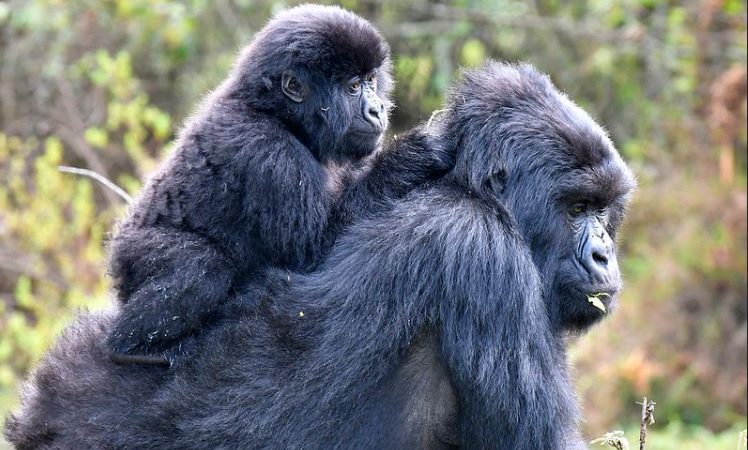
Why Gorilla Habituation Costs More Than Gorilla Trekking?

Gorilla habituation and trekking: what are you really paying for?
Why Gorilla Habituation Costs More is a sensible question when two safari permits lead into the same remarkable rainforest. Standard gorilla trekking allows visitors to locate a habituated family and spend up to one hour observing it. The habituation experience offers up to four hours with a selected group still becoming accustomed to the careful presence of people. Both activities are strictly controlled wildlife experiences, not animal shows.
The distinction becomes clearer when you explore gorilla trekking versus habituation. In both cases you walk into natural mountain-gorilla habitat with authorized staff, follow conservation rules and accept that wildlife movements determine each day. Habituation gives you more permitted observation time and a smaller visitor allocation, not the ability to touch gorillas or choose what they do.

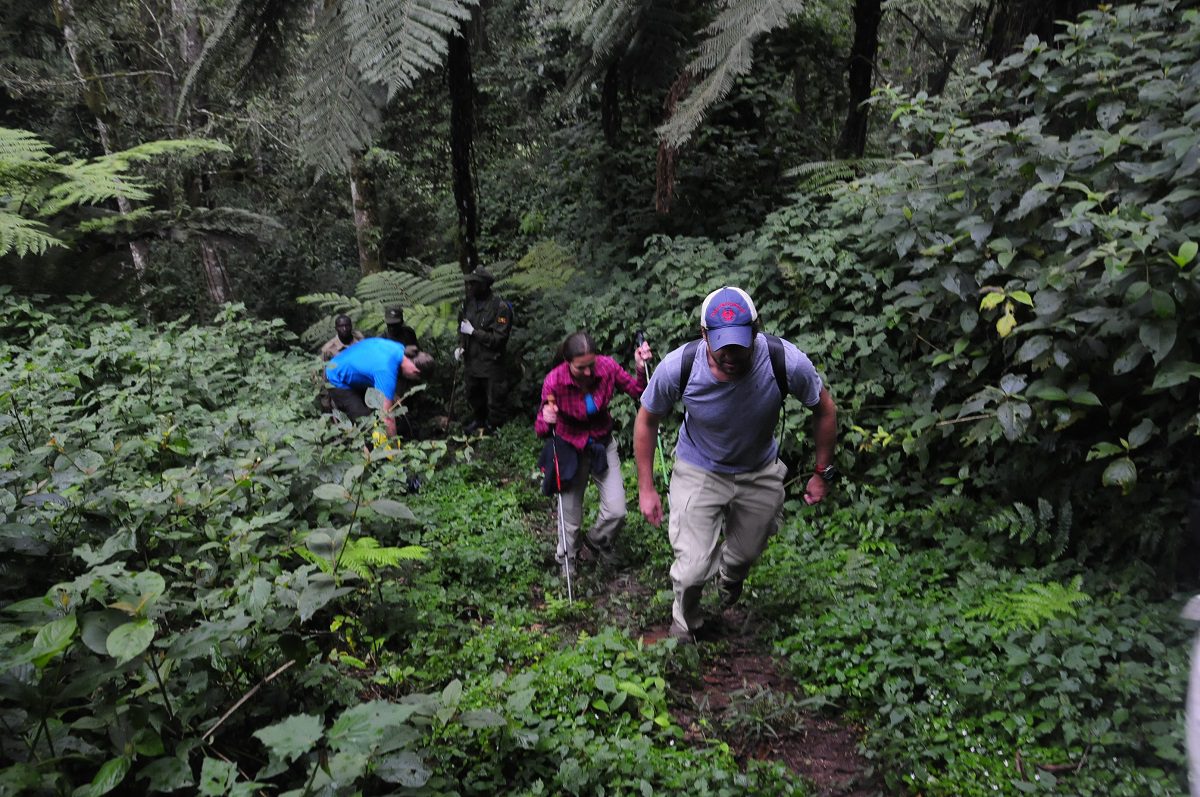

2026 and 2027 gorilla habituation permit costs
For foreign non-resident visitors, the standard Uganda gorilla trekking permit is US$800. The habituation permit is US$1,500 for travel in 2026 and increases to US$1,800 from 1 January 2027. That makes the permit-only difference US$700 in 2026 and US$1,000 from 2027. Prices vary by residency and nationality category; your safari quotation must distinguish the official activity permit from lodging and transport.
| Foreign non-resident permit | 2026 | From Jan 2027 |
|---|---|---|
| Standard gorilla trekking | US$800 | US$800 |
| Gorilla habituation | US$1,500 | US$1,800 |
| Extra permit cost | US$700 | US$1,000 |
These figures come from Uganda Wildlife Authority conservation tariffs. Ordinary trekking can also have published lower rates in April, May and November for eligible foreign visitor categories; do not assume an equivalent habituation discount. The official fee includes specified park access, guide fees and a community development contribution. See complete habituation introduction for the distinct components and eligibility considerations.
Reason 1: Four times as much permitted observation time
The clearest difference is time. You can observe gorillas for up to four hours after contact on a habituation visit, compared with one hour on a normal trek. Watching a youngster investigate vegetation, a mother nurse or a dominant male rest may take time. A longer visit offers more opportunity to notice natural routines without needing to rush every minute.
The four-hour allowance begins once the designated group is reached; it does not mean four hours of walking or four guaranteed hours of uninterrupted views. Thick foliage, weather and the family’s movements affect observation. Preparation guidance in Bwindi habituation experience helps you understand these real limits.
Reason 2: Fewer visitors share a highly limited permit allocation
A standard habituated gorilla group generally receives up to eight tourist visitors per day. A habituation group generally admits no more than four tourists, reducing the number of permits sold for that group. This deliberately low volume protects wildlife and provides a quieter encounter.
Limited capacity also makes permits harder to obtain, especially during popular months. A small party is appealing to photographers and primate enthusiasts, although the group can still include ranger guides and specialist personnel. The booking details in habituation planning tips explain why date flexibility matters.
Reason 3: Specialist rangers and conservation staff supervise the encounter
Habituation is part of a conservation process through which a selected gorilla family gradually becomes familiar with predictable, non-threatening human presence. Specialized teams monitor the animals and make decisions about safe visitor participation.
Visitors are observers, not independent researchers or animal trainers. The presence and precise duties of researchers and trackers vary by activity and park operating plan. The habituation permit booking guide introduces this process without treating it as a hands-on wildlife interaction.
Reason 4: Extra safeguards are essential around less accustomed gorillas
Unlike gorillas already used to daily tourists, a semi-habituated group can react differently to unusual sounds or movements. Rangers may change viewing positions, ask guests to remain still or end contact earlier when animal welfare requires it.
Good habituation planning means accepting those instructions immediately, keeping the prescribed distance and never pursuing a gorilla for photographs. Read step-by-step safari booking to understand why behavior and boundaries, rather than photo opportunities, must guide the activity.
Reason 5: The fee helps finance gorilla conservation and neighboring communities
Mountain gorillas require sustained conservation attention in a landscape where wildlife protection, local livelihoods and responsible tourism are closely connected. Official tourism revenues are part of the funding model that supports park management and community benefit.
It would be misleading to claim that every extra dollar of the habituation premium goes directly to researchers. The official tariff identifies guide, entry and community development components, while park finances are broader. See the Rushaga habituation value page for further context on conservation and permitted access.
Reason 6: Habituation is available in a narrower part of Bwindi
Standard trekking operates in several Bwindi sectors and also at Mgahinga Gorilla National Park. Habituation is a specialized option associated with designated groups in southern Bwindi, commonly organized around the Rushaga area, subject to current allocation.
Selecting a hotel in Buhoma or Ruhija without checking your permit sector can produce a difficult pre-dawn transfer. It is usually wiser to place accommodation close to the assigned briefing point. Compare the Kigali habituation itineraries option with local southern Bwindi planning.
Reason 7: A more detailed natural-history experience attracts specialist travelers
Many travelers are satisfied by their first quiet hour with mountain gorillas. Others want sustained attention to family dynamics, feeding behavior, vocalizations and relationships between adults and juveniles. The longer session is particularly meaningful for wildlife enthusiasts.
Longer does not always equal better. A shorter trek on a clear day may be easier and just as emotionally memorable. Those weighing photographic opportunities can explore best gorilla trekking tours while remembering that flash photography and approaching gorillas are not permitted.
Is the extra $700–$1,000 worth paying?
Value depends on what you hope to gain. For a first gorilla trip, standard trekking is often the strongest value because one hour with wild mountain gorillas is already extraordinary. The saved permit money can fund additional safari nights, a better lodge or an experience with chimpanzees. Read our why a gorilla permit matters for wider trip ideas that suit a limited budget.
For a repeat visitor, an experienced wildlife photographer or someone especially interested in primate behavior, extra observation time can justify the premium. The smaller group and slower rhythm may make the day more satisfying. Still, an expensive ticket cannot control clouds, vegetation, individual animal visibility or gorilla movements.

The complete cost of your Bwindi safari
A permit is not the entire cost of a Uganda gorilla safari. Your full budget also depends on the starting airport, number of nights, accommodation standard, transport, borders, meals, optional activities and the season. A Kigali start often reduces road time to southern Bwindi compared with driving all the way from Entebbe, though border documentation and flight schedules must be checked.
For short departures, compare specialist gorilla photography safaris with tracking and habituation explained. Travelers wanting a primate combination can consider newly opened gorilla families. The most useful itinerary is not necessarily the cheapest on paper: an extra night close to the park can prevent a stressful drive before your early morning forest briefing.
You may also consider an overnight near Lake Bunyonyi, a Queen Elizabeth wildlife extension or a flight toward southwestern Uganda. Explore Uganda primate safari ideas or two-day trip from Kigali when choosing whether to spend the extra money on the permit itself or on the rest of your adventure.
How to plan a responsible gorilla habituation trip
Secure the date and sector before confirming your lodge
Ask your Uganda-based operator to check the correct experience, eligible permit category, available date and designated sector. Avoid a reservation described simply as “gorillas” because standard trekking and habituation are not interchangeable. The booking steps in three-day Kigali gorilla safari will help you organize the order of decisions.
Allow a comfortable travel day
The forest experience starts early. Arriving in the park area the afternoon or evening before gives you time to settle in, confirm your packed lunch and meet your driver-guide. A gorillas and chimpanzees itinerary is an attractive alternative for travelers who would rather spend less time on long-distance roads.
Prepare for a strenuous forest walk
Bwindi’s hills can be slippery and steep, especially after rain. Wear hiking boots with grip, long trousers, gloves and a light waterproof layer. Carry water, snacks and your camera in a weather-resistant bag. Porters can help with carrying personal belongings and provide practical assistance on difficult ground.
You must be at least 15 years old for the gorilla activity. Inform your guide of significant mobility concerns well ahead of the trip so suitable support can be discussed. Do not treat the longer permitted viewing time as an indication that the walking portion will be easy.
Other safari experiences to consider with your budget
Because the permit premium is substantial, compare the value of extending the overall itinerary. A well-paced Rwanda gorilla and culture experience combines forest experiences with other scenery. Families and groups may appreciate an extended Rwanda forest journey that allows recovery time between long drives and active days.
If you prefer a different country combination, 11-day Uganda–Rwanda circuit and 15-day Uganda–Rwanda safari show two Rwanda-based safari styles. For clients who want a broader overland route, Bwindi gorilla trekking provides another comparison point. These are alternatives rather than substitutes for the specific four-hour Bwindi habituation permit.
Common misconceptions about higher habituation fees
A higher fee does not buy a closer approach
Both activities operate under gorilla health and safety rules. Visitors must follow ranger directions and prescribed minimum separation. A gorilla choosing to move nearer does not give guests permission to approach or initiate contact. The wider principles behind fly-in Bwindi safari apply to both experiences.
Four hours is not a guarantee of four hours of perfect photography
Animals may sit behind leaves, move through dense vegetation or rest in low light. Photographers should adjust expectations and be ready for changing conditions. The experience is designed around animal welfare and natural behavior, not staged images.
Habituation does not include your entire holiday
The quoted government permit rate is separate from your hotel nights and private transfers. Clarify inclusions, exclusions, optional porter charges, meals and any border or visa fees before paying a deposit. Our Mgahinga gorilla trekking overview can help identify questions to ask before accepting a package quote.
What does a longer gorilla encounter actually feel like?
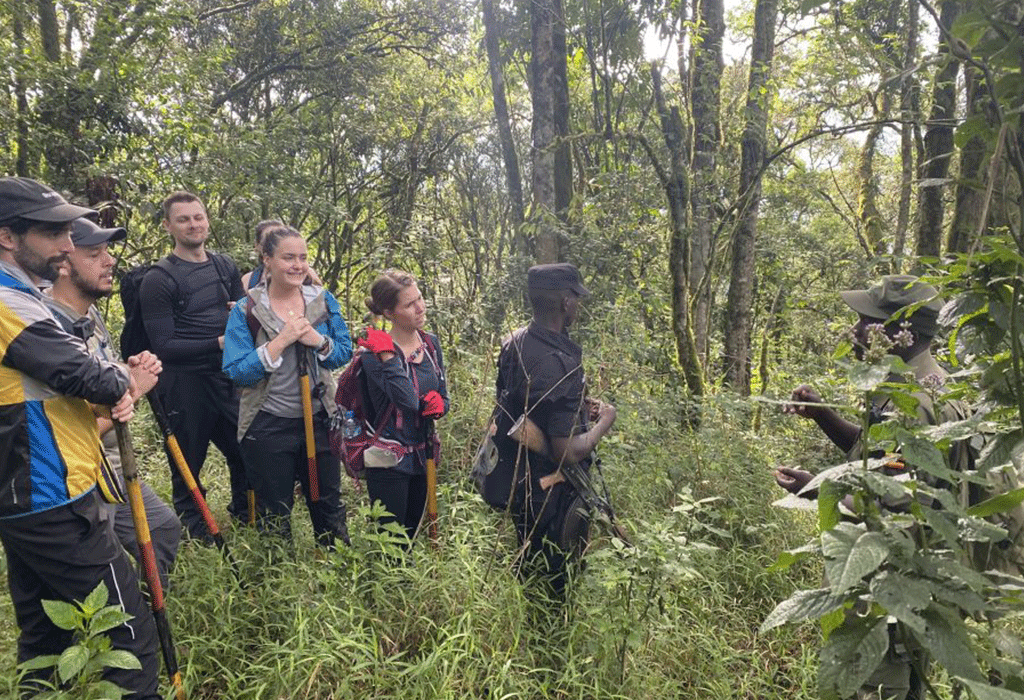
A typical day begins with an early breakfast, a packed lunch and a transfer to the appropriate Bwindi briefing point. After the ranger briefing, guests enter the forest with the authorized team. Some families may be located reasonably quickly; others require a demanding hike through tangled vegetation, uneven ground and steep hillsides. The team sets the pace according to terrain, weather and the gorillas’ movements. Your guide will discuss the day’s route, but nobody can promise an exact hiking distance or return time.
Once the group is located, the contrast between the experiences becomes apparent. During a one-hour trek, guests often focus immediately on the silverback, take a few photographs and absorb the extraordinary feeling of standing in mountain-gorilla habitat. During a habituation visit, the additional permitted time can encourage a quieter rhythm. You may notice how gorillas choose food, how adults respond to young animals and how one individual’s movement influences the family. Small details are often the memories visitors take home.
That additional time also demands patience. The gorillas may rest for long periods, retreat behind thick foliage or move in a direction that makes observation difficult. Habituation is not a continuously exciting wildlife spectacle; it is the opportunity to observe natural behavior as it unfolds. Travelers who appreciate unhurried experiences often value this aspect more than the prospect of taking additional photographs.
Should couples, families or solo travelers choose habituation?
Couples planning a once-in-a-lifetime journey may prefer ordinary trekking and redirect the premium into a more comfortable lodge or extra night in the region. Other couples, particularly those passionate about wildlife, may decide that two premium habituation permits are the central reason for their trip. It is worth calculating the total permit difference for the entire party rather than comparing only the individual rates.
For a family with eligible teenagers aged 15 or older, the higher price multiplies quickly. Four foreign non-resident travelers would pay US$3,200 in standard trekking permit fees at the regular rate, compared with US$6,000 for habituation in 2026 or US$7,200 from 2027. Those figures exclude accommodation and travel. Some families will find the longer forest activity rewarding; others may prefer to spend the difference on a range of wildlife outings that accommodate different interests and energy levels.
Solo travelers can book the experience without forming a private group of four, subject to permit availability. They will normally join other permitted participants and the authorized field team. A private safari vehicle and lodge arrangements are separate decisions: booking alone does not automatically guarantee a private gorilla encounter. Discuss your expectations with the operator so the quote makes this distinction clear.
How to decide before you pay for a permit
Begin with your main goal: is simply meeting mountain gorillas the dream, or do you want to observe their social behavior for an extended period? Next, consider your physical comfort on a potentially long forest day. Think about your available dates, the season and whether your itinerary includes other major expenses such as international flights and additional parks. A responsible decision also accounts for permit restrictions and the fact that ranger instructions take precedence over personal viewing plans.
Finally, request a clearly itemized quotation showing the permit category, proposed date, trekking sector, lodging location, private transport, meals and any optional services. Compare complete safaris with similar inclusions rather than comparing one headline price with another. With these details, the premium becomes a deliberate choice about how you wish to spend your time in Bwindi not an unexplained extra charge.
Frequently asked questions
Why Gorilla Habituation Costs More than an ordinary trek?
It offers up to four hours with a designated gorilla family, a maximum of four tourist participants per group and a specialized, carefully supervised conservation setting.
How much does habituation cost in 2027?
The published 2027 foreign non-resident rate is US$1,800 per person, compared with US$800 for a standard gorilla trekking permit. Other visitor categories have different rates.
Will I definitely see gorillas for four hours?
Four hours is the normal maximum permitted encounter duration once the group is reached, not a guarantee of uninterrupted viewing. Ranger instructions and animal welfare take priority.
Where can I do gorilla habituation in Uganda?
The experience is operated with designated groups in Bwindi Impenetrable National Park, particularly in the southern sector. Your confirmed permit identifies the relevant assembly area.
Can I participate if I am not a photographer?
Yes. Habituation suits nature lovers interested in spending more time observing gorilla behavior, even without a specialist camera.
Is the habituation trek more physically demanding?
It can be, but trek length varies according to terrain and the family’s location. More permitted viewing time also means a potentially longer day in the forest.
How early should I reserve?
Reserve as early as practical once dates are fixed. Capacity is small and popular travel months can fill quickly; availability always needs confirmation.
Does the habituation fee cover hotels and transport?
No. The official permit fee covers the components specified by UWA; accommodation, cross-country transfers and other safari services are usually part of a separate tour quotation.
Plan the right gorilla experience with local experts
At Safari Vacations and Travel Services, we help travelers compare permit options according to their interests, travel dates and complete budget. A single gorilla trek can be the highlight of a Uganda holiday; habituation is best for those who genuinely want the added time. The key is matching the experience to your priorities rather than assuming the more expensive permit is automatically superior.
For a final review, see Queen Elizabeth and gorillas, Bwindi habituation guide, gorilla tour comparisons, and permit booking advice. These guides address the related practical decisions without changing the central point: the premium pays for a different controlled wildlife experience, not a guaranteed result.
Ready to compare your gorilla safari options?
Share your travel month, group size, arrival airport and preferred lodge level. We can help you compare a standard trekking safari with the four-hour habituation experience.