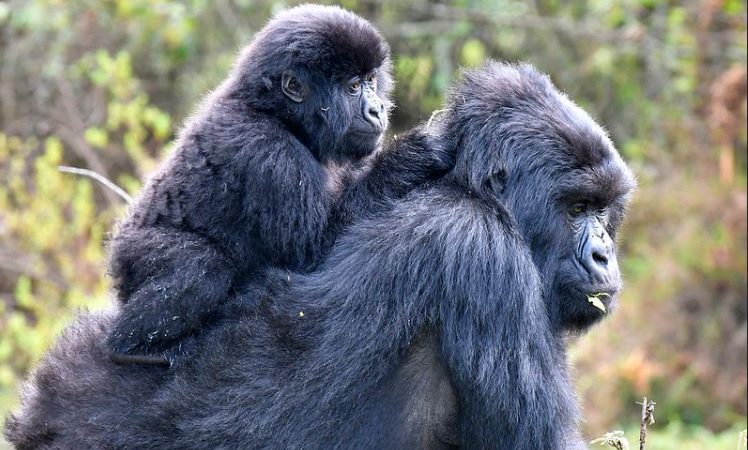
Ethical Gorilla Photography

Ethical Gorilla Photography
Wildlife photography offers incredible opportunities to document and share the beauty of our natural world, but when it comes to photographing gorillas, ethical considerations must take precedence over getting the perfect shot. These magnificent primates deserve our utmost respect and protection.
Understanding Gorilla Behavior and Vulnerability
Gorillas are highly intelligent, social animals with complex family structures and emotional lives. They’re also critically endangered, with mountain gorillas numbering fewer than 1,000 individuals worldwide. Their vulnerability to human diseases, habitat disruption, and stress makes ethical photography practices essential for their survival.
Mountain gorillas can contract human illnesses like respiratory infections, which can be fatal to entire family groups. Even common colds can devastate gorilla populations, making distance and health protocols crucial during any encounter.
Essential Ethical Guidelines
Maintain Safe Distances. Professional wildlife photographers and researchers maintain a minimum distance of 7 meters (23 feet) from gorillas at all times. This protects both the animals and humans from disease transmission while reducing stress on the gorilla family.
Follow Local Regulations. Always work with authorized local guides and conservation organizations. In Rwanda, Uganda, and the Democratic Republic of Congo, gorilla trekking requires permits and must be conducted through official channels that support conservation efforts.
Limit Group Size and Duration. Standard protocols allow only small groups (typically 8 people maximum) to visit habituated gorilla families, and visits are limited to one hour. These restrictions minimize disturbance and stress to the animals.
Health Precautions: Anyone feeling unwell should not participate in gorilla encounters. Wear masks when required, and follow all sanitization protocols. These measures protect gorillas from potentially fatal human diseases.
Photography Best Practices
Use Appropriate Equipment. Long telephoto lenses (300mm or longer) allow you to capture intimate moments while maintaining safe distances. This equipment investment shows respect for the animals and often produces better images than getting too close.
Avoid Flash Photography. Your Flash can startle and stress gorillas. Modern cameras with excellent low-light performance make flash unnecessary in most situations. Natural lighting creates more authentic and beautiful images anyway.
Move Slowly and Quietly. Sudden movements and loud noises can trigger defensive behaviors or cause the family to flee. Gorillas are generally peaceful, but silverback males will protect their families if they perceive threats.
Read Body Language Learn to recognize signs of gorilla stress or agitation, such as chest beating, aggressive vocalizations, or rapid movement. If gorillas show these behaviors, it’s time to increase distance or leave the area entirely.
Supporting Conservation Through Photography
Ethical wildlife photography serves conservation by raising awareness and generating support for protection efforts. Revenue from responsible gorilla tourism directly funds conservation programs and provides income for local communities, creating incentives to protect gorilla habitat.
When sharing your images, include information about gorilla conservation challenges and how people can help. Your photographs can inspire others to support organizations working to protect these incredible animals.
Working with Local Communities
Successful gorilla conservation depends on local community involvement. Ethical photographers support community-based tourism initiatives and employ local guides and porters. This creates economic incentives for conservation while ensuring that photography benefits the people who share their land with gorillas.
Respect local customs and always ask permission before photographing people. Many communities have cultural protocols around wildlife and photography that visitors should honor.
The Bigger Picture
Ethical gorilla photography is part of a larger conservation story. Habitat destruction, poaching, and human encroachment continue to threaten gorilla populations. Climate change adds additional pressure through shifting vegetation patterns and weather extremes.
By following ethical practices, photographers contribute to a sustainable model that allows future generations to experience these remarkable animals. Every responsible encounter demonstrates that gorillas are more valuable alive than as trophies or through exploitative tourism.
The goal isn’t just to capture stunning images, but to do so in ways that ensure gorillas continue to thrive in their natural habitat. When we respect their space and needs, we create opportunities for meaningful conservation storytelling that can help secure their future.
Remember that the welfare of the gorillas always comes first. Sometimes, the most ethical choice is to put the camera down and simply observe these incredible creatures with wonder and respect. Those moments of quiet observation often prove more valuable than any photograph.