Why Local Tribes Make Gorilla Trekking in Africa Unforgettable

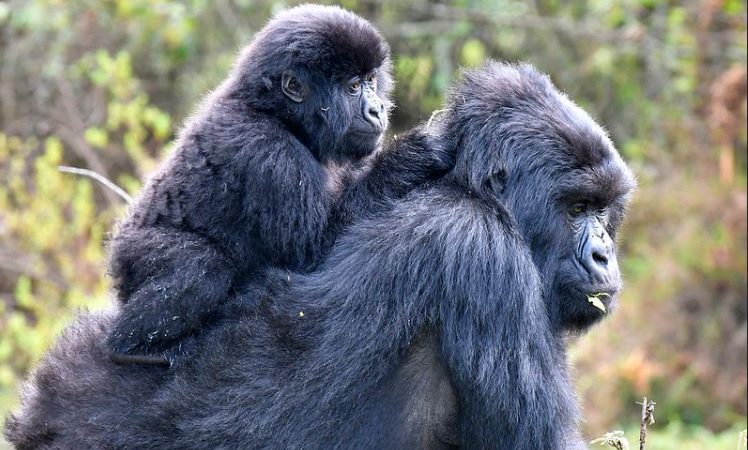
Why Local Tribes Make Gorilla Trekking in Africa Unforgettable: The mist hangs low over the ancient forest canopy as you follow your guide along a narrow path carved through dense undergrowth. Your breath quickens—partly from the altitude, partly from anticipation. Suddenly, your guide raises his hand, signaling the group to stop. With a hushed voice and a knowing smile, he points ahead. There, merely meters away, a family of mountain gorillas moves peacefully through their natural habitat. A massive silverback tears at bamboo shoots while youngsters tumble playfully nearby. In this moment, time seems to stand still. You’ve entered their world, a privilege granted to only a fortunate few.
This encounter with the endangered mountain gorillas of Africa is often described as life-changing, a profound connection with our closest wild relatives. Yet, many travelers discover that the magic of gorilla trekking extends far beyond this wildlife encounter. The true depth of the experience comes from the human element—the local tribes whose ancestors have lived alongside these magnificent creatures for countless generations.
In the lush, mountainous regions of Uganda, particularly around Bwindi Impenetrable National Park and Mgahinga Gorilla National Park, the Batwa and Bakiga tribes have developed a relationship with the forest and its inhabitants that spans millennia. Their knowledge, traditions, and cultural practices add layers of meaning to the gorilla trekking experience that transform it from a simple wildlife viewing activity into a holistic journey through both natural and cultural landscapes.
Safari Vacations and Travel Services has long recognized that the most memorable gorilla trekking experiences are those that embrace this cultural dimension. Located at the gateway to gorilla country, we have developed deep relationships with local communities, creating opportunities for meaningful cultural exchange that complement and enhance wildlife encounters.
This blog explores how the involvement of local tribes makes gorilla trekking in Africa truly unforgettable. We’ll delve into the rich cultural heritage of the Batwa and Bakiga peoples, examine how their traditional knowledge enhances tracking and conservation efforts, and discover the immersive cultural experiences that add depth and context to your gorilla adventure. From ancient forest wisdom to contemporary conservation partnerships, the story of local tribes is inextricably woven into the fabric of gorilla trekking in Uganda.
As we journey through the misty forests and vibrant communities of Uganda’s gorilla country, we’ll discover that while the gorillas themselves may be the initial draw, it’s often the human connections that leave the most lasting impressions. The songs, stories, and smiles of the local people transform a wildlife encounter into a profound cultural immersion—one that changes not only how we see these great apes but also how we understand our shared responsibility to protect both natural and cultural heritage for generations to come.
Join us as we explore why local tribes make gorilla trekking in Africa truly unforgettable, and how Safari Vacations and Travel Services can help you experience this perfect blend of wildlife wonder and cultural richness in the heart of Uganda.
The Majesty of Mountain Gorillas and Their Habitat
 Deep in the misty mountains of East Africa lies one of nature’s most awe-inspiring treasures—the mountain gorilla. With fewer than 1,000 individuals remaining in the wild, these magnificent creatures represent both the fragility of our natural world and the remarkable success that dedicated conservation efforts can achieve. Mountain gorillas (Gorilla beringei beringei) are found only in three countries: Uganda, Rwanda, and the Democratic Republic of Congo, making the opportunity to see them a rare privilege that draws wildlife enthusiasts from around the globe.
Uganda’s Bwindi Impenetrable National Park, a UNESCO World Heritage site, harbors approximately half of the world’s mountain gorilla population, with about 459 individuals living within its boundaries. The name “Impenetrable” is no exaggeration—the park’s dense undergrowth, steep terrain, and high-altitude forests create a challenging yet breathtakingly beautiful environment. This ancient forest, dating back over 25,000 years, covers 331 square kilometers of mountainous terrain, with elevations ranging from 1,160 to 2,607 meters above sea level. The park’s biodiversity extends far beyond gorillas, hosting 120 mammal species, 348 bird species, 220 butterfly species, and over 1,000 flowering plant species.
Neighboring Mgahinga Gorilla National Park, though smaller at 33.7 square kilometers, forms part of the larger Virunga conservation area and provides additional critical habitat for these endangered primates. The park is dominated by three extinct volcanoes—Mount Muhabura, Mount Gahinga, and Mount Sabyinyo—creating a dramatic backdrop for gorilla encounters.
The ecological significance of mountain gorillas extends far beyond their charismatic appeal. As seed dispersers and vegetation shapers, they play a vital role in maintaining the health and diversity of their forest ecosystems. Their presence indicates a functioning, intact forest, which in turn provides crucial watershed protection, carbon sequestration, and habitat for countless other species. The conservation of gorillas thus represents the preservation of entire ecosystems and the ecological services they provide to local communities and the planet.
The gorilla trekking experience itself is carefully regulated to balance conservation needs with visitor expectations. Each habituated gorilla family can be visited by only one group of eight tourists per day, and encounters are limited to a single hour. This strict management helps minimize stress on the gorillas while generating substantial revenue for conservation efforts and local communities.
Preparing for a gorilla trek requires both physical readiness and proper equipment. The journey begins early in the morning at park headquarters, where trekkers are assigned to specific gorilla families based on their fitness levels and preferences. Accompanied by experienced guides, armed rangers (for protection from forest buffalo and elephants), and often porters from local communities, visitors embark on a hike that can last anywhere from 30 minutes to several hours, depending on the gorillas’ location.
The trek itself is part of the adventure—navigating through dense vegetation, climbing steep slopes, and crossing streams while surrounded by the sights, sounds, and scents of the ancient forest. Guides communicate with each other via radio to locate the gorilla families, following fresh signs such as footprints, broken vegetation, or dung. The anticipation builds with each step, creating a palpable excitement among the trekking group.
When the gorillas are finally encountered, the experience transcends ordinary wildlife viewing. Sitting just a few meters from a family group—watching a silverback protect his family, mothers tenderly care for infants, and juveniles play with reckless abandon—creates a connection that many describe as spiritual. The recognition in their eyes, so human-like yet distinctly wild, often leaves visitors profoundly moved. Their behaviors—from the gentle way they handle vegetation to their complex social interactions—reveal remarkable intelligence and emotional depth.
The transformative nature of this encounter is difficult to overstate. Many visitors report that looking into the eyes of a gorilla changes their perspective not just on wildlife conservation but on their place in the natural world. Time seems to both stand still and pass too quickly during the precious hour spent with these gentle giants. Photographs, while treasured souvenirs, rarely capture the emotional impact of being in the presence of creatures so powerful yet peaceful, so similar to us yet adapted to a completely different way of life.
As the designated hour comes to an end, trekkers reluctantly back away, carrying memories that will last a lifetime. Yet the gorilla encounter, as extraordinary as it is, represents only one dimension of the complete experience. To truly understand these creatures and the complex relationship between conservation and community, one must look to the human inhabitants who have shared these forests for generations—the local tribes whose ancient knowledge and evolving relationship with the gorillas adds unparalleled depth to the trekking experience.
The Ancient Guardians: The Batwa Tribe

Keepers of the Forest
Amid the mist-veiled peaks of southwestern Uganda, an ancient people have quietly thrived for millennia. The Batwa, often called the “Keepers of the Forest,” are among Africa’s oldest indigenous tribes, their roots entwined with the primeval woodlands of Bwindi and Mgahinga long before modern borders or conservation policies existed. For generations, the Batwa lived in intimate harmony with the forest, sharing its depths with mountain gorillas and countless other creatures in a relationship defined by respect and coexistence.
A Unique Way of Life
The Batwa are distinguished by their shorter stature and bronzed complexion, but it is their way of life that truly sets them apart. Traditionally semi-nomadic hunter-gatherers, the Batwa moved with the rhythms of the forest—following the seasons, the game, and the wisdom passed down through generations. Their shelters, crafted from leaves and branches, were designed to be temporary—perfectly suited to a mobile existence in the dense, ever-changing woodland.
Survival for the Batwa meant working together: hunting small game with nets and poisoned arrows, gathering wild honey from towering trees, and foraging for edible plants known only to those with deep-rooted forest knowledge. Their possessions were few—animal hides or barkcloth for clothing, simple pots, and hunting tools—reflecting not poverty, but a profound adaptation to their environment. Every aspect of Batwa life was woven into the fabric of the forest, from the food they ate to the songs they sang.
Masters of the Forest
The Batwa’s knowledge of their homeland was encyclopedic. They could identify thousands of plant species and their uses, track elusive animals across seemingly impenetrable terrain, and navigate the undergrowth with astonishing ease. Their understanding of the mountain gorillas—knowing their habits, territories, and moods—remains unparalleled, offering insights that modern science is only beginning to unravel.
Displacement and Challenge
The 1990s brought seismic change. As Uganda established national parks to protect endangered gorillas, the Batwa were evicted from their ancestral lands—often without compensation or support. Suddenly, a people who had never known life outside the forest were forced to the margins, stripped of land, livelihood, and cultural identity. Today, of the roughly 3,000 Batwa remaining in Uganda, many face poverty, discrimination, and the struggle to adapt to a world for which their traditional skills offer little preparation.
Reinventing Heritage: The Batwa Cultural Experience
Yet from adversity, a new chapter is being written. The Batwa Cultural Experience, developed in partnership with conservation groups and tour operators, invites visitors to walk in the footsteps of the Batwa and learn from their extraordinary heritage. These immersive tours begin with a guided walk through community lands bordering the parks, where Batwa elders demonstrate ancient skills: identifying medicinal plants, setting traps, gathering honey, and making fire from sticks.
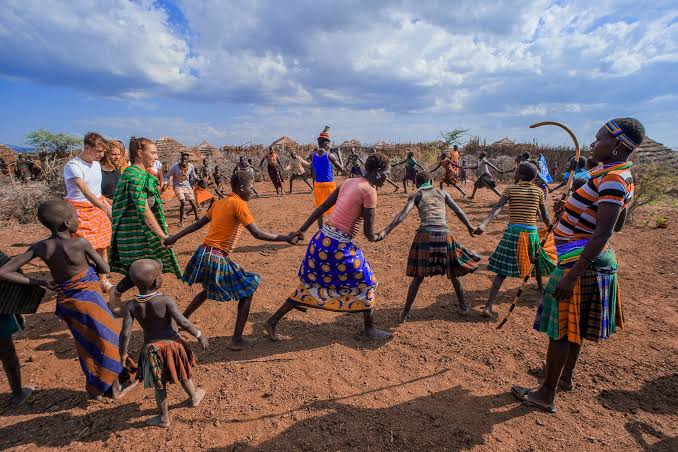
Visitors witness the construction of traditional shelters, learn hunting techniques, and see how every resource was used sustainably. The experience is enriched by performances of Batwa songs and dances—vibrant, living expressions of their history and spirit. Most powerful of all are the stories shared by Batwa elders, whose memories bring to life a worldview shaped by centuries of forest living.
A Path to Dignity and Continuity
For the Batwa, these cultural experiences offer more than income—they restore dignity, allowing elders to become teachers and custodians of their heritage. For younger Batwa, they provide a vital link to traditions that might otherwise be lost, ensuring that the wisdom of the forest endures.
The Batwa Cultural Experience is available near Bwindi Impenetrable and Mgahinga Gorilla National Parks, with the Rushaga sector and Mgahinga offering especially rich encounters. Prices typically range from USD 30–80 per person, directly supporting Batwa communities.
Reimagining Conservation
For visitors, combining gorilla trekking with Batwa cultural immersion offers a deeper understanding of the forest—not as untouched wilderness, but as a landscape shaped by millennia of human stewardship. The Batwa perspective challenges simplistic conservation narratives, highlighting the complex interplay between people and nature.
Today, some Batwa serve as expert guides for the Uganda Wildlife Authority, their unparalleled knowledge now supporting conservation efforts. This evolution—from forest dwellers to conservation partners—embodies both personal resilience and a broader reconciliation between indigenous rights and environmental protection.
Lessons from the Forest
The Batwa story is a powerful reminder: truly sustainable conservation must honor both nature and the people who have safeguarded it for generations. For those fortunate enough to experience the Batwa’s world, the lesson is clear—the preservation of our planet’s wild places is inseparable from the preservation of its cultural heritage.
Agricultural Traditions: The Bakiga Tribe

Mountain Stewards of Uganda
While the Batwa are celebrated as the ancient guardians of Uganda’s forests, the Bakiga people—whose name means “people of the mountains”—play an equally vital role in the vibrant cultural landscape surrounding Bwindi Impenetrable National Park and other gorilla habitats. Their enduring agricultural traditions and strong community practices offer visitors a broader perspective on how humans have adapted to life alongside these precious ecosystems.
Cultivators of the Land
For generations, the Bakiga have harnessed the fertile volcanic soils bordering the forests, transforming steep hillsides into a striking patchwork of terraced fields. These terraces not only provide food and livelihoods but also serve as a living buffer between human settlements and protected gorilla habitat. The Bakiga’s sustainable land use demonstrates how agriculture and conservation can coexist, each enriching the other.
Diverse Crops and Traditional Wisdom
Beyond coffee, Bakiga farmers grow bananas, beans, sweet potatoes, and a variety of vegetables, relying on time-honored methods passed down through generations. Their deep knowledge of local microclimates, seasonal patterns, and soil management has allowed them to farm sustainably on terrain that could easily suffer from erosion and degradation. This expertise is a testament to the Bakiga’s adaptability and respect for the land.
Community Life and Cultural Richness
Bakiga society is built around extended families and robust social structures. Their homesteads, often comprising several buildings, reflect a settled lifestyle that contrasts with the nomadic traditions of the Batwa. This permanence has given rise to rich traditions in craftsmanship, music, food preparation, and community governance. The Bakiga’s deep connection to place has fostered a sense of stewardship that extends beyond their fields and into the broader landscape.
The Bakiga Cultural Experience
For visitors, the Bakiga cultural tour provides a window into contemporary rural Ugandan life—a perfect complement to the forest-focused Batwa experience. These immersive tours, typically lasting 2–3 hours and costing around USD 30 per person, can be arranged through local tour operators or directly with community organizations such as Safari Vacations and Travel Services in Kabale.
A Journey Through Coffee and Cuisine
A typical tour begins amidst the lush coffee plantations, where guides share the journey of coffee from seed to cup. Visitors learn about planting, harvesting, processing, and roasting, and often get hands-on experience in picking or preparing beans. These activities highlight the economic and ecological importance of coffee, showing how sustainable practices benefit both people and wildlife.
The experience continues with demonstrations of traditional food preparation. Guests may grind millet on ancient stones, wrap food in banana leaves for steaming, or cook over open fires. Signature dishes like karo (millet bread) and obushera (fermented millet drink) showcase the Bakiga’s culinary heritage and the agricultural biodiversity they maintain.
Craftsmanship and Daily Life
Bakiga tours often include craft demonstrations—basket weaving, pottery, or making household tools from local materials. These crafts are not just artistic expressions but practical innovations honed over generations. Participating in or observing these activities gives visitors a deeper appreciation for the ingenuity and resourcefulness of Bakiga culture.
Meaningful Connections
Perhaps the most rewarding aspect of a Bakiga visit is the opportunity for genuine interaction with community members. Conversations about evolving agricultural practices, climate adaptation, and the realities of living near protected areas provide insights that go far beyond typical tourist experiences. These exchanges foster mutual understanding and respect, enriching both visitors and hosts.
Partners in Conservation
The relationship between the Bakiga and conservation efforts has evolved from initial tension to active partnership. As conservation strategies have become more inclusive, the Bakiga are increasingly recognized as essential stewards of the land surrounding gorilla habitats. Their sustainable practices help create effective buffer zones and models for community-based conservation.
A Holistic Conservation Journey
For gorilla trekking visitors, combining wildlife encounters with Bakiga cultural immersion offers a more nuanced understanding of conservation. The Bakiga perspective reveals that protected areas do not exist in isolation; they are part of a larger landscape where human communities must also thrive. Their agricultural traditions prove that, with knowledge and respect, human activity can support rather than threaten wildlife protection.
Sustaining Heritage and Environment
Bakiga cultural tours provide vital income diversification, reducing reliance on forest resources and strengthening incentives for maintaining sustainable practices. Each visitor’s participation supports a virtuous cycle of cultural preservation and environmental stewardship.
How Tribal Knowledge Enhances Gorilla Tracking
When visitors embark on a gorilla trekking adventure in Uganda, they’re not just benefiting from modern conservation science—they’re experiencing the culmination of thousands of years of indigenous knowledge passed down through generations. The tracking skills, forest wisdom, and behavioral understanding that local tribes bring to the gorilla trekking experience create a depth and authenticity that would be impossible to replicate without their involvement.
The forest navigation skills of the Batwa people, in particular, represent an unparalleled body of knowledge developed through millennia of forest dwelling. Long before GPS devices, topographic maps, or even compasses, the Batwa developed sophisticated mental mapping abilities that allowed them to move confidently through the dense, often disorienting forest environment. These skills weren’t learned from books or formal education but acquired through direct transmission from elders and constant practical application from earliest childhood.
Today, some of these traditional trackers work alongside national park rangers, combining ancient wisdom with modern conservation training. When a Batwa guide points out a barely visible gorilla footprint pressed into the forest floor, identifies the age of broken vegetation, or interprets subtle signs invisible to untrained eyes, visitors witness the living application of knowledge that predates scientific wildlife management by thousands of years.
The tracking process itself becomes more efficient and meaningful with tribal involvement. Traditional trackers don’t just follow obvious signs—they read the forest as a complete system. They understand how weather conditions affect gorilla movements, which fruiting trees might attract gorillas in different seasons, and how gorilla family dynamics influence travel patterns. This holistic understanding allows them to anticipate where gorillas might be found even when direct tracking signs are limited.
Indigenous knowledge of gorilla behavior adds another dimension to the trekking experience. The Batwa, having shared the forest with gorillas for countless generations, developed nuanced understanding of gorilla communication, social structures, and individual temperaments. They recognize subtle behavioral cues that might indicate a silverback’s mood or a mother’s protectiveness toward her infant. This knowledge, shared with visitors during treks, creates safer, more respectful encounters and deeper appreciation for gorilla intelligence and social complexity.
The practical value of this traditional knowledge becomes evident in challenging tracking conditions. When heavy rain washes away footprints, mist reduces visibility, or gorillas move through particularly dense vegetation, traditional tracking methods often succeed where technology-dependent approaches might fail. The ability to identify partially eaten vegetation, recognize distinctive knuckle prints, or detect the specific scent of a gorilla family represents skills honed through generations of forest living.
Beyond practical tracking, tribal guides enrich the experience through contextual knowledge that transforms a wildlife encounter into a cultural journey. As visitors move through the forest, Batwa guides might point out medicinal plants used to treat common ailments, identify edible fruits that sustained their ancestors, or demonstrate traditional hunting techniques that once provided protein for their communities. These tangential lessons create a more complete understanding of the forest ecosystem and human adaptation to this challenging environment.
The stories and legends shared by tribal guides provide another layer of meaning to the gorilla encounter. Many Batwa communities have traditional tales about gorillas that reflect their historical relationship with these great apes. These stories often contain practical wisdom about gorilla behavior wrapped in cultural narratives that have been passed down through generations. When shared during tracking breaks or while waiting for gorillas to move into better viewing positions, these stories transform waiting time into valuable cultural exchange.
The Bakiga people, though traditionally agriculturalists rather than forest dwellers, also contribute valuable knowledge to the trekking experience. Their understanding of seasonal patterns, weather indicators, and the transitional zones between agricultural lands and forest habitats complements the deep forest knowledge of the Batwa. Bakiga guides often excel at explaining the complex relationship between human communities and protected areas, helping visitors understand conservation challenges from local perspectives.
The unique perspective that only local tribes can provide extends to conservation history as well. Tribal elders who remember the time before formal protection was established can share firsthand accounts of how human-gorilla relationships have evolved. These personal histories help visitors understand conservation not as an abstract concept but as a living process that has transformed both human and gorilla communities over time.
For many visitors, the most powerful aspect of tribal involvement in gorilla tracking is the opportunity to see the forest through indigenous eyes. Western conservation approaches tend to separate humans from “wilderness,” creating artificial boundaries between people and nature. The tribal perspective, by contrast, views humans as integral parts of the natural system, with responsibilities and relationships that connect rather than separate. This worldview often resonates deeply with visitors seeking more harmonious relationships with the natural world.
The combination of traditional tracking knowledge and modern conservation science represents an ideal synthesis for gorilla protection. Park rangers with formal scientific training work alongside traditional trackers with indigenous knowledge, creating teams that can address conservation challenges from multiple perspectives. This collaborative approach has contributed significantly to the recovery of mountain gorilla populations while creating meaningful employment opportunities for community members.
For visitors planning a gorilla trekking experience, seeking out tours that specifically incorporate tribal guides can dramatically enhance the journey. Safari Vacations and Travel Services, with their deep community connections in Kabale and surrounding areas, excels at creating trekking experiences that honor and incorporate traditional knowledge. Their guides are often from local communities and bring authentic cultural perspectives that complement their formal training.
As you plan your own gorilla trekking adventure, remember that the human guides who lead you through the forest carry not just individual expertise but the collective wisdom of cultures that have known these forests intimately for thousands of years. Their knowledge transforms a wildlife viewing activity into a profound journey through both natural and cultural landscapes—one that will leave you with a deeper understanding of not just gorillas, but the complete context of their forest world and the human communities who have long been their neighbors.
Cultural Immersion: Beyond Wildlife Viewing
While the mountain gorillas may be the initial draw for visitors to Uganda’s forested mountains, the opportunity for cultural immersion adds a dimension to the experience that transforms a wildlife excursion into a profound journey of discovery. The rich cultural expressions of the Batwa and Bakiga peoples—from music and dance to culinary traditions and artistic crafts—create memories that often rival the gorilla encounter itself in their lasting impact.
Traditional music and dance performances represent one of the most vibrant aspects of cultural immersion in Uganda’s gorilla country. For the Batwa, music has always been an integral part of forest life—a means of celebrating successful hunts, marking important life transitions, and passing down community stories. Their performances typically feature rhythmic drumming, call-and-response singing, and energetic dancing that mimics movements of forest animals or recounts hunting techniques.
When Batwa performers share these traditions with visitors, they’re not simply entertaining—they’re preserving cultural expressions that might otherwise be lost as forest-based lifestyles fade into history. For many elders, these performances represent rare opportunities to transmit cultural knowledge to younger generations while earning respect and income from appreciative visitors. The joy evident in these performances speaks to the deep cultural pride that persists despite the challenges of displacement and adaptation.
The Bakiga people bring equally compelling but distinctly different musical traditions to the cultural immersion experience. Their performances often feature complex harmonies, sophisticated string instruments, and dances that celebrate agricultural cycles and community milestones. The contrast between Batwa and Bakiga musical expressions highlights the cultural diversity of the region and demonstrates how different communities developed unique cultural adaptations to their respective environments.
Culinary experiences offer another avenue for meaningful cultural exchange. The Batwa traditionally relied on forest resources—game meat, wild honey, and foraged plants—creating a diet intimately connected to forest ecosystems. During cultural immersion experiences, visitors might learn how certain plants were prepared to remove toxins, how meat was preserved without refrigeration, or how honey was collected from wild beehives high in forest canopies. These food traditions reflect not just sustenance but sophisticated ecological knowledge developed over countless generations.
The Bakiga, with their agricultural focus, offer complementary culinary experiences centered around crops grown in the fertile volcanic soils surrounding the forests. Demonstrations of traditional millet grinding, banana preparation, or bean cooking techniques provide insights into daily life and the ingenuity required to create nutritious meals from locally available ingredients. Participating in food preparation—perhaps helping to pound millet, wrap food in banana leaves for steaming, or stir a bubbling pot over an open fire—creates sensory memories that connect visitors to the rhythms of local life.
Sharing meals with community members often becomes a highlight of cultural immersion experiences. The simple act of eating together transcends language barriers and creates genuine human connections. Conversations over shared food naturally flow to topics of family, community, and daily life, helping visitors understand local perspectives on everything from education and healthcare to conservation and tourism development. These exchanges foster mutual respect and often challenge preconceptions on both sides.
Medicinal plant knowledge represents another fascinating aspect of cultural immersion, particularly with the Batwa whose pharmacopeia developed through millennia of forest dwelling. Guided walks focused on traditional medicine might introduce visitors to plants used to treat fevers, infections, digestive problems, or pain. The sophisticated understanding of plant properties—which parts to use, proper preparation methods, appropriate dosages—reveals a complex medical system developed through careful observation and intergenerational knowledge transmission.
For many visitors, learning about traditional healing practices creates new appreciation for indigenous knowledge systems that developed independently from Western medicine yet achieved remarkable efficacy for certain conditions. These experiences often prompt reflection on the potential loss of valuable medicinal knowledge as traditional lifestyles change and forest access becomes restricted—highlighting the importance of documenting and preserving this wisdom while respecting intellectual property rights of indigenous communities.
Craft demonstrations and workshops provide hands-on engagement with material culture traditions. The Batwa might demonstrate how they created hunting tools, constructed forest shelters, or fashioned containers from natural materials. The Bakiga often showcase basket weaving, pottery making, or textile production using locally sourced materials and techniques refined over generations. These craft traditions represent not just artistic expression but practical solutions to daily needs developed in contexts where manufactured goods were unavailable.
Participating in craft activities—perhaps weaving a simple basket, shaping a clay pot, or learning to make a traditional hunting tool—creates appreciation for the skill and knowledge embedded in these seemingly simple objects. Visitors often comment that attempting these crafts themselves transforms their perception of items they might otherwise view as mere souvenirs, revealing the deep expertise required for their creation.
The immersive quality of these cultural experiences complements wildlife encounters in profound ways. While gorilla trekking offers intense but brief wildlife interaction, cultural immersion provides extended engagement with local communities and traditions. The combination creates a more complete understanding of the region—not just its remarkable biodiversity but its human heritage and contemporary challenges.
For many visitors, cultural immersion experiences challenge the artificial separation between nature and culture that characterizes much of Western thinking. They reveal how human communities have been integral parts of these landscapes for thousands of years, developing lifeways that were largely sustainable until recent pressures from population growth, economic development, and conservation restrictions created new challenges. This perspective often prompts deeper reflection on conservation approaches that exclude traditional human presence and knowledge.
The emotional impact of cultural immersion frequently matches or exceeds that of wildlife encounters. While gorilla trekking creates awe through proximity to wild creatures, cultural experiences foster human connection across linguistic and cultural differences. Visitors often describe moments of unexpected recognition—finding common ground in shared laughter, parental concern, or appreciation for natural beauty—that transcend the tourist-host dynamic and create genuine human bonds.
These cultural experiences benefit local communities not just economically but through cultural affirmation. When visitors express sincere interest in traditional knowledge and practices, it reinforces the value of cultural heritage that might otherwise be dismissed as irrelevant in a rapidly modernizing world. This validation is particularly important for younger community members who may be navigating complex identities between traditional and contemporary influences.
For Safari Vacations and Travel Services, facilitating these cultural immersion experiences represents not just business opportunity but commitment to community partnership. By creating respectful, mutually beneficial cultural exchanges, they help ensure that tourism benefits extend beyond wildlife viewing to support cultural preservation and community development. Their deep local connections and understanding of both visitor expectations and community needs allow them to create experiences that satisfy all stakeholders.
As you plan your own gorilla trekking adventure, consider allocating time for these cultural immersion experiences. While the gorillas may initially draw you to Uganda, the human connections you make might ultimately become the most treasured memories of your journey—transforming a wildlife excursion into a profound exploration of both natural and cultural landscapes that will forever change how you understand this remarkable corner of Africa.
Conservation Partnership: Tribes as Stakeholders
The story of gorilla conservation in Uganda represents a remarkable evolution in how we approach the protection of endangered species. What began as a conventional, exclusionary model of conservation has transformed into a more collaborative approach that recognizes local tribes as essential stakeholders rather than obstacles. This shift not only benefits conservation outcomes but creates more equitable and sustainable relationships between protected areas and surrounding communities.
For the Batwa people, the journey from traditional forest dwellers to conservation partners has been particularly profound. As recently as the early 1990s, the Batwa lived within what is now Bwindi Impenetrable National Park and Mgahinga Gorilla National Park, practicing hunting and gathering as they had for thousands of years. Their traditional lifestyle included occasional hunting of small forest animals, but their impact on gorilla populations was minimal, having coexisted with these great apes for countless generations.
The establishment of formal protected areas initially created significant hardship for the Batwa. Displaced from their ancestral lands without adequate compensation or livelihood alternatives, many found themselves in desperate circumstances—landless, lacking transferable skills for the modern economy, and cut off from the forest resources that had sustained them. This displacement represented not just economic hardship but profound cultural and spiritual loss, as their entire identity was interwoven with the forest environment.
However, as conservation thinking evolved to recognize the importance of community support and indigenous knowledge, new opportunities emerged for Batwa involvement in gorilla protection. Today, some Batwa work directly with the Uganda Wildlife Authority as trackers and guides, their unparalleled forest knowledge serving conservation goals. Others participate in tourism activities that complement gorilla trekking, creating economic alternatives to forest exploitation while preserving and sharing their cultural heritage.
This transition from traditional hunters to conservation partners represents both personal journeys for many Batwa individuals and a broader reconciliation between conservation objectives and indigenous rights. For elders who remember life in the forest, the opportunity to return to familiar environments—even in new roles as guides rather than residents—provides meaningful connection to their heritage while contributing to gorilla protection.
The economic benefits of tribal involvement in gorilla tourism create tangible incentives for conservation support. When community members derive direct income from activities related to gorilla protection—whether as park employees, cultural experience hosts, or service providers to tourists—they develop personal stakes in the continued success of conservation efforts. These economic linkages transform abstract conservation goals into practical livelihood strategies that benefit both people and wildlife.
For the Bakiga people, whose agricultural traditions placed them at the forest edge rather than within it, the partnership with conservation takes different forms. Sustainable agriculture initiatives help Bakiga farmers improve productivity on existing lands, reducing pressure to expand cultivation into forest areas. Coffee certification programs that emphasize environmental stewardship create premium markets for beans grown using conservation-compatible methods. Community-based tourism activities provide income diversification that reduces dependence on land-intensive agricultural expansion.
These economic partnerships extend beyond direct employment to include a range of community benefits. Revenue sharing programs allocate a portion of park entrance fees to community development projects such as schools, health clinics, water systems, and road improvements. These investments demonstrate tangible benefits from conservation, helping communities see protected areas as assets rather than impositions that limit their development options.
The success stories of tribal members in conservation roles provide powerful examples that inspire broader community support. When a former hunter becomes a respected guide earning steady income, or when a community cultural group receives international recognition, these visible successes demonstrate pathways to prosperity that align with rather than oppose conservation goals. These role models are particularly important for younger community members navigating decisions about education and career paths.
Beyond economic considerations, the integration of tribal knowledge into conservation management represents another important dimension of partnership. Traditional ecological knowledge—whether about gorilla behavior, forest plant phenology, or weather patterns—complements scientific approaches to protected area management. This knowledge integration creates more robust conservation strategies while validating the continuing relevance of indigenous wisdom in contemporary contexts.
The mutual benefits of integrating cultural preservation with wildlife conservation have become increasingly apparent. When cultural traditions are valued and supported alongside biodiversity protection, communities develop more positive relationships with conservation authorities and initiatives. Cultural pride and environmental stewardship become mutually reinforcing, creating virtuous cycles that benefit both human and natural heritage preservation.
For visitors, witnessing this evolving partnership between tribes and conservation efforts adds depth to the gorilla trekking experience. Understanding how local communities have transitioned from potential conservation adversaries to essential partners provides context for appreciating the complexity of protected area management. It also offers hope that similar collaborative approaches might succeed in other challenging conservation contexts around the world.
Safari Vacations and Travel Services has been at the forefront of supporting these community partnerships through responsible tourism practices. By prioritizing local employment, facilitating authentic cultural exchanges, and ensuring fair compensation for community-based experiences, they help strengthen the economic foundations of tribal involvement in conservation. Their deep understanding of both conservation objectives and community needs allows them to create experiences that support both simultaneously.
The evolution of tribal roles in gorilla conservation represents an important case study in how protected area management approaches have matured over time. From the initial exclusionary model that separated people from nature to the current collaborative approach that recognizes human communities as integral parts of conservation landscapes, this evolution reflects broader shifts in conservation thinking globally.
Looking forward, the continued strengthening of tribal partnerships in gorilla conservation will likely involve further development of co-management approaches, increased documentation and application of traditional ecological knowledge, and expanded economic opportunities related to conservation and tourism. As younger generations of Batwa and Bakiga develop new skills while maintaining connections to their cultural heritage, they will shape the next chapter in this evolving relationship between people and protected areas.
For travelers considering a gorilla trekking adventure, understanding this conservation partnership context enhances appreciation for the complex social and ecological systems that make your wildlife encounter possible. By choosing tour operators like Safari Vacations and Travel Services that prioritize community involvement and benefit-sharing, you contribute to strengthening these partnerships while experiencing a more authentic and meaningful connection to both the natural and cultural heritage of Uganda’s gorilla country.
Practical Tips for Cultural Engagement During Gorilla Trekking
While the mountain gorillas may be the primary focus of your Uganda adventure, the cultural experiences with local tribes can transform your journey from a simple wildlife encounter into a profound and multidimensional experience. To make the most of these cultural opportunities, consider the following practical tips for respectful and meaningful engagement with the Batwa, Bakiga, and other local communities during your gorilla trekking adventure.
Recommended Cultural Experiences to Combine with Gorilla Trekking
When planning your itinerary, consider allocating at least one full day for cultural experiences in addition to your gorilla trekking day. The Batwa Cultural Experience, available in several locations around Bwindi Impenetrable National Park and Mgahinga Gorilla National Park, offers the most direct connection to the forest’s original inhabitants. The experience in the Rushaga sector of Bwindi is particularly comprehensive, including demonstrations of traditional hunting techniques, medicinal plant identification, honey gathering, and fire-making.
For agricultural and contemporary cultural insights, the Bakiga community tours provide excellent complementary experiences. These tours typically focus on coffee production, traditional food preparation, and craft demonstrations. The contrast between the forest-based Batwa culture and the agriculture-centered Bakiga traditions creates a more complete understanding of the human landscape surrounding gorilla habitats.
Consider timing your cultural experiences strategically within your itinerary. Many travelers find that participating in cultural activities before gorilla trekking provides valuable context that enhances their wildlife encounter. Others prefer scheduling cultural experiences after trekking, when the physical demands of forest hiking are behind them and they can fully engage with community interactions at a relaxed pace.
Safari Vacations and Travel Services can help arrange these experiences as part of a comprehensive itinerary that balances wildlife viewing with cultural immersion. Their local knowledge ensures access to authentic experiences rather than superficial tourist performances, creating more meaningful exchanges for both visitors and community members.
Respectful Interaction with Tribal Communities
Approaching cultural exchanges with respect and openness creates the foundation for meaningful experiences. Remember that you are a guest in these communities, and your behavior influences not just your own experience but local perceptions of tourism and its value to their communities.
Learning a few basic greetings in local languages makes a tremendous difference in how you’re received. Simple phrases in Rukiga (the language of the Bakiga) or the Batwa dialect demonstrate respect for local culture and often open doors to warmer interactions. Your guide can teach you appropriate greetings and help you practice proper pronunciation.
Dress modestly when visiting communities, regardless of the weather or your personal preferences. For women, this typically means shoulders covered and skirts or pants that extend below the knee. For men, long pants rather than shorts are more appropriate for community visits. This simple consideration demonstrates respect for local cultural norms and helps community members feel comfortable in their interactions with you.
Ask permission before taking photographs, particularly of individuals. While many community members are accustomed to tourist photography and may welcome it, others may feel uncomfortable or expect compensation. Your guide can help navigate these expectations and ensure that photography remains respectful rather than intrusive.
Listen more than you speak during community interactions. The value of these experiences lies largely in the opportunity to learn from people with vastly different life experiences and perspectives. Approaching these exchanges with humility and genuine curiosity creates space for authentic sharing rather than performance.
Photography Etiquette and Cultural Sensitivity
Photography during cultural experiences requires particular sensitivity. The desire to document memorable encounters must be balanced with respect for individual dignity and community ownership of cultural expressions.
Before your visit, consider whether your photography serves documentation or connection. Sometimes setting aside the camera allows for more direct engagement and more meaningful memories. Consider designating specific times for photography and others for simply being present in the experience.
When photographing cultural demonstrations or performances, focus not just on capturing exotic differences but on documenting the skill, knowledge, and humanity of the people sharing their traditions. Images that highlight dignity, expertise, and cultural pride create more respectful representations than those emphasizing poverty or otherness.
Be mindful of the power dynamics inherent in tourism photography. Offering to share photos with the people you’ve photographed—whether through printed copies sent back through your tour operator or digital sharing when possible—helps balance these dynamics and demonstrates reciprocity rather than extraction.
Consider the broader ethical implications of how you’ll share images after your trip. Social media posts that provide context and accurate information about the communities you’ve visited can promote cross-cultural understanding, while those that emphasize exotic spectacle may reinforce stereotypes or misrepresentations.
Supporting Authentic Cultural Experiences and Avoiding Exploitation
The distinction between authentic cultural exchange and exploitative tourism isn’t always obvious, but several principles can guide ethical choices. Look for experiences where communities maintain control over how their culture is presented, where fair compensation reaches the people sharing their traditions, and where cultural expressions are presented with appropriate context rather than as isolated performances.
Be willing to pay fair prices for cultural experiences, crafts, and services. The relatively small difference between a heavily bargained price and a fair one may be insignificant to your travel budget but can make a substantial difference to community members. Remember that sustainable tourism depends on creating genuine economic benefits that support cultural preservation.
Purchase crafts and souvenirs directly from artisans when possible, ensuring that creators receive the full value of their work. Items that reflect authentic cultural traditions and demonstrate local craftsmanship not only make more meaningful souvenirs but also support the continuation of traditional skills and knowledge.
Be cautious about experiences that seem staged solely for tourist consumption or that present stereotypical or ahistorical versions of cultural traditions. The most valuable cultural experiences are those that offer glimpses into authentic community life and traditions, even as they adapt to contemporary circumstances.
Support community-based tourism initiatives where possible, as these typically provide more direct benefits to local people than externally owned operations. Safari Vacations and Travel Services prioritizes partnerships with community-based initiatives, ensuring that your tourism dollars support local development and cultural preservation.
Preparing for Both Wildlife and Cultural Aspects of the Journey
Mental preparation for cultural experiences is as important as physical preparation for gorilla trekking. Take time before your trip to learn about the history, challenges, and resilience of the communities you’ll visit. Understanding the complex history of conservation in the region—including the displacement of indigenous communities—creates context for appreciating current partnerships and remaining challenges.
Pack appropriate gifts if you wish to express gratitude to communities. Rather than distributing candy or small trinkets, consider practical items that benefit entire communities—school supplies donated through your tour operator, for example, or contributions to community development funds. Your guide can advise on appropriate ways to express appreciation without creating problematic expectations or dependencies.
Prepare questions that demonstrate genuine interest in local perspectives rather than simply confirming preconceptions. Thoughtful questions about how communities are adapting to changing circumstances, how younger generations view traditional practices, or how community members perceive conservation initiatives can lead to insightful exchanges that benefit both visitors and hosts.
Consider keeping a reflective journal during your trip to process the complex emotions and insights that often emerge from cross-cultural experiences. The contrasts between your daily life and the lives of community members you meet may prompt important reflections on privilege, sustainability, and human connection that extend far beyond the trip itself.
Finally, prepare to be changed by these encounters. The most valuable cultural experiences aren’t simply observed but absorbed, challenging our assumptions and expanding our understanding of human possibility. Approaching tribal communities with openness to what they can teach us—about sustainable living, community resilience, or different ways of relating to the natural world—creates space for transformative experiences that complement and deepen the already profound impact of gorilla encounters.
By following these practical tips for cultural engagement, you’ll not only enhance your own travel experience but contribute to a form of tourism that respects and supports the communities who have long been stewards of the landscapes where mountain gorillas survive. This balanced approach to both wildlife and cultural aspects of your journey creates the truly unforgettable experience that defines the best of African travel.
Safari Vacations and Travel Services: Your Gateway to Authentic Gorilla Trekking and Cultural Experiences
When planning a gorilla trekking adventure that blends thrilling wildlife encounters with meaningful cultural immersion, your choice of tour operator is crucial. Based in Kabale, Uganda—the gateway to the heart of gorilla country—Safari Vacations and Travel Services stands out as a trusted partner uniquely equipped to transform your trip into a life-changing journey.
Deep Local Roots and Genuine Community Connections
Unlike international operators with distant headquarters, Safari Vacations and Travel Services is deeply embedded in the local landscape. Their long-standing presence in Kabale has fostered authentic relationships with the Batwa, Bakiga, and other indigenous communities surrounding the gorilla habitats. This local foundation ensures that every aspect of your travel experience is enriched by genuine cultural exchange and a heartfelt commitment to community support.
Expert Guides Bridging Wildlife and Culture
What truly sets this company apart is its team of specialized guides who are experts not only in wildlife but also in cultural heritage. Many guides hail from local communities themselves, offering personal insights and authentic storytelling that bring your experience to life. They don’t just lead you to the gorillas—they help you understand the ecological significance of the forest and the rich traditions of its human inhabitants.
Safari Vacations and Travel Services excels in facilitating respectful and meaningful cultural interactions. Their guides ensure that community visits are thoughtful exchanges rather than superficial performances, honoring local protocols and promoting mutual benefit. Acting as cultural translators, they help bridge the gap between visitor expectations and community realities, creating experiences that are rewarding for all.
Customized Itineraries Tailored to Your Interests
The company crafts personalized itineraries that seamlessly integrate wildlife and cultural experiences. Cultural visits are not mere add-ons but integral parts of the journey, designed to deepen your understanding and connection. Whether you’re a photographer seeking unique cultural moments, a family looking for age-appropriate activities, or a solo traveler craving immersive experiences, Safari Vacations and Travel Services tailors your trip to your needs while maintaining authenticity and respect.
Commitment to Responsible and Sustainable Tourism
Beyond promises, Safari Vacations and Travel Services embeds responsible tourism principles into every operation. They prioritize local employment, collaborate with community-based tourism initiatives, and contribute to conservation and development projects. Travelers receive guidance on respectful behavior, photography etiquette, and culturally sensitive gift-giving, ensuring that tourism benefits local people and safeguards cultural and natural heritage.
Transformative Experiences That Resonate
Traveler testimonials consistently highlight how the company’s cultural dimension transformed their journeys. Many arrive focused solely on gorillas but leave with treasured memories of human connections and deeper ecological understanding. By contextualizing wildlife encounters within local histories and cultures, Safari Vacations and Travel Services offers a richer, more meaningful travel experience.
Transparency and Ethical Cultural Tourism
For those concerned about the ethics of cultural tourism, the company provides transparency about its community partnerships and benefit-sharing models. Cultural presentations evolve with community input, allowing visitors to engage confidently, knowing their participation supports cultural preservation rather than exploitation.
Enriching Conservation Context
Safari Vacations and Travel Services also offers valuable insights into the region’s conservation history, helping visitors appreciate the complex transition from traditional human-wildlife relationships to modern conservation efforts. This context highlights community-based conservation as an innovative and vital approach that sustains both people and wildlife.
Conclusion: The Lasting Impact of Cultural Connections
As your gorilla trekking adventure in Uganda draws to a close, you’ll likely find yourself reflecting on the moments that touched you most deeply. While the hour spent with mountain gorillas undoubtedly creates powerful memories—the silverback’s watchful gaze, the playful antics of juveniles, the tender care of mothers for their infants—many travelers discover that their most profound connections were formed not in these wildlife encounters but in the human exchanges that surrounded them.
The involvement of local tribes transforms gorilla trekking from a simple wildlife viewing activity into a multidimensional journey through both natural and cultural landscapes. The Batwa, with their ancient forest wisdom and remarkable resilience in the face of displacement and change, offer insights into a way of life that existed in harmony with gorillas for thousands of years before formal conservation began. Their traditional knowledge of tracking, plant uses, and forest navigation enriches the trekking experience while their cultural expressions—from music and dance to craft demonstrations—create connections that transcend language barriers.
The Bakiga, with their agricultural traditions and community practices, provide complementary perspectives on human adaptation to life near gorilla habitats. Their sustainable farming methods, particularly coffee cultivation, demonstrate how human livelihoods and wildlife conservation can coexist when approached with appropriate knowledge and respect. Their cultural hospitality, food traditions, and artistic expressions offer windows into contemporary rural Ugandan life that balance the more forest-focused Batwa experiences.
Together, these cultural dimensions create context that deepens your understanding of gorilla conservation. You come to see protected areas not as isolated wilderness but as landscapes with complex human histories—places where conservation approaches must balance ecological imperatives with human needs and cultural heritage. This more nuanced perspective often leads to greater appreciation for the challenges and successes of gorilla protection efforts, and for the communities whose cooperation makes conservation possible.
The evolution from traditional tribal relationships with gorillas to contemporary conservation partnerships represents an important success story in how protected area management has matured. What began as exclusionary approaches that separated people from nature has developed into more collaborative models that recognize local communities as essential stakeholders. This evolution offers hope for conservation globally, suggesting pathways for reconciling biodiversity protection with indigenous rights and local development needs.
For many visitors, the combination of wildlife encounters and cultural immersion creates transformative experiences that continue to resonate long after returning home. The contrasts between your daily life and the lives of community members you’ve met may prompt important reflections on consumption patterns, community connections, or relationships with the natural world. These insights often extend far beyond the specific context of gorilla conservation to influence broader perspectives on sustainability and global citizenship.
Safari Vacations and Travel Services, with their deep local connections in Kabale and surrounding areas, excels at facilitating these integrated experiences. Their commitment to responsible tourism ensures that your journey benefits both the communities you visit and the conservation efforts that protect mountain gorillas. By choosing operators that prioritize authentic cultural engagement alongside wildlife viewing, you contribute to a virtuous cycle that supports both natural and cultural heritage preservation.
As you consider your own gorilla trekking adventure, we encourage you to embrace the full spectrum of experiences available—not just the wildlife encounters that initially draw most visitors, but the cultural dimensions that often become equally treasured memories. Allocate time in your itinerary for community visits, cultural performances, and meaningful exchanges with local people. Approach these experiences with openness, respect, and genuine curiosity, recognizing that the knowledge and perspectives you gain may be as valuable as your photographs of mountain gorillas.
The preservation of both natural and cultural heritage for future generations depends on approaches that recognize their interconnectedness. When we value indigenous knowledge alongside scientific conservation, when we support cultural traditions alongside biodiversity protection, we create more resilient systems for preserving what makes places like Uganda’s gorilla country so extraordinary. Your participation in thoughtfully designed tourism experiences contributes to this integrated approach to heritage preservation.
In the end, what makes gorilla trekking in Africa truly unforgettable is not just the wildlife spectacle—remarkable as it is—but the complete context of your journey. The songs of Batwa elders echoing through forest clearings, the warm smiles of Bakiga women demonstrating traditional food preparation, the stories shared by guides whose families have lived alongside gorillas for generations—these human elements transform a wildlife excursion into a profound journey of discovery.
As you return home carrying memories of misty mountains and gentle giants, we hope you’ll also carry with you the human connections formed along the way. In sharing your experiences with friends and family, remember to highlight not just the gorillas but the people who made your journey possible—the communities whose cultural heritage and conservation partnership create the conditions for these extraordinary wildlife encounters. In doing so, you become an ambassador not just for gorilla conservation but for the integrated approach to natural and cultural heritage preservation that represents the future of sustainable tourism in Africa and beyond.