Lake Munyanyange: Uganda’s Secret Paradise of Flamingos
Lake Munyanyange: Uganda’s Secret Paradise of Flamingos
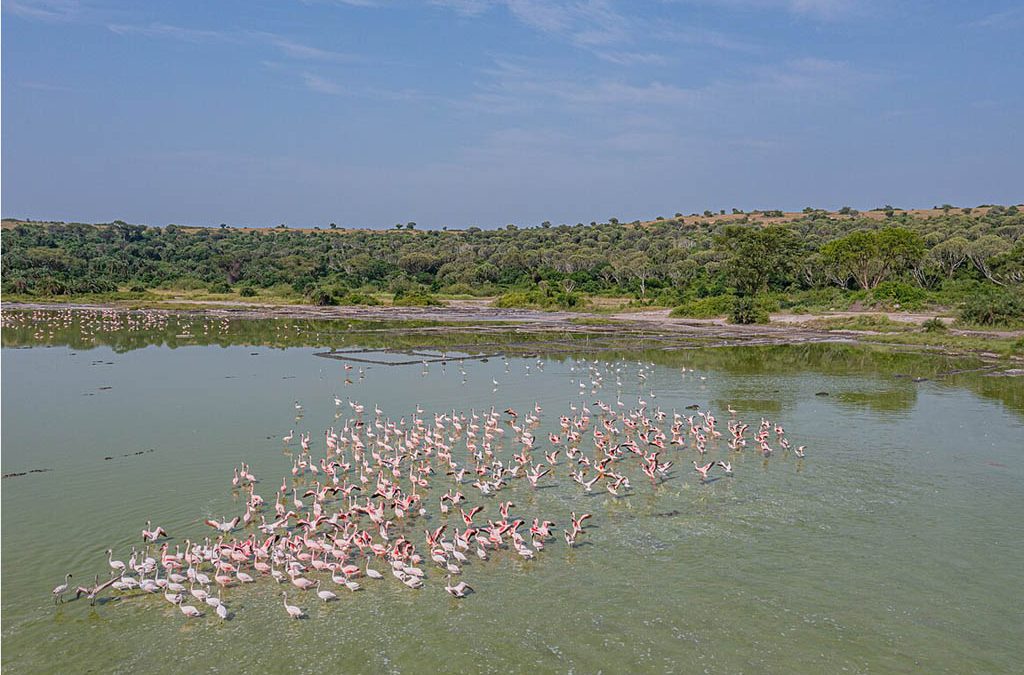
Uganda, a jewel nestled in the heart of Africa, is renowned for its vast savannas, lush rainforests, and rich tapestry of wildlife. Among its many hidden treasures is Lake Munyanyange—a striking crater lake that has quietly become a haven for flamingos and a sanctuary for a diverse range of flora and fauna. Despite its ecological importance and breathtaking beauty, this lake remains largely under the radar for international tourists. This blog will guide you through the geological marvels, vibrant ecosystems, and the practical aspects of planning a visit to this secret paradise. Join us as we delve deep into the world of Lake Munyanyange and discover why it should be on every traveler’s bucket list.
Discovering Lake Munyanyange: Uganda’s Hidden Flamingo Haven
The Geological Formation of This Unique Crater Lake
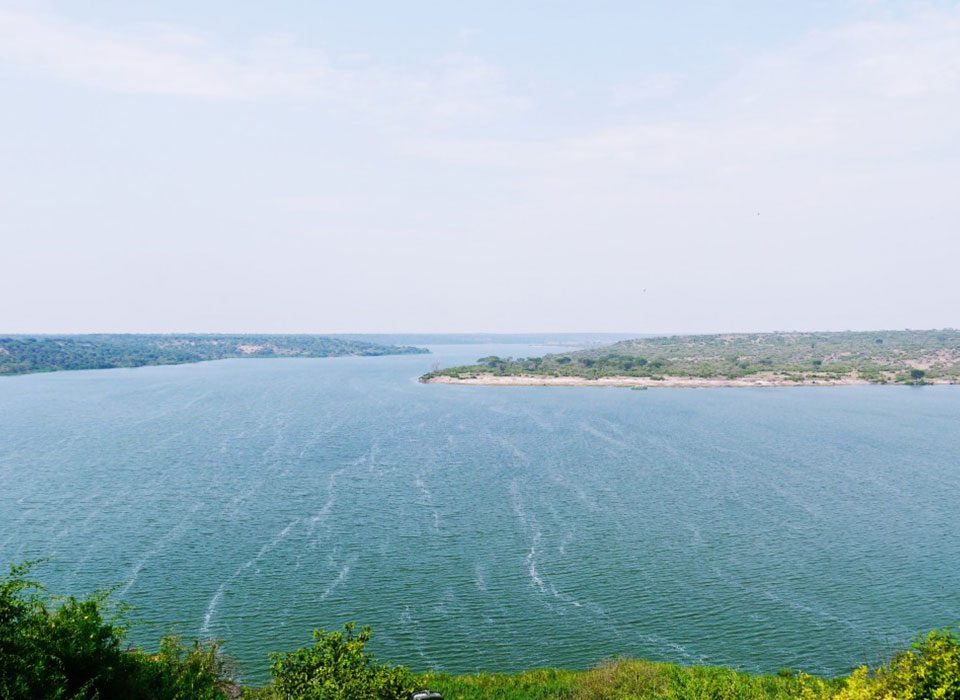
Lake Munyanyange is not your ordinary water body. Carved out by ancient volcanic and tectonic activities, this crater lake is the product of a dramatic natural history. Millions of years ago, volcanic eruptions and subsequent collapses of magma chambers formed a circular depression. Over time, rainfall and underground water seepage filled this crater, creating a serene lake surrounded by rugged, picturesque landscapes. The geology of Lake Munyanyange is a testament to the powerful natural forces that have shaped the East African landscape. The crater’s circular formation and steep embankments contribute to its unique microclimate, which plays a crucial role in sustaining its delicate ecosystem.
Location of Lake Munyanyange in Uganda?
The lake is situated within the boundaries of Queen Elizabeth National Park, Lake Munyanyange is nestled in Uganda’s western region. This national park is one of Africa’s most celebrated wildlife reserves, known for its diverse animal populations and stunning scenery. The lake itself lies in a relatively remote part of the park, making it less accessible to the everyday tourist. Its secluded location, while adding to its charm, also serves as a buffer, protecting it from the disturbances of heavy tourist traffic. This isolation has allowed the lake to maintain its pristine conditions, making it an ideal refuge for flamingos and other wildlife.
Why This Lake Remains Relatively Unknown to International Tourists
Despite its incredible beauty and ecological significance, Lake Munyanyange is not yet a household name among international travelers. Several factors contribute to its relative obscurity:
Remote Location: The lake’s seclusion within Queen Elizabeth National Park means it is often overshadowed by more popular attractions like the Kazinga Channel or the tree-climbing lions of Ishasha.
Limited Infrastructure: With fewer roads and tourist facilities in the immediate vicinity, access can be challenging. This has helped preserve the lake’s natural environment but has also limited its exposure.
Conservation Priorities: Local authorities and conservationists have prioritized protecting the lake’s fragile ecosystem over mass tourism. As a result, visitation is carefully managed, ensuring that the beauty and serenity of the lake remain undisturbed by commercial interests.
The Fascinating Ecology of Lake Munyanyange
Understanding the Alkaline Waters That Attract Flamingos
The lake’s water chemistry plays a pivotal role in its ecological makeup. Lake Munyanyange is characterized by alkaline waters, a condition that may seem counterintuitive in attracting life. However, these alkaline conditions create an ideal habitat for the specific types of algae and brine shrimp that form the diet of flamingos. In essence, the high alkalinity encourages a thriving microbial and planktonic community, which in turn supports a robust food chain. This natural abundance is a primary reason why flamingos are drawn to the lake, turning it into a vibrant, living spectacle during their seasonal visits.
Seasonal Changes in Water Levels and Salinity
One of the most dynamic aspects of Lake Munyanyange is its seasonal transformation. During the dry season, water levels drop, leading to increased salinity and concentration of minerals. This results in even more concentrated patches of food for the flamingos, thus attracting larger numbers of these birds. Conversely, during the rainy season, the influx of water dilutes the salinity, and while the overall food supply remains abundant, the concentration may vary. These seasonal shifts not only influence the lake’s aesthetic beauty but also its biological rhythms, dictating the patterns of migration and breeding among the lake’s inhabitants.
The Unique Plant Life Surrounding the Lake
The flora around Lake Munyanyange is as intriguing as its fauna. A mosaic of indigenous vegetation, including reeds, sedges, and water-loving shrubs, fringes the lake’s shoreline. These plants adapt to the lake’s saline conditions, stabilize the soil, prevent erosion, and provide nesting sites for various bird species. Furthermore, the vegetation acts as a natural filter, maintaining the water quality by absorbing excess nutrients and reducing pollutants. This interplay between the plant life and the lake’s water chemistry is a fine example of nature’s resilience and balance.
The Flamingos of Lake Munyanyange: A Colorful Spectacle
Lesser vs. Greater Flamingos: Identifying the Differences
Flamingos are perhaps the most iconic inhabitants of Lake Munyanyange, but not all flamingos are created equal. The lake hosts two distinct species: the lesser and greater flamingos.
Lesser Flamingos: These smaller birds are noted for their slightly more vibrant hue and a preference for highly alkaline environments. Their delicate build and graceful movements add a touch of elegance to the lake’s scenery.
Greater Flamingos: Larger and more robust, these birds are highly adaptable and often travel in larger flocks. They exhibit a slightly different coloration, with more pronounced pink and orange tones. Their impressive size and group dynamics create a mesmerizing visual display, especially during the early morning or late afternoon when the light casts a warm glow on the water.
Migration Patterns and Seasonal Presence
The presence of flamingos at Lake Munyanyange is not constant but varies with the seasons. Migration is largely driven by the availability of food, water chemistry, and breeding cycles. During the dry season, when food sources become more concentrated, flamingos are known to flock in larger numbers to take advantage of the rich feeding grounds. Conversely, the rainy season sees a more dispersed presence as the conditions become less favorable for large congregations. Observing these patterns can be a delightful experience for bird enthusiasts, as each season offers a unique perspective on the flamingos’ behavior and habitat preferences.
Feeding Behaviors and Adaptations to Alkaline Environments
Flamingos have evolved a range of adaptations that allow them to thrive in the unique conditions of Lake Munyanyange. Their specialized beaks are perfectly suited for filtering out small organisms like algae and brine shrimp from the water. This filtering mechanism, combined with a unique digestive system, enables them to extract maximum nutrition from the often sparse resources available in an alkaline environment. Additionally, flamingos have developed a social feeding behavior, often feeding in synchronized groups, which increases their efficiency in locating and processing food. This communal approach not only benefits the individual birds but also reinforces the social structure within the flock.
Beyond Flamingos: Other Wildlife at Lake Munyanyange
Resident and Migratory Bird Species
While flamingos steal the spotlight, Lake Munyanyange is a thriving haven for a variety of other bird species. Resident birds such as herons, egrets, and kingfishers share the habitat with the migratory visitors, creating a rich tapestry of avian life. Birdwatchers can spot numerous species that rely on the lake’s resources, making it an ideal destination for ornithologists and nature enthusiasts alike. The diversity of birds adds layers of complexity to the ecosystem, with each species playing a unique role in maintaining the ecological balance.
Mammals That Frequent the Lake Area
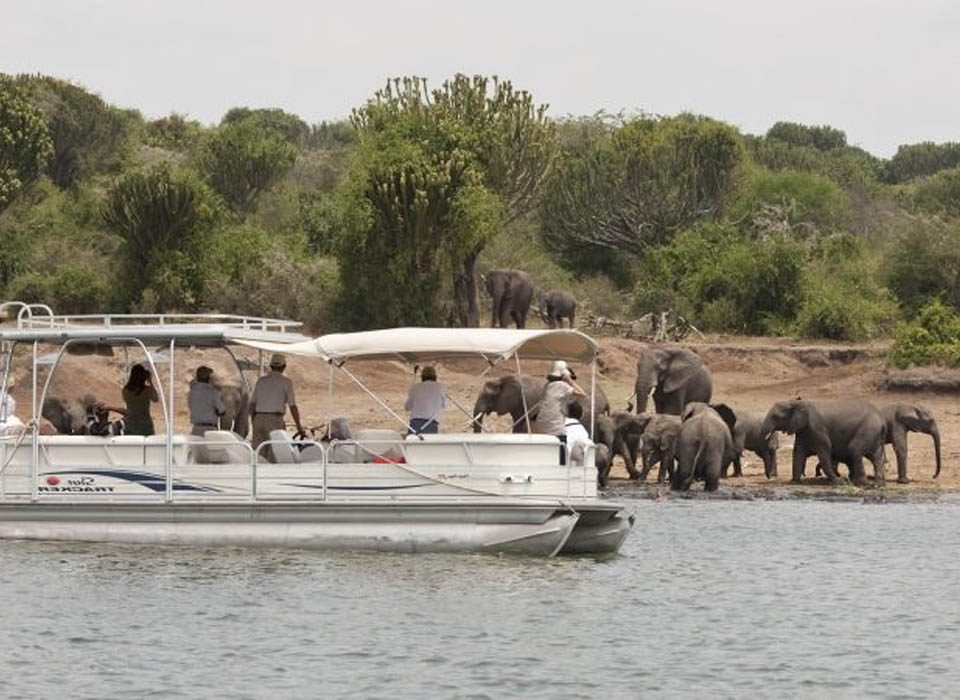
The ecosystem around Lake Munyanyange supports more than just birds. Several mammals also call the area home or pass through on their migratory routes. Small mammals like bushbucks and warthogs can often be seen grazing near the water’s edge, taking advantage of the lush vegetation that surrounds the lake. Additionally, larger mammals from Queen Elizabeth National Park, such as elephants and buffaloes, occasionally venture close to the lake, drawn by the water and the rich plant life. These encounters offer visitors a unique opportunity to witness a microcosm of African wildlife, all converging in one stunning location.
Reptiles and Amphibians in the Ecosystem
Reptiles and amphibians are often overlooked but are essential to the health of the lake’s ecosystem. Lizards and small snakes help control insect populations, while amphibians such as frogs thrive in the moist conditions around the lake. These creatures not only contribute to the biodiversity of the area but also serve as important indicators of environmental health. Their presence signals a balanced ecosystem where even the smallest organisms play a crucial role in sustaining the larger wildlife communities.
Conservation Challenges and Efforts
Threats Facing Lake Munyanyange’s Delicate Ecosystem
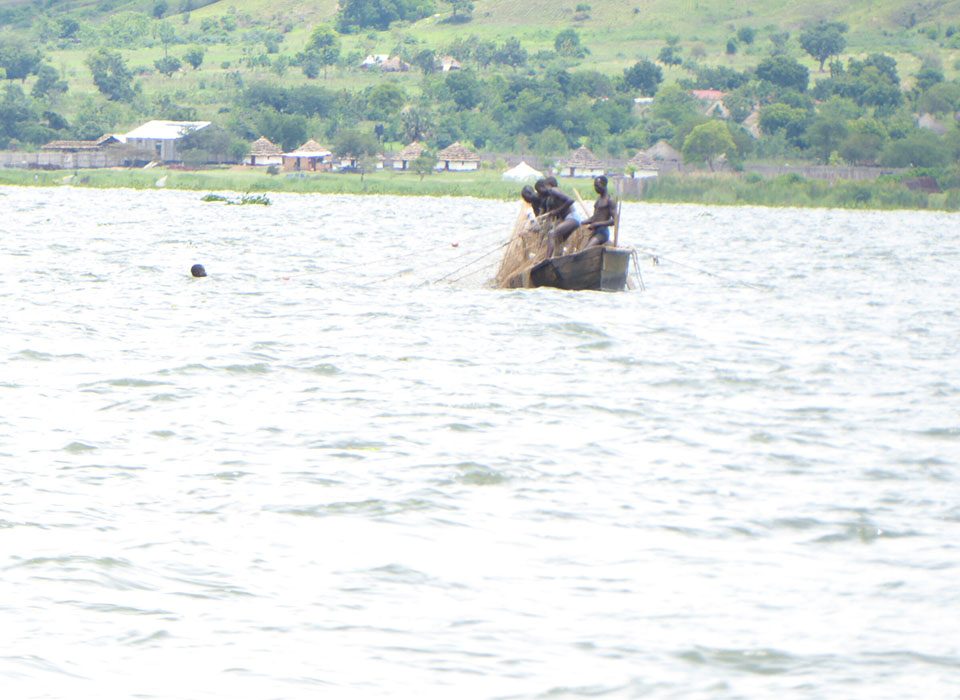
Despite its remote location and the natural protection offered by its surroundings, Lake Munyanyange is not immune to environmental threats. Human activities such as unregulated tourism, local fishing practices, and the encroachment of agriculture can disrupt the delicate balance of the ecosystem. Pollution from nearby settlements and the introduction of invasive plant species further compound these challenges. Climate change also poses a significant risk, potentially altering the water levels, salinity, and overall habitat conditions that the lake’s inhabitants depend on.
Current Conservation Initiatives
Recognizing the ecological importance of Lake Munyanyange, both local authorities and international conservation groups have stepped in to implement measures aimed at protecting this natural wonder. Conservation initiatives include:
Protected Area Designation: The lake’s inclusion within Queen Elizabeth National Park provides a level of protection from large-scale development and habitat destruction.
Community Outreach Programs: Efforts to educate local communities about the importance of sustainable practices have been crucial in reducing harmful activities around the lake.
Research and Monitoring: Continuous scientific research helps monitor changes in water chemistry, wildlife populations, and overall ecosystem health, allowing for timely interventions when necessary.
These efforts are vital in ensuring that Lake Munyanyange remains a haven for its unique inhabitants while preserving its natural beauty for future generations.
How Visitors Can Contribute to Preservation Efforts
Visitors play an important role in conservation. By choosing responsible tourism practices, you can help protect Lake Munyanyange and its delicate ecosystem. Here are some ways to contribute:
-
Follow Local Guidelines: Adhere to the rules set by park authorities, such as staying on designated paths and not disturbing wildlife.
-
Support Eco-friendly Services: Choose accommodations and tour operators that prioritize sustainability and environmental conservation.
-
Engage in Citizen Science: Participate in wildlife monitoring or data collection programs, if available.
-
Educate Others: Share your experiences and knowledge about Lake Munyanyange to raise awareness about the importance of protecting such natural wonders.
Every small action counts and your commitment to responsible tourism can make a significant difference in preserving this secret paradise for the many species that call it home.
Planning Your Visit to Lake Munyanyange
Best Seasons for Flamingo Viewing
Timing your visit can greatly enhance your experience at Lake Munyanyange. The best time to observe flamingos is during the dry season when water levels recede and salinity increases, concentrating the food sources that attract these birds. Typically, the months of December through March provide optimal conditions for flamingo viewing. However, each season has its charm. The rainy season, while less predictable, offers lush, green surroundings and a quieter, more introspective atmosphere for those willing to explore beyond the well-trodden paths.
Weather Considerations and What to Pack
Uganda’s weather can be as dynamic as its wildlife. While the dry season promises clear skies and warm days, the temperature can drop significantly during the early morning and evening hours. Conversely, the rainy season may require more robust rain gear and waterproof boots. When planning your visit, consider packing the following:
- Lightweight Clothing: Ideal for the warm days, but also include layers for cooler mornings and evenings.
- Rain Gear: A waterproof jacket and sturdy shoes can help you navigate muddy trails during the rainy season.
- Binoculars and Cameras: Essential for birdwatching and capturing the lake’s breathtaking vistas.
- Sunscreen and Hats: Protect yourself from the intense tropical sun during the day.
- Reusable Water Bottles and Snacks: While there are local vendors, having your supplies is convenient for day trips.
Planning ahead will ensure that your visit is comfortable, safe, and enjoyable, allowing you to fully appreciate the natural beauty of Lake Munyanyange.
Entry Fees and Permits
Queen Elizabeth National Park manages access to Lake Munyanyange and sets an entry fee structure to support conservation efforts. Your fees, which vary based on nationality and stay duration, help maintain the park’s infrastructure and fund ongoing conservation initiatives. Check with local tour operators or the park’s official website for the latest fee details and any required permits for guided tours or specific activities.
Where to Stay: Accommodation Options Near Lake Munyanyange
Lake Munyanyange Caves Lodge Experience
One of the most enchanting ways to experience the serenity of Lake Munyanyange is by staying at the Lake Munyanyange Caves Lodge. This unique accommodation offers a blend of rustic charm and modern comfort. Built into the natural landscape, the lodge provides guests with an immersive experience that connects them directly with the lake’s history and environment. From its well-appointed rooms to its locally-inspired cuisine, the Caves Lodge offers an unforgettable retreat for nature lovers and adventure seekers alike.
Other Lodging Options in Queen Elizabeth National Park
For those who prefer alternative accommodations, Queen Elizabeth National Park hosts a range of lodges and guesthouses designed to cater to different tastes and budgets. Many of these establishments offer guided tours, wildlife safaris, and cultural experiences that allow you to explore both the park and its surrounding communities. Whether you’re looking for luxury or a more modest stay, the variety of lodging options ensures that every traveler can find a comfortable base from which to explore the wonders of the park.
Camping Possibilities for Adventure Seekers
If you’re the type who enjoys sleeping under the stars, camping near Lake Munyanyange is an excellent option. Designated camping areas within the park allow you to pitch a tent and enjoy a more intimate connection with nature. Camping not only provides a cost-effective solution but also offers a unique perspective on the nocturnal sounds and sights of the African wilderness. Whether you’re an experienced camper or trying it out for the first time, the serene environment around Lake Munyanyange promises a memorable outdoor adventure.
Exploring Beyond the Lake: Nearby Attractions
Lake Katwe Salt Mining Community
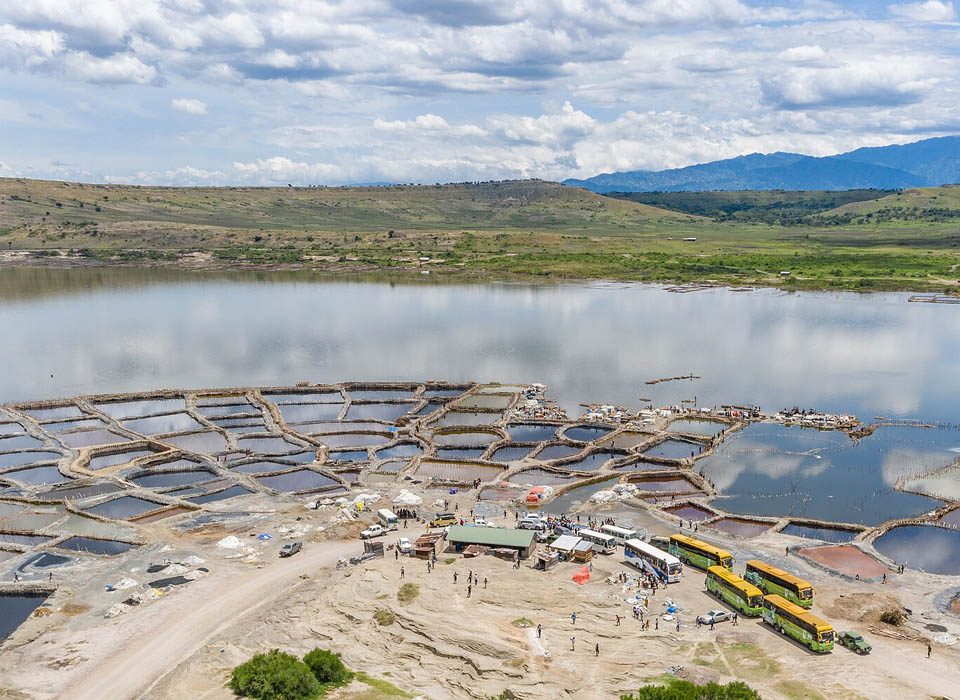
A short drive from Lake Munyanyange, the Lake Katwe salt mining community offers a fascinating glimpse into one of Uganda’s traditional industries. For centuries, locals have harvested salt from the lake’s mineral-rich waters using methods passed down through generations. A visit to this community provides an opportunity to learn about the historical and cultural significance of salt mining in the region, while also interacting with friendly locals who share their traditions and stories.
Other Crater Lakes in the Region
The region surrounding Lake Munyanyange is dotted with other geological marvels, including several other crater lakes. Each lake has its own unique character and ecological niche. Exploring these neighboring bodies of water can provide a broader understanding of the area’s geological history and natural diversity. Whether you’re interested in hiking, photography, or simply soaking in the serene landscapes, a day trip to these lesser-known lakes offers a rewarding adventure off the beaten path.
Wildlife Viewing in Queen Elizabeth National Park
No visit to Lake Munyanyange is complete without exploring the broader wonders of Queen Elizabeth National Park. This park is one of Uganda’s premier wildlife destinations, offering a wealth of opportunities to see Africa’s iconic animals in their natural habitat. From elephant herds and graceful antelopes to the occasional lion or leopard, the park is a dynamic mosaic of life.
Conclusion
Lake Munyanyange is a testament to Uganda’s hidden natural treasures—a serene and vibrant sanctuary where the beauty of flamingos is matched only by the richness of the surrounding ecosystems. From its dramatic geological origins to its dynamic seasonal rhythms, every aspect of this crater lake speaks of nature’s ingenuity and resilience. For bird enthusiasts, nature lovers, and adventurous travelers alike, Lake Munyanyange offers an unparalleled experience of tranquility, wildlife, and cultural heritage.
As you plan your journey with Safari Vacations and Travel Services, you’ll discover that every visit to Lake Munyanyange is not just a trip, but a deep dive into a living canvas painted by nature’s hand.
In embracing responsible tourism and conservation, you also become a guardian of this natural paradise, ensuring that future generations will have the opportunity to witness the magic of Lake Munyanyange. So pack your bags, set your sights on Uganda, and embark on a journey that promises not just memories, but a profound connection with one of Africa’s most enchanting landscapes.
With careful planning, sustainable practices, and an adventurous spirit, your visit to Lake Munyanyange will be a journey of discovery—an opportunity to witness firsthand the delicate balance of life that thrives in this hidden corner of Uganda. Let Safari Vacations and Travel Services guide you through this unforgettable experience, where every moment is a celebration of nature, history, and the unyielding beauty of our planet.
Final Thoughts
Your adventure to Lake Munyanyange is more than just a trip, it’s an exploration of a world where nature reigns supreme and every element, from the crystalline waters to the graceful flamingos, tells a story. It’s a place where time seems to slow down, allowing you to immerse yourself in the masterpiece of life that pulses through the landscape. As you navigate the trails, interact with local experts, and simply sit back to admire the vibrant hues of the flamingos, you’ll gain a deeper appreciation for the fragile beauty of our natural world.
This remarkable destination is a reminder of the wonders that lie beyond the well-worn paths of mainstream tourism. It challenges us to look deeper, travel responsibly, and always keep the spirit of exploration alive. Safari Vacations and Travel Services is proud to share the secret of Lake Munyanyange with travelers who are ready to step off the beaten track and experience Uganda’s hidden paradise of flamingos.
Embark on this journey, and let the mesmerizing landscapes, diverse wildlife, and vibrant culture of Uganda inspire your next great adventure. Discover Lake Munyanyange, where every ripple of water and every flutter of a flamingo’s wing narrates a story of nature’s splendor—a story that is waiting for you to become a part of it.