Lake Nyabihoko: Hidden Secrets of Uganda’s Mystical Waters

Whispers on the Water
Uganda, the Pearl of Africa, cradles within its verdant landscapes countless natural wonders. While mighty rivers carve through savannas and vast lakes shimmer under the equatorial sun, some treasures remain veiled, whispered about in local lore rather than splashed across glossy brochures. Deep in the rolling hills of the Ntungamo District in southwestern Uganda lies one such enigma: Lake Nyabihoko. More than just a body of water, Nyabihoko is a place steeped in legend, a canvas reflecting centuries of history, and a sanctuary pulsating with a quiet, mystical energy.
For the discerning traveller seeking experiences beyond the well-trodden paths, Lake Nyabihoko offers a profound connection to the heart of Uganda. It’s a destination where the veil between the physical and spiritual worlds feels thin, where ancient stories echo across the water, and where the serene beauty invites introspection and wonder. Unlike its more famous counterparts, Nyabihoko doesn’t shout its presence; it murmurs, inviting those with a curious spirit to lean in and listen to its secrets.
Join us, Safari Vacations and Travel Services, as we embark on a journey to uncover the hidden depths of Lake Nyabihoko. We will delve into the dramatic legends surrounding its creation, explore its unique geographical setting, encounter the life it sustains, and discover the tranquil allure that makes it a truly unforgettable stop on any Ugandan adventure. Prepare to be captivated by the mystical waters where history, myth, and nature converge.
The Legend of Mutuumo: A Lake Born from a Broken Oath
The most captivating aspect of Lake Nyabihoko is undoubtedly the rich tapestry of legends woven around its origins. While geologists might speak of volcanic activity or tectonic shifts, the local Banyankore-Bahororo people tell a far more dramatic tale, a story passed down through generations, centering around a wealthy cattleman named Mutuumo.
As the primary legend goes, Mutuumo was a man of immense wealth, his kraal (a traditional homestead enclosure, known as eka) sprawling across the land where the lake now lies. His herds were vast, but among them was one cow of extraordinary significance – an enjeru, a cow of pure, paper-white hide, or in some versions, a calf of multiple, sacred colours. This animal was not merely livestock; it was sacred, possibly a gift from the Bachwezi spirits or subject to a divine decree. Mutuumo strictly forbade anyone in his household from harming or consuming this specific cow, even if it were to die of natural causes. It was a solemn oath, a pact between him and the unseen forces governing the land.
Life continued in the prosperous kraal until Mutuumo embarked on a long journey, perhaps a trading expedition to neighbouring Rwanda – a trip requiring him to be away for several days (kuzinduka). In his absence, fate intervened. The sacred cow died. Despite Mutuumo’s explicit instructions and, according to some accounts, the desperate pleas of his wife, temptation proved too strong for his household. His servants (Abashuumba), perhaps driven by hunger or arrogance, or maybe even instigated by Mutuumo’s wife herself in some tellings, slaughtered the forbidden animal. They roasted their meat and feasted, unknowingly sealing their doom.
Retribution was swift and terrifying. That very night, as the household slept, the earth seemed to groan. Some versions of the myth speak of a servant girl, perhaps Mutuumo’s secret illegitimate daughter, who lived among the staff, hearing strange sounds while churning milk, like stones tumbling into water. Her concerns were dismissed, attributed to laziness or fear of the dark. Then, the waters came. Not as rain, but as a sudden, inexplicable deluge engulfing the entire kraal. The land sank, and the waters rose, swallowing the homestead, the people, the remaining cattle – everything. The broken oath had unleashed a catastrophic power, transforming Mutuumo’s prosperous land into a deep, silent lake.
When Mutuumo finally returned from his journey, he didn’t find his welcoming family and bustling kraal. Instead, he saw an eerie expanse of water reflecting the sky. He realized everything was gone—his family (except, in some versions, the illegitimate son who had unknowingly joined the feast but survived), his wealth, and his home—because the waves had swallowed them. Broken, he left the area and sought refuge with another wealthy man named Mwaamba. One poignant variation adds a tragic epilogue: Mutuumo and Mwaamba, after ensuring their children would inherit Mwaamba’s wealth, formed a pact and drowned themselves together in the very lake that symbolized Mutuumo’s loss.
While modern science offers explanations for lake formation, the legend of Mutuumo endures. It speaks volumes about the cultural values of the Bahima – the importance of honouring oaths, respecting the sacred, and the potential consequences of transgression. The story imbues Lake Nyabihoko with a profound sense of mystery and a touch of melancholy. Are the hippos occasionally seen in the lake, as some locals muse, descendants of Mutuumo’s cattle, transformed by the mystical event? Do the eerie quiet nights still echo with the whispers of the drowned kraal? The legend invites visitors to ponder these questions as they gaze upon the tranquil waters.
Geography and Hydrology: A Link in the Great Nile System
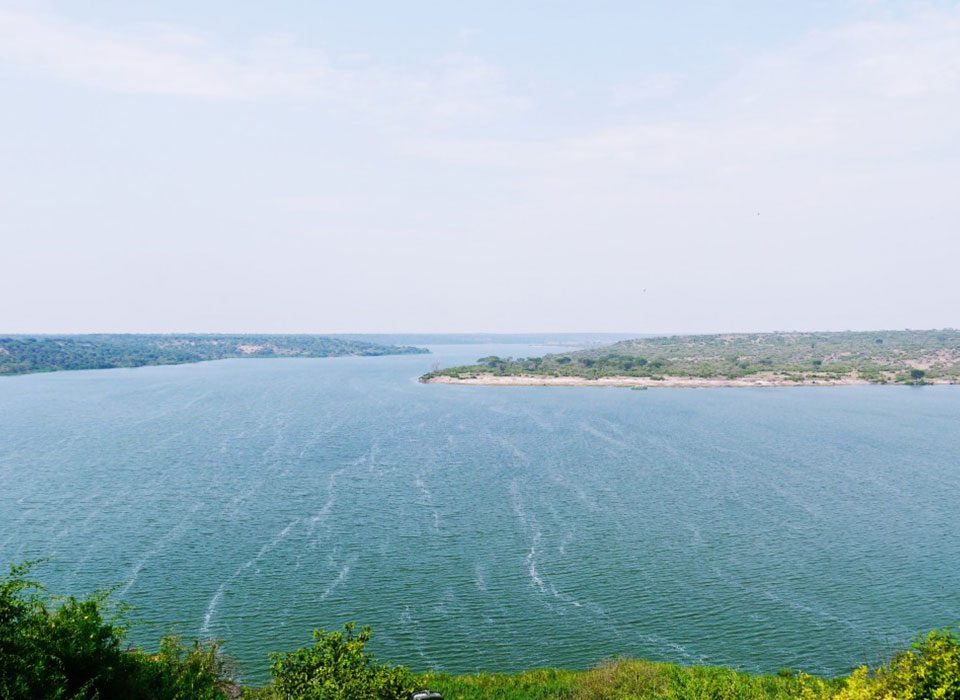
Beyond the captivating mythology, Lake Nyabihoko holds significant geographical importance. Situated approximately 372 kilometres southwest of Kampala, near the town of Ntungamo, the lake covers an area of roughly six square kilometres (about 2.31 square miles). It’s not an isolated body of water but an integral part of a larger hydrological network, specifically the vast Kagyera River system, which itself is a major tributary of the mighty Nile River.
As observed by President Museveni from the air, Nyabihoko connects to the Kagyera via a network of swamps and streams, most notably the Nyarwaambu swamp. This wetland snakes through the landscape, crossing major roads like the Mbarara-Kabale highway near Kamira, and gathering waters from numerous tributaries flowing down from the surrounding hills – names like Rugoongyi, Rufuuha, Kyangara, Rujumo, Kahuunga, and Kyamate paint a picture of a complex water catchment area. These streams and swamps are the lifeblood of the region, acting as natural reservoirs and influencing local rainfall patterns.
The lake itself sits nestled amidst rolling hills characteristic of southwestern Uganda, often referred to as the
“Switzerland of Africa” due to its scenic beauty. The landscape surrounding Nyabihoko is predominantly agricultural, with the Bahima people, traditionally cattle keepers, inhabiting the area. Their homesteads and grazing lands contribute to the pastoral charm of the region.
The lake’s connection to the Kagyera and subsequently the Nile places it within a critical watershed. The health of Lake Nyabihoko and its associated wetlands directly impacts the larger river system. This underscores the importance of conservation efforts in the area, protecting these water sources from encroachment and pollution, such as the planting of non-native eucalyptus trees, which can deplete water tables. Visiting Nyabihoko offers not just a glimpse into myth and beauty, but also an appreciation for the intricate web of waterways that sustain life in this part of Uganda and beyond.
Flora, Fauna, and Avian Paradise
Lake Nyabihoko is more than just water and legend; it is a vibrant ecosystem teeming with life. The name itself, sometimes interpreted as relating to a multi-coloured calf, hints at the diversity found here. The surrounding hills are draped in lush vegetation, a mix of natural forest remnants and cultivated land, creating varied habitats for different species.
The lake’s waters support a variety of fish populations, which provide food and livelihood for local communities. You’ll often see locals casting nets from traditional dugout canoes. While some might exaggerate stories about crocodiles for dramatic effect, it is the hippopotamuses that truly call the lake home. These large mammals add another layer to the lake’s mystique, especially when considering the local belief that Mutuumo’s lost herd might have transformed into them.
However, it is perhaps the birdlife that truly makes Lake Nyabihoko a haven for nature lovers. The lake shores, nearby swamps like Nyarwaambu, and surrounding woodlands provide ideal habitats for a rich variety of avian species. It’s a designated Important Bird Area (IBA), recognized for its significance in bird conservation. Visitors with a keen eye and a pair of binoculars can expect to spot:
- Water Birds: Pelicans (lending their name to Pelican Beach on the lake), herons, egrets (including cattle egrets mingling with the local herds), cormorants, and various species of ducks and geese find refuge and food in the lake and its marshy edges.
- Fish Eagles: The majestic African Fish Eagle, with its distinctive cry, is often seen soaring above the water or perched on shoreline trees, scanning for prey.
- Kingfishers: Several species of colourful kingfishers dart across the water’s surface, adding flashes of brilliance to the scene.
- Grey Crowned Crane: Uganda’s national bird, the elegant Grey Crowned Crane, frequents the wetlands and grasslands around the lake, often seen performing its graceful courtship dances.
- Weavers and Passerines: The reeds and trees along the shore are alive with the chatter and activity of various weaver birds constructing their intricate nests, alongside numerous other smaller songbirds.
The relative tranquility of Lake Nyabihoko, compared to more heavily touristed areas, allows birds to thrive with less disturbance. Early mornings and late afternoons are particularly rewarding times for birdwatching, as the light is soft, and activity levels peak. Whether you are a seasoned ornithologist or simply someone who appreciates the beauty of birds in their natural habitat, Lake Nyabihoko offers a delightful and often surprising avian spectacle.
Cultural Significance and Local Life
Lake Nyabihoko is deeply interwoven with the cultural fabric of the Ntungamo region. Its formation legend is a cornerstone of local folklore, shaping identity and providing a shared narrative that connects generations. The story of Mutuumo serves as a cultural touchstone, reminding people of historical values, the power of oaths, and the spiritual forces believed to influence the land.
Evidence of this connection is tangible. The existence of Mutuumo Island Resort on an island within the lake directly references the legend. Furthermore, remnants of old traditional Ankole homestead structures found on the island serve as physical links to the past, offering visitors a glimpse into the architectural styles and way of life of the people who inhabited this area potentially centuries ago. These archaeological hints lend credence to the idea that the area was indeed settled before the lake’s formation, whether by flood or other means.
The communities living around Lake Nyabihoko today, primarily the Bahima, maintain lifestyles that echo traditional practices. Cattle keeping remains central to their culture and economy, and the sight of long-horned Ankole cattle grazing on the hillsides is iconic. Fishing on the lake provides another vital source of livelihood and sustenance. Observing fishermen in their dugout canoes, using techniques passed down through generations, offers an authentic window into the local way of life.
Visiting the area provides opportunities for respectful cultural exchange. Engaging with local communities, perhaps by visiting a nearby village market or interacting with fishermen at the landing sites (like the one from which you ring a bell to summon a boat to Mutuumo Island), can enrich the travel experience immensely. Learning about local customs, trying traditional foods, and hearing stories firsthand adds layers of understanding and appreciation beyond the scenic beauty.
Safari Vacations and Travel Services encourages visitors to approach these interactions with sensitivity and respect, supporting local artisans and businesses where possible. The cultural richness surrounding Lake Nyabihoko is as much a part of its allure as its natural beauty and mystical legends.
Visiting Lake Nyabihoko: An Off-the-Beaten-Path Escape
For travellers seeking serenity, authenticity, and a touch of mystery, Lake Nyabihoko is an ideal destination. Its location in southwestern Uganda makes it a convenient and rewarding stopover for those travelling between Kampala, Lake Mburo National Park, and the gorilla trekking destinations of Bwindi Impenetrable National Park and Mgahinga Gorilla National Park.
Getting There: Reaching the lake typically involves road travel. From Kampala, the journey southwest towards Ntungamo takes several hours through scenic countryside. From Ntungamo town, the lake is accessible via routes towards Rwashamire (approximately 15-26km off the main Ntungamo-Rukungiri road) or directly off the Ntungamo-Kabale road. While public transport can get you to Ntungamo, arranging private transport or travelling with a tour operator like Safari Vacations and Travel Services is recommended for easier access to the lake itself.
Accommodation: The most notable place to stay is the Mutuumo Island Resort, located on an island within the lake. Accessible by boat (summoned by ringing a bell from the mainland landing site), the resort offers a unique experience, immersing guests in the lake’s tranquility and legend. It provides rooms and potentially apartments, offering a peaceful retreat. Another option mentioned is Pelican Beach, which also offers accommodation with lake views.
Activities:
- Boat Trips and Canoeing: Exploring the lake by boat or traditional dugout canoe is a must-do. This allows for close-up views of the shoreline, potential wildlife sightings (hippos, birds), and a visit to Mutuumo Island. Guided excursions can provide deeper insights into the lake’s history and ecology.
- Birdwatching: As an IBA, the lake is a prime spot for birding. Bring binoculars and spend time scanning the shores, water, and surrounding vegetation, especially during the early morning or late afternoon.
- Fishing: Witness local fishing practices or perhaps even try your hand, arrange an experience with local fishermen.
- Hiking and Nature Walks: The rolling hills surrounding the lake offer opportunities for scenic walks, providing panoramic views and chances to observe local flora and fauna.
- Cultural Interaction: Engage respectfully with local communities, visit markets, and learn about the Bahima way of life.
- Relaxation: Simply soaking in the peaceful atmosphere, enjoying the views from Mutuumo Island Resort or Pelican Beach, and disconnecting from the hustle of modern life is a key attraction.
- Photography: The scenic beauty, diverse birdlife, and cultural elements provide ample opportunities for stunning photography.
Lake Nyabihoko offers a quieter, more contemplative experience compared to Uganda’s major national parks. It’s a place to slow down, connect with nature, and delve into the rich cultural heritage and intriguing legends of southwestern Uganda.
Conclusion: The Enduring Allure of the Mystical Lake
Lake Nyabihoko is more than just a point on a map; it is a destination that resonates on multiple levels. It is a place of stunning natural beauty, where tranquil waters mirror the verdant hills under the vast African sky. This is a vital ecological hub, supporting diverse wildlife, particularly a rich array of birdlife that makes it a paradise for watchers. It is a living cultural landscape, home to communities whose lives are intertwined with the rhythms of the lake and the echoes of their ancestors.
But perhaps most powerfully, Lake Nyabihoko is a place of mystery and legend. The enduring story of Mutuumo and the forbidden cow infuses the lake with an almost palpable sense of history and consequence. It transforms a simple boat ride into a journey over a submerged past, and a quiet evening by the shore into an opportunity to listen for the whispers of ancient spirits.
For the traveller seeking an authentic Ugandan experience that goes beyond the ordinary, Lake Nyabihoko offers a unique blend of serenity, natural wonder, cultural depth, and mystical allure. It is a reminder that some of the most profound discoveries are made not in the most famous locations, but in the hidden corners where legends live on and nature holds its secrets close.
Safari Vacations and Travel Services invites you to discover the hidden secrets of Lake Nyabihoko. Let us guide you to this enchanting corner of Uganda, where you can witness its beauty, hear its stories, and feel its quiet magic for yourself. It’s an experience that promises not just memories, but a deeper connection to the soul of the Pearl of Africa.