Visiting Lake Katwe Uganda: Essential Guide for Nature Lovers
Visiting Lake Katwe Uganda: Essential Guide for Nature Lovers
Lake Katwe, nestled in the western part of Uganda, is a destination that invites nature lovers and adventurous travelers to explore a landscape shaped by ancient volcanic forces and time-honored traditions. In this comprehensive guide, visiting Lake Katwe Uganda will take you on a journey through the rich history, geological marvels, and vibrant cultural traditions that define Lake Katwe. From its striking volcanic origins to the unique salt mining practices that have sustained local communities for generations, this guide provides everything you need to know for an unforgettable visit.
Uganda, often celebrated for its lush national parks and abundant wildlife, also boasts remarkable natural phenomena that are off the beaten track. Lake Katwe, with its shimmering saline waters, intriguing geological background, and enduring salt mining legacy, stands out as one such marvel. Whether you’re an avid geologist, a cultural enthusiast, or simply someone who loves immersing themselves in nature, this essential guide from Safari Vacations and Travel Services will equip you with all the information you need to plan your trip.
Where is Lake Katwe Uganda Located?
Geographic Coordinates and Map
Lake Katwe is located in the southwestern region of Uganda, a stone’s throw away from the internationally acclaimed Queen Elizabeth National Park. Its precise geographic coordinates place it in an area that has been a hub of geological activity for millennia. Travelers can find the lake easily on detailed Ugandan maps, where it is marked as a prominent saline body of water amid a landscape dotted with volcanic craters and unique flora.
To help pinpoint your destination, GPS coordinates and mapping tools are available that offer a detailed view of Lake Katwe’s location relative to major landmarks in Uganda. The lake’s coordinates make it accessible for both adventurers using modern technology and traditional map-readers alike.
Proximity to Queen Elizabeth National Park
One of the most attractive aspects of visiting Lake Katwe is its proximity to Queen Elizabeth National Park, one of Uganda’s premier wildlife reserves. This proximity not only makes it convenient to combine a visit to the lake with a safari experience but also ensures that you will encounter a rich tapestry of biodiversity during your stay.
How to Find Lake Katwe on Uganda Maps
Locating Lake Katwe on Uganda maps is straightforward for those with a keen interest in geography. The lake is often highlighted in travel guides and maps focusing on Uganda’s lesser-known natural attractions. Its location is marked near key landmarks such as Katwe town and the entrances to Queen Elizabeth National Park. Modern mapping services also provide satellite views that reveal the distinctive crater-like formations surrounding the lake, offering a preview of the geological wonders you will soon encounter.
The Volcanic Origins of Lake Katwe
Formation of the Katwe-Kikorongo Explosion Craters
The origin of Lake Katwe is as dramatic as it is fascinating. The lake was formed in the aftermath of explosive volcanic events that created the Katwe-Kikorongo explosion craters. These cataclysmic events, which occurred thousands of years ago, left behind a series of large depressions that later filled with water. The lake’s saline nature is a direct result of this volcanic activity, as the dissolution of minerals in the crater environment has contributed to its high salt concentration.
These explosion craters are not only geological wonders but also serve as windows into the earth’s dynamic processes. Their formation is a testament to the powerful natural forces that have shaped Uganda’s landscape over millennia.
Geological Significance in Uganda’s Landscape
Lake Katwe stands as a vital component in understanding the geological evolution of the region. The lake’s formation through volcanic activity is a subject of ongoing study and fascination among geologists and earth scientists. The area around the lake is replete with mineral deposits and unique rock formations, offering valuable insights into the earth’s past volcanic activity.
The geological significance of Lake Katwe extends beyond academic research. Its dramatic landscape, characterized by steep crater walls and mineral-rich waters, has also inspired local legends and cultural narratives. For nature lovers, this intersection of science, history, and tradition provides a compelling reason to explore the area in depth.
Salt Mining at Lake Katwe: A Living Tradition
Historical Background of Salt Extraction
The history of salt mining at Lake Katwe dates back centuries. Long before the advent of modern technology, local communities discovered that the lake’s waters held an abundance of salt—a resource both precious and vital. Historically, salt was not only used as a seasoning but also held significant economic and cultural value. It was a commodity that facilitated trade and played a crucial role in local economies. Today, visiting Lake Katwe offers a rare glimpse into these time-honored practices, providing insight into the resourcefulness of past generations.
Traditional Mining Techniques
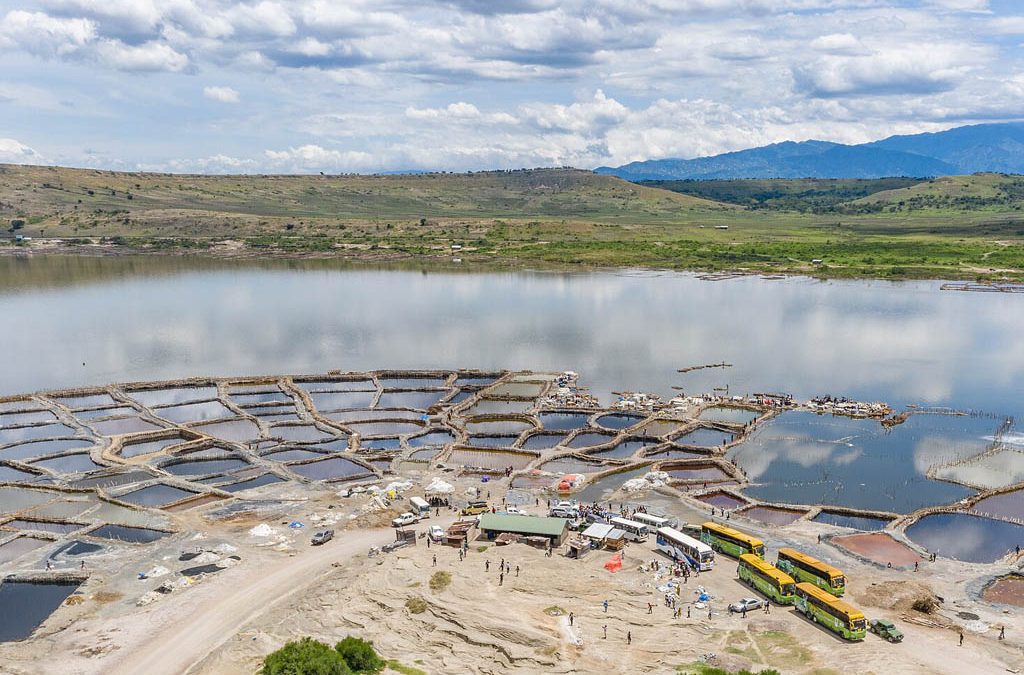
At the heart of Lake Katwe’s charm is its traditional salt mining technique. Unlike industrial mining, the methods employed here are simple, labor-intensive, and deeply connected to the land. Local miners use rudimentary tools to extract salt from the lake’s crusts, a process that has remained largely unchanged over the centuries.
The Three Types of Salt Produced
One of the most interesting aspects of the salt mining tradition at Lake Katwe is the production of three distinct types of salt. Each type is derived from different sections of the lake and processed using unique techniques. These salts vary in texture, mineral composition, and flavor, offering a diverse palette for culinary and medicinal uses.
Local traders and visitors alike value these salts not just for their utility but also for their cultural symbolism. They serve as a reminder of the close relationship between the people and the land, a connection that has been nurtured over generations.
Economic Importance to Local Communities
The salt mining industry is more than just a historical curiosity—it remains a cornerstone of the local economy. For many families in the region, salt mining provides a reliable source of income and sustenance. The economic impact of salt extraction extends beyond immediate financial benefits; it also supports local markets, trade networks, and community development initiatives.
Tourists who visit Lake Katwe have the opportunity to witness this vibrant economic activity up close, and by purchasing locally mined salt, they can contribute to the sustainability of these communities. This form of community-based tourism helps ensure that the traditional practices of salt mining continue to thrive in the modern era.
Planning Your Visit to Lake Katwe
Best Time to Visit Lake Katwe Uganda
When planning your journey, timing is essential. The best time to visit Lake Katwe is during the dry season, which typically spans from June to September and again from December to February. During these months, the weather is ideal for outdoor activities, and the lake’s conditions are more favorable for exploring both the salt flats and the surrounding landscapes.
Visiting during the dry season not only enhances your overall experience but also ensures that you can participate in guided tours, witness salt mining demonstrations, and enjoy wildlife sightings without the interruption of heavy rains.
Entrance Fees and Permits
While Lake Katwe is accessible to travelers, it is important to be aware of any entrance fees or permits that might be required. Depending on the current regulations and local administrative policies, visitors may need to secure a permit or pay a small fee at designated entry points.
It’s recommended to check with Safari Vacations and Travel Services for the most updated information on fees and permits before you set out on your journey. This proactive approach ensures a smoother entry and helps you plan your budget effectively.
Guided Tours vs. Self-Exploration
Deciding between a guided tour and self-exploration is an important aspect of planning your visit. Guided tours, often offered by reputable operators including Safari Vacations and Travel Services, provide the advantage of local expertise. A knowledgeable guide can explain the historical significance of the lake, detail the salt mining process, and share fascinating anecdotes about the local culture.
For the independent traveler, self-exploration is also a viable option. With a well-planned itinerary, updated maps, and a sense of adventure, you can navigate the region on your own. However, it’s important to note that local knowledge can significantly enhance your experience, particularly in areas that are less frequented by tourists.
What to Bring and Wear
When visiting Lake Katwe, preparation is key. The region’s environment is unique, and conditions can be harsh, especially during the peak of the day. It is advisable to pack light, breathable clothing that offers protection from the intense sun. A wide-brimmed hat, sunglasses, and high-SPF sunscreen are essential accessories.
Sturdy walking shoes are recommended for navigating uneven terrain and volcanic landscapes. Additionally, carry a reusable water bottle to stay hydrated and a camera to capture the breathtaking scenery and moments of cultural interaction. Don’t forget a light jacket for cooler mornings or evenings.
What to Expect During Your Lake Katwe Tour
The Salt Mining Demonstration
One of the highlights of any visit to Lake Katwe is witnessing the salt mining demonstration. This live display of traditional methods is both educational and inspiring. As local miners extract salt using techniques honed over centuries, you’ll gain a deeper understanding of the community’s connection to this natural resource.
The demonstration is not just about the extraction process—it also tells a story of resilience, heritage, and the communal spirit that has defined the region’s way of life. Expect to see carefully choreographed movements, traditional tools, and an environment that is as challenging as it is captivating.
Photography Opportunities
Lake Katwe is a photographer’s dream. From the stark contrasts between the saline crusts and the vivid blue skies to the rugged volcanic formations and local miners in action, there are countless moments worth capturing. The interplay of light and shadow over the crater walls and the shimmering reflections on the lake’s surface provide a canvas of natural artistry.
Interaction with Local Miners
Interacting with local miners can be one of the most rewarding aspects of your visit. These encounters provide a personal glimpse into a way of life that has remained unchanged for generations. Engage with the miners, listen to their stories, and learn about the cultural significance of salt mining. Their firsthand experiences offer invaluable insights into the challenges and triumphs of living in this unique environment.
Such interactions also foster a sense of community and shared experience. It’s an opportunity to build meaningful connections and gain a deeper appreciation for the traditions that continue to shape the local way of life.
The Intense Heat and Environmental Conditions
Visitors to Lake Katwe should be prepared for the environmental conditions that define the region. The area is known for its intense heat, particularly during midday when the sun’s rays can be relentless. The arid, saline environment also means that temperatures can fluctuate significantly between day and night.
Taking precautions is essential. Adequate hydration, sun protection, and pacing yourself throughout the day are critical to ensuring that your experience remains both enjoyable and safe. Understanding and respecting these environmental factors will help you make the most of your visit without compromising your well-being.
Beyond Salt: Other Attractions Near Lake Katwe
Lake Munyanyange and Flamingo Watching
While salt mining is the star attraction, Lake Katwe is surrounded by several other natural wonders. One such gem is Lake Munyanyange, renowned for its vibrant population of flamingos. Watching these elegant birds in their natural habitat, as they wade gracefully through the shallow waters, is an experience that captivates nature enthusiasts and photographers alike.
The presence of flamingos adds a splash of color to the otherwise stark landscape, creating a striking visual contrast that underscores the diversity of the region’s ecology.
Nearby Crater Lakes Exploration
The volcanic history of the region is not limited to Lake Katwe alone. A network of crater lakes, each with its distinct characteristics, lies nearby. Exploring these crater lakes offers a fascinating insight into the broader geological narrative of the area. Each lake presents a unique ecosystem and a different perspective on the region’s volcanic past.
For adventurous travelers, a day trip to explore these crater lakes is a must. Not only do they offer spectacular scenery, but they also provide opportunities for quiet reflection and discovery away from the more frequented tourist paths.
Wildlife Viewing Opportunities
Beyond the geological and cultural attractions, the area around Lake Katwe is teeming with wildlife. While the lake itself is known for its saline waters, the surrounding ecosystems support a variety of species. Whether you’re spotting birds that nest in the crater rims or encountering small mammals in the scrubland, the natural diversity of the region is impressive.
For those interested in wildlife photography and nature observation, the region offers ample opportunities to witness the delicate balance of life that thrives in these challenging conditions.
Where to Stay When Visiting Lake Katwe Uganda
Accommodation Options in Katwe Town
After a day of exploration, having a comfortable place to rest is essential. Katwe town, located near the lake, offers a range of accommodation options that cater to different budgets and preferences. From modest guesthouses to more refined local lodges, you can find a place that suits your needs and allows you to experience the warmth of local hospitality.
Staying in Katwe town also gives you the opportunity to interact with local residents and immerse yourself in the everyday culture of the region.
Lodges in Queen Elizabeth National Park
For travelers seeking a more immersive experience, lodges within Queen Elizabeth National Park provide a unique blend of comfort and adventure. Many of these lodges offer packages that include guided tours, wildlife safaris, and excursions to nearby attractions, including Lake Katwe.
The proximity of these lodges to both the lake and the national park makes them an ideal base for those looking to explore the broader natural attractions of western Uganda. Whether you prefer the luxury of a well-appointed lodge or the rustic charm of a safari camp, there are options available to suit every taste.
Budget to Luxury Options
Accommodation near Lake Katwe and Queen Elizabeth National Park spans a wide spectrum of pricing and amenities. Budget travelers will appreciate the availability of economical guesthouses and homestays that provide basic, yet comfortable, lodging and an authentic local experience. Conversely, luxury travelers can indulge in upscale lodges that offer modern amenities, gourmet dining, and curated experiences that showcase the best of Ugandan hospitality.
Regardless of your budget, careful planning and early booking are advisable, especially during peak tourist seasons. This ensures that you secure the best accommodations and make the most of your visit.
Practical Tips for a Memorable Lake Katwe Experience
Respecting Local Customs
As with any cultural destination, respecting local customs and traditions is paramount. The communities around Lake Katwe have a rich cultural heritage that is interwoven with their daily practices, including salt mining. When visiting, be mindful of local norms—ask permission before taking photographs of people, dress modestly, and engage with the community in a respectful manner.
Learning a few words in the local language can also go a long way in building rapport and showing respect for the community’s way of life.
Supporting the Community Through Responsible Tourism
Tourism can be a powerful force for positive change when done responsibly. Supporting local artisans, purchasing locally produced salt, and opting for community-led tours are ways to ensure that your visit contributes to the sustainable development of the region. Responsible tourism not only enhances your travel experience but also helps preserve the traditions and natural beauty of Lake Katwe for future generations.
Engaging with local guides and staying in locally-owned accommodations are simple yet effective ways to contribute directly to the community’s well-being.
Health and Safety Considerations
Visiting a remote destination like Lake Katwe requires careful attention to health and safety. The harsh environmental conditions, such as intense sunlight and fluctuating temperatures, necessitate proper preparation. Be sure to carry sufficient water, sunblock, and a basic first-aid kit. It is also wise to consult your healthcare provider regarding any necessary vaccinations or medications before embarking on your journey.
Additionally, while the local communities are welcoming, it is important to adhere to safety guidelines provided by your tour operators or local authorities. Familiarize yourself with the emergency contact numbers and always let someone know your itinerary, especially when venturing into less populated areas.
Conclusion
Lake Katwe Uganda is a destination that offers much more than its striking salt flats and volcanic craters. It is a place where history, culture, and natural beauty converge to create an unforgettable experience for every nature lover and adventure seeker.
Planning your visit carefully—taking into account the best times to travel, understanding the local customs, and preparing adequately for the environmental conditions—will ensure that your journey is both safe and enriching.
At Safari Vacations and Travel Services, we are committed to guiding you through every step of your adventure. We believe that travel is not just about visiting a destination—it’s about connecting with the people, the history, and the natural world in a meaningful way. As you explore Lake Katwe, you become part of a narrative that celebrates both the resilience of nature and the enduring spirit of the local communities.
In closing, we invite you to step off the beaten path and discover the magic of Lake Katwe. With its unique blend of natural wonders and rich cultural traditions, this extraordinary destination awaits those who are willing to venture into the heart of Uganda’s wild and captivating landscape.
Embark on your journey with us and create memories that will last a lifetime. The serene waters, rugged landscapes, and warm hospitality of Lake Katwe are calling—answer the call and experience nature’s marvels in a way that is as enriching as it is transformative.