Top Destinations for Walking Safari in Kenya
Top Destinations for Walking Safari in Kenya
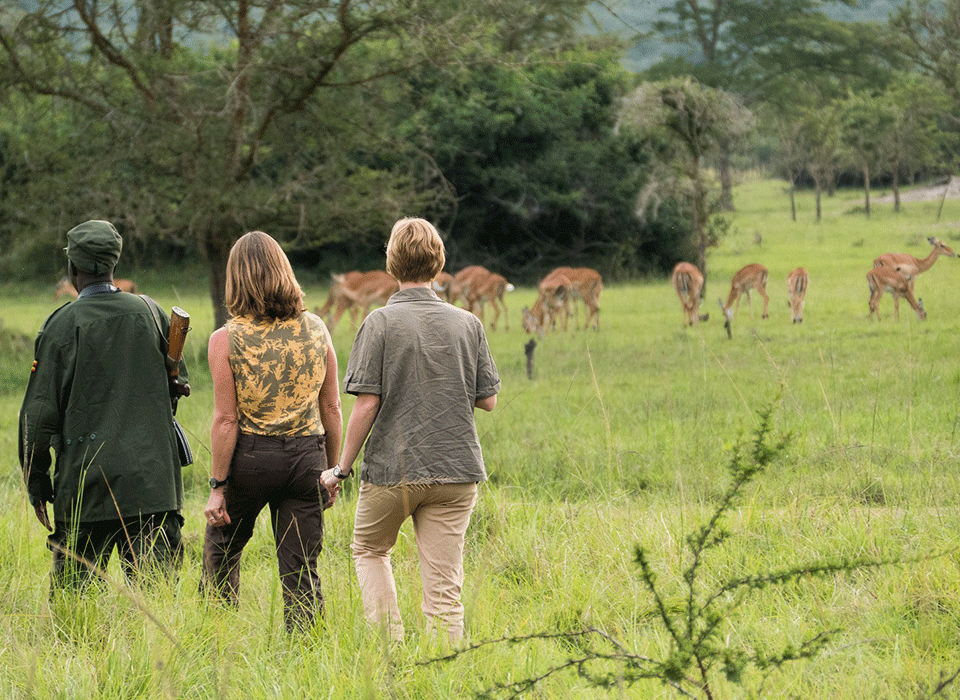
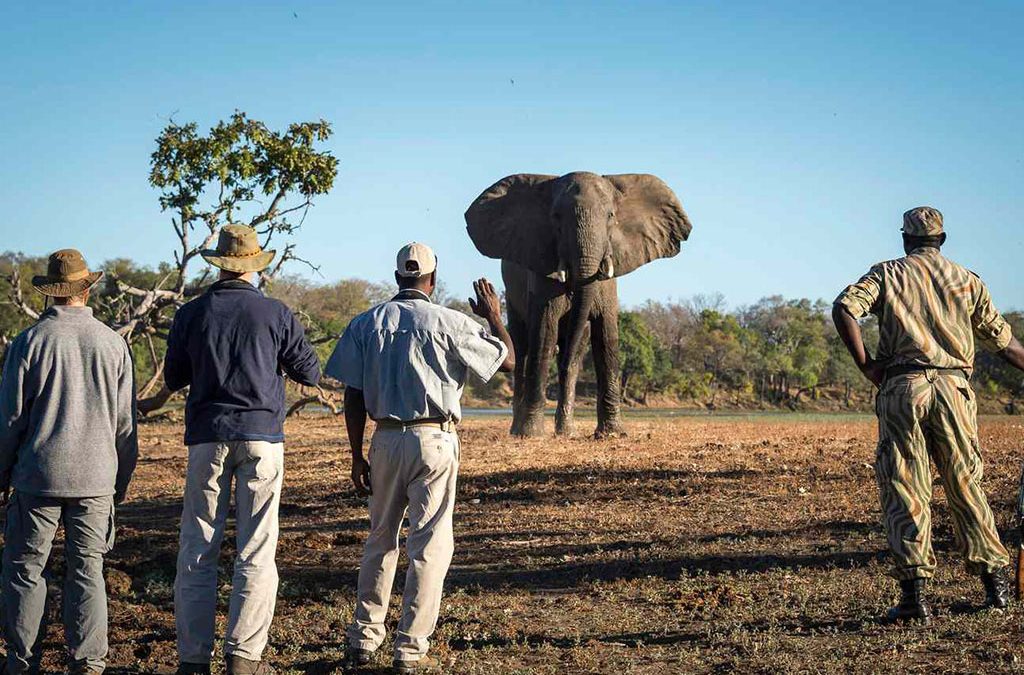
Top Destinations for Walking Safari in Kenya, Kenya is one of Africa’s most well-known safari destinations. Stay at personal and deluxe safari camps and lodges on your luxury Kenyan safari, witness the popular wildebeest migration across Masai Mara, or watch predators hunt unsuspecting prey. On a Kenya-guided walking safari, you will immerse yourself in nature without the distraction of a car. Enjoy views of Mount Kilimanjaro when walking in Amboseli National Park.
Most Kenyan national parks and reserves, including the Masai Mara Reserve, Samburu, and Tsavo, forbid walking safaris. Walking safaris, on the other hand, are legal and growing in popularity in nearby conservancies, private ranches, and wildlife concessions across the country. Walking safaris will highlight the tiny details in the bush, such as flora and animals, footprints, culture, and landscape. There are a few camps and sites in Kenya that specialize in walking safaris and below are some of them;
Here are the top destinations for walking safaris in Kenya, each offering unique landscapes, wildlife encounters, and cultural experiences:
Maasai Mara National Reserve
Found in the southwestern part of the country, Maasai Mara National Reserve is one of the world’s most impressive game reserves covering about 1,821 sqkm It is a habitat to several wildlife animals including the famous wildebeest that migrates from the park to Tanzania’s Serengeti National Park that borders the reserve to the south.
Apart from the great migration of the wildebeests that reserve has breathtaking game sights on game drives where you see lions, leopards, and elephants, among other things. A visit to this park is not only breathtaking but a safari haven for you.
Amboseli National Park
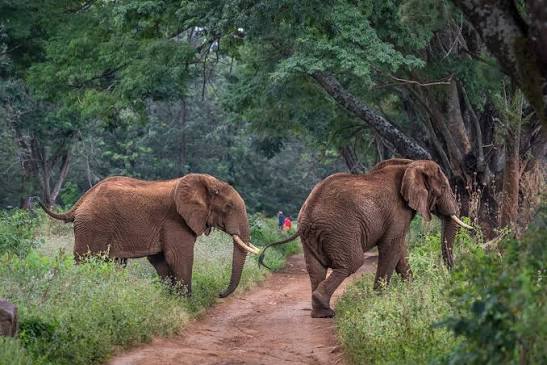
Amboseli National Park is called the elephant hub, it is indeed one of the best places for elephant viewing; the reserve has numerous herds of elephants, and you will not miss marveling at these large mammals and other animals like impalas, waterbucks, cheetahs, gazelles, elands, and many others. The reserve also has a wide range of bird species that are a delight to view as you here them make sweet noises. On your safari to this game reserve, you traverse different parts of the reserve including the sulfur springs, savannah and woodland vegetation, and the dry bed of Lake Amboseli.
Tsavo National Park
Tsavo National Park is the largest game park in Kenya covering a total area of about 13,747 km2 that is divided into East and West Tsavo. The park has a variety of attractions that range from waterfalls, volcanic hills, rivers, lava-rock plateau, savannah vegetation, and a wide range of wildlife.
The Eastern part of the park is known for the large herds of elephants and most of the other wildlife, the Galena River, the Yatta Plateau, Lugard Falls, pools filled with crocodiles, and mud and rock. This is the best part of the park for wildlife viewing.
The western part of the park is more tropical receiving more rain than the east with a differing landscape that makes the most amazing sceneries. West Tsavo has many natural springs that harbor crocodiles and hippos; the park also has craters and a rhino sanctuary. The side of the park is home to numerous bird species and is perfect for birding safaris.
Hell’s Gate National Park (Lake Naivasha, Rift Valley)
Hell’s Gate National Park is 68.25km², one of the smaller national parks in Kenya managed by Kenya Wildlife Service. The Park has an interesting topography of open savanna plains surrounded by huge volcanic rock boundaries. There are camphor and acacia trees all over and this is where to look for giraffes as they mainly feed on them. What’s unique about Hell’s Gate National Park is the fact that you can walk in the Park with good sightings of giraffes, zebras, warthogs, and many types of gazelles.
Samburu National Park
Samburu National Park has some of the best wilderness hiking trails in Kenya. The trails go through the beautiful Samburu hills to reveal exceptional rift valley scenery through the deeply forested region.
You start the hike at the base and gradually ascend to the Lesiolo escarpment at a 2,580-meter altitude. The Samburu people color your hiking trail with unique cultural dresses as you make your way through communities still practicing their ancient culture.
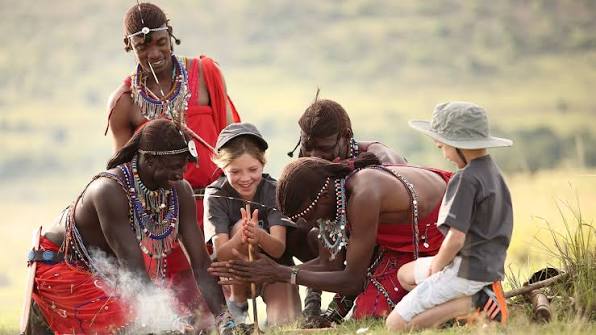
You can have a Samburu as your guide for in-depth learning of the native culture, food, and language as they share their experiences on the trail. You can also spend a night in their Manyatta houses.
Lake Nakuru National Park
Lake Nakuru National Park is a bird throng famous for the larger flocks of flamingos that live on the lake together with other about 450 bird species. The park though huge known for the flamingos is also a habitat for wild animals that include rhinos, waterbucks, leopards, lions, warthogs, and many others.
Lake Nakuru National Park also harbors a euphorbia candelabrum forest that is said to be the largest in Africa; the forest has tall branching succulents that give the park’s visitors amazing views.
Nairobi
Nairobi, Kenya’s capital and the largest city in the country is full of historic sites that can be explored on your visit to the city; the sites denote the olden days when the city was the capital for the British colonialists in East Africa and had a huge number of colonialists who settled in the city to partake in the then-booming coffee and tea business.
You can stop by the Nairobi National Museum to see exhibitions of the great Kenyan culture, history, nature, and art; another museum you can visit in the city is Blixen Museum which also has a rich history.
if you are not up to going out of the city for a wildlife adventure, you can visit Nairobi National Park for a wildlife adventure; the park is a black Rhino sanctuary and it’s also a habitat for other wildlife like the cape buffalo, lions, zebras, impalas, leopards among others.
Planning Tips for Walking Safaris.
Best Time to Visit: Dry seasons (June–October and January–March) when grass is shorter, and wildlife gathers near water sources.
Guided Tours: Always go with experienced guides for safety and deeper insights into the ecosystem.
Gear: Wear sturdy walking boots, neutral-colored clothing, a hat, and sunscreen. Carry water and insect repellent.
Combine Experiences: Many camps and conservancies offer walking safaris alongside game drives and cultural activities.
Let me know if you’d like help planning your walking safari or recommendations for specific lodges or tour operators!