Kenya Wildlife Safari: Hidden Spots Only Locals Know About
Kenya Wildlife Safari: Hidden Spots Only Locals Know About
Kenya is a land of breathtaking landscapes and rich biodiversity, making Kenya wildlife safari one of the premier destinations. While many tourists flock to famous parks like the Maasai Mara and Amboseli, countless hidden gems offer unique experiences away from the crowds. This blog will explore some of these secret spots, perfect for those looking to capture stunning wildlife photography, observe rare species, and immerse themselves in local culture.
Secret Spots for Big Cat Photography
Capturing the majesty of big cats in their natural habitat is a dream for many wildlife photographers. While iconic locations like the Maasai Mara are popular, there are lesser-known spots in Kenya that offer unique opportunities for stunning photography of these magnificent creatures.
Hidden Leopard Territories
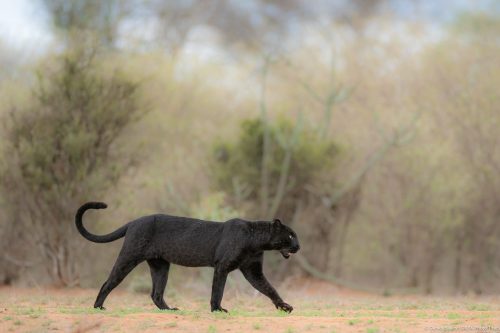
Leopards are notoriously elusive, preferring dense bush and forested areas where they can remain hidden. One of the best-kept secrets for leopard sightings is the Laikipia Plateau. This region is not only home to a diverse array of wildlife but also boasts a unique population of melanistic leopards, often referred to as black panthers. The Laikipia wilderness features acacia trees and rocky outcrops that create ideal habitats for these big cats.
Recent studies have shown that approximately ten melanistic leopards roam this area, with one individual, known as Giza, gaining particular fame due to her relaxed demeanor around vehicles. Photographers flock to Laikipia not just for the chance to see Giza but also to capture the stunning landscapes and other wildlife that inhabit the region, including elephants and dik-diks, which are crucial to the leopard’s diet.
Visitors can enhance their experience by staying at camps like Wilderness Camp or River Camp, where knowledgeable guides can lead you to prime leopard-viewing spots. The elevated vantage points at these camps provide breathtaking views of the surrounding landscape and increase your chances of spotting leopards in action.
Local Lion Pride Viewing Locations
For those interested in lion photography, Ruma National Park offers a hidden gem. This park is often overlooked by tourists, making it an ideal location for observing lions in their natural habitat without the crowds typically found in more popular parks. Ruma is home to a small population of lions that thrive in its thick grasslands and sparse human activity, providing excellent opportunities for capturing these majestic animals in their element.
The park’s remote location allows visitors to experience a more intimate safari atmosphere. Local guides are well-versed in the lions’ movements and behaviors, increasing your chances of encountering these powerful predators during your visit.
Cheetah Hunting Ground Secrets
The Samburu National Reserve is another lesser-known location that offers a unique opportunity to witness cheetahs in action. The open plains and riverbanks provide excellent vantage points for spotting these swift hunters as they pursue their prey. The reserve’s less-traveled paths mean fewer vehicles and distractions, allowing photographers to capture stunning images of cheetahs without interruption.
Local guides play a crucial role in enhancing your experience at Samburu. Their intimate knowledge of the cheetah’s habits and hunting grounds can significantly increase your chances of witnessing an actual hunt. The combination of dramatic landscapes and active wildlife makes Samburu an unforgettable destination for big cat photography enthusiasts
Underground Elephant-Watching Locations
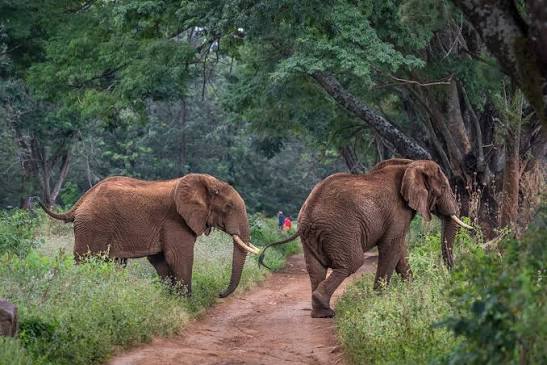
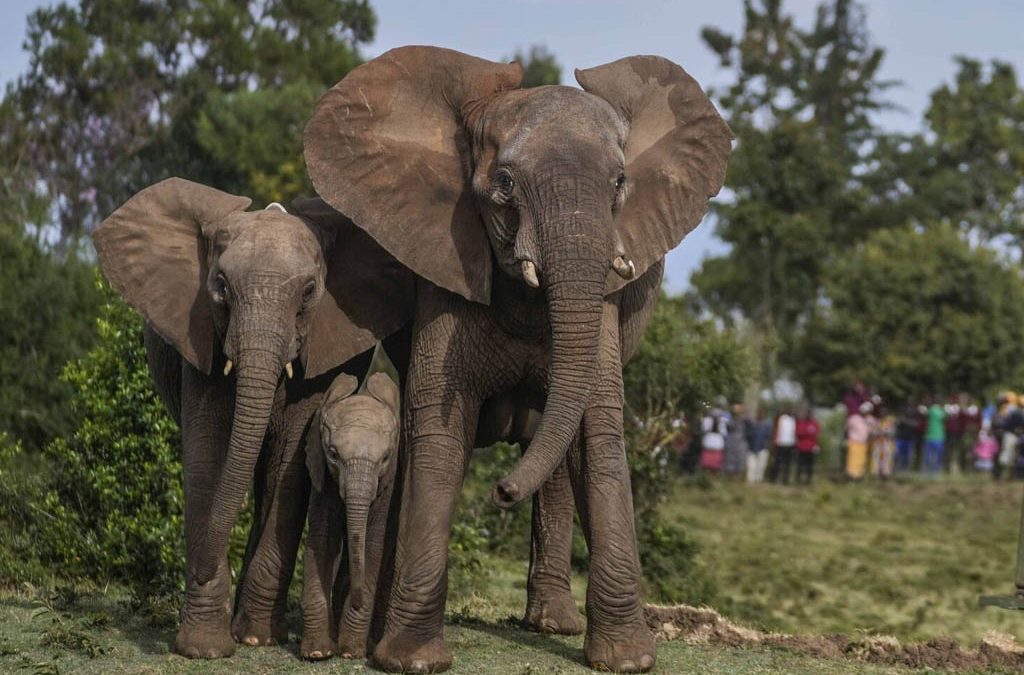
Elephants are one of Kenya’s most iconic animals, and there are several hidden spots where you can observe them closely in their natural habitats. These lesser-known locations not only offer incredible viewing opportunities but also allow for a more intimate experience with these gentle giants.
Hidden Forest Elephant Paths
In Aberdare National Park, you can explore lesser-known trails that lead to hidden elephant paths. These winding trails traverse lush bamboo forests and dense thickets, where elephants often forage for food. Guided hikes enhance your experience, as knowledgeable local guides share insights about the ecosystem while keeping an eye out for these magnificent creatures. The park’s unique topography allows for varied wildlife encounters, making it a prime location for both photography and observation.
Secret Mud Bath Locations
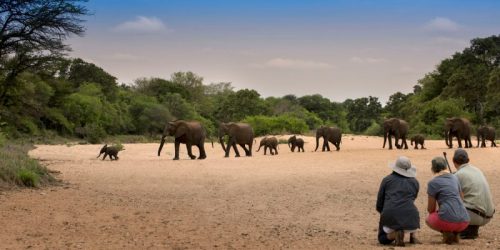
Tsavo East National Park is home to several secluded mud wallows where elephants congregate to cool off and socialize. These hidden spots are often overlooked by typical safari routes, providing an excellent opportunity for close-up photography without the usual tourist distractions. Observing elephants as they play and interact in the mud offers a unique perspective on their social behaviors. Early morning or late afternoon visits to these mud baths can yield the best sightings, as elephants are most active during these cooler parts of the day.
Local Tips for Close Encounters
Engaging with local guides can significantly enhance your elephant-watching experience. They possess invaluable knowledge about the best times and locations for sightings, ensuring you maximize your chances of encountering these majestic animals. For instance, early morning or late afternoon drives are optimal when elephants are most active and likely to be seen near water sources or feeding areas. Additionally, staying at eco-friendly lodges like Elephant Watch Camp in Samburu National Reserve allows you to enjoy the sight of elephants right from your tent, as they often wander close to the camp.
Lesser-Known Bird Watching Paradises
Kenya is a birdwatcher’s paradise with over 1,000 species recorded. Here are some hidden gems for bird enthusiasts.
Hidden Flamingo Feeding Grounds
Lake Nakuru is well-known for its flamingos, but nearby Lake Bogoria offers equally stunning views with fewer tourists. The hot springs along the lake attract thousands of flamingos, creating a spectacular sight against the backdrop of the Rift Valley.
Secret Raptor Nesting Sites
For raptor enthusiasts, Hell’s Gate National Park provides excellent nesting sites for various species. The cliffs and gorges serve as natural habitats for eagles and vultures, making it a perfect spot for observing these magnificent birds in flight.
Local Expert Birding Spots
Connecting with local birding experts can lead you to undiscovered locations where rare birds nest or feed. Some lesser-known reserves like Kakamega Forest offer guided tours that focus on endemic species found nowhere else in Kenya.
Hidden Primate Observation Points
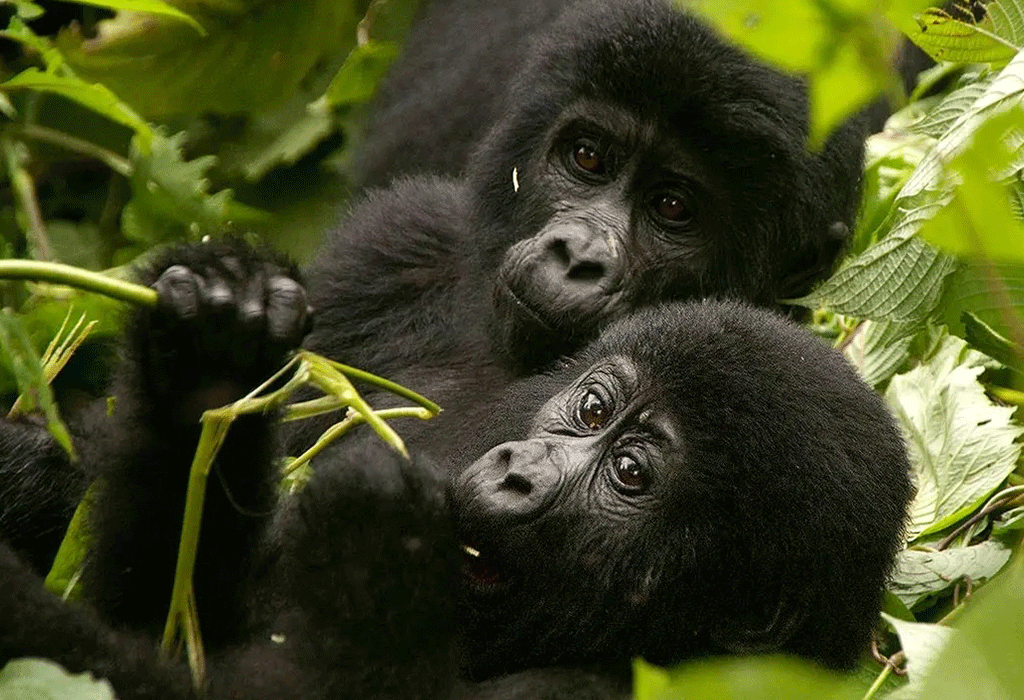
Kenya is home to diverse primate species, many of which can be observed in less-traveled areas.
Secret Monkey Troop Locations
The Kakamega Forest is not only rich in birds but also hosts various monkey species including blue monkeys and red-tailed monkeys. Guided walks through this tropical rainforest can lead you to active monkey troops engaged in their daily activities.
Local Baboon Viewing Spots
Baboons are commonly found throughout Kenya but observing them in their natural habitat can be more rewarding away from busy parks. Areas like Mount Kenya National Park offer opportunities to see olive baboons interacting socially without the interference of human presence.
Hidden Forest Canopy Walks
For a unique perspective on primate behavior, consider taking a canopy walk in Kakamega Forest or Aberdare National Park. These elevated walkways allow you to observe monkeys as they navigate through the treetops.
Unexplored Wetland Wildlife Havens
Wetlands are crucial ecosystems that support diverse wildlife. Here are some hidden wetland areas worth exploring.
Hidden Hippo Pools
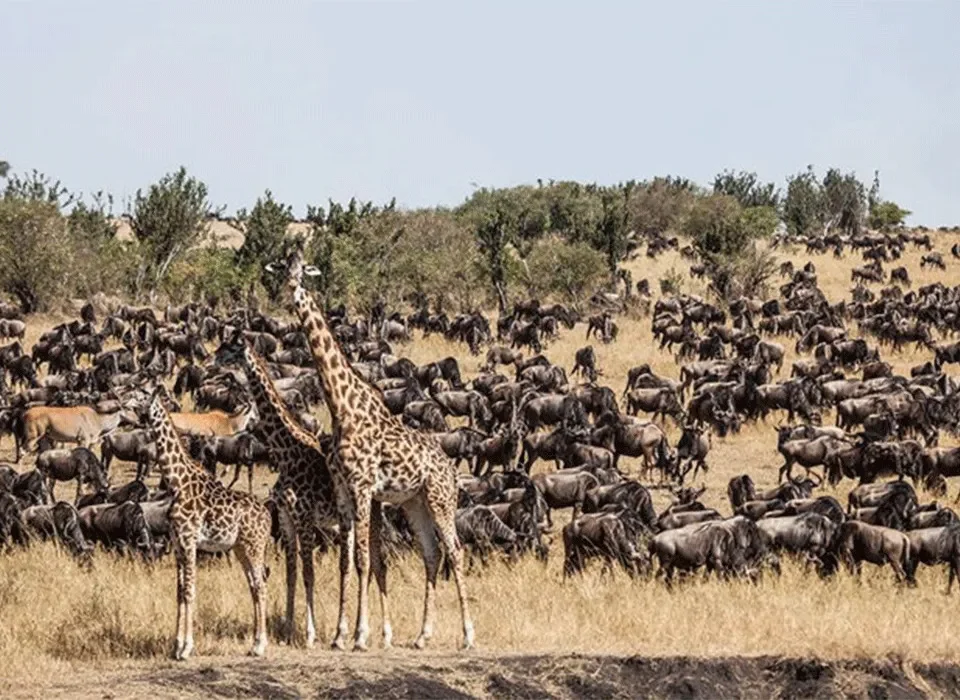
The Mara River, while famous for its migration crossings, has lesser-known pools where hippos gather away from tourist traffic. Exploring these secluded areas can provide serene encounters with these fascinating creatures.
Secret Crocodile Basking Spots
In Lake Naivasha, there are hidden coves where crocodiles bask undisturbed by visitors. Kayaking or taking a boat trip through these waters offers an intimate view of crocodile behavior while enjoying the stunning scenery.
Local Water Bird Viewing Areas
Wetlands around Lake Victoria provide excellent opportunities for spotting various water birds including herons and kingfishers. Engaging local guides can help you find prime viewing spots that are often overlooked by larger tour groups.
Off-Grid Antelope Tracking Spots
Antelopes are abundant in Kenya, but some areas remain relatively unexplored by tourists.
Hidden Gazelle Grazing Grounds
The Samburu region is known for its unique species such as the reticulated giraffe and Grevy’s zebra but also offers hidden grazing grounds for gazelles away from main roads. Exploring this area with a knowledgeable guide can yield rewarding sightings.
Secret Kudu Territories
For kudu sightings, venture into remote areas of Tsavo West National Park, where these majestic antelopes roam freely among rocky outcrops and dense bush. Their elusive nature makes them a thrilling find during off-the-beaten-path safaris.
Local Tracking Techniques
Learning tracking techniques from local guides enhances your experience and increases your chances of spotting antelope species that might otherwise remain hidden.
Secret Spots for Rare Species
Kenya is home to several endangered species that require special attention during safaris. By visiting lesser-known locations, travelers can support conservation efforts while experiencing the beauty of these rare animals in their natural habitats.
Hidden Black Rhino Territories
The Ol Pejeta Conservancy is a premier destination for those wishing to see black rhinos up close. This conservancy is renowned for its dedicated conservation initiatives, particularly focused on the critically endangered northern white rhino. Private tours are available, allowing visitors to observe these majestic creatures in their natural environment while contributing to vital conservation programs. The conservancy’s commitment to protecting rhinos also includes educational outreach and community development projects, ensuring that local communities benefit from wildlife tourism.
In addition to Ol Pejeta, Lake Nakuru National Park serves as another significant sanctuary for black rhinos. This park is famous for its picturesque landscapes and diverse wildlife, including both black and white rhinos. The combination of dense bush and open plains provides excellent opportunities for photographers and wildlife enthusiasts alike.
Local Pangolin Tracking Areas
Pangolins are among the most trafficked mammals globally, making them extremely difficult to spot in the wild. However, certain conservation areas near Laikipia have begun offering specialized tours focused on tracking these elusive creatures. These tours not only provide opportunities to observe pangolins but also aim to raise awareness about their plight and the importance of their conservation.
Engaging with local conservation organizations can enhance your experience by connecting you with knowledgeable guides who understand pangolin behavior and habitats. This unique opportunity allows visitors to contribute to ongoing efforts to protect one of the world’s most endangered species while enjoying an unforgettable wildlife experience.
Secret Locations for Endangered Species
Exploring lesser-known areas in Kenya can lead you to secret locations where various endangered species thrive under protection programs designed to minimize human impact on their habitats. For example, the Lewa Wildlife Conservancy is a key stronghold for several rare species, including the Grevy’s zebra and reticulated giraffe. This conservancy offers immersive experiences that allow visitors to witness these animals in their natural settings while supporting sustainable tourism practices.
Additionally, engaging with local conservation organizations can provide insights into specific areas where endangered species are being actively protected. Many of these organizations offer guided tours that focus on education and conservation, ensuring that your visit contributes positively to the preservation of Kenya’s unique wildlife heritage.
Hidden Cultural Wildlife Experiences
Wildlife experiences in Kenya extend beyond animal sightings; they also encompass rich cultural interactions with local communities.
Traditional Hunting Grounds Turned Sanctuaries
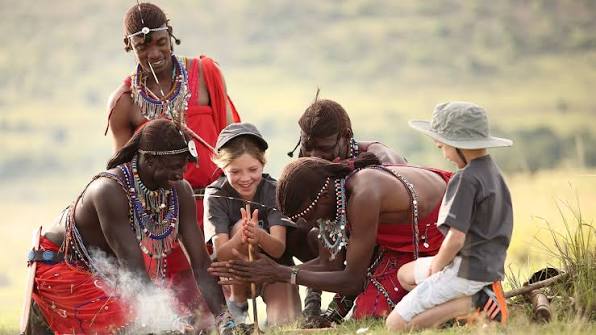
Visiting areas like Ruma National Park, which were once traditional hunting grounds, provides insight into how communities have transitioned towards conservation efforts while still honoring their cultural heritage through storytelling and guided tours led by locals.
Secret Ceremonial Wildlife Areas
Some regions host ceremonial gatherings that celebrate wildlife conservation efforts among indigenous communities. Participating in these events allows visitors to gain deeper insights into local beliefs surrounding wildlife preservation.
Local Wildlife Folklore Spots
Exploring cultural sites within national parks can reveal fascinating folklore related to specific animals revered by local tribes. Engaging with community leaders during your visit can enrich your understanding of how wildlife shapes cultural narratives in Kenya.
Conclusion
Kenya Wildlife Safari offers unparalleled opportunities for adventure seekers and nature lovers. Travelers can experience authentic encounters with wildlife while supporting local communities and conservation efforts by venturing off the beaten path. Whether you’re capturing stunning photographs of big cats or observing rare species in their natural habitats, these secret locations promise unforgettable memories that will last a lifetime. For those planning their next safari vacation, consider incorporating these lesser-known gems into your itinerary with Safari Vacations and Travel Services—your journey through Kenya will be all the more enriching!