Top Rated East Africa National Parks (Kenya)

Top-Rated East Africa National Parks (Kenya)
East Africa national parks are not just destinations; they’re realms where nature’s drama unfolds on a grand scale. Picture this: you’re nestled in the heart of the Serengeti, the golden savannah stretching endlessly before you, as a lion’s roar echoes through the morning mist. Moments like these make East Africa the ultimate safari destination.
For the ultimate safari lover, this list of East Africa’s national parks is your gateway to the most iconic and lesser-known game parks across Kenya, Uganda, Tanzania, and Rwanda.
1. Masai Mara National Reserve
Kenya’s Masai Mara National Reserve is a world-renowned wildlife sanctuary famous for its extraordinary biodiversity and the annual Great Migration. The Mara, as it’s affectionately known, is more than just a safari destination—it’s a place where nature’s raw power and beauty are on full display, offering an unforgettable experience for every traveller.
Geography and Landscape
The Masai Mara spans over 1,500 square kilometres and extendsfrom Tanzania’s Serengeti National Park. The reserve’s landscape is a mix of rolling grasslands, acacia woodlands, and riverine forests. The Mara River cuts through the reserve, creating a vital water source for the ecosystem and a focal point during the Great Migration.
The vast plains of the Mara provide an ideal environment for a wide range of wildlife, with the open savannah offering unobstructed views that are perfect for game viewing. The reserve’s altitude, ranging from 1,500 to 2,170 meters, results in a temperate climate, making it comfortable for year-round visits.
Wildlife and the Great Migration
Masai Mara is home to a magnificent variety of wildlife, including the Big Five—lions, leopards, elephants, buffalo, and rhinos. The reserve also boasts one of the highest densities of lions in the world, making sightings almost guaranteed. Cheetahs, hyenas, giraffes, zebras, and various antelope species are also commonly spotted.
The Great Migration, one of the World’s Seven Natural Wonders, is the reserve’s most famous event. Each year, between July and October, more than one million wildebeest and hundreds of thousands of gazelles and zebras make the perilous journey from the Serengeti to the Masai Mara in search of greener pastures. The Mara River crossings are particularly dramatic, as the animals face the dangers of swift currents and waiting crocodiles.
Birdlife in the Masai Mara
The Masai Mara has over 470 recorded bird species, making it a haven for birdwatchers. The reserve’s varied habitats support a diverse avian population, including raptors like the martial eagle, the secretary bird, and the African fish eagle. Waterbirds are plentiful around the Mara and Talek rivers, while the grasslands are home to ostriches and the ground hornbill.
Cultural Experiences
The Masai Mara is named after the Maasai people, known for their distinctive customs, dress, and strong connection to the land. When you visit a Maasai village (manyatta), you’ll experience their way of life, watch them perform traditional dances, and marvel at their craftsmanship. Engaging with the Maasai provides a deeper understanding of human history that is intertwined with the Mara’s natural heritage.
Best Time to Visit Masai Mara National Park
The Masai Mara is a year-round destination. However, visiting the park from July to October during the dry season is best. This period coincides with the Great Migration, offering the chance to witness the river crossings and large concentrations of wildlife. However, the Mara remains rich in game throughout the year, with plenty to see even outside the migration season.
Activities in the Masai Mara
Game Drives: The most popular way to explore the Masai Mara is through game drives, which can be done in the early morning, late afternoon, or even at night. The open-sided vehicles offer unobstructed views of the wildlife.
Hot Air Balloon Safaris: For a unique perspective, hot air balloon safaris at dawn provide a breathtaking aerial view of Mara’s landscapes and wildlife. It’s a serene and unforgettable experience, often followed by a champagne breakfast in the bush.
Walking Safaris: Led by experienced Maasai guides, walking safaris offer an intimate encounter with the Mara’s flora and fauna. These guided walks provide insights into the more minor details of the ecosystem that are often missed on game drives.
Cultural Visits: Add a cultural dimension to your safari experience by spending time in a Maasai village, learning about their traditions, and witnessing their vibrant dances.
2. Amboseli National Park
Amboseli National Park is nestled at the foot of Mount Kilimanjaro, Africa’s highest peak. This East African park is a destination that mesmerises visitors with its breathtaking scenery and rich wildlife. Known as the “Land of Giants,” Amboseli is famous for its large elephant herds roaming the park against the dramatic backdrop of Kilimanjaro’s snow-capped summit. This game reserve in Africa is a must-visit for any traveller looking to experience the diverse landscapes and iconic wildlife that East Africa offers.
Geography and Landscape
This national park in eastern Africa covers approximately 392 square kilometres and is one of Kenya’s smaller national parks. Despite its size, the park’s diverse landscapes make it a microcosm of East Africa’s varied ecosystems. The park has open plains, acacia woodlands, marshes, and swamps. The seasonal Lake Amboseli, which swells with water during the rainy season, is another critical feature, attracting various bird species and other wildlife.
However, the park’s most iconic feature is its view of Mount Kilimanjaro. Rising 5,895 metres above sea level, Kilimanjaro is the tallest free-standing mountain in the world. It provides a stunning backdrop to Amboseli’s landscapes. The mountain’s snow-covered peak creates a striking contrast with the dry plains and is a photographer’s dream.
Wildlife of Amboseli
The park is home to some of the largest elephants in Africa, many of which have been studied extensively by conservationists. These gentle giants are often seen moving in large herds across the plains. Amboseli’s elephants are known for their impressive tusks.
In addition to elephants, the park hosts other wildlife, such as cheetahs, lions, leopards, buffalo, and hippos. The park’s wetlands and marshes attract numerous bird species, making Amboseli a popular destination for birdwatching. The open plains also have grazers like zebras, wildebeests, and gazelles, which attract the park’s predators.
One of the unique aspects of Amboseli is the proximity at which you can observe the animals. The lack of dense vegetation means that wildlife is easily spotted, and the park’s flat terrain allows for excellent visibility, making it an ideal location for photographers and wildlife enthusiasts.
Cultural Experiences
Amboseli is also home to the Masai people. Visiting a Maasai village offers travellers a chance to learn about the Maasai’s traditional way of life, including their customs, dances, and distinctive attire. Engaging with the Maasai community adds a rich cultural layer to the Amboseli experience. It provides insights into how these communities coexist with the natural world.
Best Time to Visit Amboseli National Park
The best time to visit Amboseli National Park is during the dry season, from June to October and January to February. During these months, the park’s wildlife congregates around the few surviving water sources, making it easier for you to spot animals. The clear skies also provide unobstructed views of Mount Kilimanjaro, enhancing the overall experience. However, the park’s marshes and swamps ensure that wildlife viewing remains good year-round, even during the wet season.
Activities in Amboseli National Park
Game Drives: Amboseli is best explored through game drives, which allow you to cover large areas of the park and maximise your chances of seeing a wide range of wildlife. Early morning and late afternoon are the best times for game drives when animals are most active.
Bird Watching: With over 400 bird species, Amboseli is a birdwatcher’s paradise. The park’s wetlands are particularly rich in birdlife, with species such as pelicans, kingfishers, and the African jacana commonly seen.
Photographic Safaris: Amboseli’s landscapes and wildlife offer unparalleled opportunities for photography. Whether capturing the iconic image of an elephant with Kilimanjaro in the background or the vibrant colours of a Maasai village, the park is a photographer’s dream destination.
Cultural Visits: A visit to a Maasai village (manyatta) offers a fascinating insight into the Maasai culture. You’ll have the opportunity to meet the villagers, watch traditional dances, and learn about their customs and way of life.
Walking Safaris: For those interested in getting closer to nature, walking safaris led by Maasai guides offer a more intimate experience. These walks allow you to explore the park on foot, observe the smaller details of the ecosystem, and learn about the medicinal uses of plants and Maasai tracking techniques.
3. Tsavo National Parks (East and West)
Tsavo National Park, believed to be the largest national game park in East Africa (and one of the largest game reserves in the world), is divided into two separate sections: Tsavo West and Tsavo East. Covering a combined area of over 22,000 square kilometres, these parks are a treasure trove of wildlife, diverse landscapes, and historical significance. Tsavo’s vast wilderness offers a raw and untamed East Africa safari experience, making it a must-visit for adventurers and nature lovers alike.
Geography and Landscape
Tsavo East is characterised by its open savannahs, with the red soil lending a unique hue to the landscape. This park section is relatively flat, making it ideal for spotting wildlife. The Galana River, one of the few permanent rivers in Tsavo, snakes its way through the park, providing a vital water source for the animals.
Tsavo West offers a more dramatic landscape, with volcanic hills, dense bush, and acacia woodlands. The park’s rugged terrain is interspersed with swamps, natural springs, and the stunning Shetani Lava Flow—a vast expanse of dark volcanic rock. The Mzima Springs, a series of crystal-clear pools, are a key attraction where visitors can view crocodiles and hippos inside an underwater viewing chamber.
Wildlife in Tsavo East and West
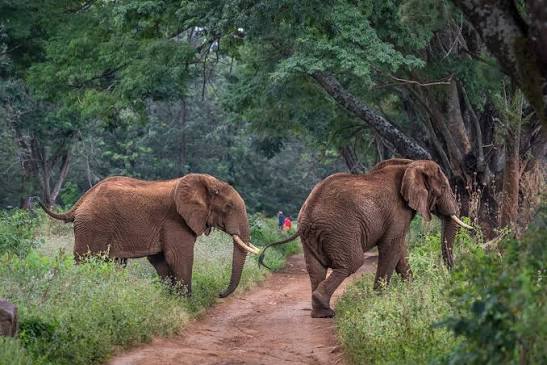
Tsavo is home to diverse wildlife, including the famous “Red Elephants”, named for the reddish-brown dust they bathe in. The parks are also known for their large populations of lions, leopards, buffalo, and rhinos. The lions of Tsavo, particularly the infamous man-eaters of Tsavo East, have a unique history tied to the construction of the Kenya-Uganda railway.
Tsavo East is a haven for birdwatchers, with over 500 bird species recorded, including the African skimmer, red-and-yellow barbet, and striking vulturine guineafowl. The park’s open plains make spotting large herds of elephants, cheetahs, and giraffes easier.
Tsavo West is known for its dense vegetation, which can make wildlife spotting more challenging but rewarding. The park is home to the elusive African wild dog and a variety of other predators, such as hyenas and jackals. The Chyulu Hills, located within the park, provide a stunning backdrop and are a sanctuary for rhinos.
Key Attractions
Mzima Springs (Tsavo West): These natural springs are fed by underground rivers from the Chyulu Hills and provide a vital water source for the park’s wildlife. Visitors can watch hippos, crocodiles, and fish through an underwater viewing chamber.
Lugard Falls and the Galana River (Tsavo East): Named after British colonial administrator Frederick Lugard, these falls are more a series of rapids than waterfalls. The Galana River’s dramatic rock formations and swirling waters create a picturesque scene.
Yatta Plateau (Tsavo East): The world’s longest lava flow, stretching over 300 kilometres, offers stunning views of the park. The plateau is a geological wonder, starkly contrasting the surrounding flatlands.
Shetani Lava Flow (Tsavo West): A remnant of volcanic activity, this vast expanse of black, hardened lava is a striking feature in the park. The flow is around 500 years old and offers an eerie yet fascinating landscape to explore.
Rhino Sanctuary (Tsavo West): The Ngulia Rhino Sanctuary is an area within the park for protecting the endangered black rhino. These elusive creatures can be easily spotted within the sanctuary’s boundaries.
Cultural and Historical Significance
Tsavo holds a deep historical significance, particularly for its role in the construction of the Kenya-Uganda railway in the late 19th century. The most famous story from this period is that of the Man-Eaters of Tsavo, a pair of lions that terrorised the railway workers, killing dozens before they were eventually hunted down.
The parks are also culturally important to the local communities, including the Taita, Kamba, and Maasai people, who have coexisted with the wildlife for generations. Exploring Tsavo offers a chance to learn about the region’s rich history and culture, adding depth to the safari experience.
Best Time to Visit Tsavo National Parks
The best time to visit Tsavo is during the dry season (June to October and January to February). During these months, the vegetation is thinner, making wildlife easier to spot and animals more likely to congregate around water sources. However, Tsavo’s large size and diverse landscapes mean that you can have a unique experience at any time of the year.
Activities in Tsavo National Parks
Game Drives: Both Tsavo East and West offer excellent game drive opportunities, with the chance to see a wide range of wildlife. Early morning and late afternoon are the best times for game viewing.
Bird Watching: Tsavo is a birdwatcher’s paradise, with many species to observe. The parks’ diverse habitats support both resident and migratory birds. Birding enthusiasts will have the time of their lives here!
Bush Walks: Guided bush walks allow visitors to explore the parks on foot, offering a more intimate experience with the landscape and wildlife. These walks are led by experienced rangers and provide insights into the ecosystem’s minor details.
Cultural Visits: Visits to local communities near the parks offer a deeper understanding of the culture and traditions of the Taita, Kamba, and Maasai people. These experiences often include traditional dances, crafts, and storytelling.
Photography: Tsavo’s diverse landscapes and wildlife offer endless opportunities for photography. From the dramatic vistas of the Yatta Plateau to the close encounters with the Red Elephants, the parks are a photographer’s dream.
4. Lake Nakuru National Park
Lake Nakuru National Park, a UNESCO World Heritage Site, is one of Kenya’s most iconic and accessible wildlife sanctuaries. Known for its striking soda lake, teeming with pink flamingos, and its diverse wildlife, the park offers a distinctive blend of beauty and biodiversity. Located in the Great Rift Valley, this park is a gem that attracts both seasoned safari-goers and first-time visitors.
Geography and Landscape
Lake Nakuru National Park spans approximately 188 square kilometres, with the shallow, alkaline Lake Nakuru at its heart. Surrounding the park are wooded and bushy grasslands, providing a picturesque backdrop to the shimmering lake. The park’s landscapes are varied, ranging from sweeping savannahs and dense acacia forests to rocky escarpments and euphorbia trees.
The park is part of the Great Rift Valley, which has its dramatic landscapes, including cliffs, waterfalls, and the Menengai Crater, one of the largest volcanic craters in the world. The lake fluctuates in size depending on rainfall, and its alkaline waters are rich in algae, which attracts the famous flamingo population.
Wildlife of Lake Nakuru
Lake Nakuru National Park is popular for its rich wildlife. The park is one of the best places in Kenya to see rhinos, both the endangered black and the more common white rhinos. The park’s protected status has helped create a sanctuary for these majestic creatures, making it a critical area for rhino conservation.
The lake often has thousands of flamingos, which create a pink fringe around its edges. In addition to flamingos, the park features over 450 bird species, making it a haven for birdwatchers. Other notable bird species include the African fish eagle, pelicans, and cormorants.
Lake Nakuru is also home to various mammals, including lions, leopards, buffalo, and waterbuck. The park’s diverse habitats are home to popular herbivores, such as zebras, giraffes, and impalas, which graze the open plains. The park’s acacia woodlands shelter the elusive leopard and are a great place for spotting these solitary cats.
Key Attractions
The Flamingos: Perhaps the most iconic image of Lake Nakuru is the vast flocks of flamingos that line the shores. The sight of thousands of pink birds feeding and flying against the backdrop of the lake is nothing short of spectacular.
Baboon Cliff: This viewpoint offers stunning panoramic views of the lake and the surrounding park. It’s a perfect spot for photography and gives visitors a sense of the park’s scale and beauty.
Makalia Falls: Located on the park’s southern edge, Makalia Falls is a seasonal waterfall that is particularly impressive during the rainy season. The area around the falls is also a good spot for wildlife viewing.
Rhino Sanctuary: Lake Nakuru is one of Kenya’s most important rhino sanctuaries. The park’s protected environment has allowed both black and white rhinos to thrive, making it one of the best places in the country to see these endangered animals.
Euphorbia Forest: The park is home to the largest Euphorbia forest in Africa. These towering cactus-like trees create a surreal landscape and provide a unique habitat for various wildlife.
Best Time to Visit Lake Nakuru National Park
The best time to visit Lake Nakuru National Park is during the dry season (July to October and January to February). The animals are easier to spot during these months as they congregate around the lake and other water sources. The dry season also offers better opportunities for viewing flamingos, as the lower water levels concentrate the algae, attracting more birds.
The wet season (March to June and November to December) is also an excellent time to visit, especially for birdwatching, as migratory birds are present during these months. The wet season gives you a lush and green park, and the waterfalls are at their most dramatic. However, it may be harder to spot wildlife during this season. Wildlife can be harder to spot due to the thicker vegetation.
Activities in Lake Nakuru National Park
Game Drives: The park’s compact size makes it easy to explore on a game drive, with a high chance of spotting rhinos, lions, and other wildlife. Early morning and late afternoon are the best times for game drives.
Bird Watching: With over 450 species of birds, Lake Nakuru is a birdwatcher’s dream. The lake’s shores, acacia woodlands, and cliffs provide diverse habitats for both resident and migratory birds.
Photography: The park’s stunning landscapes and rich wildlife make it a fantastic location for photography. Whether capturing the flamingos in flight or a rhino grazing in the savannah, there are countless photo opportunities.
Hiking and Walking Safaris: Several park areas, including the forested regions and the cliffs, are ideal for guided walking safaris. These walks offer a more intimate experience with the landscape and allow for closer observation of the smaller details of the ecosystem.
Picnicking: The park has several designated picnic sites, including Baboon Cliff and Makalia Falls, where visitors can relax and enjoy the scenery while having a meal.