Who is Eligible To Track Gorillas?
Who is Eligible To Track Gorillas?
Who is Eligible To Track Gorillas? Gorilla trekking eligibility determines whether you can see mountain gorillas in the wild rainforests of Africa.
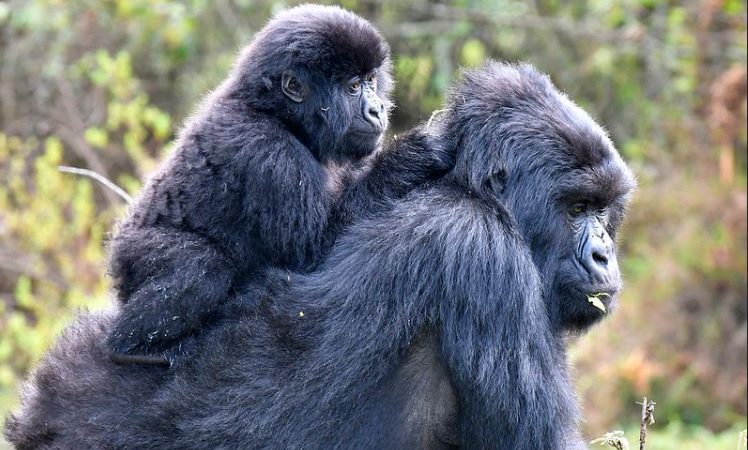
Gorilla trekking is one of the best travel experiences in the world. This is because you get to see gorillas in their natural world and look into their sad kind and calming red eyes. Another part of the appeal is the fact that you can only see mountain gorillas in three countries. These are Uganda, Rwanda, and DR Congo.
Because of conservation reasons, gorilla trekking has restrictions. Though these countries invite everyone, there are some eligibility requirements one should meet. Read on to learn whether you could come and see gorillas in their natural habitat.
Gorilla trekking eligibility in Uganda & Rwanda
Age Restrictions
The biggest restriction for gorilla trekking is the age restriction. All persons must be 15 years and older to venture into the rainforests for mountain gorilla trekking.
This age is set for conservation and safety reasons for both the children and the gorillas. The guidelines observed to make sure that gorilla trekking stays a non-disruptive activity for the gorillas and their natural environment would be hard to follow with younger people around.
Additionally, gorillas and humans share above 95% of the DNA. There can be transmission of transspecies diseases, especially from children who are still developing.
Please note that the conservation bodies strictly observe age restrictions. Therefore, visitors need to present a valid passport or ID before starting their gorilla trek.
If you intend to travel as a family and some children are below 15 years old, please inform us. There are other activities that we can arrange for them on the day of gorilla trekking. Talk to our team and we can advise according to what would work best for your specific case.
Gorilla tracking permit.
To make sure that the gorilla’s lives and ecosystem stay away from interruptions, UWA and RDB issue gorilla permits. They limit gorilla permits to regulate tourism and human activity. Therefore, every person who goes to see gorillas needs to have a gorilla trekking permit for a specific day.
The gorilla permit is issued for a specific date and gorilla tracking location in the given national park. Gorillas live in groups or families. A maximum of 8 visitors visit each family every day.
This is why booking your permits is very important. It helps you make sure that you don’t find them when they have already run out.
Gorilla permits are always in high demand and they can get sold out any time of the year regardless of whether it is high tourist season or not.
As your tour operator, we make sure that we secure your permit. We also make sure that we pay for it on your behalf so that when you arrive in Uganda, we have done everything you want.
This gives you the peace of mind to soak in all the experiences you have been looking forward to – in this case, a personal encounter with endangered mountain gorillas.
No Transmittable Diseases
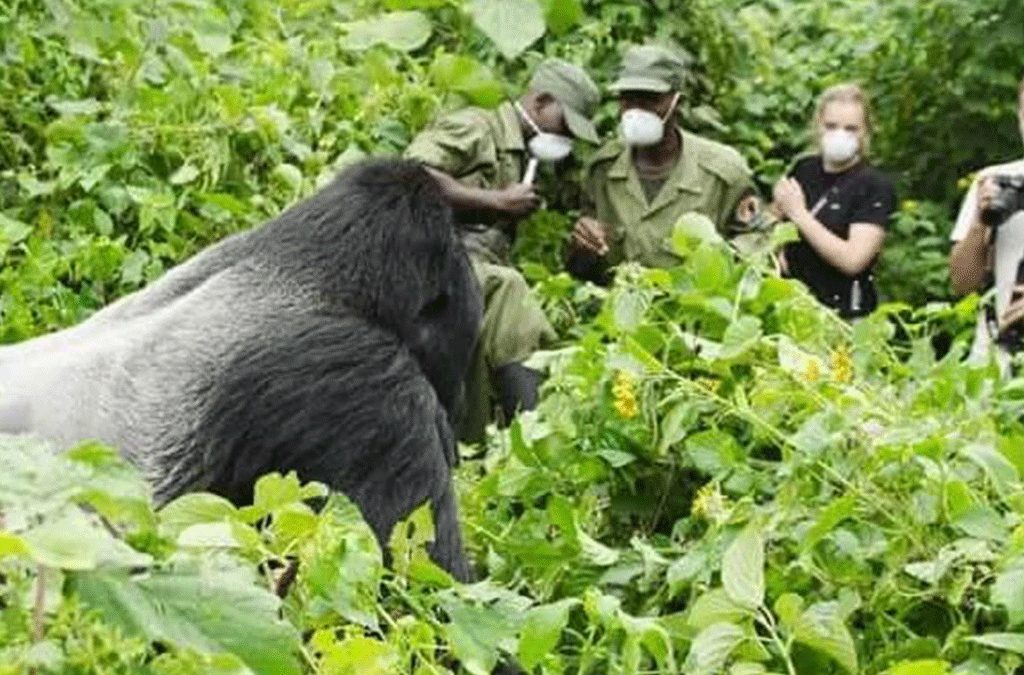
We share around 98% of our DNA with gorillas. The risk with that is that we can transmit diseases to them, and vice versa. Gorillas can catch transmittable diseases like cough, flu, colds, COVID-19, yellow fever, and diarrhea from humans.
This means you should make sure that you are free of these before your gorilla trek. These illnesses are easy to catch and spread, which could potentially lead to an outbreak among the gorillas.
Diseases are harder to track and treat among the gorillas. This is because they move every day and keep interacting among themselves.
Physical Fitness
Gorillas live in high-altitude mountainous areas with steep slopes very thick rainforests and undergrowth. Gorilla treks are not easy and can take between 1 and 6 hours before you find the gorillas.
This is why a good amount of physical fitness is important. The truth is you will walk and feel your legs. It is not just a walk in the park.
With this in mind, there are some tracking zones where the terrain is slightly easier. By letting us know of this ahead of time, we can plan such that your gorilla trek is in a slightly easier area.
For people with disabilities who would love to see gorillas, feel free to contact us. We can organize and get some local porters from the nearby communities to carry you for the gorilla trek on a sedan chair. This is at an extra cost but many people who have disabilities or are more advanced in age have had their encounters with gorillas.
Best time to do gorilla trekking in Uganda.
Who is Eligible To Track Gorillas?- The best time to see gorillas. The best time to go on gorilla trekking safari in Uganda is during the dry season, from June to August and December to February. During this time, the weather is mild and sunny, making it easier to move the forest trails. These periods offer the best conditions for gorilla trekking. There’s minimal rain and mud, allowing for clearer views and better photography opportunities.
Additionally, the dry seasons coincide with the gorillas’ food scarcity. This makes them more sedentary and easier to track, increasing the chances of a successful and memorable encounter. Also, gorilla trekking safari is possible as well during the wet season or rainy season in March to May and September to November. During the wet season, there are lower accommodation prices thus making more affordable option for gorilla trekking. Furthermore, the gorillas tend to descend to lower altitudes in search of food, making them easier to track and increasing the chances of successful encounters. The wet season’s cooler temperatures and misty atmosphere create a mystical and immersive experience. This allows trekkers to connect with nature and the mountain gorillas uniquely and unforgettably.
The dry seasons offer the most favorable conditions for an unforgettable gorilla trekking safari experience.
Packing Essentials for Your Trek
Who is Eligible To Track Gorillas?- Packing List. Proper packing is essential to ensure a comfortable and enjoyable trekking experience. When preparing for your safari, consider bringing lightweight, moisture-wicking clothing suitable for varying weather conditions. Sturdy hiking boots are a must, as the terrain can be uneven and muddy. It’s advisable to dress in layers to adapt to changing temperatures in the forest. Other essential items include a daypack, a refillable water bottle, and snacks for energy during the trek. A camera with a good zoom lens will help you capture unforgettable moments, while binoculars are useful for birdwatching. Don’t forget to include insect repellent, sunscreen, and a small first-aid kit. Safari Vacations and Travel Services will provide a packing list in detail to ensure you prepare thoroughly.
Conclusion
While the restrictions have definitely delayed some people’s gorilla encounters, or even made it impossible, the intentions behind them are good and we fully uphold these.
In our experience, most of the above eligibility points are perfectly okay. They’re also not a problem when you do the right and timely communication. The strictest regulation is about age, but as mentioned, there is always a way for us to organize your trip and observe the rules.
We would love to hear from you about any questions you have. They may be regarding gorilla trekking in Uganda and Rwanda or any other way we can help. If you are thinking about planning a trip, take a look at the itineraries we have on this website. We are certain they will inspire your next great adventure.