Niche Safari Experiences in Uganda

Niche Safari Experiences in Uganda
Uganda is renowned for its diverse wildlife and stunning landscapes, making it a prime destination for safari enthusiasts. Niche safari experiences in Uganda cater to specific interests, allowing travelers to engage deeply with the unique aspects of Uganda’s natural and cultural heritage. These specialized safaris focus on activities such as birdwatching, primate tracking, cultural immersion, and adventure sports, offering a more personalized and enriching experience than traditional safaris. Visitors can appreciate Uganda’s rich biodiversity and vibrant cultures by exploring these niche offerings while contributing to conservation efforts and local communities.
Defining Niche Safari Experiences
Niche safari experiences are tailored travel options that focus on specific interests or activities within the broader context of wildlife tourism. Unlike conventional safaris that prioritize game viewing or luxury accommodations, niche safaris delve into particular themes such as birdwatching, gorilla trekking, or cultural exchanges with local communities. This approach allows travelers to engage more meaningfully with their surroundings and fosters a deeper understanding of Uganda’s ecological and cultural diversity. For instance, a birdwatching safari might include guided tours led by local ornithologists who share insights about the region’s unique avian species, enhancing the overall experience.
What makes Uganda an ideal destination for niche safari experiences
Uganda stands out as an ideal destination for niche safari experiences due to its unique combination of biodiversity, varied landscapes, and rich cultural heritage. Here are several key factors that contribute to its appeal:
Diverse Ecosystems
Uganda is home to a remarkable variety of ecosystems, ranging from savannahs and wetlands to rainforests and mountain ranges. This ecological diversity allows for a wide array of niche safari experiences. For instance, travelers can engage in traditional game drives in national parks like Queen Elizabeth and Murchison Falls, while also enjoying primate tracking in the dense forests of Bwindi Impenetrable National Park or Kibale National Park. This combination of environments enables visitors to experience both terrestrial and arboreal wildlife in one trip, making Uganda a unique safari destination that cannot be easily replicated elsewhere.
Abundant Wildlife
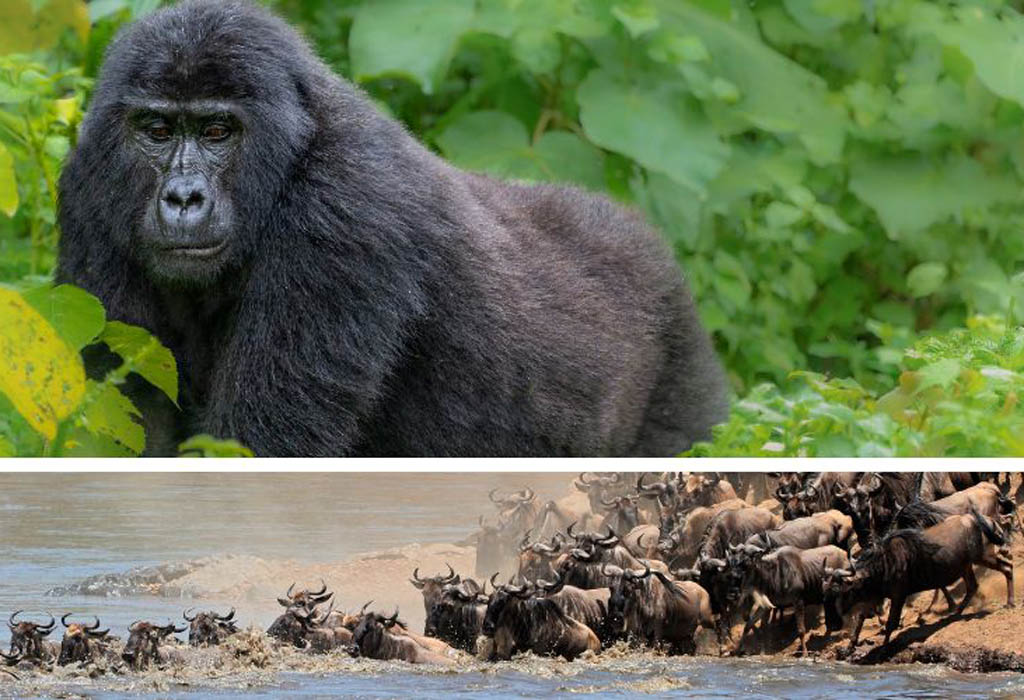
While Uganda may not boast the sheer numbers of wildlife found in countries like Kenya or Tanzania, it compensates with unique species and experiences. The country is home to approximately half of the world’s remaining mountain gorillas, which can be tracked in their natural habitat. Additionally, Uganda offers opportunities to see tree-climbing lions in Queen Elizabeth National Park and various primate species, including chimpanzees and golden monkeys. This focus on specific wildlife encounters allows for more intimate and personalized safari experiences.
Lesser-Known Parks
Many of Uganda’s national parks remain relatively undiscovered compared to more famous safari destinations. This means that visitors can enjoy a more tranquil experience without the crowds often found in other regions. Parks like Kidepo Valley National Park offer stunning landscapes and exceptional wildlife viewing opportunities while providing a sense of exclusivity and adventure. The chance to explore these less-traveled areas enhances the overall safari experience by allowing for deeper engagement with nature.
Cultural Richness
Uganda’s diverse cultural landscape adds another layer to its appeal as a niche safari destination. With over 56 ethnic groups, each with its traditions, languages, and customs, visitors have the opportunity to engage in cultural immersion safaris. These experiences can include village visits, traditional cooking classes, and participation in local festivals, allowing travelers to connect with Ugandan culture on a personal level. This cultural aspect enriches the safari experience by offering insights into the lives of local communities.
Adventure Opportunities
For those seeking adventure beyond traditional wildlife viewing, Uganda provides numerous active pursuits. From white-water rafting on the Nile River to hiking in the Rwenzori Mountains or exploring the shores of Lake Victoria, adventure enthusiasts can find plenty of options. This emphasis on adventure tourism complements wildlife experiences, making Uganda an attractive destination for travelers looking for a multifaceted vacation.
Sustainable Tourism Practices
Uganda is increasingly focused on sustainable tourism practices that benefit both wildlife conservation and local communities. Many safari operators prioritize eco-friendly accommodations and responsible wildlife viewing guidelines that minimize human impact on natural habitats. By participating in niche safari experiences that support conservation efforts, travelers contribute directly to the preservation of Uganda’s unique ecosystems while enjoying their adventures.
In summary, Uganda’s combination of diverse ecosystems, abundant wildlife, lesser-known parks, rich cultural heritage, adventure opportunities, and commitment to sustainable tourism makes it an ideal destination for niche safari experiences. Whether one is interested in primate tracking, birdwatching, or cultural immersion, Uganda offers something unique for every traveler seeking an unforgettable safari experience.
Importance and Benefits
Engaging in niche safari experiences offers numerous benefits both for travelers and for Uganda as a destination. For travelers, these experiences provide an opportunity to connect with nature and culture more profoundly, often leading to memorable encounters that standard tours may not offer. Additionally, niche safaris can promote sustainable tourism practices by emphasizing conservation and community involvement. For Uganda, these specialized offerings help diversify the tourism sector, attract different types of visitors, and support local economies through community-based initiatives. Ultimately, niche safaris contribute to the preservation of Uganda’s rich biodiversity while enhancing visitor satisfaction.
Uganda as a Safari Destination
Uganda is often referred to as the “Pearl of Africa” due to its breathtaking landscapes and rich wildlife diversity. The country’s unique geographical location at the convergence of several biogeographic regions results in an extraordinary variety of ecosystems ranging from savannahs to rainforests. This diversity not only supports a wide array of wildlife but also creates numerous opportunities for niche safari experiences that cater to different interests.
Geographical Overview
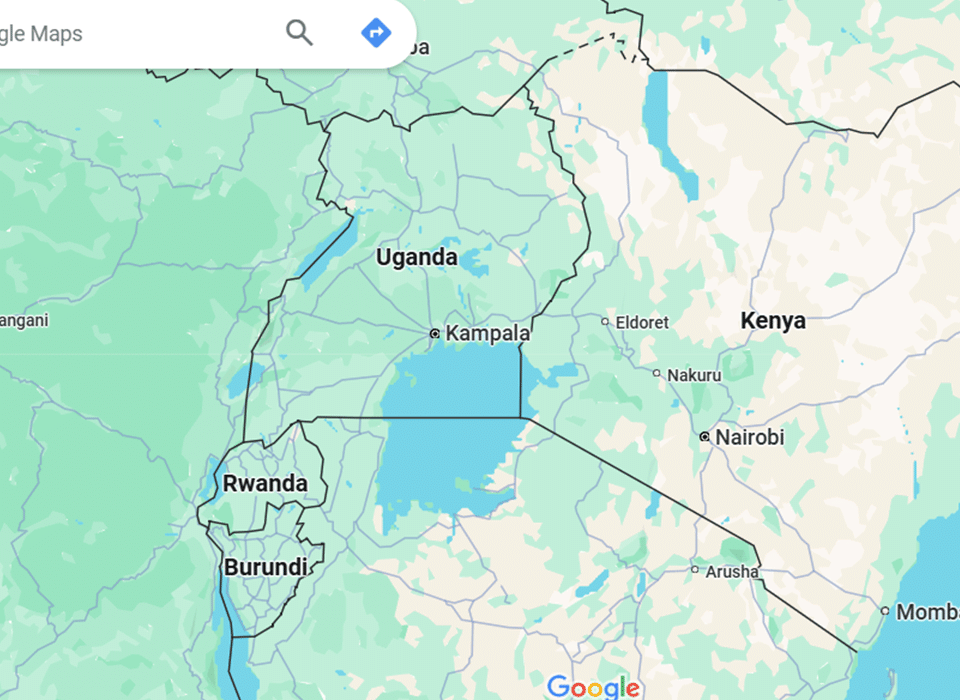
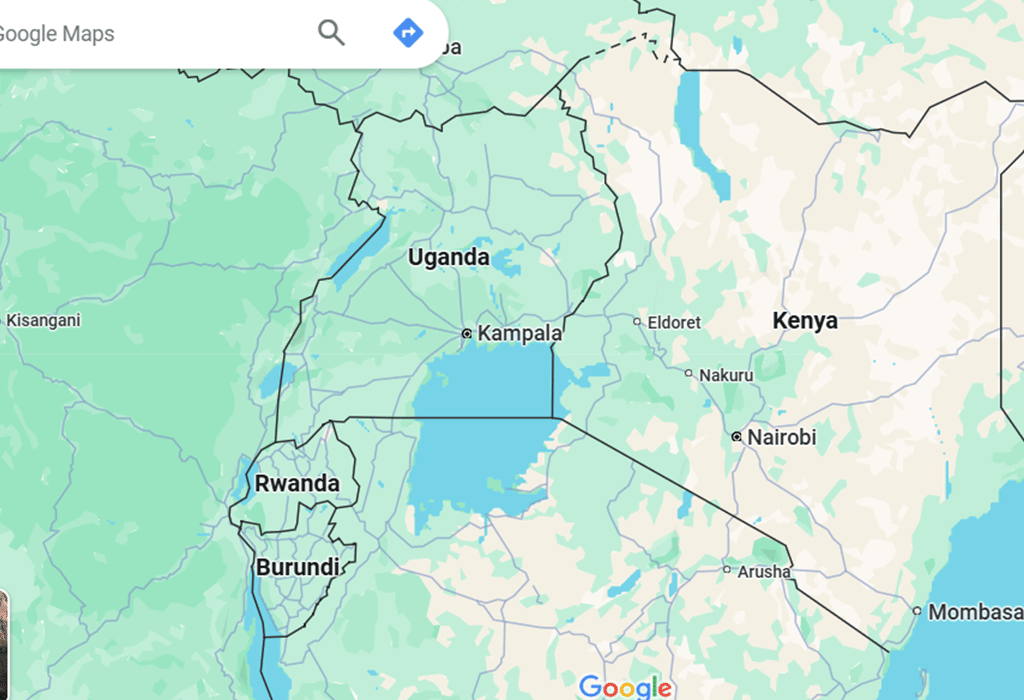
Located in East Africa, Uganda is a landlocked country bordered by Kenya, Tanzania, Rwanda, the Democratic Republic of Congo, and South Sudan. The country features diverse landscapes that include the snow-capped Rwenzori Mountains, vast savannahs in Kidepo Valley National Park, and lush rainforests in Bwindi Impenetrable National Park. The Nile River flows through Uganda, providing opportunities for water-based activities such as white-water rafting and boat cruises. This geographical variety not only enhances the appeal of safaris but also supports an impressive range of flora and fauna.
Biodiversity and Conservation Efforts
Uganda is home to over 18,783 recorded species of flora and fauna, making it one of Africa’s most biodiverse countries. The country boasts ten national parks and numerous wildlife reserves that protect endangered species such as mountain gorillas and chimpanzees. Conservation efforts are critical in Uganda due to threats from habitat loss and poaching. Organizations like the Uganda Wildlife Authority work tirelessly to promote sustainable tourism practices that benefit both wildlife conservation and local communities. By participating in niche safari experiences, travelers contribute directly to these conservation efforts while enjoying unique encounters with Uganda’s rich biodiversity.
Types of Niche Safari Experiences
Uganda offers a variety of niche safari experiences that cater to different interests and preferences. These specialized safaris allow travelers to immerse themselves in specific aspects of Uganda’s natural environment or cultural heritage.
Birdwatching Safaris
Uganda is a birdwatcher’s paradise with over 1,000 recorded bird species, including several endemic species found nowhere else on Earth. Birdwatching safaris often take place in key locations such as Bwindi Impenetrable National Park and Queen Elizabeth National Park. Guided by local experts who know the best spots for sightings, birders can enjoy observing rare birds like the shoebill stork or the green-breasted pitta. These safaris not only provide unforgettable experiences but also contribute to conservation efforts by raising awareness about avian habitats.
Primate Tracking Safaris
Primate tracking is one of Uganda’s most popular niche safari experiences due to its status as home to nearly half of the world’s remaining mountain gorillas. Tours typically take place in Bwindi Impenetrable National Park or Mgahinga Gorilla National Park, where small groups can track these majestic creatures in their natural habitat. In addition to gorillas, visitors can also engage in chimpanzee tracking at Kibale Forest National Park or spot golden monkeys in Mgahinga. These intimate encounters promote conservation awareness while providing travelers with unforgettable memories.
Cultural Immersion Safaris
Cultural immersion safaris offer travelers a chance to engage directly with local communities and learn about their customs and traditions. These experiences may include village visits, traditional cooking classes, or participation in local festivals. By connecting with Ugandan culture firsthand, visitors gain insights into the daily lives of local people while supporting community-based tourism initiatives that empower residents economically. Such interactions foster mutual respect and understanding between tourists and host communities.
Adventure and Active Safaris
For those seeking adrenaline-pumping activities amidst stunning landscapes, adventure safaris are an excellent choice. Options include white-water rafting on the Nile River in Jinja, hiking in the Rwenzori Mountains National Park, or mountain biking through scenic trails near Lake Bunyonyi. These active pursuits allow travelers to experience Uganda’s natural beauty while engaging in physically rewarding activities that promote wellness and adventure tourism.
Key Safari Destinations in Uganda
Uganda boasts several national parks that are essential for any safari itinerary. Each park offers unique attractions and opportunities for niche safari experiences.
Bwindi Impenetrable National Park
Bwindi Impenetrable National Park is renowned for its population of mountain gorillas; it hosts nearly half of the world’s remaining gorilla population. Visitors can participate in guided gorilla trekking excursions that allow them to observe these magnificent creatures up close while contributing to their conservation through permit fees that support local communities. The park’s dense forests are also home to diverse bird species and other wildlife, making it an ideal destination for both primate tracking and birdwatching.
Kidepo Valley National Park
Located in northeastern Uganda near the border with South Sudan, Kidepo Valley National Park is celebrated for its stunning landscapes and abundant wildlife. The park offers opportunities for game drives where visitors can see elephants, lions, cheetahs, and various antelope species against a backdrop of dramatic mountains. Kidepo is less visited than other parks but provides a truly authentic safari experience away from the crowds.
Queen Elizabeth National Park
Queen Elizabeth National Park is one of Uganda’s most popular destinations due to its diverse ecosystems that include savannahs, wetlands, and forests. Visitors can enjoy game drives where they might spot tree-climbing lions or embark on boat cruises along the Kazinga Channel to see hippos and crocodiles up close. The park is also known for its impressive birdlife with over 600 species recorded, making it an excellent choice for birdwatching enthusiasts.
Community-Based Tourism Initiatives
Community-based tourism initiatives play a vital role in promoting sustainable tourism practices while benefiting local communities economically.
Overview and Objectives
Community-based tourism aims to empower local populations by involving them directly in tourism activities while preserving their cultural heritage and natural resources. This approach encourages visitors to engage with local communities through homestays or guided tours led by residents who share their stories and traditions. Prioritizing community involvement in
Success Stories and Impact
Successful community-based tourism projects have emerged across Uganda that highlight the positive impact on local livelihoods while fostering cultural exchange between visitors and residents. For example, initiatives around Bwindi Impenetrable National Park have empowered women’s groups through handicraft production or eco-tourism ventures that provide income opportunities while promoting conservation awareness among tourists.
Sustainable Practices in Niche Safari Experiences
Sustainable practices are essential for ensuring that niche safari experiences benefit both travelers and local communities without harming ecosystems.
Responsible Wildlife Viewing
Responsible wildlife viewing involves adhering strictly to guidelines set forth by conservation authorities when observing animals in their natural habitats—this includes maintaining safe distances from wildlife during treks or drives while minimizing disturbances caused by human presence. Such practices not only protect animal welfare but also enhance visitor experiences by allowing them greater chances at genuine interactions without undue stress on animals.
Eco-Friendly Accommodations
Many lodges throughout Uganda prioritize eco-friendly practices designed specifically around sustainability principles—these may include using solar power systems for energy needs or sourcing food locally from nearby farms whenever possible—ensuring minimal environmental impact while providing comfortable accommodations for guests eager for immersive nature experiences during their stay.
Local Community Involvement
Involving local communities within tourism operations fosters mutual respect between tourists visiting rural areas seeking authentic cultural interactions while empowering residents economically through employment opportunities generated by visitor spending within their neighborhoods—this creates win-win scenarios where both parties benefit significantly from shared interactions rooted deeply within Ugandan culture itself!
Challenges and Future Directions
Despite its many advantages as a safari destination focused on niche experiences; challenges persist requiring ongoing attention moving forward into future developments within this sector!
Balancing Tourism and Conservation
Striking a balance between promoting tourism growth while ensuring effective conservation measures remain intact poses significant challenges across various regions throughout Uganda—this necessitates collaboration among stakeholders including government agencies; NGOs; and private sector players; as well as community members themselves who must work together towards achieving common goals aligned around sustainability principles!
Mitigating Overtourism
As demand grows rapidly within certain hotspots like Bwindi Impenetrable National Park; managing visitor numbers becomes crucial—implementing strategies aimed at reducing overcrowding during peak seasons will help maintain quality experiences without compromising environmental integrity associated with fragile ecosystems found within these protected areas!
Innovations and Trends
Emerging trends such as technology integration into tour operations (e.g., mobile apps providing real-time information) alongside increased emphasis placed upon experiential learning opportunities (e.g., educational programs focused on conservation) indicate promising directions ahead! By embracing innovation alongside traditional practices rooted deeply within Ugandan culture; stakeholders can create dynamic offerings appealing directly to evolving traveler preferences seeking meaningful connections during their adventures across this beautiful nation!