7 Days Rwanda Primates Tour

7 Days Rwanda Primates Tour
Seven days. Two extraordinary forest parks. Three different primate encounters. This complete Rwanda itinerary is built around conservation-led tracking, realistic transfers and time to enjoy the landscapes between adventures.
7 Days Rwanda Primates Tour: Trip Overview
The 7 Days Rwanda Primates Tour brings together Rwanda’s three signature primate experiences—mountain gorillas, golden monkeys and chimpanzees—within one carefully paced week. You begin and finish in Kigali, explore the misty slopes of Volcanoes National Park, pause beside Lake Kivu, and enter Nyungwe’s ancient rainforest. Unlike a trip that tries to add distant savannah parks, this journey leaves real time for forest tracking, changing mountain weather, and rest between memorable wildlife encounters.
This Rwanda primate safari is designed for travelers who value observation over ticking off destinations. Tracking conditions vary considerably: gorilla groups may be close to the trailhead or several demanding hours uphill, golden monkeys often move through thick bamboo, and chimpanzees can travel quickly through high forest canopy. No wild encounter is guaranteed. Local ranger teams, official permits and sensible flexibility are more important than a minute-by-minute promise.
The route works especially well for first-time visitors who want gorilla trekking in Rwanda alongside lesser-known wildlife. Its seven days include six nights, three principal primate activities and opportunities to add a colobus walk, canopy experience or cultural stop when permits and conditions allow. It does not include Akagera game drives; that deserves a separate extension rather than a rushed diversion from the forests.
Who Is the 7 Days Rwanda Primates Tour Best For?
Couples, wildlife photographers, small private groups and independent-minded nature enthusiasts will enjoy the itinerary. Expect early mornings, changing temperatures and substantial walking on uneven ground. A comfortable vehicle and well-located lodges make the travel days easier, but they do not remove the physical demands of tracking. Ask about porter support, walking poles and realistic trek difficulty if you have mobility concerns. Families must also check activity-specific minimum ages before buying permits.
Travelers considering a shorter holiday can compare a five-day gorillas and Nyungwe trip, but seven days make a meaningful difference. There is more space for the golden monkey excursion, for a calm Lake Kivu stop and for a second Nyungwe forest outing. That extra time also protects the itinerary from becoming exhausting when rain or mountain roads slow an otherwise straightforward transfer.
7-Day Rwanda Primates Safari Itinerary at a Glance
Day 1: Kigali arrival and transfer to Volcanoes National Park. Day 2: Guided mountain gorilla trekking. Day 3: Golden monkey tracking and optional community visit. Day 4: Scenic transfer via Lake Kivu to Nyungwe. Day 5: Early chimpanzee tracking and possible canopy walkway. Day 6: Colobus or nature walk, birding and forest time. Day 7: Return to Kigali for departure. All transfers should be adjusted to the confirmed lodge and permit locations.
This sequence places the most physically demanding outing early, before the long cross-country drive. It also gives Nyungwe more than one night, which is useful because the park’s chimpanzee tracking departures are early and walking times are unpredictable. Some operators reverse the direction and begin with Nyungwe. Either version can work, but the operator should confirm trekking dates before fixing hotels and international flights.
Day 1: Arrive in Kigali and Travel to Volcanoes National Park
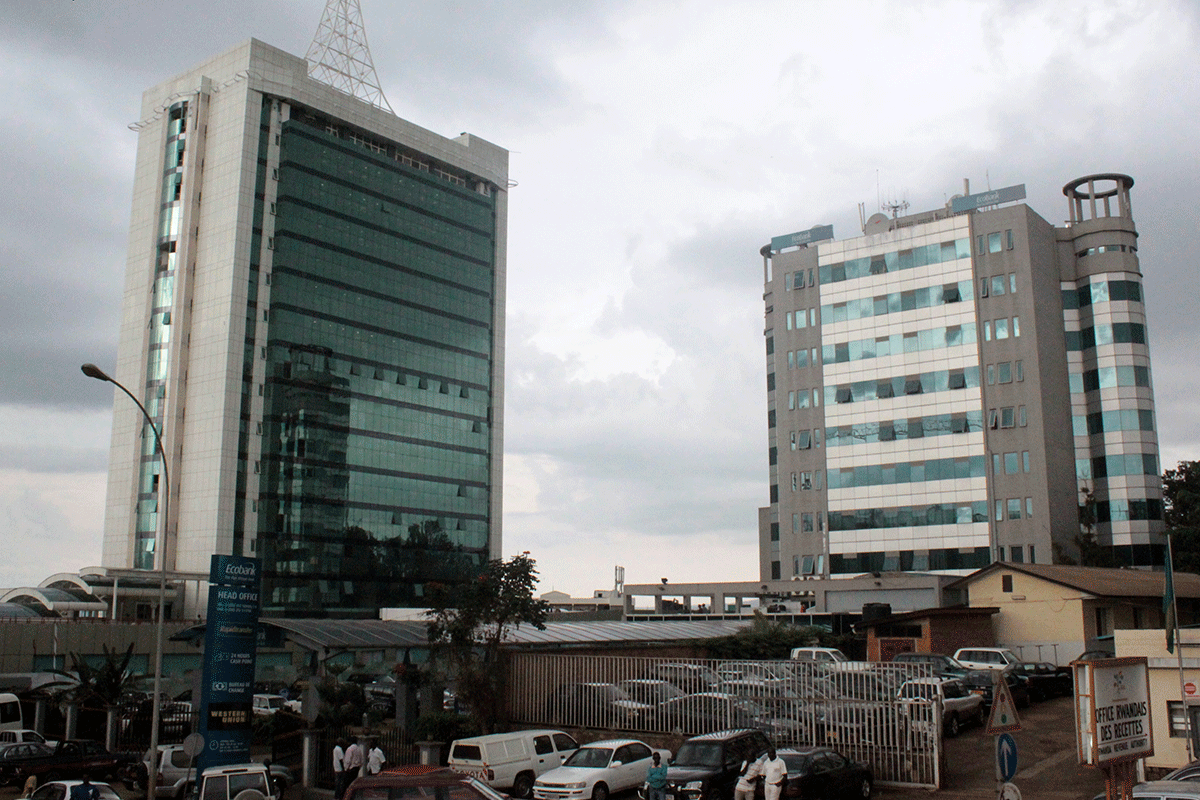
Your guide meets you at Kigali International Airport or a prearranged city hotel. If your flight is early enough, spend a little time understanding Kigali’s layout, collecting any essential cash and buying drinking water or snacks. A visit to the Kigali Genocide Memorial may be possible on a longer arrival day; this is a place for thoughtful reflection, not a rushed photo stop. Flights arriving late in the evening should usually be paired with a Kigali overnight.
Drive northwest toward Musanze and the foothills of Volcanoes National Park, normally a journey of roughly two to three hours in ordinary conditions. The scenery changes from an energetic capital to terraced hills, small settlements and volcanic silhouettes. You may want a stop to stretch your legs and appreciate the agricultural landscape, but avoid a late arrival at the lodge because the following day begins early with a briefing.
After check-in, review the next morning’s procedure with your guide. Have your passport or other accepted identification ready for permit checks, make sure your daypack is weatherproof and arrange a packed meal if your lodge offers one. Confirm that your Rwanda gorilla tracking guidelines have been explained, especially visitor distance, photography rules and behavior around the animals. A short briefing now reduces confusion when everyone meets at the park headquarters.
Accommodation can range from comfortable family-run guesthouses in Musanze to high-end forest-edge lodges around Kinigi. Choose a property based on access to the trekking briefing point, not merely the most dramatic photograph. In wet periods a shorter morning drive is valuable. Dinner and an early night are recommended; you want energy for tomorrow rather than a late evening chasing optional entertainment.
Day 2: Mountain Gorilla Trekking in Volcanoes National Park
Today is usually the emotional center of the 7 Days Rwanda Primates Tour. After an early breakfast, meet the park staff at the designated briefing location. Visitors are assigned to permitted trekking groups and guided by trained rangers, with trackers helping locate habituated gorilla families. Group allocation depends on management decisions, location and conditions, not a guest’s promise of an easy walk. Your guide can pass on reasonable accessibility concerns, but cannot guarantee a particular family.
The trek can move through bamboo, tangled vegetation, muddy paths and steep ground. In cooler mountain air you may start with a fleece and finish sweating under a rain jacket. Keep a measured pace, listen to the lead ranger and allow room for other guests on narrow sections. A porter is particularly helpful for carrying water and a small pack. Detailed preparation for gorilla trekking difficulty can make the experience more enjoyable and reduce unnecessary stress.

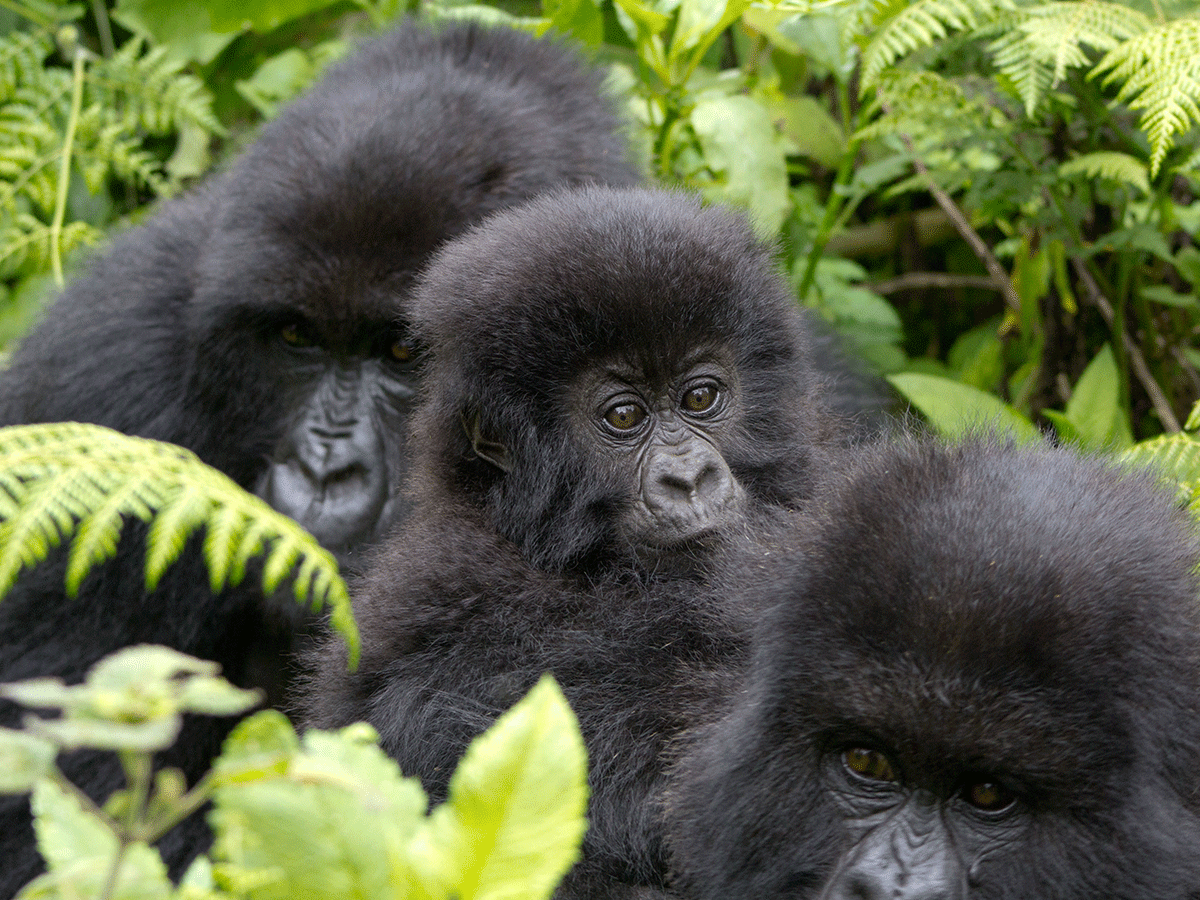
When the gorillas are located, the standard visit with the habituated family is limited to one hour. That short period can feel remarkably full: young animals may tumble through vegetation while adults feed, groom or rest nearby. Sometimes the entire group is visible; sometimes the forest offers only brief views. Visitors should never approach for a better angle, block a gorilla’s route or imitate vocalizations. Following the ranger’s directions matters more than bringing expensive camera equipment.
Make your primate travel dates work with verified permit availability.
A mountain gorilla is not a zoo exhibit, and the ethics of the visit shape its quality. Keep your distance as instructed, do not trek when ill, avoid flash photography and leave nothing behind. The article on ethical gorilla trekking discusses why controlled visitor numbers and conservation financing matter. Rwanda’s standard international gorilla permit is listed at US$1,500 by the official booking portal at the time of writing, with different eligibility-based rates for some categories; confirm your personal rate before payment.
After your trek, return for lunch, a shower and well-earned rest. If you finish unusually early, enjoy the lodge gardens or a gentle village walk arranged with an appropriate local host. Resist the temptation to schedule another strenuous mountain climb that afternoon. The gorilla encounter is often richest when you have time afterward to review photographs, record what the ranger explained and simply appreciate what you observed.
What Makes Gorilla Trekking in Rwanda Special?
Volcanoes National Park protects mountain gorilla habitat in the Virunga massif, surrounded by communities and a heavily managed conservation landscape. The experience is intimate precisely because access is controlled. For perspective on the animals themselves, mountain gorillas in Rwanda explains the setting, while mountain gorilla trekking duration helps you plan around an uncertain finish time. One full trekking day is more realistic than assuming you will be back at your lodge before lunch.
Day 3: Golden Monkey Trekking in the Virunga Bamboo Zone
Return to the park meeting point for a different primate encounter. Golden monkey trekking explores the bamboo-dominated habitat used by these lively, strikingly colored monkeys. Compared with gorillas, they may move rapidly through dense stems, leap between branches and spend more time foraging in groups. Watching the interaction between adults and juveniles gives the morning a different pace and allows excellent behavioral observation when visibility is good.

Golden monkeys are wild and may be high in the vegetation or partly screened by leaves. During golden monkey observation, a fast shutter speed, patience and attention to the ranger’s positioning advice are more useful than expecting an unobstructed portrait. The official Rwanda Development Board booking portal lists a US$100 standard foreign-visitor permit and a minimum age of twelve years, while some eligible visitor categories have alternative rates. Confirm the price, age rules and document requirements when booking rather than assuming they match gorilla trekking.
The outing often leaves time for a slower afternoon. You might visit a locally operated cultural program, enjoy an arranged craft activity or explore the Musanze area with your driver. Choose visits that explain daily life respectfully and compensate hosts fairly. Some guests also consider a conservation-related stop, but operating hours and reservations should be checked in advance. The purpose is to deepen the visit rather than manufacture a packed schedule after another early start.
For visitors who particularly enjoy monkeys, compare the broader golden monkey experience with the gorilla day. These animals have different habitat preferences and social patterns, which makes both activities worthwhile even for guests who have already seen primates elsewhere in Africa. An evening with a view of the volcanoes is a fitting end to your stay in the north before the journey toward Lake Kivu and Nyungwe.
Day 4: Volcanoes, Lake Kivu and the Journey to Nyungwe
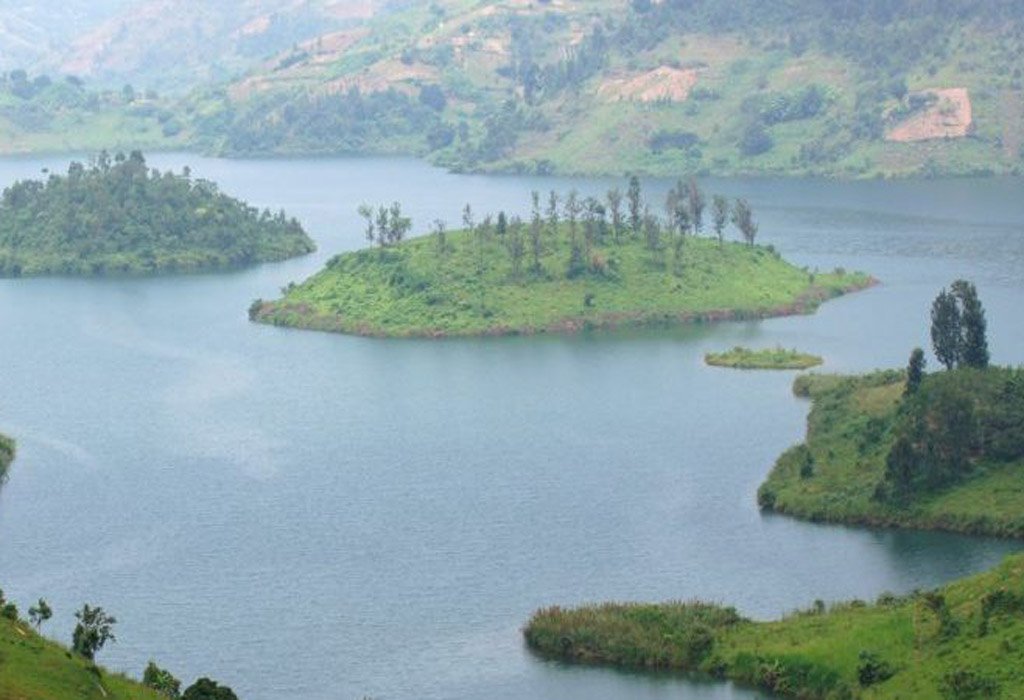
Leave the volcanic highlands and head toward Rwanda’s western landscapes. Depending on the roads, your lodge and the chosen route, the transfer to Nyungwe is a long travel day; allow most of the daylight rather than relying on optimistic map estimates. A planned stop beside Lake Kivu creates a welcome change after three busy mornings. The water, green hills and lakeside settlements make an excellent setting for lunch or a short supervised walk.
Lake Kivu can be incorporated in several ways: a brief shoreline stop, a longer lunch with lake views or a separate overnight if you extend the tour beyond seven days. A boat outing should only be added if the weather, operator, vessel and timing are suitable. Never assume that every section of the shore or nearby border area is appropriate for casual independent exploration. Check current official travel advice and ask your local guide to plan a sensible route.
Continue south toward Nyungwe, where tea-growing hills gradually give way to dense evergreen forest. This is not a day to add several unrelated attractions. Road conditions, rain and occasional congestion can make a transfer longer than expected. You may arrive in time for sunset views or simply dinner, depending on the final route. The most important task is preparing for the very early chimpanzee activity that follows.
Choose accommodation near the side of Nyungwe used for your confirmed tracking permit. A lodge with beautiful views but a very long pre-dawn transfer can make an otherwise manageable safari tiring. Before dinner, ask exactly when the group must depart, how breakfast will be handled and whether rain gear can be borrowed. Forest conditions differ from the Volcanoes foothills: humidity, narrow trails and rapid showers become part of the experience.
Day 5: Chimpanzee Trekking in Nyungwe Forest and Canopy Walk
A pre-dawn start takes you to your assigned tracking meeting point. Nyungwe’s chimpanzees are remarkably mobile, and tracking may involve listening for calls, crossing uneven slopes and following experienced rangers as the animals move through tall forest. Unlike the often slower gorilla observation, chimpanzees may appear briefly and disappear into the canopy. Anyone planning chimpanzee tracking should approach it as a search in genuine habitat, not a guaranteed close-up encounter.
Make your primate travel dates work with verified permit availability.
The forest is a living soundscape: birds call from several levels, leaves move overhead and chimpanzees may vocalize long before they come into view. A patient observer notices feeding trees, nests and interactions that are easy to overlook when concentrating only on photographs. Rangers decide when the party can approach or must stay back. Never follow a chimpanzee off the approved route, feed an animal or interfere with group movement.
For many travelers, chimpanzee trekking in Nyungwe adds an important contrast to the gorilla morning. Gorillas tend to be larger-bodied and may spend extended periods feeding or resting on the ground; chimps are often fast-moving and vocal. Both are intelligent great apes, but neither can be expected to perform for visitors. This is a particularly rewarding day for wildlife enthusiasts who appreciate ecological differences as much as the final photograph.
If the morning ends in time and your energy is good, ask about Nyungwe’s canopy walkway. The guided route gives another perspective on the forest, with suspended sections high above a wooded ravine. Wet surfaces and heights may be uncomfortable for some people; participation should be optional. Rwanda’s tourism board describes the walk as an organized guided activity from the forest trail network, with separate admission conditions. Book it in advance if it is important to you.
Planning Chimpanzee Trekking in Nyungwe Responsibly
Pack water, treaded footwear, a light rain shell and a small dry bag for electronics. Ask whether a porter or walking assistance is available through the permitted arrangement. Chimpanzee permits are a separate booking from gorilla and golden monkey permits, and the final fee depends on official rules and visitor category. Because availability, park access and health requirements can change, your operator should secure the confirmed time and current conditions before you pay for non-refundable travel.
Day 6: Colobus Monkeys, Forest Birds and a Flexible Nyungwe Walk
Use your second full forest day to experience Nyungwe without the pressure of finding one particular animal. Guided routes can lead through misty valleys, giant ferns, orchids and mature trees. Black-and-white colobus monkeys are a compelling target, especially when their long coats and acrobatic movements show clearly against the greenery. Ask the park team which primate walks are operating and how they fit your stamina and previous day’s activity.
Nyungwe holds a remarkable variety of primates beyond chimpanzees. L’Hoest’s monkeys, blue monkeys and other forest species may appear along trails, though sightings depend on location and luck. Rwanda’s tourism authorities note that dedicated primate tracking gives visitors a better opportunity than general walks. Avoid promising that every species will be seen on the same trail. An experienced guide can explain habitat layers, food trees and signs that make the forest interesting even when the monkeys stay hidden.

Birders should bring binoculars rather than rely on a phone camera. Forest birding is often more about careful listening and patient searching than long open views. Guides familiar with Albertine Rift specialties can identify calls, explain where birds feed and help guests keep a respectful distance from nesting sites. Some guests prefer the chimpanzee trekking safari emphasis of this holiday; others discover that slow birdwatching is equally memorable and a welcome change of pace.
Day 7: Return Through Rwanda’s Hills to Kigali
After breakfast, begin the return drive to Kigali. The route generally requires several hours, so avoid booking an early international flight. Allow buffers for road conditions, meals and the inevitable photo stops along rolling green hills. If your departure is late, a short city visit may be possible, but the safest approach is to confirm flight time and check-in requirements before committing to an afternoon sightseeing program.
At the end of the 7 Days Rwanda Primates Tour, you will have compared three very different primate encounters and spent meaningful time in two major forest protected areas. The strongest memories may be a gorilla’s quiet gaze, a golden monkey leaping through bamboo or chimpanzee calls echoing through a valley. What makes the week special is not the number of stops but the attention given to each habitat.
Rwanda Primates Tour Price: What Shapes the Budget?
The largest predictable cost is the gorilla permit. The Rwanda Development Board lists a standard US$1,500 rate for international foreign visitors; special rates may exist for eligible categories and should be checked directly. The golden monkey booking page lists US$100 for the same category. Chimpanzee tracking, other Nyungwe activities, park fees and private transport add costs. Always request an itemized quotation rather than treating a promotional package price as a guarantee.
Accommodation changes the total considerably. A well-run midrange lodge can provide hot water, good meals, reliable early breakfast and convenient access without the price of a high-end boutique retreat. Premium properties may add private dining, spa facilities or extraordinary views, but they cannot influence where wild animals move. When assessing a luxury gorilla trekking safari, compare what is actually included: transport, permit categories, meals, activities, guide services and taxes.

For budget-conscious travelers, shared transport or simpler accommodation may help, though ranger-led tracking permits remain significant fixed costs. Compare the different approaches described in budget gorilla trekking safaris without assuming that a low quote includes every permit. In particular, ask whether the chimpanzee activity, canopy walkway, golden monkeys and optional community visits are priced separately. Unexpected omissions are far more disruptive than a modest but transparent initial quote.
Gorilla, Golden Monkey and Chimpanzee Permits
Book the major trekking permits before selecting non-refundable flights whenever possible. Rwanda’s official wildlife booking system checks identity and eligibility documents; an incorrectly purchased permit may not be accepted at the park gate. The online gorilla permit booking process can be managed directly or by a reputable operator, but a booking request is not the same as confirmed availability. Ask for clear proof that the permit has actually been secured.
Official gorilla tracking age limits matter: the gorilla activity has a minimum participation age of fifteen years. For golden monkeys, the official booking page states twelve years. Check chimpanzee activity-specific age restrictions and current regulations with the relevant authority before planning a family holiday. Parents should not assume that an older sibling can join every trek simply because they meet the requirement for one of the activities. Alternative visits may be possible for younger travelers, subject to supervision.
Use the gorilla permit comparison only to understand broader regional alternatives; this particular seven-day journey remains entirely within Rwanda. If you switch the gorilla trek to Uganda to reduce costs, the route, border procedures, transfer times and lodging change significantly. That becomes a different itinerary and should be priced and assessed separately rather than described as the same Rwanda-only package.
When Is the Best Time for a Rwanda Primate Safari?
Make your primate travel dates work with verified permit availability.
Rwanda’s forest parks operate year-round, but weather affects trail grip, visibility and comfort. Generally drier stretches can make walking easier, while wetter periods produce lush landscapes and dramatic mist. Mountain weather remains unpredictable even during a season that looks favorable on a calendar. A light rain layer and waterproof storage belong in your daypack whenever you travel. The best time to trek mountain gorillas is as much about personal comfort and availability as a single month.
How Difficult Are the Treks? Fitness, Clothing and Gear
Plan for three different walking experiences rather than one generic forest outing. Gorilla trekking may involve steep terrain and vegetation, golden monkey tracking can be fast-paced on bamboo slopes, and chimpanzee tracking may require sustained movement in a humid forest. Colobus and nature walks offer further options, but trail grades vary. Preparing for gorilla trekking fitness means building walking endurance on hills and uneven surfaces, not just flat gym treadmills. Discuss significant mobility limitations privately with your operator before permits are purchased.
Good gorilla trekking gear starts with sturdy broken-in footwear with reliable grip, long trousers, a breathable long-sleeved top, gloves for handling vegetation where suitable, and a lightweight waterproof jacket. The advice in what to wear on a gorilla trek also applies to much of this journey. Avoid unnecessary heavy bags; a compact daypack with water, snacks, sunscreen, any personal medicines and spare dry layers is generally more practical.
A porter can make a real difference even for guests who are reasonably fit. Ask about locally approved porter arrangements and current fees at the park. Carry binoculars for birds and distant monkeys, spare camera batteries, lens protection and a small microfiber cloth for humid conditions. Flash photography is prohibited around gorillas, and ethical distance rules take priority over the ideal image. Check whether drones or professional filming require separate permits rather than bringing equipment you cannot legally use.
For older guests or those returning from injury, useful planning starts early. The article on gorilla tracking for elderly travelers highlights considerations around pacing and assistance. No operator can safely guarantee an easy gorilla family or flat trail; conditions depend on where the animals are. A realistic discussion of fitness, medical needs and alternatives lets travelers make an informed decision before paying substantial permit fees.
Where to Stay: Volcanoes and Nyungwe Lodges
Three nights near Volcanoes National Park make the first half of the week comfortable, especially if the lodge is convenient for the park briefing point. Choose among simple guesthouses, midrange nature lodges and high-end properties. Focus on reliable service, breakfast timing, warmth at night and helpful staff. A dramatic volcano view is a bonus, not a substitute for dependable logistics. Confirm whether a property is in Musanze town or closer to Kinigi before accepting approximate driving times.
For the next three nights, look at the side of Nyungwe that aligns with your chimpanzee tracking departure point. The forest covers a broad area and not all lodge locations are equally convenient for every activity. Ask your agent to identify how long the morning transfer will take, not merely the distance on a map. Good sleep and a practical early meal will be appreciated more than elaborate amenities when the tracking day starts before sunrise.
Road Transfers, Health and Travel Safety
Rwanda’s main tourism routes are commonly reached by road, but a detailed itinerary must account for actual roads, seasonal weather and the distance between specific lodges. The Lake Kivu–Nyungwe segment can be lengthy. Insist on a professional driver, suitable vehicle, seat belts and sensible daylight travel plans. Avoid treating road travel as empty time: stops for views, food and rest add enjoyment, but only when they do not create late or unsafe arrivals.
Entry rules depend on nationality and itinerary. Check Rwanda’s official immigration information for visa eligibility, passport validity and any required health documents before flying. Consult a qualified travel-health professional for vaccinations and malaria advice tailored to your circumstances; rules and recommendations may change. Carry adequate medical and evacuation insurance and disclose relevant medical conditions to the operator where they might affect strenuous trekking or emergencies.
Security conditions deserve particular attention around Rwanda’s border with the Democratic Republic of the Congo. Government advisories differ by issuing country and can change quickly; some identify elevated risks or restrictions in border districts. The US advisory dated June 2026, for example, advises against travel within ten kilometers of the DRC border. Do not assume a tourist itinerary overrides official warnings: review your government’s latest advice, operator guidance and insurance terms before confirming a route.
Volcanoes National Park and nearby destinations should be evaluated using the most recent location-specific guidance rather than blanket claims about safety. Your operator should explain current access and any necessary rerouting without pressuring you to travel against official advice. The same principle applies to boat activities on Lake Kivu and any excursions outside the main road corridor. Flexibility and transparency are essential parts of responsible trip design.
Responsible Primate Tourism and Photography
Wild primates can be vulnerable to human illnesses and disturbed by careless observation. Follow every distance, health and behavior rule set by park staff. If you are unwell, tell the guide before entering the forest even if missing a trek is disappointing. Do not offer food, touch animals or push past other visitors for a better photograph. A respectful experience values animal welfare more than social-media imagery and allows rangers to manage group behavior.
You can make your travel spending more meaningful by using legitimate local guides, respectful community visits and operators who explain conservation charges openly. Ask where porter fees and community-activity payments go. If a guide tells you a particular trail or viewing opportunity is off limits, accept that decision. Protected areas succeed when tourism complements conservation, rather than letting short-term visitor demand determine how animals are managed.
Optional Extensions After the 7 Days Rwanda Primates Tour
If you have additional nights, consider a dedicated Lake Kivu stay like the combination in Volcanoes, Nyungwe and Lake Kivu trips for gentler scenery and relaxation, or add Akagera National Park for a savannah wildlife experience. Both extensions require additional travel time. Do not squeeze a full Akagera safari into a seven-day primate itinerary and then claim the original schedule remains relaxed. Each distinct ecosystem deserves enough time for game drives, lodge check-in and the return to Kigali.
Regional travelers sometimes compare Uganda versus Rwanda gorilla safaris or combine countries for broader wildlife experiences. Those alternatives can be rewarding, but they require revised permit planning and attention to border rules. For a Rwanda-only week, the simple combination of Volcanoes and Nyungwe is already substantial. A longer multi-country itinerary is best approached as a different holiday rather than a last-minute add-on.
Frequently Asked Questions About Rwanda Primate Tours
Is Seven Days Enough to See Rwanda’s Main Primates?
Seven days can comfortably include one gorilla trek, one golden monkey trek, chimpanzee tracking and a further guided forest outing when the route and permits are planned well. It cannot guarantee sightings or cover every protected area in Rwanda. The goal is a focused wildlife holiday with manageable transfers, not an attempt to visit the whole country. A second gorilla trek, long hikes or Akagera game viewing are better suited to an extended journey.
Make your primate travel dates work with verified permit availability.
Can I See Gorillas and Chimpanzees on the Same Day?
Not on the practical Rwanda route described here. Volcanoes National Park and Nyungwe are far enough apart that combining these activities into one day would be unrealistic, and both treks require scheduled morning procedures. The contrast is part of their appeal: compare gorillas versus chimpanzees in two distinct forest settings rather than trying to compress them into a single wildlife encounter.
Are Gorilla Sightings Guaranteed?
No wild-animal encounter should be described as guaranteed. Habituated gorilla families are monitored and sightings are often possible, but conditions and wildlife movement remain outside any tour company’s control. Rangers decide the group’s pace and approach. The gorilla tracking information available through specialist guidance can help visitors understand the process, yet no written description replaces the instructions issued at the park.
Is a 7 Days Rwanda Primates Tour Suitable for Children?
Suitability depends on each child’s age, fitness and interest. Rwanda’s official gorilla booking page states a fifteen-year minimum, while the golden monkey activity states twelve years. Chimpanzee tracking may have its own requirements. Families should verify every planned activity with the authorities and arrange appropriate alternatives for anyone too young to participate. Forest walks and city experiences may provide options, but their accessibility and age rules also require confirmation.
Should I Book a Private or Shared Rwanda Primate Safari?
Private transport offers more control over breaks, lodge categories and Lake Kivu timing, which is useful on a week that includes two substantial travel days. Shared itineraries can reduce some vehicle costs, provided all participants accept the same schedule and permits are secured. Compare the vehicle space, experience of your guide and exact inclusions. A modestly priced private journey can be better value than a shared tour with multiple hidden activity supplements.
Plan and Book Your Rwanda Primate Adventure
For an enjoyable trip, start with the three fixed-date primate permits, then select lodges that suit those park meeting points. Decide whether canopy walking, colobus tracking and a longer Lake Kivu stop are priorities or optional extras. Share your travel dates, group size, fitness level and lodging preferences with your planner. A responsible operator will flag difficult transfer combinations, explain exclusions and confirm activity rules before requesting payment.
The 7 Days Rwanda Primates Tour is best remembered as an immersion in three astonishing primate worlds rather than a race around Rwanda. Spend quiet time in the forest, ask good questions of your guides and leave space for surprising moments. With careful preparation and realistic expectations, the week can combine major wildlife highlights with meaningful knowledge of the landscapes and people who help protect them.
Planning note: Permit prices and eligibility are subject to change. Confirm current conditions with Rwanda Development Board. Review current government travel advisories before booking travel near the DRC border. Image URLs are sourced from the project image library; their live status could not be independently confirmed.