
7 Day Uganda Safari: Ultimate & Unforgettable Wildlife Tour
7 Day Uganda Safari: Ultimate & Unforgettable Wildlife Tour
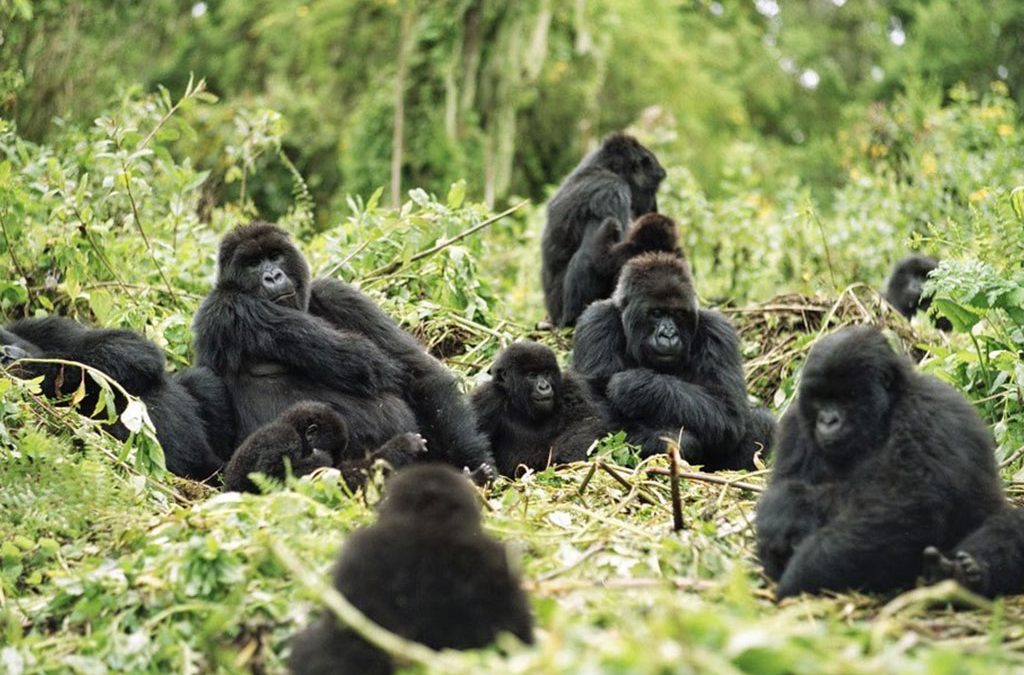
A 7 day Uganda safari brings together three very different wildlife experiences in one memorable week: forest encounters with chimpanzees, open-country game drives beside the Rift Valley, and a chance to observe mountain gorillas in their natural habitat. The most rewarding route follows western Uganda from Entebbe to Kibale, through Queen Elizabeth National Park, and onward to Bwindi Impenetrable National Park. It is a journey of changing landscapes rather than seven identical days in a vehicle. Expect tea estates, crater lakes, papyrus wetlands, elephants, forest trails, village markets and the dramatic green hills of the southwest. This guide shows how to plan a realistic itinerary, what to budget for, and which details deserve attention before you book.
A 7 day Uganda safari can work for first-time visitors, couples, experienced wildlife travelers and photographers, but the schedule is active. Gorilla trekking and chimpanzee trekking involve permits and guided walks, while the larger parks require time on the road. Choose a flight home from a southwestern airstrip if you want a more relaxed final day; a return by road makes the last transfer substantially longer. Wildlife encounters cannot be guaranteed. A thoughtful guide, sensible pacing and the right trekking sector matter more than trying to squeeze in every attraction on the map.
Your 7 Day Uganda Safari at a Glance
The suggested seven days begin with a westbound transfer, include two nights in the Kibale area, two nights around Queen Elizabeth National Park and two nights near Bwindi Impenetrable National Park. This version prioritizes the two great apes and gives savannah wildlife a proper day rather than treating it as a roadside stop. Some operators start with an arrival night in Entebbe; in that case, either use a domestic flight or adjust the middle activities to keep the overall duration honest. Below is a ground itinerary for travelers ready to leave Entebbe on the morning of day one.
The core highlights are chimpanzee trekking in Kibale, a community-led wetland walk, a Kasenyi-area game drive, a Kazinga Channel boat cruise and gorilla trekking in Bwindi. The route from the northern sector of Queen Elizabeth National Park through Ishasha also offers the possibility of seeing lions resting in fig trees, although sightings vary. The final day returns toward Entebbe, ideally by scheduled domestic flight if connections and availability fit. Ask the operator to specify the exact overnight locations, not simply the national park names: some sectors are many hours apart.
Why a 7 Day Uganda Safari Works
A 7 day Uganda safari is long enough for two forest treks and meaningful savannah wildlife viewing, yet short enough to suit a single holiday. The critical choice is to concentrate on western Uganda rather than adding distant Murchison Falls or Kidepo National Park. Such additions would either displace the gorilla day or turn most of the itinerary into driving. A focused 7 day Uganda safari also makes it easier to reserve the right permits, compare lodges by location and protect the early morning periods when animals are most active.
Day 1: Entebbe to Fort Portal and Kibale
Leave Entebbe after breakfast and drive west toward Fort Portal, watching the scenery change from busy roadside towns to farmland, hills and the tea-growing countryside. The journey commonly occupies much of the day; roadworks, weather and stops affect the actual time. A private driver-guide helps with luggage, comfort breaks and the final approach to the lodge. If the international flight lands that morning, do not automatically plan the long westbound drive: delays and immigration procedures can make an arrival-day transfer exhausting. An overnight near Entebbe may be the safer option.
Fort Portal provides a convenient gateway to Kibale Forest National Park, famous for primates and a lush forest atmosphere. Depending on your lodge location and departure time, a gentle crater-lake viewpoint stop can break the journey. Avoid adding a complicated afternoon excursion simply because the map makes it look close. Dinner at a forest-edge lodge offers a chance to discuss the following morning’s meeting point, the permit names and footwear. It is helpful to confirm whether the guide will take you directly to the ranger briefing or whether you must travel to another trailhead.
The first evening of a 7 day Uganda safari should feel like a transition into the forest, not a race to collect sightings. Drink water, charge camera batteries and pack a light rain jacket even in a nominally dry month. Accommodation choices range from modest guesthouses around Fort Portal to intimate forest lodges closer to the chimpanzee briefing points. A higher room price does not always mean a better experience, but reducing a long pre-dawn drive has genuine value for an early activity.
Day 2: Chimpanzee Trekking and Bigodi Wetland
Secure Your Trekking Dates
Ask about chimpanzee permit dates, lodge locations and a route suited to your travel month.
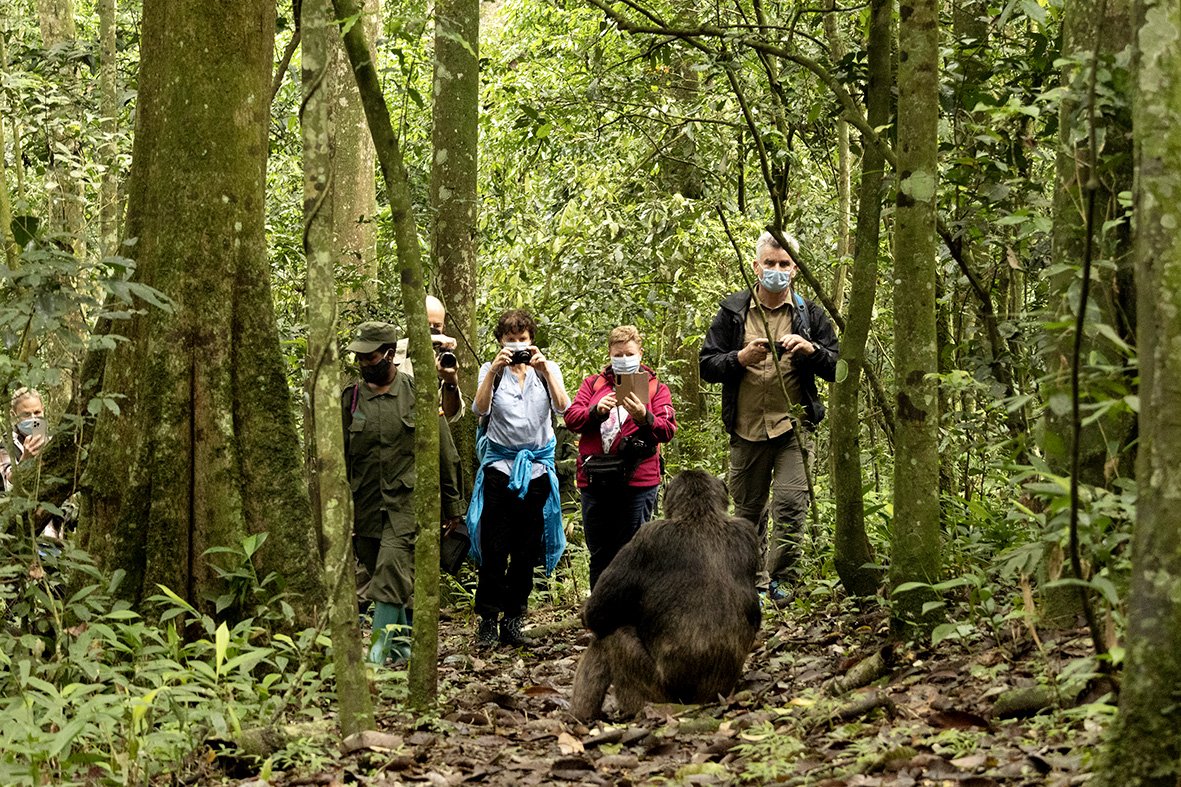
Today’s principal activity is chimpanzee trekking in the Kibale forest ecosystem. After a ranger briefing, follow an authorized guide beneath the canopy, listening for calls and watching for movement among the branches. Chimpanzees may be feeding high overhead, grooming at ground level or moving quickly between groups. Walking time, visibility and the encounter itself vary. This is a wildlife observation experience, not a staged interaction, so keeping a respectful distance and following the ranger’s instructions are essential.
Kibale chimpanzee trekking is usually most rewarding when travelers accept the forest on its own terms. You may notice red-tailed monkeys, black-and-white colobus, butterflies and birds before locating the chimpanzees. Rain changes the character of the trail and can turn clay paths slippery. Wear closed hiking shoes, long trousers and neutral, comfortable clothing. Protect electronics with a dry bag and avoid shouting or using flash around primates. The guide will explain current contact-distance and health rules; people who feel unwell should disclose symptoms because great apes are susceptible to human infections.
In the afternoon, the Bigodi Wetland Sanctuary can add a different, community-focused nature experience. Local guides lead visitors along village paths and wetland edges where birds, monkeys and plants become the main attractions. A Bigodi walk is optional and may be omitted after a physically tiring morning. Visitors interested in birding should tell the guide in advance so the pace allows time for binoculars and patient observation. A 7 day Uganda safari is more satisfying when the second activity complements the first rather than reproducing another strenuous trek.
Chimpanzee trekking permits have separate booking rules from accommodation and transport. Have your organizer confirm the exact activity, date and the name details printed on your confirmation. A standard tracking visit differs from the longer chimpanzee habituation experience, which has its own schedule and price. Do not assume every lodge package includes permits, ranger fees or the Bigodi guide. The second night near Kibale leaves room to rest before traveling south to Queen Elizabeth National Park the next day.
Day 3: Crater Landscapes and Queen Elizabeth National Park
After breakfast, drive south toward Queen Elizabeth National Park. The route can pass striking crater scenery, farms and the foothills of the Rwenzori region, depending on the chosen roads. Several travelers describe this stretch as one of the most varied transfers on a 7 day Uganda safari because the forested highlands gradually give way to savannah, open water and broad views. Ask for a reasonable number of photography stops while still allowing time to enter the park in daylight.
Arriving at Queen Elizabeth National Park, settle into a lodge within reach of the Kasenyi plains or the channel area. The park is a mosaic of grassland, woodland, wetlands and lake shores, which explains its varied animal life. Buffalo, Uganda kob, warthogs, elephants and a range of birds may be encountered on a first drive. Leopards are elusive, and even lion sightings depend on the conditions and the guide’s local knowledge. This is an excellent place to appreciate the smaller behaviors of animals rather than evaluating the trip only by big-cat photographs.
A short late-afternoon game drive may be possible if the transfer ran smoothly, but it should not be advertised as a guaranteed full activity. A rainstorm, slower traffic or an extra stop at a viewpoint can change the schedule. Travelers seeking more time in Queen Elizabeth National Park can choose to start their drive earlier or request a lodge near the preferred wildlife sector. This is where a tailored 7 day Uganda safari becomes more useful than a fixed brochure that ignores road conditions and actual park geography.
Day 4: Game Drive and Kazinga Channel Boat Safari

Start with a morning game drive while the light is soft and the plains are relatively cool. In Queen Elizabeth National Park, the Kasenyi sector is a popular area for scanning grassland for Uganda kob, buffalo, elephants, lions and other species. Not every animal is visible on every outing. A knowledgeable driver looks for tracks, bird alarm calls and changes in animal behavior rather than speeding between reported sightings. Binoculars are useful for both wildlife and landscape photography, especially when the animals are beyond comfortable camera range.
After lunch, the Kazinga Channel boat cruise is a contrasting perspective on Queen Elizabeth National Park. Hippos often occupy the water, while waterbirds, buffalo and other animals may appear along the banks. On suitable days, elephants approach the shoreline and fishermen work on distant stretches of the waterway. The boat has its own departure arrangements, duration and ticketing; your operator should confirm the booking rather than treating a general park entry receipt as proof of a seat. Follow crew instructions and keep hands and equipment inside the boat when near animals.
A 7 day Uganda safari is especially rewarding on this day because you experience the same landscape from two completely different vantage points. A vehicle reveals tracks and plains behavior, whereas the channel emphasizes shoreline ecology and birdlife. Fish eagles, kingfishers, pelicans and cormorants can be as engaging as the mammals. Photographers should bring a longer lens but remain mindful of movement, spray and the changing light reflected from the water. Boat departures may be adjusted by the operator for weather or operational reasons.
Use the evening to prepare for the southbound drive into the Ishasha area and onward to gorilla country. The next stage can be long even when distances seem modest. Check whether you are staying near the Buhoma, Ruhija, Rushaga or Nkuringo sector of Bwindi Impenetrable National Park; those names are not interchangeable. Your confirmed gorilla permit determines which location is appropriate. Attempting to sleep near the wrong gate can lead to an impractical dawn transfer and unnecessary stress on the most important day of the trip.
Day 5: Ishasha Tree-Climbing Lions and Bwindi
Design Your Wildlife Route
Combine the right game-drive sectors with an appropriately located gorilla lodge.
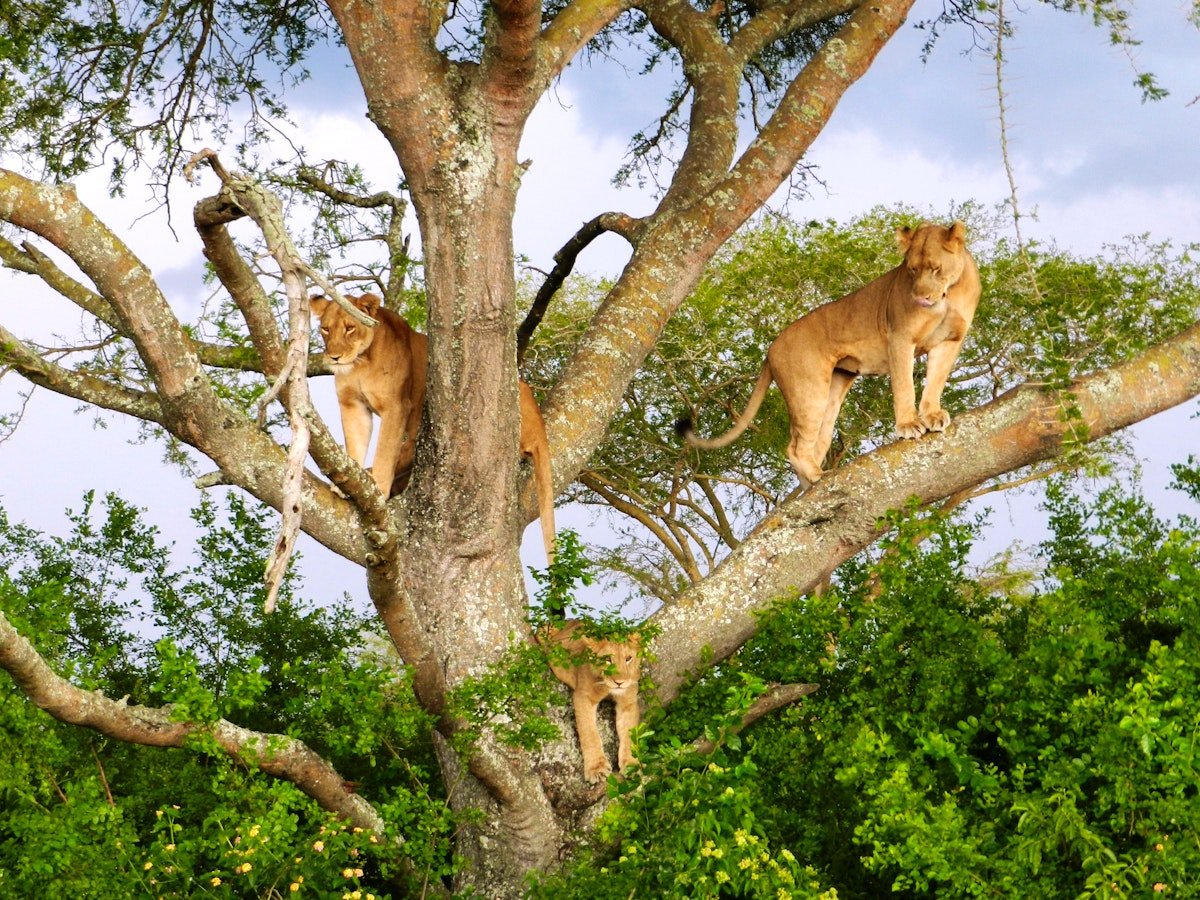
Travel through the southern Ishasha sector of Queen Elizabeth National Park, where lions sometimes rest in large fig trees. Their location changes, and not every visit produces a sighting, so regard the search as one part of a broader wildlife day. You may see buffalo, antelope, elephants and striking woodland scenery while exploring the area. If tree-climbing lions are a priority, ask how long you can reasonably spend looking before the afternoon road transfer becomes too late. Never ask a guide to chase an animal or leave permitted tracks for a photograph.
The road toward Bwindi Impenetrable National Park climbs into greener hills, cultivated slopes and settlements. This transition from savannah to montane forest makes the trip feel unusually varied. Some stretches can be rough or muddy, especially after rainfall. Build in an arrival buffer so you can reach the lodge before dark and check the briefing time for the next morning. Depending on the assigned trekking sector, the route may use different roads and take considerably different amounts of time. A map pin with the word Bwindi is not enough to plan the journey.
Gorilla trekking requires early preparation. Set aside the correct permit and identification details, arrange a packed lunch and ask the lodge about breakfast times. Sturdy hiking boots, long sleeves, long trousers, a rain shell and water are more useful than heavy camera accessories. Hiring a local porter can make steep trails easier while supporting employment around the park. A 7 day Uganda safari is frequently booked around one highly anticipated gorilla encounter; good planning protects that experience from avoidable logistics.
Day 6: Gorilla Trekking in Bwindi Impenetrable National Park
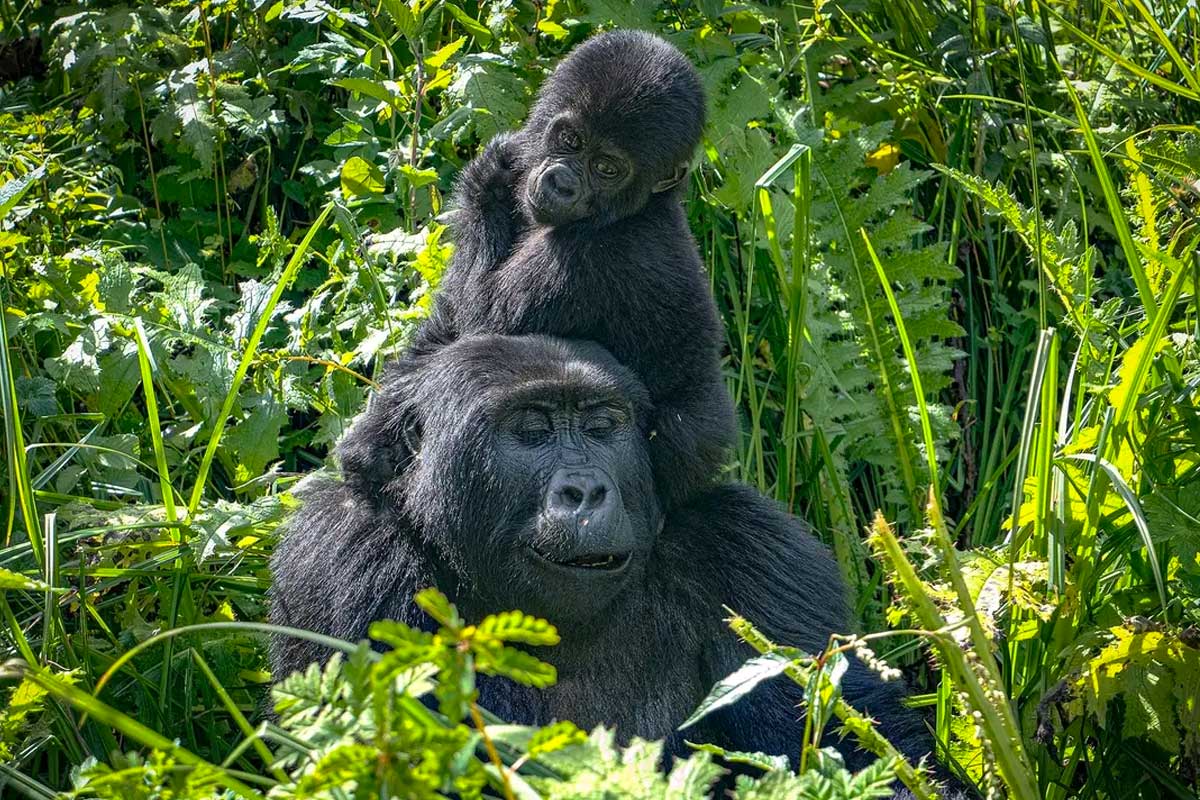
This is the signature day for many visitors. Gorilla trekking in Bwindi Impenetrable National Park begins with a ranger briefing and allocation to a guided group. Trek length and difficulty vary with the gorillas’ location, terrain and weather, and there is no reliable way to promise an easy or short walk. Forest paths may involve steep hills, roots and slippery ground. Tell the briefing team about mobility concerns before setting out; the available support options and group arrangements should be discussed in advance with your operator.
When the trackers locate the gorillas, visitors normally receive a regulated viewing period and must follow strict ranger instructions. Observe natural behaviors quietly: feeding, resting, interactions between family members and the movement of young gorillas through vegetation. Do not approach a gorilla for a closer photograph, use flash or touch an animal. The value of gorilla trekking lies in watching wildlife in its own habitat, not recreating a photograph seen on social media. Distances and encounter procedures are set by park authorities and may be updated.
Bwindi Impenetrable National Park has multiple trekking sectors with distinct approaches, road links and accommodation choices. A lodge described simply as near Bwindi may be poorly positioned for your specific permit. Some travelers add a community-hosted cultural activity or a forest-edge walk after trekking, but many prefer a quiet afternoon to recover. Respectful community visits should be arranged with local hosts and should compensate participants fairly. Wildlife tourism works best when conservation and neighboring communities both see benefits.
If your 7 day Uganda safari is designed around gorilla trekking, keep the sixth night close enough to support an easy next-morning departure. Transferring immediately to a distant lake resort after a challenging trek may be unnecessarily tiring. Lake Bunyonyi is a beautiful extension for visitors with extra time, but it is not obligatory in this particular week. A second gorilla trek also requires another permit and would mean replacing a major activity elsewhere in the itinerary rather than magically adding an eighth day.
Day 7: Return to Entebbe or Choose a Domestic Flight
The final day depends on where you slept and when your international flight departs. A scheduled flight from a suitable southwestern airstrip to Entebbe can save many hours, but routes, frequencies, baggage limits and transfer times need confirmation. If you travel by road, allow a full travel day and avoid placing a tight same-day international connection at the end. Weather, traffic and road conditions may affect both alternatives. A responsible operator will build around your actual flight details rather than giving everyone the same departure instructions.
A 7 day Uganda safari with a drive back to Entebbe is an active itinerary; leaving out an optional stop may be wiser than rushing. If flying home late, ask whether airport day-room arrangements are available. If your flight leaves early, add an overnight in Entebbe rather than relying on a long-distance transfer. Visitors continuing to another East African country should check their documents and regional connections separately. The trip concludes with a useful cross-section of Uganda rather than a frantic attempt to reach every named park.
What Wildlife Might You See in Seven Days?
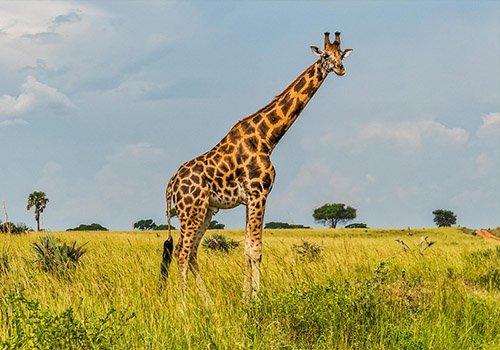
Uganda’s western circuit is distinctive because it spans primates, savannah animals and river life. Chimpanzee trekking may reveal chimpanzees and other monkeys in Kibale; game drives can encounter elephants, lions, Uganda kob, buffalo, antelope and warthogs; and the Kazinga Channel can produce rewarding views of hippos, crocodiles and waterbirds. In Bwindi Impenetrable National Park, the gorilla experience is the central draw, while forest birds and vegetation also deserve attention. A 7 day Uganda safari does not guarantee the Big Five, and rhinoceros viewing is not built into this particular circuit.
The difference between a productive safari and a disappointing checklist is often expectation. In Queen Elizabeth National Park, a leopard may remain hidden while a pride of lions sleeps far from the track. A herd of elephants grazing quietly can provide a richer encounter than a brief view of a distant predator. During gorilla trekking and chimpanzee trekking, the sounds and rhythms of the forest are part of the experience even before an ape appears. Guides can interpret nests, calls, footprints and animal interactions that travelers might otherwise overlook.
How Much Does a 7 Day Uganda Safari Cost?
Request an Itemized Safari Quote
Get clear information on permits, park fees, accommodation and transfer options.
Pricing depends on when you travel, how many people share the vehicle, accommodation category, permit eligibility, park fees and whether domestic flights are included. Ask for a written itemization rather than comparing two unexplained package totals. A lower advertised price may exclude gorilla permits, chimp permits, boat tickets, meals or airport transfers. Budget properties can be excellent if they are well located, while luxury lodges may offer more privacy and amenities without changing how many gorillas are seen. The highest-value 7 day Uganda safari is not automatically the most expensive.
Gorilla trekking and chimpanzee trekking are significant cost components, and the official tariffs may vary by residency category or change over time. Earlier published rate cards can be outdated; confirm the current schedule directly with the Uganda Wildlife Authority or an operator who can show the relevant official conditions. Ask whether a deposit actually secures a named-date permit and whether the booking is refundable or transferable. Avoid relying on a quoted permit price from an old blog post when finalizing a current budget.
For a private safari, vehicle costs are shared across the group, so the per-person rate often falls when two, three or four travelers book together. A solo traveler may find a small-group departure more economical but should ask who shares the vehicle and how photography stops are handled. For an active 7 day Uganda safari, the location of the lodges matters more than decorative extras: shorter transfers mean more time for game drives, rest and early morning ranger meetings. Before paying, clarify the currency, payment schedule and cancellation policy.
Permits, Trekking Rules and Advance Booking
Reserve the gorilla permit first, then arrange chimpanzee trekking, accommodation and transport around the confirmed activity dates. A permit for Bwindi Impenetrable National Park belongs to a specific trekking date and operational arrangement; it cannot be treated as a general voucher for any gate you prefer. Each traveler should check name spelling and identity documentation. The operator should explain the gorilla trekking minimum age and any health-related restrictions rather than assuming that every child or traveler can take part.
In Kibale, chimpanzee trekking also requires advance arrangements and an understanding of whether standard tracking or habituation is being booked. The physical intensity can change unexpectedly if the animals move. Both activities involve wild great apes vulnerable to respiratory infections, so your ranger may turn away a participant showing symptoms. Follow instructions about distancing, food, rubbish and photography. A professional guide will not pressure staff to bend safety rules for a better shot, even when the permit was costly.
An often overlooked detail is the buffer between flights and permit dates. If arriving late at Entebbe, leave enough time to reach western Uganda before the first trek. If the gorilla trekking date falls near departure, consider an extra recovery or contingency night. This reduces the consequences of a delayed road transfer and keeps the day enjoyable. A 7 day Uganda safari should be built around confirmed logistics, not just a list of wildlife activities that looks attractive on paper.
Best Time of Year for the Route
Travel is possible across the year, but conditions differ between the savannah and the rainforest. Drier periods, often around June to September and December to February, can make some forest trails easier to manage and some roads more predictable. Rain can still fall at any time in the highlands. During wetter months, Kibale and Bwindi Impenetrable National Park may feel exceptionally green, with muddy paths and dramatic clouds. Game drives can remain productive, although grass height, animal movements and road conditions change.
If gorilla trekking is your top priority, consider both trail conditions and permit demand. Peak periods can book out early, while quieter months may offer more choice of lodging. For chimpanzee trekking, rain protection should be part of your kit regardless of season. Queen Elizabeth National Park offers viewing opportunities throughout the year, though no month guarantees a specific predator sighting. Ask for the expected conditions in the actual trekking sector, not a generic forecast for all of Uganda.
Packing List for Forest and Savannah
Pack for two climates in one week. On morning game drives in Queen Elizabeth National Park, a warm layer can be useful before the sun rises. By midday, a hat, sunscreen and breathable clothing become more comfortable. In Bwindi Impenetrable National Park, long trousers and sleeves help protect against vegetation, and sturdy footwear provides traction on wet slopes. For chimpanzee trekking, choose shoes already broken in rather than new boots bought just before departure. A compact waterproof layer belongs in the daypack even when the morning looks clear.
Bring binoculars, spare batteries, sufficient camera storage, insect repellent, a reusable water bottle and any prescribed medicines. Keep a copy of your permit confirmations and identification accessible offline. Porters may be available for gorilla trekking; confirm arrangements locally and budget for fair payment and tips. Some small aircraft impose strict baggage limits, so check any domestic flight conditions before packing hard suitcases or oversized photography equipment. A simple, well-organized bag makes a 7 day Uganda safari easier than a large collection of rarely used gear.
Choosing Lodges and Travel Style
For Kibale, prioritize access to the chimpanzee trekking briefing point. For Queen Elizabeth National Park, choose a lodge near the sector you want to explore rather than one with a vague promise of being close to the park. For Bwindi Impenetrable National Park, match the lodge to your confirmed gorilla trekking sector. Budget guesthouses, comfortable midrange lodges and premium retreats all have their place. Review meal arrangements, electricity, private bathrooms and accessibility, but be wary of star ratings that say little about transport time.
Private 4×4 travel offers flexible stops, easier luggage handling and a consistent guide across the trip. A small-group vehicle can reduce cost when travelers share interests and have clear expectations. Fly-in extensions reduce long drives but can be more expensive and require ground transfers at both ends. A 7 day Uganda safari for a couple may favor privacy and quieter accommodation; families should check activity age requirements; photographers may value vehicle space more than a swimming pool. The right choice comes from your priorities rather than a single label such as luxury or budget.
Practical Travel Advice for International Visitors
Most overseas travelers arrive through Entebbe International Airport. Entry permissions, passport rules and vaccination documentation depend on nationality and current regulations, so consult official sources before you travel. A travel-health professional can advise on malaria prevention, recommended vaccines and personal medical considerations. Carry suitable insurance that covers remote medical care, evacuation and the activities you plan to undertake. Do not assume the tour operator’s vehicle policy replaces personal travel insurance.
Mobile coverage varies by park and lodge. Download confirmations, maps and emergency contact details for offline use. Carry more than one payment method and some local currency for small expenses and tips. Ask whether park entry fees and community-guided activities are prepaid, because payment arrangements vary. During your 7 day Uganda safari, follow lodge advice about moving after dark, never feed wild animals and stay in vehicles unless a guide authorizes a stop. Rain, rough roads and occasional schedule changes are normal parts of travel rather than evidence that the itinerary has failed.
Responsible Wildlife Viewing and Community Visits

During gorilla trekking, avoid flash photography, keep quiet and follow the rangers’ approach and distance guidance. The same respect applies during chimpanzee trekking: never surround animals, tempt them with food or attempt close contact. On game drives in Queen Elizabeth National Park, do not pressure drivers to chase lions, obstruct elephants or leave permitted routes. Choosing a professional operator with transparent conservation and community practices can improve the experience for both visitors and local people.
Near Bwindi Impenetrable National Park, locally hosted cultural visits can offer insight into craft, farming, forest knowledge and present-day life. Ask permission before taking photographs and make sure hosts benefit directly from the experience. Around Kibale, community guides add valuable expertise on wetlands and birdlife. A 7 day Uganda safari can contribute more positively when travelers engage with people respectfully rather than treating every interaction as a staged attraction. Leave room for a genuine conversation instead of rushing from one photograph to the next.
Is Seven Days Enough, or Should You Stay Longer?
A 7 day Uganda safari is a realistic minimum for the Kibale–Queen Elizabeth–Bwindi route when the first transfer starts early and the final return is well planned. It is not a leisurely holiday, especially for people who dislike long journeys. An eight- or nine-day trip permits an arrival night, more time at a lake or a buffer after gorilla trekking. Ten to twelve days can add Murchison Falls, Lake Mburo or additional photography days without sacrificing the core primate experiences. If your only must-see animal is the mountain gorilla, a shorter itinerary dedicated to Bwindi may be more efficient.
A 7 day Uganda safari makes the strongest case when travelers want variety rather than a single extended forest stay. Chimpanzee trekking adds an active introduction to primates, Queen Elizabeth National Park contributes contrasting grassland and water-based viewing, and gorilla trekking delivers a distinctive mountain-forest encounter. Be candid about physical ability, walking preferences and transfer tolerance. A tailored route that removes an optional activity is often better than an ambitious schedule that leaves everyone tired.
Frequently Asked Questions
Can a 7 Day Uganda Safari Include Both Great Apes?
Yes. The western circuit can fit chimpanzee trekking in Kibale and gorilla trekking at Bwindi Impenetrable National Park, with a wildlife stop between them. Confirm the respective permits first, then arrange overnight locations and transfers. Do not assume the day-by-day order can be altered after permits are issued.
Is Gorilla Trekking Suitable for Everyone?
Gorilla trekking is physically variable and may involve steep terrain, mud and several hours on foot. Age limits and health screening apply, and support arrangements should be discussed before booking. Ask your operator about the conditions around your assigned sector of Bwindi Impenetrable National Park rather than relying on a generic difficulty rating.
Are Tree-Climbing Lions Guaranteed?
No. The Ishasha area of Queen Elizabeth National Park is known for occasional tree-climbing lion sightings, but these remain wild animals. A good guide searches responsibly, allowing sufficient time for the onward transfer even if the lions stay out of sight.
Does the Package Include Permits?
Not always. Request an itemized quote that explicitly names gorilla trekking, chimpanzee trekking, park fees, boat activities, lodges, meals and transfers. Ask for the cancellation conditions of each permit and service before paying a deposit.
Can I Return to Entebbe by Road?
Yes, but it can take much of the day from the southwestern forest region. A domestic flight is often more comfortable if its route and schedule work, although flights can also be affected by weather. Avoid a tight international connection after a long road journey.
Plan Your 7 Day Uganda Safari With a Practical Route
Start Planning Your Seven Days
Share your travel dates, number of travelers and preferred accommodation style.
The best itinerary is one that protects time for the experiences you care about, not one with the most crowded list of stops. Reserve the key primate dates, choose lodges close to the correct gates, and compare transport options honestly. A professional planner should explain what is included, what is optional and which sightings cannot be promised. With the right balance, a 7 day Uganda safari reveals Uganda’s extraordinary contrast between forest, savannah and wetland without losing the pleasure of simply being there.





