What Souvenirs Can I Buy on a Wildlife Safari?

Handmade memories
Popular Souvenirs to Look for on Your Safari
The best keepsakes have a story behind them. These three categories are a great starting point when browsing workshops, galleries and local markets after a day of wildlife viewing.


What Are Wildlife Safari Souvenirs?
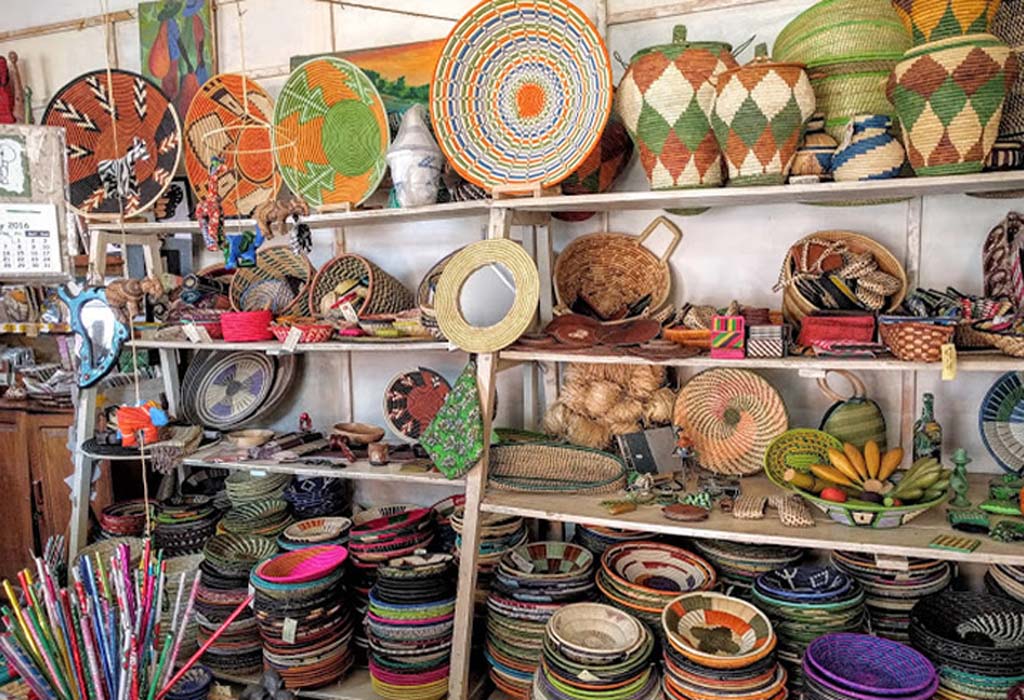
Wildlife safari souvenirs are meaningful items travellers take home to remember the landscapes, animals, people and cultural experiences of an African journey. In Uganda and Rwanda, these can include handwoven baskets, locally produced textiles, paintings, carved ornaments, beadwork, postcards and other thoughtfully made gifts. A well-chosen souvenir connects the excitement of seeing wildlife with the creativity of the communities that welcome visitors.
Travellers interested in culture and wildlife can consider cultural activities around Mgahinga.
Before choosing an itinerary, compare Uganda gorillas, chimpanzees and Big Five safari experiences to see which areas you will already visit.
A longer custom Uganda safari can make room for a relaxed craft-market visit rather than squeezing shopping into a departure day.
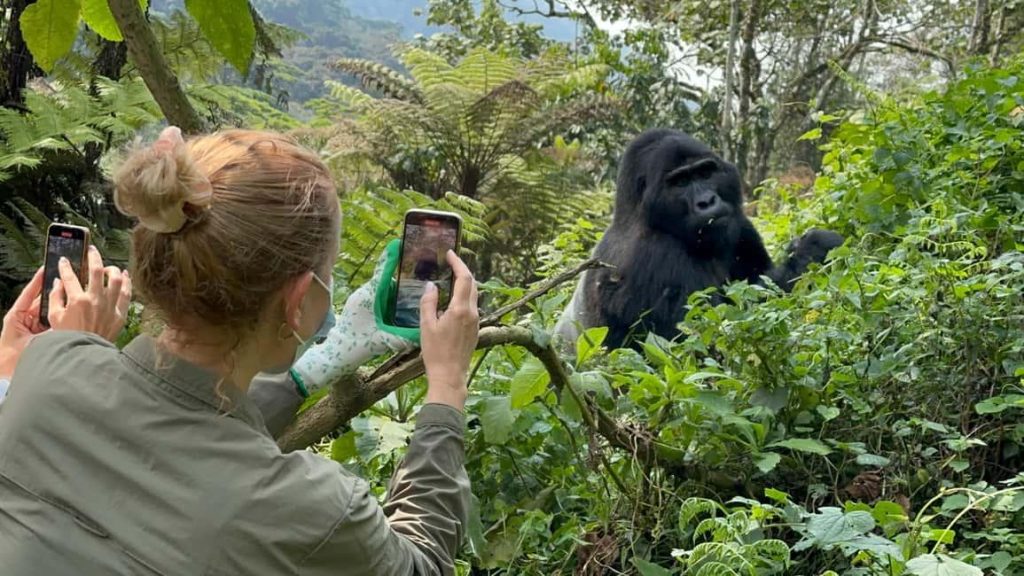
After a gorilla trekking experience in Uganda, a gorilla illustration or locally crafted ornament can remind you of the forest long after your journey ends. Travellers combining primate encounters with a wider Uganda and Rwanda safari may also enjoy shopping for regional craft styles, especially in towns and cities along their route.
Souvenir shopping suits couples seeking a shared keepsake, families looking for affordable gifts, photographers interested in local art and first-time visitors eager to learn more about East African traditions. You do not need a dedicated shopping holiday: a short market or workshop visit can fit naturally around an existing safari programme.
The most rewarding approach is to buy from identifiable makers or reputable community enterprises, ask about materials and origins, and avoid products made from protected wildlife. Safari Vacations and Travel Services can help you plan appropriate shopping stops as part of a well-organised Uganda safari itinerary.
Wildlife Safari Souvenirs: Quick Overview
Use this snapshot to choose gifts that are meaningful, practical and appropriate to carry home.
For more wildlife photography inspiration, explore our Uganda gorilla and wildlife itinerary.
A shorter six-day primate and wildlife safari can also be adapted to allow for suitable souvenir stops.
Travellers comparing destinations can browse the Uganda wildlife safari guide before deciding where a shopping stop fits.
| Souvenir Type | What to Look For | Best For |
|---|---|---|
| Wildlife artwork | Paintings, prints and illustrations of animals seen on safari | Collectors, photographers, home décor |
| Woven baskets | Locally woven baskets and small decorative pieces | Practical gifts and décor |
| Textiles & accessories | Fabric products, bags, scarves and locally designed clothing | Wearable travel memories |
| Jewellery & beadwork | Handmade bracelets, necklaces and beaded accessories | Lightweight gifts |
| Small keepsakes | Postcards, magnets, ornaments and responsibly sourced handicrafts | Limited luggage space and group gifts |
Important: Availability, materials and prices vary by seller. Check your home country’s customs rules before purchasing plant, animal or food products.
The essentials
Main Highlights of Souvenir Shopping on a Wildlife Safari
Choosing a souvenir is about more than finding something attractive. These are the details that make shopping during a safari more interesting and rewarding.
For routes through southwestern Uganda, the Bwindi and Queen Elizabeth safari is another useful starting point.
For wildlife-inspired artwork, a balanced eight-day Uganda safari offers plenty of photographic memories to guide your choice.
Wildlife Memories with Meaning
Choose artwork and ornaments inspired by gorillas, elephants, giraffes or birds you actually encountered rather than buying generic souvenirs.
Traditional Craftsmanship
Discover handwoven baskets, textile designs and beadwork while learning about the maker, techniques and local meaning of each piece.
Direct Support for Artisans
Where possible, purchase directly from craft producers or community groups and pay a fair, mutually agreed price.
Easy-to-Pack Gift Ideas
Small paintings, jewellery, fabric accessories and postcards can be convenient options for travellers with luggage limits.
Ethical Wildlife Shopping
Avoid ivory, skins, horns, tortoiseshell, feathers or other wildlife products whose origin or legality cannot be established.
A Cultural Safari Extension
Make time for a market or gallery visit in Kampala, Entebbe or Kigali when your existing safari route allows it, rather than taking unnecessary detours.
Where to shop
Where to Buy Wildlife Safari Souvenirs in Uganda and Rwanda
The most rewarding shopping stops are often in cities where a wider range of artists and sellers come together. You can also find smaller craft stalls near tourism areas, although their selection varies. The places below are useful starting points rather than guaranteed stops on every safari.
Interested in a broader selection of parks? Browse our wildlife safari collection.
A gorilla trekking and Batwa experience also gives visitors a chance to learn about local heritage beyond the forest encounter.
Uganda • Kampala
National Arts and Crafts Village
Located near the Uganda National Theatre on De Winton Street, this craft village brings together stalls selling carvings, paintings, jewellery, textiles and handmade gifts. It is a practical place to compare several makers in one visit.
Travellers exploring Kampala can ask to include a shopping stop alongside the capital’s other attractions.
Uganda • Entebbe
Entebbe Craft Shops
Entebbe is a convenient place to look for souvenirs before leaving Uganda, particularly when your flight schedule allows some free time. Depending on the shop, you may find baskets, decorative art, fabric accessories and small gifts.
Our Entebbe city tour guide offers more ideas for spending time in the area.
Rwanda • Kigali
Caplaki Craft Village and Local Galleries
Kigali offers craft markets and art galleries where you can browse woven baskets, beadwork, textiles and contemporary art. Caplaki is a well-known craft-shopping option; galleries suit visitors looking for an original artwork.
A shopping visit can fit naturally into a one-day Kigali city tour.
Shopping stops, stall occupancy and opening arrangements can change. Confirm the specific location and timing with your guide before travelling.
Build it into your journey
When to Schedule Souvenir Shopping on Your Safari
A short shopping visit is usually easiest at the beginning or end of a trip, when you are already staying in a city. That gives you time to select meaningful gifts without sacrificing a scheduled wildlife activity.
A relaxed extension to Lake Bunyonyi can create time to learn about crafts offered by communities along your route.
Our Nkuringo cultural experience guide explains why listening to community voices matters more than buying an anonymous trinket.
| Shopping Window | Suggested Location | What to Look For | Best For |
|---|---|---|---|
| Before a Uganda safari | Kampala or Entebbe | Markets, gift shops and craft stalls | Travellers with a spare city day |
| Near a park or cultural visit | Established local craft outlets, when available | Small pieces purchased from makers | Community-focused visitors |
| At the end of a Rwanda safari | Kigali | Agaseke-style baskets, textiles, art | Gorilla trekkers departing via Kigali |
| Before flying home | Entebbe or Kigali | Lightweight last-minute gifts | Travellers with limited luggage space |
A city stop can also complement a longer Kigali cultural visit or a day exploring Entebbe. Shopping is optional, not a substitute for your main safari experiences.
Choose with intention
How to Choose Authentic, Ethical Safari Souvenirs
The most thoughtful souvenir tells you something about its maker, material or inspiration. Ask where an item was produced, whether it was made by hand and how to care for it. You do not need to spend a great deal to find something meaningful.
Our Lake Bunyonyi canoeing guide explores a community-oriented experience to enjoy alongside souvenir shopping.
Read about the Batwa Trail to understand how interpretation and traditional knowledge can complement a mountain safari.
Ask About the Maker
Choose a craft with a clear story. Where possible, buy from artisans, cooperatives or established community outlets rather than assuming every market item is locally made.
Check Materials Carefully
Wood, fibre, fabric and painted pieces are popular choices, but natural materials can be subject to import restrictions. Confirm the material before paying, particularly for unusual carvings and accessories.
Avoid Wildlife Products
Do not buy ivory, rhino horn, primate parts, endangered-species skins or questionable feathers and shells. Such goods may be illegal to trade or transport even when offered openly.
Keep Travel Practical
Check weight, dimensions and fragility before choosing a large basket or sculpture. Request protective wrapping for fragile artwork and keep receipts for customs questions.
If a seller cannot identify an animal-derived material or explain its legal origin, leave the item behind. For further guidance, check wildlife souvenir travel restrictions and your own country’s customs regulations before buying.
Add a Meaningful Shopping Stop to Your Safari
From locally made gifts in Kampala to traditional craft markets in Kigali, Safari Vacations and Travel Services can help you plan a suitable shopping stop where your route and available time allow. Tell us what interests you, and we will discuss the options when planning your journey.
The Lake Mburo, Bwindi and Bunyonyi itinerary is another way to connect several southwestern destinations.
Another useful introduction is our guide to Batwa cultural experiences in Uganda.
Meaningful keepsakes
Best Wildlife Safari Souvenirs to Bring Home
The best safari gifts are easy to carry, connected to local craftsmanship and meaningful long after the journey ends. Uganda and Rwanda both offer handmade pieces that recall their landscapes, wildlife and creative traditions. Look for original work rather than mass-produced imitations.
Gorilla-Inspired Art and Keepsakes
Choose a painting, printed illustration, wooden figure or responsibly produced fabric item featuring a mountain gorilla. A small piece is a lasting reminder of a forest trek without involving any animal body parts.
Handwoven Baskets
Woven baskets make decorative, practical gifts. In Rwanda, agaseke-style baskets are especially recognisable. Look for neat workmanship and ask about the maker and fibres before purchasing.
Paintings and Wildlife Photography Prints
A landscape, elephant, lion or gorilla artwork may be easier to display than a bulky sculpture. Confirm whether a print is locally produced or an original piece, and arrange safe packaging.
Beaded Jewellery and Accessories
Necklaces, bracelets and earrings can be compact gifts. Choose pieces made from clearly identified, responsibly sourced beads, fabric or metal rather than wildlife teeth, bone or horn.
Batik, Kitenge and Fabric Gifts
Colourful textiles, clothing, bags and cushion covers offer useful souvenirs. Ask whether the fabric, tailoring and design were created locally, since products sold in a local market are not necessarily locally made.
Hand-Carved Wooden Objects
Small bowls, figures and decorative items can be attractive, but check the wood species and whether the piece is finished and free from pests. Avoid protected timber and anything made from uncertain or illegally harvested material.
Travellers interested in gorillas can also explore our family gorilla trekking guide for more context on the experience these artworks celebrate.
Buying wisely
How Much Should You Budget for Safari Souvenirs?
There is no single fixed souvenir price in Uganda or Rwanda. Costs depend on size, material, craftsmanship, the artist, the selling location and whether an item is unique or mass-produced. For that reason, the guide below compares purchasing styles rather than giving unreliable fixed prices.
For other things to enjoy near the lake, consult our Lake Bunyonyi activity guide.
For a Kigali-based itinerary that includes craft browsing, see the Kigali and Volcanoes National Park tour.
| Shopping Style | Typical Choices | What to Consider |
|---|---|---|
| Small gifts | Bookmarks, beadwork, small accessories | Ideal for several recipients and hand luggage |
| Mid-sized keepsakes | Baskets, textiles, paintings | Check size, finish, authenticity and packing |
| Collector pieces | Original art, commissioned works, larger carvings | Allow time to discuss provenance, shipping and documentation |
Ask the price before committing, compare similar pieces politely and respect the seller’s craftsmanship. Some fixed-price shops do not negotiate; in markets where bargaining is customary, remain friendly and fair. Carry a small amount of local currency for stalls that do not accept cards.
Practical travel advice
Packing and Bringing Souvenirs Home Safely
Protect Fragile Artwork
Wrap paintings, ceramics and carvings securely. For framed art, ask whether the artwork can be packed without the frame or transported in a sturdy protective tube.
If your journey extends east, Jinja travel ideas can help you decide where a market visit might fit.
Travellers covering both countries may prefer a seven-day Rwanda and Uganda journey, with souvenir time arranged around transfers.
Check Airline Baggage Rules
Measure large baskets or sculptures and confirm the airline’s weight and size allowances. A purchase that fits in your safari vehicle may not fit your flight baggage.
Keep Receipts and Material Details
Retain a receipt and, where possible, the artist’s name and a description of materials. These can help answer questions at customs, though a receipt does not replace any required permit.
Declare Items When Required
Check both the exporting country’s rules and the rules of each destination or transit country. Wood, seeds, plant fibres, animal materials and foods can be restricted even when sold openly.
Never assume an item is safe to import because it is available at a market. Wildlife and plant trade rules differ by destination. Check official advice such as the United States agricultural souvenir guidance or the Australian wildlife souvenir guidance, where relevant.
Protect wildlife
Souvenir Choices to Avoid
A safari celebrates wild animals in their natural habitats; it should not create demand for their body parts. Avoid products advertised as ivory, rhino horn, gorilla or other primate parts, protected skins, claws, teeth, or unverified wildlife-derived medicines. Feathers, shells, reptile leather, certain woods and plants may also be regulated depending on species and destination.
The two-day Nile rafting tour describes a route through Jinja, where travellers may encounter craft shops.
For a more extensive cross-border holiday, explore the 11-day Uganda–Rwanda safari.
If the seller cannot explain an unusual natural material, choose an animal-free alternative. CITES controls international trade in listed species and products, and domestic laws can be stricter. Decorative wildlife artwork and photographs make much better keepsakes than items taken from animals.
For further reading, consult Canada’s international-traveller guide to endangered species.
Gift inspiration
Which Souvenirs Suit Different Safari Travellers?
Couples and Honeymooners
Consider a small original painting, a matching pair of handmade accessories or a basket selected together. A jointly chosen piece can make a personal memento of your trip.
For a different Rwanda experience, our Rwanda safari collection is useful when planning where to finish your trip.
Our Uganda and Rwanda festive safari demonstrates how an Entebbe-to-Kigali route can finish with city time.
Families with Children
Choose lightweight items such as illustrated postcards, fabric accessories or small safe decorative gifts. Avoid sharp, fragile and animal-derived objects, especially for younger children.
Wildlife Photographers
Pair your own safari photographs with a locally made picture frame or a print by a local artist. This combines a personal wildlife encounter with a locally sourced keepsake.
Solo and First-Time Visitors
Compact crafts are easier to pack and budget for. Buying directly from an artisan, when possible, also gives you a chance to learn about the craft process.
Quick answers
Frequently Asked Questions About Wildlife Safari Souvenirs
What are the best souvenirs to buy on a wildlife safari?
Popular choices include locally made baskets, wildlife paintings, textiles, beaded accessories and gorilla-inspired artwork. Prioritise craftsmanship and legal, responsibly sourced materials.
Our Uganda food guide also offers cultural context for travellers curious about locally made products and regional traditions.
If you want a more urban cultural experience, the city-tour collection provides ideas to discuss with your planner.
What can I buy after gorilla trekking in Uganda?
Look for mountain-gorilla illustrations, paintings, printed fabric gifts and other animal-free items. These keep the memory of your trek without using gorilla parts.
Where can I shop for safari souvenirs in Kampala?
The National Arts and Crafts Village near the Uganda National Theatre is a well-known starting point. Ask your guide to check current access and opening arrangements.
Where can I buy souvenirs in Kigali?
Kigali has craft stalls and galleries, including the well-known Caplaki craft-shopping area. Available vendors and opening times may change.
Can I find souvenirs near Uganda’s national parks?
Sometimes. Craft outlets and community sellers operate in some tourism areas, but selection and opening times vary. Ask your guide rather than assuming a shop will be available.
Are Rwanda’s woven baskets good gifts?
Yes. Woven baskets, including agaseke-style designs, can make decorative gifts. Ask about materials, origin and size before purchasing.
Are safari souvenirs expensive?
There is a wide range, from small handmade gifts to original artwork. Prices depend on the seller, item, craftsmanship and materials, so compare options rather than relying on a fixed price list.
Can I bargain at souvenir markets?
Some markets allow polite bargaining, while galleries and fixed-price shops may not. Always be respectful of the time and skill involved in making a piece.
Should I pay in local currency or US dollars?
Local currency can be convenient for smaller purchases. Payment options differ by seller; check the accepted method and exchange rate before buying.
Can I bring wooden carvings home?
Possibly, but some wood species and untreated wooden products face export, import or biosecurity restrictions. Confirm the wood species and check your destination-country rules before purchasing.
Can I take woven baskets on an international flight?
Often, subject to airline baggage limits and any rules affecting plant materials. Check the basket dimensions, cleanliness and entry requirements for your destination.
Is it legal to buy ivory or animal-horn souvenirs?
Do not buy ivory, rhino horn or similar wildlife products. International trade and possession can be heavily restricted or prohibited; a market display is not proof of legality.
Are souvenirs made from feathers or shells safe to bring home?
Not necessarily. Restrictions depend on the species, its source and the countries involved. Choose a different item if the material cannot be reliably identified.
How do I know whether a souvenir is handmade locally?
Ask the seller who made it, where it was produced and what materials were used. If available, look for information about an artisan, workshop or cooperative.
Can I buy coffee or other food gifts on safari?
Packaged coffee and other food gifts may be available, but import restrictions vary by destination. Check rules before buying and keep original packaging and receipts.
What souvenirs are best if I have little luggage space?
Lightweight jewellery made from non-wildlife materials, fabric accessories, flat prints and postcards are generally easier to pack than framed pictures or sculptures.
Can Safari Vacations and Travel Services arrange a shopping stop?
We can discuss adding a suitable craft-market or gallery stop to your Uganda or Rwanda itinerary, subject to your route, timing and availability.
When is the best time during a safari to shop?
A free period in Kampala, Entebbe or Kigali, often before departure, usually works best. Avoid scheduling shopping so tightly that it interferes with transfers or wildlife activities.
Make your safari memories last
Bring Home More Than Photographs From Your Wildlife Safari
Explore Uganda and Rwanda with Safari Vacations and Travel Services, and ask us about adding a local craft market or gallery visit to your itinerary. We will help you make time for meaningful shopping without distracting from the wildlife experience.