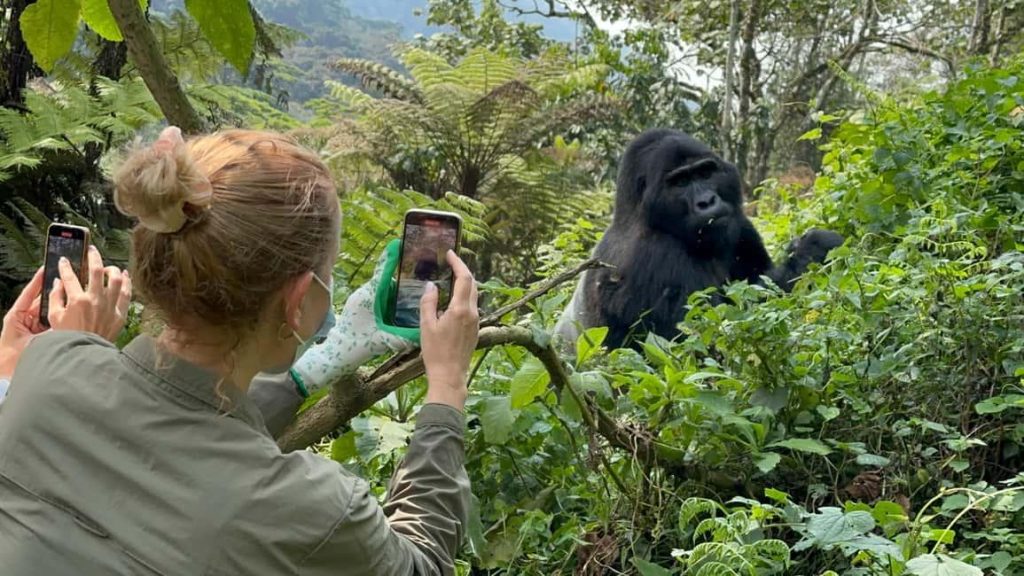
Wildlife in Zanzibar’s Secret Corners

Authentic Wildlife in Zanzibar’s Secret Corners
Zanzibar, an archipelago off the coast of Tanzania, is renowned for its stunning beaches and rich cultural heritage. However, beneath its surface lies a treasure trove of wildlife waiting to be explored. This blog will take you on a journey through the wildlife in Zanzibar’s secret corners, showcasing its unique ecosystems and the rare species that inhabit them.
Hidden Wildlife Sanctuaries of Zanzibar
Zanzibar is home to several lesser-known wildlife sanctuaries that offer a unique glimpse into the island’s rich biodiversity. These hidden gems provide opportunities for wildlife enthusiasts to connect with nature away from the bustling tourist spots, allowing for a more intimate and personal experience.
Jozani Chwaka Bay National Park’s Secret Trails
Jozani Chwaka Bay National Park is the only national park in Zanzibar, covering approximately 50 square kilometers. Renowned for its diverse ecosystems, including mangroves, coastal forests, and grasslands, the park is a sanctuary for the endangered Zanzibar red colobus monkey. Visitors can explore its secret trails, which wind through lush vegetation and lead to stunning viewpoints.
- Wildlife Encounters: As you navigate these trails, you may encounter various bird species and other wildlife. The park is home to over 40 species of birds, including the endemic Pemba white-eye and the African goshawk. The vibrant sounds of chirping birds and rustling leaves create a serene backdrop for your adventure.
- Conservation Efforts: Jozani is not just a place for exploration; it also plays a crucial role in conservation. The park was established to protect the unique flora and fauna of Zanzibar, making it an essential site for ecological research and education.
Lesser-Known Mangrove Forests
Beyond Jozani, Zanzibar boasts several lesser-known mangrove forests that are vital for coastal ecosystems. These forests serve as nurseries for fish and provide habitat for various bird species.
- Biodiversity Hotspots: Exploring these mangrove areas allows visitors to appreciate the intricate relationships between land and sea. Mangroves support a diverse range of wildlife, including crabs, fish, and migratory birds. The dense roots of mangroves create a unique environment that fosters rich biodiversity.
- Ecotourism Opportunities: Many local communities are involved in ecotourism initiatives that promote sustainable practices while protecting these vital ecosystems. By visiting these lesser-known mangrove forests, you contribute to local conservation efforts and support community livelihoods.
Remote Coral Reef Ecosystems
Zanzibar’s coral reefs are among the most diverse in the world. While popular spots like Mnemba Island attract many tourists, there are remote coral reef ecosystems that remain untouched.
- Snorkeling Adventures: Snorkeling or diving in these less-explored areas offers encounters with vibrant marine life, including colorful fish, sea turtles, and even dolphins. The crystal-clear waters provide excellent visibility, making it easier to appreciate the stunning underwater landscapes.
- Conservation Importance: These remote coral reefs are crucial for maintaining marine biodiversity. They serve as breeding grounds for various fish species and help protect coastal areas from erosion. By choosing to explore these hidden reefs, you support conservation efforts aimed at preserving these delicate ecosystems.
Discovering Zanzibar’s Rare Species
Zanzibar is a biodiversity hotspot, home to several rare and endemic species that are not found anywhere else in the world.
Red Colobus Monkeys in Their Natural Habitat
The Zanzibar red colobus monkey is one of the island’s most iconic animals. These monkeys are known for their striking appearance and social behavior. Observing them in their natural habitat provides insight into their daily lives and conservation status.
Endemic Bird Species
Zanzibar is also home to numerous endemic bird species, such as Fischer’s turaco and the Zanzibar red bishop. Birdwatchers can explore various habitats across the island to catch a glimpse of these beautiful birds in flight.
Unique Marine Life Encounters
The waters surrounding Zanzibar are teeming with marine life. From vibrant coral gardens to elusive sea turtles, snorkeling or diving in these waters can lead to unforgettable encounters with unique marine species.
Safe Wildlife Viewing in Remote Areas
Exploring remote wildlife areas can be a thrilling adventure, but it’s essential to prioritize safety and adopt responsible viewing practices. By understanding animal behavior, following safety guidelines, and engaging local guides, you can enjoy a rewarding experience while protecting the environment and its inhabitants.
Understanding Animal Behavior
Before venturing into wildlife habitats, it is crucial to familiarize yourself with animal behavior. This knowledge not only enhances your viewing experience but also ensures your safety:
- Activity Patterns: Different species have specific times of day when they are most active. For example, many mammals are more active during dawn and dusk, while birds may be more visible in the early morning. Observing these patterns can increase your chances of spotting wildlife.
- Signs of Distress: Learn to recognize signs of stress or agitation in animals, such as raised fur or erratic movements. If you notice these behaviors, it’s best to maintain your distance and allow the animal space.
- Habitat Awareness: Understanding the natural habitats of various species helps you know where to look for them and how to approach their environments respectfully.
Essential Safety Guidelines
To ensure a safe and enjoyable wildlife experience, follow these essential safety guidelines:
- Keep a Safe Distance: Always observe animals from a respectful distance. This not only protects you but also minimizes stress on the animals. Use binoculars or a zoom lens for closer views without intruding on their space.
- Stay on Designated Paths: Sticking to marked trails helps minimize your impact on wildlife habitats. Venturing off-path can disturb nesting sites and other sensitive areas, potentially harming the ecosystem.
- Do not Feed Wildlife: Feeding animals can disrupt their natural behaviors and lead to dependency on human food sources. It can also create dangerous situations for both humans and wildlife. Enjoy observing animals in their natural state without interfering.
- Be Aware of Your Surroundings: Always stay alert and aware of your environment. Keep an eye out for potential hazards such as rough terrain or aggressive wildlife.
Local Guide Recommendations
Engaging local guides can significantly enhance your wildlife viewing experience. Here’s why:
- Expert Knowledge: Local guides possess valuable insights into the area’s ecology, including the best times and locations for wildlife sightings. Their expertise allows you to discover hidden gems that you might otherwise miss.
- Safety First: Guides are trained to navigate remote areas safely. They understand animal behavior and can help you avoid potential dangers while ensuring a respectful approach to wildlife viewing.
- Cultural Insights: Many local guides share stories about the cultural significance of certain species or habitats, enriching your understanding of the ecosystem and its importance to local communities.
Secret Spots for Marine Wildlife
Zanzibar’s coastline is a treasure trove of hidden gems, perfect for unforgettable marine wildlife encounters. From secluded snorkeling spots to vibrant coral gardens and dolphin-watching areas, these secret locations offer an intimate experience with the island’s rich marine life.
Hidden Snorkeling Locations
Zanzibar is home to several lesser-known snorkeling locations that promise pristine underwater experiences. These spots are often less crowded than the more popular sites, allowing for a peaceful connection with nature.
- Misali Island: Located off the coast of Pemba, Misali Island is a true hidden paradise. Its untouched coral reefs are teeming with diverse marine life, making it an ideal spot for snorkeling enthusiasts seeking tranquility away from tourist crowds.
- Kiwengwa Pools: At low tide, Kiwengwa Pools transform into a natural wonderland filled with rock pools brimming with marine life. This unique location offers a fantastic opportunity to explore shallow waters and discover various species in their natural habitat.
- Tumbatu Island: This island, situated off the west coast of Zanzibar, is renowned for its vibrant coral gardens. Snorkeling around Tumbatu Island allows visitors to witness a diverse marine ecosystem, making it a great choice for both beginners and experienced snorkelers.
Untouched Coral Gardens
Exploring Zanzibar’s untouched coral gardens reveals a vibrant underwater world where colorful fish dart among the corals. These pristine ecosystems play a crucial role in maintaining marine biodiversity and should be treated with respect during visits.
- Bawe Island: Just off the coast of Zanzibar, Bawe Island is surrounded by stunning coral reefs that are home to an array of fish species like butterflyfish and angelfish. The clear waters make it easy to explore these vibrant gardens while enjoying encounters with various marine creatures.
- Pange Reef: Located near the northern tip of Zanzibar, Pange Reef features dramatic underwater landscapes with large coral formations and swim-throughs. This area is rich in marine biodiversity, offering opportunities to see reef sharks, rays, and octopuses in their natural environment.
Dolphin Watching Areas
Dolphin watching is one of the most popular activities in Zanzibar. However, there are lesser-known areas where visitors can observe these magnificent creatures without disturbing their natural behavior.
- Kizimkazi Reef: Known for its beautiful coral formations and abundant marine life, Kizimkazi Reef is also a prime location for dolphin watching. Responsible dolphin tours operate in this area, ensuring minimal impact on the dolphins while providing visitors with unforgettable encounters.
- Mnemba Atoll: This private island off the northeast coast of Zanzibar is famous for its crystal-clear waters and vibrant coral reef ecosystem. Mnemba Atoll not only offers excellent snorkeling but also provides opportunities to see playful dolphins and even majestic sea turtles gliding through the water.
By venturing to these secret spots for marine wildlife encounters, visitors can enjoy an authentic experience that highlights Zanzibar’s incredible biodiversity while promoting responsible tourism practices. Whether you’re snorkeling among colorful corals or watching dolphins in their natural habitat, these hidden gems promise unforgettable memories beneath the waves.
Local Conservation Success Stories
Zanzibar has made significant strides in conservation efforts aimed at protecting its unique wildlife and ecosystems.
Community-Led Wildlife Projects
Community-led initiatives have proven effective in conserving Zanzibar’s natural resources. Local communities actively participate in protecting their environment through sustainable practices that benefit both people and wildlife.
Traditional Conservation Methods
Traditional conservation methods have been integrated into modern practices, emphasizing respect for nature and sustainable resource management. These methods often involve local knowledge passed down through generations.
Future Protection Plans
Looking ahead, ongoing conservation efforts aim to expand protected areas and enhance community involvement in wildlife management. These plans focus on balancing tourism with conservation needs to ensure future generations can enjoy Zanzibar’s rich biodiversity.
Best Times for Wildlife Spotting
Understanding the best times for wildlife spotting in Zanzibar can greatly enhance your experience. The island’s unique ecosystems and diverse species are influenced by seasonal patterns, peak activity hours, and weather conditions. Here’s a detailed look at how to optimize your wildlife-viewing adventure.
Seasonal Wildlife Patterns
Wildlife activity in Zanzibar varies throughout the year. Different species have specific seasonal behaviors, often linked to mating or migration.
- Dry Season (June to October): This period is considered the best time for wildlife viewing. During the dry season, animals are drawn to water sources as vegetation becomes less dense, making them easier to spot. This is particularly true for large mammals and birds that congregate around these areas.
- Wet Season (November to May): While this season offers lush landscapes and vibrant flora, wildlife spotting can be more challenging due to thicker vegetation and animals dispersing into more concealed areas. However, the wet season is an excellent time for birdwatching as migratory birds arrive on the island.
Researching these seasonal patterns before your visit can help you plan your trip effectively, ensuring you maximize your chances of encountering various species.
Peak Viewing Hours
Wildlife is often most active during specific times of the day.
- Early Morning: Dawn is one of the best times for wildlife spotting, as many animals are active after a night of rest. The cooler temperatures encourage movement, making it easier to observe them in their natural habitats.
- Late Afternoon: Similar to early morning, late afternoon offers another peak time for wildlife activity. As temperatures begin to drop, animals become more active in search of food and water.
Planning your outings during these peak hours increases your chances of spotting elusive animals and birds, providing a more rewarding experience.
Weather Considerations
Zanzibar’s climate plays a significant role in wildlife viewing opportunities.
- Dry Season (June to October): This is the ideal time for both beach activities and wildlife viewing. With little to no rainfall, visibility improves significantly as animals gather around water sources, making them easier to observe.
- Wet Season (November to May): While this season brings lush greenery and vibrant landscapes, it can also result in heavy rains that may disrupt travel plans and limit access to certain areas. However, visiting during this time can offer unique experiences such as witnessing migratory birds or enjoying fewer crowds at popular spots.
Conclusion
Zanzibar’s hidden wildlife sanctuaries offer an authentic experience for those seeking to connect with nature away from tourist hotspots. Exploring its secret corners allows you to discover rare species, engage in responsible wildlife viewing, and support local conservation efforts. Whether trekking through Jozani Chwaka Bay National Park or snorkeling among untouched coral gardens, each encounter contributes to preserving this unique ecosystem for future generations.
Safari Vacations and Travel Services invites you to explore these authentic experiences while prioritizing sustainable tourism practices that protect Zanzibar’s rich natural heritage.