Why you need to visit Bugungu Wildlife Reserve
Why you need to visit Bugungu Wildlife Reserve
Bugungu Wildlife Reserve stands as a small yet significant protected ecosystem nestled in the north-western region of Uganda between Bulisa and Masindi districts. Moreover, this reserve forms an integral part of the expansive Murchison Falls conservation area, which also encompasses Karuma Wildlife Reserve and the renowned Murchison Falls National Park. Strategically positioned at the base of the Great Rift Valley, Bugungu Wildlife Reserve spans an impressive area of 501 square kilometers. Furthermore, the reserve protects diverse savannah grasslands and seasonal wetlands that provide habitat for numerous animals and birds.
In 1968, the government gazetted Bugungu Wildlife Reserve as a protected area specifically to conserve and protect the region’s ecological system. Consequently, the reserve now serves as a must-visit destination for anyone embarking on a safari in Uganda.
Tourist Attractions in Bugungu Wildlife Reserve
Wildlife
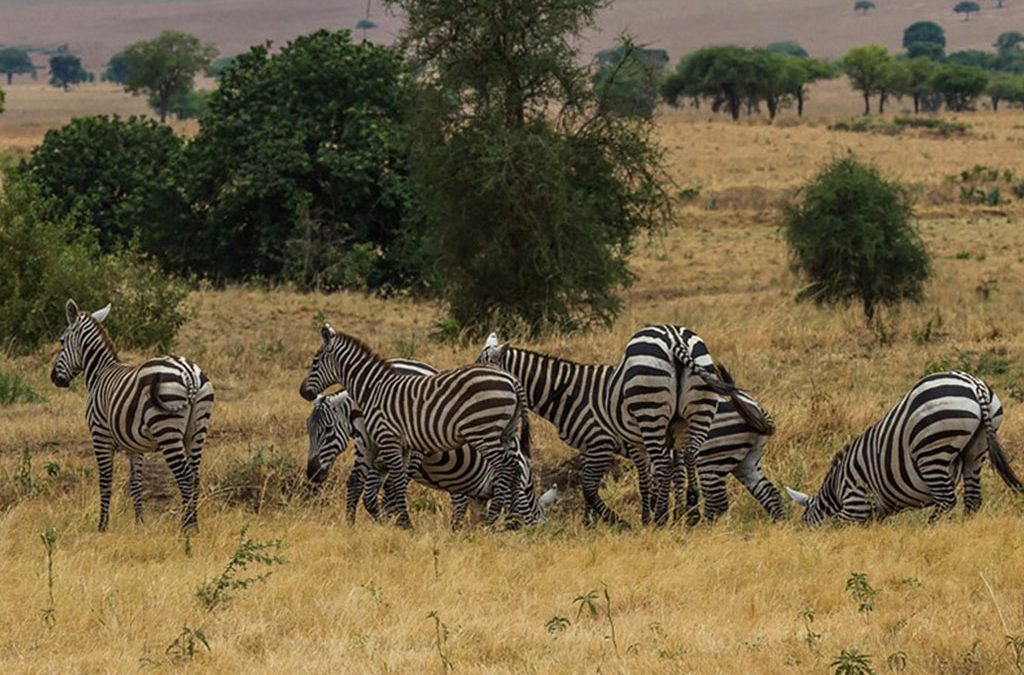
Although the reserve covers a relatively small protected area, it nonetheless supports a remarkable population of wildlife species. Notably, Bugungu Wildlife Reserve hosts substantial populations of Uganda kobs, oribis, lions, and leopards. Specifically, the reserve shelters over 600 Uganda kobs and more than 200 oribis. Additionally, other animals thriving in Bugungu Wildlife Reserve include herds of buffaloes, waterbucks, topis, oryx, elands, warthogs, reedbucks, Rothschild’s giraffes, sitatungas, elephants, dik-diks, and many more species.
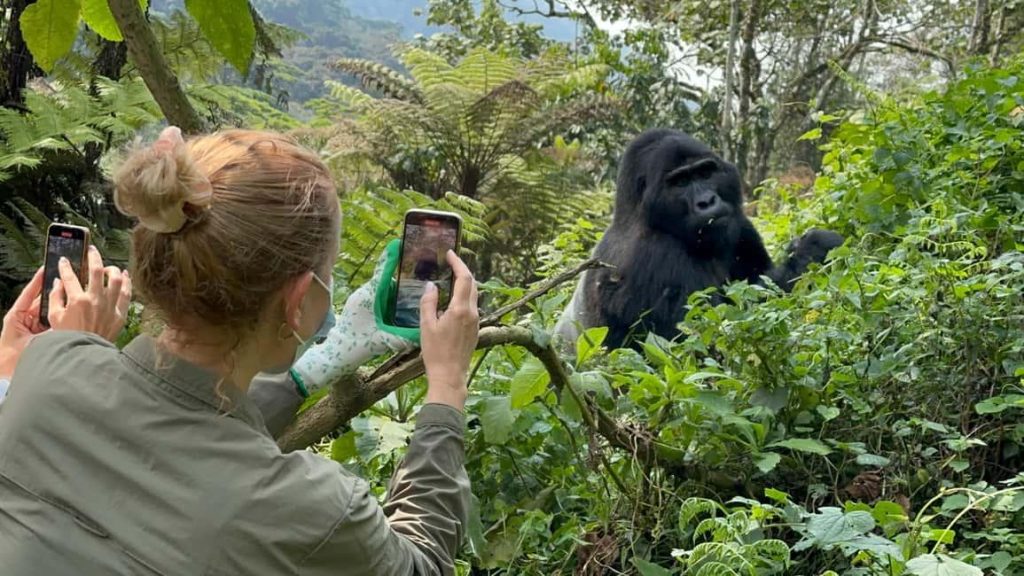
Beyond mammals, various primates also inhabit the forest sections of the reserve. These remarkable primates include L’Hoest monkeys, patas monkeys, black and white colobus monkeys, vervet monkeys, and olive baboons.
Birds
This wildlife reserve serves as a thriving sanctuary for birds, supporting approximately 240 bird species. Among the avian residents of Bugungu Reserve lives the elusive and most sought-after bird, the shoebill. Furthermore, other notable birds inhabiting Bugungu Reserve include black-headed batis, dark chanting goshawks, white-browed sparrow weavers, black-bellied bustards, black-billed barbets, eastern grey plantain-eaters, speckle-breasted woodpeckers, yellow-throated greenbuls, doves, double-toothed barbets, saddle-billed storks, giant kingfishers, swamp flycatchers, black-headed gonoleks, Abyssinian ground hornbills, and many more species.
Tourist Activities in Bugungu Reserve
Game Viewing
Bugungu Reserve houses numerous wildlife species that visitors can observe during exciting game viewing safari experiences. Tourists conduct game viewing drives along trails that wind through the savannah plains of the reserve. During this thrilling experience, you will encounter many animals such as herds of buffaloes, waterbucks, topis, oryx, elands, warthogs, reedbucks, Rothschild’s giraffes, sitatungas, elephants, dik-diks, and countless other species.
Bird Watching
Bugungu serves as an important birding area that supports over 240 bird species, making it an excellent bird watching destination in Uganda. Bird watching in Bugungu Reserve provides visitors with opportunities to spot numerous colorful bird species such as black-headed batis, dark chanting goshawks, white-browed sparrow weavers, black-bellied bustards, black-billed barbets, eastern grey plantain-eaters, speckle-breasted woodpeckers, yellow-throated greenbuls, doves, double-toothed barbets, saddle-billed storks, giant kingfishers, swamp flycatchers, black-headed gonoleks, Abyssinian ground hornbills, and many more.
Primate Tracking
Bugungu Reserve delivers excellent primate tracking experiences for adventurous visitors. The reserve’s forest galleries shelter various primate species that visitors can track while exploring the park. During this exciting safari experience, you will hike through the forests while tracking L’Hoest monkeys, patas monkeys, black and white colobus monkeys, vervet monkeys, and olive baboons, which you will encounter in their natural habitat.
Nature Walks
Bugungu Reserve showcases natural beauty through its scenic landscape dominated by savanna grasslands, which perfectly support amazing nature walk safaris. Visitors enjoy this experience on foot with the expert guidance of a game ranger or guide. As you walk through the reserve, you will spot many animals such as buffaloes, waterbucks, topis, oryx, elands, warthogs, reedbucks, Rothschild’s giraffes, sitatungas, and birds such as black-headed batis, dark chanting goshawks, white-browed sparrow weavers, black-bellied bustards, black-billed barbets, eastern grey plantain-eaters, speckle-breasted woodpeckers, yellow-throated greenbuls, and many more.
Where to Stay in Bugungu Wildlife Reserve
Currently, Bugungu Reserve operates no established accommodation facilities except for a camping site that welcomes campers. However, tourists can find accommodation at lodges located in nearby Murchison Falls National Park. These lodges include Chobe Safari Lodge, Paara Lodge, Bwana Tembo Safari Lodge, Shoebill Campsite, and many more excellent options.
How to Get to Bugungu Wildlife Reserve
Bugungu Wildlife Reserve sits strategically between Bulisa and Masindi districts. Visitors can easily access the reserve using both road and air transportation. From Kampala, where many safaris to Bugungu Reserve typically begin, two prominent routes connect the capital to Bugungu Wildlife Reserve. First, the Kampala-Hoima route covers 292.5 kilometers and requires a drive of 5-6 hours. Alternatively, the Kampala-Masindi route spans 313 kilometers and takes approximately 5 hours of driving.
For air transportation, Aero Link Uganda provides domestic flights from both Kajjansi Airstrip and Entebbe International Airport directly to Bugungu Airstrip.
Best Time to Visit Bugungu Wildlife Reserve
Visitors can explore Bugungu Wildlife Reserve throughout the year. Those seeking the perfect conditions for a memorable safari experience should plan their visit during the dry season. Specifically, the optimal time to visit Bugungu Reserve occurs from late June to mid-September and from December to February.
It’s important to note that Bugungu Reserve experiences its rainy season from late February through May and from mid-October to November. During this period, slippery and muddy routes characterize the area, which explains why the dry season proves more preferable for the best safari experience. Because the routes tend to become slippery and muddy during the rainy season, we strongly advise visitors to use a 4×4 wheel vehicle that can successfully maneuver through these challenging routes.