
What to Expect on a Game Drive?

First-Time African Safari Guide
What to Expect on a Game Drive
What to expect on a game drive is one of the most common questions first-time safari travellers ask. A game drive is not simply a drive through a national park—it is a guided wildlife search shaped by animal movements, weather, habitat, season and the experience of your driver-guide.
Some drives are full of dramatic sightings, while others are slower and more observational. The unpredictability is part of what makes a real African safari different from seeing animals in captivity.
Common game-drive duration
Popular wildlife-viewing periods
Designed for safari roads and viewing
No particular sighting is guaranteed
Camera and binoculars are useful
Start With the Basics
What Exactly Happens on a Game Drive?
A game drive is a guided wildlife-viewing journey through a national park, reserve or conservancy. Your guide follows park tracks while looking for animals, birds, tracks and signs of wildlife activity.
There is usually no fixed sequence of sightings. Your guide may change direction after seeing fresh tracks, hearing an alarm call, receiving information from another guide or noticing wildlife gathering around water.
The Safari Vehicle
Expect a Purpose-Built 4×4 Safari Vehicle
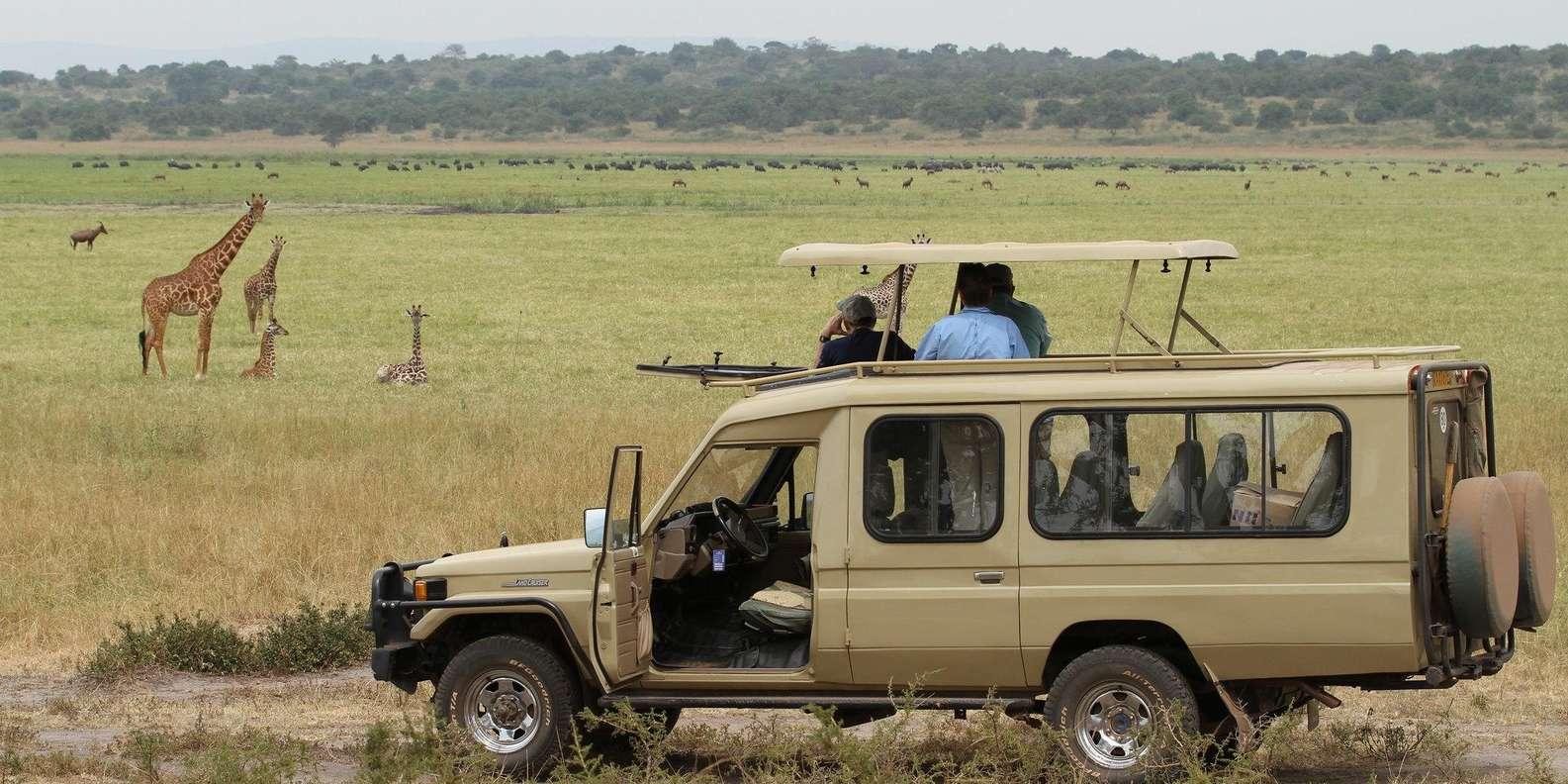
Safari vehicles are designed to deal with unpaved park tracks while providing better wildlife visibility. Depending on the destination and safari style, vehicles may have pop-up roofs, open sides or large windows.
- Elevated wildlife viewing
- Pop-up or open roof where applicable
- Comfortable seating
- Charging ports on selected vehicles
- Cooler or fridge depending on vehicle
- Good ground clearance

Before You Leave the Lodge
what to expect on a game drive in the morning?
Early Wake-Up
Morning drives commonly start early so you can be in the park during cooler hours.
Coffee or Breakfast
Some lodges offer tea and coffee first, with breakfast after the drive or packed for the vehicle.
Guide Preparation
Your guide considers road conditions, recent sightings, weather and likely wildlife areas.
Bring Essentials
Camera, binoculars, water, hat, sunscreen and a light layer are useful.
Morning vs Afternoon Game Drives
| Consideration | Morning Drive | Afternoon Drive |
|---|---|---|
| Temperature | Cooler | Warmer, cooling later |
| Light | Soft morning light | Warm late-afternoon light |
| Predators | Often worth searching for early | Activity may increase toward evening |
| Photography | Excellent | Excellent |
Wildlife Sightings
What Animals Might You See?
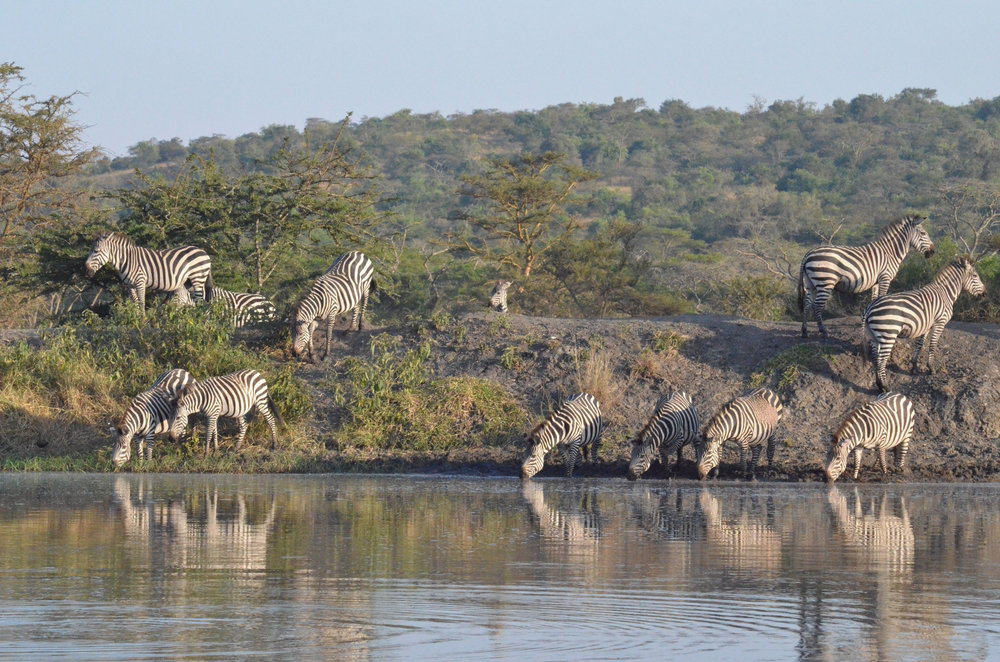
Wildlife depends entirely on the destination, habitat and season. No individual animal should be promised, but safari travellers may encounter everything from large herbivores to predators, birds and smaller animals that are easily overlooked.


Your Guide Matters
How Professional Guides Find Wildlife
A good guide does much more than drive. Guides interpret the landscape and use signs that inexperienced visitors may never notice.
- Fresh animal tracks
- Alarm calls from prey species
- Scavenger birds
- Water sources
- Known territories and habitats
- Seasonal wildlife movements
- Information from other guides


At a Wildlife Sighting
What Happens When the Guide Finds an Animal?
Your guide normally slows down, positions the vehicle carefully and allows enough time to observe the animal without unnecessary disturbance.
At good sightings, the engine may be switched off so guests can watch behaviour, take photographs and listen to the guide’s interpretation.
Safari Etiquette
Respect the Wildlife and Follow Your Guide
Expectation Management
A Game Drive Is Not a Wildlife Checklist
You may spend twenty minutes watching elephants interact, drive for an hour searching for lions, stop repeatedly for birds or unexpectedly encounter something rare around the next corner.
The quieter periods are also part of the experience. A knowledgeable guide can use them to explain animal tracks, plants, ecology, bird calls and the landscape around you.
How Long Does a Game Drive Last?
2–3 Hours
A shorter morning or afternoon drive.
3–4 Hours
A common standard game-drive duration.
4–5 Hours
A longer half-day wildlife drive.
6–8+ Hours
Full-day exploration with picnic or rest stops.
Private vs Shared Game Drives
Private Game Drive
- Your own guide and vehicle
- More flexible photography stops
- Greater control over pace
- Convenient for couples and families
- More time at sightings that interest you
Shared Game Drive
- Can reduce cost
- Social experience
- Common at some safari lodges
- Stops must suit the whole group
- Less individual flexibility
Safari Photography
You Will Not Always Be Close to the Animals
Wildlife may be beside the road or hundreds of metres away. A zoom lens and binoculars can therefore make a major difference.
A private vehicle can also help photographers because the guide can often spend longer positioning the vehicle appropriately when park rules and other vehicles allow.


What Should You Wear?
Early Morning
Carry a light jacket or warm layer because the vehicle can feel cool before sunrise.
Daytime
Lightweight, breathable, neutral-coloured clothes work well in warmer conditions.
Sun Protection
Use a hat, sunglasses and sunscreen, especially in open vehicles.
Rainy Conditions
Keep a lightweight rain jacket available during wetter periods.

Weather
What Happens if It Rains?
Game drives often continue in light or moderate rain. The vehicle roof or side covers may be adjusted, and the guide may change routes depending on track conditions.
Rain can also change wildlife behaviour, produce dramatic skies and create excellent photographic conditions, so wet weather does not automatically mean a poor safari.
Safety
Can You Get Out of the Safari Vehicle?
Normally, travellers only leave the vehicle in designated areas, picnic sites, viewpoints, lodge areas or places specifically approved by guides and park authorities.
Never step out near wildlife simply for a photograph. Always follow your guide’s instructions.
What About Toilets?
Longer drives usually include access to designated rest areas, although facilities inside parks may be simple. Tell your guide when you need a comfort stop rather than leaving the vehicle independently.
Food and Drinks
Water is important, and longer drives may include packed breakfast, picnic lunch or a scheduled lodge meal. Never feed wildlife and always carry rubbish out with you.
Different Parks, Different Experiences
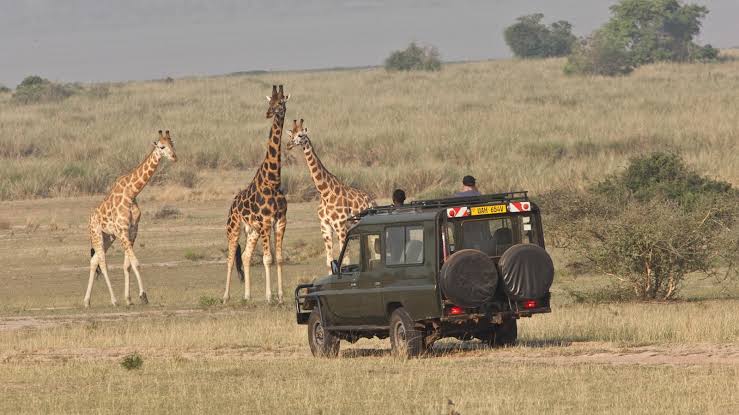
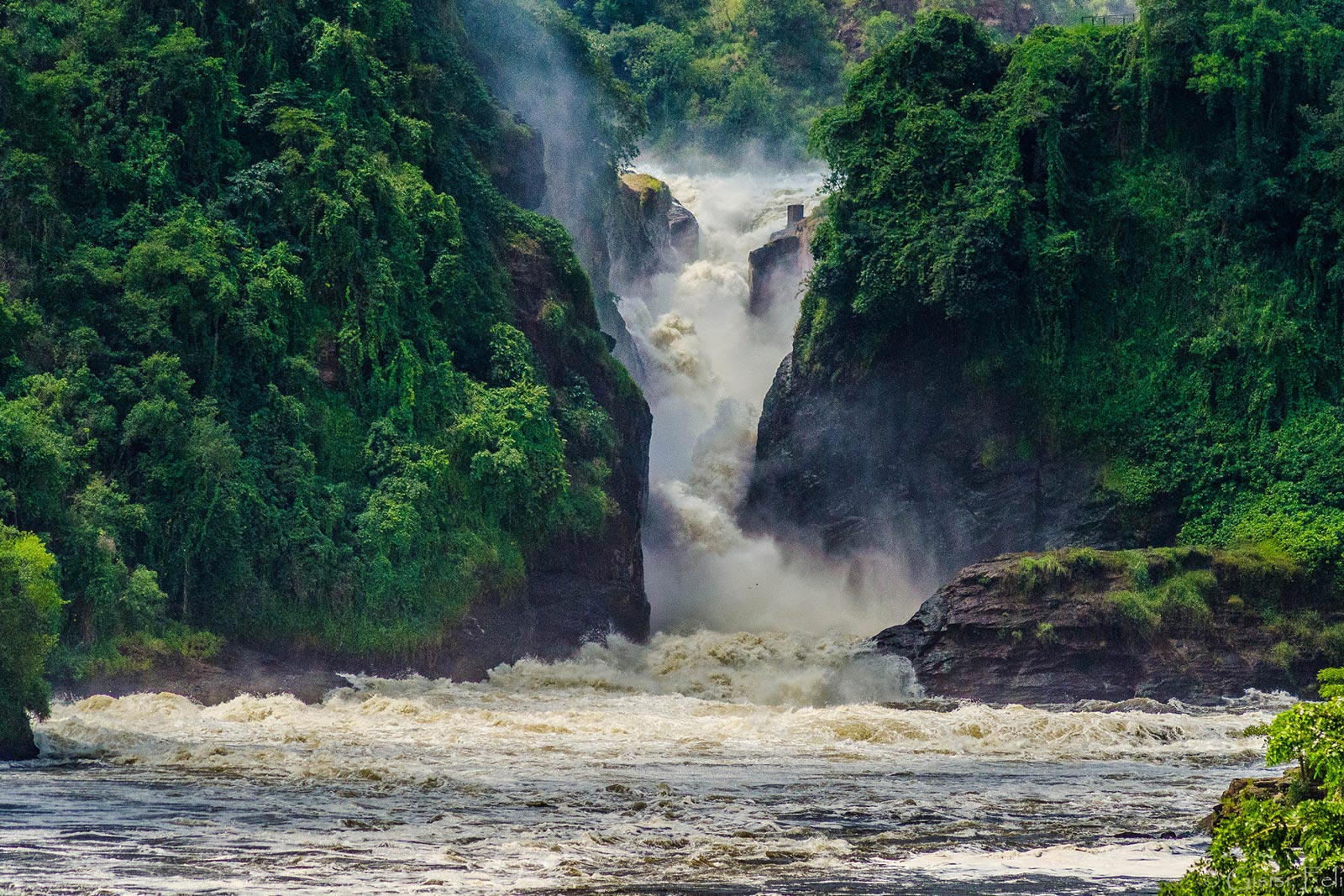
Not Every Game Drive Feels the Same
Common First-Time Game-Drive Mistakes
Expecting Every Animal
No drive guarantees all of the species on your wish list.
Making Too Much Noise
Noise can disturb wildlife and reduce the quality of the sighting.
Only Looking for Lions
Birds, elephants, antelopes and animal behaviour can be equally rewarding.
Rushing Sightings
Patience often reveals more interesting behaviour.
Ignoring the Guide
Your guide understands park rules, wildlife behaviour and safety.
Forgetting a Warm Layer
Early morning drives can be surprisingly cool.
Keep Expectations Realistic
What You Should Not Expect
Frequently Asked Questions
Game Drive FAQs
What is a game drive?
A game drive is a guided wildlife-viewing journey through a national park, reserve or conservancy, usually in a specially adapted safari vehicle.
How long does a game drive last?
Many standard drives last approximately two to four hours, although half-day and full-day drives can be considerably longer.
What time do game drives start?
Morning game drives often begin around sunrise or shortly before, while afternoon drives commonly start later in the day and continue toward sunset, subject to park rules.
What animals will I see?
The answer depends on the park. Possible sightings may include elephants, giraffes, buffaloes, antelopes, zebras, lions, leopards, hyenas and many bird species.
Are wildlife sightings guaranteed?
No. Wildlife is free-ranging, so individual sightings cannot be guaranteed.
Is a game drive safe?
Game drives are conducted under established park rules. Guests should remain in the vehicle and follow guide instructions whenever wildlife is nearby.
Can I get out of the vehicle?
Only at approved locations or when your guide specifically confirms that it is permitted and safe.
What should I wear?
Comfortable neutral clothing, closed shoes, a hat, sunscreen and a light jacket for cooler mornings generally work well.
What should I bring?
Bring water, binoculars, camera equipment, sunscreen, sunglasses and any personal medication you may need.
Can children join a game drive?
In many destinations they can, although lodge and park policies vary. Shorter drives may be more comfortable for younger children.
What happens if it rains?
Game drives may continue if conditions are safe. Routes and vehicle covers can be adjusted depending on rainfall and track conditions.
Is morning or afternoon better?
Both can be excellent. Morning drives offer cooler temperatures and soft light, while afternoon drives can produce warm evening light and changing wildlife activity.
What is a private game drive?
A private game drive means the safari vehicle and guide are reserved for your travelling party rather than shared with unrelated guests.
Can I take photographs?
Yes. Wildlife photography is one of the major parts of a game drive, although guests should always respect guide instructions and park rules.
Which Uganda parks are good for game drives?
Popular options include Queen Elizabeth National Park, Murchison Falls National Park, Kidepo Valley National Park and Lake Mburo National Park.
Your First Safari Starts With the Right Plan
Ready to Experience Your First Game Drive?
Tell Safari Vacations & Travel Services where you want to travel, how many days you have and which wildlife experiences interest you. We can recommend the right parks, private safari vehicle and game-drive schedule for your trip.




