7 Amazing Virunga National Park birding trips Insights
Virunga National Park birding trips are attractive for the extraordinary habitats of eastern Congo, but practical planning begins with current official access and security conditions. This guide separates genuine birding opportunities from assumptions about tours that may not be operating.
Current access caution: The official Visit Virunga site states that gorilla and Nyiragongo treks are closed until further notice. Birding access requires separate direct confirmation. Do not book on the assumption that published historical itineraries currently operate.
Why Virunga is special for birders
Virunga National Park lies in the eastern Democratic Republic of the Congo, where volcanic slopes, montane forest, lakeshores and lower grasslands meet. For a traveling birder, that ecological range matters more than a single headline checklist. A dawn walk in a cool mountain belt calls for very different listening and scanning skills from a wetland visit or an afternoon beside open water. The landscape is part of the Albertine Rift, a region famous for birds with unusually restricted ranges. Depending on the interests and itinerary, birders comparing adjacent highland habitats often consider Volcanoes National Park. Careful planning of Virunga National Park birding trips requires authorization. Quiet observation improves montane forest birding. Authorized guides lead guided birding tours. Careful planning of Virunga National Park birding trips requires authorization. Authorized guides lead guided birding tours. Careful planning of Virunga National Park birding trips requires authorization. Altitude shapes montane forest birding. Park rules govern guided birding tours.
Birding starts with habitat rather than mileage. A dedicated guide may spend half an hour following a mixed flock through foliage, or pause beside a clearing where feeding birds are more visible. It is worth describing your interests before planning: an experienced lister may seek difficult understory species, while a first-time visitor might prefer colorful turacos, sunbirds and general wildlife. Both approaches can be rewarding, but they require different pacing. Depending on the interests and itinerary, a broader regional route can feature Rwanda birding safaris. Elevation influences Albertine Rift endemic birds. Rain complicates montane forest birding. Rain complicates montane forest birding. Accurate records protect Albertine Rift endemic birds.
Virunga is not a routine destination that should be booked on the strength of a generic travel article. Park access and eastern Congo security conditions can change rapidly. The official Visit Virunga tourism notice currently states that gorilla and Nyiragongo treks are closed until further notice. Anyone contemplating a bird-focused visit should request written confirmation of the particular activity, park sector, permitted route and local security arrangements before making payments. Protected habitat supports Albertine Rift endemic birds. Small groups suit guided birding tours. Local guidance supports East African birdwatching trips. Protected habitat supports Albertine Rift endemic birds. Careful preparation improves East African birdwatching trips.
Bird habitats across the national park
Montane forest offers shade, dense understory and constantly shifting bird calls. Along edges and openings, birders may spot movement sooner than in the interior. A guide who knows feeding trees and seasonal flowering patterns can make the difference between hearing a bird and observing it well enough for identification. Quiet observation, patience and careful attention to elevation are more useful than racing along a trail. Depending on the interests and itinerary, Uganda’s Mgahinga Gorilla National Park shares the volcanic highland setting. Quiet observation improves montane forest birding. Rainfall influences montane forest birding.
Bamboo and highland vegetation around the Virunga Massif create another community of specialists. Many birds occupy narrow elevational bands, so a target list should be matched to the exact sector that is legally and safely available. Higher areas bring colder air, strong winds and sometimes reduced visibility. The presence of a species in a park-wide inventory does not mean that every accessible trail offers a reasonable chance of seeing it. Depending on the interests and itinerary, the Albertine Rift forests extend into Bwindi Impenetrable Forest. Elevation influences Albertine Rift endemic birds. Conservation rules shape guided birding tours. Safety determines East African birdwatching trips. Patient observation helps identify Albertine Rift endemic birds. Small groups suit guided birding tours.
Wetlands, marsh edges and the Lake Edward landscape contribute herons, egrets, waterfowl and other water-dependent birds. Open habitats offer opportunities for long-distance scanning but may require very different transport and security protocols. A sensible itinerary treats the park as multiple ecosystems, not one uniform forest stop. The combination of forest, altitude and wetland niches explains why published park bird totals can be impressive yet differ between checklists and sources. Official notices govern Virunga National Park birding trips. Patience helps montane forest birding. Small groups suit guided birding tours.

Albertine Rift specialties worth knowing: Virunga National Park birding trips
The Rwenzori turaco is one of the most recognizable regional specialties, with dramatic plumage and a forest-based lifestyle. Rwenzori batis, mountain masked apalis, stripe-breasted tit and several sunbirds represent the smaller, often harder-to-see side of the highland avifauna. These names help shape a target list, although observers should verify current taxonomic names and local occurrence with a qualified guide. Depending on the interests and itinerary, an Uganda birding safari can offer a practical alternate country route. Guides identify Albertine Rift endemic birds by habitat. Adaptable routes improve East African birdwatching trips. Ethical guiding supports East African birdwatching trips.
Kivu ground thrush, red-faced woodland warbler, handsome spurfowl and strange weaver appear in descriptions of the Albertine Rift bird community. Some birds remain low in thick vegetation; others join mixed feeding flocks or move through middle canopy layers. Finding them usually requires repeated short stops, attention to calls and plenty of time in the right microhabitat. A flexible day is often more productive than an ambitious count of separate trails. Conservation rules shape guided birding tours. Safety determines East African birdwatching trips. Safety determines East African birdwatching trips. Flexible schedules benefit guided birding tours.
Specialist lists also mention scarce species such as Grauer’s swamp warbler, associated with suitable high-altitude wetland habitat. Such species should never be presented as guaranteed sightings. Records vary by location and season, and conservation sensitivity means observers should avoid playback pressure, disturbing nests or walking into fragile bog vegetation. Responsible birding values a brief, distant observation over forcing a perfect photograph. Depending on the interests and itinerary, quiet shoreline walks around Lake Kivu add a waterside contrast. Patience helps montane forest birding. Expertise improves montane forest birding.
Field notes for Virunga National Park birding trips
Sunbirds, turacos and conspicuous forest wildlife
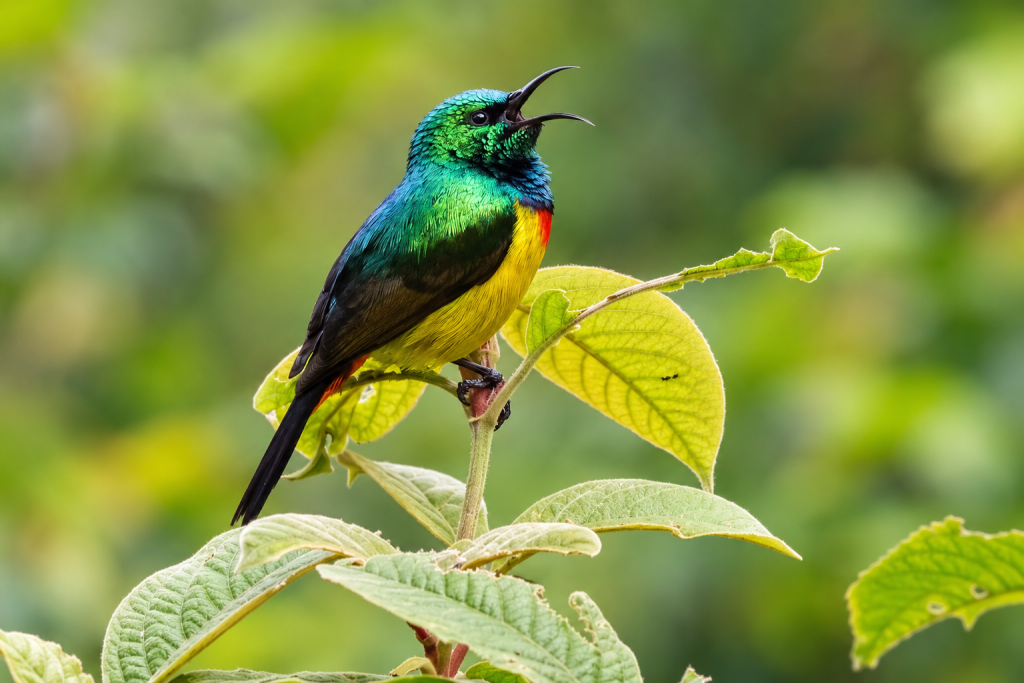
Sunbirds are an enjoyable introduction to the highlands because flowering plants can concentrate activity. Look for fast movements between blossoms, listen for short calls and take time to compare bill shape and plumage in changing light. Regal sunbird and Rwenzori double-collared sunbird are among the regional targets often noted in birding accounts, although identification may be difficult in shade or with females and immature birds. Depending on the interests and itinerary, bird-focused travelers may also consider gorilla trekking in Uganda and Rwanda. Careful planning of Virunga National Park birding trips requires authorization. Guides identify Albertine Rift endemic birds by habitat. Authorized guides lead guided birding tours. Adaptable routes improve East African birdwatching trips. Guides identify Albertine Rift endemic birds by habitat. Guides identify Albertine Rift endemic birds by habitat.
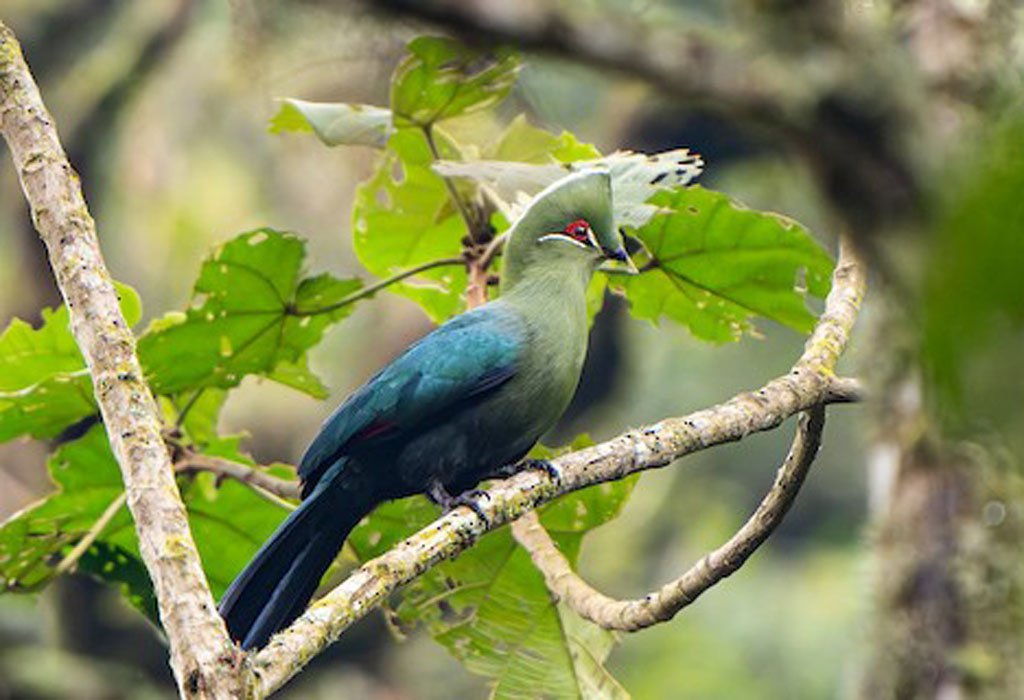
Turacos often advertise themselves through sound before they are visible. Rather than pursuing a call through dense vegetation, scan fruiting trees and wait for a bird to move across a gap. Hornbills, barbets, flycatchers and weavers can add variety to the same stop. A casual visitor may enjoy the colors and movement, while a serious birder may record vocalizations, habitat notes and field marks for later review. Rain complicates montane forest birding. Conservation rules shape guided birding tours. Conservation rules shape guided birding tours.
Bird watching is also an opportunity to notice the wider forest. Primates, butterflies, tree ferns and changing cloud patterns provide context for the avian communities. Guides should keep the group together and on authorized routes, especially where wildlife viewing overlaps sensitive conservation zones. A photograph of a bird in its habitat can communicate more than an extreme close-up with no ecological context. Depending on the interests and itinerary, regional rainfall planning benefits from considering the best time to visit Rwanda. Protected habitat supports Albertine Rift endemic birds. Patience helps montane forest birding. Patience helps montane forest birding.
Plan a Safer Birding Route
Share your preferred dates and target birds so a specialist can confirm which authorized routes are genuinely workable.
Wetland and lakeside birding possibilities
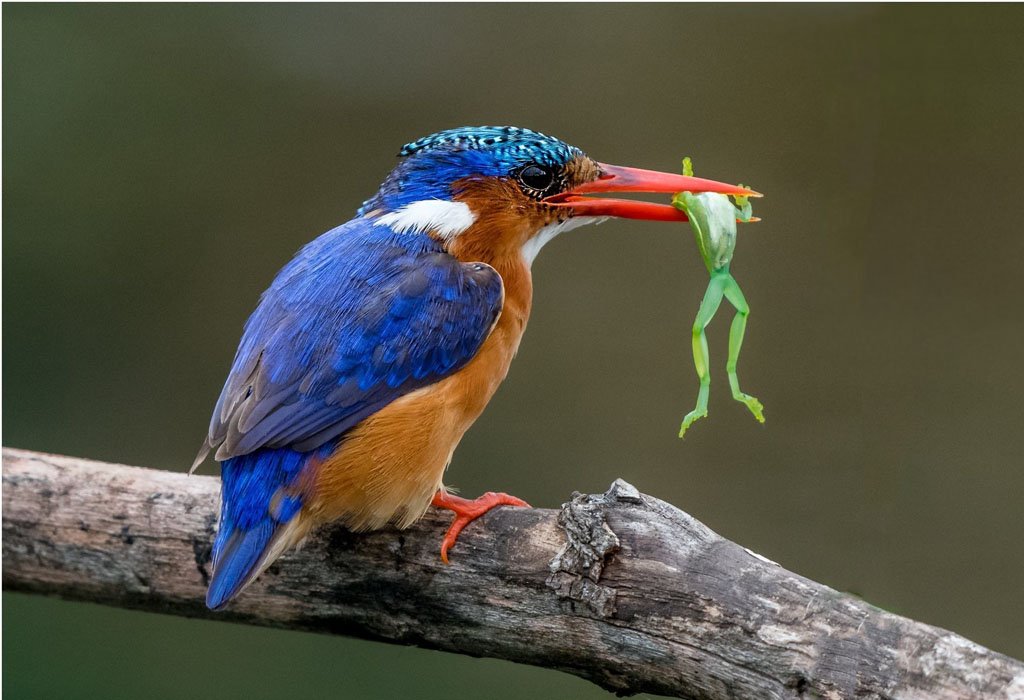
Water edges reward slower scanning. Begin with the shoreline, then look farther out for floating or diving birds, and finally check reeds and sedges for hidden movement. Herons, egrets, cormorants and kingfishers are often easier to observe than secretive forest specialists. Early light can bring calm reflections, while wind and rain make identification and photography more difficult. Depending on the interests and itinerary, different habitats across Rwanda national parks reward a longer itinerary. Careful planning of Virunga National Park birding trips requires authorization. Quiet observation improves montane forest birding. Authorized guides lead guided birding tours.
Birding literature sometimes lists shoebill among the wider region’s wetland attractions. It is essential not to translate a regional record into a promise for a specific Virunga itinerary. A shoebill-focused excursion should only be advertised when the precise location, access and current sighting prospects have been confirmed. For many travelers, established wetland locations outside eastern Congo are more practical. Rain complicates montane forest birding.
If lakeside routes are inaccessible, do not attempt informal entry through small roads or settlements. Waterbird opportunities are widespread across the Great Lakes region, and an alternative site can deliver satisfying birding without exposure to avoidable uncertainty. A tailored plan should specify whether boat activity is authorized, which shore is being visited, who supervises the outing and what happens if weather interrupts the schedule. Depending on the interests and itinerary, forest visitors sometimes pair birding with Nyungwe chimpanzees. Protected habitat supports Albertine Rift endemic birds. Small groups suit guided birding tours. Local guidance supports East African birdwatching trips.

Best time to plan a bird-focused journey
Bird activity varies with rainfall, food availability, breeding behavior and the presence of seasonal migrants. Wetter periods can make forests lively and bring fresh flowering or insect activity, but they also make tracks muddy and can obscure views with clouds. Drier spells can make walking more comfortable and equipment management easier. Neither season guarantees better sightings of every target. Quiet observation improves montane forest birding.
Late February through April and October through November are often mentioned in regional birding descriptions as wetter windows with active birdlife. These are broad planning patterns rather than a fixed operational timetable for Virunga. A guide should review your particular species priorities and current conditions before recommending dates. Weather also differs markedly between lakeshore lowlands and mountain habitat. Depending on the interests and itinerary, lowland and mid-elevation comparisons can include Kibale Forest National Park. Elevation influences Albertine Rift endemic birds. Safety determines East African birdwatching trips.
For photographers, softer cloud-filtered light may be useful in the forest, whereas wet leaves and low light often demand higher camera sensitivity or a support system. Migratory birds add seasonal interest, but resident Albertine Rift specialists are the main reason many enthusiasts study the region. Above all, the best travel month is one in which the intended route is officially open and responsibly operable. Depending on the interests and itinerary, Uganda’s Murchison Falls National Park adds open-country and river birds. Official notices govern Virunga National Park birding trips. Small groups suit guided birding tours.
How a responsible birding day should work
A productive forest morning begins with a clear meeting time, an experienced local guide and a realistic route. Guides can identify calls, choose safe stopping points and adjust the plan when rain or trail conditions change. Smaller groups are easier to keep quiet and offer every participant more room to scan a feeding flock. If some members are interested in photography, discuss time allowances before departure. Guides identify Albertine Rift endemic birds by habitat. Quiet observation improves montane forest birding. Adaptable routes improve East African birdwatching trips. Quiet observation improves montane forest birding. Quiet observation improves montane forest birding.
At each stop, listen before walking farther. Check the canopy against the sky, then work slowly through shrubs and the forest floor. Record uncertain sightings rather than forcing a confident identification. Field notes should include elevation, habitat, behavior and vocalizations. For difficult birds, a description of the call may help confirm the record when photographs are unavailable. Depending on the interests and itinerary, savannah and wetland birding at Queen Elizabeth National Park can extend a trip. Current access affects Virunga National Park birding trips. Conservation rules shape guided birding tours. Safety determines East African birdwatching trips. Safety determines East African birdwatching trips.
Comfort and safety matter. Build regular drinking breaks into mountain walks, carry snacks and tell the guide about mobility limitations or existing medical concerns. Never separate from the group in pursuit of a calling bird. Rangers and local authorities determine the safe areas, and access restrictions should be accepted without negotiation. A good trip creates meaningful observations without putting guides, travelers or wildlife at risk. Depending on the interests and itinerary, it is important to distinguish birding access from gorilla trekking in Congo. Patience helps montane forest birding. Small groups suit guided birding tours. Small groups suit guided birding tours.
A sample five-day plan when access is authorized
Day one is for arrival, official briefings, Accommodation and checking that the next day’s route remains approved. If there is a safe, permitted birding area near the base, a short introductory walk can help participants adjust to local calls and the climate. Avoid a tight arrival-to-trek connection, particularly when international travel or a border crossing is involved. Guides identify Albertine Rift endemic birds by habitat. Authorized guides lead guided birding tours. Adaptable routes improve East African birdwatching trips. Guides identify Albertine Rift endemic birds by habitat.
Day two could concentrate on a designated montane forest habitat, with a slow morning for mixed flocks and an afternoon reviewing observations. Day three could focus on another authorized elevation or edge habitat, provided local managers confirm the route. Changing elevation can diversify sightings, but only when the transfer does not consume the entire day or introduce unnecessary travel exposure. Depending on the interests and itinerary, a Congo rainforest safari requires current sector-specific verification. Current access affects Virunga National Park birding trips. Rain complicates montane forest birding. Conservation rules shape guided birding tours. Current access affects Virunga National Park birding trips.
Day four would ideally explore a distinct habitat such as authorized wetland or woodland terrain. Day five is reserved for a final short outing and onward travel with generous contingency time. This is a planning framework, not an assertion that all these activities currently operate inside Virunga. No booking should be made until the park or a recognized operator confirms actual access, staff, transport and the relevant permissions. Protected habitat supports Albertine Rift endemic birds. Patience helps montane forest birding. Patience helps montane forest birding.

Travel from Rwanda, Uganda and Congo
International visitors often think of Kigali as a regional gateway, with Goma appearing on historical Virunga routes. However, a map distance is not a substitute for checking border control, current road security, visa conditions and the park’s authorized transport process. A route that worked during an earlier tourism season may be unavailable now. Avoid online itineraries that treat a crossing as routine without current verification. Depending on the interests and itinerary, some travelers mix birding with an Uganda primate safari. Careful planning of Virunga National Park birding trips requires authorization. Quiet observation improves montane forest birding. Authorized guides lead guided birding tours.
For any Congo journey, request the exact port of entry, approved driver or escort, meeting point, lodging and emergency contact information in writing. Passport, vaccination documentation and visa requirements depend on nationality and can change. Confirm details with official authorities rather than relying on a travel blog’s date-specific price or instruction. Travel insurance should explicitly cover the destination and planned activities. Depending on the interests and itinerary, the context of Volcanoes National Park gorillas helps explain regional conservation priorities. Rain complicates montane forest birding.
If a Congo leg cannot be confirmed, Rwanda and Uganda offer valuable birding substitutes. The choice depends on the targets: highland forest, Albertine Rift endemics, wetland birds, savannah diversity or a multi-park experience. A responsible operator can preserve the spirit of the original birding plan rather than forcing travelers toward an uncertain border crossing. Protected habitat supports Albertine Rift endemic birds. Local guidance supports East African birdwatching trips.
Ask About Highland Bird Targets
Request an itinerary with realistic habitat choices, walking pace and contingency options.
Alternatives in Rwanda and Uganda
Rwanda’s Volcanoes National Park protects part of the same Virunga mountain chain, making it relevant for birders attracted by highland ecology. Guided walks and associated activities must follow the park’s current rules. Nyungwe offers another major forest experience with specialized birds, primates and dramatic terrain. Lake Kivu provides a different waterside setting for relaxed bird observations between forest days. Depending on the interests and itinerary, the best time to visit Mgahinga depends partly on trail conditions. Quiet observation improves montane forest birding. Authorized guides lead guided birding tours. Authorized guides lead guided birding tours. Authorized guides lead guided birding tours.
Across the border, Uganda’s Mgahinga Gorilla National Park shares the volcanic landscape and can appeal to visitors interested in high-altitude forest birds. Bwindi Impenetrable National Park is another renowned location for Albertine Rift specialties, while Semuliki provides contrasting lowland forest habitat. Wetland enthusiasts may add a separate, properly guided shoebill excursion in a recognized site rather than treating it as part of a mountain itinerary. Depending on the interests and itinerary, practical Rwanda safari tips help with clothing and transfers. Elevation influences Albertine Rift endemic birds. Safety determines East African birdwatching trips.
A regional route can blend two or three habitats without excessive road transfers. For example, a few nights in Rwanda’s highlands followed by a focused forest stop in Uganda may cover more useful birding time than a schedule overloaded with borders. Such an approach works particularly well when Congo access remains uncertain or guests are traveling with family members who prefer easier walks. Official notices govern Virunga National Park birding trips. Small groups suit guided birding tours. Local guidance supports East African birdwatching trips. Local guidance supports East African birdwatching trips.
Birding equipment and photography
Comfortable waterproof hiking boots with reliable grip are essential on slippery trails. Pack breathable long sleeves, trousers, a lightweight insulating layer, a compact rain jacket, water and a small daypack. Binoculars are more useful than a large camera for many first-time birders. An eight-power or ten-power pair is a common starting point, although comfort and steady handling matter more than maximum magnification. Depending on the interests and itinerary, a current Rwanda travel guide can frame a cross-country route. Guides identify Albertine Rift endemic birds by habitat. Quiet observation improves montane forest birding. Quiet observation improves montane forest birding.
A field guide or reputable bird identification app can help you compare lookalikes. Download materials before leaving reliable internet access and keep batteries charged. A notebook is invaluable: even simple descriptions of body size, color blocks, bill shape and behavior improve later identification. Where audio recording is permitted, capture calls unobtrusively without broadcasting playback to lure sensitive birds. Current access affects Virunga National Park birding trips. Elevation influences Albertine Rift endemic birds. Conservation rules shape guided birding tours. Safety determines East African birdwatching trips. Elevation influences Albertine Rift endemic birds.
Photography in thick forest is often demanding. Bring spare batteries, weather protection and a lens you can carry comfortably on a long walk. Avoid stepping off established routes for a cleaner background. Flash, drones and other equipment may be restricted; ask first. Guests should be realistic about what can be photographed in low light, especially small birds moving rapidly in the mid-canopy. Depending on the interests and itinerary, advice on what to wear on a gorilla trek can also inform wet-forest packing. Patience helps montane forest birding. Small groups suit guided birding tours. Small groups suit guided birding tours.
Safety, access restrictions and honest expectations
The most important booking decision is not which rare species appears on a checklist. It is whether the specific protected-area activity is currently open, legally permitted and supported by appropriate security arrangements. The official Visit Virunga website publishes tourism notices, and these should be checked directly before deposit, before travel and again close to departure. A historic brochure or a third-party listing is not confirmation. Depending on the interests and itinerary, a gorilla trekking packing list overlaps with many forest birding essentials. Guides identify Albertine Rift endemic birds by habitat. Authorized guides lead guided birding tours. Adaptable routes improve East African birdwatching trips.
Authorities may restrict individual sectors without closing every type of park activity. Conversely, information about one attraction cannot be used to assume permission for another. Travelers should obtain precise details about the birding activity, ranger supervision, transfer corridor and cancellation terms. Avoid informal guides offering to bypass controls. Local communities and conservation personnel bear the consequences when visitors ignore restrictions. Current access affects Virunga National Park birding trips. Rain complicates montane forest birding. Conservation rules shape guided birding tours.
If officials advise postponement, choose a substitute route instead of attempting an unofficial entrance. A plan built around Rwanda’s or Uganda’s established national parks can still deliver outstanding Albertine Rift birding. Flexibility protects not only your holiday but also the people responsible for guiding it. No bird photograph or checklist addition justifies an avoidable safety risk. Depending on the interests and itinerary, guidance on gorilla trekking fitness is relevant to steep forest paths. Patience helps montane forest birding.
Budgeting and choosing a specialist guide
A realistic quote separates guiding, transport, park fees, accommodation, meals, specialist birding support and any permits from optional excursions. Prices should be requested for your actual dates and group size rather than taken from old online examples. Private birding often costs more than a general group excursion but may offer valuable flexibility when tracking calls or photographing slow-moving wildlife. Depending on the interests and itinerary, the Uganda vs Rwanda gorilla trekking comparison helps when planning multi-interest tours. Careful planning of Virunga National Park birding trips requires authorization. Authorized guides lead guided birding tours. Adaptable routes improve East African birdwatching trips. Adaptable routes improve East African birdwatching trips. Adaptable routes improve East African birdwatching trips.
Ask a potential guide which habitats can actually be visited, how many hours are spent birding rather than transferring and whether the guide recognizes key Albertine Rift calls. A strong specialist will discuss difficult targets openly, explain seasonal uncertainty and suggest alternatives if a site is closed. Vague promises of every rare bird are a warning sign rather than a reason to book. Rain complicates montane forest birding.
Check the operator’s cancellation policy, payment methods, emergency procedures and written itinerary. The quote should make clear whether the trip is confirmed or conditional on an official reopening. Guests traveling alone may consider joining a small group for cost reasons, but the group’s interests should be compatible. A birding schedule works best when participants agree that quiet observation takes priority over constant movement. Depending on the interests and itinerary, a Rwanda wildlife guide adds useful context beyond birds. Protected habitat supports Albertine Rift endemic birds. Local guidance supports East African birdwatching trips.
Combining birding with wildlife and culture
Birding can sit alongside gorilla interests, volcano scenery, community encounters and scenic lakes, but combining activities must be realistic. Primate trekking can involve fixed permits, physical effort and a different daily rhythm. If the plan crosses national borders, each authority’s rules and permit conditions apply separately. Never assume that a gorilla itinerary can automatically accommodate an extra birding trail inside a restricted area. Quiet observation improves montane forest birding. Authorized guides lead guided birding tours. Authorized guides lead guided birding tours.
Local cultural visits can enrich an ecological journey when they are organized by hosts who welcome visitors and benefit directly. Ask before photographing people, respect private spaces and avoid portraying communities as an attraction without agency. Guides who explain agriculture, forest use and conservation challenges help visitors understand why protecting habitat matters to both birds and people. Depending on the interests and itinerary, the best time to trek mountain gorillas may influence a combined wildlife trip. Elevation influences Albertine Rift endemic birds. Rain complicates montane forest birding. Rain complicates montane forest birding.
Leave room for unplanned observations. A short walk near a lawful lodge site may produce a memorable hornbill or sunbird without an expensive extra transfer. The most satisfying trips often balance an ambitious target list with the pleasure of learning unfamiliar calls, changing landscapes and taking time to observe ordinary behavior well. Depending on the interests and itinerary, the East African Tourist Visa has specific eligibility and country limits. Official notices govern Virunga National Park birding trips. Small groups suit guided birding tours. Local guidance supports East African birdwatching trips.
Compare Rwanda and Uganda Alternatives
Explore forest and wetland birding in parks with independently confirmed access.
Frequently asked questions
Can birders visit Virunga right now? The answer depends on the specific activity and the most recent official notice, not a general claim that the park is open or closed. The official tourism site presently warns that gorilla and Nyiragongo treks are closed until further notice. Bird-specific access must be confirmed directly and in writing; do not infer it from unrelated tour descriptions. Guides identify Albertine Rift endemic birds by habitat. Quiet observation improves montane forest birding. Quiet observation improves montane forest birding.
How many days should a birder allow? If an authorized program becomes available, three to five focused field days may suit a compact itinerary, while more time helps with difficult forest targets. This recommendation assumes sensible access and does not promise the ability to visit particular sectors. Longer trips should be justified by additional habitats rather than repeated road transfers. Depending on the interests and itinerary, custom African safaris can combine birds with wildlife. Elevation influences Albertine Rift endemic birds. Conservation rules shape guided birding tours. Safety determines East African birdwatching trips. Elevation influences Albertine Rift endemic birds.
Are rare Albertine Rift birds guaranteed? No. Elevation, season, vocal activity, local restrictions and good fortune all influence observations. An experienced guide improves the method, not the certainty. Can a family participate? Often bird watching can be adapted to different ages and levels of interest, but trail steepness and official restrictions must be confirmed for each location. Depending on the interests and itinerary, an Uganda–Rwanda tour can connect several habitats. Official notices govern Virunga National Park birding trips. Patience helps montane forest birding. Small groups suit guided birding tours. Official notices govern Virunga National Park birding trips.
Creating a personal target checklist
Build a target list in three tiers: birds you are likely to meet in suitable habitat, specialties that require a patient guide, and scarce species that would be a bonus. Keep common species on the list too, because comparing everyday birds helps you learn unfamiliar families. When a bird is heard but not seen, record it as a heard-only observation rather than converting uncertainty into a claimed sighting. A checklist is a learning tool, not a competition. Review published names before travel because taxonomy changes and older field guides may group species differently. The habitat matters more than the exact spelling of a label. Current access affects Virunga National Park birding trips. Guides identify Albertine Rift endemic birds by habitat. Patience helps montane forest birding. Rain complicates montane forest birding. Conservation rules shape guided birding tours. Adaptable routes improve East African birdwatching trips.
How to plan a trip worth taking
Start by listing the birds and habitats that matter most, your preferred month, available days and tolerance for demanding trails. Then ask a qualified operator to distinguish currently confirmed activities from aspirational ones. Get the planned sector, access authority, accommodation and realistic transfer hours in writing before paying any non-refundable amount. Careful planning of Virunga National Park birding trips requires authorization. Authorized guides lead guided birding tours. Adaptable routes improve East African birdwatching trips. Adaptable routes improve East African birdwatching trips.
If Virunga cannot be visited safely and officially, consider a similar highland itinerary in Rwanda or Uganda rather than abandoning the birding objective. A good regional journey can still prioritize mountain specialists, colorful forest birds and relaxing wetland observations. The best itinerary is the one that fits the actual conditions on the ground and allows enough quiet time to listen and look. Depending on the interests and itinerary, flexible Rwanda safari packages may suit mixed-interest groups. Rain complicates montane forest birding. Conservation rules shape guided birding tours. Conservation rules shape guided birding tours.
The Albertine Rift rewards curiosity more than hurried checklist collecting. Whether a future Virunga visit becomes possible or an alternative park is the practical choice, careful preparation, patient guiding and respect for conservation rules turn a birding holiday into a deeper encounter with East African landscapes. Protected habitat supports Albertine Rift endemic birds. Local guidance supports East African birdwatching trips.
Research note: Park species summaries were cross-checked against published Virunga birding descriptions and official tourism notices; species totals vary between sources. Access and travel requirements must be checked again before departure.