Tourist attractions in Sibiloi National Park

Tourist attractions in Sibiloi National Park
Sibiloi National Park lies on the northeastern shore of Lake Turkana in the northern part of Kenya. The park was gazetted in 1973 by the government of Kenya for the protection of wildlife and paleontologist sites there. Sibiloi National Park covers an area of about 1,570. 85 square kilometers (610 sq mi) and is internationally famous for its fossils. It was listed as a UNESCO World Heritage Site in 1997 as a part of Lake Turkana National Park. The park was named after Mount Sibiloi, which is in view at Alia Bay on the south perimeter.
Sibiloi National Park is located on the wild and rugged shores of Lake Turkana. It is home to important archaeological sites including Koobi Fora. Here, the fossil remains have contributed more to the understanding of human evolution than any other site on the continent. The area is characterized by semi-desert habitat and open plains flanked by volcanic formations. This includes Mount Sibiloi, where the remains of a petrified forest can be seen.
Animals
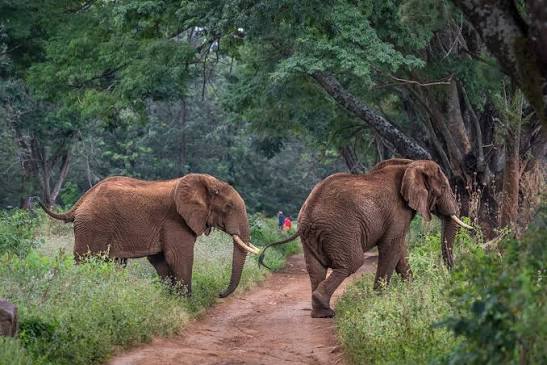
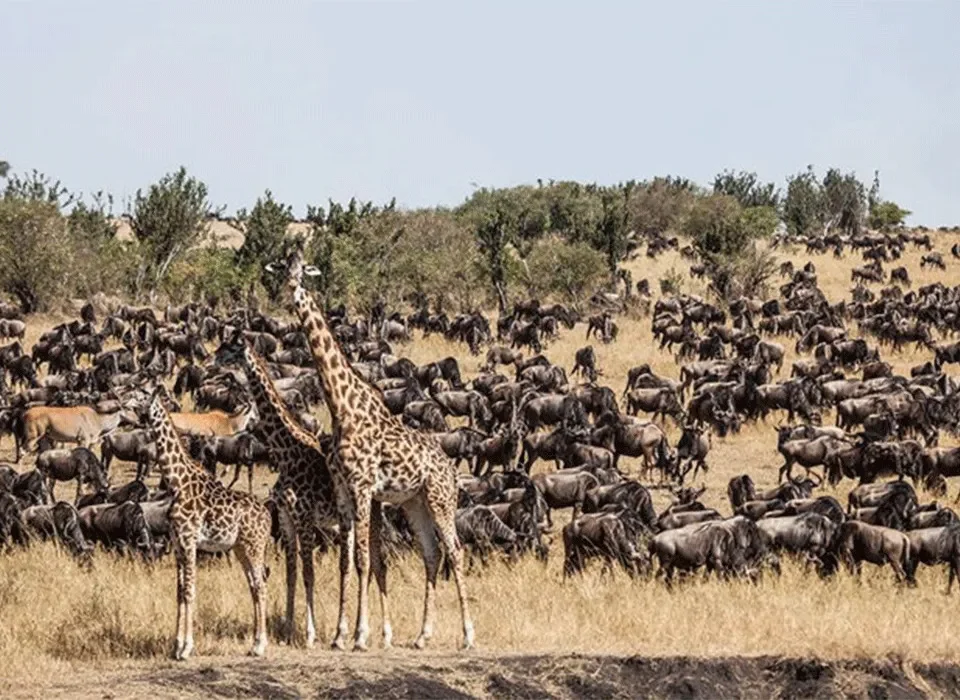
Sibiloi National Park is a fantastic spot for those looking to adventure in Kenya. the park is home to a variety of animals, including unique species like Zebra (Burchell’s and Grevy’s), gazelle, Beisa oryx, hartebeest, topi, kudu, lion, cheetah, leopard, striped hyena, hippo and crocodiles basking in the sun by Lake Turkana. Animals like the lesser kudu are also part of the park’s diverse wildlife, making every visit an exciting experience.
Bird species
Sibiloi National Park is a top birdwatching location in Kenya. The park is home to over 400 bird species. You might spot the Greater and Lesser Flamingo, Osprey, Egyptian Goose, Comb Duck, Yellow-necked Spurfowl, Little Grebe, Mourning Collared Dove, Namaqua Dove, Chestnut-bellied Sandgrouse, Lichtenstein’s Sandgrouse, African Palm Swift, Kori Bustard, Buff-crested Bustard, White-bellied Go-away-bird, European White Stork, Great White Pelican, Hamerkop, Black-headed Heron, Great Egret, African Sacred Ibis, Great Cormorant, Black-winged Stilt, Crowned Lapwing, Common Sandpiper, Green Sandpiper, Gray-hooded Gull, Egyptian Vulture, White-headed Vulture White-headed Vulture, Heuglin’s bustard, northern carmine, Somali bee-eater, chestnut-bellied sandgrouse, fox kestrel, and Verreaux’s Eagle among others. The Park is also famous for the European migrants that sweep across its skies between March and May.
Karari Escarpment
Sibiloi national park has Karari escarpments as one of the top tourist attractions in the country which is seen as a low ridge that extends to the south consisting of fluvial deposits and flood slits. More so, this site is extremely occupied with large samples of stone artifacts and it is famously known for its excavations of the ancient sites.
Cultural Encounters
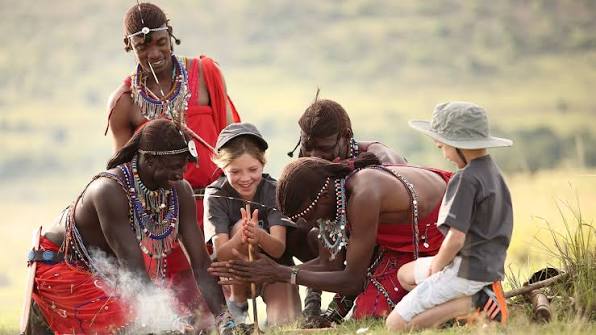
Visiting Sibiloi National Park allows you to connect with nearby communities during your downtime. The local people, including the Turkana, Dassanach, and Gabbra tribes, are welcoming and eager to share their rich cultures. If you visit during the dry season, you may see nomadic groups like the Samburu and Rendile, who inhabit the area. Engaging with these communities lets you learn about their daily lives, from their traditional clothing and cooking methods to their stories and history. Plus, you might get to enjoy lively dance performances that showcase their vibrant culture.
The world’s largest crocodile nursery
Crocodiles breed on the shores of the island’s crater lakes between April and May. The baby crocodiles can be heard squeaking in their eggs, which are buried deep beneath the sand to escape the predatory attentions of monitor lizards and raptors. Their cries bring their parents scurrying to dig them out and carry them down to the water’s edge, where they spend their first months.
Venomous reptiles and prehistoric fish
Lake Turkana is also home to some of the most venomous snakes on the planet, such as the saw-scaled viper and the puff adder. Alongside these reptiles, the lake is teeming with various fish species, including massive Nile perch and tilapia. Interestingly, the presence of puffer fish, which are usually found in oceans, hints at Turkana’s ancient link to the Red Sea.
Lake Turkana
Lake Turkana is the most saline of Africa’s large lakes. It is the largest of the chain of Rift Valley lakes in Kenya. Also, it is the world’s largest permanent desert and alkaline lake. The Lake previously known as Lake Rudolf, is one of the park’s main attractions. It’s famous for its breathtaking beauty, often referred to as the “jade sea” for its stunning greenish and turquoise waters. The lake also boasts three volcanic islands, with some parts designated as national parks. It serves as an important breeding ground for many migratory bird species, making it a crucial spot for nature lovers. The lake is also known as a crocodile kingdom, housing over 12,000 crocodiles has hardly changed in 130 million years. Despite their monstrous size and formidable appearance, they are generally inoffensive beasts living in perfect harmony with their environment and feeding on the Lake’s prolific fish.
Petrified Forests
The large areas of petrified wood lying around Sibiloi National Park are the remains of a once-great cedar forest. They covered the lakeshores some 7 million years ago.
Koobi Fora Museum
North of Alia Bay lies Koobi Fora, although all of Koobi Fora’s human fossils are now housed in Nairobi’s National Museum. You can still view the fossil of a 3-million-year-old giant tortoise, an ancient species of crocodile, and a 1.5-million-year-old behemoth on-site. This area is rich in research opportunities concerning the geology of the region and the evolution of animals and humans. This site offers valuable insights into our past and the natural history of the area.
Other Fascinating Sites
The park is dotted with other intriguing spots, such as the Jarigole pillars, known for their significant archaeological finds. These sites, rich with historical artifacts from a time before the Iron Age, include figurines, beads, and tools. Additionally, the petrified forest showcases the area’s unique landscape, formed from scrubland nestled beside picturesque lakes and rivers.
During your wildlife safari visit to Kenya’s Sibiloi, we also recommend that you visit various archaeological sites in the park. Many of these sites have revealed remnants of human history that lend to the area’s well-known label as the “Cradle of Mankind.” Some of the most groundbreaking fossilized finds were the giant tortoise remains of 3 million years old. Also, a skeleton of an elephant recki – a forebear pachyderm, a 45-foot-long crocodile named “Behemoth” and the prized Turkana Boy, which is available to be privately seen via African Mecca at the Nairobi National Museum.