
Maramagambo Forest Safari in Uganda
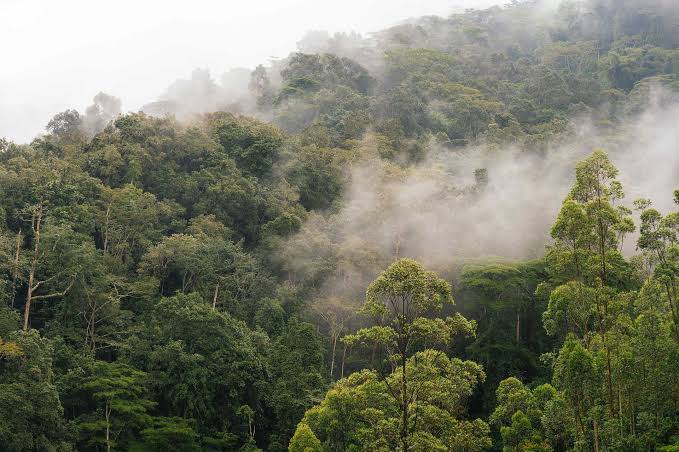
Discover the Beauty of Maramagambo Forest Safari in Uganda
Maramagambo Forest is one of the interesting natural attractions found within Queen Elizabeth National Park in southwestern Uganda. Unlike the park’s open savannah plains, where visitors search for elephants, buffaloes, antelopes and lions from safari vehicles, Maramagambo offers a quieter experience beneath a tropical forest canopy.
The forest is known for its rich vegetation, birdlife, primates, nature-walking opportunities, crater lakes and the famous bat cave area. It gives visitors an opportunity to appreciate another side of Queen Elizabeth National Park: a world of tall trees, shaded trails, forest sounds and fascinating ecological relationships.
Visiting Maramagambo is particularly rewarding for nature lovers, birdwatchers, photographers and travellers who want to add a guided walking experience to a traditional Uganda wildlife safari. It can also be combined with game drives, a boat cruise along the Kazinga Channel and other attractions within the park.
To understand the wider destination, explore our Queen Elizabeth National Park safari guide and discover the many experiences available in this remarkable protected area.
Top Reasons to Visit
The forest offers a different kind of safari, combining nature, wildlife observation, scenery and guided outdoor exploration.
Forest Nature Walks
Explore designated trails with an authorized guide and discover the forest’s plants, trees and wildlife.
Bat Cave Area
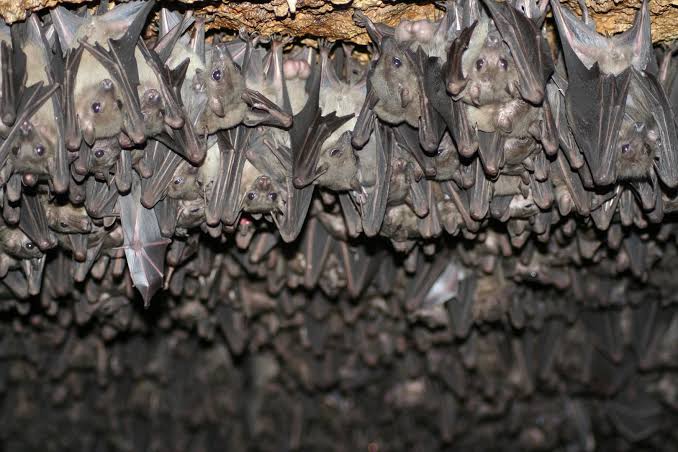 Learn about the relationship between fruit bats and pythons at the famous cave viewing area, subject to current access arrangements.
Forest Birdwatching
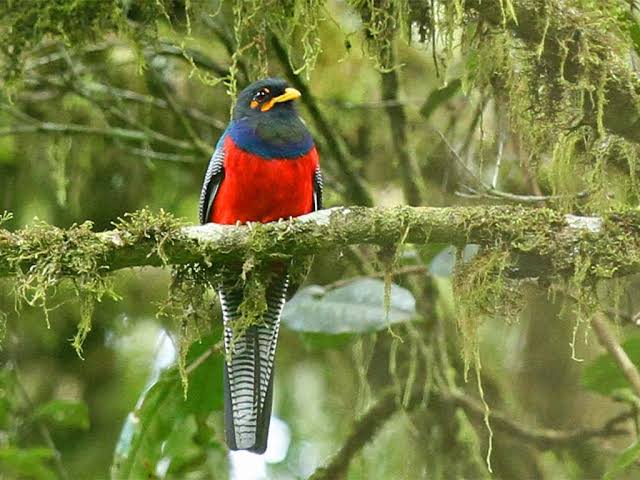 Search for forest-associated birds, including turacos, pigeons and flycatchers.
Primate Encounters
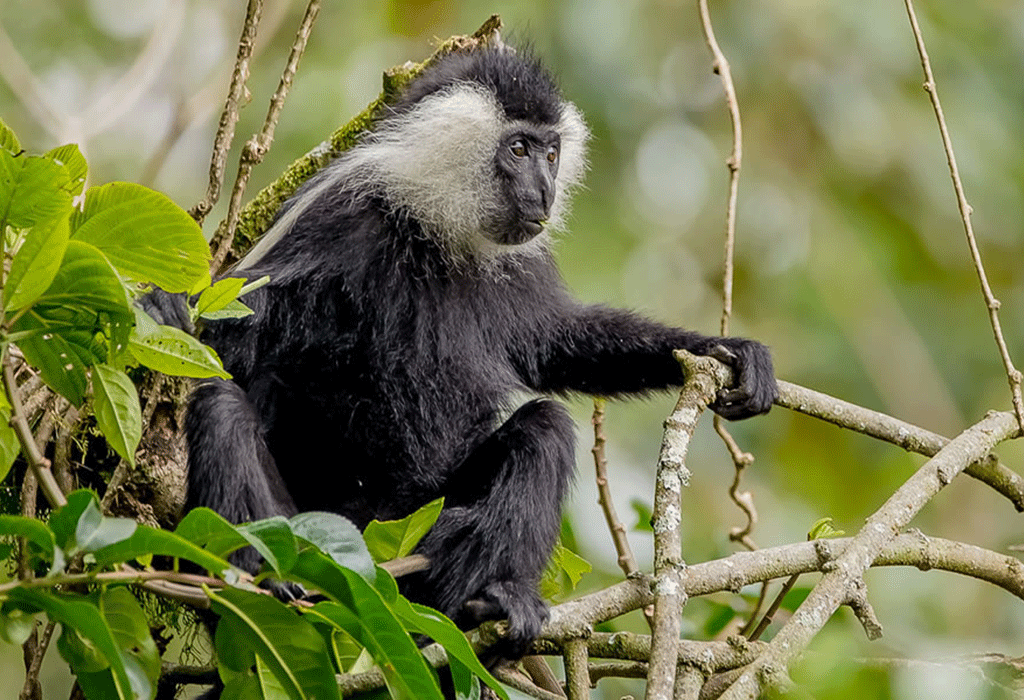
Look and listen for monkeys and other forest animals moving through the vegetation.
Crater Lake Scenery
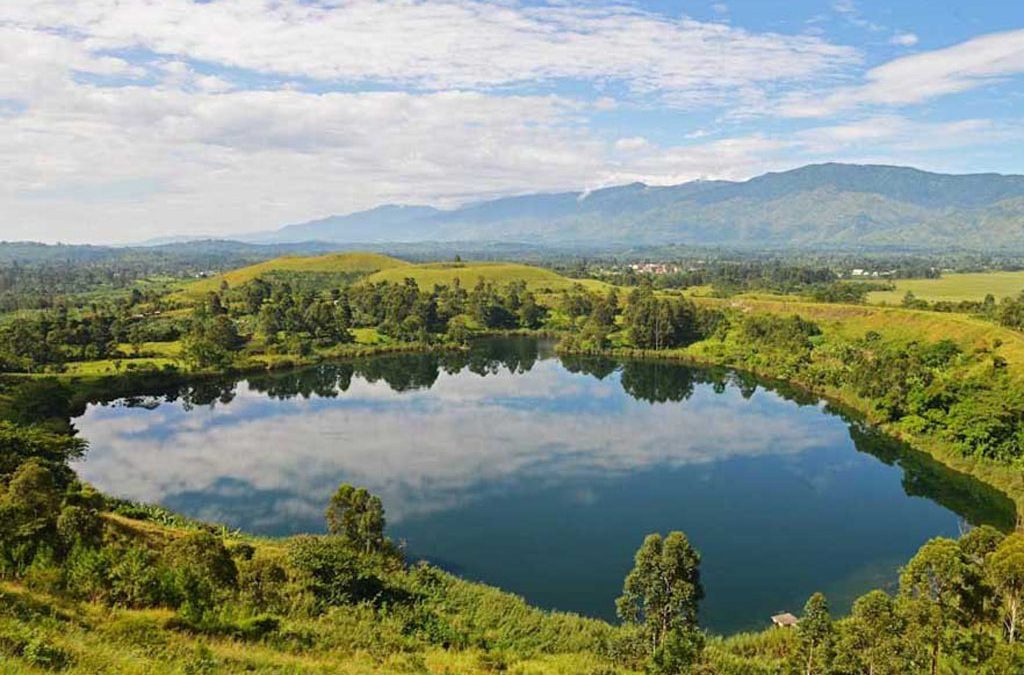 Enjoy peaceful views around the forest’s crater-lake landscape where access is permitted.
Photography
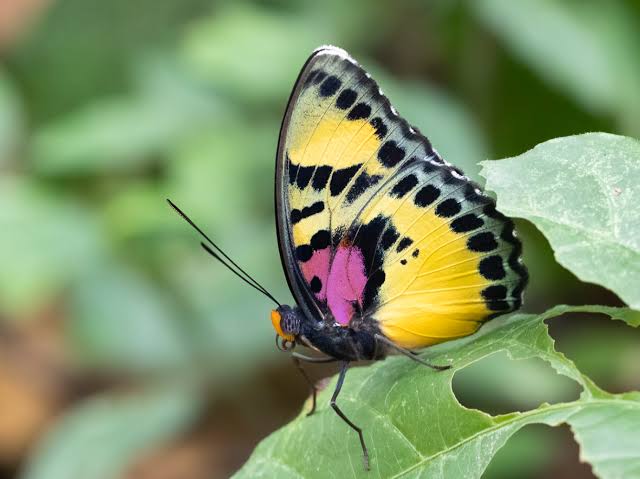 Capture forest textures, tree canopies, wildlife and scenic views in a quieter natural environment.
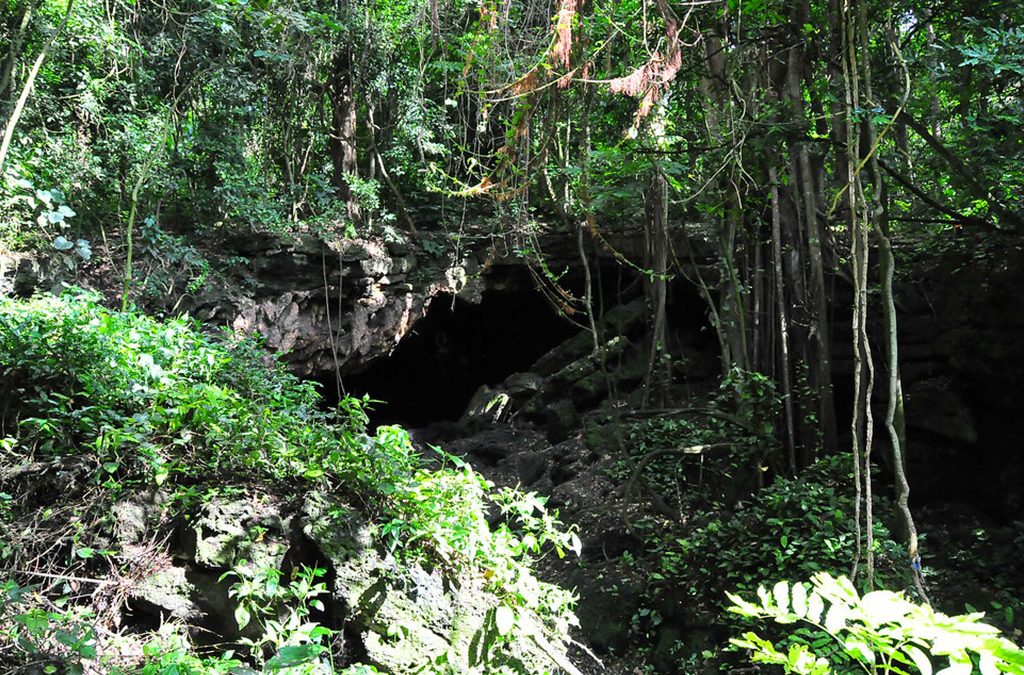
The forest’s shaded vegetation and distinctive cave landscape create a memorable nature experience.
Where Is Maramagambo Forest Located?
Maramagambo Forest is situated in the southern part of Queen Elizabeth National Park in western Uganda. It lies within the wider protected landscape around the Kichwamba Escarpment and the Lake Edward region, creating a striking contrast with the park’s open grasslands and wetlands.
The forest is an important part of the park’s ecological diversity. It supports a different collection of habitats and wildlife from the savannah areas, making it an excellent addition to a safari itinerary.
Visitors already exploring Queen Elizabeth National Park can arrange a forest visit as part of their stay. The exact driving time depends on the lodge, park access point, route and current road conditions. It is therefore advisable to confirm the meeting point and transport arrangements before departure.
For a broader overview of the park’s geography and attractions, read our detailed Queen Elizabeth National Park guide.
1. Enjoy Guided Nature Walks Through the Forest
One of the best reasons to visit Maramagambo Forest is the opportunity to explore a natural forest environment on foot. Guided nature walks allow visitors to experience the landscape at a slower pace than a conventional game drive.
As you walk beneath the canopy, you can observe the structure of the forest, identify different trees and plants, listen to bird calls and look for signs of wildlife. Your guide can explain the importance of the forest ecosystem and how its plants and animals depend on one another.
Walking conditions vary with the weather and the route selected. Some paths may be muddy, uneven or slippery after rain. Visitors should wear suitable footwear and choose a walk that matches their fitness level.
Why Walk Instead of Only Taking a Game Drive?
- You experience the forest at ground level and beneath the canopy.
- You can pay closer attention to plants, insects, birds and animal tracks.
- You learn about forest ecology directly from a knowledgeable guide.
- You enjoy a quieter activity that complements savannah game drives.
- You have opportunities to photograph forest details and landscapes.
Visitors interested in exploring Uganda on foot can also read our Uganda walking safari guide.
2. Learn About the Famous Maramagambo Bat Cave
The bat cave area is among the best-known attractions associated with Maramagambo Forest. It is famous for fruit bats that roost in the cave and the pythons that have been observed hunting them. This unusual relationship provides an opportunity to learn about predator-prey interactions in a natural environment.
Fruit bats play important ecological roles, including seed dispersal and pollination. Pythons are predators that help regulate wildlife populations. Observing this relationship can help visitors appreciate how different species share the same habitat.
A Unique Wildlife Story
The cave is particularly interesting because it demonstrates that wildlife encounters are not limited to the large mammals usually associated with African safaris. Bats and reptiles are also important parts of the ecosystem, even though they receive less attention from many visitors.
Important Health and Safety Precautions
The cave has a documented public-health history involving Marburg virus exposure. For this reason, visitors must follow current instructions from park authorities and public-health guidance. Do not enter restricted cave sections, touch bats, handle droppings or approach wildlife.
Before including the cave in your itinerary, confirm whether the designated viewing point is open and what safety procedures currently apply. If access is restricted, enjoy other authorized forest activities instead. The bat cave is an optional attraction, not a reason to disregard safety instructions.
3. Look for Monkeys and Other Forest Primates
Maramagambo Forest provides habitat for several primate species. During a guided walk, visitors may hear monkeys calling from the canopy or see them moving between branches. The forest’s vegetation offers food, shelter and travel routes for these animals.
Species associated with the forest include black-and-white colobus monkeys, red-tailed monkeys, blue monkeys, vervet monkeys, L’Hoest’s monkeys and olive baboons. Sightings depend on the time of day, season, weather and animal movements.
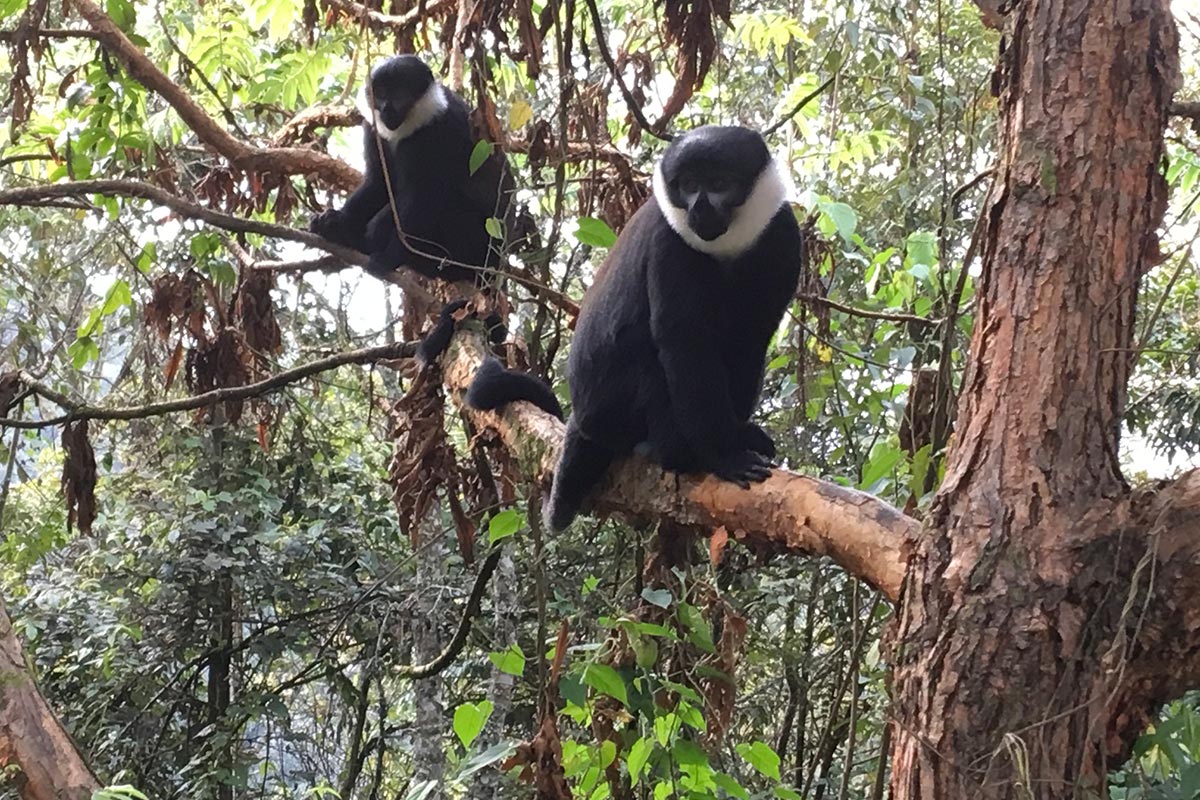
Black-and-White Colobus Monkeys
These striking monkeys are recognizable by their black bodies and flowing white fur. They spend much of their time in trees, feeding on leaves and moving through the canopy. Their distinctive appearance makes them a favourite subject for wildlife photographers.
Red-Tailed and Blue Monkeys
Red-tailed monkeys are active forest primates that can sometimes be heard before they are seen. Blue monkeys are also associated with forest habitats and may be spotted moving through the branches.
Are Chimpanzees Found in Maramagambo?
Chimpanzees are associated with the wider Maramagambo forest ecosystem, but sightings should never be guaranteed. Maramagambo is not the most dependable choice for visitors whose main objective is a structured chimpanzee trekking experience. Travellers who want a more established chimpanzee activity should consider Kibale National Park or the guided chimpanzee experience in Kyambura Gorge, subject to permit and activity availability.
Compare the options in our Queen Elizabeth birding and wildlife guide and explore the wider Uganda safari destinations.
4. Enjoy Birdwatching in Maramagambo Forest
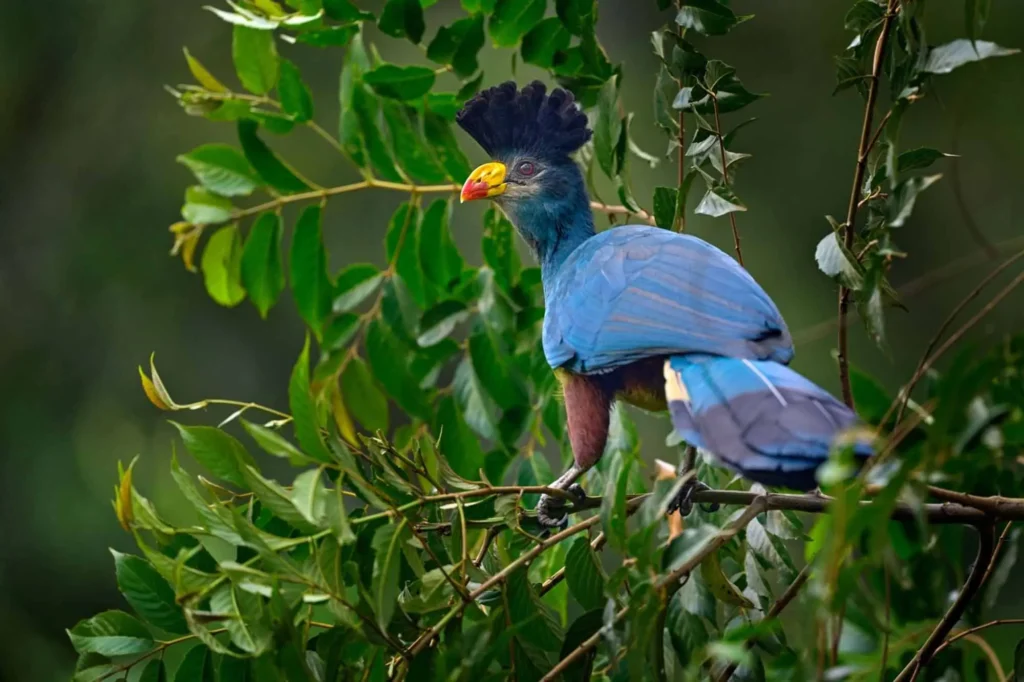 Maramagambo is an appealing destination for birdwatchers because its forest habitat supports species that are less likely to be encountered on open savannah plains. The combination of tall trees, forest edges, clearings and nearby water bodies creates different feeding and nesting environments.
Birdwatchers may look for Rwenzori turacos, white-naped pigeons, forest flycatchers, African broadbills and other forest-associated species. The exact birds seen will depend on season, location and the skill of the guide.
Why Birdwatchers Should Visit
- Experience a forest habitat that differs from wetlands and savannah.
- Listen for bird calls and learn to identify species by sound.
- Search for birds that prefer dense vegetation and forest edges.
- Combine forest birding with other birding sites in Queen Elizabeth National Park.
- Enjoy a slower activity suited to patient observation and photography.
Early morning is often a productive time for birdwatching because many birds are active. Bring binoculars, a field guide or bird identification app, and a camera if you enjoy wildlife photography.
For more birding ideas, explore our birdwatching in Uganda guide, our Uganda birding safari and the five-day birding safari itinerary.
5. Discover the Forest’s Beautiful Crater Lakes
Another reason to visit Maramagambo is its scenic crater-lake landscape. Lakes Kyasanduka and Nyamasingiri are among the water bodies associated with the forest. Their surroundings provide a beautiful contrast to the thick vegetation and shaded forest trails.
Depending on the authorized walking route, visitors may enjoy views of the lakes, observe birds around the water and appreciate the relationship between forest cover and water catchments.
Lake Kyasanduka
Lake Kyasanduka is one of the forest’s recognized crater-lake attractions. Its forested surroundings create a peaceful setting for nature observation and photography. The lake area may also attract birds that use the water and surrounding vegetation.
Lake Nyamasingiri
Lake Nyamasingiri, also written as Nyamusingire in some travel references, is another scenic feature associated with the Maramagambo area. The surrounding landscape offers opportunities to appreciate the region’s volcanic and forest environments.
Always confirm which lake trails are open and accessible before setting out. Do not assume swimming, kayaking or boating is permitted unless the relevant park authorities explicitly authorize the activity.
6. Capture Beautiful Forest Photography
Maramagambo Forest offers a different photographic environment from the open savannah. Instead of focusing mainly on large mammals in wide landscapes, photographers can capture forest textures, tall trees, sunlight filtering through leaves, monkeys, birds and scenic lake views.
The forest canopy can create low-light conditions, so a camera with good low-light performance or a lens that allows more light can be useful. A telephoto lens helps with distant birds and primates, while a wider lens is useful for forest landscapes.
Photography Tips
- Carry spare batteries and memory cards.
- Use a lens suitable for photographing birds and monkeys at a distance.
- Protect camera equipment from rain and humidity.
- Use a steady camera position where light is limited.
- Follow your guide’s instructions and never approach wildlife for a photograph.
Photographers planning a wider trip can also explore our Uganda safari photography guide.
7. Combine Maramagambo Forest with Queen Elizabeth National Park Safaris
One of the biggest advantages of visiting Maramagambo is that it can be combined with other attractions in Queen Elizabeth National Park. You do not have to choose between a forest experience and traditional wildlife viewing. With a well-planned itinerary, you can enjoy both.
Game Drives in Kasenyi Plains
The Kasenyi Plains are known for open grassland and wildlife viewing. Game drives provide opportunities to look for Uganda kobs, buffaloes, elephants, lions and other savannah species. Morning and afternoon drives offer different light and wildlife activity.
Boat Cruise on the Kazinga Channel
The Kazinga Channel connects Lake George and Lake Edward and is one of the park’s most popular wildlife-viewing areas. A boat cruise offers close views of hippos, crocodiles and waterbirds, while elephants and buffaloes may be seen along the banks.

Tree-Climbing Lions in Ishasha
The Ishasha sector is famous for its tree-climbing lions. Visitors may see lions resting in fig trees, although sightings depend on animal movements and cannot be guaranteed. Ishasha adds another wildlife experience to a southern Queen Elizabeth itinerary.
Chimpanzee Tracking in Kyambura Gorge
Kyambura Gorge is a recognized chimpanzee tracking destination within Queen Elizabeth National Park. Guided treks take visitors into a forested gorge in search of chimpanzees. Sightings are not guaranteed, and the activity should be arranged in advance.
Learn more about the Ishasha sector and Kazinga Channel, read about the tree-climbing lions of Ishasha and discover more animals to look out for in Queen Elizabeth National Park.
Best Time to Visit Maramagambo Forest
Maramagambo Forest can be visited throughout the year, but weather conditions influence walking comfort, trail conditions and photography. Uganda generally experiences relatively drier periods from June to September and December to February, alongside wetter periods around March to May and October to November. Local conditions can vary.
Dryer Months
The relatively drier months are often preferred for forest walks because trails may be firmer and easier to navigate. These conditions can be more comfortable for visitors who want to combine forest activities with game drives and other outdoor experiences.
Wetter Months
Rainier periods bring fresh vegetation, greener landscapes and atmospheric conditions that can be attractive for photography. Birdwatching can also be rewarding, although wet paths may become slippery and some routes may be less comfortable.
There is no guarantee of sunshine or dry trails in any particular month. Carry a rain jacket and suitable footwear regardless of when you travel.
For further planning advice, read our essential Uganda safari tips and learn about the best wildlife viewing seasons in Uganda.
How to Get to Maramagambo Forest
Most visitors reach Maramagambo Forest by road as part of a Uganda safari to Queen Elizabeth National Park. The journey from Kampala commonly follows the western route through Masaka and Mbarara towards Bushenyi and the park. The actual journey time depends on traffic, road conditions, stops and the final access point.
By Road from Kampala
A road safari gives travellers an opportunity to enjoy Uganda’s changing countryside, rural communities and scenic landscapes. Many visitors include an overnight stay in or near Queen Elizabeth National Park rather than attempting to travel to the forest and return to Kampala on the same day.
By Domestic or Charter Flight
Travellers with limited time may consider a charter flight to an airstrip serving Queen Elizabeth National Park, subject to flight schedules and arrangements. A road transfer is then needed to reach the forest activity meeting point.
Plan the Forest Visit in Advance
Before travelling, confirm the correct park entrance, ranger meeting point, activity availability and any required fees. Forest access and routes can change, so do not rely solely on old online directions.
Our custom Uganda safari packages can help you organize transport, accommodation and activities around your preferred travel dates.
Suggested Maramagambo Forest Safari Itinerary
A visit to Maramagambo can be organized as part of a multi-day Queen Elizabeth National Park safari. The following sample plan shows how the forest can fit into a wider wildlife holiday. Exact activities should be confirmed according to park access, guide availability and travel conditions.
Day 1: Transfer to Queen Elizabeth National Park
Depart from Kampala or Entebbe and travel towards western Uganda. Enjoy scenic countryside views along the way before arriving at your selected lodge in the park area.
Day 2: Maramagambo Forest Nature Walk
After breakfast, meet your guide and enjoy an authorized forest walk. Look for forest birds and primates, explore the permitted viewpoints and learn about the ecosystem. Visit the bat cave viewing area only if it is officially open and approved for visitors.
Day 3: Game Drive and Kazinga Channel Boat Cruise
Enjoy a morning game drive in a suitable wildlife-viewing area. In the afternoon, take a boat cruise along the Kazinga Channel to observe hippos, crocodiles, elephants and waterbirds.
Day 4: Ishasha or Kyambura Gorge and Return Journey
Depending on your interests and available time, explore the Ishasha sector or arrange a chimpanzee tracking activity in Kyambura Gorge. Continue with your onward journey or add another night in the region.
For a longer itinerary that combines primates and wildlife, explore our 8-day Uganda safari and 10-day best of Uganda safari.
What to Pack for a Visit to Maramagambo Forest
Preparing properly will make your forest walk more comfortable. Conditions beneath the canopy can be humid, and trails may be muddy after rainfall.
- Comfortable, closed walking shoes with good grip.
- Lightweight long trousers and a long-sleeved shirt.
- A waterproof jacket or lightweight raincoat.
- Binoculars for birdwatching and wildlife observation.
- A camera with spare batteries and memory cards.
- Insect repellent and sunscreen.
- A reusable water bottle and small daypack.
- Personal medication and basic travel essentials.
- A hat and a light layer for changing weather.
Visitors should also consider their fitness level and inform the guide of any mobility concerns before beginning a walk. Families travelling with children should confirm age suitability for the selected activity.
Families can find more planning advice in our Uganda safari with children guide.
Responsible Tourism and Forest Conservation
Maramagambo Forest is important for biodiversity, water catchment protection and the ecological health of the wider Queen Elizabeth landscape. Responsible tourism helps support conservation awareness and gives visitors an opportunity to understand why forest habitats matter.
During your visit, follow the instructions of park staff and guides. Stay on authorized trails, avoid disturbing animals and leave plants, insects and other natural features undisturbed.
- Never feed or attempt to touch wild animals.
- Do not remove plants, seeds, rocks or other natural materials.
- Keep a respectful distance from bats, snakes and other wildlife.
- Do not enter caves or restricted areas without authorization.
- Carry all rubbish out of the forest.
- Keep noise levels low, especially when birdwatching.
- Follow health, safety and conservation guidance from park authorities.
Responsible behaviour helps protect the forest and ensures that future visitors can continue to enjoy its natural beauty.
Plan Your Maramagambo Forest Visit with Safari Vacations
Safari Vacations and Travel Services helps travellers explore Uganda’s national parks and natural attractions through carefully planned safari experiences. We can help you include Maramagambo Forest in a Queen Elizabeth National Park itinerary and coordinate suitable transport, accommodation and other activities.
Whether you are interested in forest walks, birdwatching, photography, crater-lake scenery or combining the forest with traditional wildlife viewing, we can help you plan a trip around your available time and interests.
You can also combine Queen Elizabeth National Park with Kibale for chimpanzee tracking or Bwindi for mountain gorilla trekking. Explore our Uganda safari combining Bwindi, Queen Elizabeth, Kibale and Murchison Falls for more itinerary inspiration.
Frequently Asked Questions About Maramagambo Forest
1. Where is Maramagambo Forest located?
Maramagambo Forest is located in the southern part of Queen Elizabeth National Park in western Uganda, within the wider landscape around the Kichwamba Escarpment and Lake Edward.
2. Why should I visit Maramagambo Forest?
You should visit for guided nature walks, forest birdwatching, primate habitat, crater-lake scenery and the unusual bat cave ecosystem. It also provides a quieter contrast to the park’s savannah game drives.
3. What activities can I do in Maramagambo Forest?
Depending on current authorization and availability, visitors can enjoy guided nature walks, birdwatching, wildlife observation, photography and visits to designated crater-lake viewpoints and the bat cave viewing area.
4. Can I see chimpanzees in Maramagambo Forest?
Chimpanzees are associated with the wider forest ecosystem, but sightings are not guaranteed. Visitors whose main priority is chimpanzee tracking should consider established activities in Kibale National Park or Kyambura Gorge.
5. What animals live in Maramagambo Forest?
The forest is associated with several primates, including black-and-white colobus monkeys, red-tailed monkeys, blue monkeys, vervet monkeys and baboons. Bats, pythons, birds and other smaller wildlife are also part of its ecosystem.
6. Is Maramagambo Forest good for birdwatching?
Yes. Its forest habitat supports a variety of birds, including species such as Rwenzori turacos, white-naped pigeons and forest flycatchers. A knowledgeable guide can help identify birds by sight and sound.
7. Can visitors enter the Maramagambo bat cave?
Visitors should not assume that cave entry is permitted. Confirm current access arrangements with park management and use only officially designated viewing facilities. Never enter restricted sections or approach bats.
8. Is the bat cave safe to visit?
The cave has a documented Marburg virus exposure history. Visitors must follow current public-health advice and all park safety instructions. Do not touch bats, droppings or cave surfaces, and do not enter restricted areas.
9. What are the crater lakes in Maramagambo Forest?
Lake Kyasanduka and Lake Nyamasingiri are among the crater lakes associated with the forest. Visitors may enjoy scenic viewpoints along authorized walking routes.
10. What is the best time to visit Maramagambo Forest?
The forest can be visited throughout the year. Relatively drier months often make walking easier, while wetter months bring lush vegetation and rewarding birdwatching opportunities. Rain can occur in any season.
11. How long should I spend in Maramagambo Forest?
The time required depends on the selected walk and the activities available on the day. Confirm the expected duration and route with park staff or your safari operator before setting out.
12. Can I combine Maramagambo Forest with other Queen Elizabeth activities?
Yes. It can be combined with game drives, the Kazinga Channel boat cruise, Ishasha wildlife viewing and other activities, depending on your schedule and the location of your accommodation.
13. Is Maramagambo Forest suitable for children?
Some guided nature walks may be suitable for families, but age requirements and route difficulty should be confirmed in advance. The bat cave area may not be appropriate for every child.
14. What should I wear when visiting the forest?
Wear comfortable closed shoes with good grip, long trousers and a long-sleeved shirt. Carry a rain jacket, insect repellent and drinking water.
15. Can I visit Maramagambo Forest on a day trip?
A visit may be possible for travellers already staying nearby in Queen Elizabeth National Park. Travelling from Kampala and returning on the same day would make for a long journey, so an overnight safari is generally more comfortable.
Discover the Hidden Natural Beauty of Maramagambo Forest
Make your Uganda safari more memorable with a visit to Maramagambo Forest. Explore its shaded trails, discover forest birds and primates, enjoy crater-lake scenery and experience a different side of Queen Elizabeth National Park.
Contact Safari Vacations and Travel Services to plan a forest experience that fits your travel dates, interests and budget.


