Seasonal Bird Sightings Lake Bunyonyi
Seasonal bird sightings at Lake Bunyonyi reveal one of East Africa’s most rewarding wildlife experiences. This freshwater lake sits in Uganda’s southwestern highlands, close to the Rwanda border. Its name means “place of many little birds” in the local Rukiga language. True to that name, the lake hosts over 200 bird species every year. Diverse habitats surround the water, including papyrus swamps, forested islands, terraced hillsides, and open wetlands. Together, these environments attract both resident and migratory birds. Whether you are an expert birder or a curious visitor, Lake Bunyonyi delivers outstanding birdwatching in a strikingly beautiful highland setting.
Understanding the Lake’s Unique Environment with Seasonal Bird Sightings
Lake Bunyonyi sits at roughly 1,962 meters above sea level. That elevation creates a distinct microclimate that shapes bird behavior throughout the year. The lake experiences two wet seasons and two dry seasons annually. Each season brings different advantages for birdwatchers. Some visitors come for sheer species variety. Others focus on breeding behavior, colorful plumage, or clear photography conditions. Understanding these seasonal shifts helps you plan your visit wisely.
The lake’s varied habitats support a rich mix of bird life year-round. Resident species hold their territories in every season. Meanwhile, migratory birds from Europe and Asia arrive at specific times, adding impressive variety to the species count. This ongoing interplay between weather, water levels, vegetation, and bird behavior makes every visit feel fresh and rewarding.
Seasonal Bird Sightings Lake Bunyonyi during Migratory Season: October to March
Seasonal Bird Sightings Lake Bunyonyi during the months from October through March bring the greatest bird diversity to Lake Bunyonyi. During this period, large numbers of migratory birds escape the cold northern winter and arrive in Uganda. These long-distance travelers join the resident population, creating exciting opportunities to see species from multiple continents in one place.
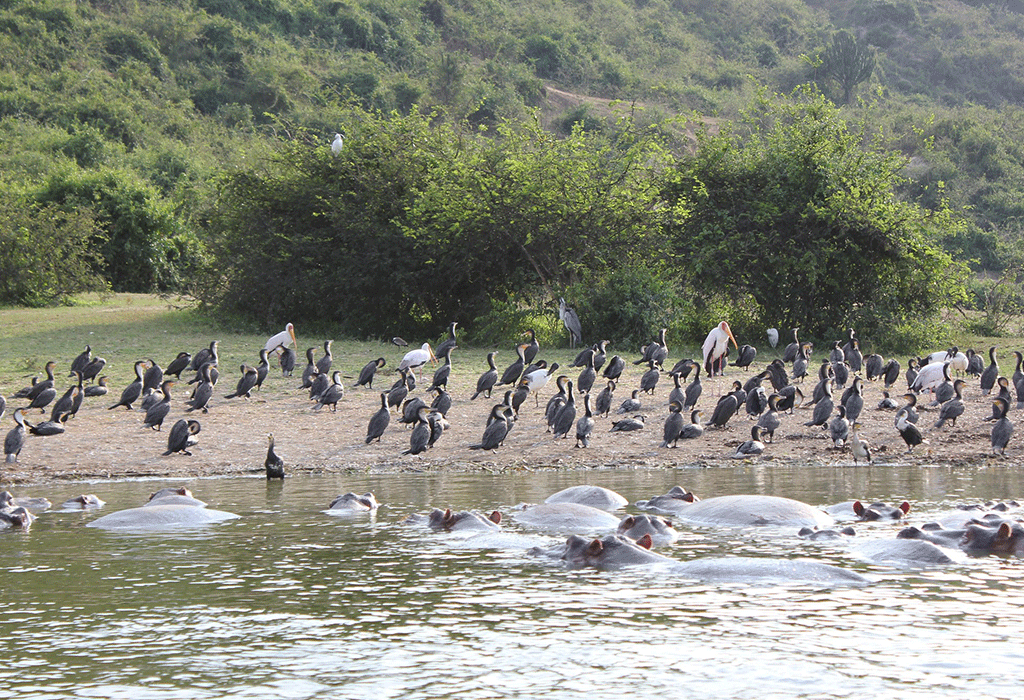
European Swallows arrive in large flocks. They sweep gracefully over the lake’s surface, catching insects mid-flight. These birds spend their winter months feeding actively and building up energy reserves. Yellow-billed Storks also appear during this season. They wade through shallow water, sweeping their bright yellow bills to catch fish and aquatic invertebrates. White Storks stand tall and visible in the surrounding farmlands and wetlands nearby.
Smaller migrants also arrive in impressive numbers. Various warblers, flycatchers, and wagtails join the scene. Their presence alongside resident species creates lively competition at feeding spots. Expert guides who know migration patterns help visitors find and identify these seasonal arrivals. Many specialized birding tours schedule visits during this period to take advantage of peak species diversity.
Dry Season Birding for Seasonal Bird Sightings Lake Bunyonyi
Lake Bunyonyi experiences two dry seasons each year. The first runs from June through August. The second falls between December and February. Both periods offer excellent birding conditions. Clear skies improve visibility, and dry trails allow easy access to different habitats around the lake.
Sunshine during these months lights up fine details beautifully. This makes identification straightforward and creates ideal conditions for photography. Lower water levels during dry periods concentrate waterbirds into smaller wetland areas. As a result, bird density increases, and viewing becomes easier. Wading birds move along exposed mudflats and shallow edges where they are simple to observe.
Walking trails around the lake and through the surrounding forests become easy to navigate. Birders can explore multiple habitats comfortably on foot. The terraced hillsides offer long hikes with wide panoramic views. From these high points, visitors can spot soaring raptors with ease. African Fish Eagles circle overhead, calling loudly. Augur Buzzards and various kite species also patrol the open skies regularly.
Guided walks during dry seasons lead birders through lakeside forests. There, the Malachite Kingfisher perches on branches above the water. Its turquoise and orange plumage catches the light brilliantly. Bronzy Sunbirds dart among flowering plants nearby, their metallic feathers shimmering in the sunshine. Families, older visitors, and those combining birding with other safari activities often prefer dry season trips for their comfort and accessibility.
Wet Season Birding for Seasonal Bird Sightings Lake Bunyonyi
The wet seasons run from March through May and again from September through November. Rain transforms Lake Bunyonyi into an active breeding ground. Birds display their most vivid colors during these months. The occasional heavy rain and muddy trails present some challenges. However, the rewards far outweigh the difficulties for patient observers.
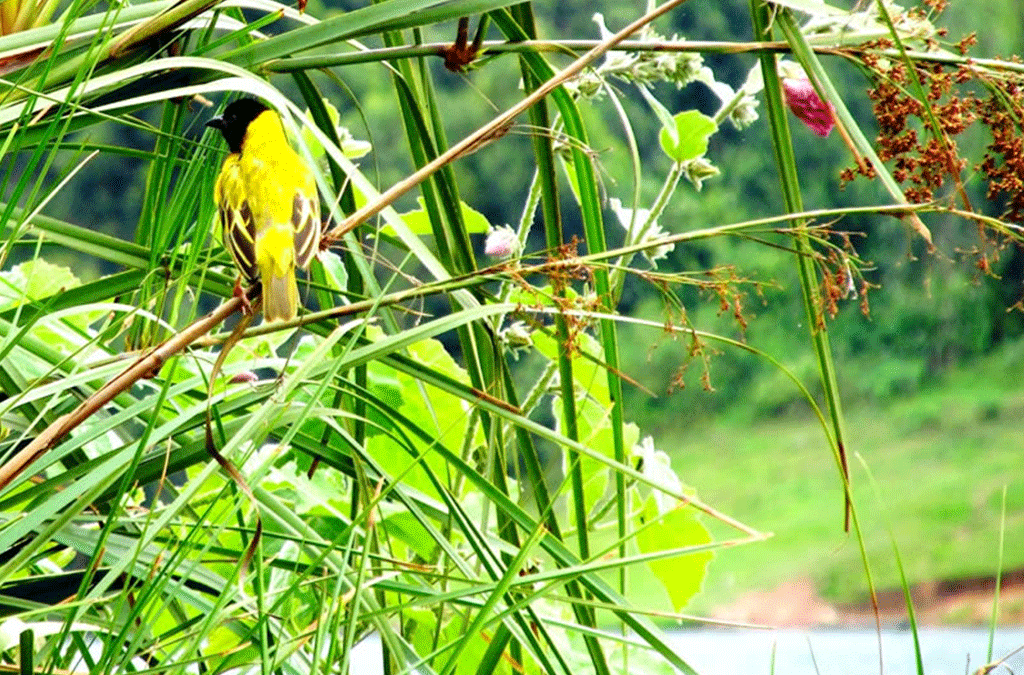
Breeding plumage peaks in brilliance during wet seasons. Male weaverbirds wear their brightest yellow and black feathers. They build elaborate woven nests that hang from branches over the water. These displays attract females and create striking scenes for photographers. The wetlands fill with sound as birds call, sing, and defend their territories energetically.
Seasonal Bird Sightings Lake Bunyonyi during the wet season visits allow observers to watch behaviors that stay hidden at other times. Herons and egrets tend their nests in reed beds quietly. Kingfishers dig nest burrows into earthen banks along the shore. Parent birds make constant trips to feed hungry nestlings. Seasonal rains boost vegetation growth, which in turn supports large insect populations. Insect-eating birds arrive in response, creating feeding frenzies that are fascinating to watch.
Good preparation makes wet-season birding enjoyable. Visitors should carry rain gear and wear waterproof footwear. Professional birding services operating during these months adjust itineraries based on daily weather. They focus on accessible habitats and ensure clients stay comfortable despite the rain. Many experienced birders specifically target wet seasons for breeding observations and spectacular plumage on display.
How to Watch Birds at Lake Bunyonyi
Guided Canoe Trips
Traditional dugout canoe excursions offer one of the best ways to observe waterbirds. Local guides paddle these silent vessels through papyrus channels and around the lake’s twenty-nine islands. The quiet movement avoids disturbing birds nearby. As a result, visitors get unusually close views of species feeding and resting naturally.
Canoes provide access to habitats that foot trails cannot reach. Dense papyrus stands hide secretive species that rarely venture into the open. The low position of the canoe brings observers to water level, giving a fresh perspective on birds in their natural environment. Early morning canoe trips catch birds at their most active. Feeding behaviors and loud vocalizations peak during these hours, making the experience especially rich.
Guided Nature Walks
Walking safaris along the lakeshore and through surrounding forests reveal a different set of species. Professional guides identify birds by call and movement, pointing out individuals that visitors might easily miss on their own. Forest walks uncover sunbirds, warblers, greenbuls, and other woodland specialists. Lakeside paths bring sightings of herons, egrets, and kingfishers perched close to the water.
Elevated hillside trails give birders a broader view of the landscape. From these high points, raptors become visible as they soar on thermal currents above the valley. The combination of forest, lakeside, and hilltop habitats within a short walking distance makes guided hikes highly productive.
Lodge Garden Birding
Many accommodations around Lake Bunyonyi maintain attractive gardens. Flowering plants and fruiting trees in these gardens draw a wide variety of birds. Sunbirds, weavers, and other species visit regularly. Visitors can sit comfortably with a cup of coffee and watch birds from close range. Early mornings and late afternoons bring the highest activity levels. Garden birding suits travelers who prefer a relaxed pace or who want to add species to their list without long walks.
Key Species to Look For
Resident Species
Village Weavers and Black-headed Weavers build their woven nests in noisy colonies throughout the year. The Grey Crowned Crane, Uganda’s national bird, walks gracefully through wetlands and farmland near the lake. Its golden crown makes it instantly recognizable. Various herons, including Grey Herons, Black-headed Herons, and the massive Goliath Heron, stalk the shallows daily. The Malachite Kingfisher remains a firm favorite, its brilliant colors drawing attention wherever it perches.
Papyrus Specialists
The papyrus swamps surrounding parts of the lake shelter rare species found only in this type of habitat. The Papyrus Gonolek flashes striking red and black plumage but stays hidden in dense vegetation. Its secretive nature makes a sighting feel like a real achievement. The White-winged Swamp Warbler and Papyrus Yellow Warbler also live among the reeds. Their songs often reach listeners before the birds come into view. Finding these papyrus specialists requires patience and a knowledgeable local guide.
Migratory Visitors
From October through March, European Swallows fill the air above the lake in coordinated flocks. Yellow-billed Storks and White Storks bring a European flavor to this African setting. Their annual appearance reminds observers of the extraordinary distances birds travel between continents.
Final Thoughts
Lake Bunyonyi earns its name fully and honestly. Over 200 bird species find a home here across different seasons, habitats, and altitudes. Migratory season delivers maximum diversity. The wet season exposes dramatic breeding behavior and vivid plumage. Dry season offers comfort, clear skies, and easy access to trails. Every period brings something different and worthwhile.
Expert local guides, traditional canoe excursions, forest walks, and comfortable lodge gardens combine to make birdwatching here accessible to visitors of all experience levels. Beyond birds, the lake offers cultural encounters, peaceful highland scenery, and genuine tranquility. In a country celebrated for mountain gorillas and open savannahs, this “place of many little birds” proves powerfully that great wildlife moments can come in the smallest and most unexpected forms.