7 Unmissable Safari to Kisiizi Falls Tips & Best Sights

Uganda • Rukungiri • Kigezi Highlands
Safari to Kisiizi Falls: Uganda Waterfall & Cultural Guide
A practical visitor guide to the waterfall, memorial, accessible activities, road routes and a responsible Kigezi itinerary.
A safari to Kisiizi Falls leads into the green, terraced hills of southwestern Uganda, where a roughly 30-metre waterfall meets an unusually meaningful human story. The rushing water is beautiful, but the experience is more than a scenic stop. Travelers can visit a memorial, watch birds, explore available trails, and discover how hydropower helped a rural hospital serve its community. This guide explains what to see, how to plan the journey, what is currently unavailable, and how to combine Kisiizi with other Kigezi attractions.
For travelers organizing Uganda safaris, Kisiizi is best understood as a cultural and nature visit rather than a conventional game drive. It works particularly well for people who appreciate local history, quieter landscapes, and places that reveal how tourism can support a community. Plan a flexible half-day at the site, with extra time for slow roads, photographs, a guide-led explanation, and a relaxed meal elsewhere along your route. Never assume that every activity mentioned in older brochures is operating when you arrive.

Safari to Kisiizi Falls: a quick planning overview
Kisiizi Falls Uganda is a highland attraction in Kisiizi Parish, Nyarushanje area, Rukungiri District, in the Kigezi Highlands of southwestern Uganda. The falls are closely associated with Kisiizi Hospital and a community tourism project. The attraction combines a waterfall, a memorial, birdlife, paths, a visitor centre and a hydropower story. The site itself should not be confused with Sipi Falls in eastern Uganda, Murchison Falls on the Nile, or the smaller falls found within other forest destinations.
Planning a safari to Kisiizi Falls: location and appeal
The falls sit in a rural highland landscape south of Rukungiri town, with Kabale and the wider Kigezi region offering convenient starting points. Travelers based around Kabale often find Kisiizi a good change of pace from the usual lake or gorilla itinerary. Distances on a map do not translate directly into driving time: winding terrain, changing road surfaces, rain, and stops along the way all affect the journey. Ask a local driver for a realistic same-day schedule rather than relying on a straight-line estimate.
What makes Kisiizi Falls special?
The waterfall and highland scenery
The official hospital and tourism descriptions place the cascade on the Rushoma River, dropping approximately 30 metres into a steep gorge. The sound can be impressive, especially when water levels are high. Look closely at the changes in vegetation along the damp slopes and at the way surrounding farmland and woodland frame the falls. You do not need to reach the most exposed viewpoint to enjoy the scenery; choose a stable, clearly permitted position and keep behind barriers or guide instructions.
Photography is rewarding in softer morning or late-afternoon light, although cloud cover can create even illumination at other times. Mist can settle on lenses, so bring a dry cloth and a protective pouch. A wide view tells the story of the landscape; tighter compositions emphasize moving water and rock. If you enjoy Uganda safari photography, consider photographing details of paths, vegetation, reflections and the surrounding hills as well as the waterfall itself. Stay on approved routes: slippery ground is not worth a marginally better angle.
A monument with a profound history
Kisiizi has a painful historical association with the killing of unmarried pregnant girls and women who were thrown over the falls. The site commemorates this history and contrasts it with a later period of care and healing connected to Kisiizi Hospital, founded in 1958. This is a deeply sensitive subject rather than an entertaining legend. Visit the monument respectfully, listen without sensationalizing the victims, and avoid posing for photographs that trivialize what happened. The memorial is central to understanding why the site matters.
The monument tells a story of harm, social change and the value of protecting vulnerable people. Visitors interested in cultural encounters will find a different kind of learning experience here: there is no staged performance required for the history to be powerful. Ask the guide about the memorial’s symbolism and the community context, while recognizing that oral accounts can vary in detail. Do not demand personal stories from staff or local residents. Allow people to decide what they wish to share.

Kisiizi Hospital, water and electricity
A remarkable part of the Kisiizi story is the connection between the waterfall and local electricity generation. The hospital describes a long-running hydropower scheme that helps support services in a relatively remote area. The falls are therefore both an attraction and part of an important local resource. Tourism information says visitors may sometimes request a guided explanation of the electricity system, but it is a working facility rather than an open-access museum. A visit depends on staff availability and operational needs.
The hospital also helps explain how the destination changed over time. Its establishment in 1958 forms part of the memorial’s account of renewal and care. Treat the medical environment with discretion: do not wander into wards, photograph patients, or interrupt staff for a sightseeing request. If a hydro-tour cannot be arranged, the waterfall, monument and visitor-centre exhibits still offer a meaningful introduction to the engineering and community story. This combination of nature and service sets Kisiizi apart from many other scenic stops.
Best things to do at Kisiizi Falls during your safari
Kisiizi Falls tour: walk to approved viewpoints and paths
A Kisiizi Falls tour often begins with a guided walk around the visitor area. The exact route depends on current conditions, but the pleasure is in moving slowly through vegetation, listening to the falls and taking in the surrounding hills. Some sections may be steep, damp or uneven, so ask staff which paths suit your ability and footwear. Carry water, take your time on descents and avoid scrambling off the route. If heavy rain has damaged a path, accept a shorter visit rather than trying to bypass a closure.
Walkers who have already visited Bwindi Impenetrable Forest may notice how different this managed visitor area feels from a full rainforest trek. Kisiizi is not a substitute for a national-park walk, but it provides a gentler opportunity to pay attention to smaller details. Stop for birdsong, look for butterflies, and allow the guide to introduce plants or local practices where they have accurate knowledge. A slow pace is particularly valuable for people who have spent several days in vehicles.
Try birdwatching around the lagoon and trees
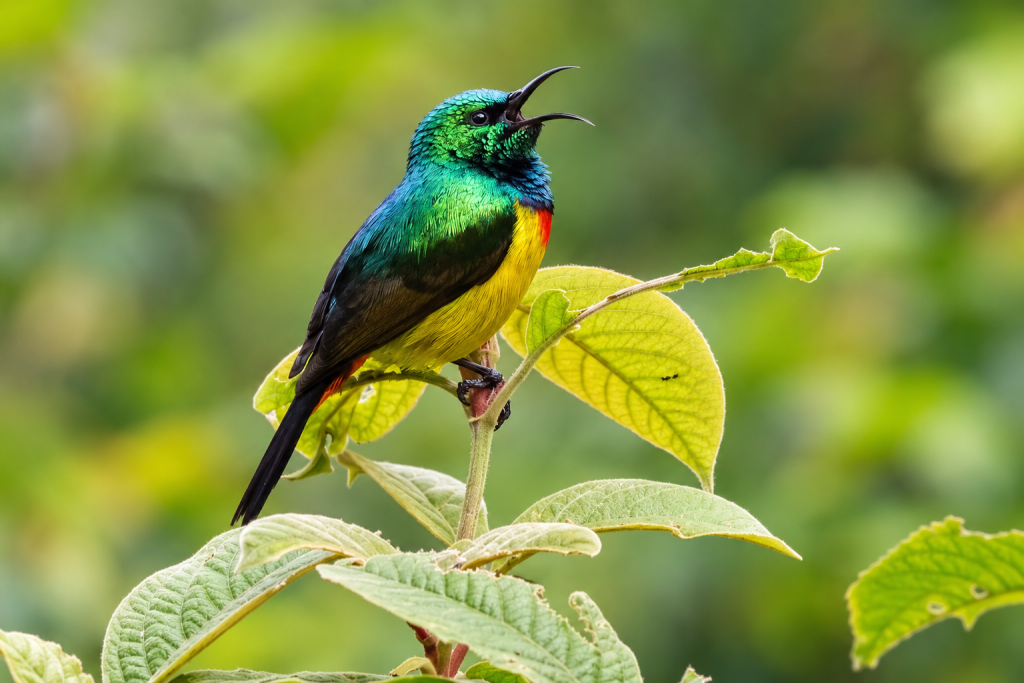
The attraction’s own website highlights a variety of birds, including crowned cranes in the area near the lagoon. Sightings are never guaranteed, and the amount of bird activity changes with weather and disturbance. Bring binoculars if you have them, wear unobtrusive clothing and spend quiet intervals near suitable viewing areas. Respect nesting sites, keep your distance and avoid feeding birds. For keen observers, this stop can complement a longer bird-watching safari in Uganda without pretending to offer the same species list as a large protected reserve.

Visit the lagoon and visitor centre
The site developed a lagoon, paths and a visitors’ centre through a tourism initiative intended to support the local community. The centre has been described as a place to meet staff, arrange a guide and learn about the falls. Historical activity descriptions also mention kayaking or other recreation on the lagoon. Because operational status may change, ask what is actually available before paying or promising it to children. Do not assume lagoon access means swimming is safe or permitted; follow the staff’s specific guidance.
When visiting Kisiizi Falls, a stop at the centre is also a good opportunity to understand how visitor spending contributes to the hospital’s Good Samaritan Fund. Small purchases and guided services can make the experience more locally connected, but never treat spending as a guarantee of a particular project outcome. Ask for current charges, what each ticket covers and whether any activities require separate payment. Keep enough time to finish the experience without rushing staff near closing or arriving with a large group unannounced.
Understand the zipline and bridge status
Earlier tourist materials prominently featured the SkyTrail three-stage zipline and suspension bridge. However, the official Kisiizi Falls site currently states both are out of order because of storm damage and erosion. That notice takes precedence over old photos and itineraries. Do not advertise a functioning zipline, reserve time for a bridge crossing or encourage travelers to enter fenced-off areas. If these activities are a decisive reason for your visit, obtain a direct, recent confirmation from the attraction before making non-refundable arrangements.

Build a journey that suits your pace.
Visiting Kisiizi Falls: routes from Kabale, Bwindi and beyond
Travel from Kabale and Lake Bunyonyi
Kabale is a practical base because it has lodging options and connects with other highlights in the Kigezi region. Arrange a car and driver, ask about the state of the approach road and confirm the correct entrance to the visitor site. A visitor may also be staying near Lake Bunyonyi, where the peaceful scenery makes a satisfying contrast with the waterfall’s gorge. Build a full day around the two places rather than assuming you can fit them into a brief transfer between distant destinations.
Start at a comfortable hour and leave an allowance for hills, roadworks, rain and photo stops. If you are not familiar with local roads, a driver who knows the area can reduce uncertainty. Public transport may bring you near Kisiizi, but the remaining transfer and timing are less predictable than a prearranged vehicle. Confirm the return trip before you leave your base. Travelers adding a Lake Bunyonyi boat safari should schedule that activity separately, especially when weather on the lake is unsettled.
Travel from Bwindi and gorilla trekking areas
Kisiizi can complement an itinerary centered on mountain gorillas, but the driving route depends heavily on where you stay and which forest sector you visit. Bwindi has several access points, and a transfer that looks short on a regional map may require a long drive on winding roads. People planning gorilla trekking tours should first lock their trekking date, overnight location and permit arrangements. Only then should they insert Kisiizi as a stop, perhaps on a free day or when the road route makes geographical sense.
Do not schedule the waterfall as an obligatory activity immediately before an early gorilla briefing if doing so could compromise sleep or punctuality. Travelers researching how to get to Bwindi should remember that rainforest approaches and highland roads can differ substantially. If a driver recommends an alternative route, ask why it is preferable and what time is realistically needed. A well-planned day leaves space for unexpected delays and avoids pushing the driver to make up lost time.
Travel from Queen Elizabeth National Park or elsewhere
For longer circuits, Kisiizi may fit between other stops in western Uganda, but it is not next door to every attraction. Travelers coming from Queen Elizabeth National Park may need to plan a full transfer day depending on their exact lodge and route. The Ishasha sector is another possible itinerary component, known for wildlife viewing rather than waterfalls. Let your route be built around actual road connections, lodge locations and seasonal conditions rather than treating a tourist map as a promise of short journeys.
Visitors starting in Kampala or Entebbe should usually include overnight stops in southwestern Uganda rather than envisioning a relaxed waterfall excursion from the capital and back in one day. Longer gorilla and wildlife safaris allow more flexibility because they can distribute travel over several days. Ask your operator for a written day-by-day plan with driving estimates clearly labeled as approximate. Remote-area travel becomes more enjoyable when realistic journey times are part of the experience, not unpleasant surprises.
Sample itineraries that include Kisiizi Falls
One-day Kisiizi Falls excursion from the Kabale area
This plan appeals to visitors who have already enjoyed the lake and want a different regional experience. It also works for families who prefer shorter walks and meaningful history over adventure sports. If traveling with children, explain in advance that the monument covers a sad and sensitive topic. You may adjust how deeply you discuss it according to age and interest. For a wider family holiday, a Uganda safari with children benefits from similarly flexible pacing and a mixture of active and quieter days.
Two-day Lake Bunyonyi and Kisiizi escape
The appeal of this short break is its deliberate simplicity. It does not need an ambitious checklist to feel complete. A lakeside evening and a thoughtful visit to Kisiizi provide time to absorb the highland landscape. Travelers interested in Bakiga traditions and cultural tourism may wish to add a community-led activity where a reputable host is available. Make sure that community interactions are invited and compensated appropriately rather than treating villages or homes as open-air exhibits.

Three- or four-day Bwindi, Kisiizi and Kabale extension
A sensible outline starts with travel into the Bwindi region and an overnight stay, followed by a reserved gorilla trek on the appropriate morning. A later day can include Kisiizi Falls if the route and driving conditions allow, and the final portion can be spent near Kabale or Lake Bunyonyi. A prearranged three-day Uganda gorilla tour or fly-in gorilla safari may already be tightly scheduled, so an additional night often makes the itinerary calmer. Do not insert a waterfall stop that would jeopardize the permit-bound gorilla activity.
A gorilla trekking guide can help travelers understand why gorilla experiences require more physical preparation than a casual waterfall visit. Read up on gorilla trekking fitness and the conditions of the terrain before deciding how many demanding days to schedule consecutively. The falls can become a welcome change after a challenging forest trek, with more freedom to choose the pace and shorten a walk if necessary. If the route changes, keep travelers informed and preserve the activities they value most instead of cramming everything into one transfer day.
Longer southwestern Uganda wildlife circuit
A week or more in Uganda can accommodate national parks, birdwatching, the Kigezi highlands and leisurely cultural stops. Travelers comparing a ten-day Uganda safari with shorter packages should consider what they actually want to experience each day, not simply the number of names on an itinerary. Kisiizi adds a human and landscape dimension to an animal-focused journey. It can also be useful when one traveler wants a less strenuous outing while others have scheduled a more challenging excursion elsewhere.
Build a journey that suits your pace.
When is the best time to visit Kisiizi Falls?
Rainier months, flowing water and slippery ground
The weather conditions around Bwindi provide nearby regional context, although the Kigezi highlands receive rainfall across the year, with wetter periods often associated with March to May and September to November. These patterns can shift, so the actual conditions before your journey matter more than a general calendar. Rain can make waterfalls look dramatic while simultaneously increasing mud, slick rocks and the risk of disrupted access. Take extra care at viewpoints, use shoes with dependable grip and ask site staff for any closure information. A stronger flow should never tempt you to approach an unsafe edge.
If you are traveling alongside a gorilla trek, the rainy-season gorilla trekking considerations also affect driving and comfort. Waterproof storage for electronics, a light rain layer and a spare change of clothes can make a wet day far more pleasant. Do not assume a highland afternoon will remain sunny because the morning started clear. Keep the itinerary adjustable enough to swap a walk with a sheltered visitor-centre stop if an unexpected downpour arrives.
Drier periods and easier sightseeing
The relatively drier stretches commonly experienced around June to August and parts of December to February can make outdoor walking more comfortable, although showers are still possible. Visitors may find some paths less muddy, but water volume and the visual character of the falls can vary. The right time depends on your priorities: easier roads and walking, dramatic water, a broader Uganda trip, or a fixed vacation schedule. Consult current forecasts near departure and ask the attraction about recent ground conditions rather than choosing dates on averages alone.
Many visitors fit Kisiizi into a trip planned around the best time to trek mountain gorillas, but a flexible waterfall day rarely needs to be the main calendar driver. If your trip includes a permit-based wildlife activity, give that the first scheduling priority. Plan Kisiizi around it, making sure to retain enough time for a meaningful visit. Accommodation availability, transfers and the comfort of your group are often more important than chasing a supposedly perfect weather window.
Kisiizi Falls safari costs and booking advice
Entrance fees, guide charges and activity prices may change, and I could not verify a reliable current public tariff for all elements of a visit. Request the latest amounts directly from Kisiizi Falls before traveling. Ask which charges apply to adults and children, whether guiding is included, what payment methods are accepted and which activities are currently offered. If someone quotes a price for ziplining, reconfirm the official closure notice and do not assume that old ticket prices represent an available service.
For a private outing, the largest expense may be transport rather than admission. A quotation should clearly state the pickup point, type of vehicle, driver, fuel, meals, entrance fees, guiding and any additional stops. Travelers seeking budget gorilla trekking or other affordable southwestern Uganda trips can still enjoy Kisiizi by planning sensible routes and avoiding unnecessary backtracking. The cheapest-looking transfer is not necessarily good value if it leaves little time at the falls or requires an exhausting return after dark.
What to pack for a day at Kisiizi Falls
Pack for uneven ground, occasional mist and changing highland weather. Shoes with reliable tread are more useful than fashionable sandals; breathable clothing and an extra warm layer keep you comfortable when clouds pass over. Bring drinking water, a small snack, sun protection, a rain jacket and any medication you may need. A charged phone, small cash reserve and a simple first-aid kit are practical additions. If you intend to photograph the waterfall, protect the device from moisture and carry a lens cloth.
If Kisiizi is part of a mountain-gorilla holiday, some essentials overlap, but the experiences are not identical. Sturdy gorilla trekking boots can also suit muddy paths at Kisiizi, whereas you may need substantially more specialized clothing for a long forest trek. For birding, binoculars are often more valuable than a large camera. Keep your hands free on slopes and do not overload yourself with heavy equipment. Staff may provide walking sticks or advise on the easiest available paths.
Safety, accessibility and responsible travel
Stay safe near the gorge and moving water
Waterfalls look inviting from a distance but can be hazardous at close range. Stay on designated paths, do not climb barriers, and never stand on wet rocks above the drop. Avoid swimming or entering the river unless local authorities have explicitly confirmed an authorized safe area; proximity to a lagoon does not imply swimming permission. Keep children close, especially near steps and edges. If the weather deteriorates, follow staff directions immediately. Good photographs can wait, and an attractive trail is not worth entering if it has been closed.
Road travel also deserves attention. Use an experienced driver, travel in daylight when practical and allow for slow progress after rain. A relaxed itinerary is a safety measure as well as a comfort choice. People researching safety on a Uganda gorilla safari will recognize the same principle: follow site-specific guidance instead of treating every outdoor attraction as interchangeable. For broader Uganda safari tips, remember that Kisiizi is a managed visitor location, but conditions and access can still change without much warning.
Respect local history and the hospital community
The memorial is not merely a backdrop for cheerful travel portraits. Its history involves violence against vulnerable girls and women, and visitors should approach it with dignity. Avoid dramatic reenactments, insensitive captions and unsupported embellishment. Ask permission before photographing residents, staff or private facilities. Tourists can contribute positively by using legitimate local services and treating people as hosts rather than attractions. A thoughtful visit helps keep the focus on learning, care and the community’s present-day identity.
Part of the attraction’s proceeds support Kisiizi Hospital’s Good Samaritan Fund according to the official site. That connection makes it worth asking how your admission or guide fee contributes locally, while avoiding grand claims about outcomes that you cannot verify. Support community enterprise where possible, dispose of litter responsibly and keep noise to a considerate level. Responsible tourism is not an extra activity to buy; it is how you conduct yourself throughout the day.
Plan for different fitness levels
Not every member of a group needs to walk every trail. Ask the staff which viewpoints can be reached without steep steps and whether there is a comfortable place to wait. Someone recovering from a long drive may prefer the monument and visitor centre, while an energetic companion explores a longer permitted path with a guide. Flexibility protects the enjoyment of the whole group. Be especially thoughtful with children, travelers with knee concerns and older adults who might find slippery descents difficult.
Travelers combining Kisiizi with mountain gorillas should also verify the Uganda gorilla permit rules and arrangements separately, because a sightseeing entry at a waterfall is not related to national-park wildlife authorization. A suitable rest day can be useful after a strenuous trek, but avoid assuming a waterfall visit is effortless for everyone. Agree on optional stopping points, bring sufficient water and communicate physical limitations honestly with the guide before setting out.
Where to stay near Kisiizi Falls
Accommodation choices vary between the Kisiizi area, Kabale and Lake Bunyonyi. Staying close to the attraction can make an early visit easy, while Kabale offers flexibility for onward transport and services. A lakeside lodge may be more appealing for travelers prioritizing scenery and relaxation. Confirm actual driving time from your specific property rather than choosing accommodation based only on district names. Ask whether meals are included, what power and hot-water arrangements are available, and how the property organizes transfers.
Frequently asked questions about a safari to Kisiizi Falls
Is Kisiizi Falls worth visiting?
Yes, particularly if you value places where scenery and history are closely connected. The waterfall is attractive, but the monument and relationship with the hospital give the visit unusual depth. It is not a large national park, and you should not expect game drives or guaranteed encounters with major mammals. Consider Kisiizi a thoughtful half-day cultural and nature experience within a longer southwestern Uganda itinerary. The site is most rewarding when you do not rush through it simply to tick off another attraction.
Can I use the Kisiizi Falls zipline or suspension bridge?
The official attraction website currently warns that both the SkyTrail zip wire and suspension bridge are out of order following storms and erosion. Do not depend on either activity unless the site itself confirms repairs and reopening before your visit. Older photographs and travel pages may still describe the facilities as operational. The falls, monument, birdlife and visitor area remain reasons to consider the trip, subject to the access conditions reported by staff on your travel date.
How much time should I allow for the visit?
A half-day at the attraction is a useful planning allowance, especially if you want the monument, viewpoints, birdwatching and time for a guide. The exact visit might be shorter or longer depending on weather, available paths and your interest in history. Add road time separately, and do not confuse a half-day on site with a half-day return trip from every destination in western Uganda. If coming from Kabale or Bwindi, arrange the departure around local driving advice.
Can children visit Kisiizi Falls?
Families can enjoy the scenery and supervised visitor areas, but the terrain may have steep or slippery stretches. Explain safety rules clearly and ask staff which paths are appropriate for younger visitors. The monument tells a painful history of violence against girls and women, so parents should decide how to introduce that subject in an age-appropriate way. Do not promise a children’s zipline: older promotional descriptions are not proof that it is currently available or safe to use.
Is it possible to swim at the falls?
Do not plan on swimming at the waterfall or entering the gorge. Moving water, slippery rocks and steep edges create obvious risks. The existence of a lagoon or historical kayaking activities does not make swimming an authorized activity. Check what is currently permitted with the attraction’s staff and follow their rules precisely. There are plenty of safer reasons to enjoy the site, including scenic viewing, birdwatching and the memorial, without treating the river as a swimming destination.
Can I visit during the rainy season?
Visits may be possible during wet periods, but heavy rain can affect the road approach and create unsafe paths. Contact the attraction for updates, carry waterproof clothing and allow extra driving time. Expect that some viewpoints or recreational facilities may be temporarily restricted. A flexible day plan is better than a rigid schedule when storms are forecast. Photographers should also bring protection for equipment and avoid approaching the edge simply to capture a stronger flow of water.
Do I need a local guide?
A guide is useful because the memorial, hydropower history and nature around the attraction deserve explanation. The visitor centre has described arrangements for staff-assisted visits, but availability should be confirmed beforehand. You can still enjoy the waterfall visually without an elaborate tour if the site permits independent access. For the cultural story, choose respectful interpretation from people familiar with the place rather than repeating sensationalized tales from unverified online descriptions.
What else can I see nearby?
Lake Bunyonyi, Kabale and the broader Kigezi region offer lake scenery, hill walks and local cultural opportunities. Further afield, Bwindi provides an entirely different forest experience, subject to park regulations and permits. On a longer western Uganda route, Queen Elizabeth National Park adds savannah wildlife and Kazinga Channel boat excursions. The best combination depends on your travel dates, lodge locations and road conditions. Avoid assuming every attraction is a short drive simply because it lies in southwestern Uganda.
Does visiting Kisiizi Falls support local people?
The official attraction website states that proceeds from activities help the Good Samaritan Fund at Kisiizi Hospital. The site has also benefited from visitor infrastructure intended to generate local tourism opportunities. You can contribute by paying legitimate fees, hiring authorized local guides and purchasing locally made items if you wish. The wider community impact will depend on actual operations, and no visitor should assume that every payment automatically funds a particular service. Asking questions respectfully can make your support more informed.
What should I confirm before booking?
Confirm the attraction’s opening arrangements, current admission and guiding charges, road access, and any facilities you particularly want to use. Most importantly, check the latest official notice on the zipline and suspension bridge, which are currently described as out of service. Discuss the realistic drive from your accommodation, the needs of children or travelers with limited mobility, and the forecast. A reliable operator can then build a schedule around confirmed experiences rather than outdated assumptions.
Make Kisiizi Falls part of a thoughtful Uganda safari
A safari to Kisiizi Falls is most memorable when it balances the waterfall’s beauty with the dignity of its history and the realities of its working community. Come for the green highland scenery, stay long enough to understand the memorial, and let staff guide you toward areas that are safe and accessible that day. Use accurate current information when choosing activities. A destination can be worthwhile without every zipline, bridge or trail being available, and Kisiizi makes that point especially well.
If you are assembling a longer custom Uganda safari, leave room for Kisiizi rather than squeezing it into a tightly timed drive. The best itinerary may combine a lakeside stay, a forest adventure and this quieter, reflective encounter with the Kigezi hills. Build the trip around confirmed access, local guidance and sensible transfers. The result is a richer understanding of southwestern Uganda than a sequence of hurried photograph stops can provide.
Build a journey that suits your pace.
Visitor information and sources
Site information, history and the live facility-status notice were cross-checked against the official Kisiizi Falls attraction and Kisiizi Hospital. The Rukungiri District local-government tourism listing and Uganda Tourism Board destination materials provide regional context. Travel conditions, prices and opening arrangements should be confirmed directly before departure.
Official attraction: kisiizifalls.com · Official hospital: kisiizihospital.org.ug · Rukungiri District: rukungiri.go.ug