Rwanda Akagera Wildlife and Chimpanzee Trekking
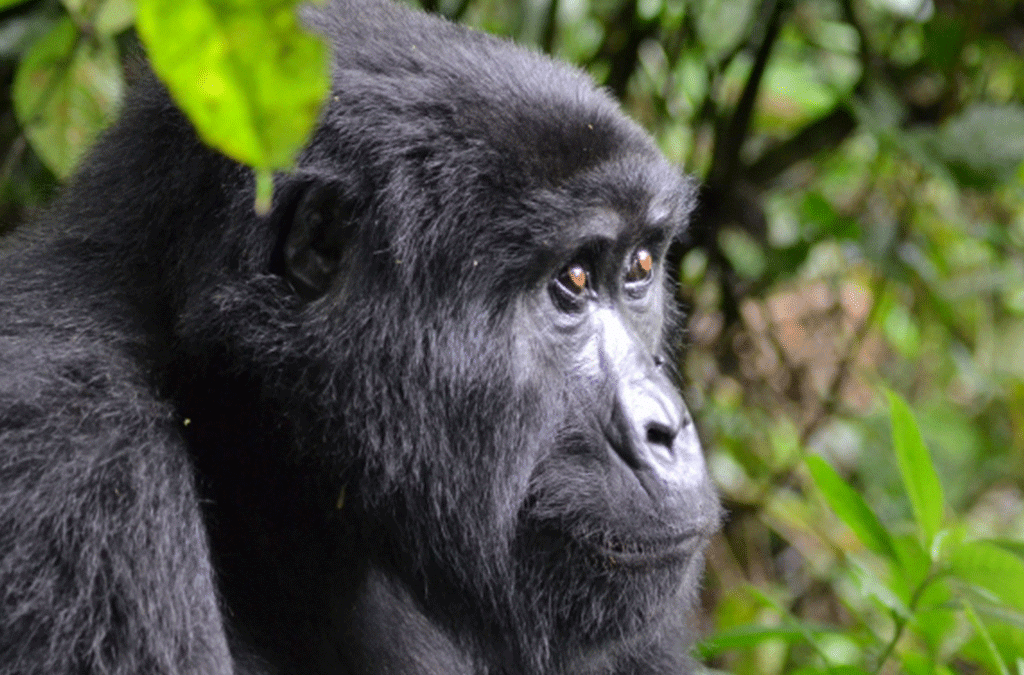
Rwanda Akagera Wildlife and Chimpanzee Trekking offers one of Africa’s most exciting travel experiences. Rwanda, known as the “Land of a Thousand Hills,” has grown into a top destination for wildlife lovers. The country blends open savanna game drives with close encounters in ancient rainforests. In Akagera National Park, you can spot the Big Five and hundreds of other animals. Then, deep in misty mountain forests, you come face to face with chimpanzees — our closest living relatives. Together, these two experiences create a safari that is both thrilling and deeply moving. Safari Vacations and Travel Services make every part of the journey smooth and memorable.
Akagera National Park: Rwanda’s Savanna Gem
Akagera National Park covers 1,122 square kilometers in eastern Rwanda, along the Tanzanian border. The Akagera River runs along its eastern edge and feeds a network of lakes and papyrus swamps. This park stands as one of Africa’s great conservation success stories. It is also Rwanda’s only savanna wildlife reserve.
The landscape inside the park is richly varied. Open plains, woodlands, rolling hills, and wetlands stretch across the terrain. Ten lakes dot the park, with Lake Ihema being the largest. These water bodies draw huge numbers of animals and birds. As a result, every game drive brings fresh surprises.
The Big Five Returns to Akagera
Akagera’s biggest achievement is the return of the Big Five. Lions came back to the park in 2015. Eastern black rhinos followed in 2017. These reintroductions completed the park’s Big Five status. Today, visitors with Safari Vacations and Travel Services can spot lions resting in the shade and rhinos browsing through thick bush. Leopards drape themselves across tree branches. Cape buffalo gather in large herds. Elephants cross the plains in slow, steady groups.
The lion population has grown steadily since their return. Sightings now happen far more often. The rhino numbers remain small but carefully protected. Moreover, these reintroductions have restored the park’s natural balance. Wildlife enthusiasts now travel from around the world to see this achievement.
Rich Wildlife Beyond the Big Five in Rwanda Akagera Wildlife and Chimpanzee Trekking
Akagera holds far more than its famous five species. Elephant herds sometimes reach over one hundred animals. Buffalo groups, some numbering in the thousands, create sweeping sights across the grasslands. Giraffes browse on acacia trees, their long necks rising against the open sky. Zebra, topi, waterbuck, impala, and warthog all thrive in the park. Hippos wallow in the lakes and emerge at night to graze. Nile crocodiles bask along the shores.
Additionally, spotted hyenas and side-striped jackals roam the park. The lucky visitor might spot a serval cat or glimpse civets and genets on a night drive. Safari Vacations and Travel Services can arrange these special evening excursions for those who want more adventure.
A Paradise for Bird Lovers with Rwanda Akagera Wildlife and Chimpanzee Trekking
Akagera is home to over 500 bird species — nearly one-third of all bird species found across Africa. The park’s mix of habitats supports an amazing range of birds. Saddle-billed storks wade through the wetlands. Shoebill storks lurk in papyrus swamps. Lilac-breasted rollers and crimson-breasted shrikes add bright color to the acacia trees.
The lakes attract dense flocks of waterfowl. African fish eagles, pied kingfishers, herons, cormorants, and egrets gather around the water. The rare shoebill stork makes Akagera one of the easiest places in Africa to see this striking bird. Sunbirds, weavers, and bee-eaters fill the trees with color. For birders, the park delivers an unforgettable experience.
Safari Activities during Rwanda Akagera Wildlife and Chimpanzee Trekking
Safari Vacations and Travel Services runs full safari programs in Akagera. Game drives take place in comfortable 4×4 vehicles with pop-up roofs for easy viewing and photography. You can choose early morning drives, afternoon outings, or full-day trips. Morning drives catch animals at their most active. Afternoon drives often end with stunning sunsets over the lakes.
Boat safaris on Lake Ihema add a fresh angle to the experience. You glide close to hippos, crocodiles, and waterbirds. Fish eagles swoop down to snatch fish from the water right before your eyes. During the dry season, animals crowd around water sources, making boat trips especially rewarding. Behind-the-scenes conservation visits can also be arranged, giving you a closer look at the anti-poaching work that keeps the park thriving.
Chimpanzee Trekking: Into the Forest
While Akagera shows Rwanda’s open savanna, the country’s forest parks hold its most emotional wildlife moments. Rwanda protects large chimpanzee populations across two key forest parks. Both offer some of Africa’s finest great ape encounters. Safari Vacations and Travel Services manages all permits, transport, and guide services for these treks.
Nyungwe Forest National Park
Nyungwe Forest National Park sits in southwestern Rwanda. It protects one of Africa’s oldest and largest mountain rainforests, covering 1,019 square kilometers. About 400 chimpanzees live here across several habituated and wild communities. The forest also harbors 13 primate species, over 300 bird species, and countless plant species.
Trekking begins early in the morning. Experienced trackers lead small groups through dense vegetation, following calls, nests, and other signs. The terrain can be steep and muddy. However, all effort fades the moment you find a chimpanzee family. You watch grooming rituals that build social bonds. Young chimps practice climbing. Males display to assert their rank. The chimps feed on figs and leaves and sometimes hunt smaller primates. Their intelligence and personality shine through every moment.
Gishwati-Mukura National Park
Gishwati-Mukura National Park, established in 2015, is Rwanda’s newest park. It connects two forest fragments — Gishwati and Mukura — through a forest corridor. The park is smaller and quieter than Nyungwe. As a result, chimpanzee encounters here feel more private and personal. Around 20 habituated chimpanzees live in the park. Reforestation efforts have transformed once-degraded land into a healthy forest. This recovery story inspires all who visit.
What to Expect During a Chimpanzee Trek
Treks usually start at 5:00 AM or 6:00 AM when chimpanzees are most active. Groups stay small to limit disturbance and improve the quality of each visit. Once guides locate the chimps, you spend one precious hour with them. During that time, you can take photos and simply watch as they go about their day, largely unbothered by respectful observers.
Strict rules apply to protect both chimps and visitors. You must stay at least seven meters away. Flash photography is not allowed. Do not eat near the animals. Cover your mouth if you cough. Follow all guide instructions without question. These endangered apes can catch human diseases, so every precaution matters.
Other Primates and Forest Wildlife
Rwanda’s forests hold far more than chimpanzees. Nyungwe alone protects 13 primate species. The Rwenzori colobus lives here in groups of several hundred, one of the largest arboreal primate gatherings in Africa. L’Hoest’s monkeys, silver monkeys, and various mangabey species also thrive in these forests. Volcanoes National Park, home to the famous mountain gorillas, adds golden monkeys to the primate list. Forest elephants, duikers, and bushbucks move through the undergrowth. The birdlife is world-class, drawing birders from every continent.
Combining Akagera and Chimpanzee Trekking
Safari Vacations and Travel Services creates seamless itineraries that blend both experiences. A typical combined tour runs six days. Days one to three focus on Akagera, with morning and afternoon game drives, a boat safari on Lake Ihema, and possibly a night drive. Lodges and tented camps overlook the lakes and savanna.
Days four to six shift to Nyungwe or Gishwati-Mukura for chimpanzee trekking, canopy walks, additional primate tracking, and birding. The contrast between the wide open savanna and the dense forest makes the trip feel wonderfully complete. Travel between parks passes through terraced hillsides, tea plantations, and local villages. Rwanda’s excellent roads and compact size make the journey enjoyable and easy.
Best Time to Visit and What to Bring
Rwanda’s wildlife is accessible all year. However, the dry seasons — June to September and December to February — offer drier trails and more comfortable trekking. In Akagera, the dry season concentrates animals near water, improving sightings. The wet seasons bring lush scenery, fewer tourists, and excellent birding as migratory species arrive.
For Akagera, pack light neutral clothing, a hat, sunscreen, binoculars, and a camera with a zoom lens. For chimpanzee trekking, bring sturdy waterproof hiking boots, long trousers tucked into socks to guard against army ants, a long-sleeved shirt, rain gear, gardening gloves, and a daypack with water and snacks. Chimpanzee trekking demands moderate to high fitness. Even so, guides adjust the pace to suit your group. Porters are available to carry bags or offer physical support along the trail.
Conclusion
Rwanda Akagera Wildlife and Chimpanzee Trekking with Safari Vacations and Travel Services delivers one of Africa’s finest wildlife adventures. You track lions across golden savannas and lock eyes with chimpanzees in misty forests. Each moment stays with you long after you return home. Rwanda’s strong conservation programs, reliable infrastructure, and warm hospitality ensure a safe and deeply rewarding journey. Whether this is your first African safari or your tenth, this combination delivers experiences that change the way you see the world.