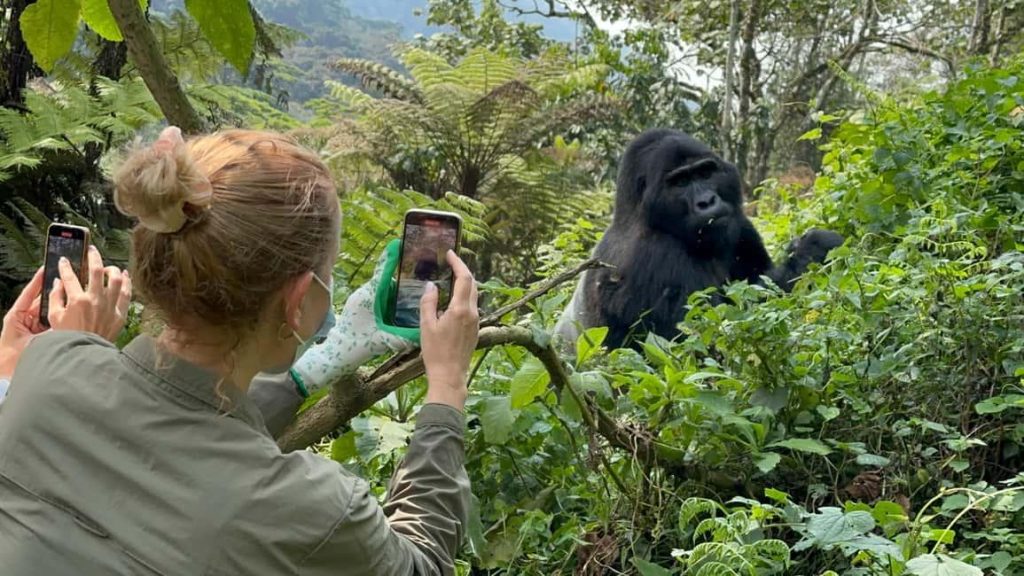
Plan Your Dream African Safari: Guide for wildlife lovers

Plan Your Dream African Safari: Step-by-Step Guide for Wildlife Lovers
Dreaming of an African safari? You’re not alone! Africa has breathtaking landscapes, incredible wildlife, and unforgettable adventures. At Safari Vacations and Travel Services, based in Kabale, Uganda, we specialize in helping wildlife lovers like you plan the safari of a lifetime. Whether you hope to see the Big Five, witness the Great Migration, or soak in the beauty of Africa’s wilderness, this step-by-step guide will help you plan your dream African Safari. Let’s dive in!
Deciding When to Go on Safari
Timing is everything when planning a safari. The best time for your trip depends on what you want to see and experience. Africa’s diverse ecosystems and wildlife behaviors change with the seasons, so choosing the right time is key to making your safari unforgettable.
Peak vs Off-Peak Season Benefits
- Peak Season (Dry Season): Typically from June to October. Wildlife is easier to spot as animals gather around water sources, making it the perfect time for game viewing. The weather is dry and pleasant, with sunny days and cool nights. However, parks can be crowded, and prices for accommodations and tours are higher.
- Off-Peak Season (Wet Season): From November to May, the landscape transforms into a lush, green paradise. This is the best time for birdwatching, as migratory birds flock to the region. Fewer tourists mean lower prices and a more intimate experience. However, some roads may become impassable due to heavy rains, and wildlife may be harder to spot as animals disperse across the landscape.
Wildlife Migration Patterns
If witnessing the Great Migration in Tanzania or Kenya is on your bucket list, plan your trip between July and October. During this time, millions of wildebeests, zebras, and gazelles cross the Serengeti and Masai Mara in search of greener pastures. It’s one of nature’s most spectacular events, offering thrilling predator-prey interactions and dramatic river crossings.
Weather Considerations by Region
Africa’s weather varies significantly by region, so it’s important to research your destination:
- East Africa (Kenya, Tanzania, Uganda): This region has two dry seasons (June-October and December-February) and two wet seasons (March-May and November). The dry seasons are ideal for wildlife viewing, while the wet seasons are perfect for birdwatching and enjoying lush landscapes.
- Southern Africa (South Africa, Botswana, Zimbabwe): The dry season runs from May to October, offering excellent game viewing as animals congregate around waterholes. The wet season (November-April) is great for birdwatching and seeing newborn animals.
By understanding these patterns, you can choose the best time to visit based on your interests and priorities.
Choosing Between Guided vs Self-Drive
One of the first decisions you’ll need to make is whether to go on a guided safari or a self-drive adventure. Both options have their pros and cons, so it’s important to consider your preferences, budget, and experience level.
Pros and Cons of Each Option
- Guided Safari:
- Pros: Expert guides know the best spots for wildlife sightings and can share fascinating insights about the animals and ecosystems. All logistics, including transportation, accommodations, and meals, are handled for you, making it a stress-free experience.
- Cons: Less flexibility in your schedule, as activities are often pre-planned. Can be more expensive due to the inclusion of professional guides and premium services.
- Self-Drive Safari:
- Pros: Complete freedom to explore at your own pace and create your itinerary. Often more budget-friendly, as you can save on guide fees and choose your accommodations.
- Cons: Requires good driving skills and knowledge of the area, as you’ll navigate rough, unpaved roads. You’ll also need to handle all logistics, including permits, vehicle maintenance, and fuel.
Cost Comparisons
Guided safaris are generally more expensive due to the inclusion of guides, accommodations, and meals. Self-drive safaris can save you money, but remember to factor in car rental, fuel, and park fees. If you’re traveling with a group, a guided safari might offer better value, as costs can be shared.
Required Skills and Experience
If you choose a self-drive safari, you’ll need confidence in driving on rough, unpaved roads and basic vehicle repair skills. For guided safaris, no special skills are required—just a sense of adventure and a willingness to learn from your guide!
Selecting the Right Safari Style
Choosing the right safari style is crucial for tailoring your adventure to your preferences and budget. Here’s a detailed breakdown of the various options available.
Luxury vs. Budget Experiences
Luxury Safaris: These safaris offer high-end accommodations, such as upscale lodges or luxurious tented camps. Guests can expect gourmet meals, personalized service, private guides, and exclusive game drives. This option is ideal for travelers seeking comfort and indulgence while immersing themselves in nature.
Budget Safaris: For those looking to save costs, budget safaris provide a more economical choice. Accommodations may include basic lodges or camping options, allowing travelers to experience incredible wildlife at a fraction of the price. This style suits adventurous individuals who are comfortable with a more rugged experience.
Private vs. Group Safaris
Private Safaris: These safaris cater to individual preferences, featuring a dedicated guide and vehicle. They are perfect for couples, families, or anyone desiring a personalized experience tailored to their interests and schedules.
Group Safaris: More social and cost-effective, group safaris involve sharing experiences with other travelers. This format not only reduces costs but also fosters camaraderie among participants, making it an excellent way to meet like-minded adventurers.
Special Interest Safaris
For those with specific passions, specialized safaris can enhance the adventure:
- Birdwatching Safaris: Focused on spotting various bird species in their natural habitats.
- Photography Safaris: Designed for photographers, these safaris include early morning and late afternoon game drives to capture optimal light conditions.
- Cultural Tours: These safaris offer opportunities to engage with local communities and learn about their customs and traditions.
Making Transportation Arrangements
Getting to and around Africa requires careful planning. From international flights to inter-park transfers, here’s what you need to know.
International Flight Planning
Book your flights well in advance, especially if traveling during peak season. Major hubs include Nairobi (Kenya), Johannesburg (South Africa), and Entebbe (Uganda). Look for deals and consider flying into one city and out of another to maximize your time and reduce travel costs.
Inter-Park Transfer Options
Once in Africa, you’ll need to travel between parks. Options include domestic flights, private transfers, or overland drives. Domestic flights are quick but expensive, while overland drives offer a chance to see more of the countryside.
Vehicle Selection for Game Drives
For game drives, choose a vehicle suited to the terrain. 4×4 vehicles are essential for most parks, as they can handle rough, unpaved roads. If you’re on a guided safari, your tour operator will provide the vehicle. For self-drive safaris, make sure to rent a reliable 4×4 with proper insurance.
Booking Your Safari Experience
Booking your safari is an exciting step, but it’s important to do your research to ensure a smooth and enjoyable experience.
Working with Tour Operators
A reputable tour operator, like Safari Vacations and Travel Services, can handle all the details for you. Look for operators with good reviews, proper licenses, and a commitment to sustainable tourism. A good operator will tailor your safari to your interests and budget, ensuring a memorable experience.
Direct Booking Strategies
If you prefer to book directly, research lodges and parks online. Many have official websites where you can check availability and make reservations. Be sure to read reviews and compare prices to get the best deal. Remember to book with Safari Vacations and Travel Services for convenience purposes and to avoid online tricksters.
Understanding Cancellation Policies
Always read the fine print. Cancellation policies vary, and some operators may offer flexible options in case your plans change. Look for operators that offer refundable deposits or rescheduling options, especially if you’re booking during uncertain times.
Essential Safari Preparations
Proper preparation is key to ensuring a smooth and enjoyable safari experience. From necessary documents to packing essentials, here’s a comprehensive guide to help you get ready for your adventure.
Required Documents and Permits
- Passport: Ensure your passport is valid for at least six months beyond your travel dates.
- Visas: Verify visa requirements for your destination. Some countries offer visas on arrival, while others require advance applications.
- Vaccinations: A yellow fever vaccination is often mandatory. Consult your healthcare provider for recommendations on other vaccines, such as typhoid and hepatitis A.
- Park Permits: Typically arranged by your tour operator, confirm that all necessary permits are in place to avoid last-minute issues.
Packing for Different Conditions
Pack light but strategically. Essential items include:
- Clothing: Choose lightweight, neutral-colored clothing to blend into the environment. Avoid bright colors and camouflage patterns.
- Footwear: Comfortable walking shoes or boots are crucial for safari excursions.
- Accessories: A wide-brimmed hat and UV-protected sunglasses are essential for sun protection.
- Equipment: Bring binoculars and a camera with extra batteries to capture wildlife moments.
- Hydration: A reusable water bottle is vital for staying hydrated during game drives.
- Health Kit: Include a first aid kit with personal medications and basic supplies.
Cultural Considerations and Etiquette
Understanding local customs enhances your safari experience:
- Respect Traditions: Always ask for permission before photographing individuals or their property.
- Tipping: Tipping is customary for guides and staff; check with your tour operator for recommended amounts.
- Language: Learning a few phrases in the local language can foster positive interactions with local communities.
Final Preparations
Before you embark on your safari, ensure you:
- Confirm Itinerary: Double-check accommodation and activity bookings to ensure everything is in order.
- Emergency Contacts: Keep a list of important contacts, including local emergency numbers and embassy information.
- Luggage Weight: Adhere to airline weight restrictions, especially if flying to remote areas.
By following these guidelines, you can ensure that you are well-prepared for an unforgettable safari adventure.
Conclusion
Planning your dream African safari may initially seem overwhelming, but with the right guidance, it can be a seamless and enjoyable process. At Safari Vacations and Travel Services, we’re here to help you every step of the way. From choosing the perfect time to visit to booking your accommodations and ensuring you have all the necessary documents, we’ve got you covered.
Africa is waiting to amaze you with its stunning landscapes, diverse wildlife, and rich cultures. Start planning your safari today, and prepare for the adventure of a lifetime!
Safari Vacations and Travel Services – Your Gateway to Unforgettable African Adventures.