ultimate Nairobi City and the Pian Upe Game Reserve
Nairobi City and the Pian Upe Game Reserve
Pian Upe Game Reserve may seem worlds away from the bustle of Nairobi City, and geographically it is. This guide explains how to combine the Kenyan capital with a remote northeastern Uganda safari without ignoring international transfers, road conditions, wildlife expectations or the value of extra time in each place.
Why combine a Kenyan capital with a remote Ugandan reserve
Nairobi City and the Pian Upe Game Reserve create a journey built around contrast rather than convenience. In Kenya, a modern capital provides international flights, restaurants, museums, conservation visits and a national park remarkably close to the skyline. In Uganda, open plains below rugged hills offer a quieter kind of wildlife experience, with longer drives and fewer visitor facilities. These are separate destinations in separate countries. They should be planned as a regional safari with a real border or flight transfer, not promoted as an easy day excursion. Travelers who enjoy both cultural discovery and low-key wilderness will find the combination rewarding when enough time is allowed.
The appeal is strongest for people who want a city introduction before a remote landscape. Nairobi works as a practical arrival gateway and an opportunity to settle into East African time. Pian Upe requires more preparation: a suitable vehicle, local guiding, accommodation arrangements and patience with unpredictable sightings. A balanced route gives each place a distinct purpose. Rather than rushing between famous attractions, build several full days for the Ugandan portion and treat the connection between countries as a travel day with built-in flexibility.
What to expect from Nairobi City
Nairobi is energetic, sprawling and surprisingly varied. Visitors can spend a morning watching wildlife on open grassland, an afternoon exploring conservation history and an evening enjoying the city’s dining scene. Districts differ in traffic, walkability and accommodation choices, so hotel location matters. Arrange airport pickups with a trusted provider, allow extra time for road journeys and avoid scheduling too many activities after an overnight flight. The city is best experienced through a clear, manageable plan rather than a checklist that assumes every neighborhood is minutes away.
For first-time visitors, a guided introduction can help with orientation, especially when a safari begins the following day. The central question is whether to spend one night as a transit stop or two or three nights to explore. A longer stay suits museums, craft markets, restaurants and conservation-focused visits, while a shorter stay protects the budget for wilderness days. Leave room for unexpected traffic and the slower pace of arrival formalities.
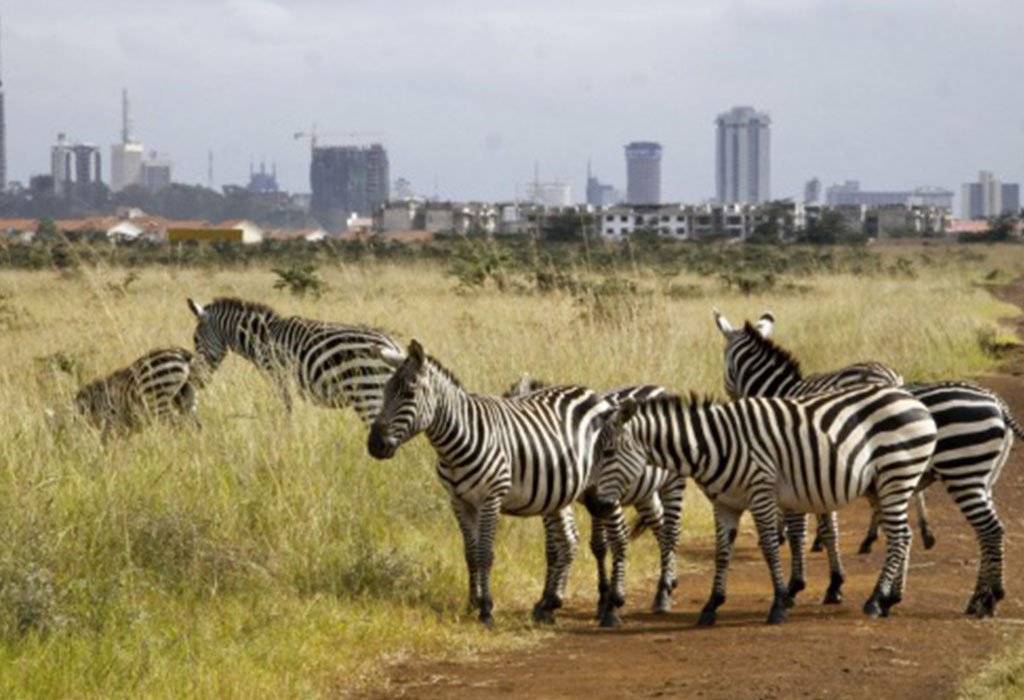
Wildlife beside the Nairobi skyline
Nairobi National Park is the city’s signature nature experience. Kenya Wildlife Service describes a protected area of roughly 117 square kilometers near the capital, with grasslands, riverine habitats, birdlife and rhinos. A morning drive offers the possibility of observing wildlife with office towers on the horizon, a combination that feels different from the remote savannahs farther from the city. Sightings vary daily, and no operator should promise a particular predator or close encounter. Use a knowledgeable driver, follow park rules and leave the animals space.
Park gates and conditions are controlled by Kenya Wildlife Service, so confirm current entry requirements before visiting. Early departure can improve comfort and avoid city congestion. Carry water, sunscreen and binoculars, and dress for cool mornings followed by warmer sunlight. A city-based wildlife outing is an excellent introduction, but it should not be confused with the longer ecological and logistical experience awaiting visitors in northeastern Uganda.

A realistic cultural day in Kenya
A second Nairobi day may focus on local culture rather than another vehicle-based excursion. Choose a small number of experiences with enough travel time between them: a museum, an art space, a market or a responsible conservation center. Ask about photography policies and whether entry fees support the communities or institutions involved. A local guide can provide context on the city’s diverse neighborhoods and contemporary creative life. Keep valuables secure in crowded settings and arrange reputable transport for evening journeys.
Food is an important part of the experience. Nairobi has options ranging from casual Kenyan meals to international cuisine, making it easy to tailor a day to different budgets. If traveling with children or older relatives, schedule downtime before the next leg. The journey becomes more enjoyable when the capital feels like a destination in its own right rather than a hurdle to clear before the game reserve.
Request a Two-Country Safari Route →
Understanding Pian Upe Game Reserve: the landscape
Pian Upe Game Reserve is generally described in current visitor material as Pian Upe Wildlife Reserve. It occupies a broad landscape of savannah, seasonal waterways, rocky outcrops and hills in northeastern Uganda. The important distinction from Nairobi is scale and remoteness. Wildlife may be widely dispersed, facilities are simpler and some tracks become difficult after rain. Visitors come for the horizon, the sense of space and opportunities to observe animals and birds in a recovering ecosystem, rather than for guaranteed high-density sightings every hour.
The reserve’s conservation story is part of the visit. Public reserve information describes ongoing restoration and population monitoring, with gains for some species and continuing pressures for others. Travelers should approach the landscape with curiosity rather than expect a polished, high-volume commercial safari. Staying on approved tracks, listening to rangers and supporting responsible local services help protect habitats that remain vulnerable.
Animals to seek on the eastern plains
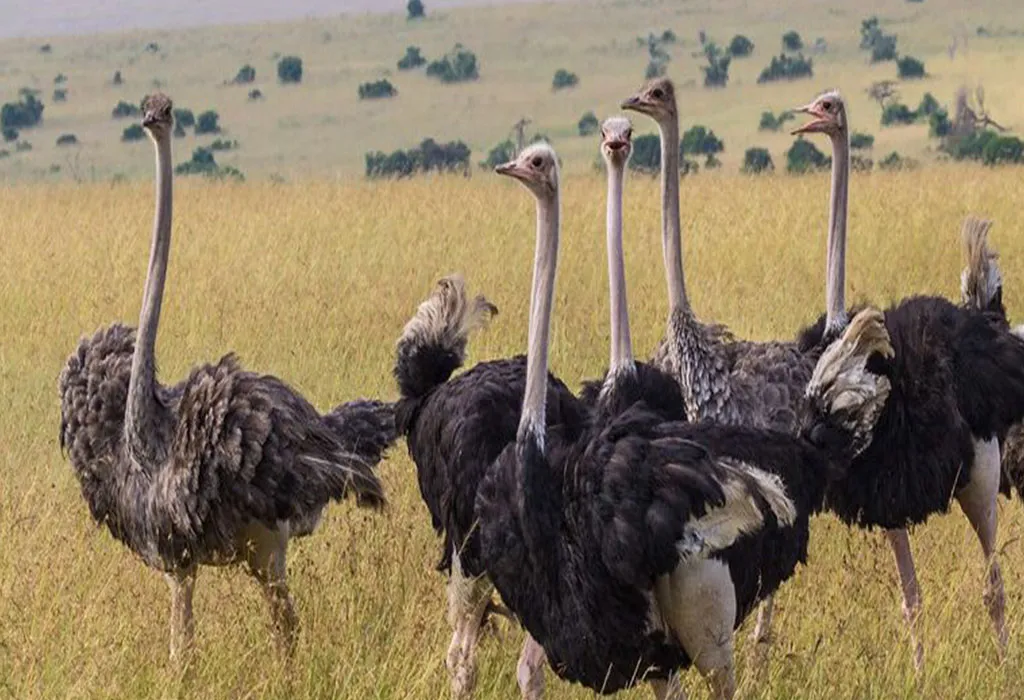
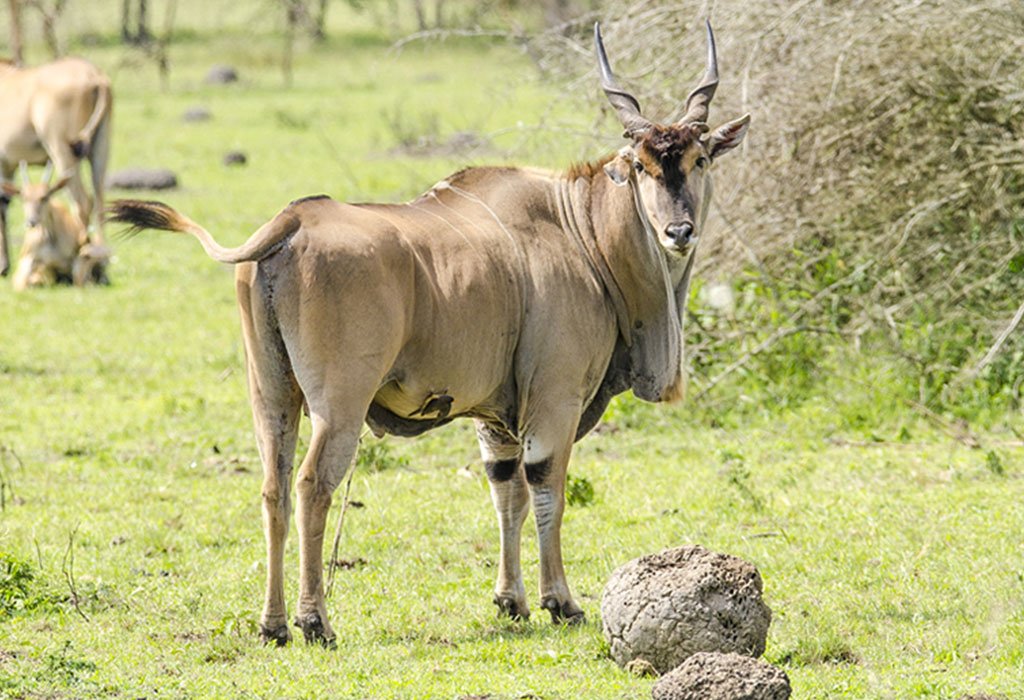
Pian Upe is associated with roan antelope, eland, zebras, ostriches, smaller antelopes and an interesting variety of dry-country wildlife. The exact species encountered will depend on season, location, recent movement and luck. Birdwatchers may find the journey particularly rewarding because open areas, scattered trees and wetland edges support contrasting bird communities. A good guide can explain tracks, feeding behavior and habitat even when large mammals are distant or temporarily hidden.
Keep a realistic sightings list. The possibility of encountering a rare animal is exciting, but the reserve is not a zoo and its wildlife is not gathered for visitors. Bring binoculars, allow several game-drive windows and enjoy details such as bird calls, unusual trees and changing light. Photographers should prepare for long distances and heat haze, not just dramatic close-up portraits.
Game drives and the value of local guiding
Planning game drives in Pian Upe Game Reserve
Most exploration takes place by four-wheel-drive vehicle on approved tracks. Conditions can change quickly in wet weather, so the driver needs local knowledge and the equipment to handle rough surfaces without damaging the environment. Morning and late-afternoon outings often provide more comfortable temperatures and attractive light, although wildlife activity is never guaranteed. Discuss the intended route and duration with the guide the evening before, especially if travelers have mobility considerations or limited time.
A responsible guide does much more than point out animals. They help interpret habitat, identify birds, recognize safe viewing distances and make adjustments when conditions change. Follow instructions if the group stops near wildlife. Avoid demanding off-track shortcuts or closer approaches for photographs. A patient approach generally creates a more satisfying experience than chasing a long list of species.
Walking, landscapes and community encounters
Where approved, ranger-led walks can introduce visitors to plants, tracks, geology and smaller wildlife overlooked during driving. Never assume independent walking is allowed in a wildlife reserve. Confirm permissions, ranger availability, fitness requirements and the distance beforehand. The scenery includes broad plains and striking mountain backdrops, offering photography opportunities even when the animals are resting. Carry adequate drinking water and plan around daytime heat.
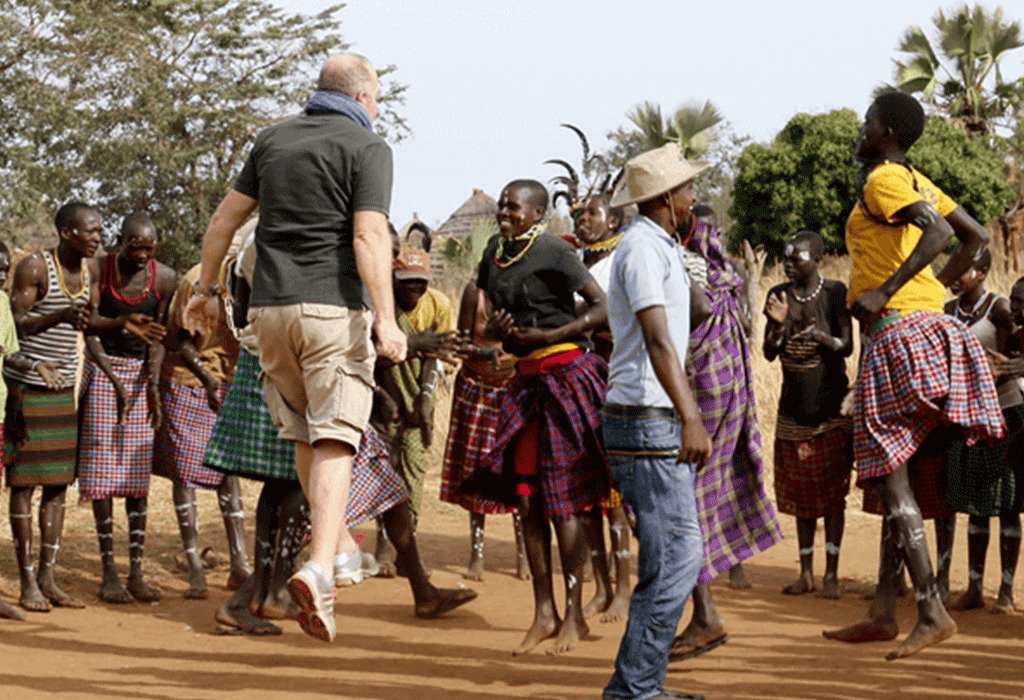
Cultural encounters also deserve care. Communities in the wider Karamoja region have their own traditions, businesses and contemporary lives. Seek visits arranged with local consent, pay agreed guiding or activity fees and ask before photographing anyone. A respectful interaction should be a conversation, not a staged display. Good tour design allows local hosts to explain what they choose to share and gives visitors time to listen.
How to travel from Nairobi to eastern Uganda
There is no straightforward same-day safari drive that joins central Nairobi directly to the reserve. The practical options involve crossing into Uganda by an appropriate border route or flying into Uganda and continuing overland. A traveler flying from Nairobi might connect through Entebbe and then arrange a road transfer east, possibly breaking the journey around Jinja, Mbale or Sipi Falls. Flight schedules, transfer times and airline baggage rules need confirmation for the actual dates rather than an assumed timetable.
An all-road route requires additional planning for border opening procedures, vehicle permissions, insurance, immigration documents and road conditions. Some travelers may be tempted by map distances that ignore road quality and formalities. Avoid that mistake. A local operator should provide a written route with realistic drive segments, planned overnight stops and a contingency for delays. Crossing a border is a major logistical stage, not a brief scenic detour.

The Uganda approach through Mbale and Sipi
Travelers entering through the central Ugandan corridor can make the eastern approach part of the holiday. Mbale offers a practical place to regroup and resupply, while the Sipi area brings waterfalls, cooler slopes and views toward Mount Elgon. These landscapes form a useful transition between Nairobi’s urban bustle and the broad dry-country plains farther north. Taking time for a stopover also reduces fatigue before driving on rougher reserve roads.
From Mbale, visitor information points north along the Mbale–Moroto road toward the southern reserve access. Travel time changes with weather, roadworks and the exact accommodation location. Ask the driver to confirm the latest passable approach rather than relying only on a navigation app. Purchases such as water, snacks and basic supplies are easier to manage before entering more remote areas.

Ask About Transfer Logistics →
Suggested days one and two: arrive and explore Nairobi
Day one should absorb the arrival. Transfer to a well-located hotel, enjoy an unhurried meal and check the next morning’s departure time. If the flight lands early, add a gentle cultural activity, but resist a long itinerary on little sleep. Confirm that passports, travel insurance details and onward reservations are accessible offline. Keep one copy of essential documents separate from your main bag.
On day two, arrange an early wildlife excursion near the city followed by lunch and a relaxed afternoon. This sequence introduces East African landscapes without demanding a full-day cross-country drive. Travelers who prefer culture can substitute a museum or community-led visit. The evening is ideal for repacking: leave unnecessary city items accessible only if your transport arrangements allow secure storage.
Suggested day three: cross into Uganda
Treat day three as a major transfer day. A flight itinerary usually means airport procedures, time in transit and a substantial onward drive. An overland itinerary may need a different schedule altogether. Your operator should state the border crossing or flight routing in advance and check what each traveler requires based on nationality and passport status. Never assume a visa issued for one country automatically provides entry to the other.
If arrival times allow, an overnight in central or eastern Uganda can make the following day easier. Choose a stop that keeps the group rested and gives the driver enough daylight for the next stage. The most important goal is to avoid reaching unfamiliar rural tracks after dark. A thoughtful travel day may look less exciting on paper, but it protects the quality of the safari days that follow.
Suggested day four: waterfalls and the eastern road
Build a buffer day around the eastern corridor when your schedule permits. A short outing near Sipi Falls can add mountain scenery and local guiding before the reserve. Activities vary from viewpoint visits to more demanding walks, so check trail conditions and select a route appropriate for the group. Rain can make paths slippery, and some viewpoints involve steep approaches. Wear footwear with grip rather than light city shoes.
Use the afternoon to reorganize camera gear, confirm meals and discuss the following morning’s departure. Make sure drinking water, any necessary medication and charging arrangements are adequate. This is also a sensible time to ask the guide about weather conditions farther north. The destination rewards flexibility, and it is better to adjust one afternoon than to force an unsuitable route.
Suggested day five: enter the reserve
After a daylight drive toward the reserve, complete the required entry arrangements and settle into accommodation. Ask staff about ranger schedules, designated tracks and any temporary restrictions. A late-afternoon orientation drive may be possible if timing and conditions allow, but it should not be guaranteed in advance. The first hours are for absorbing the open landscape, not racing to photograph every distant animal.
As the light fades, the terrain takes on a different character. Distant hills, grass colors and bird activity often become the memorable details. Enjoy the evening quietly and confirm the next morning’s departure. Remote accommodation may have limited electricity, communications and hot-water arrangements, so prepare batteries and personal essentials before dinner.
Suggested day six: a full wilderness day
A full day provides the strongest opportunity to explore different habitats without the pressure of an imminent checkout. Start early, return for rest during the hottest period if the route allows and resume when temperatures soften. Guides can use recent observations to select tracks, but sightings remain unpredictable. Carry snacks and water and keep camera equipment protected from dust. Ask before stopping the vehicle in sensitive areas.
If a ranger-led walk or cultural activity is part of the plan, arrange it beforehand and allow enough time rather than squeezing it between long drives. A day centered on observation can feel rich even with a short mammal list. Bird behavior, antelope movement, clouds gathering over the hills and the sense of silence are all legitimate reasons to make the journey.
Suggested day seven: another game viewing window
Use a second morning to revisit a different section or revisit productive habitat from the previous day. Two mornings help reduce the pressure created by a single chance at wildlife. A reserve with dispersed animals rewards time more than aggressive driving. The guide may suggest particular water sources or grassland edges based on recent conditions, but animals move freely, so no location guarantees results.
Afternoon options depend on accessibility and current permissions. Some visitors prioritize landscape photography; others prefer a relaxed camp experience or a carefully arranged community visit. If leaving the reserve, ensure the route reaches the next overnight stop safely before dark. This itinerary is a framework, not a fixed operational schedule: adjust it to weather, available accommodation and the group’s energy.
Plan My Reserve Wildlife Days →
Suggested days eight and nine: return or extend
On day eight, travel toward the next transport hub or overnight stop. Do not attach an international departure to a long rough-road transfer unless there is a generous buffer and reliable connections. Depending on the journey, an overnight near Entebbe or another appropriate town may be the sensible choice. Review the onward travel documents and keep enough cash or accessible payment options for road expenses.
Day nine can be reserved for the flight home or an optional extension. Travelers with more time might continue north toward another protected area, build a wider Uganda itinerary or return to a city for a gentler ending. Whatever the choice, acknowledge the substantial distances involved. The strength of a cross-border safari lies in leaving enough room for both experiences instead of trying to see everything in a few exhausting days.
When to visit both destinations
Weather affects the two locations differently. Nairobi sits at elevation and can feel cool in the morning, while the reserve’s more open terrain can become hot and its unpaved tracks difficult during rainy periods. A dry-season preference may improve driving reliability, but it does not guarantee wildlife concentrations, blue skies or perfectly smooth roads. Seasonal patterns also vary from year to year, so check recent local conditions before finalizing transport.
For a fixed holiday month, let road access and guide advice determine the Uganda timing, then fit city experiences around it. Carry a light layer for Nairobi and breathable sun-protective clothing for the plains. Do not rely on a single generic “best month” claim for the whole trip. The better question is which activities and conditions matter most to your group.
Costs that shape your safari budget
Budget for two countries, several transport stages and at least two different accommodation environments. Significant cost categories include regional flights or cross-border vehicle operations, reserve entry, guide services, fuel, hotel nights, meals, activity fees, insurance and any required visas. A remote itinerary may cost more than expected because a vehicle and driver cover long distances, sometimes with few passengers sharing the expense.
Ask for a written itemized quote in the correct currency. Clarify what happens if a flight changes, a road closes or a planned activity becomes unavailable. Park tariffs can change, and amounts published in older articles may be obsolete. Check with the responsible authorities or your operator close to travel rather than relying on a years-old fee table. Good value usually comes from realistic routing and enough time on the ground.
Choosing accommodation for very different settings
In Nairobi, prioritize location, reputable airport transfer arrangements, secure access and a restful night. Ask whether the room rate includes breakfast, taxes and any late-arrival support. A hotel convenient for a city tour might not be ideal for a very early flight, so coordinate accommodation with the actual route. Families may value adjoining rooms, while photographers may prefer flexibility around predawn departures.
Near the Ugandan reserve, choices may include simple authority-run accommodation, camps or limited private options in the wider region. Confirm exactly where the property is located in relation to the entrance and game-viewing tracks. Ask about meals, drinking water, charging, bathrooms, mosquito protection and communication coverage. A lower nightly rate can be misleading if it requires extensive extra driving each day.
What to pack for city and savannah
Pack with two environments in mind. The capital calls for comfortable walking shoes, modest casual clothing and a light layer for evenings. Wildlife days need sun protection, neutral-colored breathable clothing, binoculars, a refillable water bottle and secure bags for dusty roads. A compact first-aid kit and any prescription medicines should travel with you, along with copies of medical information appropriate to your needs.
Protect electronics from dust and vibration. Bring a power bank, charging cables and sufficient memory cards, but confirm the accommodation’s power arrangements. Carry a rain layer even during relatively dry periods. Avoid an excessively heavy suitcase that becomes difficult to handle on transfer days. A small day bag with water, snacks, identification and medication is useful throughout the journey.
Health and safety without unnecessary alarm
Both city and remote travel require ordinary precautions adapted to the setting. In Nairobi, use trusted transportation, stay aware of belongings and follow local advice about walking after dark. In the reserve, follow ranger instructions, remain in the vehicle except at approved points and never feed wildlife. Avoid surprising animals, approaching them on foot or placing yourself between adults and young. These rules protect visitors as well as animals.
Consult a qualified travel-health professional well before departure about routine vaccinations, malaria prevention and any destination-specific requirements. Requirements can depend on your route and recent travel history. Carry suitable travel insurance, including the activities you intend to undertake and medical evacuation where appropriate. Plan communication and emergency contacts before entering areas with unreliable network coverage.
Immigration and border paperwork
Kenya and Uganda have separate entry procedures, which may change. Check the official government guidance that applies to each traveler’s passport and route, including any electronic travel authorization, visa or transit requirement. An arrangement valid for one nationality may not apply to another. If considering a regional visa product, confirm its current eligibility and the rules on first entry rather than assuming broad coverage.
For a road journey, the vehicle also needs correct cross-border documentation and insurance. Ask the operator to specify who handles these arrangements and which fees are included. Keep digital and offline copies of essential documents, but retain the originals where required. Border formalities can be straightforward with good preparation and frustrating without it; build a reasonable allowance into the schedule.
Photography tips for the two landscapes
Photographers should expect two very different kinds of storytelling. Nairobi offers contemporary city scenes and wildlife set against a distinctive skyline. The eastern plains provide wider compositions, rocky hills, open light and the patience of slow observation. A moderate telephoto lens helps with distant mammals; a wider lens can capture landscape and human context. Bring lens-cleaning supplies because dust is common on unpaved tracks.
Protect the welfare and privacy of subjects. Never pressure a guide to move closer to wildlife, and ask permission before photographing community members. Keep group expectations aligned: a safari is not a guaranteed photo shoot. A thoughtful visual record can include daily life, plants, weather and habitat rather than only dramatic predator encounters.
Birdwatching opportunities along the route
Birding is an advantage of combining these environments. Nairobi’s national park holds diverse birds within reach of a major city, while the Ugandan plains add dry-country species and seasonal wetland possibilities. Carry binoculars that are comfortable to use for hours and consider a regional field guide or offline bird-identification reference. Light and activity tend to change over the day, so discuss promising observation times with the local guide.
Keep identification cautious: a brief glimpse may not support a confident species claim. Record color, size, habitat, call and behavior rather than forcing an immediate label. Birds provide interest when larger mammals are hidden, and good birdwatching rarely requires rushing between distant locations. Travelers interested in ecology may find this slower approach one of the journey’s most satisfying aspects.
Traveling with family or a mixed-ability group
A cross-border route may suit families and mixed-age groups, but only if the vehicle time is realistic. Long transfer days, early starts and potentially basic accommodation can be tiring. Tell the organizer about ages, mobility needs, dietary requirements and preferred daily driving limits. Choose a route with rest periods and the option to skip an activity without disrupting everyone else. The reserve may require particular care with accessibility and vehicle boarding.
Children often enjoy shorter wildlife excursions paired with time to ask questions and explore safely. Keep expectations age appropriate and explain why animals must never be approached or fed. For guests who prefer comfort, consider more nights in one place rather than moving every morning. A well-paced trip creates more enjoyable memories than an ambitious schedule that leaves everyone exhausted.
Independent travel or an arranged safari
Independent travelers may appreciate Nairobi’s range of city transport and accommodation, but the onward wilderness segment is more demanding. The reserve involves remote tracks, uncertain conditions and services that must be booked or confirmed. A locally knowledgeable driver and ranger coordination are valuable even for experienced travelers. Anyone considering a self-drive plan should assess road conditions, vehicle capability, recovery equipment and cross-border permissions in detail.
An arranged tour is not automatically better; ask what the company actually provides. A quality operator explains the route, uses realistic driving times, states inclusions clearly and responds to accessibility or dietary needs. It should also respect conservation rules and local communities. Compare itineraries on their substance rather than choosing solely by the number of attractions advertised.
Responsible tourism in Kenya and Uganda
Wildlife tourism works best when it supports protection rather than adding pressure to fragile habitats. Stay on approved roads, avoid litter, keep noise down and comply with instructions about distance from animals. In cities, choose providers who use lawful and transparent practices. In rural areas, support locally owned services when possible and treat communities as partners with choices, not as decorative elements in a visitor photograph.
Ask guides about conservation challenges without expecting simplistic answers. Habitat restoration and wildlife population recovery are long processes. An ethical itinerary may include fewer sightings than a heavily trafficked park, but the experience can still be deeply worthwhile. Respectful behavior helps preserve the qualities that attracted visitors in the first place.
Additional destinations that make sense
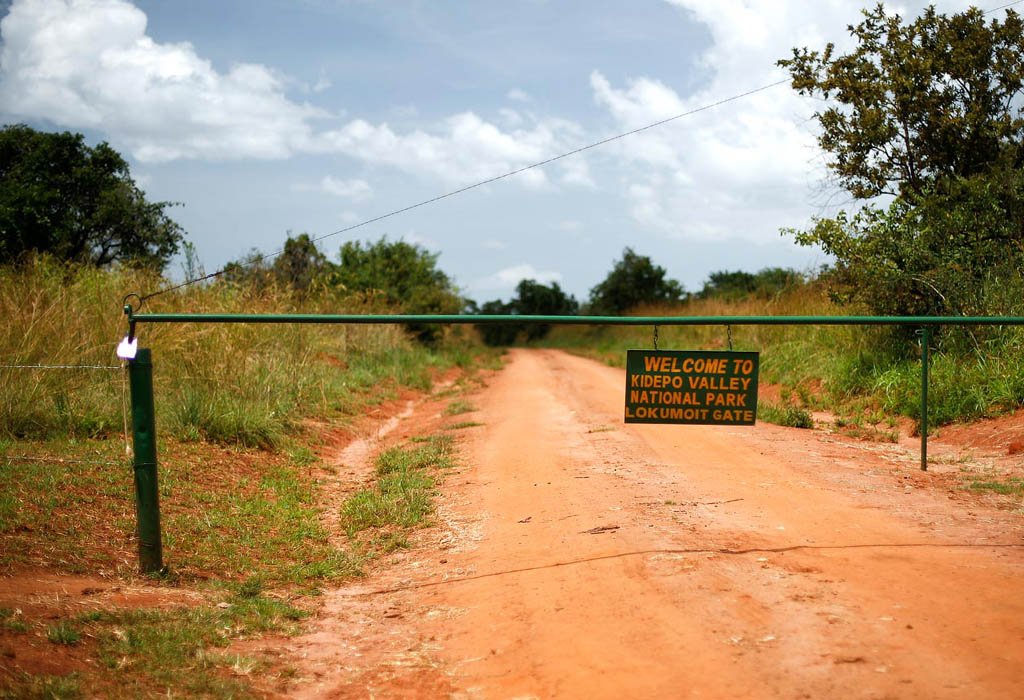
If you have more than nine days, extensions can deepen the journey, but geography matters. Kidepo Valley lies within a broader northeastern Uganda circuit and may suit travelers who already committed to substantial road travel. Other Uganda parks, forest regions and river experiences often require much longer transfers and should be added as separate itinerary stages. Avoid the common mistake of listing distant attractions as though they are casual afternoon stops.
Choose extensions around a single priority. A bird-focused traveler may want more time in habitats along the eastern corridor, while a first-time safari visitor may prefer a more established wildlife park. Primate trekking in southwestern Uganda is a distinct trip component requiring its own permits, logistics and days. A route that joins everything is possible only with enough time, budget and careful transport design.
Request a Tailored Itinerary →
Is a short trip practical?
A two- or three-day holiday is not enough to experience both Nairobi and a remote Ugandan reserve comfortably if you are starting from scratch. A short break is better spent in one destination. With five or six days, the combination still feels transfer-heavy, especially if connections are awkward. Seven to nine days give a more reasonable framework, although exact feasibility depends on flight times, border arrangements and the number of nights spent in each country.
For a relaxed holiday, consider ten or more days. This creates room for unplanned weather, slower roads and changes to activities. Time is especially valuable in a reserve where wildlife is spread over large areas. Reducing the number of hotel moves often increases the quality of the experience more than adding a new destination every evening.
A practical booking checklist
Before paying a deposit, ask for a day-by-day program that identifies both countries, every overnight location, the transportation method between them and the exact services included. Confirm park entry arrangements, guide availability, vehicle suitability and the handling of long transfer days. Make sure the booking conditions explain cancellation terms, possible route changes and any extra charges. An itinerary that simply says “Nairobi to Pian Upe” without explaining the connection is incomplete.
Check whether regional flights are ticketed separately and whether airport transfers are included. Ask who will meet you at each arrival point and how to contact them if delayed. Keep final confirmation emails, emergency numbers and accommodation contacts available offline. Good organization should reduce uncertainty without removing the sense of adventure that makes a journey like this appealing.
Frequently asked questions
Can you visit the reserve as a day trip from Nairobi? No. The two destinations are in different countries and require a substantial transfer. A proper multi-day itinerary is essential. Is Nairobi worth more than one night? Yes, if you want to visit its national park and experience the city rather than use it only as an airport stop. Does the Uganda reserve offer guaranteed cheetah or lion sightings? No; wild animals are unpredictable, and sighting claims should be treated cautiously.
Do you need a four-wheel-drive vehicle? Reserve tracks can be rough, and appropriate four-wheel-drive transport is strongly advised. Can you walk anywhere in the reserve? No; walking should be arranged only where authorized and with the proper guide or ranger. Is the combination suitable for a first African journey? Yes for travelers comfortable with longer transfers and some remote conditions, but a shorter, simpler circuit may suit those with very limited time.
The experience to take home
The most memorable feature of this route is the change in pace. One day, a skyline rises behind a protected stretch of Kenyan grassland; later, remote Ugandan plains spread below distant hills. The trip works when both destinations are allowed to be themselves: a complex urban gateway and a quieter conservation landscape. It fails when their distance is hidden behind a catchy headline or an unrealistic transfer promise.
Plan carefully, travel respectfully and give wildlife room to surprise you. Use the capital to learn about contemporary East Africa and the reserve to experience its quieter environments. When the itinerary reflects real geography and individual interests, the journey feels coherent rather than forced. The reward is not the number of attractions crossed off a list, but the depth of understanding gained along the way.