
Mountain Gorilla Census- How It’s Done
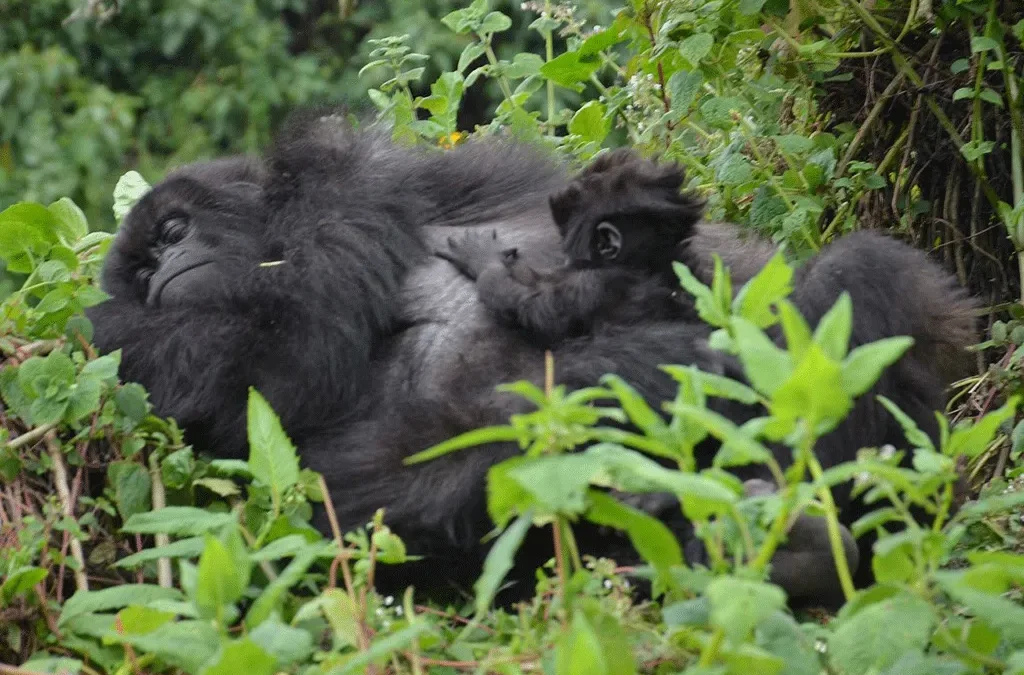
Mountain Gorilla Census- How It’s Done
The mountain gorilla census is precise and requires a significant amount of human labor. A team of experienced researchers, conservationists, and park rangers works together. They accurately count and monitor the population of mountain gorillas in their natural habitats. This happens in the Virunga Mountains and Bwindi Impenetrable National Park.
The gorilla census process begins with a proper planning and preparation phase. During this phase, the team identifies the specific areas to survey. It establishes a proper network of trails and observation points. The team then trains a team of local guides and porters to assist with the gorilla census. Once It’s done with the planning phase, is done the team begins the actual census. It involves thoroughly searching for gorillas and counting the mountain gorillas in the specific survey areas.
Researchers carry out the Mountain Gorilla Census while following the gorillas’ trails and observing their nests. They also consider their feeding grounds and other signs of the activity. They do so daily, with the team observation, tracking, and genetic analysis to identify and count individual gorillas. During the gorilla census team also collects information on the gorillas’ behavior, habitat use, and population. This is useful to inform the conservation and ensure the long-term survival of the mountain gorilla population.
Reasons for Carrying out mountain gorilla census
The mountain gorilla census is a crucial conservation effort. Researchers undertake it to monitor the population size, structure, and dynamics of the mountain gorillas in the Virunga Mountains and Bwindi Impenetrable National Park. The activity takes place for a multitude of reasons that are all interconnected and aimed at ensuring the long-term survival and well-being of this endangered species. One of the main reasons for carrying out a mountain gorilla census is to know the correct population size. By monitoring the population size and structure, conservationists can easily know the trends and patterns. These may show the potential threats or declines. The responsible bodies can therefore take proactive measures to address these issues before they become major problems.
Another reason for conducting a mountain gorilla census is to gather data on the demographic characteristics of the population. These include age and sex ratios, birth and death rates, and social structure. This is essential for understanding the population’s dynamics and behavior. This information is also useful in informing conservation breeding programs and developing effective strategies for managing and conserving the population. Also, the mountain gorilla census allows conservationists to monitor the impact of threats. These include habitat loss and fragmentation, poaching, and disease in the population. Afterward, the responsible bodies can develop effective strategies for mitigating these threats.
The gorilla census also helps to know the specific areas that require additional protection. Also, the mountain gorilla census creates a platform for collaboration among conservationists, researchers, and many others which is important for ensuring the conservation and management of the mountain gorilla population.
Where mountain gorilla census takes place
The mountain gorilla census takes place in the Virunga Mountains and Bwindi Impenetrable National Park. They are the popular habitats of the endangered mountain gorillas. These habitats cut across the borders of the three safari destinations in east-central Africa. These habitats are; Volcanoes National Park in Rwanda and Virunga National Park in the Democratic Republic of Congo. Another one is Mgahinga Gorilla National Park in Uganda and Bwindi Impenetrable National Park in Uganda. Bwindi is home to the largest population of mountain gorillas. The gorilla census majorly takes place in the mountainous forests of the Virunga. The Virunga Massif has a range of habitats, from dense, tropical forests to more open, montane forests and grasslands, and the census teams must move in the difficult landscape, including the steep slopes, dense forests, and high altitudes, to reach the gorillas’ habitats and conduct the census.
The census duration and frequency during the Gorilla Census.
The census duration and frequency during the gorilla census are important components of the gorilla census. The duration of the census ranges from several weeks to several months. It depends on the size of the survey area and the number of gorillas researchers are counting. The duration also depends on the difficulty of the frequency of the census varying from every 5 to 10 years with some censuses being conducted more frequently, such as every 2-3 years, in areas where gorilla populations are known to be small or fragmented, or where there are concerns about the habitat loss, poaching and as well as diseases.
The duration and the frequency of the census are carefully planned and coordinated to ensure that the census is comprehensive and accurate, while also reducing the impact on the gorillas and their habitat. The census teams must be flexible and adaptable to respond to changing circumstances. These include weather conditions, gorilla movements, and logistical challenges. The census duration and frequency are very crucial components of the gorilla census and are well-planned to ensure that the census is effective and efficient.
Data collection during gorilla census
Data collection during the gorilla census is a perfect process. It involves getting information on various aspects of gorilla biology, ecology, and behavior. Researchers do so to obtain a complete and accurate understanding of the gorilla population. They achieve this through a combination of observation, tracking, and sampling methods. These include the use of camera traps, genetic analysis, and direct observation of the gorilla groups. The researchers collect data on a range of variables. These include gorilla demographics, such as age, sex, group size, behavior, habitat use, and population interactions. The data collection process involves a team of researchers with experience, conservationists, and park rangers.
These undergo training in gorilla ecology and behavior and use the standardized guidelines and data collection forms to ensure consistency and clarity, and the data are collected over several weeks or months, depending on the size of the survey area and the number of gorillas being counted, and the data collection process is often facilitated by the use of technology, such as GPS devices, camera traps, and mobile data collection apps, which enable researchers to collect and analyze data more efficiently and accurately, and the data are then analyzed and interpreted to provide insights into gorilla population trends, habitat use, and behavior, and to inform conservation efforts and management decisions.
Challenges and limitations during gorilla census.
The challenges and limitations during the gorilla census are numerous and multifaceted. They can significantly impact the accuracy and reliability of the census results. One of the major challenges is the difficult and inaccessible terrain of the gorilla habitats. It makes it hard for census teams to move and survey the area. Also, the dense forest and foggy conditions can make it difficult to observe and count the gorillas. Another challenge is the risk of disease transmission between humans and the gorillas. These require census teams to take strict precautions to avoid contact with the gorillas and to prevent the spread of diseases.
The presence of poachers and armed groups in some gorilla habitats can also pose a significant threat to the safety of census teams. The limited availability of resources, including funding, personnel, and equipment can also constrain the scope and effectiveness of the census. The complexity of the gorilla social groups and behavior can also make it challenging to accurately count and monitor the gorillas. Consequently, since gorillas are highly mobile and can range over large areas, it makes it difficult to track and count them.
Other Challenges
The limited visibility and accessibility of some gorilla habitats can also make it hard to detect and count all the gorillas in the area, and the need to balance the need for accurate and reliable data with the need to minimize disturbance to the gorillas and their habitat can also be a challenge, and the fact that gorilla censuses are conducted over a relatively short period can also limit the accuracy and reliability of the results, and the limited availability of the historical data and baseline information on the gorilla populations can also make it difficult to interpret and contextualize the census results.
Genetic analysis during gorilla census.
Genetic analysis during the gorilla census is a component that involves the collection and analysis of genetic samples from the gorillas, such as hair, feces, or tissue samples, which are then used to extract DNA and conduct genetic analysis, including genotype, sequencing, and microsatellite analysis, to identify individual gorillas, determine their genetic relationships, and estimate population sizes and structure, and this information is essential for informing conservation.
This information includes habitat management, population monitoring, and diseases. It also involves developing effective strategies for managing and conserving gorilla populations, genetic analysis can also be used to identify patterns of the genetic diversity and differentiation among gorilla populations. This can give information to maintain genetic diversity and promote gene flow among populations. The genetic data can also be useful in understanding the impact of habitat fragmentation and poaching on the gorilla populations.
It guides in the development of strategies for reducing these impacts and the genetic analysis conducted in collaboration with specialized laboratories and research institutions, and the results are then used to inform conservation and management decisions, and the genetic data are also stored in databases and repositories like the Gorilla genetic Database, which provides a respiratory for the genetic data on gorillas and facilities collaboration and data sharing among researchers and conservationists.
Census methodology during gorilla census.
The census methodology used during the gorilla census is a systematic approach. It takes a combination of observation, tracking, and sampling methods. These help in understanding gorilla population sizes, and it starts with the establishment of a certain grid system and observation points within the census area. This allows the census team to search for and count gorillas. Then, the team uses a combination of visual observations, footprints, nests, and other signs of gorilla activity to find and identify individual gorillas, and the team also uses camera traps and genetic analysis to gather extra data on gorilla population sizes, structures, and dynamics.
The census methodology also involves the use of mark-release-recapture (MRR) methods. This involves marking the individual gorillas with unique identifiers. These identifiers include genetic markers, and then releasing them back into the wild, and recapturing or resighting them to estimate population sizes and densities. The census team also uses distance sampling methods. They involve estimating the distance between the observer and the gorilla. Then, researchers use this information to estimate population densities.
The team also uses habitat sampling methods. They involve random samples of habitat within the census area, and then searching for and counting gorillas with these samples, and the census methodology is meant to the specific conservation goals and objectives of the census, as well as the ecology and logistical characteristics of the census area, and the team must also take into account the potential limitations of the census methodology, like as the risk of undercounting over counting gorillas, and the potential impact of the census on the gorillas their habitat.
Most Popular Gorilla Safaris
2 Day Bwindi Gorilla trekking tour from Kigali
6 Days Uganda Primates Trekking Safari
6 Days Whitewater Rafting and Gorilla Safari
7 Days Rwanda and Congo lowland primates’ safari
8 Days Uganda Safari, Gorillas, Chimps & Wildlife
8-Day Masai Mara Gorillas and Chimpanzee Safari
10 Days Tanzania Kenya Uganda gorillas from Kigali
4 Days Akagera National Park Wildlife Safari Adventure 2024
For more information about the gorilla census, kindly contact us at Safari Vacations and Travel Services. We shall plan, prepare, and organize your safari. We’ll also take you beyond in other safari activities where you will experience different safari activities like gorilla trekking, and gorilla habituation in any desired safari destination that is Bwindi Impenetrable National Park or Mgahinga Gorilla National Park in Uganda, Volcanoes National Park in Rwanda, Virunga National Park in Democratic Republic of Congo for the best experience. In the presence of the gorillas that’s when you will get to know various characteristics of the gorillas, and this is where you will notice many unique behaviors of the gorillas like how they feed, how the gorillas play, how they make their nests, how the gorillas breastfeed, and how female gorillas groom their young ones, taking gorillas their pictures and recording their videos and among others.



