The Best Things To Do on a Tanzania Safari

A Tanzania safari is an opportunity to experience some of Africa’s most remarkable natural landscapes. From the seemingly endless plains of Serengeti National Park to the spectacular Ngorongoro Crater, Tanzania offers exceptional wildlife viewing, beautiful scenery and memorable cultural encounters.
Whether you are visiting Africa for the first time, travelling as a couple, planning a family holiday or looking for a specialist wildlife photography adventure, Tanzania offers activities for different interests and travel styles. You can spend your mornings searching for lions and elephants, enjoy an afternoon watching the Great Migration, explore local communities or take a hot-air balloon flight over the savannah.
The country also offers excellent opportunities to combine a traditional wildlife safari with mountain climbing and a relaxing beach holiday. This guide explores the best things to do on a Tanzania safari and explains how to include them in a rewarding itinerary.
For a broader introduction, read our complete guide to Tanzania safaris and explore our Tanzania wildlife safari experiences.
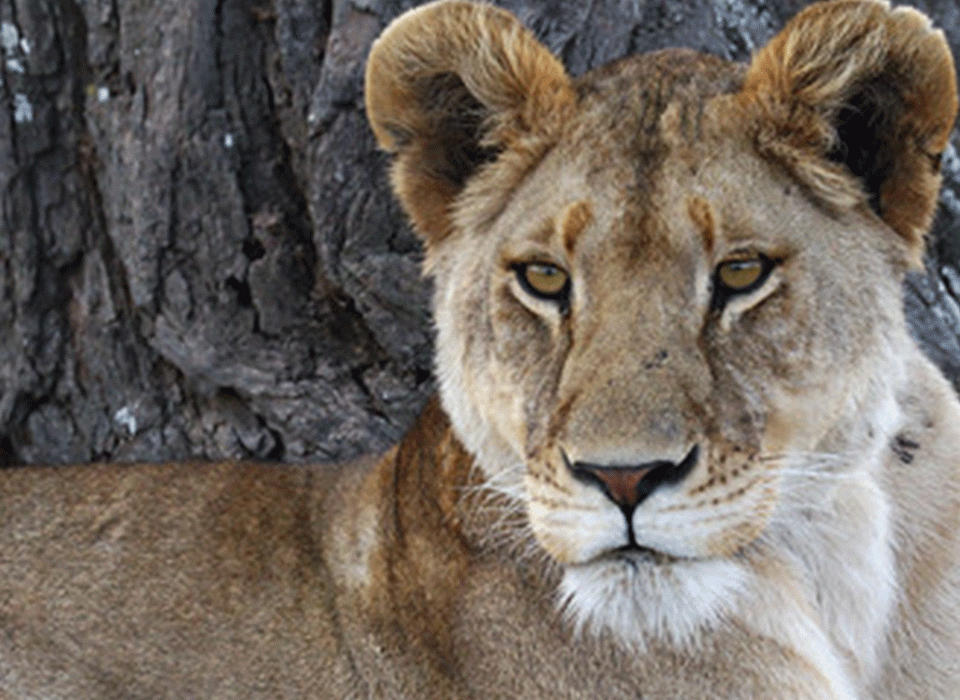
Great Migration
 Witness the movement of wildebeest and zebras across the Serengeti ecosystem.
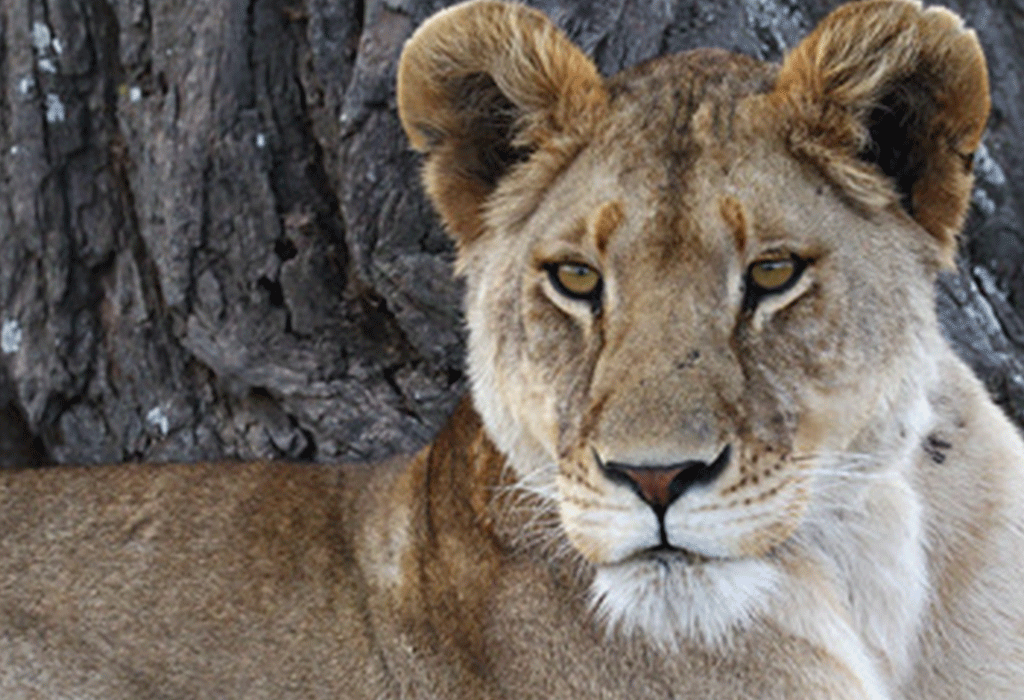
Big Five Wildlife

Search for lions, leopards, elephants, buffaloes and rhinoceroses.
Adventure
 Enjoy safaris, walking experiences and mountain climbing.
Beach Relaxation
 Unwind on Zanzibar’s beaches after your wildlife adventure.
1. Enjoy Game Drives in Tanzania’s National Parks
Game drives are among the most popular activities on a Tanzania safari. They allow visitors to explore extensive protected areas in a specially designed 4×4 safari vehicle while searching for wildlife in natural habitats. An experienced guide helps locate animals, interpret their behaviour and explain the ecosystems surrounding them.
Serengeti National Park is particularly famous for its large populations of lions, cheetahs, leopards, elephants, giraffes, zebras and wildebeest. Tarangire National Park is well known for its elephants and baobab trees, while Ngorongoro offers rewarding wildlife viewing within a spectacular volcanic landscape.
Morning game drives are popular because many animals are active during the cooler hours. Afternoon drives provide another opportunity to explore the park, photograph wildlife and observe animals returning to feeding or resting areas.
Wildlife sightings are never guaranteed, but spending sufficient time in suitable habitats improves opportunities for memorable encounters. You can learn more from our Tanzania safari planning guide.
2. Explore Serengeti National Park
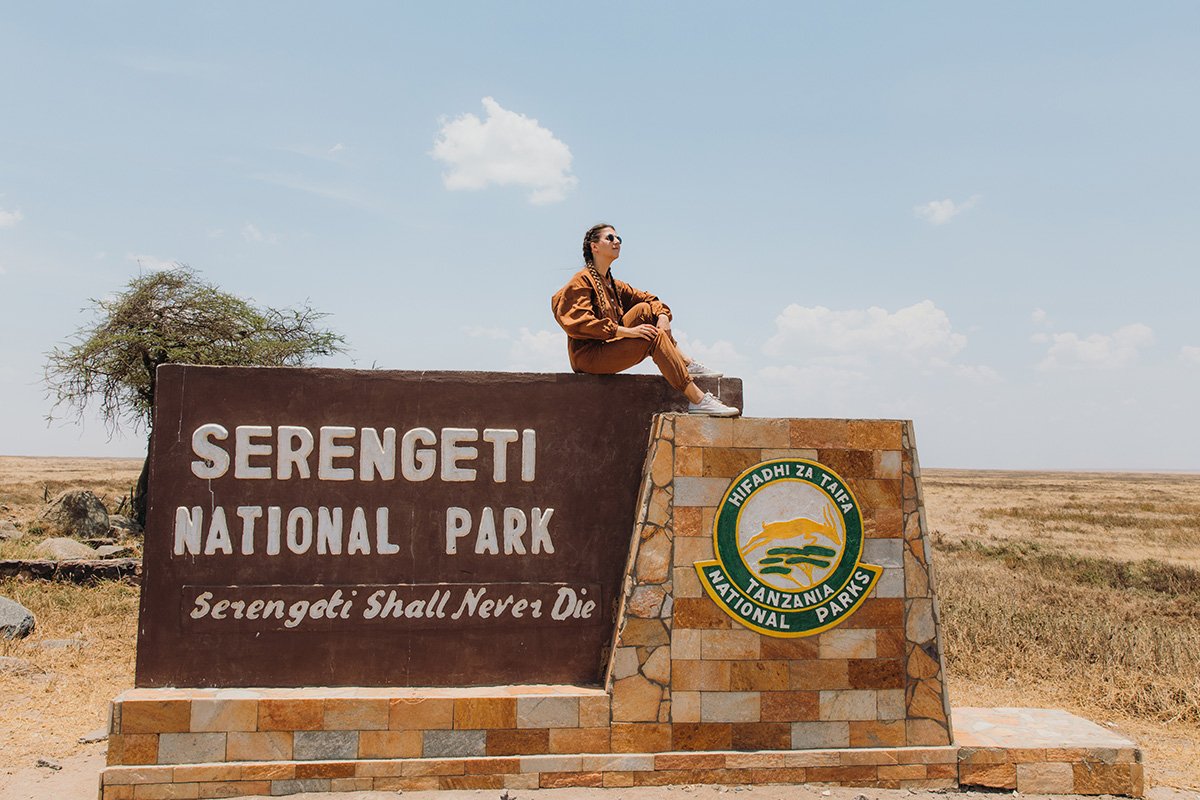
Serengeti National Park is one of Africa’s most celebrated safari destinations. Its vast grasslands, rocky outcrops known as kopjes, river systems and woodland habitats support a remarkable variety of wildlife. A visit to the Serengeti is an essential experience for travellers interested in African wildlife and photography.
Visitors can enjoy game drives in search of lions, leopards, cheetahs, elephants, giraffes, buffaloes, hyenas, zebras and many antelope species. The park is also the principal setting for the spectacular Great Migration, when enormous herds of wildebeest and zebras move through the wider Serengeti-Mara ecosystem.
Central Serengeti is an important area for year-round wildlife viewing. Other regions become particularly valuable during different stages of the migration. Travellers should select their accommodation and route according to the season and the wildlife experience they hope to enjoy.
Read our guide to planning your first Serengeti safari and discover more about Serengeti safari planning.
3. Witness the Great Wildebeest Migration
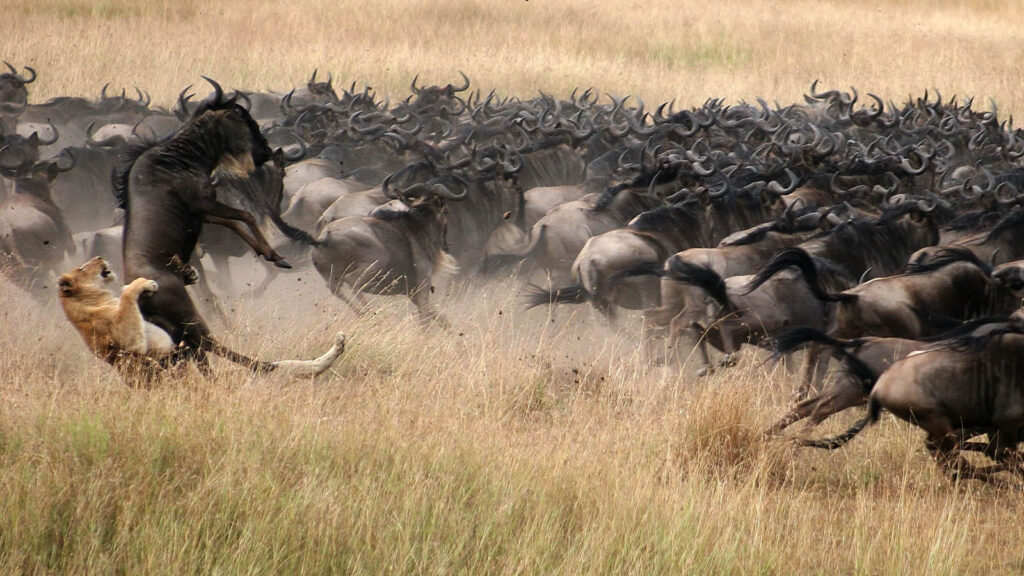 The Great Wildebeest Migration is one of the most extraordinary wildlife spectacles in the world. Every year, huge herds of wildebeest move through the Serengeti-Mara ecosystem in search of fresh grazing and water. Zebras and gazelles accompany the herds, while lions, cheetahs, hyenas and crocodiles take advantage of the opportunities created by this natural movement.
The migration is a continuous ecological cycle rather than a single event. Its location changes throughout the year depending on rainfall, grazing conditions and water availability.
Migration experiences throughout the year
- January to March: The southern Serengeti and Ndutu areas are important for calving season, when large numbers of wildebeest give birth.
- April to May: Herds generally begin moving away from the southern plains, with transitional movements through central and western areas.
- June: The western corridor and Grumeti region can become important as herds move northwards.
- July to October: Northern Serengeti and the Mara River region are associated with some of the best-known migration river-crossing opportunities.
- November to December: Herds commonly move back towards the eastern and southern Serengeti ecosystem as rainfall and grazing conditions change.
These periods are general patterns, not fixed guarantees. The exact position of the herds changes from year to year. For more information, read our Great Migration in Africa guide, explore monthly wildebeest migration patterns and learn about witnessing the migration in Tanzania.
4. Explore the Ngorongoro Crater
 The Ngorongoro Crater is one of Tanzania’s most remarkable natural attractions. Formed by the collapse of a large volcanic structure, this immense caldera contains grasslands, woodland, wetlands and water sources that support diverse wildlife.
Descending into the crater provides an opportunity to explore a distinctive wildlife environment. Animals commonly encountered include lions, buffaloes, zebras, wildebeest, hyenas, hippos and elephants. The area is also important for the endangered black rhinoceros, although sightings are not guaranteed.
A crater game drive is especially rewarding for visitors who want to experience a variety of wildlife within a relatively compact area. The crater’s steep walls and scenic viewpoints also create excellent photography opportunities.
Ngorongoro is commonly combined with Serengeti and Tarangire on a Northern Circuit safari. Explore our dedicated Ngorongoro Crater guide for more information.
5. See Large Elephant Herds in Tarangire National Park
 Tarangire National Park is famous for its elephants, ancient baobab trees and beautiful savannah landscapes. The Tarangire River is an important source of water, especially during drier months when wildlife gathers around the remaining water sources.
During a game drive, visitors may encounter elephant families, giraffes, zebras, wildebeest, buffaloes, impalas, lions and numerous bird species. The park’s scenery is also a major attraction, with enormous baobab trees creating a distinctive backdrop for wildlife photography.
Tarangire is an excellent addition to a northern Tanzania itinerary, particularly for travellers who want to experience a different landscape before or after visiting Serengeti and Ngorongoro.
6. Discover Lake Manyara National Park

Lake Manyara National Park offers a contrasting experience to the open plains of Serengeti. Its habitats include groundwater forest, woodland, open grassland and the shallow alkaline lake. This variety supports elephants, giraffes, buffaloes, baboons, monkeys, hippos and numerous bird species.
The lake can attract large concentrations of flamingos and other waterbirds depending on water conditions and season. The park is also associated with tree-climbing lions, although visitors should understand that these are occasional sightings rather than a guaranteed attraction.
Lake Manyara can be included in a northern Tanzania safari with Tarangire and Ngorongoro, adding habitat diversity and birdwatching opportunities.
7. Take a Hot-Air Balloon Safari over the Serengeti
A hot-air balloon safari is one of the most memorable activities available in Tanzania. It provides a completely different perspective of the Serengeti, allowing travellers to appreciate the enormous scale of the plains and observe the landscape from above.
The experience usually begins before sunrise. After reaching the launch site, guests receive a safety briefing before boarding the balloon. As the sun rises, the balloon moves across the landscape, offering aerial views of rivers, grasslands, woodland and wildlife where conditions allow.
Some balloon experiences finish with a bush breakfast in the wilderness. This makes the activity particularly appealing to honeymooners, couples, photographers and travellers celebrating a special occasion.
Balloon flights are weather-dependent and normally require advance arrangements. They are generally booked as an optional activity in addition to the regular safari programme.
8. Experience a Guided Walking Safari
A guided walking safari offers a more intimate way to experience Tanzania’s wilderness. Instead of viewing everything from a vehicle, visitors explore selected areas on foot with an authorised guide and, where required, an armed ranger.
Walking safaris focus on smaller details that are sometimes missed during game drives. You may learn about animal tracks, plants, insects, bird calls, soil, trees and the relationships between different species in the ecosystem.
Walking activities are available in selected parks and locations, subject to park regulations, safety conditions and the type of safari arrangement. They are particularly associated with wilderness experiences in parts of southern Tanzania.
For safety, visitors should always follow the guide’s instructions, remain within the authorised group and never approach wildlife independently.
9. Discover Nocturnal Wildlife on a Night Game Drive
Night game drives provide a chance to explore the bush after sunset and learn about animals that are more active during darkness. Depending on the destination and the authorised activities, visitors may encounter nocturnal species such as bush babies, genets, civets, hares and other small mammals.
Predators may also be active at night, although sightings depend on location and natural animal behaviour. Specialised spotlights help guides identify animals without unnecessary disturbance.
Night drives are not permitted in every national park or every area. They must be arranged in locations where the activity is authorised and should always follow conservation guidelines.
10. Enjoy Birdwatching in Tanzania
Tanzania is an excellent destination for birdwatchers, with a wide range of habitats supporting resident and migratory bird species. Wetlands, lakes, woodland, open grassland and forest environments each offer different birding opportunities.
Lake Manyara is particularly interesting for waterbirds, while Tarangire and Serengeti provide opportunities to observe savannah species, raptors and ground birds. The Ngorongoro landscape also supports a variety of birds associated with highland and crater habitats.
Birdwatching can be incorporated into a general wildlife safari or planned as a specialist activity. Travellers interested in photography should allow enough time for patient observation and should carry suitable binoculars and camera equipment.
You can also explore our wider East Africa safari guide for ideas on combining wildlife destinations across the region.
11. Experience Maasai Culture and Local Communities
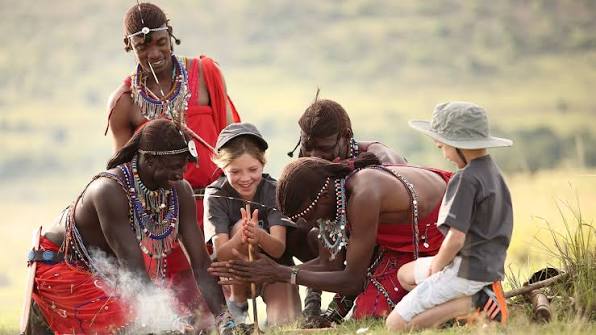
A Tanzania safari is not only about wildlife. Cultural experiences provide opportunities to learn about the traditions, history, food, crafts and everyday life of communities living in different parts of the country.
Visitors to areas around the Ngorongoro Conservation Area may have opportunities to learn about Maasai pastoral traditions, traditional homesteads, beadwork, clothing, livestock keeping and the relationship between communities and their surrounding environment.
Community visits should be arranged respectfully through legitimate local hosts. Travellers should ask permission before taking photographs, respect cultural practices and support locally operated experiences where possible.
These encounters can add an important human dimension to a wildlife holiday and help visitors better understand Tanzania beyond its national parks.
12. Climb Mount Kilimanjaro
Mount Kilimanjaro is Africa’s highest mountain, rising to approximately 5,895 metres above sea level. It is one of Tanzania’s most recognised natural landmarks and attracts hikers and climbers from around the world.
Climbing Kilimanjaro is a demanding adventure that requires preparation, physical fitness and adequate time for acclimatisation. The mountain offers several established routes, each with different scenery, duration and difficulty.
As climbers ascend, the environment changes from cultivated foothills and rainforest to moorland, alpine desert and the high-altitude summit zone. The journey is as much about experiencing these changing landscapes as it is about reaching Uhuru Peak.
Travellers should choose a responsible operator, follow mountain guides’ instructions and allow sufficient time to adjust to altitude. Kilimanjaro can be combined with a wildlife safari before or after the climb.
13. Relax on the Beaches of Zanzibar
 After several days exploring Tanzania’s national parks, Zanzibar offers a wonderful opportunity to relax beside the Indian Ocean. The archipelago is known for its white-sand beaches, turquoise water, palm trees and rich Swahili heritage.
Visitors can enjoy swimming, beach relaxation, snorkelling, diving, dhow sailing and other coastal activities. The island also provides a cultural experience through its historic architecture, markets, local cuisine and spice heritage.
Stone Town is particularly worthwhile for travellers interested in history and architecture. Its narrow streets, carved doors, historic buildings and lively markets reveal the island’s connections with African, Arab, Indian and European trading cultures.
For more ideas, read our guide to the best activities on a Zanzibar beach holiday.
14. Explore Rubondo Island National Park
Rubondo Island National Park is a distinctive destination in Lake Victoria. It offers a different kind of Tanzania safari, combining forest habitats, lakeshore scenery, birdlife and opportunities for guided nature experiences.
The island is known for its forest environment and conservation history, including introduced chimpanzees. Depending on current park arrangements and wildlife conditions, visitors may be able to participate in guided activities that provide insight into the island’s biodiversity.
Other attractions include forest walks, birdwatching, scenic views and fishing experiences where permitted. Rubondo is particularly suitable for travellers seeking a less conventional safari destination beyond the famous northern circuit.
15. Discover Chimpanzees in Western Tanzania
Tanzania also offers forest-based primate experiences in its western region. Mahale Mountains National Park and Gombe Stream National Park are particularly well known for chimpanzees and their surrounding forest environments.
Chimpanzee trekking involves walking through forest habitat with trained guides to locate habituated chimpanzee communities. Once the animals are found, visitors may observe their social interactions and natural behaviour according to the applicable park rules.
These destinations are more remote than the Northern Circuit and require careful planning. They are especially attractive to travellers who have already experienced traditional game drives and want to explore another side of Tanzania’s wildlife.
Travellers interested in a wider primate holiday can also consider combining Tanzania with gorilla trekking in Uganda or a visit to Uganda’s chimpanzee habituation experience.
16. Enjoy Wildlife Photography
Tanzania is an outstanding destination for wildlife photography. The country’s varied landscapes create opportunities to photograph large mammals, predators, birds, dramatic scenery and interactions between animals.
Serengeti offers opportunities to photograph big cats, migrating herds and open grassland scenes. Tarangire provides striking elephant and baobab compositions, while Ngorongoro combines wildlife with dramatic crater scenery.
Photographers should consider travelling with suitable camera equipment, spare batteries, memory cards and a lens appropriate for wildlife. A private safari vehicle can offer greater flexibility to spend time at selected sightings, subject to park rules and responsible wildlife-viewing practices.
Good wildlife photography requires patience. Guides should maintain respectful distances and avoid disturbing animals simply to create a photograph.
Suggested Tanzania Safari Itinerary
The following seven-day itinerary combines some of Tanzania’s best-known northern safari destinations. It can be adjusted according to travel dates, accommodation preferences, wildlife interests and available flights.
Day 1 – Arrival in Arusha
Arrive in Tanzania, meet your safari representative and transfer to your accommodation in Arusha.
Day 2 – Tarangire
Enjoy a game drive in Tarangire National Park, searching for elephants, baobabs and other wildlife.
Day 3 – Serengeti
Travel towards Serengeti National Park and enjoy an afternoon game drive.
Day 4 – Serengeti
Spend a full day exploring the Serengeti, with opportunities to search for predators and plains wildlife.
Day 5 – Ngorongoro
Travel towards the Ngorongoro Conservation Area and enjoy the spectacular highland scenery.
Day 6 – Crater Safari
Descend into Ngorongoro Crater for a game drive and wildlife viewing.
Day 7 – Departure
Return to Arusha for your onward journey or connect to Zanzibar for a beach extension.
For a longer journey, explore our 8-day Tanzania safari itinerary, our Uganda and Tanzania safari experience or the 25-day East African safari through Rwanda, Uganda, Kenya and Tanzania.
Best Time to Enjoy Tanzania Safari Activities
Tanzania can be visited throughout the year, but the best travel period depends on the activities and destinations included in your itinerary. Wildlife movements, rainfall, road conditions and the location of the Great Migration all influence the safari experience.
June to October
This is a popular dry-season period for many northern Tanzania safaris. Vegetation is often less dense and wildlife may concentrate around dependable water sources. Northern Serengeti can also be important for travellers hoping to follow the migration towards the Mara River.
January to March
The southern Serengeti and Ndutu areas are important during the calving season. This period can be particularly rewarding for travellers interested in newborn wildebeest and predator-prey behaviour.
April and May
These months are generally part of the longer rainy season. Landscapes can be green and attractive for photography, although some roads may become challenging and rainfall can affect travel arrangements.
November and December
Short rains commonly occur during this period. Wildlife viewing remains possible, and the movement of the migration herds may be towards the southern and eastern parts of the Serengeti ecosystem.
For additional planning information, see our Tanzania travel guide and best wildlife safaris in East Africa.
Important Tips for Planning a Tanzania Safari
- Choose your destinations carefully: Tanzania is a large country. Avoid trying to visit too many distant parks during a short holiday.
- Plan around wildlife interests: Choose your Serengeti region according to the season and the wildlife experience you hope to enjoy.
- Book accommodation early: Popular safari camps and lodges can fill up during busy travel periods.
- Carry suitable clothing: Pack comfortable neutral-coloured clothing, a warm layer for early mornings, sun protection and comfortable footwear.
- Bring binoculars: Binoculars are useful for observing distant animals and birds.
- Respect wildlife: Follow your guide’s instructions, keep a safe distance and never feed or disturb wild animals.
- Check travel requirements: Confirm passport, visa, health and entry requirements before departure.
- Consider travel insurance: Choose cover appropriate for your activities, particularly if you plan to climb Kilimanjaro.
- Allow enough time: A well-paced safari gives you more opportunities to enjoy wildlife instead of spending most of the holiday travelling between parks.
Combine Tanzania with Other East African Destinations
Tanzania can be combined with other East African countries for travellers who have more time and want a wider range of experiences. A multi-country holiday can include savannah wildlife, mountain gorilla trekking, chimpanzee tracking, cultural visits and beautiful lakes.
Uganda is particularly attractive for travellers who want to add mountain gorilla trekking in Bwindi Impenetrable National Park or chimpanzee tracking in Kibale Forest. Rwanda offers another mountain gorilla trekking destination in Volcanoes National Park, while Kenya provides opportunities to explore the Maasai Mara and Amboseli.
For a broader regional overview, explore our East Africa safari guide, East African safari experiences and Kenya and Rwanda safari combination.
Plan Your Tanzania Safari with Safari Vacations and Travel Services
Safari Vacations and Travel Services helps travellers plan wildlife holidays across Tanzania and the wider East African region. We can help you choose suitable destinations, arrange a practical route and match your safari with your preferred accommodation level, travel dates and activities.
Whether you want to explore the Serengeti, visit Ngorongoro Crater, photograph elephants in Tarangire, follow the Great Migration or combine a wildlife safari with Zanzibar, your itinerary can be planned around your interests and available time.
We also arrange wider East African journeys for visitors interested in combining Tanzania with Uganda, Rwanda or Kenya.
Phone / WhatsApp: +256 776 423 286
Frequently Asked Questions About Things to Do on a Tanzania Safari
1. What are the best things to do on a Tanzania safari?
The best activities include game drives, witnessing the Great Migration, exploring Ngorongoro Crater, visiting Tarangire National Park, taking a hot-air balloon safari, birdwatching, cultural visits and relaxing on Zanzibar’s beaches.
2. Which national park is best for a Tanzania safari?
Serengeti is an excellent choice for extensive plains wildlife and the Great Migration. Ngorongoro is famous for its crater landscape and concentrated wildlife, while Tarangire is particularly attractive for elephants and baobab scenery.
3. Can I see the Big Five in Tanzania?
Yes. Tanzania offers opportunities to see lions, leopards, elephants, buffaloes and rhinoceroses. However, sightings depend on wildlife movements and conditions, so no responsible operator can guarantee all five.
4. How many days are enough for a Tanzania safari?
Five to seven days can provide a good introduction to the Northern Circuit, including destinations such as Tarangire, Serengeti and Ngorongoro. Longer trips allow more time for remote parks, photography, cultural activities or a Zanzibar extension.
5. Is the Great Migration visible throughout the year?
The Great Migration is a continuous movement through the Serengeti-Mara ecosystem. Different areas become important at different times of year, so the best location depends on the travel month and rainfall conditions.
6. Can I combine a Tanzania safari with Zanzibar?
Yes. Many travellers combine a northern Tanzania wildlife safari with several days on Zanzibar. Domestic flights can connect safari areas with the island, depending on the route and schedule.
7. Is Tanzania suitable for a first-time African safari?
Yes. Tanzania has well-established safari destinations, experienced guides and accommodation options for different budgets. The Northern Circuit is a popular starting point for first-time visitors.
8. Can I climb Mount Kilimanjaro during a Tanzania safari?
Yes. A Kilimanjaro climb can be combined with a wildlife safari, provided enough time is allocated for the climb, acclimatisation and recovery.
9. Are walking safaris available in Tanzania?
Yes. Walking safaris are offered in selected locations under authorised arrangements. Availability depends on the national park, regulations, guide services and safety conditions.
10. How do I book a Tanzania safari?
Contact Safari Vacations and Travel Services with your preferred travel dates, number of travellers, safari duration and activities. The team can help develop a suitable itinerary and provide a quotation.
Experience the Best of Tanzania
From the wildlife-rich plains of Serengeti to the spectacular Ngorongoro Crater, elephant country in Tarangire and the tropical beaches of Zanzibar, Tanzania offers an unforgettable range of safari experiences. Start planning your journey with a tailor-made itinerary.