Mara River

Mara River: Great Migration, Wildebeest Crossings & Safari Guide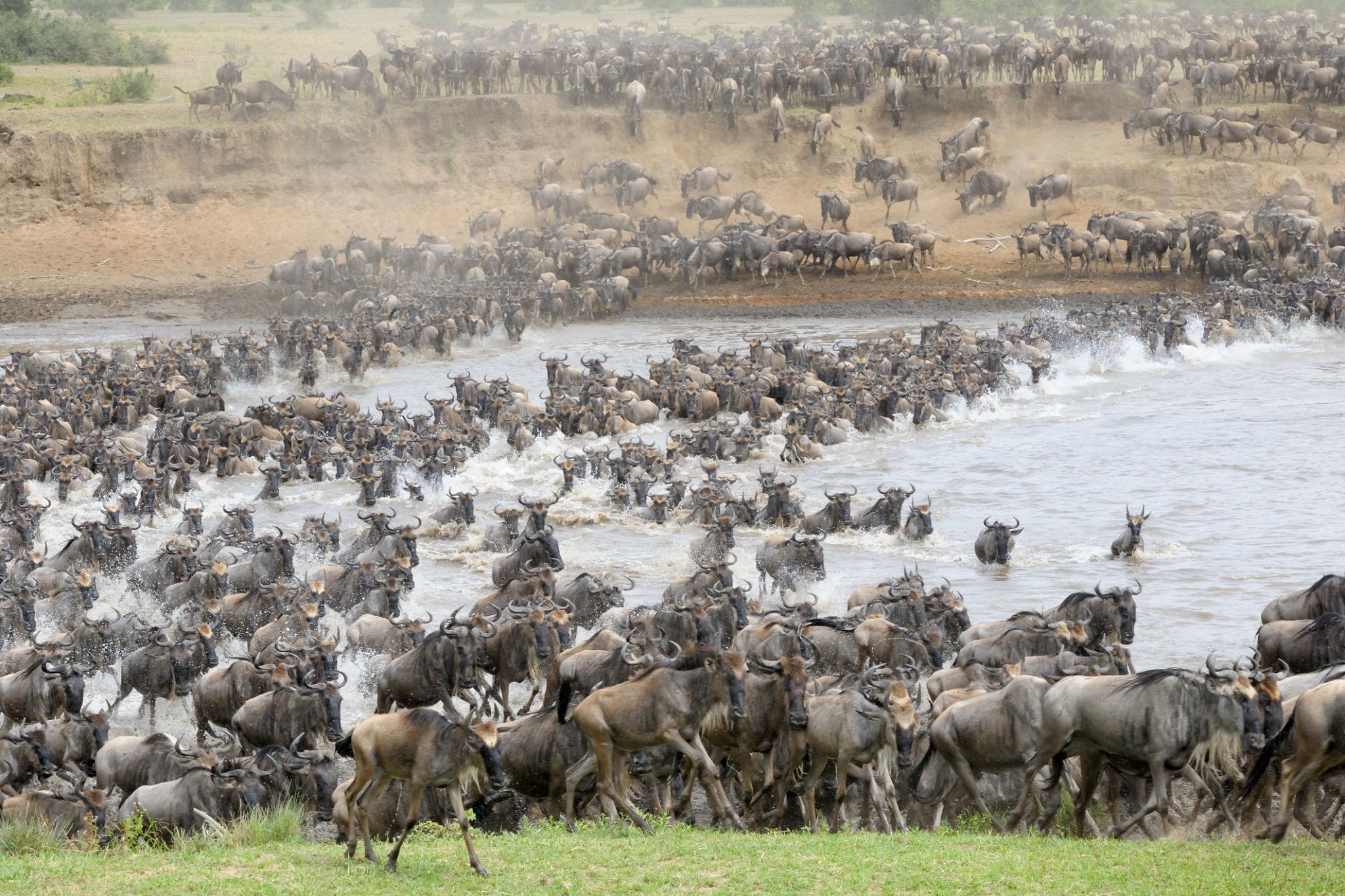
The Mara River is one of East Africa’s most important safari landmarks and the setting for the famous Mara River wildebeest migration crossings. During the northern phase of the Great Migration, enormous herds gather around the Mara River in Northern Serengeti and the Maasai Mara. Travelers planning a Mara River safari come primarily for the possibility of witnessing a dramatic Mara River crossing, but the region also rewards visitors with big cats, hippos, crocodiles, giraffes, elephants and outstanding birdlife.
The Mara River is one of the defining natural features of the Serengeti–Mara ecosystem. Flowing through Kenya and Tanzania before eventually reaching Lake Victoria, it supports wildlife, communities and seasonal grazing systems. For safari travelers, it is best known as the setting for dramatic wildebeest crossings during the Great Migration.

A large group of western white-bearded wildebeest follows the herd into the Mara River in Serengeti National Park, Tanzania, during the Great Migration.
Mara River Location, Landscape and Safari Importance
The Mara River basin spans parts of Kenya and Tanzania and links upland catchments with the plains of the Maasai Mara and northern Serengeti. Its permanent water is especially important during dry periods, attracting wildlife to riverine habitat and contrasting with the surrounding grasslands.
Water levels can change substantially after rainfall. A river that appears relatively calm on one visit can become deeper and faster after heavy rain. This variability is one reason migration crossings cannot be scheduled to an exact day or hour.

Wildebeest move through the Mara River in Northern Serengeti, illustrating the river-crossing stage of the wider Serengeti–Mara migration.
Mara River Wildebeest Migration and River Crossings
The Mara River crossing is the event most travelers associate with the northern Great Migration. A Mara River wildebeest crossing can involve anything from a relatively small group to a vast concentration of animals entering the water in rapid succession.
For the best chance of seeing a wildebeest crossing Mara River channels, safari itineraries should include enough time near the northern migration zone. The Great Migration Mara River experience is unpredictable, so flexibility is more valuable than trying to schedule a crossing for one specific hour.
The Mara River is famous for the northern stage of the Great Migration. Large herds of wildebeest, often accompanied by zebras, move through northern Serengeti and the Maasai Mara as they respond to rainfall, fresh grazing and water. River crossings are most strongly associated with roughly July through October, although exact timing and location vary.
Crossings can be sudden. Herds may gather near a bank for hours and retreat, or one animal may trigger rapid movement into the river. Strong currents, steep banks and crocodiles can make the crossing hazardous. Seeing animals near the river therefore does not guarantee an immediate crossing.

A herd rushes down a steep bank toward the Mara River during a migration crossing in northern Tanzania.
Great Migration at the Mara River
The Great Migration at the Mara River is only one stage of a year-round migration cycle. The herds do not remain permanently beside the river, and their movements depend on rainfall, grazing and water availability across the Serengeti–Mara ecosystem.
A Mara River Great Migration safari is therefore strongest when it combines river monitoring with regular game drives. Even when a Mara River crossing is not taking place, travelers can encounter large herds, predators and resident wildlife across Northern Serengeti or the Maasai Mara.
The Great Migration is a continuous movement through the Serengeti–Mara ecosystem rather than a single river-crossing event. Wildebeest form the core of the migration, while zebras and other grazers also move through the ecosystem. The herds shift seasonally as rainfall changes the availability of grass and water.
Travelers planning specifically for river crossings should allow several nights in the northern migration zone rather than treating a crossing as a guaranteed appointment. A longer stay gives guides more opportunity to follow herd movements and respond to changing conditions.

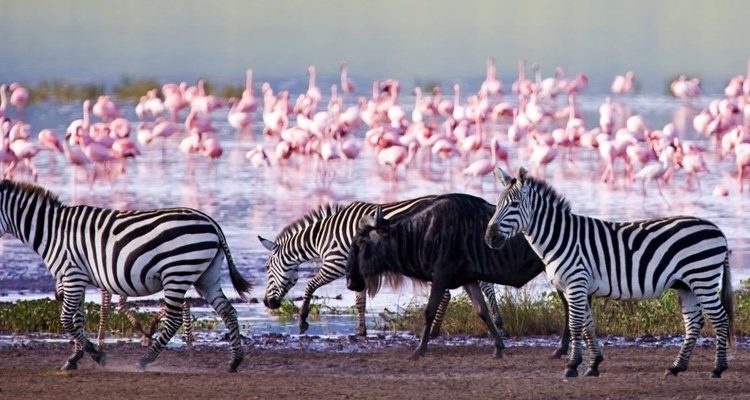
Zebras begin a Mara River crossing in Serengeti National Park, illustrating the mixed-herbivore movement associated with the Great Migration.
Wildlife Around the Mara River
Giraffes and Plains Wildlife
The Mara and Serengeti remain productive wildlife landscapes even when migration herds are elsewhere. Giraffes browse woody vegetation, while elephants, buffaloes, gazelles, warthogs, topi and other herbivores occupy different habitats. Lions, leopards, cheetahs and spotted hyenas add another dimension to game drives.

Two giraffes stand on the open Maasai Mara plains, representing resident wildlife beyond the seasonal migration herds.
Hippos and Crocodiles
The river supports aquatic wildlife, particularly hippos and Nile crocodiles. Crocodiles receive intense attention during migration crossings, but both species are part of the river ecosystem throughout the year. Visitors should observe them from safe locations and follow park and guide instructions around riverbanks.
Birdlife Around the Mara River
The wider Mara ecosystem supports rich birdlife, including raptors, vultures, ostriches, hornbills and numerous grassland and river-associated species. Birding adds value between major mammal sightings and remains rewarding as habitats and seasonal conditions change.

A secretary bird walks through open grassland, illustrating one of the distinctive large raptors associated with East African savannah habitat.
Best Time to Visit the Mara River
The best time to visit the Mara River for migration-focused travel is generally during the northern migration period, commonly from July through October. This is the main window for travelers hoping to see a Mara River wildebeest migration crossing.
However, the Mara River crossing season is not a fixed timetable. Herds may cross more than once, change direction or remain away from a particular crossing point. Building several nights into a Mara River safari improves the opportunity to respond to current herd movements.
For travelers whose main goal is to seek wildebeest river crossings, the northern migration season—commonly July through October—is the key planning window. Exact herd movements remain weather-dependent, so no responsible operator should promise a crossing on a particular date. Outside the migration peak, the region still offers resident wildlife, landscapes and quieter safari conditions.
Mara River Climate and Safari Conditions
Conditions vary with season and elevation. Dry periods generally make game viewing easier around permanent water and keep many tracks accessible, while wetter months can bring greener landscapes and dramatic skies. Heavy rain can temporarily affect roads and river conditions.
How to Get to the Mara River and Maasai Mara
By Road
The Maasai Mara can be reached by road from Nairobi, with journey time depending on the gate, road conditions and stops. A 4×4 safari vehicle is preferable, particularly in wet conditions.
By Air
Scheduled light-aircraft services connect Nairobi with several airstrips serving different parts of the Maasai Mara. Flying reduces transfer time and works well for travelers combining the Mara with other East African safari destinations.
Planning a Mara River Safari in Tanzania and Kenya
For a Northern Serengeti Mara River safari, Kogatende is one of the key areas used for accessing the Tanzanian side of the river. Travelers focusing on the Mara River Tanzania experience can combine river drives with broader wildlife viewing across the remote northern plains.
On the Kenyan side, a Mara River safari can be incorporated into a wider Maasai Mara itinerary. Whether traveling in Tanzania, Kenya or combining both countries, the best Mara River safari plan allows time for wildlife viewing beyond the crossing itself.
A successful Mara River safari should be planned around the wider wildlife experience, not only the hope of a crossing. Choose accommodation with practical access to the migration zone, allow enough nights for changing herd movements, and travel with an experienced guide who understands crossing etiquette and current wildlife patterns.
On the Tanzanian side, northern Serengeti around Kogatende is a major base for exploring the Mara River migration zone. On the Kenyan side, different reserve sectors and conservancies provide access to the broader Maasai Mara ecosystem.
Mara River Safari FAQs
When is the best time to see Mara River crossings?
Crossings are most commonly sought from July through October, although rainfall and herd movement can shift the timing.
Are Mara River crossings guaranteed?
No. Wildebeest can gather near the river without crossing, and the location and timing can change quickly.
Can I see the Mara River from Tanzania?
Yes. The Mara River flows through northern Serengeti in Tanzania, where designated migration crossing points are managed by Tanzania National Parks.
What wildlife lives around the Mara River?
Depending on location and season, visitors may encounter wildebeest, zebras, hippos, crocodiles, elephants, giraffes, buffaloes, antelopes, big cats, hyenas and diverse birdlife.