Kibiro Hot springs

Kibiro Hot Spring: 9 Unmissable Highlights of Kibiro Salt Village & Lake Albert Hot Springs
the geothermal spring is one of western Uganda’s most distinctive cultural landscapes, where geothermal water, saline soils, steep Rift Valley scenery and a living salt-making tradition meet beside the lake. A visit feels very different from a conventional wildlife stop: you descend toward a lakeshore settlement, see salt gardens worked by local women, learn how brine is concentrated and boiled, and experience a place whose economy and identity have been shaped by salt for centuries. For travelers building broader Uganda safaris, Kibiro adds human history, geology and community knowledge to an itinerary that might otherwise focus only on national parks.
This guide is designed around the questions tourists actually search before visiting: where the site is, how the hot spring connects to the salt gardens, whether the water is safe to approach, the best time to go, how long to stay, what the road is like, what to photograph, how to behave respectfully, and what other attractions can be combined with the experience. the geothermal spring rewards travelers who arrive curious and unhurried rather than expecting a developed spa. The strongest experience comes from understanding why the spring matters to the community and how the landscape supports a continuing heritage system.
Where Is Kibiro Hot Spring in Uganda? Kibiro Hot Springs Uganda Location Guide
the geothermal spring lies in Hoima District in western Uganda, below the escarpment on the eastern side of the Albertine Rift and close to the southeastern shore of the lake. The village belongs to the wider Bunyoro cultural landscape. Official heritage descriptions place the salt-producing village between the lake and a steep escarpment, which explains both its striking views and the practical challenge of access. Travelers based in Hoima often treat Kibiro as a focused cultural day excursion, and Hoima day trips can be useful for comparing how it fits with other nearby experiences.
For route planning, think of the site as part of a western Uganda corridor rather than an isolated attraction. Hoima is the practical urban base; the lake, escarpment and salt landscape form the immediate experience; and Hoima tourist sites can help travelers add historical or cultural context before or after the descent. the geothermal spring is roughly west of Uganda’s central travel axis, so visitors arriving through Entebbe International Airport or Kampala should allow enough time for the longer overland journey to Hoima before attempting the local road to Kibiro. Hoima tourism planning is therefore best done with realistic road-time buffers.
Kibiro Hot Springs Uganda location, Lake Albert Hot Springs and the Rift Valley setting
The geography explains the attraction. the lake fills part of the Western Rift Valley, while the escarpment rises sharply behind the settlement. At the base of that geological system, hot saline water emerges and contributes to the conditions used for traditional salt production. the lake is therefore more than a scenic backdrop: it helps define the climate, livelihood and sense of place. The result is an unusually compact destination where a traveler can read geology, economic history and everyday village life in the same landscape. Hoima tourism gains much of its character from this Albertine Rift setting.
Why Is Kibiro Hot Spring Famous?
the geothermal spring is famous because the geothermal feature is inseparable from the salt-producing culture around it. Archaeological and heritage research describes centuries of salt production in Kibiro, with saline earth repeatedly spread, scraped, leached and boiled to obtain salt. The craft has traditionally been carried out by women and passed through female lines, which gives the site a social history as significant as its geology. Travelers who want the clearest background should see the project’s dedicated Kibiro Salt Gardens page as part of their planning.
The site gained additional international heritage attention when Kibiro Salt Producing Village was placed on Uganda’s UNESCO Tentative List in 2025. That recognition focuses on the continuing indigenous knowledge system, the salt gardens, archaeological evidence, ritual spaces and the relationship between the settlement and its environment. This matters for tourism because it changes the way the geothermal spring should be approached: not as a novelty where visitors simply test hot water, but as one element of a living cultural landscape that deserves careful interpretation and respectful behavior. The Kibiro salt gardens are central to that heritage case. For first-time visitors, Kibiro Hot Spring is the easiest landmark around which to understand the wider heritage landscape. For Kibiro Hot Springs Uganda travelers, this heritage context explains why the visit is about far more than geothermal water.
Kibiro salt village and the women-led salt tradition
The distinctive feature of Kibiro salt village is continuity. Women work the saline soils through a sequence that concentrates salt before brine is leached and boiled. Residual earth is reused, and knowledge is taught through practice rather than industrial instruction. This makes the village compelling to travelers interested in heritage technology, anthropology and local livelihoods. The visual drama of steaming or mineral-rich ground is memorable, but the deeper story is how generations adapted to land that is difficult for conventional agriculture and built an economy around a resource emerging from the Rift Valley system.
What Happens at the Kibiro Salt Gardens?
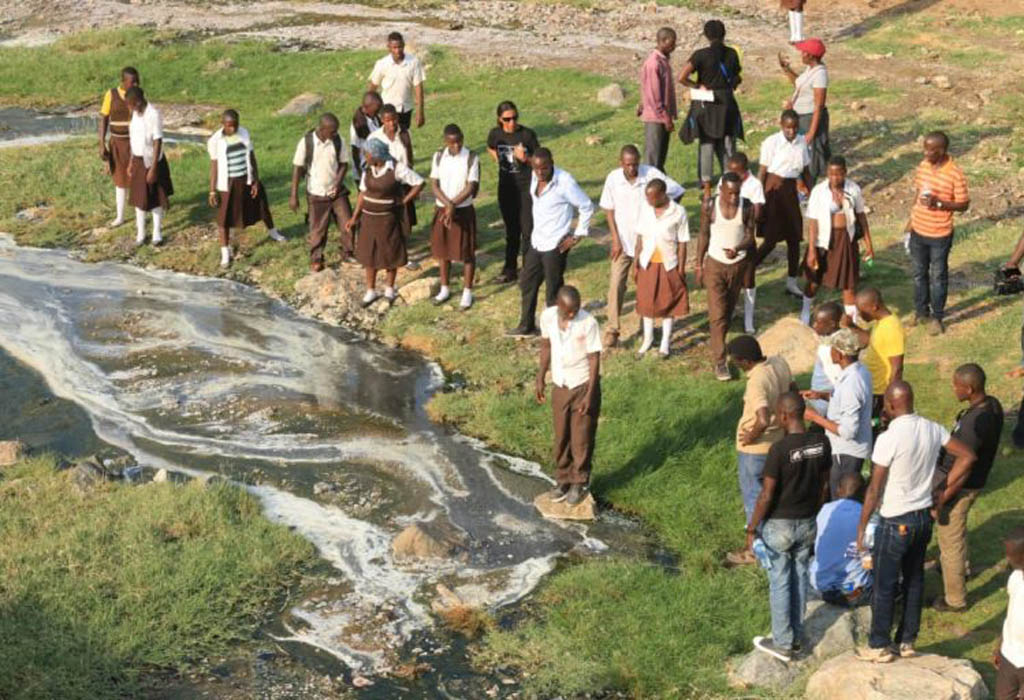
The Kibiro salt gardens are working production areas rather than decorative tourist exhibits. Salty moisture is drawn into prepared soil, the earth is repeatedly spread and gathered, and the salt-rich material is then leached so that brine can be separated from the soil. The liquid is boiled until salt crystallizes. Archaeological evidence, including deep pottery deposits, shows that older vessels were once part of this process. Modern containers may have changed some tools, but the underlying logic remains strongly connected to inherited knowledge and the local environment.
Visitors should avoid walking across active plots without permission. A salt garden may look like an open patch of earth, yet it can represent livelihood, family inheritance and carefully managed working space. Ask a local guide where to stand, when photography is appropriate and whether a demonstration is taking place. Kibiro salt village is most rewarding when a resident explains the stages in order, because the process can otherwise be difficult to understand from appearance alone. Buying locally produced salt or paying fairly for guiding can make the visit more directly beneficial to the community. Hoima tourism guides can help visitors distinguish public paths from working areas.
How salt from Kibiro Hot Spring becomes a local product
The spring’s saline influence is part of the reason the landscape can support salt production. Workers build salinity in loose earth through repeated contact with salty moisture, then use water to leach the salt into a concentrated solution. Boiling drives off water and leaves the final salt. This is not the same method travelers may have seen at solar salt pans elsewhere in East Africa. the geothermal spring supports a soil-based, fire-finished process whose distinctiveness is one reason heritage specialists consider the wider system so important.
Want Kibiro Added to a Western Uganda Route?
Share your dates, starting point and interests. We can help connect Hoima, Kibiro, the lake and a safari extension without turning the journey into a rushed transfer.
Can You Bathe in Kibiro Hot Spring? Safety First
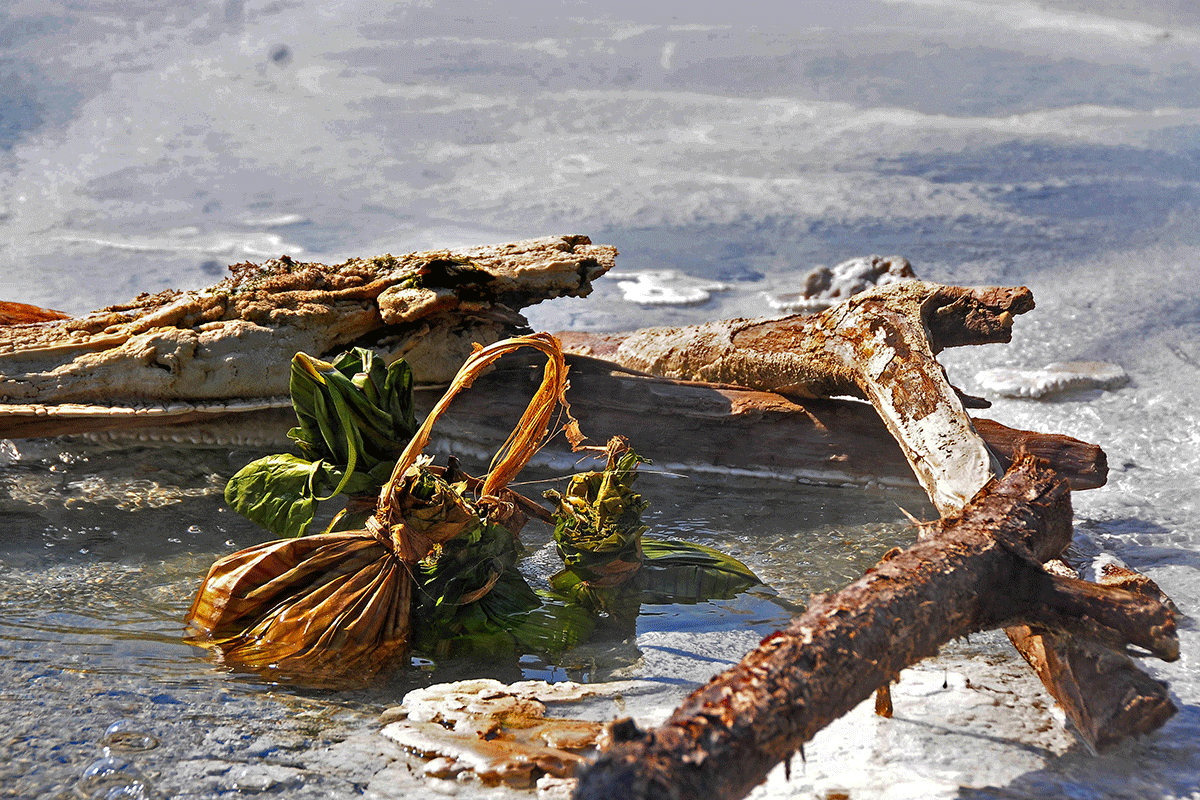
Travelers should not treat the geothermal spring as a conventional swimming or spa pool. Water at geothermal sites can be extremely hot, temperatures can vary between outlets, the ground around vents may be unstable, and local cultural rules may apply. The sensible approach is to stay on the path or area indicated by a knowledgeable local guide, avoid placing hands or feet in unfamiliar water, and never encourage children to approach a vent closely. the geothermal spring is best experienced through observation, interpretation and photography rather than bathing.
If hot springs are a major theme of your Uganda journey, compare Kibiro with Sempaya Hot Springs in the Semuliki area. The two attractions have different landscapes, access systems and visitor experiences, so they should not be treated as interchangeable. Travelers interested in geothermal features, forest environments and western Uganda scenery can also review Semuliki National Park and Semuliki attractions when deciding whether to build a longer hot-springs-and-nature circuit.
What to do near the hot water without damaging the site
Observe the water from a stable position, listen to local explanations of named pools or ritual associations, photograph from designated areas, and keep food waste, plastic and other litter out of the spring channels. Avoid trying to alter water flow, stacking stones or stepping into production zones for a better camera angle. These small choices matter because the geothermal spring is part of a functioning village landscape rather than a fenced geological display. Responsible behavior protects both visitors and the community’s working environment.
Best Time to Visit Kibiro Hot Spring: Hoima Tourism Seasons
the geothermal spring can be visited in different seasons, but road conditions and salt production influence the experience. Drier periods are generally easier for the final approach and are important for salt work because sunshine assists the repeated drying of saline soil. During wetter periods, green scenery can be attractive, yet muddy surfaces, runoff and local flooding may complicate access and reduce visible production activity. Before departure, ask a Hoima-based operator or local contact about the current state of the descent road rather than relying only on a national weather forecast.
Morning departures are practical because they provide time for stops, interpretation and a comfortable return before dark. Heat can build near the lakeshore, so carry drinking water, a hat and sun protection. The escarpment creates a different feel from the higher ground around Hoima, and weather can shift quickly. Hoima tourism works best when travelers keep the day flexible enough for local road conditions instead of scheduling Kibiro between tightly timed appointments. The Kibiro salt gardens are often easier to interpret when work is visible in good daylight.
Dry-season advantages for Kibiro salt village
The dry season often makes the relationship between landscape and livelihood easier to observe because salt workers can dry and process soil more efficiently. That does not guarantee a demonstration on any particular day, and visitors should never expect people to interrupt work purely for tourism. A guide can help interpret whatever stage is visible. For photographers, clearer tracks and more predictable light can make the steep setting easier to document, while late-afternoon haze over the lake can produce atmospheric views if road conditions allow a safe return.
How to Get to Kibiro Hot Spring from Hoima, Kampala or Entebbe
Most international visitors first reach Uganda through Entebbe, continue through Kampala and travel west toward Hoima. A private vehicle is the simplest option for a tailored Kibiro day because the final road can be slower than the map suggests. Travelers arranging car hire in Uganda should confirm whether the vehicle and driver are suitable for local road conditions; those comparing fleet options can also review Uganda car hire. Do not plan the journey by distance alone. Road surface, weather, stops and the escarpment descent can substantially change travel time.
From Kampala, it is more comfortable to make Hoima the base than to attempt an out-and-back day from the capital. If you want time in the city before heading west, Kampala city tours can be scheduled separately. the geothermal spring then becomes a dedicated excursion from Hoima, which allows an earlier start, more time with a guide and less pressure to drive after dark. Travelers building Uganda tours and safaris should ask the operator to show realistic transfer hours in the itinerary, not just kilometers.
Do you need a 4×4 for Kibiro Hot Spring?
A high-clearance vehicle is a sensible choice when the final road is rough or wet, although the exact requirement depends on current maintenance and weather. The important point is not the badge on the vehicle but the driver’s local experience, tire condition, ground clearance and willingness to turn back if conditions are unsafe. Hoima tourism operators who regularly use the route are usually better placed to judge the day’s conditions than a traveler following an online map without local context. Hoima tourism operators can advise whether recent rain has changed access.

What to See at Kibiro Hot Spring Besides the Spring
The strongest visit includes four layers: the geothermal water, the Kibiro salt gardens, the village itself and the the lake landscape. Ask your guide to explain how the spring water influences saline soils, how salt gardens are inherited and worked, where fishing fits into household livelihoods, and why the escarpment matters to settlement geography. A fast photo stop misses most of this. the geothermal spring makes more sense when the spring, salt and village are interpreted as one system. Hoima tourism is especially rewarding when these layers are interpreted together.
Birders and landscape travelers can extend the theme toward the wider Albertine region. A focused the lake trip can include viewpoints and nature interests beyond Kibiro, while an Uganda birding safari may use wetlands, escarpment habitats and nearby protected areas to broaden the species list. General birding in Uganda itineraries can also help visitors understand why western Uganda is valued for habitat diversity rather than a single headline bird.
the lakeshore views, fishing life and landscape photography
the lake gives Kibiro a powerful visual horizon. From higher ground the lake can appear broad and calm, while the descent reveals a harsher saline environment near the settlement. Fishing remains an important livelihood alongside salt. Photography should therefore avoid reducing residents to background scenery: ask before photographing people, pay attention to work areas and use wider landscape images to show how settlement, lake, escarpment and the geothermal spring fit together. the lake is part of the story, not simply a blue strip behind the village.

Culture, Etiquette and Responsible Tourism at Kibiro Salt Village
Kibiro salt village is a living community, so cultural etiquette matters as much as environmental care. Greet people, use a local guide, ask before entering work areas and request permission before close portraits. Avoid photographing children casually, and do not distribute sweets or money directly to children. Travelers seeking more context on respectful community visits can read about cultural encounters and other cultural tourism sites in Uganda before arrival.
A respectful visit also recognizes that salt production is work. Do not demand staged activity, handle tools without permission or bargain aggressively over small purchases. If a demonstration has a fee, clarify it before filming. the geothermal spring can generate meaningful tourism value when guides, salt producers and other local service providers receive direct benefit. This is especially important as heritage attention grows: increased visibility should support the people maintaining the knowledge, not turn their workspaces into an uncontrolled photo set.
Bunyoro heritage and the meaning of salt
Kibiro belongs to the historical landscape of Bunyoro-Kitara, and salt has long had economic and cultural value beyond household seasoning. Heritage accounts connect Kibiro salt with trade, royal traditions and ritual practice. A visitor does not need to master the full history before arriving, but understanding that salt can carry social and ceremonial meaning changes the tone of the experience. Hoima tourism is strongest when travelers connect landscapes with the communities and kingdoms that shaped them.

How Long Do You Need at Kibiro Hot Spring?
Allow several hours on site rather than treating Kibiro Hot Spring as a ten-minute roadside stop. Time is needed to descend, orient yourself, meet a guide, understand the salt-production sequence, walk between safe viewpoints and absorb the lakeshore setting. The exact duration depends on road conditions and whether salt work is active. A half-day excursion from Hoima can work, but a full-day window is more comfortable because it protects against delays and lets the experience breathe. Hoima tourism itineraries should protect enough time for the return climb before dark. A Kibiro Hot Springs Uganda day works best when the spring, salt production and village landscape are interpreted together. The Lake Albert Hot Springs landscape deserves time for viewpoints, interpretation and careful walking between active areas.
Travelers who enjoy cultural photography, geology or slow travel may want more time than visitors simply collecting attractions. The key is not to stay so long that the community feels observed without purpose. Follow your guide’s lead, focus on interpreted areas and leave private spaces private. Kibiro Hot Spring is memorable because of concentration: within a relatively small area, travelers encounter hot water, saline ground, inherited work, fishing life and a dramatic Rift Valley edge. Kibiro Hot Springs Uganda photography is strongest when images show people, mineral terrain and the wider setting respectfully.
A practical half-day Kibiro itinerary
Start early in Hoima, drive toward the escarpment, pause at a safe viewpoint if conditions allow, then continue to the village with a local guide. Spend the first part of the visit understanding geography and the spring, the middle section learning the stages of work in the Kibiro salt gardens, and the final section looking at the lake and everyday village connections. Build in time for conversation, a local purchase if appropriate and the return climb before late afternoon. This sequence answers the main visitor questions without rushing residents or treating the site like an amusement stop.
Build a Kibiro + Wildlife Combination
Pair a cultural day at Kibiro with Murchison Falls, the lake scenery or another western Uganda stop based on your trip length and road direction.
Best Places to Combine with Kibiro Hot Spring
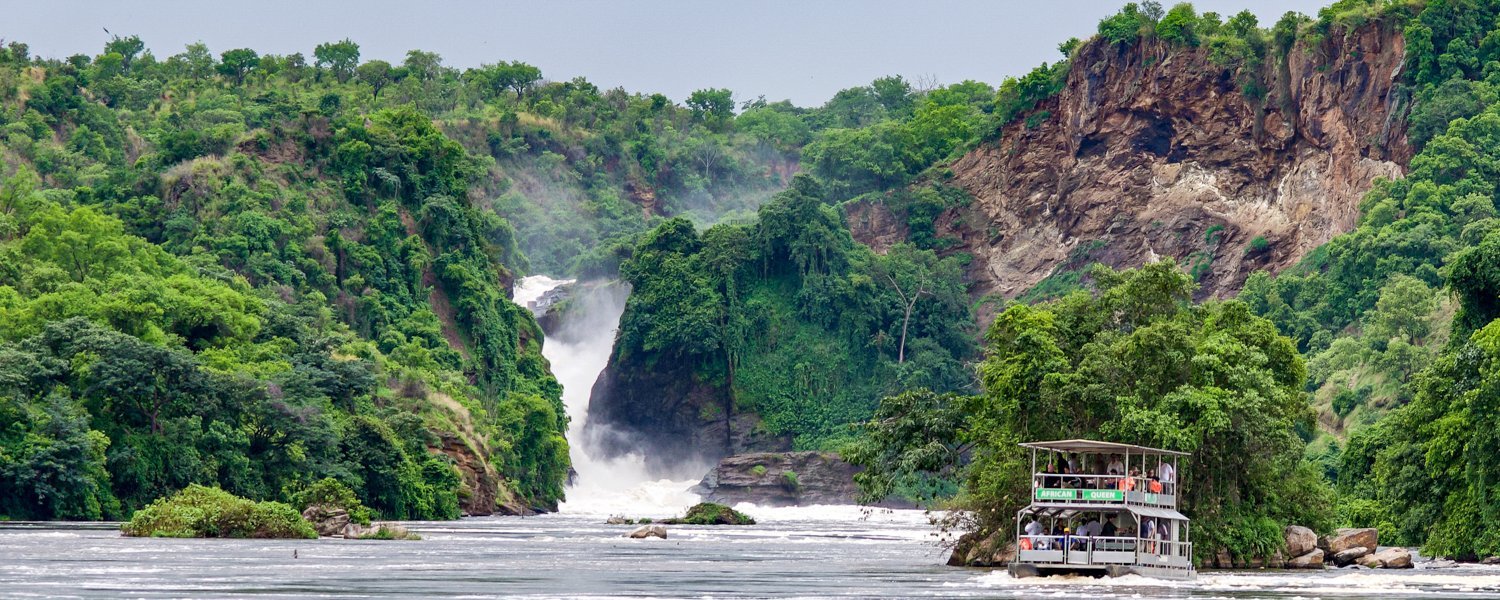
Kibiro works naturally with Murchison Falls National Park because both sit within the broader western/northwestern travel region and provide contrasting experiences: living salt heritage at Kibiro, then savannah wildlife and the Nile in the park. A road trip to Murchison Falls can be arranged through Hoima depending on the wider route, while Murchison Falls activities shows how game drives, boat experiences and viewpoints can turn the extension into a multi-day wildlife component.
Travelers with three days available for the park can compare a 3 Days Murchison Falls Safari rather than squeezing wildlife into a rushed overnight. Those traveling south can eventually connect toward Kibale Forest National Park, Queen Elizabeth National Park or the mountain landscapes around Rwenzori National Park. If the journey continues through the crater-lake region, Fort Portal attractions provide a useful slower stop between long road sectors.
Kibiro Hot Spring and Murchison Falls: a strong contrast
The combination works because the experiences do not duplicate each other. Kibiro Hot Spring is intimate, cultural and geological; Murchison is expansive, wildlife-focused and river-dominated. One day may center on inherited salt knowledge and Lake Albert, while the next centers on elephants, giraffes, hippos or the Nile. This contrast helps a western Uganda itinerary feel richer without adding multiple attractions that tell the same story. This makes a Kibiro Hot Springs Uganda and Murchison Falls pairing especially varied for a western Uganda itinerary. Lake Albert Hot Springs scenery then contrasts strongly with the Nile and savannah landscapes farther north.
Wildlife and Birding Around Lake Albert Hot Springs
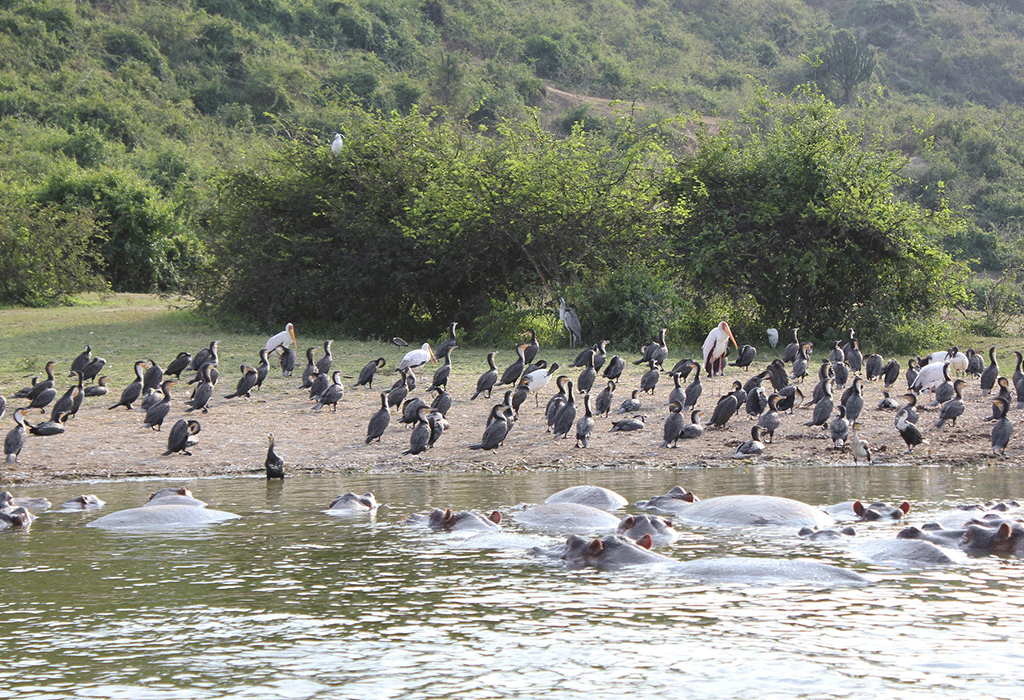
Kibiro is not a national park, so visitors should keep wildlife expectations realistic. The attraction is primarily cultural, geological and scenic. However, the wider Lake Albert and Albertine Rift region supports rich birdlife and varied habitats. Travelers who prioritize birds can ask about seasonal conditions and suitable nearby sites rather than expecting a long species checklist inside the salt-production area itself. The best birding usually comes from combining habitats across a broader route. Kibiro Hot Springs Uganda visitors should therefore plan for heritage and scenery first, with birding as a rewarding extra. Around the Lake Albert Hot Springs landscape, the most meaningful observations are often geological, cultural and bird-related.
For a larger wildlife circuit, Ziwa Rhino Sanctuary can be considered on routes linking central Uganda with Murchison, while protected areas farther south add primates and savannah species. The value of Kibiro Hot Spring in such an itinerary is exactly that it is different: it introduces heritage, local industry and Rift Valley geology between wildlife-heavy days. That variety is often more memorable than stacking game drives back to back.
Birdwatching in the the lakeshore region
The lake, escarpment and nearby wetlands create habitat transitions that can interest birders, especially when combined with Semuliki or Murchison sectors. Bring binoculars and tell the guide if birds are a priority, but keep the cultural focus in perspective. Lake Albert is a major landscape feature whose ecological story stretches far beyond Kibiro. A dedicated birding extension is more effective than trying to turn a salt-heritage visit into a complete bird safari. The Lake Albert Hot Springs area is especially rewarding when travelers combine birding with landscape interpretation.

What to Pack for Kibiro Hot Spring
Wear sturdy closed shoes with reliable grip, breathable clothing, sun protection and a hat. Carry drinking water, insect repellent, a compact rain layer when needed and a charged phone or camera. Dust, mud and loose mineral ground can affect the final approach. Kibiro Hot Springs Uganda conditions can be hot, dusty or slippery, so practical footwear and hydration matter.
For broader preparation, review Uganda travel information shortly before departure because road, health and entry information can change. International travelers should also verify the current Uganda Visa rules that apply to their passport. If the same trip includes Kenya or Rwanda, check whether the East African Tourist Visa matches the exact border sequence rather than assuming one regional document covers every neighboring country.
Camera, footwear and heat protection
A phone camera is sufficient for most documentary images, while a wider lens is useful for showing how Kibiro Hot Spring, the salt gardens, escarpment and Lake Albert relate spatially. Protect equipment from dust and heat, and carry a lens cloth. Shoes matter more than fashion: loose mineral soil and steep sections can be slippery. Neutral, practical clothing also makes it easier to move through a working village without looking like you have arrived for a staged photo shoot. Kibiro Hot Springs Uganda images are most useful when they capture the relationship between the spring, salt gardens and escarpment. A wide view can show how the Lake Albert Hot Springs terrain connects the escarpment, shoreline and salt-working areas.
Is Kibiro Hot Spring Worth Visiting?
Kibiro Hot Spring is especially worthwhile for travelers interested in living heritage, local livelihoods, geology, photography and places that still function primarily for their community rather than for tourism. It may be less suitable for someone expecting resort facilities, swimming pools or a highly developed attraction with paved paths and standardized interpretation. The value comes from context. When combined with East African safari experiences, Kibiro shows a side of Uganda that wildlife-only itineraries can miss. Kibiro Hot Springs Uganda is a particularly strong fit for travelers who value community history and unusual landscapes.
For many visitors, the memorable part is not simply seeing hot water. It is realizing that geothermal conditions, saline soil, women-led expertise and trade have supported a settlement for generations in a difficult environment. Kibiro salt village turns what looks like harsh land into a story of adaptation. Lake Albert provides scale; Hoima tourism provides access; and the salt gardens provide the human thread that holds the destination together. The Lake Albert Hot Springs setting gives that story a dramatic Rift Valley backdrop.
Who will enjoy Kibiro salt village most?
20 Search Questions This Kibiro Hot Spring Guide Answers
Frequently Asked Questions About Kibiro Hot Spring
Is Kibiro Hot Spring the same as the Kibiro salt gardens?
They are part of the same wider cultural landscape but not identical. The spring is the geothermal feature; the Kibiro salt gardens are working areas where saline soil is processed. The tourism experience makes most sense when both are interpreted together.
Is Kibiro salt village a UNESCO World Heritage Site?
Kibiro Salt Producing Village was added to Uganda’s UNESCO Tentative List in 2025. A tentative-list property is not the same as an inscribed World Heritage Site, but the listing signals formal national interest in potential nomination.
Can I visit Kibiro Hot Spring as a day trip from Hoima?
Yes, a day excursion from Hoima is a practical format when road conditions are suitable. Start early and allow generous time for the descent, guided interpretation and return rather than fitting the visit between other fixed appointments.
Are Lake Albert Hot Springs and Lake Albert visible from Kibiro?
Yes. Lake Albert is a defining part of the setting. Views vary by position, haze and weather, but the lake, escarpment and lakeshore settlement are central to the visual character of Kibiro. The Lake Albert Hot Springs setting is therefore central to the visual identity of the visit.
Should I hire a local guide?
Yes. A local guide can explain salt-production stages, identify safe routes around the spring and working plots, provide cultural context and help visitors avoid entering private or active areas.
What makes Hoima tourism special?
Hoima provides access to Bunyoro heritage, the Lake Albert region and routes toward Murchison Falls. Kibiro adds a rare living salt-production landscape that differs from conventional wildlife tourism. Kibiro Hot Springs Uganda can therefore be planned as a focused cultural excursion from Hoima. The Lake Albert Hot Springs landscape is one of the area’s most distinctive cultural-geological excursions.
Can Kibiro be combined with a safari?
Yes. It works particularly well before or after Murchison Falls and can also sit within a longer western Uganda journey that continues toward primate and mountain regions.
What is the main rule for a respectful visit?
Remember that Kibiro is a home and workplace. Ask before photographing people, follow guidance around active salt gardens and hot water, pay agreed guiding fees and avoid treating residents as props for photographs.
Ready to Plan a Kibiro Hot Spring Day?
Send your travel month, number of travelers, starting town and whether you want to combine Kibiro with Lake Albert or Murchison Falls.
Final Planning Advice for Kibiro Hot Spring
Plan Kibiro Hot Spring around local conditions, not a rigid clock. Base yourself in Hoima, use an experienced driver, start early, carry water and sun protection, and arrange a guide who can explain the spring and the Kibiro salt gardens together. Treat active production areas as workplaces, not open footpaths. If rain has affected the access road, accept a change of plan rather than pressuring a driver to continue. Kibiro Hot Springs Uganda road access should always be checked locally before departure.
Most importantly, arrive for the story as much as the scenery. Kibiro salt village represents a long relationship between people and an unusual saline environment. The spring explains the geology, the salt gardens explain the technology, women’s inherited knowledge explains continuity, and Lake Albert explains the wider landscape. That combination gives Kibiro Hot Spring a depth that a simple hot-springs checklist cannot capture. Lake Albert Hot Springs geography helps tie those individual features into one coherent landscape.
A well-paced western Uganda itinerary can use Kibiro as the cultural counterpoint to wildlife and forest experiences. When visitors give the site enough time, ask informed questions and spend responsibly, Hoima tourism becomes more than a transit stop. Kibiro Hot Spring then stands out as one of the region’s most distinctive places to understand how geology, livelihood and heritage can remain connected across generations. Kibiro Hot Springs Uganda adds a distinctive cultural and geological layer to that wider journey.