How Long Does It Take for a Gorilla to Become Habituated?

How Long Does It Take for a Gorilla to Become Habituated to Humans?
Gorilla habituation is a fascinating process that allows wild gorillas to become accustomed to human presence. This gradual acclimatization is crucial for conservation efforts and enables researchers and tourists to observe these magnificent creatures in their natural habitat without causing them undue stress. in this blog, Safari Vacations and Travel Services will guide you to find out how long it takes for a gorilla to become habituated to humans.
The Habituation Process
The habituation of gorillas typically spans 2 to 3 years, although in some cases, it can extend up to 5 years. This timeframe is necessary to ensure that gorillas adjust to human presence without losing their natural behaviors. The process begins with researchers closely following a gorilla family, allowing the animals to become familiar with human observers.
Researchers spend time with the gorillas during habituation, observing their interactions, feeding habits, and social structures. This careful and respectful approach is essential, as gorillas are inherently shy and may retreat if they feel threatened by a large group of humans.
Daily Habituation Experience
For those interested in participating in gorilla habituation, the experience is structured to maximize interaction while minimizing stress for the animals. Visitors typically spend about 4 hours with the gorillas once they are located. This time allows participants to observe the gorillas in their natural environment, engaging in activities such as feeding, playing, and socializing.
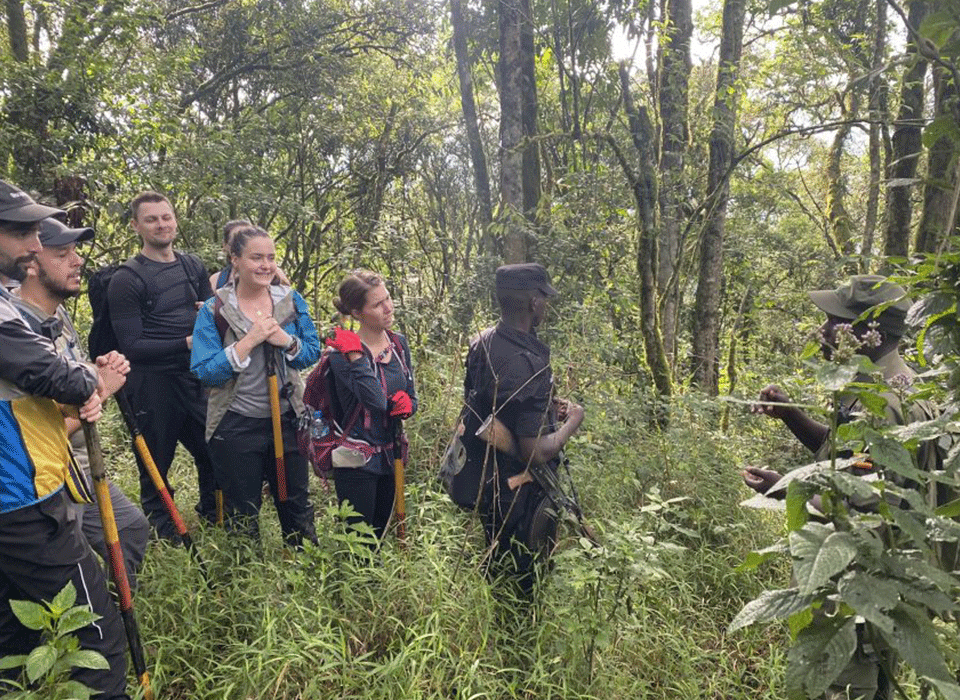
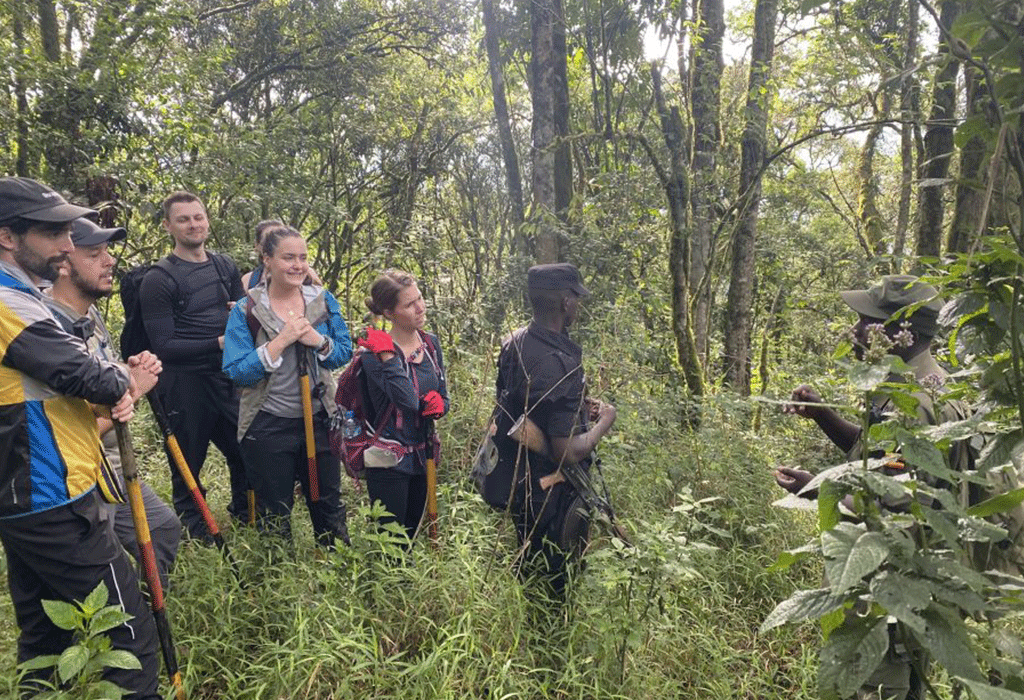
The habituation experience usually starts early in the morning, around 7:30 AM, as researchers lead small groups (limited to four tourists) into the forest to find the gorillas. The goal is to provide a more intimate and less overwhelming experience compared to standard gorilla trekking, which allows for only one hour of observation with fully habituated gorilla families.
Key Stages in the Gorilla Habituation Process
Here are the key stages involved in the gorilla habituation process:
Initial Observation
The habituation process begins with researchers observing the gorilla group from a safe distance. This initial stage is crucial for assessing the group’s behavior and dynamics without causing any disturbance. Researchers carefully note the gorillas’ reactions to human presence, which can range from curiosity to avoidance.
Gradual Approach
Once a baseline understanding of the gorillas is established, researchers gradually reduce the distance between themselves and the gorillas. This stage involves spending increasing amounts of time near the group while ensuring that the encounters are non-threatening. The goal is to build trust and minimize stress for the gorillas.
Daily Visits
Researchers conduct daily visits to the gorilla group, allowing the gorillas to become accustomed to human observers. This consistent presence helps the gorillas learn that humans are not a threat. The duration of these visits is carefully managed to ensure the well-being of the gorillas.
Monitoring Reactions
Throughout the habituation process, researchers closely monitor the gorillas’ reactions to human presence. They observe behaviors such as curiosity, avoidance, or even aggression, adjusting their approach based on the gorillas’ responses. Understanding these behaviors is essential for ensuring a successful habituation.
Naming and Identification
As the gorillas become more comfortable, researchers may begin naming individual gorillas. This practice not only aids in identification but also fosters a deeper connection between researchers and the gorilla group.
Mock Visits
Once the gorillas are deemed sufficiently habituated, researchers conduct mock visits with selected individuals, such as journalists or scientists, to test the group’s readiness for tourism. These visits help assess how the gorillas respond to a larger human presence.
Opening for Tourism
After successful mock visits and further assessment, the gorilla group may be opened for regulated tourism. This stage involves strict guidelines for visitors to ensure the safety and comfort of the gorillas, allowing for a more immersive experience while maintaining conservation efforts.
Ongoing Monitoring
Even after the group is opened to tourism, ongoing monitoring is essential. Researchers continue to observe the gorillas to ensure that they remain healthy and that their behavior does not change negatively due to human interaction.
The entire habituation process typically takes 2 to 3 years, but it can extend up to 5 years depending on the gorilla group’s behavior and adaptability. This careful and respectful approach not only enhances our understanding of gorillas but also supports conservation efforts that benefit both the animals and local communities
Unique behaviors can be observed in half-habituated gorillas
When observing half-gorilla habituation during the gorilla habituation experience, you can witness some unique behaviors that are not typically seen with fully habituated gorilla families. Here are a few behaviors to look out for:
Curiosity and Wariness
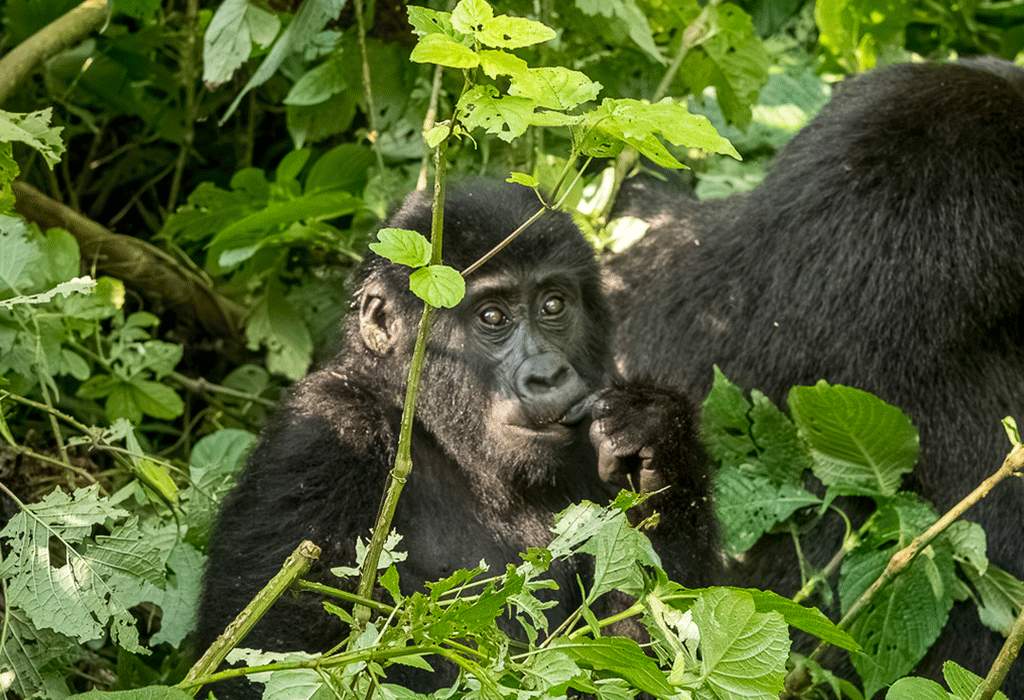
Half-habituated gorillas will display a mix of curiosity and wariness towards human observers. They may approach researchers and tourists cautiously to investigate, but will quickly retreat if they feel threatened or uncomfortable. This behavior is in contrast to fully habituated gorillas that are more relaxed and tolerant of human presence.
Natural Behaviors
Since half-habituated gorillas are still learning to accept human presence, they are more likely to exhibit their natural behaviors without being influenced by human interaction. You may observe them engaging in feeding, playing, grooming, and nesting activities that are less disrupted compared to fully habituated groups.
Vocalizations and Displays
Half-habituated gorillas may be more vocal and demonstrative in their interactions with each other. They may engage in chest-beating displays, vocalizations, and other behaviors to assert dominance or express alarm. Witnessing these behaviors provides insight into their social dynamics and communication.
Unpredictable Movements
As the gorillas are still getting accustomed to human presence, their movements may be more unpredictable and erratic compared to fully habituated groups. They may move quickly through dense vegetation or change direction unexpectedly, making it challenging for researchers and tourists to keep up.
Researcher Interactions
During the habituation process, researchers gradually increase their interactions with the gorillas, moving closer and spending more time observing them. You may witness these interactions and the gorillas’ reactions, which can provide valuable insights into their habituation progress.
By participating in the gorilla habituation experience, you have the unique opportunity to observe these fascinating behaviors and contribute to the ongoing conservation efforts for these endangered primates. Remember to always follow the guidelines set by the researchers and park authorities to ensure the safety and well-being of both the gorillas and the participants.
Risks associated with half-habituation for gorillas
The process of habituating gorillas to human presence carries several risks, particularly when the gorillas are only partially habituated. Here are the key risks associated with half-habituated gorillas:
1. Disease Transmission
One of the most significant risks is the potential for disease transmission from humans to gorillas. Mountain gorillas are susceptible to human diseases, and even a common cold can be fatal to them. The close encounters during the habituation process increase the likelihood of pathogens being transmitted, which can threaten entire gorilla populations.
2. Behavioral Changes
Half-habituated gorillas may exhibit unpredictable behaviors. They are still learning to adjust to human presence, which can lead to stress and anxiety. This uncertainty can trigger aggressive displays, especially from dominant males trying to assert their authority. Such behaviors can pose risks to both the gorillas and the researchers or tourists involved in the habituation process.
3. Over-Habituation
If gorillas become too accustomed to human presence, they may lose their natural fear of humans. This over-habituation can lead to problematic interactions with local communities, where gorillas might raid crops or become aggressive towards people. Such behavior can result in conflict, further endangering both gorillas and human livelihoods.
4. Stress and Health Issues
The habituation process can be stressful for gorillas, particularly if interactions are frequent and intense. Chronic stress can lead to health issues, including immune suppression, which makes gorillas more vulnerable to diseases. Additionally, stress can negatively impact reproductive success, further threatening the population’s viability.
5. Disruption of Natural Behaviors
Half-habituated gorillas may not exhibit their natural behaviors fully, as they are still adjusting to the presence of humans. This disruption can affect their feeding, social interactions, and overall well-being, potentially leading to long-term behavioral changes that could hinder their survival in the wild.
In summary, while gorilla habituation is a vital conservation effort, it must be conducted with caution to mitigate these risks. Strict protocols and guidelines are essential to ensure the safety and health of both gorillas and humans involved in the habituation process.
Importance of Habituation
The habituation process of gorillas is a critical component of wildlife conservation that extends beyond mere tourism. Here are some key points highlighting its significance:
1. Enhanced Research Opportunities
Habituation allows researchers to study gorilla behavior, social structures, and health in a more natural setting. By becoming accustomed to human presence, gorillas exhibit their natural behaviors, which can provide valuable insights into their ecology and biology. This knowledge is essential for developing effective conservation strategies and understanding the impact of environmental changes on these endangered species.
2. Conservation of Endangered Species
Gorilla habituation plays a vital role in the conservation of endangered species. By facilitating close observation, researchers can monitor the health and well-being of gorilla populations, identifying potential threats such as disease outbreaks or habitat loss. This proactive approach enables timely interventions that can help protect these magnificent animals and their habitats.
3. Revenue Generation for Local Communities
The revenue generated from gorilla habituation permits is significant. Tourists pay a premium to participate in the gorilla habituation experience, and this income is often reinvested into local communities. The funds can support education, healthcare, and infrastructure development, improving the quality of life for residents and fostering a sense of ownership over conservation efforts.
4. Promotion of Sustainable Tourism
Gorilla habituation promotes sustainable tourism practices that benefit both wildlife and local communities. By creating a financial incentive for conservation, local people are encouraged to protect gorillas and their habitats rather than exploit them. This sustainable approach helps mitigate human-wildlife conflict and promotes coexistence between local communities and wildlife.
5. Community Engagement and Education
The habituation process fosters community engagement and education about gorilla conservation. Local communities become more aware of the importance of protecting these animals and their habitats, leading to increased participation in conservation initiatives. Educational programs can empower community members to become stewards of their environment, ensuring the long-term survival of gorillas.
6. Cultural Exchange and Awareness
Tourism associated with gorilla habituation facilitates cultural exchange between visitors and local communities. Tourists often engage with community members, learning about their traditions and customs. This interaction promotes mutual understanding and appreciation, further enhancing the conservation message and fostering a global commitment to protecting wildlife.
7. Long-term Conservation Strategies
The insights gained from studying habituated gorillas contribute to the development of long-term conservation strategies. By understanding the dynamics of gorilla populations and their interactions with the environment, conservationists can implement effective measures to ensure the survival of these species in the wild.
The success rate of gorilla habituation in Uganda
The success rate of gorilla habituation in Uganda is generally considered to be quite high, although specific statistics can vary depending on various factors such as the gorilla group, the environment, and the methods used in the habituation process. Here are some key points regarding the success of gorilla habituation in Uganda:
Success Rate Overview
Time Frame
The habituation process typically takes 2 to 5 years. During this period, researchers and trackers work to acclimate gorillas to human presence gradually. The success of this process is often measured by the gorillas’ ability to tolerate human observers without significant stress or behavioral changes.
Successful Groups
As of recent reports, Uganda has designated specific gorilla families for habituation, such as the Bikyinji and Bushaho families in Bwindi Impenetrable National Park. These groups have completed the habituation process and are now open to tourists, indicating a positive outcome of the habituation efforts.
Monitoring and Research
The success of habituation is also evaluated through ongoing monitoring of the gorilla groups. Researchers assess parameters such as health, social behavior, and population trends. The ability to observe these factors in habituated gorillas contributes to the overall success of conservation efforts.
Visitor Experience
The Gorilla Habituation Experience in Uganda allows tourists to spend four hours with the gorillas, providing a more immersive experience compared to traditional trekking. This extended interaction is a testament to the success of the habituation process, as it indicates that the gorillas are comfortable enough to allow closer human interaction.
Conservation Impact
Successful habituation not only enhances tourism but also supports conservation efforts by generating revenue that can be reinvested into local communities and further conservation initiatives. This positive feedback loop reinforces the importance of habituation as a conservation strategy.
While exact success rates can vary, the overall effectiveness of gorilla habituation in Uganda is reflected in the successful opening of habituated groups to tourism and the ongoing monitoring of their health and behavior. The process has proven beneficial for both gorillas and local communities, highlighting its significance in conservation efforts.
In summary, while the gorilla habituation to human presence takes several years, the rewards of this process are immense. It not only enhances our understanding of these incredible animals but also fosters a sustainable relationship between humans and wildlife in the heart of Africa. If you’re considering a safari that includes gorilla habituation, you are not just embarking on an adventure; you are participating in a significant conservation effort that benefits both the gorillas and the local communities.