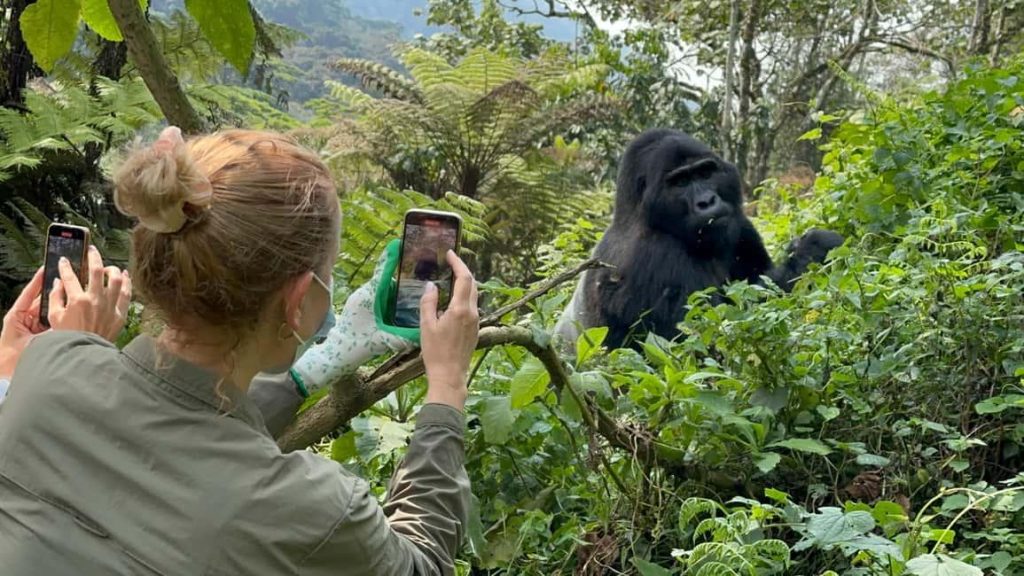
Hidden East African Wildlife: Secret Spots Beyond the Gorilla Trek

Hidden East African Wildlife: Secret Spots Beyond the Gorilla Trek
Think you’ve seen all East Africa has to offer? Think again. Beyond the famous gorilla treks, this region hides a wild side few travelers ever witness- mist-shrouded mountains, untouched savannas, and secret swamps alive with rare and remarkable creatures. Picture yourself hiking through the cloud forests of the Rwenzoris, spotting golden monkeys or the elusive Rwenzori turaco, or venturing into Uganda’s remote parks to find tree-climbing lions and prehistoric shoebill storks. These off-the-beaten-path destinations promise intimate wildlife encounters and breathtaking scenery, far from the crowds. Let Safari Vacations and Travel Services guide you to Hidden East African wildlife secrets-where adventure, discovery, and the thrill of the unknown await.
Rwenzori Mountains: A Misty Haven for Rare Wildlife
The Rwenzori Mountains (“Mountains of the Moon” in Uganda) rise in layers of jungle, bamboo, and misty moorland. This UNESCO World Heritage site shelters unique wildlife. Dense forests harbor 70 mammal species – including elusive forest elephants and buffalo – though many are hard to see. Forest primates abound: troops of chimpanzees, black-and-white and Angola colobus monkeys dart through the trees. Hard-to-spot endemics like the Rwenzori otter and giant forest hog survive here. Over 217 bird species have been recorded, making the Rwenzoris a premier birding area. Look (or listen) for the crimson-plumed Rwenzori turaco and haunting calls of mountain owls.
Trekking through Rwenzori National Park is an adventure through microclimates. Early rainforests give way to bamboo and heather, then alpine moors with lobelia and giant groundsel. Trails like the Central Circuit (7–9 days) climb lush valleys and reach snowfields atop Margherita Peak. Hikers may catch glimpses of mountain antelopes or a solitary leopard on rocky ledges. Guided treks also make the mountains a birdwatcher’s paradise – the remote bamboo belt at 2,000m boasts many Albertine Rift endemics^. Safari Vacations offers expert climbing tours here, promising breathtaking alpine views and the chance to encounter Africa’s highland wildlife.
Kidepo Valley National Park: Uganda’s Remote Wilderness
Kidepo Valley NP lies in Uganda’s far northeast, an open savanna framed by distant mountains. Its remoteness means few visitors but extraordinary sights. Here, rare predators roam: the striped hyena, African wild dog (hunting dog), bat-eared fox, and caracal all occur, and even the tiny aardwolf hunts on these plains. Lions and jackals patrol the bush, and unique primates like the endemic Kavirondo bushbaby creep through the night. With 77 mammal and over 476 bird species, Kidepo rivals better-known parks in diversity.
Kidepo’s dramatic landscape is itself a highlight: golden grasslands stretch to sculpted mountain ranges on the horizon. The Narus and Kidepo rivers carve the valley, their pools drawing wildlife, especially in the dry season. Apoka Camp in the heart of the park overlooks vast savanna with volcanic hills beyond – a photographer’s dream. Game drives here often yield huge herds of buffalo, elephant, giraffe, and buffalo with the Narus escarpment as backdrop. The best wildlife viewing is in the dry season (November–February) when animals concentrate at waterholes. Safari Vacations and Travel Services tailors overnight expeditions or fly-in safaris, so guests experience Kidepo’s raw beauty and elusive wildlife with experienced guides.
Mkomazi National Park: Tanzania’s Rhino Refuge
In northern Tanzania, Mkomazi National Park lies in arid country but is a lifeline for wildlife. Its greatest success story is the black rhinoceros: anti-poaching and re-introduction efforts have built a thriving rhino population in special fenced sanctuaries. The Rhino & Wild Dog Project here has saved critically endangered black rhinos and African wild dogs from the brink of extinction. Visitors can join guided tours into the rhino refuge, watching these prehistoric beasts graze under the hills.
Mkomazi’s savannas support fascinating dry-country mammals. Herds of giraffe, elephant, and buffalo share the park with species rare elsewhere in Tanzania: fringe-eared oryx and gerenuk antelopes browse the open plains alongside hartebeest, eland, and kudu. Lions and cheetahs roam the bush, but the real thrill is spotting lesser-known antelopes. Birdlife is also abundant – over 400 species of birds have been recorded. Quiet, uncrowded camps allow immersive safari walks and gentle game drives. In the cool early morning, one might spy an oryx peering from behind acacias or a herd of impala shimmering in the dawn. Safari Vacations and Travel Services specializes in low-impact tours here, combining wildlife drives with stays at eco-lodges, so travelers enjoy Tanzania’s hidden wilderness and its rhinoceros sanctuary in comfort.
Aberdare National Park: Forest Giants and Waterfalls
Kenya’s Aberdare Mountains rise above rolling fields, cloaked in deep forest and mist. This high-altitude park is famed for its cool climate, tumbling waterfalls, and rare forest species. The secretive bongo antelope – a large forest antelope with reddish stripes – still dwells in the bamboo undergrowth. So does the enormous giant forest hog, the world’s largest wild pig, wallowing in mud by mountain streams. You may also glimpse the secretive Kenyan montane-specific golden cat (often also in Aberdare, though rarer). Moose-like eland and waterbuck feed at forest edges while colobus monkeys chatter in the trees.
The Aberdares’ high plateaus (up to 4,000m) yield a cool, rainy landscape of moorlands, bamboo, and rainforests. Visiting during Kenya’s dry season (June–September, January–February) brings clear weather and open trails. From road viewpoints, one sees misty canyons, waterfalls such as Karuru Falls, and distant Mount Kenya peaks. Wildlife lodges here are unique experiences: Treetops Lodge (designed like Noah’s Ark) and The Ark put guests right at waterholes. At night, floodlit waterholes attract elephants, buffalo, and even black rhino into view. Guests can sip hot cocoa in the lodge balconies and watch up close as forest giants come to drink. Safari Vacations and Travel Services arranges stays at these famed hideaways, where Kenyan hospitality meets thrilling wildlife encounters mere meters from the windows.
The Shoebill Stork: East Africa’s Prehistoric Bird
The shoebill stork (Balaeniceps rex) looks like a creature from the dinosaur age. Standing up to 5 ft tall with slate-blue feathers and a massive boat-shaped bill, it stalks swampy waters motionlessly. Its ghostly stare and patient hunting make it endlessly fascinating. Shoebills are solitary and elusive: they stand statue-still in papyrus swamps, waiting hours before striking to catch lungfish and catfish. This rarity has a dwindling population (fewer than 5,000 remain in the wild) and is classified as vulnerable due to wetland loss.
In East Africa, the best place to see shoebills is Uganda’s Mabamba Swamp on Lake Victoria. Early morning canoe (dugout) trips through the reeds are classic tours – guides drift quietly between papyrus stalks until a prehistoric grey shape looms ahead. Visitors on a guided boat tour here can get surprisingly close as the bird hunts the shallow water. Beyond Uganda, Rwanda’s Akagera National Park also hosts shoebills. Akagera’s chain of lakes and papyrus marshes provides ideal habitat, and birding safaris (even combined with boat rides on Lake Ihema) can reveal the stork. Patience is key: these birds freeze when approached, blending into their swampy world. Safari Vacations and Travel Services offers birding trips that include both Mabamba and Akagera, giving adventurous travelers the thrill of spotting Africa’s rarest stork in its natural home.
African Golden Cat: The Elusive Forest Predator
Deep in East Africa’s montane forests prowls the African golden cat, a shy medium-sized wildcat with mottled reddish or grey fur. Found in Uganda’s Bwindi and Kibale forests and across the central African rainforest belt, this cat is among the continent’s most secretive carnivores. Scientists often go years without a sighting – most knowledge now comes from camera-traps^. The golden cat is vulnerable to extinction: habitat loss has pushed it to the IUCN Red List, and it is listed as Endangered in Uganda.
This night hunter typically feeds on rodents, birds, and small antelopes. It often plays the role of a forest “apex predator” over tiny prey, keeping populations of rodents and duikers in check. Its secretive nature – seldom seen even by trackers – means that spotting one is a rare coup. Conservationists value the golden cat as a forest-health indicator: a thriving golden cat means a thriving forest. Safari Vacations and Travel Services arranges guided hikes in Kibale or Bwindi, where trackers sometimes hear its distant calls or find its tracks. While the cat itself remains mostly unseen, knowing these forests shelter such a phantom predator adds a thrilling mystery to the adventure.
Striped Hyena and Aardvark: Nighttime Rarities
Some of Africa’s strangest creatures come alive after dark. The striped hyena – smaller and shier than its spotted cousin – skulks the dry savannas as a solitary scavenger. It leaves telltale signs: pungent scent markings and thorn-scraped posts where it pastes anal-gland secretions. Its striped coat and mane make it unmistakable. Striped hyenas are rare and nocturnal, so the best way to see one is on a night drive in remote parks. In Kenya or northern Tanzania, private reserves sometimes offer guided night safaris specifically to spot hyenas and other nocturnal.
The aardvark is another nighttime oddity. This pig-like “anteater” lives in burrows and comes out after dark to dig for termites with its shovel-like claws. You may not see the aardvark itself, but you can look for its signs: neatly excavated termite mounds and rounded burrow holes in the ground. If lucky during a night drive, visitors have glimpsed this skittish animal under the spotlight or discovered it nudging a termite hill. Both the hyena and the aardvark perform important ecosystem services – cleaning up carrion and aerating the soil – and their presence signals a healthy wildland. Safari Vacations incorporates night game drives in select reserves, giving guests a chance to encounter these rare creatures under starry African skies.
Beyond the Big Five: Discovering the ‘Little Five’
For a different challenge, seekers can hunt the Little Five – tiny species named in jest after Africa’s Big Five. These are the elephant shrew (a mouse-sized insectivore with a long snout), leopard tortoise (a beautifully patterned grazing tortoise), buffalo weaver (a sociable red-beaked bird that follows buffalo herds), antlion (an ambush-predator insect whose larvae trap ants in sand), and rhinoceros beetle (a strong armored beetle with a horn).
Each lives in East Africa’s wild places: shrews dart through leaf litter in miombo woodland, weaver birds nest in acacia trees, tortoises munch grass on sunlit clearings, antlion larvae wait under sandy soils, and huge beetles crawl in the dark. Though small, they play big roles: elephants shrews control insects, tortoises shape vegetation, weavers spread seeds, and antlions and beetles recycle nutrients. Safari Vacations and Travel Services guides will train your eyes to spot these mini-wonders. On a guided nature walk or game drive, you might spot the neat circular pit of an antlion trap or the fancy nest of a buffalo weaver nesting in a fever tree. Finding the Little Five adds a playful ecological twist to the safari.
Conclusion
East Africa’s hidden wildlife spots promise unforgettable adventures. From mountain passes where colobus monkeys chatter beneath snow-capped peaks, to swamps where prehistoric shoebills stand guard, each locale offers a unique ecosystem to explore. Safari Vacations and Travel Services crafts personalized journeys to all these “secret” spots – arranging expert guides, comfy lodging, and seamless logistics. Whether it’s mountain trekking in the Rwenzoris, remote game drives in Kidepo or Mkomazi, or quiet moments watching wildlife at a floodlit watering hole in the Aberdares, our tours help eco-travelers connect deeply with nature. Leave the beaten path behind and discover East Africa’s lesser-known wildlife gems with us – your next adventure is waiting just beyond the gorilla trails.