Great Wildebeest Migration in Masai Mara
Experience the Great Wildebeest Migration in Kenya
The Great Wildebeest Migration in the Masai Mara is one of the most extraordinary natural events in Africa. Every year, enormous herds of wildebeest move through the Serengeti–Mara ecosystem, accompanied by zebras and gazelles. Their journey is driven by the seasonal availability of fresh grass and water, creating an impressive wildlife spectacle across Tanzania and Kenya.
The Maasai Mara National Reserve in southwestern Kenya is one of the most famous places to witness this migration. During the main migration season, visitors may encounter thousands of grazing animals across open plains, predators following the herds and wildebeest gathering along the banks of the Mara River.
Although river crossings attract international attention, the migration is much more than a single wildlife event. It is a continuous natural cycle involving movement, grazing, breeding, calving and survival. Travellers can learn more about this wider journey in our guide to the Great Migration in Africa.
Highlights of a Masai Mara Migration Safari
Wildebeest Herds
Observe enormous herds moving across the open grasslands in search of fresh grazing.
Mara River Crossings
Watch for dramatic river crossings when herds gather and decide to enter the water.
Predator Encounters
Look for lions, cheetahs, leopards, hyenas and crocodiles within this wildlife-rich ecosystem.
Maasai Culture
Discover local traditions through respectful, community-led cultural experiences.
Understanding the Great Wildebeest Migration
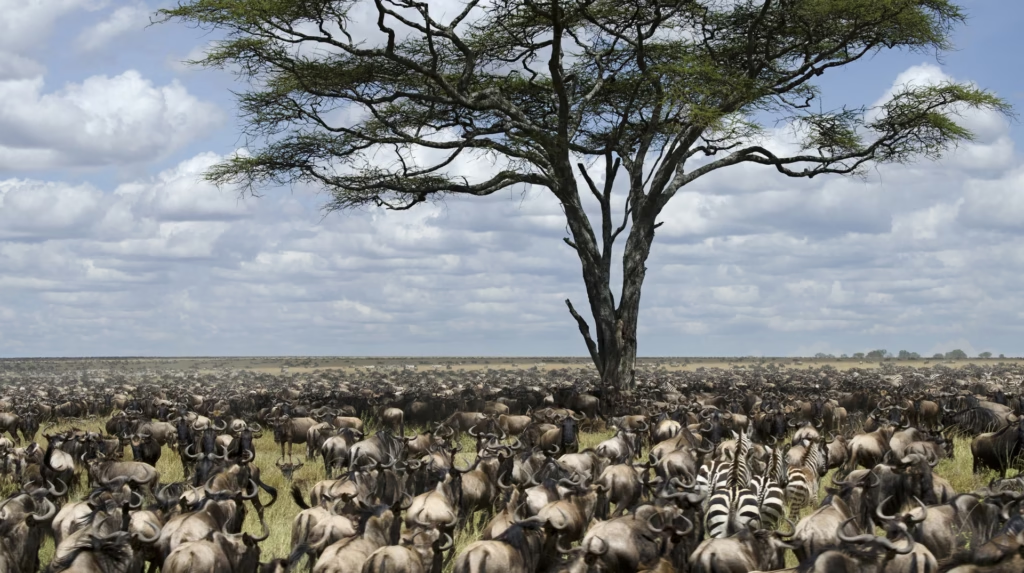 The migration is a large-scale circular movement of wildebeest and other grazing animals through the Serengeti in Tanzania and the Maasai Mara in Kenya. The herds follow changing rainfall patterns and the growth of nutritious grass. Their movement is not controlled by national borders or a fixed timetable.
Wildebeest are joined by large numbers of plains zebras and gazelles. Predators such as lions, cheetahs, leopards and hyenas take advantage of the abundance of prey. Crocodiles inhabit sections of the rivers crossed by the herds, adding another natural challenge to the journey.
The migration is a year-round process. Its location changes throughout the seasons, which means travellers should plan according to the stage of the journey they hope to experience. Read our monthly wildebeest migration patterns for a broader understanding of the annual cycle.
For a wider regional itinerary, explore our East Africa safari guide and discover how Kenya, Tanzania, Uganda and Rwanda can be combined.
Best Time to See the Great Migration in Masai Mara
The main period associated with the migration in the Masai Mara is generally June or July through October or November. July to October is the most popular planning window for visitors hoping to see large herds and possible Mara River crossings. However, arrival and departure dates change from year to year according to rainfall, grazing conditions and herd movements.
| Period | Typical migration activity | Safari experience |
|---|---|---|
| June–July | Herds may move north towards the Mara. | Early migration viewing and changing herd locations. |
| August | Large herds may be present around the Mara River. | Strong opportunities for migration viewing and possible crossings. |
| September | Herds may remain spread across the Mara ecosystem. | Excellent potential for game drives and migration photography. |
| October | Some herds begin moving south as conditions change. | Late-season migration sightings may still be possible. |
| November | Many herds move towards Tanzania, although timing varies. | Changing wildlife locations and quieter travel periods. |
These are general seasonal patterns, not guaranteed dates. A river crossing may happen suddenly, or herds may remain near the river without crossing during a visitor’s stay. For this reason, allow several days in the Mara rather than planning around one specific crossing.
Travellers interested in the Tanzanian stages can also read witnessing the Great Wildebeest Migration in Tanzania and our guide to a Serengeti and Masai Mara migration safari.
The Dramatic Mara River Crossings

The Mara River crossings are among the most famous moments of the Great Migration. As wildebeest move across the plains, large groups sometimes gather near the riverbanks. They may hesitate for long periods before one animal enters the water, prompting others to follow.
The crossing can be challenging. The river has strong currents in some sections, steep banks and crocodiles. Animals must navigate the water and find safe places to climb onto the opposite bank. These natural challenges make the crossings dramatic, but they are also a reminder that the migration is a real wildlife process rather than a staged tourist attraction.
Where Can You Watch the Crossings?
Crossings can take place at different points along the Mara River. The location depends on herd movements, river conditions and the animals’ choices. Areas within the Mara Triangle and other sections of the wider reserve may offer opportunities, but no single viewing point guarantees a crossing.
An experienced safari guide can follow herd movements and help visitors position themselves responsibly. Patience is essential. Sometimes the herds approach the river and turn away; on other occasions, a crossing happens with little warning.
Learn more about the wider Great Migration river crossings and routes before choosing your travel dates.
Wildlife to See During the Migration
The migration season is also an excellent time to explore the wider wildlife diversity of the Maasai Mara. Even when herds are not crossing the river, the reserve offers rewarding game drives across grasslands, riverine forests and rolling plains.
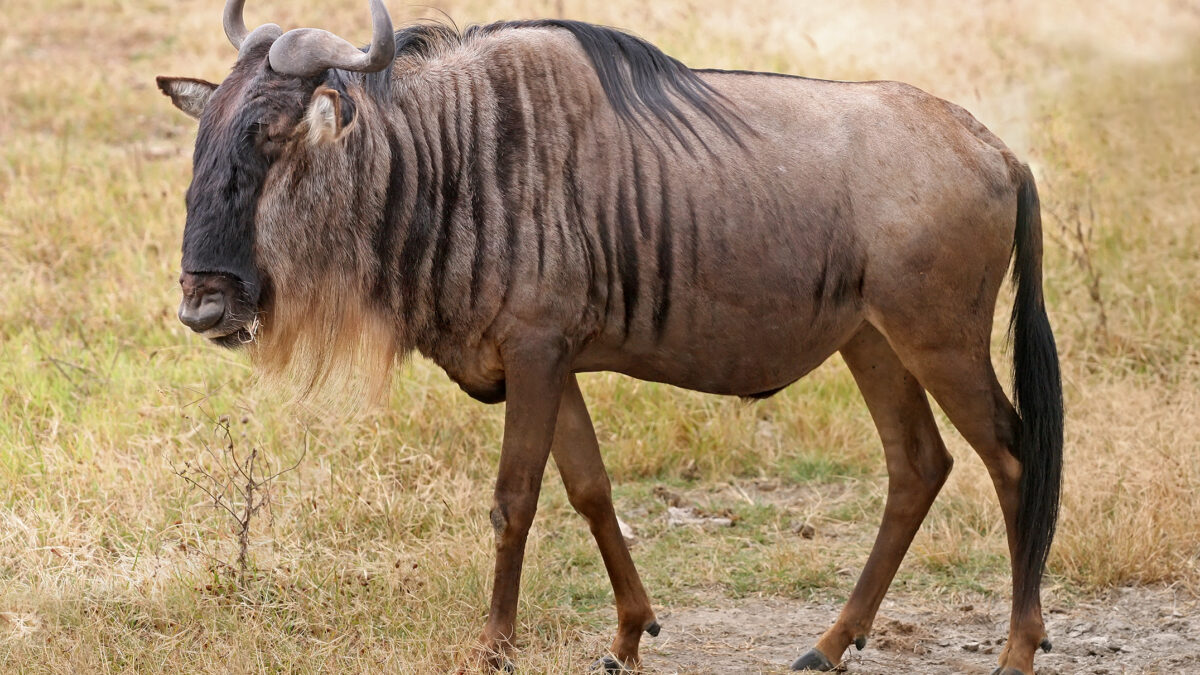
Wildebeest
 Large herds move across the ecosystem in search of grazing and water.
Plains Zebras

Zebras travel alongside wildebeest and are a familiar sight across the savannah.
Lions

Lions patrol the grasslands and may be seen resting, hunting or feeding.
Cheetahs
 Open plains provide suitable habitat for cheetahs hunting smaller antelopes.
Leopards
 These elusive cats are sometimes spotted around riverine trees and wooded areas.
Elephants and Buffaloes
 Resident wildlife adds to the Mara’s impressive year-round game-viewing opportunities.
The reserve is also home to hyenas, giraffes, topis, gazelles, hippos, crocodiles and numerous bird species. For more wildlife ideas, visit our guide on where to see animals on a safari in Kenya and our article about where to spot the Big Five in Kenya.
Activities to Enjoy on a Masai Mara Safari
1. Guided Game Drives
Game drives are the main way to explore the Maasai Mara. Morning and afternoon drives provide opportunities to search for migrating herds, predators, elephants, giraffes and other wildlife. Full-day drives with a packed lunch can allow more time to explore distant areas.
2. Hot Air Balloon Safari
A hot air balloon safari offers a different perspective of the Mara. Flying above the plains at sunrise can reveal the scale of the landscape and, when conditions allow, large groups of animals moving below. Balloon flights are optional activities and should be booked in advance.
3. Maasai Cultural Experiences
Visitors can learn about Maasai heritage through community-led visits, traditional homesteads, storytelling, crafts and discussions about pastoral life and conservation. Choose experiences that respect local customs and provide clear benefits to the community.
4. Wildlife Photography
The Mara is a rewarding destination for wildlife photography. Golden morning and evening light, open landscapes and varied animal behaviour create excellent photographic opportunities. Bring a camera with a suitable zoom lens and follow your guide’s instructions when photographing wildlife.
5. Birdwatching
The reserve’s grasslands, rivers and woodland habitats support a variety of birds. Birdwatchers can look for raptors, vultures, storks, ostriches and many smaller species during their safari.
Where to Stay During the Great Migration
Accommodation is an important part of planning a migration safari. The Maasai Mara has a variety of lodges, permanent tented camps and mobile camps. Your ideal choice depends on budget, comfort preferences, the number of nights available and the area you want to explore.
Luxury Lodges and Tented Camps
Luxury properties often offer spacious rooms or tents, private verandas, restaurants, swimming pools and guided safari activities. They can be suitable for honeymooners, photographers and travellers looking for a high level of comfort.
Mid-Range Camps
Mid-range camps provide a balance between comfort and price. Many offer en-suite tents, meals and access to guided game drives.
Budget Accommodation
Budget camps and simpler accommodation can make the Mara more accessible to travellers who prefer to spend more of their budget on wildlife activities and the safari itself.
Before confirming a property, check its exact location, access gate, conservancy or reserve status, included game drives, transfer arrangements and any additional park or conservancy fees. The nearest camp is not automatically the best option for every migration itinerary.
How Many Days Do You Need for the Migration Safari?
A stay of three to four days in the Maasai Mara is a useful starting point for visitors hoping to explore different parts of the reserve and follow wildlife activity. A longer stay gives more flexibility to search for herds and enjoy additional game drives.
- 2 days: A short introduction to the Mara, although travel time can limit game-viewing opportunities.
- 3 days: A practical short safari with several game drives.
- 4–5 days: More time to explore different areas and follow changing wildlife activity.
- 6 days or longer: Suitable for a more relaxed safari or a multi-destination itinerary.
Remember that no length of stay guarantees a river crossing. More time in the reserve gives you more opportunities to encounter the herds, but the animals determine when and where they cross.
Travellers can consider our 8-day Kenya wildebeest and Rwanda gorilla safari or explore a longer East African safari covering Rwanda, Uganda, Kenya and Tanzania.
How to Get to Masai Mara
Most international visitors begin their Kenya safari in Nairobi. From the city, travellers can reach the Maasai Mara by road or by scheduled or chartered domestic flight, depending on their itinerary and budget.
Road Transfers
A road transfer offers a chance to experience Kenya’s countryside and rural landscapes along the way. Travel time varies with the starting point, road conditions, traffic and the selected reserve gate. The journey can take several hours, so it is important to plan realistic departure times.
Fly-in Safaris
Flying from Nairobi to an airstrip serving the Mara can reduce travel time. A lodge or safari vehicle usually arranges the transfer from the airstrip to the accommodation. Confirm baggage restrictions, flight schedules and the airstrip nearest to your chosen camp.
For visitors planning a wider regional trip, our East African safari guide provides further inspiration for combining different destinations.
Combine Masai Mara with Other East African Destinations
The Maasai Mara can be part of a wider East African safari. Combining Kenya with Tanzania allows travellers to explore different stages of the migration and other famous wildlife destinations. A Kenya and Uganda itinerary can combine savannah game drives with mountain gorilla trekking, while Rwanda offers another option for a primate experience.
Consider adding the following destinations to your holiday:
- Serengeti National Park, Tanzania: Explore the wider migration ecosystem and other wildlife-rich plains.
- Ngorongoro Conservation Area, Tanzania: Discover the crater landscape and its remarkable concentration of wildlife.
- Amboseli National Park, Kenya: Enjoy elephant viewing and views of Mount Kilimanjaro when conditions are clear.
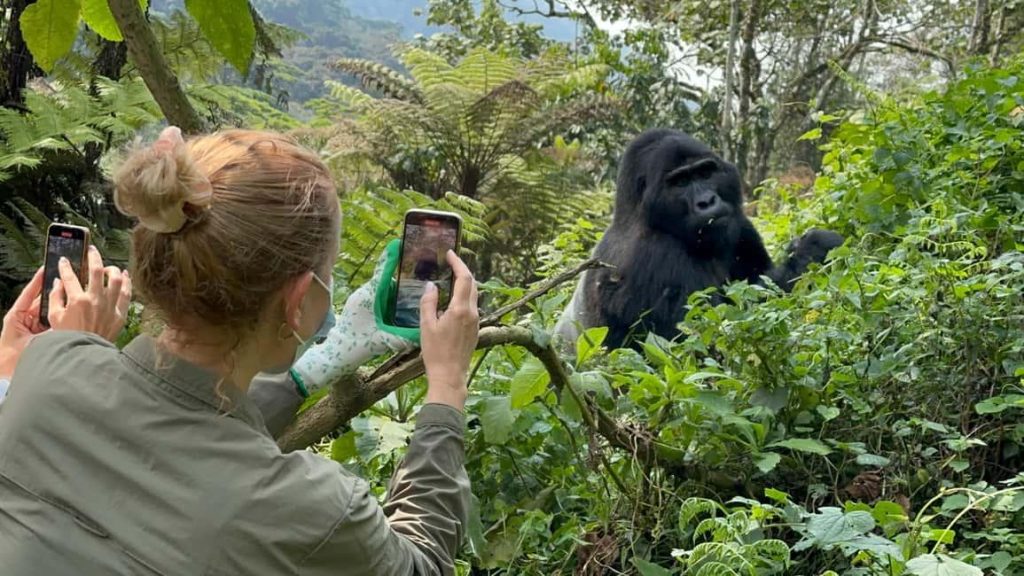
- Bwindi Impenetrable National Park, Uganda: Add mountain gorilla trekking to a classic savannah safari.
- Volcanoes National Park, Rwanda: Experience mountain gorilla trekking in Rwanda’s volcanic highlands.
Explore our best safari experiences in East Africa and discover how to plan a multi-country journey around your interests.
You can also compare the factors that determine Kenya safari costs before deciding how many destinations to include.
What to Pack for a Great Migration Safari
Good preparation helps make your safari more comfortable, especially when spending long hours outdoors on game drives.
- Lightweight, neutral-coloured clothing.
- A warm jacket or fleece for early morning game drives.
- Comfortable walking shoes for camp and permitted activities.
- A wide-brimmed hat, sunglasses and sunscreen.
- Binoculars for observing distant wildlife.
- A camera with spare batteries and memory cards.
- Personal medication and insect repellent.
- A reusable water bottle and small day bag.
- Travel documents and suitable travel insurance.
Ask your safari operator for a destination-specific packing list before departure. You can also explore our Kenya safari travel resources when preparing for your journey.
Responsible Tourism During the Wildebeest Migration
The Great Migration depends on healthy grasslands, functioning rivers, wildlife corridors and cooperation across the Serengeti–Mara ecosystem. Visitors and safari operators have a role in protecting this natural heritage.
- Remain inside the safari vehicle unless your guide identifies a permitted place to leave it.
- Never ask a driver to block a herd or force animals towards a river crossing.
- Keep a respectful distance from wildlife and avoid disturbing animal behaviour.
- Follow reserve and conservancy regulations.
- Do not litter or leave food waste in the wilderness.
- Choose responsible accommodation and community-led cultural experiences.
- Respect local people, traditions and photography permissions.
River crossings should be observed without interfering with the animals. Vehicles must leave space for herds to approach and exit the water safely. Responsible viewing helps protect the migration for future generations.
Learn more about planning a responsible East Africa safari and exploring the region’s wildlife destinations.
Plan Your Masai Mara Migration Safari with Us
Safari Vacations and Travel Services Ltd helps travellers plan wildlife journeys across Kenya, Tanzania, Uganda and Rwanda. We can help you select a suitable travel period, plan the number of nights, choose accommodation and arrange a safari route around your interests.
Whether you are interested in the Mara River crossings, wildlife photography, Big Five viewing, a family holiday or a longer East African adventure, your itinerary can be tailored to your available time and budget.
We also help travellers combine the migration with other regional experiences, including the gorilla trekking and wildebeest migration safari.
Frequently Asked Questions About the Great Migration in Masai Mara
1. When is the Great Wildebeest Migration in Masai Mara?
The herds usually reach the Maasai Mara around June or July and may remain in the wider ecosystem into October or November. The timing changes every year depending on rainfall and grazing conditions.
2. What is the best month to see the Mara River crossings?
August and September are popular months to plan for possible river crossings. However, crossings can occur at different times, and there is no guarantee of seeing one on a particular date.
3. Are the river crossings guaranteed?
No. Wildebeest decide when and where to cross. Herds may gather near the river, wait, move away or cross suddenly. A longer stay improves your opportunities but cannot guarantee a crossing.
4. How many days should I spend in Masai Mara?
Three to four days is a useful starting point for exploring the reserve. Travellers hoping to follow herd movements may prefer four or more nights, depending on their budget and schedule.
5. Can I see the Big Five in Masai Mara?
The Mara supports lions, leopards, elephants, buffaloes and black rhinos. Sightings vary because these are wild animals, and no operator can guarantee every species.
6. Can I visit Masai Mara outside migration season?
Yes. The reserve has resident wildlife throughout the year. Visitors can enjoy game drives, landscapes, birdwatching and cultural experiences even when the main migratory herds are elsewhere.
7. Is a hot air balloon safari available?
Yes. Hot air balloon experiences are offered by licensed operators in the Mara. They usually take place around sunrise and should be booked in advance.
8. Can I combine Masai Mara with Serengeti?
Yes. Kenya’s Maasai Mara and Tanzania’s Serengeti form part of the same ecosystem. A combined safari can explore different stages of the migration, subject to border arrangements and travel logistics.
9. How do I reach Masai Mara from Nairobi?
You can travel by road or take a scheduled or chartered flight to an airstrip serving the reserve. The best option depends on your time, budget and accommodation location.
10. What should I wear on a migration safari?
Wear comfortable neutral-coloured clothing, a warm layer for early mornings, a hat, sunglasses and comfortable shoes. Bring sun protection and any personal medication you need.
11. Is the Great Migration suitable for families?
Yes, families can enjoy the migration with suitable accommodation, age-appropriate game drives and a realistic itinerary. Check each camp’s child policy and activity requirements before booking.
12. How far in advance should I book?
For popular peak-season travel dates, book as early as possible because camps, lodges and flights can fill up. Advance planning also gives you more choice of accommodation and safari arrangements.
Start Planning Your Great Wildebeest Migration Safari
Discover the spectacular wildlife of Kenya’s Maasai Mara with a safari designed around your preferred dates, accommodation style and wildlife interests. Contact Safari Vacations and Travel Services Ltd to begin planning your East African adventure.