Gorilla Trekking in Congo: 7 Amazing Essential Tips

6 Days Congo and Rwanda safari
Destination guide · Updated 9 November 2026
Gorilla Trekking in Congo: Parks, Permits, Safety & Alternatives
Important status: Virunga lists gorilla trekking as closed until further notice; official travel advice warns against travel to North Kivu and South Kivu. This page describes Congo’s gorillas and historic routes but does not advertise an active eastern DRC departure.
Gorilla Trekking in Congo: What Travelers Need to Know
Gorilla Trekking in Congo is one of Central Africa’s most compelling wildlife ideas: the Democratic Republic of the Congo protects mountain gorillas in the Virunga massif and Grauer’s gorillas, also called eastern lowland gorillas, in Kahuzi-Biega. These are different encounters with different forests, access routes, and conservation histories. Travelers frequently discover enticing older itineraries online without realizing that the security situation and operating status can change sharply.
As of 9 November 2026, Virunga National Park’s official tourism website says its gorilla and Nyiragongo treks are closed until further notice. The UK Foreign, Commonwealth & Development Office advises against all travel to both North Kivu, where Virunga lies, and South Kivu, where Kahuzi-Biega lies. This is a major travel restriction, not a minor inconvenience. The correct planning question is therefore not simply how to reserve a place, but whether any proposed journey should be undertaken at all.
This guide explains the gorillas and parks, how historical tours worked, the questions to ask about permits, the conservation rules, and why a gorilla trekking comparison with Uganda or Rwanda is often the sensible starting point for travelers today.
A Quick Comparison of Congo’s Two Gorilla Landscapes
The term Congo can mean the Democratic Republic of the Congo or the separate Republic of the Congo. This article specifically concerns the Democratic Republic of the Congo, often abbreviated DRC. A DR Congo safari traditionally points toward its eastern gorilla habitats, whereas western lowland gorilla trips in Odzala-Kokoua take place across the border in the Republic of the Congo. Confusing the countries can lead to incorrect visa applications, inappropriate flights, and mistaken expectations about the species you will see.
Virunga National Park is associated with mountain gorillas that inhabit the higher volcanic forests. Kahuzi-Biega National Park is famous for Grauer’s gorillas, the eastern lowland subspecies. Both habitats are biologically important, and both are situated in provinces under current severe travel warnings. Neither an attractive itinerary nor a quoted permit rate is evidence that transport and trekking are operating safely.
For readers exploring the wider country, the Democratic Republic of Congo destination guide provides geographic context; the specific parks, conservation authorities, and official travel advisories must take precedence over promotional tour listings.
Virunga National Park: Mountain Gorillas and Volcanic Forests
Established in 1925, Virunga National Park is among Africa’s oldest national parks. Its remarkable landscapes range from volcanic slopes to forests and savannah, and its mountain gorillas form part of a population spanning the Virunga massif. Historical treks began with ranger briefings and proceeded into forested habitat where trackers located habituated families. The experience was never a walk-through zoo: vegetation, steep ground, rainfall, and the animals’ movements all affected the route.
The story of Virunga National Park gorillas illustrates why access to wildlife and park management must be considered together. Historical accounts of habituated gorilla families in Virunga help explain why visitors once planned dedicated time for these forest encounters. Those accounts are useful background, not an up-to-date availability statement. Virunga’s official tourism page explicitly states that gorilla trekking and Nyiragongo trekking are closed until further notice. A separate archived activity page may still describe the trek, so always treat the prominent closure notice as controlling.
Goma was traditionally used as a gateway for the park, but the current regional security situation has disrupted road crossings and air access. It would be misleading to present a Virunga gorilla family visit as a presently dependable itinerary. Do not make nonrefundable plans on that assumption.

Kahuzi-Biega National Park: Grauer’s Gorillas
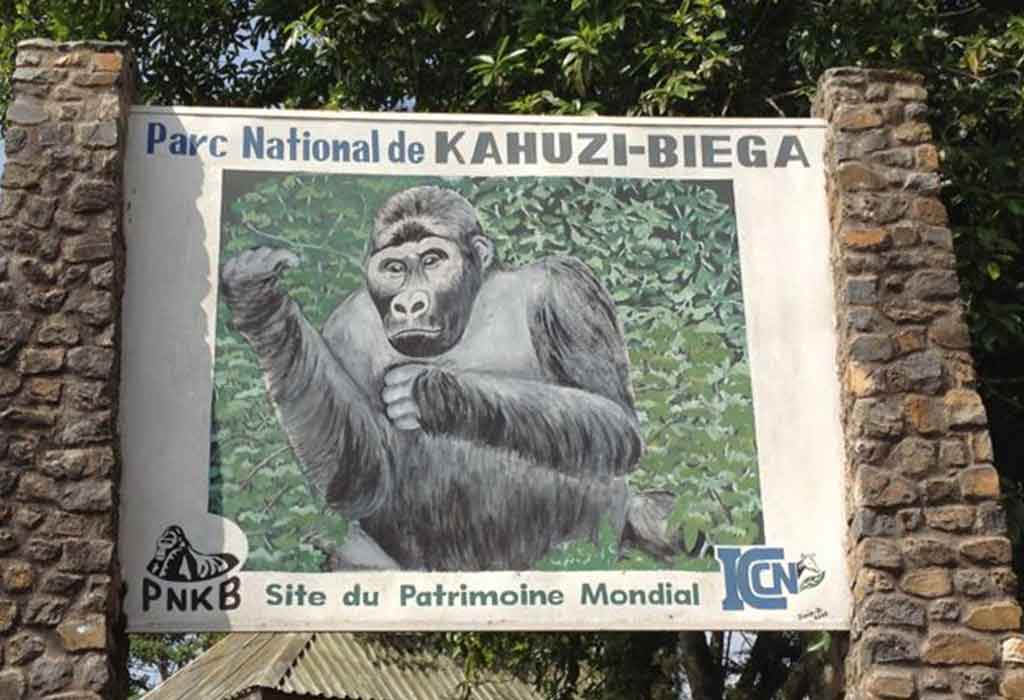
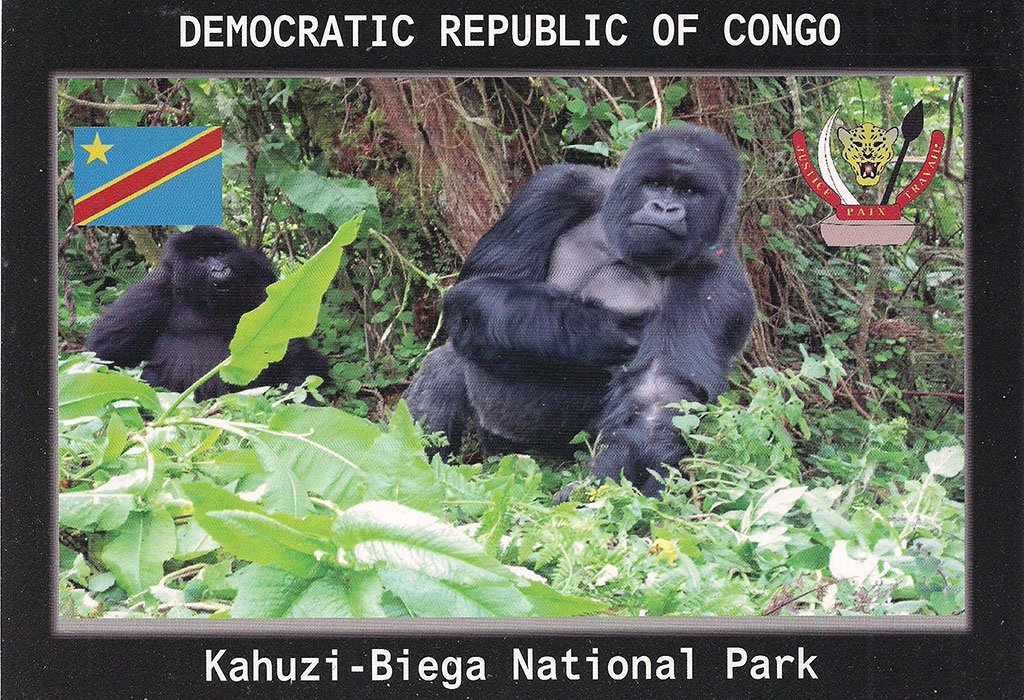
Located in South Kivu, Kahuzi-Biega National Park protects a contrasting primate habitat. Its best-known residents are Grauer’s gorillas, an eastern lowland form adapted to dense forest environments. The official park website describes habituated groups including Bonane and Mpungwe and explains the work of skilled trackers, some drawn from local communities. Observing those relationships is part of understanding the significance of a trek, rather than treating it solely as an opportunity for photographs.
Kahuzi-Biega gorilla trekking is a distinct conservation encounter, not simply a less expensive mountain gorilla trip. The eastern lowland gorilla trekking experience is typically described as a guided forest search followed by a strictly limited viewing period. Staff brief visitors on distancing, illness precautions, camera use, and the need to obey ranger instructions. Kahuzi-Biega’s official park website provides these rules, but a published visitor page does not cancel the government warning against travel to South Kivu.
If you encounter an advertisement for a Kahuzi-Biega lowland gorilla trek, distinguish the existence of the conservation program from the real-time safety, access, and insurance conditions. Confirm current information with the park authority and your government travel advisory; a private organizer cannot remove regional conflict risk.
Mountain Gorillas Versus Eastern Lowland Gorillas
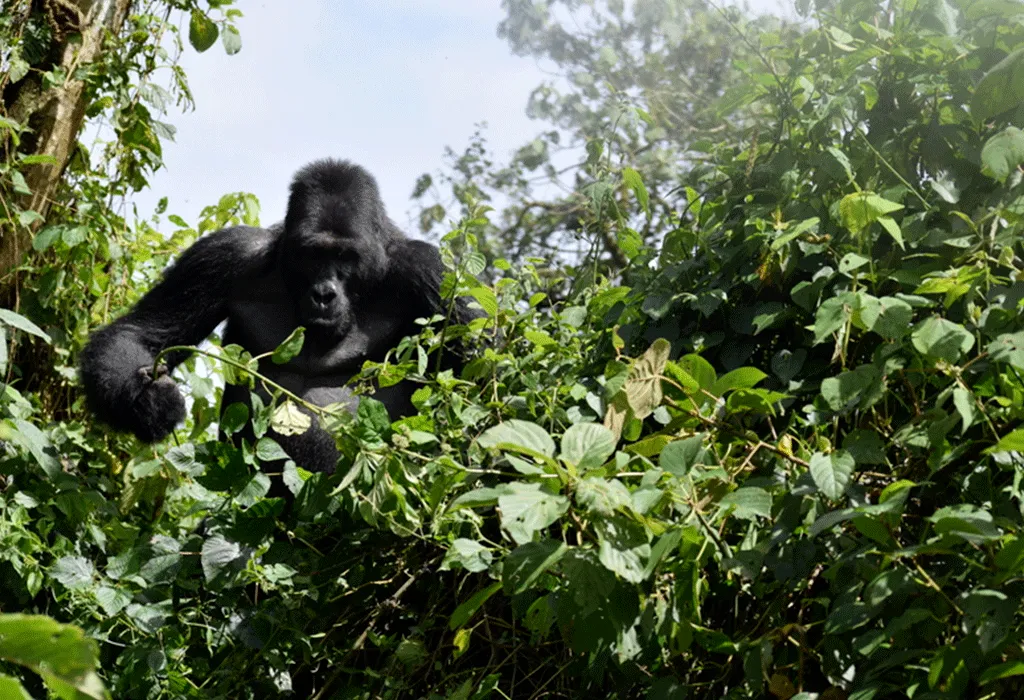
Mountain gorillas and Grauer’s gorillas belong to the eastern gorilla species, yet their ecology and appearance differ. Mountain gorillas are famously robust and heavily furred for cooler high-altitude habitat; Grauer’s gorillas inhabit different forest zones and are often described as having a more elongated build. Individual gorillas vary substantially, so simplistic size comparisons are less informative than understanding their habitat, conservation status, and social structure.
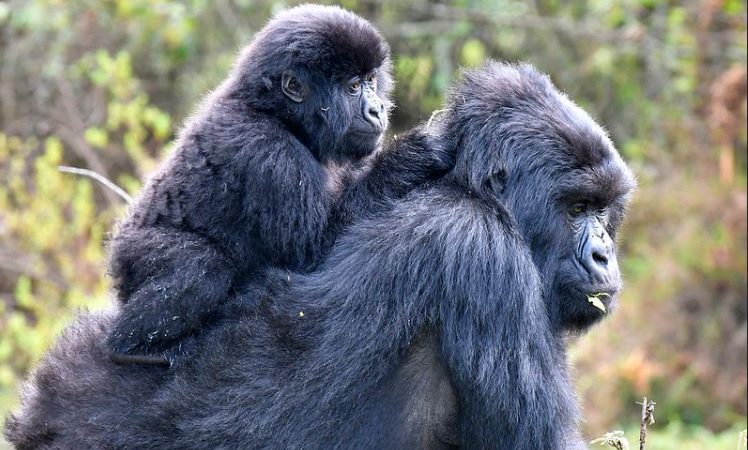
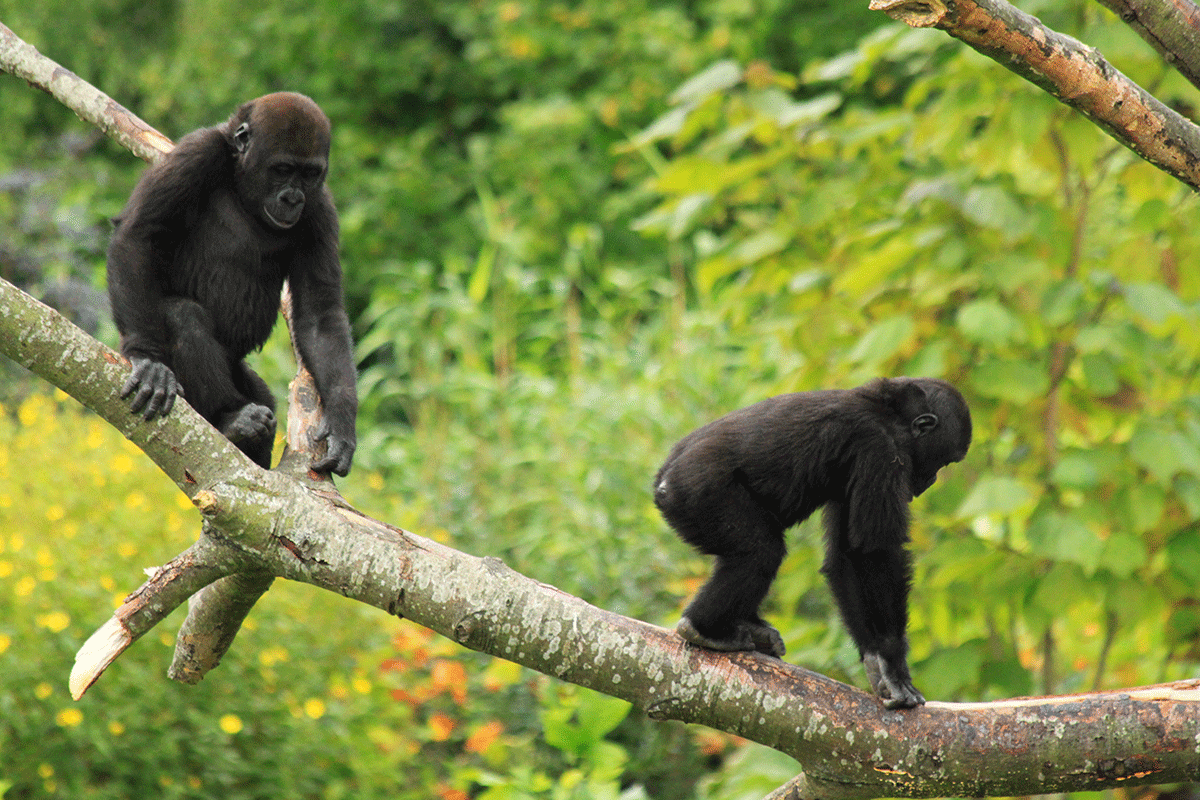
Both types live in family groups that often include a dominant silverback, females, juveniles, and infants. The sight of a youngster playing or an adult calmly foraging is a privileged wildlife encounter, not a performance arranged for visitors. For a richer background, gorilla conservation in Africa places Congo alongside conservation work in Uganda and Rwanda.
Wild gorillas do not follow a clock or remain where a brochure photograph was taken. Sightings depend on trackers, terrain, weather, animal health, and management decisions. You cannot choose a specific gorilla, guarantee a perfect photograph, or demand a close approach. The emphasis should always be on their welfare, including a quiet observation period and a guide’s authority to end the visit.
Is Gorilla Trekking in Congo Open in 2026?
The most important distinction on this page is between historical tourism descriptions and current verified operation. Virunga’s tourism website, checked for this article in November 2026, states that gorilla and Nyiragongo treks are closed until further notice. There is no published reopening date to rely on. A travel page offering a fixed departure or immediate Virunga gorilla permit booking should therefore be viewed with caution until the park itself confirms a change.
Kahuzi-Biega’s website continues to describe gorilla visitor procedures and its habituated groups. That material documents the park’s conservation and visitor framework; it is not proof that tourist access from Bukavu is currently safe or straightforward. South Kivu remains within the FCDO all-travel warning, and other governments have issued serious eastern DRC advisories as well.
A responsible tour planner should be willing to give written confirmation of which park service is operating, who issues the permit, whether roads and borders are functioning, what insurance covers, and what happens if conditions deteriorate. Without satisfactory answers, the trip should not proceed. The existing gorilla trekking in Congo right now article may describe older circumstances; current primary sources must always override older pages.
Gorilla Trekking in Congo Permits and Price Questions
Congo gorilla trekking permits are park-specific and subject to current operation, rather than a universal product. Every legitimate trek requires a park-authorized permit, but there is no single reliable “Congo gorilla permit” rate for every park or season. Historic promotional pages often advertise a low fixed price without stating when the fee applied or whether the trek is operational. Search results may quote figures for Virunga that are no longer useful while the official closure remains in force.
For Kahuzi-Biega, older gorilla permit cost guides mention rates such as US$400. Treat that as historical context, not a confirmed 2026 charge. Before making any payment, request a dated, itemized quotation directly supported by current park documentation. Clarify whether the amount is for a permit alone or a package including transport, lodging, escort, and taxes.
When comparing offers for a Congo gorilla safari, ask for the permit issuing authority, a written cancellation policy, and proof the recipient has a legitimate connection to the park. Never pay an unknown personal account merely because a representative promises limited availability. Do not confuse a provisional inquiry or an “application” with an issued permit.
How Gorilla Trekking Historically Worked
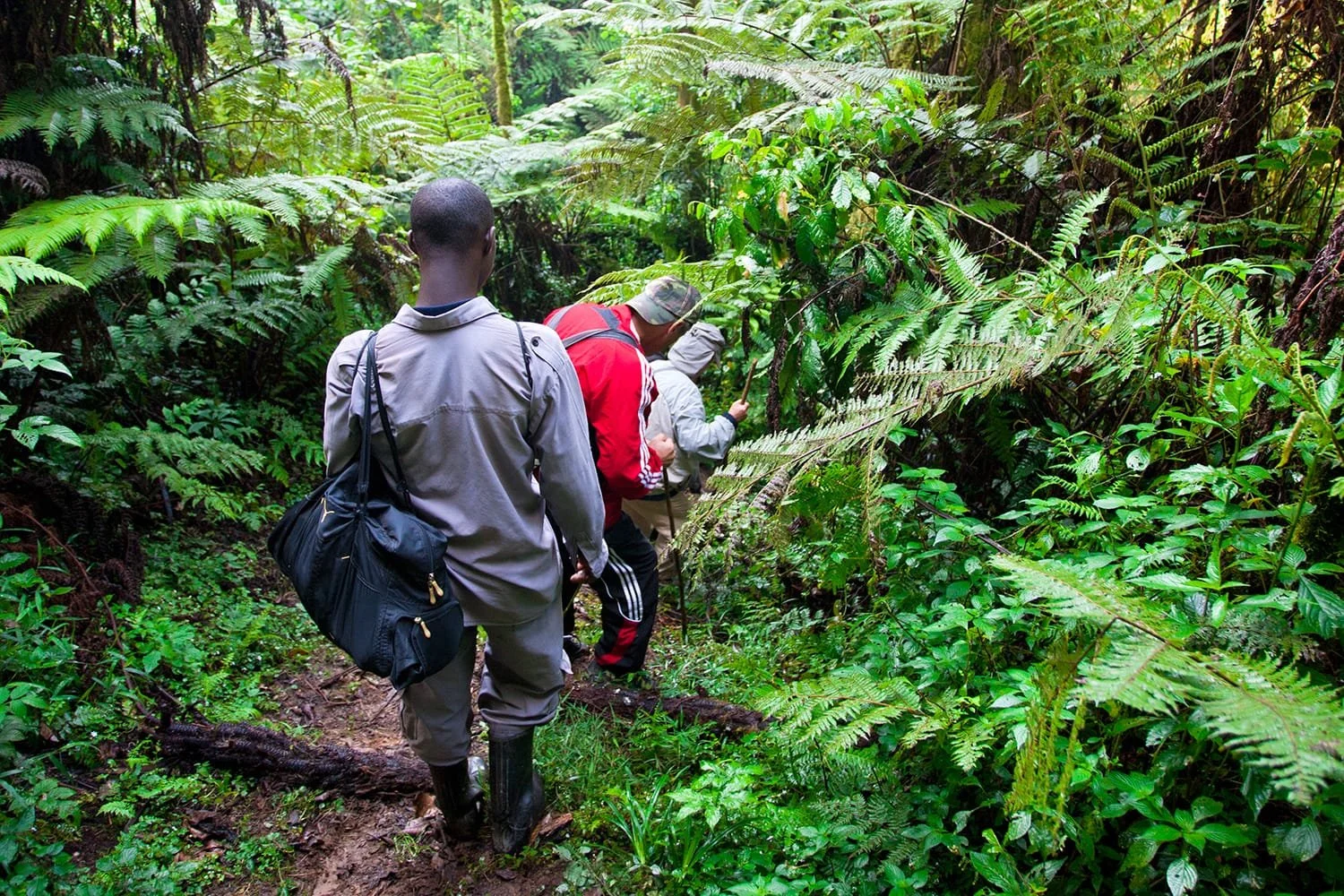
The classic format began with an early morning arrival at a park briefing point. Rangers explained the group assignment, basic field rules, the approximate difficulty, and what to do if a gorilla approached. Trackers then located signs such as feeding remains, nests, or movement patterns while visitors followed on designated paths or guided forest routes.
In Virunga, published park information describes hikes that could take several hours depending on the group’s location. The gorilla group trekking in Congo experience was physically variable; a short trek on one day did not predict an easy outing the next. In Kahuzi-Biega, visitors traditionally met at the Tshivanga visitor center, where staff provided a briefing before entering the forest.
Once gorillas were located, viewing time was limited to protect them and reduce stress. The focus was quiet observation with minimal movement. A guide might reposition people, prevent approach, or end a visit if the animals showed signs of disturbance. These descriptions explain the nature of the experience, not an itinerary currently available for booking in either eastern DRC park.
Safety Comes Before a Gorilla Encounter
North Kivu and South Kivu are subject to serious official warnings due to conflict, armed groups, unpredictable checkpoints, kidnapping risk, disrupted communications, and restrictions on transport. The UK FCDO currently advises against all travel to both provinces. Travel insurance may be invalidated when travel goes against official advice; the exact effect depends on the policy. A ranger-led excursion, even where a protected area has professional staff, does not eliminate risks beyond the park gate.
The challenge is wider than the forest itself. Airports, transfer roads, border procedures, and emergency evacuation arrangements can change without warning. Past articles about border crossings for gorilla trekking are not substitutes for up-to-date advice from authorities. Never infer that a border is open because a map shows a road or an older itinerary lists a transfer time.
Travelers should consult their own government, potential insurers, the park authority, and reputable regional specialists independently. If official advice says not to travel, the prudent action is to postpone a Congo trek or choose a different gorilla destination. No blog can certify an eastern DRC journey safe, and this article does not attempt to do so.

Getting There: Why Older Routes Need Rechecking
Many traditional itineraries began in Kigali, Rwanda, followed by a road trip to Gisenyi and a crossing near Goma. Kahuzi-Biega itineraries often involved travel toward Bukavu. You will still see these routes in older pages about gorilla trekking from Kigali to Congo, but an advertised journey time is not evidence that a crossing is passable today.
The current travel advisory reports disruptions affecting the Goma and Bukavu areas and says border crossings may close at short notice. Air services into these cities have also been affected. Never plan a same-day international connection that depends on a volatile border, and never assume an operator can obtain permissions at the frontier when the situation changes.
Anyone researching how to get to Kahuzi-Biega should treat historic driving instructions as geographical background only. The real planning requirements are verified access authorization, reliable communication, a contingency route, insurance coverage, and a decision about whether travel is appropriate at all. When these cannot be established, change the destination instead of improvising.
When Is the Best Season for Congo Gorilla Habitats?
Eastern Congo’s highland and rainforest environments can be wet throughout the year, with periods that are relatively drier and others that bring prolonged rainfall. Older travel information commonly highlights June to September and December to February as useful windows for trekking conditions. These seasonal patterns are general, not precise forecasts or promises of dry trails.
Even in a comparatively dry month, muddy sections, slippery roots, mist, and sudden showers are normal possibilities. The practical best time to visit Kahuzi-Biega cannot be separated from current accessibility. A month with historically favorable weather is not a recommended travel window when authorities advise against entering the province.
For travelers deciding between countries, seasonal factors in Uganda and Rwanda can be compared more meaningfully after confirmed park access and permits. Rather than selecting dates solely from rainfall charts, choose when a legitimate gorilla experience can be arranged with transparent costs, appropriate lodging, and a responsible local guide.
What to Pack for a Rainforest Gorilla Trek
If Congo tourism resumes in a verifiably suitable context, packing will look much like preparation for guided gorilla trekking elsewhere. Supportive waterproof walking boots are more useful than fashionable hiking shoes on wet slopes. Long trousers, long sleeves, high socks, a lightweight rain jacket, and gardening-style gloves can help with stinging plants and branches. Breathable layers work better than a single heavy garment because forests can feel warm during exertion and cool when standing still.
Carry drinking water, snacks where the park allows them, a protective dry bag for documents, necessary prescription medicine, insect repellent, and a compact first-aid kit. Camera gear should be simple and weather-resistant. Flash photography is not permitted near the gorillas, and the guide may restrict shooting positions to protect wildlife.
A trekking pole and a porter may be valuable on rough terrain, depending on park rules and the visitor’s fitness. Forest hygiene matters as much as equipment: do not trek while ill, follow the park’s mask rules, and carry all litter out. Serious conservation travel is built around restraint and preparation rather than luxury accessories.
Fitness, Age Limits, and Gorilla Etiquette
Gorilla trekking is not competitive hiking, but participants should be ready for uneven ground, roots, inclines, and sections with poor footing. Fitness helps, yet group assignment, local conditions, and animal movements create wide variation. Explain mobility needs honestly before committing to any permit; do not rely on a vendor’s claim that every trek is easy or suitable for everyone.
Park materials for both Virunga and Kahuzi-Biega have historically specified a minimum age of fifteen for gorilla trekking. Always recheck current rules with the park authority before planning a family trip. Visitors showing signs of respiratory illness or other infectious symptoms may be refused entry because gorillas are vulnerable to human disease.
Maintain the distance set by guides, keep your voice down, never touch or feed gorillas, and do not use flash. Avoid sudden gestures if an animal moves closer. The official Kahuzi-Biega gorilla tracking information emphasizes masks, visitor health, and ranger authority. Those measures protect both the apes and visitors.
Photography Tips That Respect Wild Gorillas
Good gorilla photography begins before the encounter. Practice adjusting exposure and focusing in low light, carry a rain cover, and use a lens that lets you photograph animals without approaching them. Dense forest creates mixed light and cluttered backgrounds, so patience and careful framing often matter more than expensive equipment.
The most memorable pictures capture relationships: an adult resting beside an infant, a youngster exploring, or a silverback pausing in the vegetation. A silverback photography experience is best approached as an opportunity to document natural behavior rather than to direct wildlife or seek a dramatic confrontation. Never clear branches, block escape routes, or position yourself ahead of the guide.
Choose quiet camera settings where possible and respect instructions about tripods, drones, and flashes. It is also worth putting the camera down for a moment. Observing a gorilla family without a screen between you and the forest can be the most enduring part of a responsible encounter.
Where Travelers Traditionally Stayed
Historically, Congo gorilla itineraries used accommodation around Goma for Virunga and around Bukavu for Kahuzi-Biega. Some travelers booked upscale lodges, while others used modest hotels before early departures. Those patterns describe past tourism infrastructure; they are not a statement that any particular property currently operates or is safely accessible.
The right Kahuzi-Biega accommodation choice depends on a functioning park program, viable transfer routes, and the availability of reputable transport—not merely a short distance on a map. Verify a lodge’s current opening status and access arrangements independently before considering a reservation. Search-platform listings may remain visible long after conditions change.
If the purpose of your trip is to enjoy gorillas with a comfortable base, accommodation in Uganda or Rwanda may currently provide a more workable planning framework. In either case, choose lodging near the correct trekking briefing sector, allow time for transfers, and make sure cancellation terms cover changes to permits or transport arrangements.
Sample Historic Three-Day Congo Gorilla Itinerary
An older three-day structure usually looked like this: day one for international arrival or cross-border transfer and accommodation; day two for the ranger briefing, gorilla trek, and recovery time; and day three for the return journey. Examples of a three-day Congo gorilla tour and a three-day Kahuzi-Biega program remain useful for understanding the time historically allocated.
This is an illustration of a once-marketed tour shape, not a current trip recommendation or a departure available in November 2026. The international border routes, local roads, park operations, and insurance assumptions underlying such an itinerary cannot safely be presumed. Even when travel eventually resumes, a fixed three-day schedule may leave little margin for weather, travel disruptions, or medical needs.
For contemporary planning, preserve the principle rather than the route: allow an arrival day, a day dedicated to an authorized wildlife activity, and a departure day with adequate contingency time. Use a confirmed Uganda or Rwanda trekking destination if you wish to plan a realistic gorilla-focused short break now.
A Longer Congo Safari: What Old Packages Included
Longer historical Congo safari holidays combined gorillas with forest walks, conservation visits, wildlife viewing, and occasionally volcano activities. Some programs paired Virunga with Nyiragongo, while others included eastern lowland gorillas in Kahuzi-Biega. These combinations gave travelers a broader sense of Congo’s extraordinary landscapes and biodiversity, but they also relied on multiple vulnerable transport links.
A Nyiragongo gorilla trekking itinerary should never be sold as currently feasible while Virunga publicly lists both gorilla and volcano treks as closed. The fact that an old product page includes a price, day-by-day route, or photograph does not turn it into an operational offering. Neither should a traveler assume that a conservation-focused visit guarantees access to a restricted area.
If broader rainforest and primate conservation interests motivate you, consider keeping Congo on a future travel list, supporting established conservation initiatives from a distance, and planning a present-day wildlife trip where official services and responsible operators can confirm real access.
Better Current Alternatives: Uganda and Rwanda
Uganda offers mountain gorilla trekking in Bwindi Impenetrable National Park and Mgahinga Gorilla National Park, while Rwanda offers it in Volcanoes National Park. These destinations have established park-managed visitor systems, though they still require valid permits, safety checks, and careful planning. A gorilla trekking experience in Rwanda may suit a shorter itinerary centered on Kigali and Musanze. Uganda often suits travelers who also want forest birding, chimpanzees, or a broader national park circuit.
In Uganda, travelers can compare gorilla trekking in Rushaga Sector with other Bwindi sectors before selecting lodges. A separate booking Bwindi gorilla permits guide helps explain why the trekking sector should be confirmed before choosing accommodation. These practical details remain relevant regardless of whether the original dream was to visit Congo.
The right substitution depends on time, budget, fitness, and whether your priority is the species encounter or a particular destination. Congo’s Grauer’s gorillas cannot be replaced by a mountain gorilla trek elsewhere, but visitors primarily seeking a responsible encounter with wild mountain gorillas have established alternative countries to investigate.
How to Compare Permit Costs Without Being Misled
The lowest advertised price is rarely the full cost of a gorilla journey. A valid comparison includes the permit, park or conservation charges, accommodation, guide services, ground transport, meals, visas, porter fees, and realistic cancellation conditions. It should also account for the risk of losing prepayments when transport or park services become unavailable.
For Uganda or Rwanda, obtain contemporary quotations from operators who specify the park, dates, permit category, and inclusion of transfer arrangements. General gorilla permits advice can help travelers interpret the structure of a quotation, but a published blog price may lag behind current tariffs. Ask operators to state whether a permit is being held, confirmed, or simply requested.
Price differences become meaningful only once access and safety are acceptable. A supposed low-cost Congo permit is not an attractive bargain if trekking is closed or official advisories prohibit travel. Build the comparison around reliable service and conservation responsibilities, not just a number in a promotional banner.
Conservation and Communities: Why Gorilla Tourism Matters
Gorilla habitats face pressures from conflict, disease, human settlement, illegal resource use, and habitat disturbance. Responsible conservation involves protected-area staff, researchers, local communities, and sustained funding over many years. Tourism can contribute when it operates under credible conservation standards and when benefits reach those working to protect the animals and surrounding landscape.
Virunga’s rangers and Kahuzi-Biega’s trackers carry out difficult work that continues to matter even when tourists cannot visit. A gorilla conservation overview is a useful reminder that the animals are not simply attractions on an itinerary. Their welfare and the security of the people responsible for them come first.
Visitors can support reputable conservation efforts, resist wildlife-photo experiences that encourage unsafe proximity, and avoid sharing sensitive real-time locations of endangered animals. When tourism is disrupted, pressuring local staff to ignore closure notices does nothing to help conservation. Patient, informed travel planning is itself a form of respect for the protected area.
Planning Checklist Before Any Future Congo Trip
Start with the authoritative park website rather than a third-party itinerary. Ask whether the specific activity is operating, whether an official permit can be issued, and what the park advises about the proposed access route. Independently examine your government’s travel advice and your insurer’s wording. If either makes the journey inappropriate, postpone it.
Next, establish the exact country, province, park, and gorilla subspecies involved. Check passport validity, visa requirements, public-health guidance, and the feasibility of transfers. Historically, the DRC has required yellow fever vaccination documentation for many arrivals; obtain up-to-date entry advice from the relevant diplomatic authority instead of relying on an older blog or a tour sales page.
Ask for an itemized quote with a named provider and a written policy for park closures, border disruption, medical inability to trek, and operator cancellation. Avoid cash transfers to private accounts. A reputable specialist should be willing to say that the traveling to Congo for a gorilla safari proposal is not appropriate under present conditions.
Frequently Asked Questions About Gorilla Trekking in Congo
Can you trek gorillas in Virunga right now? Virunga’s official tourism site says its gorilla and Nyiragongo treks are closed until further notice as checked in November 2026. No reopening date has been established in the source used here. A legacy trip listing should not be interpreted as confirmed availability.
Can you see eastern lowland gorillas in Congo? Kahuzi-Biega is known for Grauer’s gorillas and maintains information about habituated groups and visitor rules. However, South Kivu is under an official all-travel warning. A published park description does not mean visitors should attempt travel now.
Is Congo cheaper than Rwanda or Uganda? Older advertisements sometimes show lower Congo permit prices, but those figures may be obsolete and irrelevant during closures. Compare confirmed contemporary permits and complete trip costs only where the journey is suitable and operational.
How long does the encounter last? Official Kahuzi-Biega visitor information describes a maximum of one hour with gorillas. The walking time varies with forest conditions and the group’s location. Actual rules should always be confirmed with the responsible park authority.
What if my trip is already booked? Contact the operator and insurer promptly, request the official park-operation status in writing, review cancellation terms, and follow government advice. Do not assume an operator’s verbal assurance overrides a closure or security warning.
Is it the same as the Republic of the Congo? No. The DRC is a different country. Western lowland gorilla tourism in parts of the Republic of the Congo follows different geography, rules, and access conditions. Make certain the park and country on your travel documents match your intended destination.
Final Advice: Put Gorilla Welfare and Personal Safety First
Gorilla Trekking in Congo remains an important subject because the DRC safeguards irreplaceable populations of mountain and Grauer’s gorillas. Its forests and conservation teams deserve sustained international attention. But awe for the animals should not be confused with an assurance that tourists can safely visit their habitat at any given time.
Today the decisive facts are Virunga’s published trekking closure and the official warnings against travel to North and South Kivu. These limits should shape every inquiry, itinerary, and booking discussion. Where a safe, authorized trip cannot be established, postpone the Congo plan rather than attempting a risky workaround.
If your goal is to encounter wild mountain gorillas sooner, consider a carefully arranged visit in Uganda or Rwanda. If your goal is specifically to learn about Grauer’s gorillas, explore reputable conservation information and revisit Congo travel possibilities only when independent safety and park-operating conditions have materially improved.