Gombe vs Mahale Chimpanzees Experience
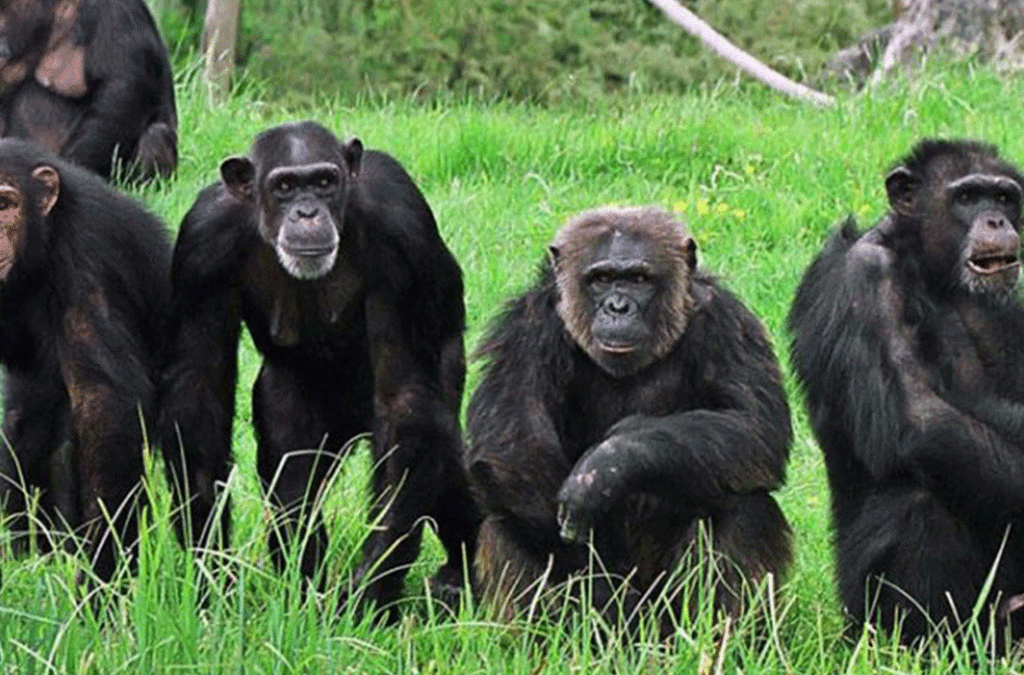
Gombe vs Mahale Chimpanzees Experience gives travelers a thrilling choice in Tanzania. Both Gombe Stream and Mahale Mountains national parks sit along the shores of Lake Tanganyika. Each park lets you watch wild chimpanzees up close in their natural home. However, the two parks feel very different. Gombe suits travelers on a tighter schedule or budget. Mahale pulls in adventurers who want deep wilderness and total solitude. Knowing what sets these parks apart helps you pick the right one.
How to Get There
Getting to each park takes a different level of effort. This is the first big difference you will notice.
Gombe Stream National Park sits about 16 kilometers north of Kigoma town. Kigoma is the main gateway to both parks. From there, you take a boat ride across Lake Tanganyika. The ride takes one to three hours, depending on the boat you choose. Budget travelers can even hop on a public lake taxi. Locals use these boats daily to move between villages. This adds a fun cultural touch to your trip. Because the journey is short, you can fit Gombe into a wider Tanzania itinerary without losing too many days.
Mahale Mountains National Park, on the other hand, sits about 120 kilometers south of Kigoma. Getting there takes much more effort. You can choose a long boat ride of six to eight hours across the lake. Alternatively, you can take a charter flight, which cuts the travel time sharply. However, the charter flight costs a lot more. Because of its remote location, Mahale becomes the main focus of your trip. You cannot simply add it as a quick side stop. Careful planning is essential before you head there.
The Feeling at Each Park at Gombe vs. the Mahale Chimpanzees Experience
The atmosphere at Gombe and Mahale differs greatly. Each park has its own distinct personality.
Gombe carries a rich scientific history. Dr. Jane Goodall launched her landmark research here in 1960 and changed how the world understands chimpanzee behavior. Walking those same forest paths feels deeply meaningful. Guides often point out spots where Goodall made her most important discoveries. This historical backdrop adds real depth to your visit. You feel like part of a long tradition of discovery. If you enjoy science, conservation, or Goodall’s story, Gombe will move you.
The park covers just 52 square kilometers. That small size makes it easy to navigate, and you stay close to the lake shore throughout your visit. This gives you a comfortable sense of where you are at all times.
Mahale, by contrast, offers pure wild adventure. The park stretches across about 1,650 square kilometers of untouched forest. The Mahale Mountains rise steeply from the lake, creating a jaw-dropping backdrop. Here, the experience centers on full immersion in nature. The forest itself takes center stage, with no research stations or historical landmarks to anchor your thoughts.
Mahale also hosts far more chimpanzees — around 800 individuals compared to roughly 100 at Gombe. Tracking them through dense forest feels like a true expedition. Fewer visitors make the journey, so your small group may find itself completely alone for kilometers around. That level of solitude is rare, powerful, and often life-changing.
Budget and Costs
Money plays a big role in your choice. The two parks differ sharply in cost.
Gombe is the more affordable option by a wide margin. The short boat ride from Kigoma keeps transport costs low. Public lake taxis make the journey even cheaper. Accommodation near Gombe includes budget bandas as well as mid-range lodges. Although park fees are similar at both locations, the shorter stay and lower logistics costs keep your total spending manageable. Because of this, Gombe works well for backpackers, student researchers, and families who want to see chimpanzees without spending a fortune.
Mahale demands a much larger investment. The remote location means you either pay for a long private boat charter or an expensive charter flight. Accommodation options are limited and mostly high-end. These exclusive camps charge premium rates because of the difficulty of supplying them. You also need more days to reach Mahale and explore it properly, which adds up in accommodation and guide fees. There are no budget alternatives at Mahale. Most visitors who go there have set aside a serious chunk of their travel budget for the experience. They treat it as the highlight of their whole Tanzania trip.
Landscapes and Natural Beauty while at Gombe vs. the Mahale Chimpanzees Experience
Both parks look stunning, but the scale and character of each setting differ significantly.
Gombe blends forested valleys, steep hillsides, and beautiful lake views. Within a short walk, you can move through several different habitats. In between treks, the beaches along the shore give you a peaceful place to rest. Overall, the park feels tidy and contained, which suits travelers who like a clear sense of their surroundings.
Mahale, however, operates on a completely different scale. The mountains climb above 2,400 meters and dramatically loom over the lake. Moreover, ancient trees, clear streams, and dense forests stretch in every direction. As a result, the beaches at Mahale rank among the most beautiful in all of Africa. White sand meets crystal-clear water against a backdrop of forested peaks. Furthermore, photographers and nature lovers find the compositions here endlessly rewarding. Ultimately, the sense of ecological wholeness at Mahale is something that smaller parks simply cannot replicate.
Activities and Length of Stay
The type of activities and the ideal length of stay also vary between the two parks.
Gombe offers a well-rounded mix of things to do. Birdwatchers can spot over 200 species within the park. The lake offers excellent snorkeling in clear, shallow water. Hiking trails lead to waterfalls and high viewpoints with sweeping views. This variety makes Gombe ideal for shorter stays of two to three days. You can see and do a lot without feeling rushed. The compact layout helps you make the most of your time efficiently.
Mahale focuses mainly on chimpanzee trekking, though the vast wilderness certainly invites exploration. Because the journey to get there takes so long, most visitors plan to stay four to seven days. This longer stay justifies the effort and cost of the trip. It also increases your chances of deep, meaningful wildlife encounters. Over time, you adjust to the slower rhythm of the forest. Many visitors say this shift in pace is one of the most valuable parts of the experience.
Which Park Is Right for You? Gombe vs Mahale Chimpanzees Experience
There is no single right answer. The best choice depends entirely on your priorities.
Choose Gombe if you have limited time or a tight budget. An educational experience tied to conservation history also makes it a strong fit. The shorter journey and mix of activities suit travelers who want variety without too much effort. Two to three days is enough to get a rich, fulfilling visit.
Mahale, on the other hand, rewards those who want remote wilderness and total immersion in nature. The experience demands more time and money, but it delivers something deeper in return. Solitude, pristine landscapes, and a true sense of adventure make every extra dollar and day worthwhile.
. Plan for at least four to seven days to make the journey worthwhile.
Both parks deliver unforgettable encounters with chimpanzees, our closest living relatives. Gombe does it with history and accessibility. Mahale does it with raw wilderness and awe-inspiring scale. Either way, you will leave Lake Tanganyika with memories that last a lifetime.