Golden Monkey Trekking: 7 Amazing Ultimate Tips

Golden Monkey Trekking: Uganda & Rwanda Travel Guide
Golden Monkey Trekking is one of the Virunga Mountains’ most distinctive primate experiences. This guide compares Mgahinga in Uganda with Volcanoes National Park in Rwanda and helps you plan a responsible, rewarding forest walk.
Golden Monkey Trekking: What Makes This Encounter Special?
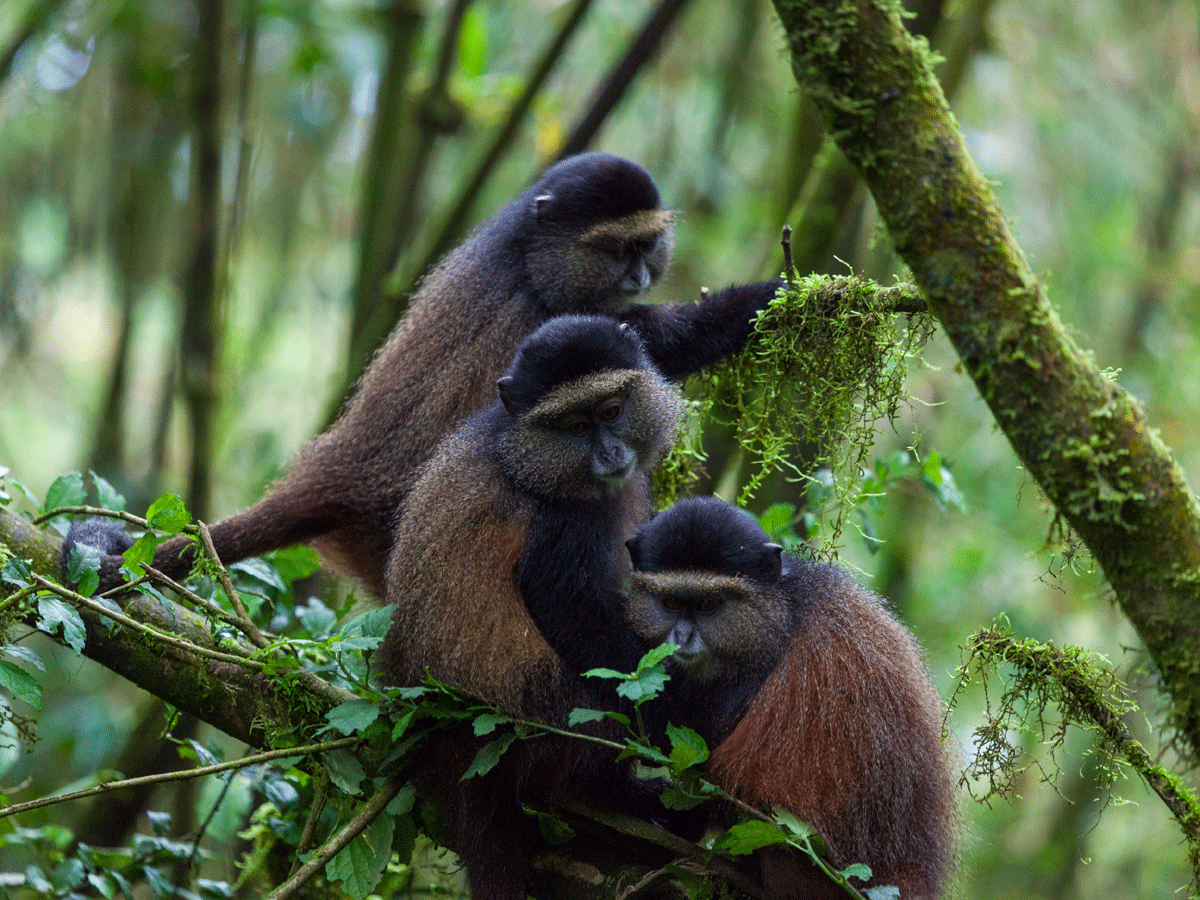
Golden Monkey Trekking brings travelers into the high bamboo forests of the Virunga Mountains, where fast-moving troops forage, call, climb, and jump between branches. Their distinctive gold-orange faces and backs make them easy to recognize once a guide identifies a troop. Unlike a zoo visit, you follow trained park staff through mountain vegetation and observe animals behaving freely in their natural habitat. The walk can feel intimate, but it is still a genuine forest excursion with changeable conditions, uneven footing, and no promise of a perfectly clear photograph. That combination of active exploration and unhurried observation makes the experience memorable for wildlife lovers.
The animals are an endangered subspecies of the blue monkey, commonly named the golden monkey, and their range is associated with the Virunga region. They feed on bamboo, new leaves, fruit, and small invertebrates. Groups can be surprisingly noisy and energetic: a bright flash of fur may disappear behind several stems before the next monkey emerges nearby. The best golden monkey experience is therefore about paying attention to the behavior of the whole troop rather than waiting for one animal to pose. Guides can explain feeding patterns, social relationships, and the conservation pressures surrounding protected mountain forest.

Golden Monkey Trekking works as a stand-alone morning activity or as an addition to a gorilla safari. It suits visitors interested in conservation, photography, birding, and quieter primate encounters. Gorilla tracking often commands the most attention, yet these smaller primates offer a very different pace and an opportunity to appreciate the forest ecosystem beyond its most famous residents. Travelers with limited days can prioritize a single trek and still learn a great deal; those staying longer can add another forest activity without turning the holiday into an exhausting sequence of predawn departures.
This guide compares the two principal visitor bases, explains how the trek unfolds, sets out the difference between ordinary tracking and golden monkey habituation, and covers permits, seasons, packing, trip planning, photography, and responsible behavior. Prices and procedures are particularly important to check before travel. Wildlife authority tariffs sometimes change, and advertised tour prices do not always contain the same park fees or transfers. Treat any rate quoted here as a reference point and ask for a current itemized quotation before paying.
Where Can You Go Golden Monkey Trekking?
Golden Monkey Trekking in Uganda and Rwanda: Two Practical Choices
The two best-established destinations for tracking golden monkeys are Mgahinga Gorilla National Park in southwestern Uganda and Volcanoes National Park in northwestern Rwanda. Both protect sections of the larger Virunga mountain landscape, but the logistics differ. Uganda works especially well if you already plan to visit Kisoro, Bwindi, or Lake Mutanda. Rwanda works well if you are flying into Kigali and want a compact holiday based around Musanze and the Volcanoes area. Each park sells its own permits, operates under its own conservation authority, and may have different visitor rules and group arrangements.
In Uganda, Golden monkey trekking in Uganda takes place at Mgahinga Gorilla National Park, near Kisoro. Mountain slopes, bamboo vegetation, and dramatic volcanic scenery characterize the area. The park is relatively small, but its altitude and trails should not be underestimated. You reach the appropriate park briefing point early and walk with authorized staff. Lodges in Kisoro and the surrounding countryside offer useful bases, although driving times depend on actual road conditions and the chosen property. Plan transfers carefully instead of assuming every lodge advertised as close to Mgahinga sits beside the entrance.
In Rwanda, Golden monkey trekking in Rwanda is centered on Volcanoes National Park, with travelers commonly staying around Musanze or Kinigi. The official Rwanda Development Board booking system describes a morning reporting time at 7 a.m. for the activity. The proximity to Kigali makes a two- or three-day trip comparatively straightforward, particularly for visitors arriving on international flights. Rwanda also provides attractive combinations with scenic lakes, cultural experiences, and additional hikes, although these should be arranged around the trekking morning rather than rushed into the same short window.
Which country is better? Neither is automatically superior. Compare your entry airport, itinerary length, budget, accommodation style, and any accompanying gorilla trek. Uganda may fit an adventurous, multi-park journey; Rwanda often suits a shorter, simpler route. For either destination, ask your operator which entry point you will use, whether permits have been secured, and how much time has been allowed for the return drive. Your choice should be based on a realistic itinerary, not simply on a difference between headline permit figures.
Golden Monkey Trekking in Uganda: Mgahinga and Kisoro
Golden monkey trekking in Uganda reveals a remarkable mountain setting. Mgahinga lies among the Virunga volcanoes, and its bamboo-rich habitat attracts the primates that travelers come to see. Guides understand where the habituated groups have recently been feeding, but animals remain free-ranging. Their movements, weather, visibility, and the pace of your group all affect the morning. Visitors who enjoy a little uncertainty usually appreciate the experience more than those who expect a fixed circuit with wildlife visible at every turn.
The golden monkey trekking in Mgahinga Gorilla National Park experience begins with the usual pre-walk briefing, where staff discuss safety, route conditions, and rules for viewing wildlife. Once the group enters the forest, the terrain may include muddy patches, wet grasses, bamboo stems, and sloping ground. You do not need specialist climbing equipment, but footwear with a confident grip is essential. A walking stick can help on slippery sections, and carrying less luggage makes it easier to follow the guide without fatigue. Guides may adjust the outing to circumstances on the day.

Mgahinga golden monkeys are especially appealing to photographers because their contrasting orange and dark fur stands out against green bamboo. That does not mean they are easy subjects. Individuals can move quickly in dim light, leap behind leaves, or gather overhead. Bring a camera you can operate comfortably and avoid changing lenses in a damp forest. A patient observer will often find that watching several individuals interact tells a more interesting story than repeatedly chasing a close-up image of one monkey.
Travelers considering a longer visit can explore activities in Mgahinga Gorilla National Park, including guided nature walks and selected volcano hikes where suitable. If you want a second primate encounter, gorilla trekking in Mgahinga is a separate, more expensive activity requiring its own booking. Avoid assuming a golden monkey permit provides access to gorilla tracking. The two products differ in price, physical expectations, permit availability, and the kind of wildlife viewing involved.
Get a realistic itinerary and an itemized quote for your preferred trekking dates.
Golden Monkey Trekking in Rwanda: Volcanoes National Park
Golden monkey trekking in Rwanda combines accessible mountain scenery with a well-established visitor operation. Many guests sleep near Musanze, arrive at the relevant meeting point early, and join a guide-led outing into the park’s bamboo zones. The landscape is beautiful even before any monkeys appear: vegetation changes with elevation, volcano slopes frame the horizon, and damp morning air brings an unmistakable highland atmosphere. Arriving rested is better than scheduling a late-night transfer from another distant destination immediately beforehand.
For people interested in the golden monkey tracking in Volcanoes National Park experience, the Rwanda Development Board currently lists a standard foreign visitor permit at US$100, a minimum age of 12, and a 7 a.m. reporting time. Other rates exist for certain residents, citizens, and qualifying visitors. The categories are not interchangeable. Bring the identification that supports your booking and confirm how your operator will handle the park arrival, permit documentation, and transport to the actual starting point. An online permit alone does not replace the morning check-in procedure.

Volcanoes National Park golden monkeys typically use areas with bamboo and other forest vegetation. Guides locate suitable viewing areas with attention to the troop’s movement and visitor safety. The monkeys are naturally lively, so the group may spend part of the encounter watching movement in the canopy rather than enjoying uninterrupted eye-level views. Good expectations matter. The mountain experience is rewarding even when photography is difficult, particularly if you listen to the guides’ explanations and take time to recognize calls, feeding behavior, and changes in the troop’s activity.
You can combine the morning with other attractions and activities in Volcanoes National Park on different days. A separate gorilla trekking in Rwanda permit enables the iconic mountain gorilla experience, while other options include selected nature and cultural activities. Because gorilla and golden monkey treks both generally involve early starts, most visitors enjoy them more as two mornings than as an overly ambitious double booking. If your route permits only one park day, select the priority encounter well before arrival and protect that date in the itinerary.
Golden Monkey Trekking Permits, Prices, and Booking
Permits pay for regulated access to a sensitive wildlife habitat and help control the number of people visiting habituated groups. That is why golden monkey trekking permits should be treated as a core planning item, not a last-minute optional expense. Always tell your operator the exact date, nationality or residency category, number of travelers, and ages before a booking is requested. Ask for written confirmation showing the chosen park and activity. A general quotation stating “monkey trekking included” is not enough to establish which permit has been reserved.
Rwanda’s official reservation portal currently shows US$100 for a standard foreign adult visitor and the morning reporting time noted above. Uganda Wildlife Authority’s published tariff lists US$60 for foreign non-resident golden monkey tracking at Mgahinga, along with a separate park-entry charge for this activity. The displayed Uganda tariff was originally labeled for an earlier tariff period and has been updated or extended in later postings, so the exact total should be reconfirmed for your travel month. Do not use an old travel article as final proof of payment obligations.

The published UWA schedule also distinguishes ordinary tracking from the longer golden monkey habituation product. These experiences should not be confused, and an operator should explain what time with the primates is actually included, how the field teams work, and whether the longer option is available on your chosen date. Standard tracking is suitable for most first-time visitors; a more research-oriented experience may appeal to those who want additional context about conservation. Availability, weather, and management decisions can affect both activities.
A good operator checks park availability before requesting full payment and makes refund and rescheduling conditions clear. Ask whether your quote includes entrance fees, permits, guides, vehicle costs, porter services, accommodation, meals, border transfers, and banking charges. An attractive headline price can become much less attractive when those elements are added later. The golden monkey permit booking process is easiest when your chosen tour company provides a clear sequence of reservation, document confirmation, payment, and final travel instructions.
Get a realistic itinerary and an itemized quote for your preferred trekking dates.
What Happens on the Trekking Day?
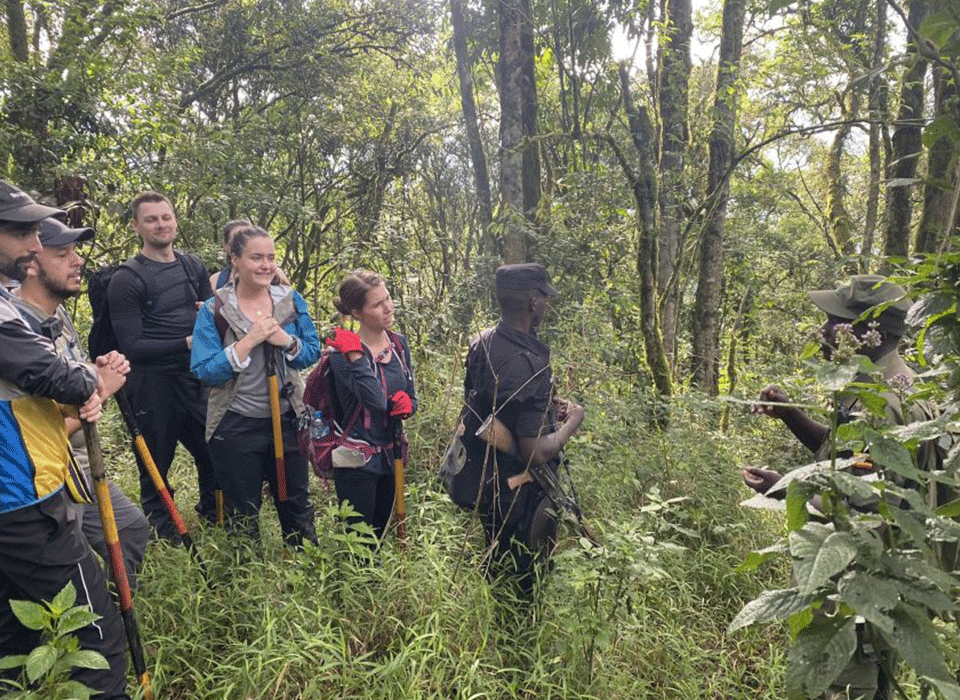
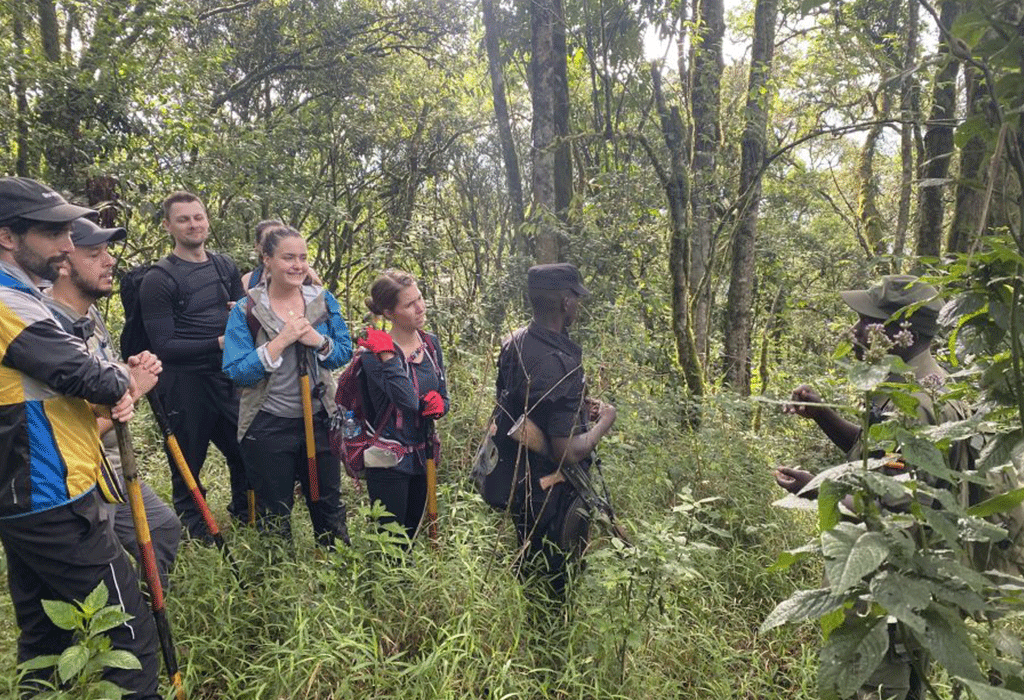
Golden Monkey Trekking normally begins earlier than a typical leisure morning. After breakfast, you travel to the designated meeting point, present your booking documents, listen to instructions, and meet your guide. The starting time and transfer arrangements depend on the country and the visitor center being used. Carry a light daypack with water, a waterproof layer, and any necessary medication. Before entering the forest, ask the guide about the expected route, group pace, and where a vehicle will meet you afterward.
The first part of the walk is often the most revealing introduction to the habitat. Forest edges can be damp and cool, birds call through the vegetation, and the ground may shift between firm track and muddy sections. Golden monkeys may be encountered relatively soon, but their position changes. Nobody can responsibly guarantee a precise walking duration, a fixed distance, or a clear view of every troop member. Budget the morning for the full guided excursion rather than attaching an inflexible appointment immediately afterward.
Once the group reaches the monkeys, follow the guide’s instructions about distance, permitted viewing time, and where to stand. Do not approach individuals to improve a photograph, use flash, feed them, or obstruct an animal’s route. Young monkeys may appear curious, but that is not an invitation to interact. Staying calm helps prevent unnecessary disturbance, and it gives other travelers a chance to observe. If you develop signs of infectious illness before the outing, notify the organizer; primate encounters demand particular care about disease transmission.
The walk back can feel different from the approach because rain, temperature, and fatigue may change quickly. Make room for a dry change of socks and a relaxed lunch at the lodge. An afternoon of rest, light sightseeing, or a short nature activity is often more enjoyable than a strenuous second hike. Travelers seeking a fuller understanding of fieldwork can ask about golden monkey trekking and habituation in Uganda and Rwanda, but the standard outing is already a complete wildlife experience in its own right.
Best Time for Golden Monkey Trekking
Golden Monkey Trekking can be planned during much of the year, but conditions vary. In both Uganda and Rwanda, the commonly favored relatively drier periods are around June through September and December through February. These months often make walking more comfortable, yet rain is possible even during a dry-season visit in mountain forest. Conversely, wetter months do not automatically mean a poor encounter. Fresh vegetation, mist, and dramatic forest scenery can make the landscape especially beautiful, though paths may be slicker and views less predictable.
The best time to visit Mgahinga park depends on what else you intend to do. Travelers combining a volcano hike, gorilla trek, and golden monkeys may place more weight on trail conditions than someone coming for a single guided morning. If you are primarily a photographer, softer cloudy light can flatter golden fur, but persistent rain will make equipment protection important. Families and older visitors may prefer to prioritize the driest practical travel window rather than trying to capture a particular seasonal atmosphere.

Weather forecasts offer guidance but rarely describe the whole mountain. The Mgahinga Gorilla weather and climate can shift between cool mornings, bright midday sun, wind, and sudden showers. Volcanoes National Park has comparable highland variability. Pack for changing conditions rather than a single temperature shown in a city forecast. Waterproof jackets, lightweight layers, and quick-drying trousers are sensible across seasons. A guide or lodge manager can recommend whether the previous day’s rainfall is likely to affect the selected trail.
Booking dates should also reflect permit demand, school holidays, international flight schedules, and the needs of your wider safari. If you hope to combine several primate experiences, book the harder-to-secure permits first and build the remaining days around them. A little flexibility is useful if flights are delayed, but avoid expecting an authority to move a reserved wildlife permit without conditions. Ask about weather-related operational decisions when paying and understand the cancellation rules before your journey begins.
How Difficult Is the Walk and What Should You Pack?
Golden Monkey Trekking is often described as easier than gorilla trekking, but the comparison is only a generalization. Altitude, gradients, weather, and an individual traveler’s fitness change the effort required. People accustomed to walking on uneven ground generally manage better than those who only walk on pavements. If you have concerns about mobility, ask your operator to discuss the outing with park staff before accepting a booking. Avoid promising a guest that the animals will be close to the starting point or that there will be no climbing.
Wear broken-in walking boots or sturdy trail shoes with good tread, comfortable long trousers, a long-sleeved top, and a lightweight waterproof jacket. Gardening-style gloves can be useful when brushing past rough vegetation, though you should avoid grabbing plants unnecessarily. Tuck trousers into gaiters or socks if your guide recommends it, and carry insect repellent, sunscreen, drinking water, and a small snack where allowed. Avoid bright disruptive clothing or heavy luggage. A compact daypack leaves your hands free for balance.
Camera planning deserves just as much attention as footwear. Golden monkeys move quickly through inconsistent light, so a moderate zoom lens, image stabilization, and a sensible shutter speed are more useful than oversized equipment that slows you down. A simple rain sleeve can prevent damage when a shower passes. Turn off flash and silence camera sounds when practical. A phone can produce attractive wider forest photographs, even if a distant monkey appears small in the frame. Always prioritize your footing over a photograph.
For people planning golden monkey trekking in Uganda alongside longer walks, it helps to schedule recovery time between demanding days. Travelers who also want to enjoy the accommodation near Mgahinga Gorilla National Park should check actual transfer times, meal availability for early departures, and whether the property can pack breakfast. An overnight stay near the park reduces the risk of a stressful morning drive. The same principle applies to lodges around Kinigi or Musanze in Rwanda.
Suggested Golden Monkey Trekking Itineraries
A two-day Rwanda trip can begin with a drive from Kigali to the Musanze area, followed by a relaxed afternoon, an overnight stay, and a golden monkey trek the next morning. The return journey can be scheduled after lunch, allowing adequate time for the morning activity. A two-day golden monkey trekking trip in Rwanda works particularly well for travelers who have already spent time in Kigali or want a compact extension. It should not be treated as an excuse to schedule an impossibly early flight connection on the same day as the trek.
For Uganda, a three-day plan may start with arrival in Kisoro, a full morning in Mgahinga, and an unhurried departure on day three. Travelers coming overland from Entebbe need to allow substantially more time for travel than those arriving on a domestic flight or entering from Rwanda with the appropriate border paperwork. Mgahinga golden monkey tracking packages can vary in accommodation category, transport style, and inclusions; choose an itinerary whose road timings are plausible and whose quoted permit category matches your documents.
A four-day plan allows more variety. You could spend one morning with the golden monkeys and another doing gorilla trekking in a suitable Ugandan sector, then use the remaining time for scenic travel and rest. Tour options such as a four-day Uganda gorillas and golden monkey safari are useful examples of the concept, but review where each permit will be used. Bwindi and Mgahinga are not interchangeable trekking locations, and a lodge that suits one can create inconvenient transfer times for the other.
Rwanda travelers with three or four days may prefer golden monkeys on one morning and gorillas on another, adding a relaxed cultural activity or lakeside afternoon if time allows. A golden monkey safari is more enjoyable when its pacing reflects real conditions instead of an ambitious brochure map. Ask for drive times, expected briefing points, daily departure times, and flexibility if the weather changes. Pairing well-chosen experiences is better than crossing a country merely to tick an additional attraction off a list.
Get a realistic itinerary and an itemized quote for your preferred trekking dates.
Combine Golden Monkeys with Gorillas, Lakes and Culture
Both Mgahinga and Volcanoes protect far more than a single charismatic primate. Uganda visitors can combine an excursion with trails, birdwatching, community-led cultural experiences, or a scenic stay near Lake Mutanda. The Lake Mutanda Kisoro Uganda region is a pleasant place to slow down between active mornings, with water views and distant volcano scenery. Boat excursions must be arranged through reputable local providers, and swimming decisions should follow current local health and safety advice. The destination complements a trek without competing with its early start.
In Uganda, visitors often ask how golden monkey tracking compares with a gorilla encounter. Golden monkeys tend to be smaller, quicker, and more active in groups; gorillas offer a quieter, often emotionally powerful encounter with much larger primates. The permits, viewing rules, prices, and age limits differ. Rather than choosing solely by cost, think about your interests and physical comfort. It is perfectly reasonable to select golden monkeys as your central wildlife experience, particularly if you love animal behavior and forest photography.
The nearby volcanic landscape also deserves attention. Guides can discuss the relationships between bamboo forests, altitude, local communities, and wildlife corridors. In Rwanda, some visitors add a museum or community attraction near Musanze; in Uganda, others plan a guided cultural experience around Kisoro. Respectful tourism means booking community activities with providers who clearly explain where fees go and who leads the experience. Avoid treating people or villages as photographic exhibits and always ask before photographing individuals.
Many guests decide on a two-country route because the activities are close in geographical terms. Nevertheless, the international border creates genuine administrative considerations. Check passport validity, entry requirements, visa eligibility, vehicle permissions, and any health documentation rules using the relevant official channels before travel. A Rwanda golden monkey trekking guide can help frame the experience, but official immigration and park information should take precedence over generic itinerary descriptions when dates or rules change.
Golden Monkey Behavior, Conservation and Responsible Travel
Golden monkeys are visually striking, yet their ecological role is equally interesting. Their diet changes with the availability of bamboo and other plant material, and their movements connect them closely to the health of highland vegetation. The Ugandan wildlife authority notes that these monkeys live in troops and use a range of food sources, including shoots, fruits, leaves, and small invertebrates. Visitors may see individuals feeding at different levels of the forest, while a guide helps identify behavior that could otherwise look like random movement between branches.
Conservation is not achieved by tourism alone, but carefully regulated visits can create reasons to protect habitat and fund management. The facts about golden monkeys most worth remembering concern their limited geographic range, their dependence on mountain forest, and the pressure created by habitat loss and human activity. Avoid purchasing wildlife products, leaving litter, or encouraging anyone to feed primates. The aim is to observe a wild population rather than persuade animals to change their behavior for tourist photographs.

Visitors should keep their voices low, stay with the guide, and follow all instructions about distance and health. Never handle food near the animals or attempt to lure them closer. If rain arrives during the encounter, remain calm and allow the park team to determine whether movement is safe. The ability to change plans responsibly is part of a good wildlife experience. A skilled guide can often turn a brief pause into an opportunity to discuss the forest and the challenges of managing a small protected habitat.
Some groups focus their visit on a detailed question-and-answer guide to golden monkey trekking in Mgahinga, but first-hand guidance from the ranger remains essential. Each outing has unique circumstances, and published descriptions cannot predict weather or animal movements. A thoughtful traveler leaves with more than photographs: an appreciation for the patience required to study endangered primates and a deeper sense of why their bamboo habitat matters beyond the morning’s tourism revenue.
Common Questions About Golden Monkey Trekking
Is Golden Monkey Trekking suitable for beginners? Many first-time wildlife travelers find it manageable with basic walking fitness, sturdy shoes, and an experienced guide. However, altitude and slippery terrain can make a seemingly moderate outing challenging. Tell your operator about relevant mobility or health needs in advance and ask for a realistic assessment. A guide cannot promise a fixed trail difficulty because the troop may move. If you are particularly anxious about uneven ground, choose a lodge close to the park and avoid strenuous activities on the previous day.
How long do you spend with the monkeys? Distinguish between the total hike and the permitted viewing period. The former changes with the location of the animals, while the latter is governed by park rules for your chosen activity. Different websites sometimes mix standard tracking with habituation and report contradictory durations. Always confirm the currently authorized viewing period with the park or the operator when booking. Plan the whole morning for the outing, even if the close-range viewing component is much shorter.
Can children join? Rwanda’s official booking portal states a minimum age of 12 for golden monkey tracking. Uganda’s age requirements and any special conditions should be confirmed with Uganda Wildlife Authority for the intended travel date; do not infer them from Rwanda’s rules. Families should also consider whether a child is comfortable walking in wet vegetation, following instructions, and remaining quiet near wildlife. A child who dislikes early mornings or uncertain walking distances may enjoy an alternative park activity more.
Are sightings guaranteed? Habituated troops make guided encounters possible, but these are wild animals moving through natural forest. No ethical guide should promise a particular number of monkeys, an exact location, or a photograph free from leaves. Choose operators who explain realistic expectations rather than advertising certainty. Observing monkeys at a distance can still be worthwhile, especially with knowledgeable interpretation and the experience of walking through their habitat.
How far ahead should I book? As early as practical when traveling during school holidays or combining multiple protected-area permits. Booking ahead provides time to verify rates, documents, and accommodation availability. If your trip is flexible, ask whether an alternative date or a different park offers a workable plan. Reliable operators will explain what is actually confirmed and what remains pending. Do not assume a lodge booking automatically reserves a primate permit.
What if it rains? Rain is common in mountain environments, and treks may still operate in wet conditions when the park considers them safe. Bring suitable gear, follow the ranger’s decisions, and keep valuables protected. Your priority should be steady footing and respect for the wildlife, not holding a particular camera angle. Discuss cancellation and rescheduling policies before paying, since an inconvenient shower is not necessarily grounds for a refund.
Get a realistic itinerary and an itemized quote for your preferred trekking dates.
Final Planning Advice and Booking Your Trek
Golden Monkey Trekking is at its best when the itinerary feels simple. Choose your country first, decide whether this will be your principal wildlife activity or a companion to gorilla trekking, and reserve a night close enough to the visitor center for a comfortable morning. Ask the organizer to state the permit category, meeting point, total cost, and travel documents in writing. A clear plan creates more space to enjoy the forest, notice animal behavior, and appreciate the Virunga landscape without worrying about hurried transfers.
For an Uganda-focused journey, consider the places to trek golden monkeys in Uganda and the practical advantages of staying near Kisoro. For a Rwanda-focused holiday, compare accommodations around Musanze with your chosen park arrangements. If you are choosing between an ordinary trek and a specialist golden monkey tracking in Mgahinga experience, ask what each activity specifically includes. Small differences in itinerary design can make a significant difference to comfort and photographic opportunities.
Before confirming, double-check the park authority’s latest fees, age conditions, health guidance, and start times. Carry only what you need, follow the guide, and treat the monkeys as wildlife rather than performers. When done thoughtfully, golden monkey trekking connects a memorable morning with meaningful appreciation of mountain habitats and the people who protect them. It is an excellent reason to visit the Virungas, whether your wider journey lasts a weekend or several weeks.
Travel information reviewed November 2026. Park rules and prices can change. Rwanda permit details: Rwanda Development Board; Uganda wildlife and tariff information: Uganda Wildlife Authority. Images selected from the project media library; live image availability has not been independently established.