7 Ultimate Tips for a Wonderful Uganda Family Safari

Planning a Family Safari in Uganda with Kids
Planning a family safari in Uganda with kids is easier when you choose destinations for the youngest traveller, not just the biggest animal on your wish list. This practical guide explains child age restrictions, memorable parks, comfortable route ideas, safety, packing and the questions to ask before booking.
Why a family safari in Uganda feels different
A family safari in Uganda is not simply an adult wildlife holiday with smaller passengers. The best trips are designed around children’s attention spans, school holidays, meals, naps, curiosity and confidence. Uganda gives parents a wonderfully varied landscape: open savannah, forest, lakes, working communities and rivers can all form part of one holiday. The variety matters because a child who gets restless during a long game drive may be fascinated by hippos along a channel or the brightly coloured birds in a garden.
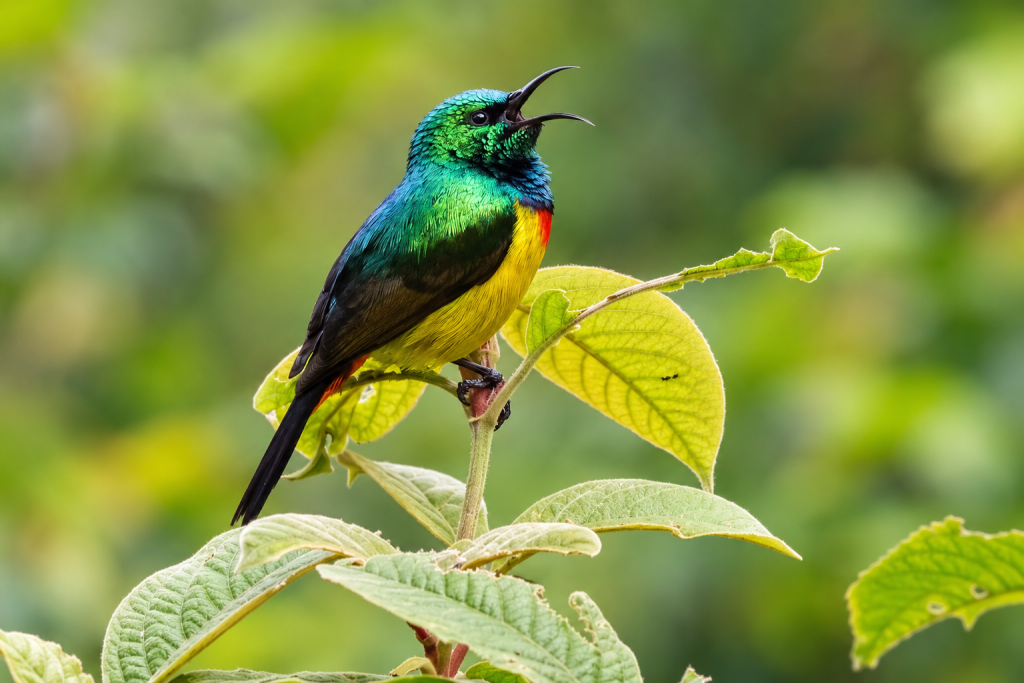
Instead of trying to cover every famous park, begin with one or two regions and choose experiences that allow your family to participate together. Families researching Uganda safaris will see ambitious multi-park routes, yet a shorter route with relaxed afternoons can create better memories. Children notice tiny discoveries: a dung beetle crossing a track, a weaver bird weaving a nest, or the sound of frogs after rain. Leave room for those moments rather than turning every day into a race.
The most successful Uganda safari with kids mixes close wildlife observation with sleep, safe play, time beside a pool where available, and conversations with a patient guide. It is an educational journey, but it should never feel like compulsory schoolwork. Give each child a personal challenge, such as recording five bird species, drawing one animal each evening or identifying the first mammal seen on a morning drive. These small rituals turn moving between destinations into a shared adventure.

Start with children’s ages, not the park map
Ages decide which wildlife activities are appropriate, how far children can walk and whether a family needs to split up for particular experiences. Infants and toddlers generally do best with one comfortable base, short scenic outings and reliable daily routines. Children around primary-school age often enjoy boat excursions, wildlife education centres and half-day drives. Teenagers may be ready for longer forest hikes, early departures and the more demanding aspects of safari travel.
An important rule is the gorilla trekking age limit: Uganda Wildlife Authority states that trekkers must be at least fifteen on the tracking date. Its published conservation tariff lists a minimum age of twelve for chimpanzee tracking, but current park-specific descriptions can differ, so verify eligibility with the authority and your licensed operator before paying for a child’s permit. Do not plan a trek around a hoped-for exception. Adults cannot simply promise that a well-behaved younger child will be admitted.
If your group includes children of different ages, choose activities everyone can share on most days. For one specialist trekking day, arrange an approved alternative with clear supervision, an appropriate adult-to-child arrangement and a lodge that knows the plan. Ideas for what children can do while adults trek include an escorted village activity, birdwatching from the grounds or a gentle nature encounter where permitted. Do not leave children alone at a remote lodge while adults are in the forest.
Planning a family safari in Uganda by age group
For children below six, prioritize predictable meals, minimal vehicle time and flexible departures. For ages six to eleven, combine animal spotting, short walks led by suitable guides and water-based viewing where operator policies allow. For ages twelve to fourteen, more active days might be possible, but chimpanzee tracking must be cleared against the specific park’s current requirements. For ages fifteen and older, gorilla tracking may be considered if fitness, health, temperament and permit availability are suitable.
These age bands are planning tools, not promises of entry. Individual boat operators, camps, walking guides and wildlife experiences may impose their own minimum ages or safety conditions. Physical fitness and maturity matter just as much as birthdays. A child who loves animals but dislikes steep muddy paths may prefer a photography-focused drive to a forest walk, while an energetic teenager may enjoy a demanding guided excursion. Respecting preferences prevents small frustrations from defining the holiday.
The best places for a Uganda safari with kids
Uganda has excellent family options, although their attractions suit different ages and travel styles. The places below can form several separate itineraries; you do not need to squeeze all of them into one holiday. On a map, two destinations may appear close, but rough sections of road, weather, traffic and park routing can create an unexpectedly long day. Ask your planner for realistic door-to-door travel estimates rather than assuming a short straight-line distance.
A family-friendly safari works especially well when each base provides more than one kind of experience. Choose a park with short game drives and a boat trip, or a lakeside lodge with gentle activities and time to rest. This flexibility becomes invaluable when a child is tired, the weather changes or everyone simply wants to stop moving for an afternoon.
Build a Safari Around Your Children
Tell us your children’s ages, travel dates and preferred activities for a realistic Uganda itinerary.
Email: info@ugandarwanda-safaris.com
Entebbe: an easy first or final stop
Entebbe is a sensible place to recover from a long international flight before travelling inland. A family visit to the Uganda Wildlife Education Centre can introduce children to conservation and native wildlife in a managed setting. The Entebbe Botanical Gardens offer a different pace: shaded paths, trees, birds and a chance to stretch legs before or after airport transfers. Confirm opening times, accessibility and admission arrangements directly rather than assuming a published schedule remains unchanged.
Think of arrival day as a buffer, not a sightseeing competition. Eat a proper meal, change some currency, check the next day’s packed bags and let children adjust to the climate. If the family has energy, choose just one of the top things to do in Entebbe that can be shortened easily. A calm start helps prevent the first major road journey from feeling overwhelming. Families arriving late in the evening should usually spend that night locally rather than beginning a long transfer in the dark.

Lake Mburo: a compact wildlife introduction
Lake Mburo National Park is often a useful stop on southwestern itineraries. Its zebras, antelopes and varied birdlife give children immediate wildlife rewards without placing the entire trip under pressure to see lions. A short introduction to safari game drives teaches children how to use binoculars, wait quietly and notice the difference between habitats. The variety of open land and woodland can make even a brief outing interesting.
Families interested in being outside the vehicle may ask about a guided walking safari in Lake Mburo or a shorter nature walk in Lake Mburo, subject to ranger approval and the ages of the participants. Never assume every trail is suitable for every child: wild animals remain unpredictable. A lodge stay with a free afternoon is an excellent complement to a drive. Children can sketch what they saw, watch small birds around the grounds or enjoy an early dinner before the next transfer.
Queen Elizabeth: elephants, hippos and river scenery
Queen Elizabeth National Park combines classic savannah viewing with an enjoyable water experience. A Kazinga Channel boat cruise may be especially rewarding for families because animals such as hippos and waterbirds can be observed without a lengthy search on bumpy tracks. Choose a departure suited to the children’s energy levels and confirm life jackets, seating arrangements and the operator’s child policy in advance. A boat outing still demands active adult supervision throughout.
In the park’s varied habitats, look for elephants, buffalo, antelopes and birds while acknowledging that wildlife encounters are never guaranteed. Families may hear about tree-climbing lions in the Ishasha sector, but sightings are unpredictable and should not be promised as the main attraction. The boat cruise on the Kazinga Channel also gives a useful lesson in how grazing animals, birds and water share one ecosystem. Short game drives are often more satisfying than spending a whole day chasing a specific species.

Murchison Falls: the Nile and classic big-game landscapes
Murchison Falls National Park appeals to families who want dramatic scenery along with wildlife watching. The river provides a different perspective from the vehicle, while open sections of the park offer opportunities to look for giraffes, elephants, buffalo and other animals. Before selecting among the activities in Murchison Falls, ask what the children will actually enjoy: a comfortable launch excursion can be more memorable than an extremely early and lengthy drive.
The road trip to Murchison Falls can be broken with a planned stop rather than endured in one continuous stretch. Some families incorporate Ziwa Rhino Sanctuary into a northern itinerary; however, a guided rhino walk is not automatically appropriate for young children, and the sanctuary must confirm current age and safety criteria. An optional 3 Days Murchison Falls Safari may suit families with limited time if driving hours, room arrangements and the pace are adjusted to individual needs.

Kibale, Bigodi and the forest experience
Kibale Forest National Park introduces a completely different habitat from the grassland parks. Forest shade, butterflies, birds and the calls of primates can be captivating, even for family members who do not enter a chimpanzee tracking group. The Bigodi Wetland Sanctuary area can offer guided community and nature activities; confirm specific route suitability, walking conditions and age requirements before making promises to younger children.
Older eligible travellers may want chimpanzee trekking in Kibale, while other family members choose an age-appropriate guided activity. A chimpanzee tracking experience can involve quick movement, uneven terrain and uncertain encounter times, so children must be prepared for more than a zoo-style visit. If a family splits for the day, appoint the supervising adult, exchange emergency contact details and agree a meeting place. The forest is exciting precisely because it is not a controlled exhibit.

Bwindi and Lake Bunyonyi for older teens and mixed-age groups
For eligible teenagers and parents, gorilla trekking in Bwindi may be the most remarkable part of the journey. The walk, however, can be strenuous, and the wildlife authority’s age and health rules apply. Secure gorilla trekking permits only after confirming each participant’s eligibility and the intended trekking sector. Families with younger children should build an equally meaningful alternative day rather than expecting them to wait without a structured plan.
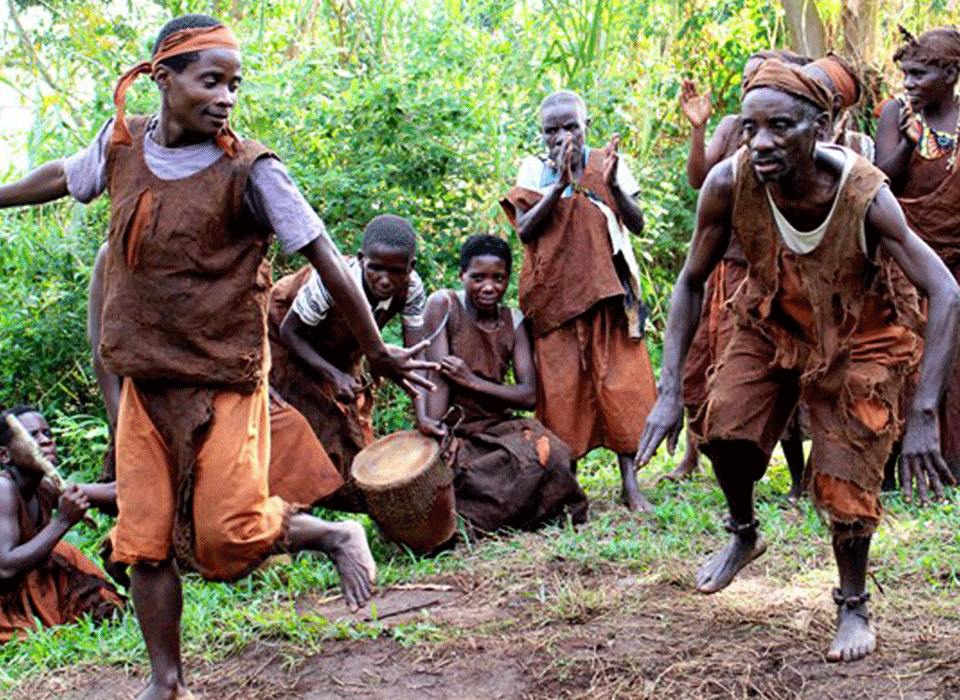
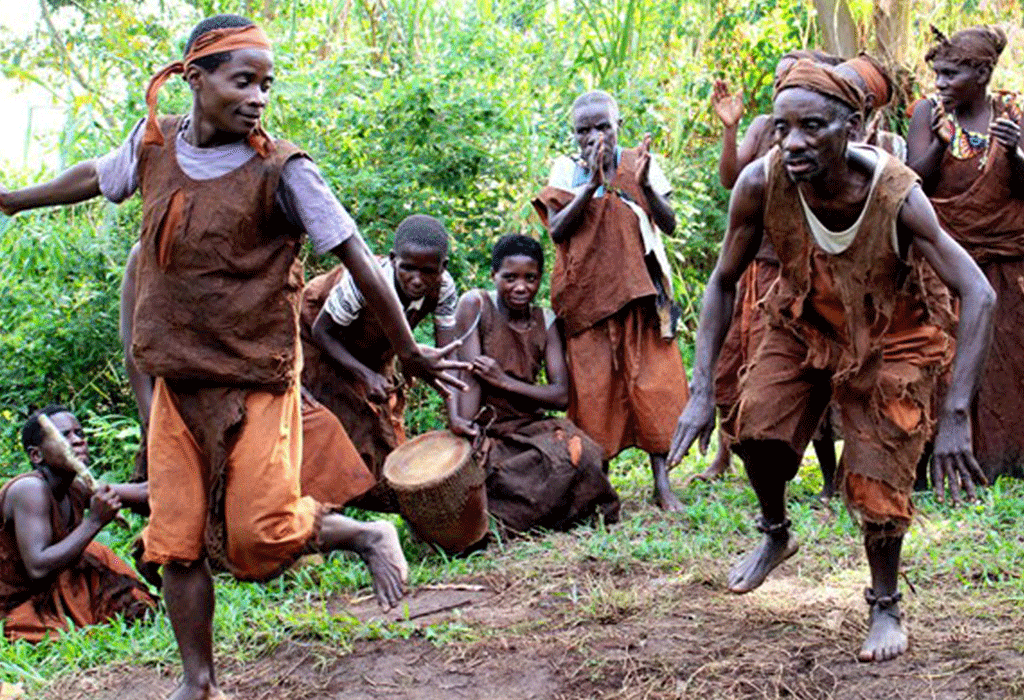
Nearby Lake Bunyonyi offers a gentle change of pace after time in the forest. The hills, water views and slower rhythm create opportunities for family conversation, simple photography and relaxation. Water activities require careful local advice: equipment, weather, swimming conditions and age suitability vary. A cultural experience such as the Batwa Trail cultural experience should be planned through respectful local providers, with expectations explained to children in advance rather than treating communities as attractions.

Balance Wildlife and Rest Days
Ask for an itinerary that combines family-friendly parks, shorter drives and comfortable lodge stays.
Email: info@ugandarwanda-safaris.com
How to design a realistic seven- to ten-day family route
For many families, an itinerary is successful when it has a clear beginning, two or three main bases and a comfortable final night near the airport. Seven days can work with a limited regional focus. Ten days allow a more forgiving pace, especially when international arrival times are late or the group includes younger children. Avoid combining the northern parks, every western park and two primate treks in one brief journey. That itinerary may look impressive on paper but feel like living out of a vehicle.
An example seven-day plan is two nights around Entebbe, two near Lake Mburo and two around Queen Elizabeth, with the last night positioned according to flight times. Exact sequencing depends on driving distances and available lodging, so a practical operator may change the order. Families who value a northern wildlife experience can instead choose Entebbe and Murchison Falls as the principal route, with longer stays and a more relaxed pace. These are alternative concepts, not destinations to combine automatically.
For ten days with older children, consider Entebbe, Kibale, Queen Elizabeth and a final relaxed stop. If any family member is eligible for gorilla tracking, swap or extend a region rather than piling on one more exhausting transfer. A responsible planner will be open about how many hours each leg is likely to involve, where restrooms and meal stops exist, and which experiences can be cancelled or shortened without wasting the entire day.

Sample day-by-day rhythm for families with younger children
Day one should be arrival, a gentle meal and sleep in Entebbe. Day two can include a late breakfast and a single wildlife education or garden visit. On day three, travel toward a first park with stops for refreshments and a quiet afternoon on arrival. Day four can be one morning game drive followed by an unhurried lodge afternoon. On day five, relocate only if the next lodge offers a meaningfully different experience, rather than moving for the sake of covering ground.
Day six might feature a short, operator-approved boat excursion or nature activity, and day seven should allow adequate time for the airport journey or an overnight near Entebbe. This structure is intentionally flexible: bad weather, fatigue or an unexpected road delay should not destroy the plan. When choosing accommodation, ask whether lunch can be provided early, whether family rooms are close together, and whether children can rest while adults enjoy a quieter part of the day.
Sample rhythm for families travelling with teenagers
Teenagers can often handle a more active plan, but they still benefit from recovery time. Start with Entebbe, then spend two nights around Kibale if the chimpanzee activity is appropriate and approved. Continue to Queen Elizabeth for wildlife viewing and a channel cruise. Families travelling with participants aged fifteen or above may then consider the Bwindi region, provided that the extra driving, trekking effort and permit cost are acceptable. Finish with a quieter day instead of rushing directly from a difficult trek to an international flight.
Give teenagers some responsibility: let them choose a wildlife theme, manage a shared photo journal or prepare questions for a local guide. Explain tracking etiquette before entering protected habitat. Forest wildlife is not a performance, and silence, patience and distance are part of protecting the animals. For families travelling with children aged twelve to fourteen, verify the current chimpanzee tracking minimum directly rather than using an old brochure as proof of eligibility.
Choosing lodges that welcome real families
A lodge that looks beautiful online may not be suitable for an eight-year-old. Ask specifically about minimum guest ages, family-room occupancy, connecting doors, mosquito protection, guarded decks, swimming pool supervision, steps, fencing and the distance between rooms. If an accommodation property has a river edge, unfenced wildlife corridor or steep terraces, discuss how children are expected to move around after dark. The best family accommodation is not necessarily the most luxurious; it is the one where routines feel manageable and safety rules are clear.
Food matters too. Confirm whether familiar meals, vegetarian options, allergies and flexible dining times can be accommodated. Some safari lodges serve dinner at a fixed hour after the game drive, which may be too late for small children. Also ask about laundry turnaround, reliable charging points, hot water, bottled or treated drinking water and whether a cot or extra bed is available. Tiny logistical conveniences can make a considerable difference over a ten-day journey.

Compare Family Accommodation Options
Share your room needs and we can discuss lodges with appropriate child policies and practical facilities.
Email: info@ugandarwanda-safaris.com
Vehicles, driving time and getting around safely
Uganda is a road-trip destination, but roads vary from paved highways to rough approaches near some parks. Journey times can expand with weather, stops, traffic and construction. Ask for a private vehicle with sufficient seats for every passenger, working seat belts, suitable child restraints arranged in advance and space for bags without crowding the cabin. Do not assume a safari vehicle automatically provides a correct child seat simply because it is described as family friendly.
Plan snack breaks and short leg-stretching stops before children become uncomfortable. Keep reusable water bottles within reach and reserve a small day bag for wipes, medication, tissues, games and an extra layer. A guide who is happy to explain birds, stop safely for photos and adapt the pace is worth more than an itinerary that advertises nonstop mileage. Avoid requesting night driving on unfamiliar roads purely to fit another activity into the schedule.
For a longer route, ask whether domestic flights from Entebbe could replace a difficult drive. Flights can save time but add baggage limits, airstrip transfers, weather sensitivity and costs, so compare the full door-to-door experience. If children are nervous fliers, a comfortable road itinerary with fewer destinations may be a better choice. The goal is never simply to move faster; it is to reach each wildlife experience with enough energy to appreciate it.
Best time to visit Uganda with children
Many families target the relatively drier travel windows that often fall around June through August and December through February. These periods can make road transfers and some walks more comfortable, although Uganda’s climate varies by region and showers are possible throughout the year. School holidays may also coincide with increased demand at popular lodges and for limited trekking permits. Begin planning early if the dates are fixed, but do not treat any month as a guarantee of dry weather.
The wetter periods can bring lush landscapes, fresh green scenery and fewer visitors in some areas. They may also mean muddy trails, slower journeys and a greater need for flexible activity choices. A family with small children who dislikes being caught in rain should pack reliable waterproof layers and book a lodge with a comfortable indoor communal space. If photography is important, remember that changing light and dramatic skies can create wonderful images even when conditions are not perfectly sunny.
For a family safari in Uganda, the most practical date is often the one that fits the children’s ages, school schedule, budget and tolerance for travel. Choose the destination mix accordingly. A short savannah and lake holiday can be satisfying in a different season from a strenuous forest trekking trip. Discuss your preferred dates with an operator who understands both wildlife patterns and the realities of travelling as a family.
Health, insurance and sensible wildlife precautions
Speak with a qualified travel-health professional well ahead of departure about age-appropriate malaria prevention, recommended immunisations, yellow fever documentation and any existing medical conditions. Entry requirements may depend on age, nationality and travel history, so confirm the latest official guidance rather than following an old packing blog. Bring original prescriptions, a manageable first-aid kit and enough essential medication to cover unexpected delays. Travel insurance should clearly cover the ages and planned activities of everyone travelling.
Teach children never to feed wildlife, approach animals, leave a vehicle without permission or walk alone around a lodge at night. Even small-looking animals can bite, and wild hippos, buffalo and elephants demand particular distance and respect. On a boat, children must remain seated when directed and wear suitable flotation equipment according to the operator’s safety briefing. During game drives, voices should be kept calm and arms, food and loose items inside the vehicle whenever the guide instructs.
Hygiene is equally practical. Use safe drinking water, wash or sanitise hands before meals and apply insect repellent according to the label and a clinician’s advice for each child. Keep a light rain jacket accessible because cool showers can follow hot afternoons. A responsible Uganda safari with kids prioritizes a calm guide, emergency planning and realistic expectations over any promise to get unusually close to wildlife.
Packing for a family-friendly safari
A little advance packing saves repeated purchases on the road. Choose breathable, comfortable clothing in muted colours, closed-toe shoes, hats, sunscreen, light rain jackets and a warm layer for early mornings. Bring child-sized binoculars if possible, plus a simple wildlife notebook and pencils. For practical guidance on what to pack for a Ugandan safari, start with a list divided into items used in the vehicle, during activities and at the lodge.
Pack medicines and essential travel documents in your carry-on, not a bag buried at the bottom of the safari vehicle. Each child should have a small labelled day bag containing a water bottle, suitable snack, light layer and one quiet activity. A reusable dry bag protects electronics and books in sudden rain. Comfortable socks matter on nature walks, while spare footwear helps when shoes become muddy. Expensive toys or complicated gadgets often create more trouble than they solve.
For older teenagers who may trek, sturdy footwear, waterproof protection, long trousers and suitable gardening-style gloves may be useful according to local guidance. Do not buy specialist equipment before confirming the actual activity and route. If baggage allowance is tight on a domestic flight, prioritise essential comfort and safety items. Laundry access at selected lodges can substantially reduce the quantity of clothing your family needs to carry.
Discuss Your Family Travel Budget
Request a transparent proposal with the park visits, transport, accommodation and activities clearly described.
Email: info@ugandarwanda-safaris.com
Food, cultural visits and family learning
Food can become a highlight when children are encouraged to try something new without pressure. Ask guides about familiar dishes, local fruits and safe food preparation, and allow children to choose a comfortable alternative when they are tired. A picnic lunch overlooking a landscape may be more enjoyable than a long formal meal after an early start. Always disclose allergies ahead of time; a remote lodge cannot necessarily source a special ingredient at short notice.
Community activities work best when they are genuinely hosted and explained by local people. Children can learn about farming, crafts, music and conservation while practising respectful questions and asking before taking photographs. Avoid treating villages as photo backdrops or assuming school visits are appropriate without permission. A good guide will explain the purpose of any visit and how the community benefits. Meaningful exchanges are often quieter and less theatrical than commercial demonstrations.
Consider giving each child a short evening role: one selects the day’s photograph, another records a new fact, and a third chooses a question for tomorrow’s guide. The broader selection of Uganda safari activities to do with children can inspire this approach, but keep the schedule age-appropriate. Families often remember the funny guide stories, shared meals and unexpected birds just as clearly as their biggest animal encounters.
How much does a Uganda family safari cost?
The overall budget depends on travel month, group size, number of lodge nights, vehicle type, whether you fly between parks and any special primate permits. A private vehicle may be economical for a larger family when compared with multiple individual seats, but larger groups can also require extra rooms and more complex accommodation. Ask for a transparent quotation that identifies the cost of each major category rather than accepting one unexplained total.
Separate expenses into international flights, accommodation, vehicle and guide, park entry fees, booked excursions, food not included in the package, tips, visas where applicable, insurance and optional shopping. Children are not automatically entitled to free entry or reduced rates at every attraction; rates may differ by age, residency status and provider. Permit prices and park tariffs can change, so request a current written rate for your actual travel dates and family members.
You can control costs without sacrificing the essence of the journey. Travel in fewer regions, keep two nights at each base, choose a well-reviewed mid-range lodge instead of upgrading every stay, and include simple nature experiences alongside paid excursions. In a family safari, comfortable travel, attentive guiding and health safeguards often produce more value than adding another distant park.
Booking checklist: questions to ask before paying a deposit
Start with the children’s exact ages on the activity dates, not just their ages when you first enquire. Confirm every proposed trekking minimum, park activity requirement and lodge policy. Ask for a detailed day-by-day journey plan showing transfer hours, meal arrangements, rest periods and the name or type of vehicle. Verify where seat belts and child seats come from, who installs them and whether the chosen vehicle can carry all luggage safely.
Request a list of what the quotation includes and excludes. For boat trips, walks and any primate encounter, confirm whether permits, guide fees, life jackets and transport to the starting point are covered. Discuss cancellation conditions, deposit deadlines and what happens when a child becomes unwell before a restricted wildlife activity. A credible operator should explain genuine limits rather than promise that an authority will waive rules.
Ask who will supervise younger children if parents participate in a separate excursion, and obtain that arrangement in writing. Make sure your contact person has the family’s emergency numbers and knows about relevant dietary or health requirements. Finally, check passport validity, visa eligibility and any required parental-consent documents with appropriate authorities. A well-documented plan takes pressure off the family once the journey begins.
Common mistakes families can avoid
The first mistake is choosing an adult itinerary and hoping children will adapt. Eight-hour transfers, late dinners and predawn starts every day can make a spectacular country feel exhausting. The second is promising gorillas to children who do not meet the age rule. The third is assuming all lodges welcome young guests or can provide babysitting without advance arrangement. Each of these problems is preventable with clear questions before booking.
Another mistake is judging success only by a checklist of famous mammals. Animals move freely, rain arrives, and a child might become more excited by a hornbill than a distant lion. Give the guide permission to adapt the order of activities and allow a quiet afternoon when everyone needs one. A shorter trip with energy and curiosity usually creates stronger memories than a longer holiday filled with tired arguments.
Frequently asked questions about a family safari in Uganda
Is Uganda suitable for children under five? It can be, especially with a limited route, careful accommodation selection, short drives and a flexible schedule. Parents should consider health advice, nap routines and individual lodge rules. A child does not need a demanding trek to enjoy birds, scenery and an introduction to wildlife.
Can a fourteen-year-old trek mountain gorillas? No. The published Uganda Wildlife Authority gorilla tracking minimum is fifteen. The child must meet the age requirement for the actual trek date. Choose a different shared activity or schedule the family’s gorilla experience for a later year.
Can a twelve-year-old track chimpanzees? The published authority tariff lists twelve as the general minimum, but some newer park-specific guidance conflicts. Confirm the applicable age rule directly with the wildlife authority and licensed operator for the exact activity before buying a permit; do not assume admission based on an old website.
How many days should we book? Seven days can work for a deliberately simple route, while eight to twelve days typically allow a more comfortable combination of parks and rest. The best duration depends on flights, travel distances and how well the youngest child handles long days.
Are safari boats safe for children? Safety depends on the vessel, operator, weather, equipment and the child’s age. Ask about minimum ages, properly fitted life jackets, seating, supervision and current conditions. An operator should be willing to decline a trip when conditions are unsuitable.
Which animals will we definitely see? None should be guaranteed in a free-ranging park. Guides know where sightings are more likely, but weather, migration and animal behaviour vary. Explain this to children in advance and make birdlife, tracks and landscapes part of the adventure.
What is the best first park? Lake Mburo can be a practical first wildlife stop on a southwestern route; Queen Elizabeth offers an appealing combination of drives and channel viewing, and Murchison Falls works well for northern plans. Choose by route rather than attempting to visit all three.
Can children stay at the lodge while adults trek? Only with an explicitly agreed, trustworthy supervisory arrangement. Check the lodge’s actual service and child policy, identify a responsible adult and establish emergency communications. Never assume that reception staff provide childcare automatically.
Create memories that fit your family
Planning a family safari in Uganda with kids should begin with the people travelling, not a list of attractions. Decide how far your children can comfortably travel, what they hope to see and which experiences match their ages. Build the journey around a handful of rewarding places, allow generous pauses and keep one or two surprises in reserve. The result can be a wildlife holiday that feels adventurous without becoming exhausting.
If you are comparing a first-time Uganda safari with kids against a more ambitious route for teenagers, focus on pace, safety and honest guidance. You can return for a primate adventure later, when everyone meets the age requirements. The shared joy of spotting a zebra, watching an elephant family or listening to a guide explain the Nile needs no complicated schedule.
Start Your Uganda Family Adventure
Share the ages of everyone travelling, your ideal dates and the experiences you want to enjoy together.
Enquire About Our Family Safari
Email: info@ugandarwanda-safaris.com