
Facts About Kyambura Gorge

Kyambura Gorge is one of Uganda’s most fascinating wildlife destinations. From above, visitors see open grassland stretching toward distant hills; below the edge lies a green riverine forest with chimpanzees, monkeys, birds and dramatic geological features. This guide explains the most interesting facts about Kyambura Gorge, what makes it special and how to plan a rewarding visit.
Kyambura Gorge at a Glance
Location
Eastern Queen Elizabeth National Park, western Uganda
Depth
Approximately 100 metres at its deepest sections
Major attraction
Guided tracking of wild chimpanzees
Landscape
Riverine rainforest surrounded by savannah
12 Fascinating Facts About Kyambura Gorge
1. It is nicknamed the Valley of the Apes
Kyambura Gorge has earned the evocative nickname “Valley of the Apes” because chimpanzees inhabit its forest. The nickname captures the unexpected feeling of finding an intimate primate habitat within a much larger savannah park. Visitors often hear forest calls and rustling leaves long before seeing any animals. It is a beautiful place for people who enjoy wildlife experiences with an element of exploration.
2. The forest lies far below the surrounding plains
The gorge descends approximately 100 metres from its rim in places. Looking over the edge reveals steep, forested slopes and a green corridor cutting through open country. The descent is a memorable part of the experience, but it also means the return journey requires climbing uphill. Guests should not mistake the relatively small forest area for an effortless walk.
3. Kyambura Gorge was shaped by the Rift Valley’s geology
Geological processes associated with formation of the western branch of the East African Rift helped create this striking feature. Water erosion also shaped the valley over time. A Uganda Wildlife Authority management plan describes the gorge as extending roughly 16 kilometres, with its width varying in different sections. The landscape provides a vivid introduction to the geological diversity of western Uganda.
4. A river supports a hidden tropical forest
The Kyambura River runs along the gorge floor, helping sustain a lush riverine ecosystem. Taller trees, vines and shade-loving plants create a striking contrast with sunlit grasslands above. Moisture and canopy cover produce a forest atmosphere unlike the nearby open game-drive plains. The habitat offers food, cover and travel routes for primates and birds.
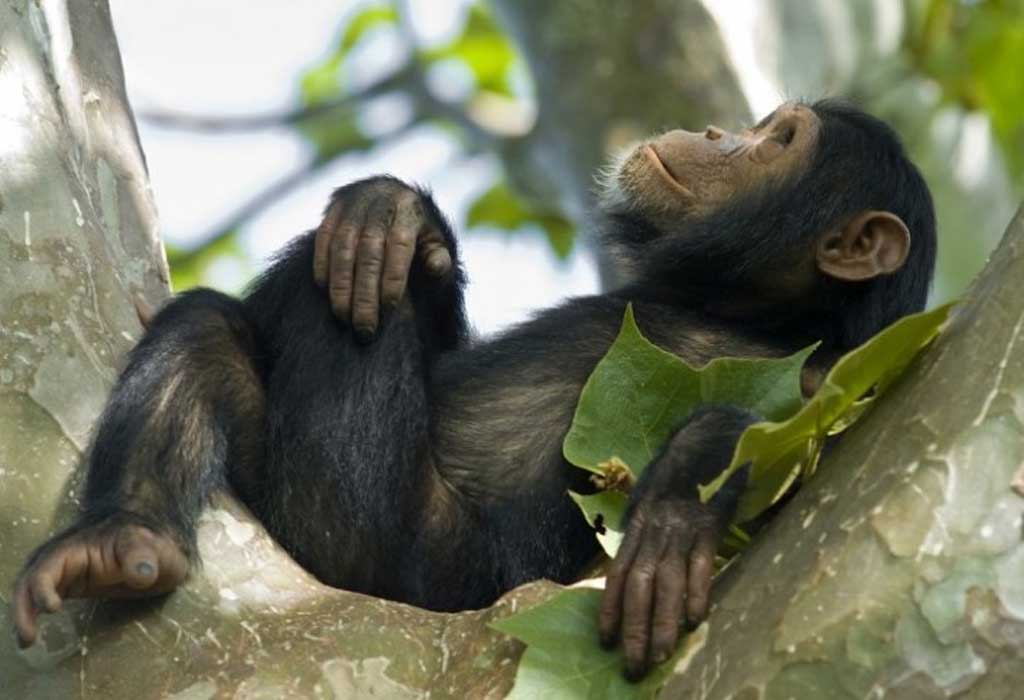
5. It shelters a relatively small chimpanzee community
Kyambura is known for its resident chimpanzees, but the population is much smaller than that of Uganda’s major chimpanzee destination, Kibale National Park. A protected-area management plan for 2024–2034 described approximately 28 chimpanzees at the time of its assessment; numbers may change. The small population and its relative isolation make conservation of the forest habitat particularly important.
6. Chimpanzee sightings are never guaranteed
Chimpanzees are wild animals, not animals kept in an enclosure. They can move through dense vegetation, remain high in trees or travel to areas that are difficult to reach. Tracking success therefore varies by day. Those prioritising the highest possible chance of seeing chimpanzees may prefer Kibale National Park, while Kyambura offers an especially dramatic setting during a Queen Elizabeth safari.
7. Other primates live in the forest
Chimpanzees may be the main attraction, but other primates add to the experience. Black-and-white colobus monkeys, red-tailed monkeys, vervet monkeys and olive baboons have been recorded in the wider gorge environment. The presence, distribution and visibility of each species vary. A good ranger can help identify the monkeys and explain their behaviour.
8. It offers a distinctive birdwatching experience
Kyambura’s forest habitat attracts birds that differ from the species commonly seen on open savannah game drives. Visitors may listen for turacos, kingfishers and other forest-associated birds, while the broader Queen Elizabeth landscape supports waterbirds and raptors. Bird sightings depend on season, movement and guide expertise. Bringing binoculars adds considerable value even when chimpanzees are elusive.
9. The gorge is connected to a much larger wildlife landscape
Kyambura forms part of the wider Queen Elizabeth protected landscape, which includes savannah, lakes, wetlands and woodland. The adjoining Kyambura Wildlife Reserve provides an additional buffer for wildlife dispersal. This connected landscape matters because conservation involves protecting more than the exact patch of forest where tourists walk.
10. Chimpanzee tracking is led by trained guides
Visitors do not independently descend into the forest to search for chimpanzees. Guided excursions are conducted under the relevant protected-area rules, with ranger guidance on safety, wildlife behaviour and minimal disturbance. The briefing and guiding arrangements should be reconfirmed before travel. Listening to guides helps protect both visitors and the chimpanzees.
11. A visit combines naturally with other safari activities
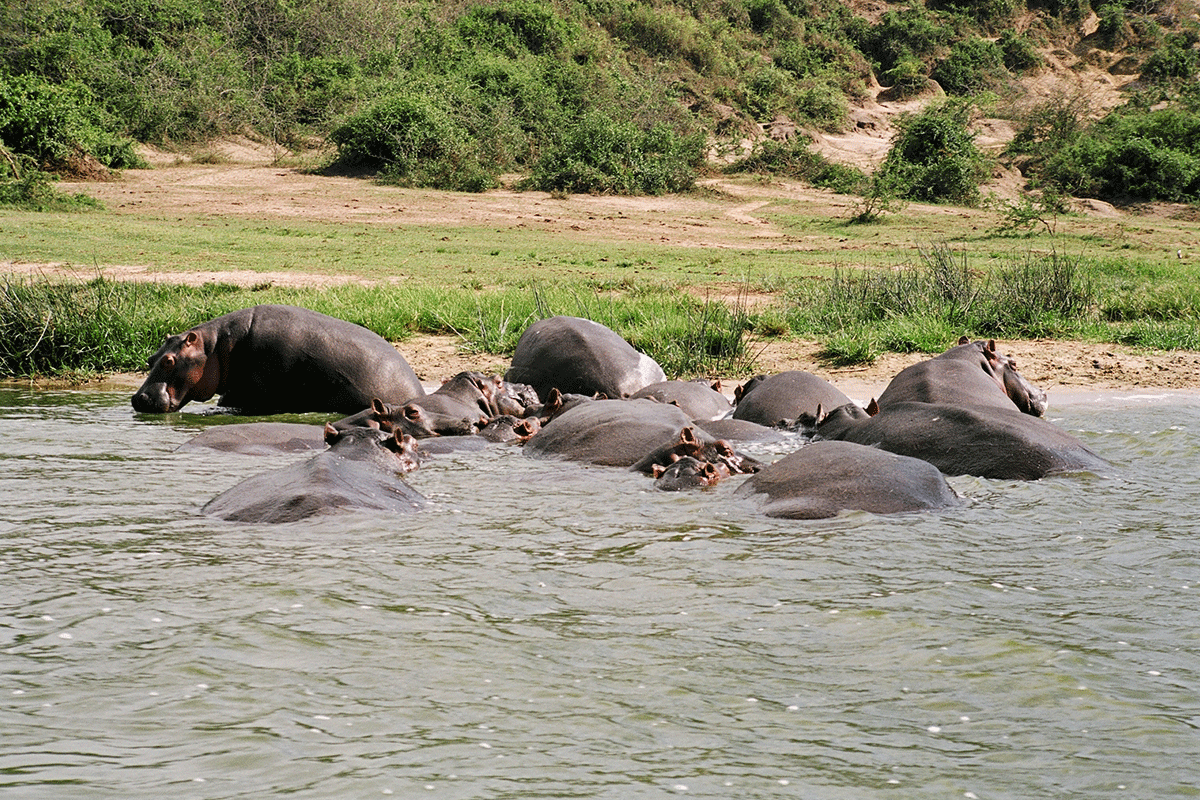
Kyambura Gorge is especially attractive because it can be paired with wildlife viewing elsewhere in Queen Elizabeth National Park. A typical safari can include a chimpanzee excursion, a Kazinga Channel boat cruise and a game drive in the Kasenyi plains. Travellers continuing south may also explore the Ishasha sector, famous for its tree-climbing lions.
12. Conservation is essential to its future
The relative isolation of the chimpanzee group raises important questions about habitat connectivity, forest health and human-wildlife coexistence. Responsible tourism can support conservation by creating economic value for protected habitats and neighbouring communities. Guests can help by following ranger instructions, never feeding animals and avoiding activities that disturb wildlife.
Three Experiences to Enjoy Around Kyambura


What to Expect When Tracking Chimpanzees in Kyambura Gorge
A chimpanzee tracking excursion generally begins with a briefing by ranger guides about the route, wildlife etiquette and safety. Travellers then descend into the gorge and follow forest paths while looking and listening for evidence of chimpanzees. The terrain can be uneven, muddy or slippery after rain. Roots and steep stretches may require careful footing, and time spent walking will depend on conditions and where the animals are located.
If chimpanzees are located and conditions permit observation, visitors typically have up to one hour with them under current tracking rules. Encounters may include seeing animals feeding, resting, climbing or communicating. Their presence cannot be predicted, so approach the walk as a forest adventure rather than a guaranteed photographic session. Wear sturdy shoes, long trousers and a breathable long-sleeved shirt, and carry water, insect repellent and a rain jacket.
Chimpanzee tracking generally requires participants to be at least 12 years old. Keep the required distance from the animals, do not trek while ill and follow the guide’s directions on photography and noise. For families with younger children, we can plan alternative activities while eligible adults track the chimps.
Kyambura Gorge Chimpanzee Tracking Cost
The official Uganda Wildlife Authority July 2024–June 2026 tariff listed Kyambura chimpanzee tracking at US$100 for foreign non-residents, US$80 for foreign residents, and UGX 50,000 for East African Community citizens. These are historical reference prices, not confirmed November 2026 rates. The published tariff states that guiding is included, while Queen Elizabeth National Park entrance fees are separate.
For travel in late 2026 or 2027, request a fresh quotation and permit check. The final cost depends on the currently applicable UWA schedule, nationality or residency category, transport, lodging and included park activities. See official UWA publications and tariffs for updates.
Best Time to Visit Kyambura Gorge
Kyambura Gorge can be visited throughout the year. The relatively drier periods, broadly June through September and December through February, often provide more manageable trail conditions. During wetter months, the forest becomes particularly lush and photography can be atmospheric, but pathways may be slippery and hiking may feel more strenuous. Wildlife behaviour does not follow a fixed schedule, and a dry-season visit cannot guarantee chimpanzee sightings.
Morning departures are commonly preferred so there is time for an afternoon Queen Elizabeth activity. Your exact briefing time, meeting point and activity availability should be confirmed when the permit is booked. Travellers planning multiple Uganda primate experiences can combine Kyambura with chimpanzee trekking elsewhere in Uganda or a gorilla trekking extension in Bwindi.
How to Get to Kyambura Gorge
The gorge lies on the eastern side of Queen Elizabeth National Park in western Uganda, close to the Kichwamba escarpment and the wider Kazinga Channel landscape. It is best visited as part of a planned Queen Elizabeth safari. Road access is possible from Kampala or Entebbe via western Uganda, and guests may also approach after visiting Kibale National Park or Bwindi Impenetrable National Park. Exact driving time depends on the starting location, route and road conditions.
Travellers choosing domestic flights can ask us about available services to airstrips serving the Queen Elizabeth region, with a road transfer onward. We arrange private safari vehicles, guiding, lodge bookings and activity reservations so guests do not have to coordinate individual parts of the journey.
Planning a Kyambura Gorge Chimpanzee Tracking Visit
Kyambura is most rewarding when it is included in a wider Queen Elizabeth National Park itinerary. Rather than treating the forest walk as a guaranteed chimpanzee photo opportunity, plan it as a guided exploration of one of Uganda’s most striking natural habitats. The walk begins at a designated briefing area, where rangers explain the route, expected conditions and conservation rules. Uganda Wildlife Authority’s tracking guidelines list morning and afternoon chimpanzee tracking departures, but the actual availability and reporting time should always be reconfirmed before travel.
What should you pack?
- Footwear: hiking boots or shoes with reliable grip, especially after rainfall.
- Clothes: long trousers and light long sleeves to protect against undergrowth and insects.
- Weather protection: a compact waterproof jacket and a small daypack.
- Essentials: drinking water, personal medication and a camera with a non-flash setting.
- Expectations: patience, a flexible timetable and willingness to follow the ranger’s instructions.
A sample one-day combination
Begin with a pre-booked chimpanzee tracking session at Kyambura Gorge, allowing time for the ranger briefing and the forest descent. After your walk, have lunch or a rest at your lodge before joining an afternoon Kazinga Channel boat cruise, subject to the actual tracking duration and boat schedule. On another day, enjoy a Queen Elizabeth National Park game drive in search of elephants, buffalo, antelopes and predators. All wildlife sightings are variable, and activities should be arranged to avoid rushed transfers.
Who is this experience suitable for?
Travellers who enjoy active nature walks, primate ecology, birding and unusual landscapes often love Kyambura. The descent and ascent can be demanding on steep or slippery sections; those with mobility concerns should discuss the route with their operator before booking. Travellers whose main priority is a stronger chance of observing chimpanzees may prefer Kibale National Park, which can be built into a longer primate-and-wildlife safari.
Why the Kyambura Forest Ecosystem Matters
Kyambura’s visual appeal comes from its contrast. An expanse of savannah suddenly gives way to a sheltered ribbon of riverine forest. This change of habitat creates opportunities to experience animals and plants that differ from the surrounding grasslands. The forest’s vegetation, stream and connected patches of habitat support primates, birds and other organisms, while its steep sides make the landscape striking from above.
The chimpanzees are particularly important because Kyambura supports a relatively small and geographically restricted population. This makes conservation of forest habitat and surrounding ecological connections especially significant. Observing chimpanzees responsibly means respecting ranger instructions, maintaining the required viewing distance, not feeding wildlife, avoiding flash photography and not visiting when unwell. These precautions help protect animals from disturbance and disease transmission.
Birders should also look beyond a chimpanzee encounter. Forest-edge habitats and riverine vegetation may provide opportunities for sightings and bird calls different from those found on open game-drive circuits. Species seen on any particular trip cannot be guaranteed, so interested visitors should tell their guide in advance that birdwatching matters to them.
Where to Stay When Visiting Kyambura Gorge
There is no need to sleep inside the gorge itself. The surrounding Queen Elizabeth area offers lodges at different comfort levels. Accommodation should be selected according to the trip route, desired facilities and the timing of your chimpanzee tracking appointment. These examples are useful starting points, not a guarantee of availability or a fixed package price. For early tracking appointments, prioritise practical access to the meeting point rather than choosing solely by lodge category; driving times depend on lodge location and road conditions.


Images are drawn from the Safari Vacations and Travel Services media export. Lodge selection is subject to route suitability, price and confirmation.
Kyambura Gorge or Kibale National Park?
Both destinations offer chimpanzee tracking, but they suit different priorities. Kyambura Gorge stands out for its dramatic scenery and the convenience of combining a forest experience with Queen Elizabeth’s game drives and Kazinga boat cruise. Kibale National Park is a larger forest ecosystem known for its extensive primate diversity and generally stronger chimpanzee sighting prospects. Guests with limited time in Queen Elizabeth may find Kyambura worthwhile; dedicated primate enthusiasts often choose Kibale as their principal chimpanzee destination.
It is also possible to include both on a longer itinerary, with varied forest habitats and different opportunities for wildlife photography. Safari Vacations and Travel Services can recommend the combination that best fits your schedule and budget.
Frequently Asked Questions About Kyambura Gorge
Where is Kyambura Gorge located?
It is on the eastern side of Queen Elizabeth National Park in western Uganda, in the protected landscape around the Kichwamba escarpment and Kazinga Channel.
How deep is Kyambura Gorge?
Its steep sides reach approximately 100 metres in places, according to Uganda Wildlife Authority information.
Can I see chimpanzees in Kyambura Gorge?
Yes, wild chimpanzees live there and guided tracking is offered. However, sightings are not guaranteed because the animals move freely through the forest.
Is chimpanzee tracking in Kyambura difficult?
The descent and uphill return can be physically demanding, especially on muddy or slippery trails. Discuss mobility limitations with your tour planner before booking.
How much is a chimpanzee tracking permit?
The UWA July 2024–June 2026 tariff listed US$100 for foreign non-residents, US$80 for foreign residents and UGX 50,000 for EAC citizens; park entrance was additional. These historical rates must be reconfirmed for any current or future booking.
What is the minimum age for chimpanzee tracking?
The published minimum tracking age is 12 years. Confirm rules at booking in case of revisions.
Can I combine Kyambura with a Kazinga Channel cruise?
Yes. Depending on activity schedules and lodge location, many visitors combine an earlier gorge excursion with a later boat cruise or game drive.
What should I pack?
Wear hiking shoes with good grip, long trousers and light long sleeves. Bring drinking water, rain protection, insect repellent, binoculars and a camera without flash.
Ready to Explore Kyambura Gorge?
Let Safari Vacations and Travel Services Ltd organise your chimpanzee tracking permit, Queen Elizabeth game drives, Kazinga Channel boat safari, accommodation and private transfers. Tell us your travel dates, group size and preferred comfort level to receive a tailor-made quotation.




