East African UNESCO World Heritage Sites

East African UNESCO World Heritage Sites
Standing at the edge of the Ngorongoro Crater at dawn, watching the mist rise from the world’s largest intact volcanic caldera as thousands of animals begin their daily rituals below, you realize you’re witnessing something truly extraordinary. This is just one of the 18 UNESCO World Heritage Sites scattered across East Africa – each one a testament to either the incredible forces of nature or the ingenuity of human civilization.
East Africa isn’t just a destination; it’s a living museum where the story of humanity unfolds across landscapes that have remained largely unchanged for millennia. From the fossil-rich shores of Lake Turkana, where our earliest ancestors took their first steps, to the coral stone architecture of Lamu, where Swahili culture flourished for centuries, these sites represent the very best of what our planet and our species have to offer.
The Cradle of Humanity: Where Our Story Began
Lake Turkana National Parks, Kenya: The Jade Sea of Discovery
Imagine standing where the most complete early human skeleton was discovered, where the story of human evolution emerged from the earth. Lake Turkana, often called the “Jade Sea” for its stunning turquoise waters, has yielded more hominin fossils than any other site on Earth. This isn’t just a lake – it’s a time machine.
The fossil sites at Koobi Fora have revealed remains spanning four million years of human evolution. This includes the famous “Turkana Boy” – a 1.6-million-year-old Homo erectus skeleton that revolutionized our understanding of human development. But Lake Turkana isn’t just about the past; it’s a living ecosystem where you can witness the world’s largest population of Nile crocodiles, flamingo colonies that paint the shoreline pink, and traditional communities like the Turkana people who have adapted to this harsh yet beautiful environment for centuries.
The journey to Lake Turkana is an adventure in itself. Flying over the Chalbi Desert, you’ll see the lake emerge like a mirage – this massive body of water in one of the world’s most arid regions. The contrast is breathtaking: jade-green waters surrounded by volcanic landscapes that seem almost lunar in their stark beauty.
Planning Your Visit
The best time to visit is during the dry season (June-September) when temperatures are more manageable and wildlife concentrates around water sources. Fly-in safaris are the most practical option, though overland expeditions offer a more adventurous experience.
Olduvai Gorge, Tanzania: The Grand Canyon of Human Evolution
While technically part of the Ngorongoro Conservation Area, Olduvai Gorge deserves special mention as the site where Louis and Mary Leakey made groundbreaking discoveries that changed our understanding of human origins. This 30-mile-long gorge has been carved by erosion over millions of years, exposing layer upon layer of sediment containing the fossilized remains of our ancestors.
Standing at the main site, you can see the geological timeline of human evolution laid out in the rock strata. The museum here houses some of the most significant early human fossils ever found, including the famous “Nutcracker Man” (Paranthropus boisei) and evidence of the earliest stone tools.
Natural Wonders: Where Earth Shows Its Power
Mount Kilimanjaro National Park, Tanzania: Africa’s Crown Jewel
Rising 5,895 meters above sea level, Mount Kilimanjaro is more than just Africa’s highest peak – it’s a world unto itself. This ancient stratovolcano creates its weather system, supporting an incredible diversity of ecosystems from tropical rainforest at its base to arctic conditions at its summit.
The mountain’s three volcanic cones – Kibo, Mawenzi, and Shira – tell the story of volcanic activity spanning over one million years. What makes Kilimanjaro truly special is its accessibility; you don’t need technical climbing skills to reach the summit, just determination and proper preparation.
The climb itself is a journey through Earth’s climate zones compressed into a week-long trek. You’ll start in lush coffee plantations and montane forests alive with colobus monkeys and exotic birds, progress through heath and moorland dotted with giant groundsels and lobelias found nowhere else on Earth, cross an alpine desert that resembles a moonscape, and finally reach the glaciated summit where you can touch the sky.
Serengeti National Park, Tanzania: The Greatest Show on Earth
The Serengeti is synonymous with the African safari experience, but this 15,000-square-kilometer ecosystem represents far more than just wildlife viewing. This is one of the world’s last great migrations, where over two million animals participate in an annual cycle that has continued for millions of years.
The Great Migration isn’t just about the dramatic river crossings that dominate documentaries – it’s a complex ecological ballet that plays out across the entire year. From December to March, the herds concentrate on the short grass plains of the southern Serengeti for calving season, when over 400,000 wildebeest calves are born within six weeks. This timing coincides with the rains, ensuring fresh grass for nursing mothers and their young.
Great Safari
As the dry season approaches, the herds begin their epic journey north, following ancient pathways encoded in their DNA. The western corridor from April to June offers spectacular river crossings, while the northern reaches from July to October provide dramatic encounters with predators and the famous Mara River crossings.
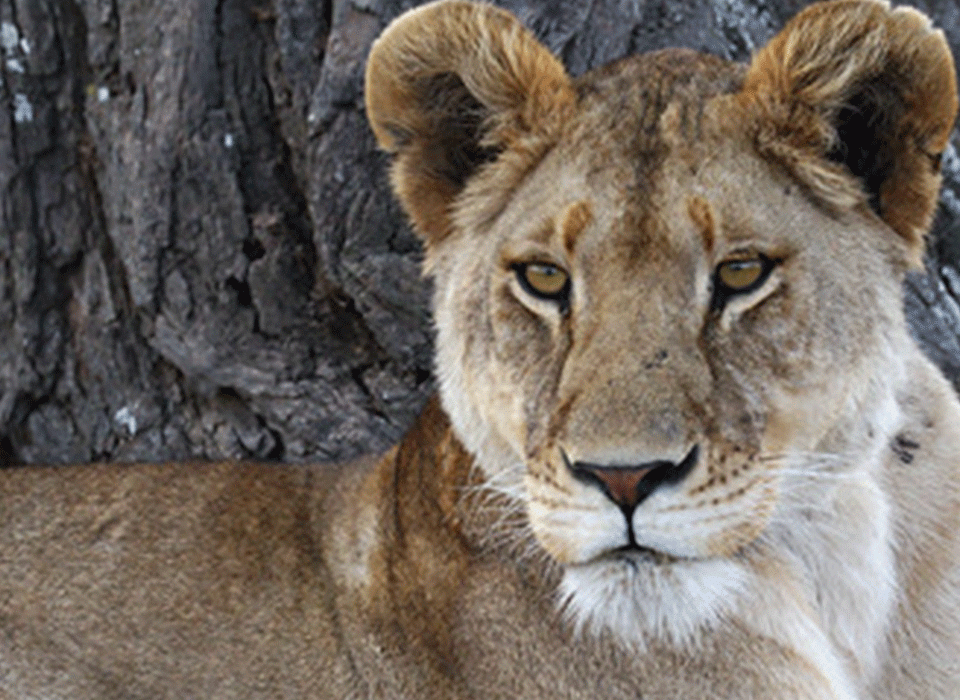
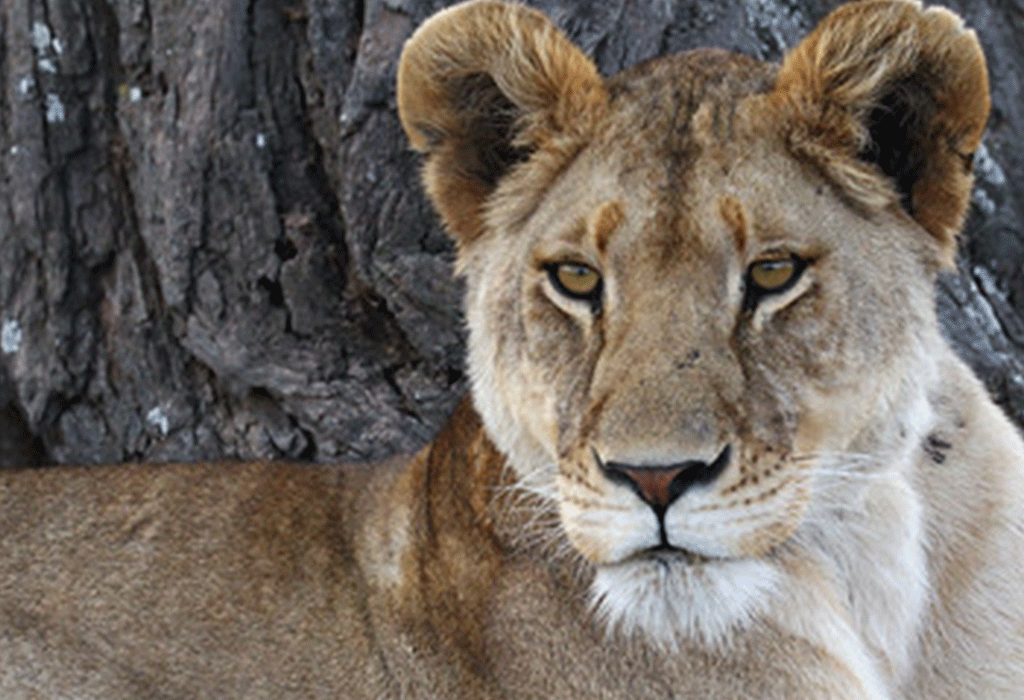
But the Serengeti is more than just the migration. The park supports the largest lion population in Africa, with over 3,000 individuals. The kopjes (rocky outcrops) serve as natural observation points where lions rest during the heat of the day, and as vantage points for visitors to survey the endless plains.
Beyond the Big Five: While everyone comes for lions, leopards, elephants, buffalo, and rhinos, the Serengeti’s smaller residents are equally fascinating. The park is home to over 500 bird species, including the massive kori bustard, colorful lilac-breasted rollers, and the endemic grey-crowned crane.
Ngorongoro Conservation Area: The Eighth Wonder of the World
The Ngorongoro Crater is often called the “Eighth Wonder of the World,” and standing on its rim at sunset, you’ll understand why. This massive caldera, formed when a volcano collapsed two million years ago, creates a natural amphitheater that supports one of Africa’s most concentrated wildlife populations.
The crater floor, covering 260 square kilometers, is a self-contained ecosystem where over 25,000 large mammals live year-round. The permanent water sources, including the pink-tinged Lake Magadi, support everything from massive elephant bulls to tiny dik-diks. The crater is one of the few places in Tanzania where you can reliably see the Big Five in a single day.
What makes Ngorongoro truly unique is its conservation model. This is one of the few places where wildlife and humans coexist in their natural habitat. The Maasai people have grazed their cattle here for centuries, and their traditional lifestyle benefits the ecosystem. The sight of Maasai herders moving their cattle across the crater floor as zebras and wildebeest graze nearby is a reminder of how humans and wildlife can coexist.
The Maasai Connection: The Maasai people are integral to the Ngorongoro experience. Their traditional red robes add splashes of color to the landscape, and their deep knowledge of the area enhances any visit. Many lodges offer cultural visits to Maasai villages where you can learn about traditional practices, from beadwork to conventional medicine.
Cultural Treasures: Where Civilizations Flourished
Stone Town of Zanzibar, Tanzania: The Spice Island’s Crown Jewel
Stone Town is like stepping into a living museum where every narrow alley tells a story of cultural fusion. This UNESCO World Heritage site represents the heart of Swahili culture, where African, Arab, Indian, and European influences have blended over centuries to create something unique.
The town’s architecture is its most striking feature. The famous Zanzibari doors, with their intricate brass studs and elaborate carvings, tell stories of the families who lived behind them. The wider the door, the wealthier the family – a tradition that continues today. Each door is unique, and photographing them has become an art form in itself.
The spice markets are a sensory explosion. Cardamom, cloves, cinnamon, and vanilla create an intoxicating aroma that follows you through the winding streets. Zanzibar was once the world’s largest producer of cloves, and spice tours remain one of the most popular activities, offering insight into the island’s economic history.
The Slave Trade Legacy: Stone Town’s history includes dark chapters. The former slave market, now a museum and Anglican cathedral, serves as a powerful reminder of the human cost of historical trade. The underground chambers where enslaved people were held are preserved as a memorial to this tragic period.
The cultural vibrancy continues today. The annual Zanzibar International Film Festival transforms the town into a celebration of African arts, while traditional taarab music can be heard drifting from rooftop terraces as the sun sets over the Indian Ocean.
Lamu Old Town, Kenya: Where Time Stands Still
Lamu Old Town is perhaps the most authentic cultural experience in East Africa. This 14th-century Swahili settlement has barely changed in centuries, and walking through its narrow streets feels like time travel. The absence of cars (donkeys are the primary form of transport) adds to the otherworldly atmosphere.
The town’s architecture represents the pinnacle of Swahili building techniques. The houses, built from coral stone and mangrove timber, feature flat roofs, inner courtyards, and the famous carved wooden doors. The craftsmanship is extraordinary – each door is a work of art, with geometric patterns and Arabic calligraphy that reflect the Islamic influence on Swahili culture.
Lamu’s cultural traditions remain vibrant. The annual Lamu Cultural Festival showcases traditional dhow sailing, donkey racing, and poetry competitions. The dhow building industry continues using techniques passed down through generations, and watching craftsmen shape these graceful vessels is mesmerizing.
The Dhow Experience
Traditional dhow sailing is a must-do activity. These ancient vessels, with their distinctive triangular sails, have plied these waters for over a thousand years. Sunset dhow trips offer magical moments as the town’s silhouette is reflected in the calm waters of the Indian Ocean.
Fort Jesus, Mombasa, Kenya: Sentinel of the Coast
Fort Jesus stands as a testament to the complex history of East Africa’s coast. Built by the Portuguese in 1593, this massive fortress controlled access to Mombasa’s Old Port for over 400 years. The fort’s star-shaped design represents the height of 16th-century military architecture, designed to withstand cannon fire and siege warfare.
The fort’s walls tell stories of conquest and resistance. Portuguese, Arab, and British forces have all controlled this strategic position, and the architecture reflects each period of occupation. The museum within the fort houses artifacts from shipwrecks, including Chinese porcelain and Persian pottery that illustrate the extent of Indian Ocean trade networks.
Archaeological Discoveries: Ongoing excavations continue to reveal new insights into the fort’s history. Recent discoveries include a Portuguese church and evidence of the 1698 siege when Arab forces recaptured the fort after a two-year battle.
Mountain Majesty: Where Earth Touches Sky
Mount Kenya National Park: Africa’s Ancient Giant
Mount Kenya, Africa’s second-highest peak, is a mountain of many faces. This ancient extinct volcano is about 2.5 million years old. It supports many ecosystems within a small area. Its glacial peaks form a rare equatorial alpine environment. This environment exists nowhere else on Earth.
The Glacial Heritage: Mount Kenya’s glaciers are retreating rapidly due to climate change. The Lewis Glacier, once a prominent feature, has shrunk dramatically, making the mountain a visible indicator of environmental change. The glacial lakes, including Lake Michaelson and Lake Ellis, are stunning examples of glacial action.
Rwenzori Mountains National Park, Uganda: The Mountains of the Moon
The Rwenzori Mountains, dubbed the “Mountains of the Moon” by early explorers, create one of Africa’s most challenging and rewarding mountain experiences.
This ancient mountain range formed through tectonic activity. It is not volcanic. It has permanent glaciers and snow fields. These lie only 120 kilometers from the equator.
The trek to Margherita Peak (5,109 m) crosses unique vegetation zones. The lower slopes hold dense tropical rainforest. The forest is home to elephants and chimpanzees. It also supports over 200 bird species. As you climb, bamboo replaces tall trees. Higher up is the giant heather zone. Trees grow very large there. Constant moisture supports this growth.
The highest zones contain plants found nowhere else. Giant groundsels grow like trees. Lobelias create unusual landscapes. Bogs and moorlands support rare plants. These species adapt to harsh high-altitude conditions.
The Glacial Reality: The Rwenzori glaciers are retreating even faster than those on Kilimanjaro. The Speke Glacier has lost over 50% of its area in recent decades, making these mountains a critical site for climate change research.
Wildlife Sanctuaries: Where Nature Thrives
Bwindi Impenetrable National Park, Uganda: Realm of the Mountain Gorillas
Bwindi Impenetrable National Park protects one of Africa’s most ancient forests. Also, it’s home to half of the world’s remaining mountain gorillas. This 331-square-kilometer park supports an estimated 400 mountain gorillas in several habituated families that tourists can visit.
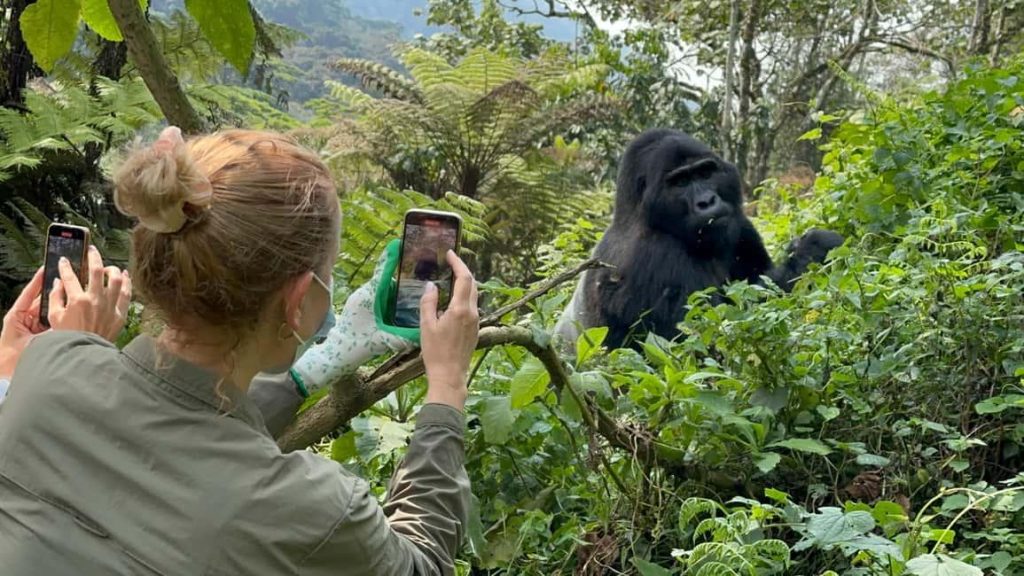
The gorilla trekking experience is transformative. After hiking through dense forest, often for several hours, the moment you encounter a gorilla family is unforgettable. These gentle giants, with their expressive eyes and human-like behaviors, create an emotional connection that lasts a lifetime. Watching a silverback protect his family, juveniles play in the trees. Mothers’ care for their infants provides insights into our evolutionary history.
Beyond gorillas, Bwindi supports incredible biodiversity. The park is home to 120 mammal species, including forest elephants, several primate species, and over 350 bird species.
The forest is a remnant of ancient woodland. These forests once covered much of East Africa. They support species that evolved in isolation. Many of these species are millions of years old.
Bwindi is a major conservation success. Mountain gorillas were once fewer than 300 in the 1980s. Today, the population exceeds 1,000 individuals. Tourism revenue has played a key role. It gives local communities income. This reduces forest encroachment and poaching.
Selous Game Reserve, Tanzania: Africa’s Hidden Wilderness
The Selous Game Reserve is one of Africa’s largest protected areas, covering an area larger than Switzerland. This vast wilderness supports one of the continent’s largest elephant populations, along with significant numbers of hippos, crocodiles, and the endangered African wild dog.
What makes Selous special is its pristine wilderness character. Unlike the more famous northern parks, Selous receives relatively few visitors, creating a true wilderness experience. The Rufiji River system that flows through the park creates a network of lakes, channels, and wetlands that support incredible wildlife diversity.
The reserve offers unique experiences not available elsewhere in Tanzania. Boat safaris along the Rufiji River provide close encounters with hippos and crocodiles. While walking safaris offer intimate encounters with African wildlife. The fly-camping experience, where you sleep under the stars in temporary camps, provides the ultimate wilderness adventure.
Ecological Importance: The Selous ecosystem is crucial for wildlife migration patterns across southern Tanzania. The reserve serves as a corridor connecting different protected areas and supports seasonal migrations of various species.
Rock Art and Ancient Cultures
Kondoa Rock Art Sites, Tanzania: Africa’s Sistine Chapel
Hidden in the granite outcrops of central Tanzania, the Kondoa Rock Art Sites contain some of Africa’s finest examples of ancient rock art. These paintings, created over at least 2,000 years, provide remarkable insights into the lives and beliefs of ancient hunter-gatherer communities.
The rock art spans different periods and styles, from naturalistic depictions of animals. Then, to more abstract human figures and geometric patterns. The paintings show hunting scenes, ritual ceremonies, and daily life activities, creating a visual record of how people lived in this region for millennia.
The sites are still considered sacred by local communities. Particularly, the Sandawe people, who may be descendants of the original artists. Traditional beliefs hold that disturbing the sites can bring misfortune, and local communities continue to perform rituals at some locations.
Archaeological Significance: The rock art provides evidence of the transition from hunting and gathering to pastoralism in East Africa. Later paintings show domestic animals, indicating how human societies adapted to changing environments and lifestyles.
Thimlich Ohinga Archaeological Site, Kenya: Stone Age Architecture
Thimlich Ohinga represents the largest and best-preserved example of traditional dry-stone architecture in East Africa. This settlement, built between the 16th and 17th centuries, demonstrates the sophisticated building techniques of the Luo people.
The site consists of several stone-walled enclosures built without mortar, using carefully fitted stones that have withstood centuries of weathering. The largest enclosure has walls over 4 meters high and demonstrates advanced engineering skills. The settlement pattern provides insights into traditional Luo social organization and defensive strategies.
Cultural Continuity: The Luo people continue to maintain cultural connections to the site, and traditional ceremonies are still performed there. The oral history of the site is preserved by local communities, providing valuable insights into pre-colonial African societies.