What Are The Differences Between Bwindi and Mgahinga Gorilla National Parks?
Differences Between Bwindi and Mgahinga Gorilla National Parks
Differences Between Bwindi and Mgahinga Gorilla National Parks. Bwindi Impenetrable National Park and Mgahinga Gorilla National Park are the two primary destinations in Uganda for those seeking to see mountain gorillas in their natural environment. While both parks are home to these rare and endangered creatures and share certain ecological conditions necessary for the gorillas’ survival, they are by no means identical. Many visitors assume the parks must be the same simply because they both offer gorilla trekking experiences. However, each park has its distinct features and character that set it apart from the other.
Bwindi and Mgahinga differ in a variety of ways, including their size, terrain, biodiversity, and the overall trekking experience they offer. These differences shape the kind of encounter visitors may have with the gorillas, as well as the broader wildlife and cultural experiences available in each location. Although this discussion does not cover every possible distinction between the two parks, it highlights key variations that are helpful to understand when deciding which park to visit or when planning to explore both. By appreciating the unique qualities of each, travelers can gain a deeper understanding of Uganda’s diverse natural heritage.
Notable Differences Between Bwindi Impenetrable and Mgahinga Gorilla National Parks
Location
Bwindi Impenetrable National Park is situated in the southwestern part of Uganda, specifically within the Kanungu District. On the other hand, Mgahinga Gorilla National Park is also located in the southwestern region of the country, but it lies within the Kisoro District. Although both parks are in the same general region of Uganda, they are in different districts. This gives each park its unique geographical context and access routes.
Size of the parks
In terms of size, Bwindi Impenetrable National Park is significantly larger than Mgahinga Gorilla National Park. Bwindi covers an expansive area of approximately 321 square kilometers (124 square miles). This makes it one of the larger protected forest reserves in Uganda. In contrast, Mgahinga Gorilla National Park is much smaller, occupying just about 33.7 square kilometers (13 square miles). This substantial difference in size contributes to variations in biodiversity, trekking routes, and the overall experience each park offers to visitors.
Altitude
The altitude of the two parks also sets them apart significantly. Bwindi Impenetrable National Park ranges in elevation from about 1,160 to 2,607 meters (3,806 to 8,553 feet) above sea level. This variation in altitude creates a dense, tropical rainforest environment that is rich in biodiversity. This also makes it ideal for supporting a wide variety of flora and fauna, including mountain gorillas.
Mgahinga Gorilla National Park, in contrast, sits at a much higher elevation. Its altitude ranges from approximately 2,227 to 4,127 meters (7,306 to 13,540 feet), placing it within a more mountainous terrain. This higher elevation is characterized by volcanic landscapes, cooler temperatures, and a different mix of vegetation types, including afro-montane and bamboo forests. The difference in altitude between the two parks not only influences the type of ecosystems present. It also affects the nature and physical demands of the gorilla trekking experience in each park.
Climate
The climate of Bwindi Impenetrable National Park is generally cool throughout the year. There’s limited sunshine and a high amount of rainfall spread consistently across all seasons. This moist, rainforest climate supports the park’s dense vegetation and creates a humid environment that is ideal for a wide range of plant and animal species, including the mountain gorillas.
On the other hand, Mgahinga Gorilla National Park tends to be colder due to its higher elevation. It frequently experiences fog, especially in the mornings and late afternoons, giving the park a misty, ethereal atmosphere. While rainfall is still a feature of the park’s climate, it occurs in more moderate, average quantities compared to the heavier and more persistent rains of Bwindi. These climatic differences shape not only the natural appearance of the parks. But also, it shapes the trekking experience. Bwindi offers wetter and lush conditions while Mgahinga provides cooler, foggier hikes.
Vegetation
The vegetation in Bwindi Impenetrable National Park is characterized by its thick, ancient rainforest, which is so dense that it earned the name “impenetrable.” This lush tropical forest is rich in biodiversity and features a mix of towering hardwood trees, ferns, vines, and a dense understory, creating a rich habitat for gorillas and many other species. The dense vegetation also makes gorilla trekking in Bwindi a more immersive and often more physically demanding experience.
In contrast, Mgahinga Gorilla National Park features afro-montane vegetation. This includes bamboo forests, alpine moorland, and patches of open grassland. The park’s higher altitude supports this more open and less tangled environment, dominated by bamboo, which is a favorite food of mountain gorillas. The landscape is also shaped by volcanic activity, adding to the variety of its plant life. This difference in vegetation between the two parks not only influences the type of scenery visitors encounter but also affects the ease and style of trekking through each environment.
Gorilla Trekking Experiences
Mountain gorilla trekking in Bwindi Impenetrable National Park tends to be more challenging due to the park’s rugged and uneven terrain. The dense forest, steep slopes, and thick undergrowth make the treks longer and more physically demanding, often requiring visitors to hike for several hours before locating a gorilla family. The effort, however, is rewarded with an intimate and unforgettable encounter in the heart of a truly wild jungle.
In contrast, trekking in Mgahinga Gorilla National Park is generally considered easier and less strenuous. The terrain here is more open and straightforward. There are shorter distances to cover, and it has gentler slopes. The bamboo and afro-montane vegetation move to the park is less physically demanding compared to the dense rainforest of Bwindi. This makes Mgahinga a favorable option for those who may prefer a less demanding trek while still enjoying the thrill of encountering mountain gorillas in their natural habitat.
Other Wildlife
Beyond its population of mountain gorillas, Bwindi Impenetrable National Park is home to a remarkably diverse range of wildlife. The park supports around 120 different mammal species. These include forest elephants, antelopes, and several species of primates such as black-and-white colobus monkeys and L’Hoest’s monkeys. It is also a haven for bird enthusiasts, boasting over 350 recorded bird species, many of which are endemic to the Albertine Rift region.
Mgahinga Gorilla National Park, while smaller, also supports a variety of wildlife, though on a somewhat lesser scale due to its limited size. It hosts approximately 70 mammal species, including golden monkeys and duikers. In terms of birdlife, the park features around 180 bird species, offering excellent birdwatching opportunities in its afro-montane and bamboo zones. Though less biodiverse than Bwindi, Mgahinga still provides rich and rewarding wildlife encounters, particularly for those interested in unique high-altitude species.
Mountain Climbing
While Bwindi Impenetrable National Park features several steep and challenging trails, it does not offer mountain climbing opportunities in the traditional sense. Its terrain is rugged and forested, making it ideal for trekking and nature walks, but it lacks prominent peaks suitable for summit hikes.
Mgahinga Gorilla National Park, on the other hand, presents a unique opportunity for visitors interested in mountain climbing. The park is part of the Virunga Mountain range and is home to three extinct volcanoes—Mount Muhabura, Mount Gahinga, and Mount Sabyinyo. Adventurous visitors can choose to hike to the summits of these majestic mountains, each offering stunning views, distinct landscapes, and a rewarding physical challenge. These hikes vary in difficulty and duration, making Mgahinga a great destination not only for gorilla trekking but also for those seeking high-altitude hiking experiences.
Community Experiences
Community tourism around Bwindi Impenetrable National Park is more extensive due to its larger size and proximity to many local communities spread along its boundaries. As a result, visitors can engage with various cultural groups, participate in community-led tours, visit traditional homesteads, watch local craft-making, and learn about the daily lives and customs of people who have lived near the forest for generations. These interactions not only enrich the visitor experience but also support local livelihoods and conservation efforts.
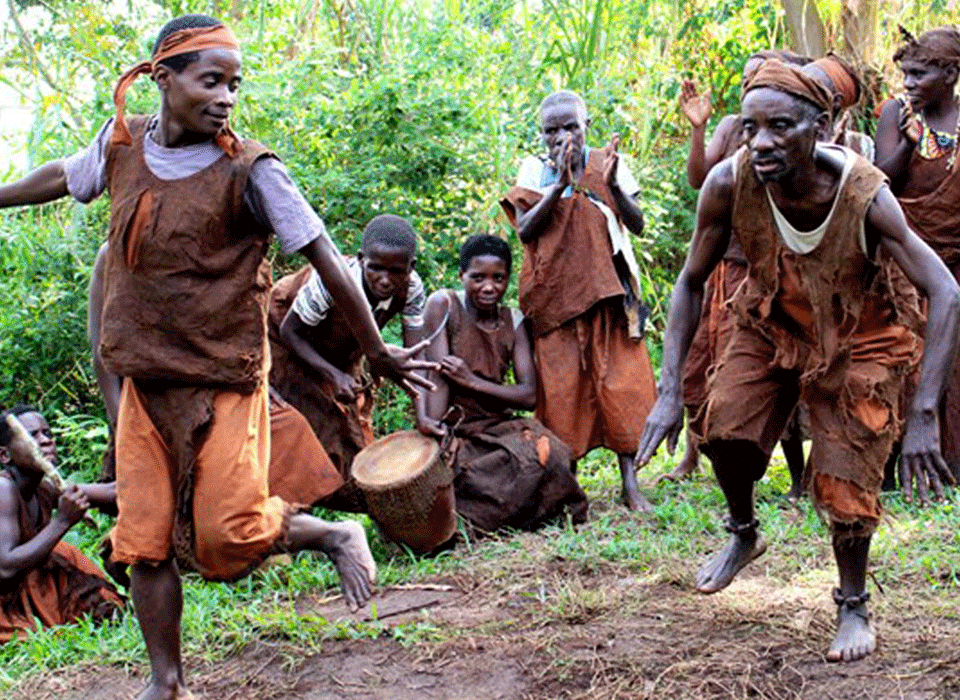
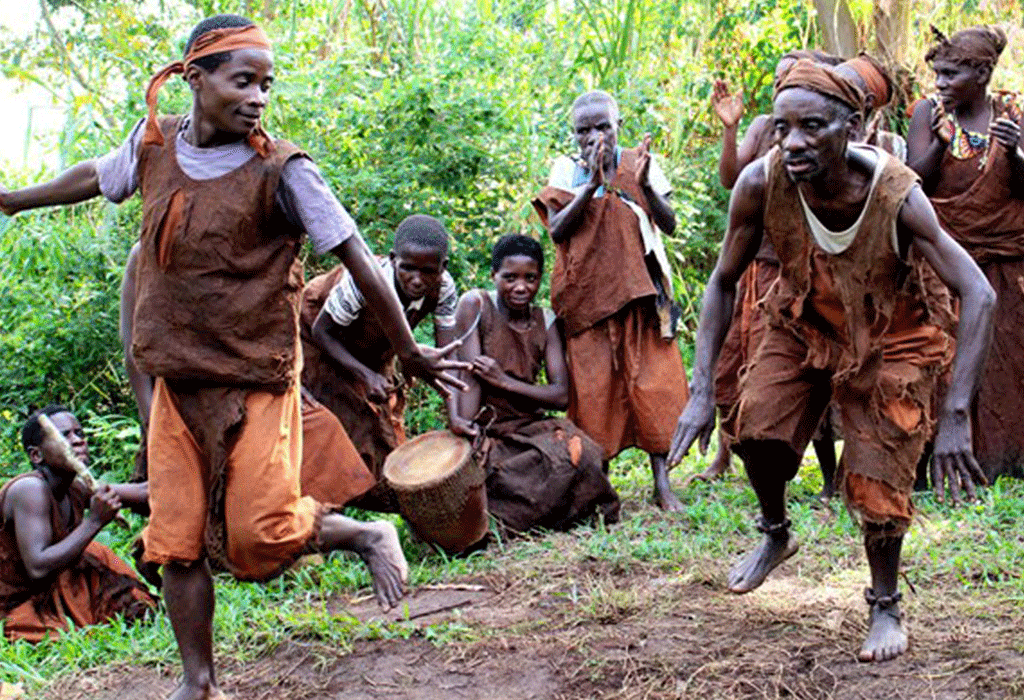
In contrast, community tourism in Mgahinga Gorilla National Park is more limited, primarily due to the park’s smaller size and more remote location. However, visitors still have meaningful cultural experiences, particularly through visits to the Batwa community, indigenous forest dwellers who once lived in the forest before it was designated a national park. There is also the unique opportunity to learn about the history of the so-called “Punishment Island,” a site with cultural significance on Lake Bunyonyi. While fewer in number, the community encounters in Mgahinga are deeply immersive and offer valuable insights into the heritage and traditions of the people in the area.
Accessibility
Accessing Bwindi Impenetrable National Park typically involves a road journey from Uganda’s capital, Kampala, passing through Kabale District and continuing to Kanungu before reaching the park. This route takes approximately 9 to 10 hours by car. Alternatively, travelers can reach Bwindi via Queen Elizabeth National Park if they are including it as part of a broader safari itinerary. Another increasingly popular option is to travel from Kigali, Rwanda. It offers a shorter and more direct route into southwestern Uganda, requiring four or five hours by car.
Mgahinga Gorilla National Park is also accessible by road from Kampala, with the journey passing through Kisoro District. Like the route to Bwindi, this drive also takes about 9 to 10 hours. However, reaching Mgahinga from Kigali is notably more convenient, with a drive time of just 4 to 5 hours. This makes it a preferred choice for visitors starting their trip in Rwanda. This difference in accessibility, particularly the shorter Kigali route, can be a deciding factor for travelers who are short on time or prefer a less demanding journey to the gorillas.
Other Things You Need to Know About Gorilla Trekking
How Much Is a Gorilla Trekking Permit In Uganda?
The cost of a gorilla trekking permit is one of the things you need to know about gorilla trekking. The price of seeing gorillas varies by country and experience. In Uganda, a gorilla permit costs $800 for foreign non-residents and $700 for foreign residents. The permit also costs $500 for African citizens and UGX 300,000 for East African citizens. In Uganda, you can also partake in the gorilla habituation experience. This activity aims to help semi-habituated gorillas get used to human presence. The gorilla habituation permit, which only takes place in Bwindi, costs $1500 for foreign non-residents and 1000 for foreign residents. It also costs $1000 for the rest of the African citizens and Ugx750,000 for East African citizens.
When Can I Book a Gorilla Trekking Permit?
Visitors should ideally book Gorilla trekking permits for Bwindi Impenetrable Forest National Park and Mgahinga Gorilla National Park 3 to 6 months in advance. These permits are highly on demand, particularly during the peak seasons. These run from June to September and December to February. Therefore, they tend to sell out quickly. Early booking ensures you secure your spot for this once-in-a-lifetime wildlife encounter.
Where Can I Purchase a Gorilla Trekking Permit?
You can obtain a gorilla trekking permit through various official channels depending on the destination. In Uganda, permits are issued by the Uganda Wildlife Authority (UWA) in Kampala. You should, however, book through a registered tour operator like Safari Vacations and Travel Services.
For convenience and ease of planning, you can secure your permit through a reputable tour operator such as Safari Vacations and Travel Services. Simply provide your travel date, month, and year for the trek. We’ll assist in arranging the permit along with any additional logistics for your safari experience.
How Many People Are Allowed to Trek the Gorillas?
What You Need to Know About Gorilla Trekking- The number of people that visit a gorilla family. A maximum of 8 visitors can trek each gorilla family in Africa per day. This rule applies across all gorilla trekking destinations, including Bwindi Impenetrable Forest National Park, Mgahinga Gorilla National Park in Uganda, Volcanoes National Park in Rwanda, as well as Virunga National Park and Kahuzi-Biega National Park in the Democratic Republic of Congo.
This limited group size helps minimize disturbance to the gorillas, reduces the risk of disease transmission, and allows for a more intimate and rewarding experience. It also ensures visitors have more opportunities to take photographs, ask questions, and fully engage with their guides during the trek.
How Much Time Can I Spend with the Gorillas?
Visitors can only spend a maximum of one hour with the gorillas after locating them in the forest. This one-hour time limit applies at all gorilla trekking destinations — including Uganda, Rwanda, and the Democratic Republic of Congo.
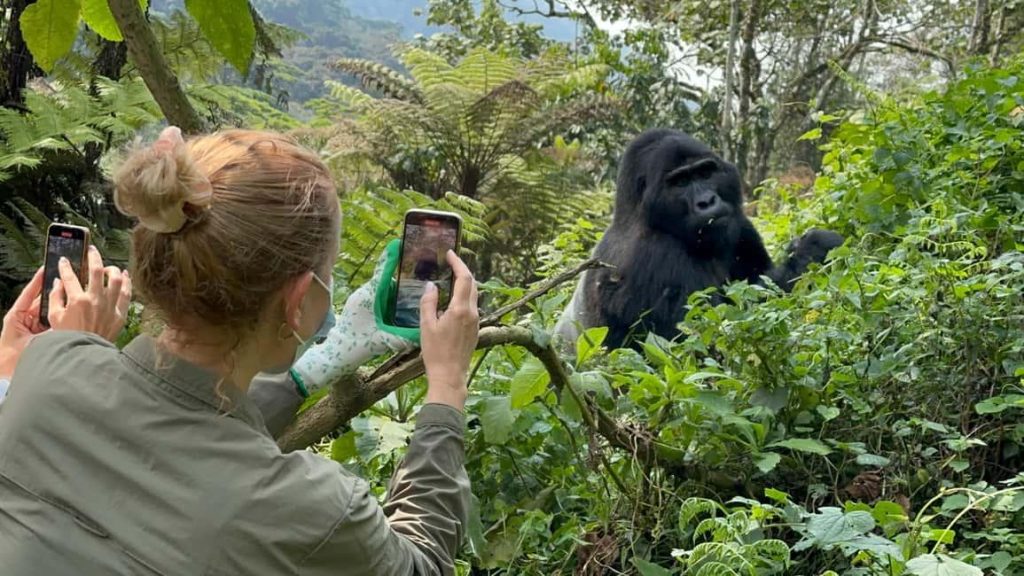
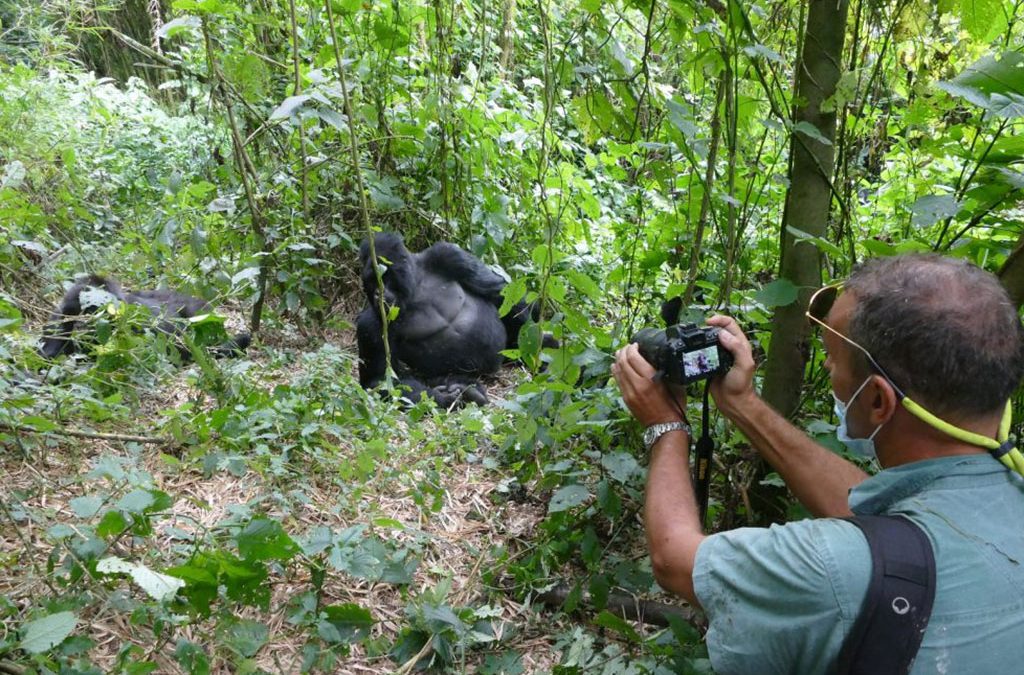
During this hour, you’ll have the chance to observe the gorillas’ behavior and ask your guide questions. You can also take photographs (without using flash) and soak in the incredible experience of being close to one of the world’s most endangered primates. This time limit is strictly enforced to minimize stress on the gorillas and to support ongoing conservation efforts.
However, Uganda offers a more immersive experience, the gorilla habituation experience. This experience allows visitors to spend four hours in the presence of the mountain gorillas in Bwindi Impenetrable National Park.
What Is the Minimum Age for Gorilla Trekking?
The minimum age for gorilla trekking in Uganda is 15 years old. This age limit is there to ensure the safety of both the visitors and the gorillas. This is because younger children may find the trek physically demanding. They may also not respond appropriately in the presence of wild animals. Additionally, this regulation helps minimize risks such as the transmission of human diseases to the gorillas, who are highly susceptible to infections.
Conclusion
The two gorilla national parks, though, have many things they share in common, but they have notable differences. Therefore, understanding these differences will help you choose where to do gorilla trekking. Whether you care about the altitude or the driving distance, you will make informed decisions once you understand the differences.
Book a gorilla Safari in Bwindi or Mgahinga Gorilla National Park today. Start by sending an enquiry to the experienced team of Safari Consultants at Safari Vacations and Travel Services. Contact us today to get started.