cultural tourism sites in Uganda: 15 Ultimate Amazing Stops
cultural tourism sites in Uganda: 15 Ultimate Amazing Stops
Uganda is much more than a wildlife destination. Royal tombs, centuries-old earthworks, rock paintings, performance spaces and locally hosted encounters reveal distinct histories across its regions. This practical guide helps you choose meaningful places, respect their custodians and combine culture with a realistic safari route.
Why cultural tourism sites in Uganda Matter
How cultural tourism sites in Uganda connect visitors with heritage
Uganda is home to many kingdoms, chiefdoms, languages, faith traditions, artistic practices and living communities. Cultural tourism sites in Uganda are therefore not one type of attraction: some protect sacred royal ground, others preserve archaeological evidence, while markets and performances make contemporary creativity visible. A thoughtful visit connects places with people rather than treating heritage as a series of photographs. This broader picture helps visitors understand Uganda cultural heritage and traditions without imagining that the country has one uniform identity. Cultural tourism sites in Uganda also include ordinary gathering places where crafts, music and identity are actively negotiated.
The best introductions mix an interpreted historic site with a locally hosted experience. A museum can explain objects and historical change, while community cultural experiences in Uganda put conversation, skills and present-day livelihoods at the centre. Choose visits that are open to outsiders, follow hosts’ guidance, and allow enough time to listen. Cultural encounters are most rewarding when the programme, guide and payments have been agreed beforehand. For a first trip, Uganda cultural tours and activities can be built into an existing safari rather than requiring an entirely separate holiday. Uganda cultural heritage and traditions are sustained by people rather than solely by buildings.
Kasubi Tombs: Buganda Royal History in Kampala
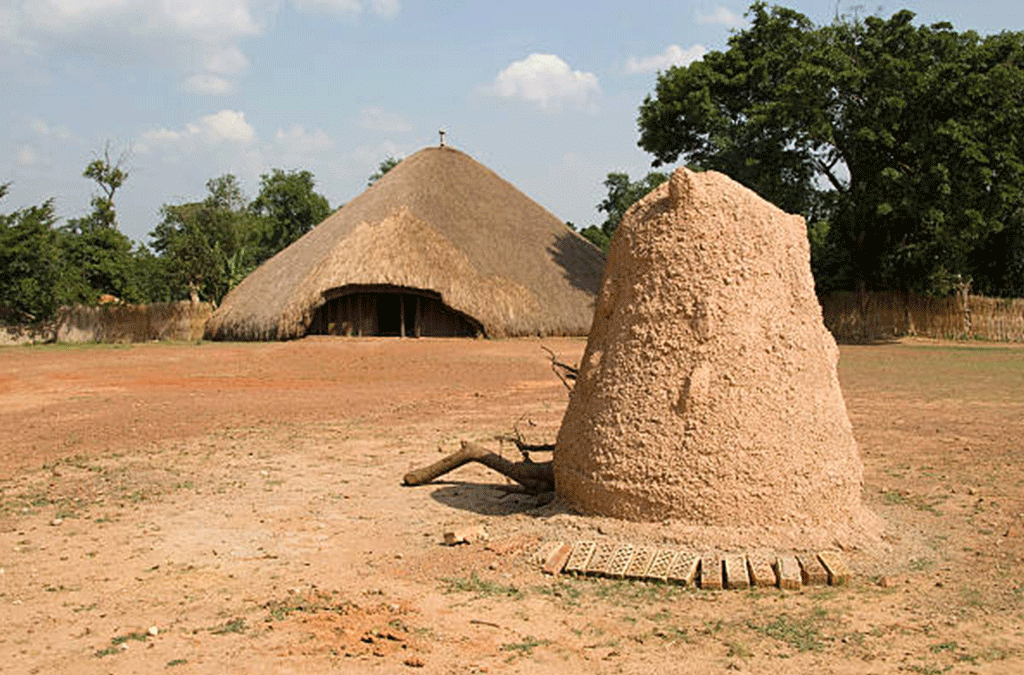
The Tombs of Buganda Kings at Kasubi are the country’s best-known cultural World Heritage property. The former royal palace became a burial ground in the nineteenth century and retains deep spiritual significance for the Buganda kingdom. The great thatched structures demonstrate sophisticated building traditions based on organic materials, while the site also carries stories of identity, ritual and responsibility. Among historic cultural attractions in Uganda, Kasubi stands apart because its value is not limited to age or architecture.
A guided visit helps make sense of the royal lineages, the scale of the main building and the importance of bark cloth, reeds and thatching. Parts of a sacred complex may have access limits; ask before photographing or entering. Cultural tourism sites in Uganda should be approached as living spaces, not open-air stages, and Kasubi is a particularly important example. It works well on a Kampala city tour alongside museums and the Royal Mile. Allow unhurried time for explanations because the details of Uganda cultural heritage and traditions matter more than racing through a checklist. Visiting historic cultural attractions in Uganda can deepen appreciation for the continuing role of royal custodians.

Mengo Palace, the Royal Mile and Bulange
The Royal Mile connects the area around the Kabaka’s palace at Lubiri with Bulange, the kingdom’s parliamentary building. Guides can explain ceremonial avenues, architectural symbolism and major events in modern Ugandan history. Some spaces operate under special access arrangements, so do not assume every building can be entered. Historic cultural attractions in Uganda become far more meaningful when a guide distinguishes documented history from oral tradition and explains why a site still matters to local people.
Plan Mengo and Kasubi as complementary stops rather than duplicates: one emphasizes royal institutions and twentieth-century political narratives, while the other emphasizes burial, ritual and architectural preservation. Uganda cultural tours and activities here benefit from a knowledgeable city guide who can coordinate access and give context without sensationalizing difficult chapters. A broader look at activities in Kampala can help balance palace history with food, art and public spaces. The most useful question is not only what happened here, but how residents remember it today. Uganda cultural tours and activities around the Royal Mile benefit from time for questions.
Uganda Museum: Objects, Music and Everyday Life
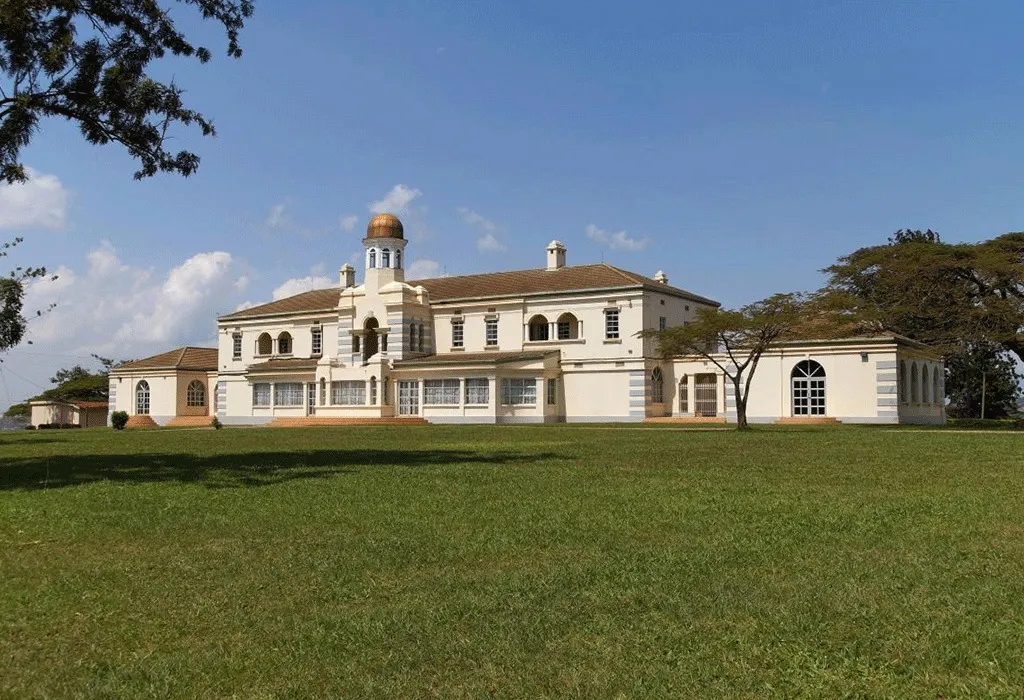
The Uganda Museum in Kampala has long been an important starting point for material culture, archaeology, natural history and musical instruments. Collections help explain how people farmed, travelled, traded, worshipped and made music across different regions. Museum displays are especially useful before visiting rural communities because they show that Uganda cultural heritage and traditions encompass many distinct societies. The museum’s visitor arrangements can change during renovation or conservation work; confirm current opening and gallery access with the responsible department rather than relying on an old timetable.
If the museum is open during your dates, allow time to read labels and ask interpreters about objects that interest you. Cultural tourism sites in Uganda can teach continuity alongside change: people adapt technology and social practices without losing their heritage. A careful Kampala itinerary can combine the museum with art spaces and public performance venues. Community cultural experiences in Uganda then add living voices to the information first encountered behind glass. Community cultural experiences in Uganda can help connect museum objects to their present-day uses.
Discover Kampala’s Heritage
Share your preferred travel date, group size and interest in royal history, museums or performance to plan a balanced city visit.
info@ugandarwanda-safaris.com
Ndere Cultural Centre and Performing Arts
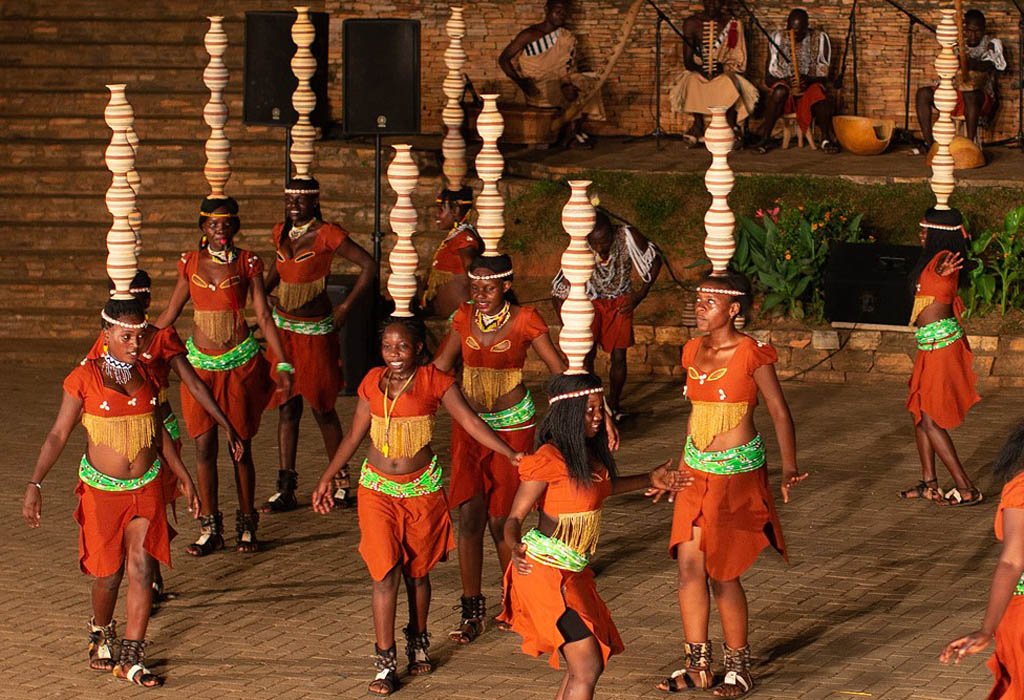
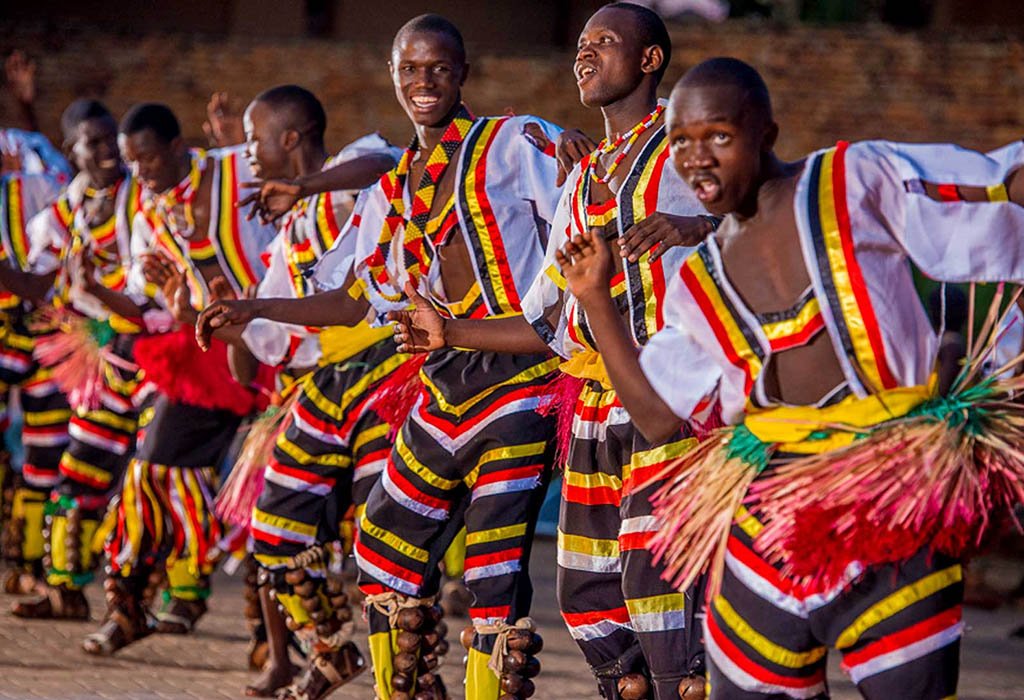
The Ndere Cultural Centre offers visitors a lively introduction to Ugandan dance, rhythm, storytelling and performance. A show can bring together artistic traditions from different parts of the country, though the programme and performance schedule should always be confirmed directly. Uganda cultural tours and activities become richer when the audience understands why a song is performed, how instruments are used and where traditions continue outside tourist venues.
The venue also highlights the importance of skilled performers, musicians, designers and cultural educators in today’s creative economy. Ask whether a workshop or guided conversation is available; participation may teach more than watching from a distance. Community cultural experiences in Uganda can take many forms, from theatre and drumming to food demonstrations and family storytelling. For travelers seeking historic cultural attractions in Uganda, evening performance is a refreshing counterpart to daytime monuments, especially after a long sightseeing day in Kampala. Uganda cultural heritage and traditions are audible as well as visible during live performance.
Namugongo and Uganda’s Religious Heritage
The Uganda Martyrs Shrine at Namugongo commemorates Christian martyrs killed in the late nineteenth century and remains a major place of pilgrimage and remembrance. Visitors who are not pilgrims can still learn respectfully about the period, its political context and the devotion associated with the shrine. In any survey of cultural tourism sites in Uganda, religious heritage deserves attention because beliefs and ceremonies have shaped communities for generations.
A visit may coincide with prayer, religious observance or large gatherings, so dress modestly and follow guidance on quiet areas and photography. The Uganda Martyrs trail can be considered when spiritual history is a particular interest. Uganda cultural heritage and traditions include multiple faiths and systems of belief, and a respectful itinerary leaves room for more than one perspective. Do not plan access or transport using an assumed event calendar; major pilgrimage days can affect travel and security arrangements. Historic cultural attractions in Uganda sometimes remain busy places of worship as well as tourist destinations.
Wamala Tombs and Naggalabi Coronation Site
Wamala Tombs preserve memories of earlier Buganda royalty and offer a quieter counterpoint to Kasubi. Together these places show how authority, genealogy, landscape and ceremony intertwine. Historic cultural attractions in Uganda often carry both archival records and oral histories, and a sensitive guide can explain the difference without dismissing either. Smaller sites may offer fewer visitor facilities than major landmarks, so arrange local guidance before setting out. Cultural tourism sites in Uganda can require advance permissions even when they appear on a map.
These stops are best suited to visitors who want to spend an extra day on Buganda’s history instead of rushing to the next safari park. Cultural tourism sites in Uganda differ in upkeep, visitor protocols and available interpretation; ask about opening arrangements, permission and road conditions. Uganda cultural tours and activities that include smaller royal sites should also make time for refreshments or crafts from nearby businesses. Such simple choices can help spread tourism benefits beyond the most photographed monuments.
Nyero Rock Paintings in Eastern Uganda
Near Kumi, the Nyero rock paintings are an important example of prehistoric rock art in eastern Uganda. Geometric patterns on rock surfaces are tangible evidence of earlier cultural expression, but precise interpretations of individual symbols remain uncertain. Their fascination lies partly in what researchers can observe and partly in the questions that remain open. Among historic cultural attractions in Uganda, Nyero is especially compelling to visitors interested in archaeology, landscape and deep history. Avoid presenting speculative dates or ritual meanings as settled fact when explaining the paintings.
Never touch, rub, wet or trace the pigments, and keep children from climbing onto painted areas. Cultural tourism sites in Uganda can be damaged by seemingly harmless visitor behaviour, so careful observation is part of the experience. Eastern routes may combine Nyero with Sipi Falls, but factor in road time rather than assuming the two stops are next door. Uganda cultural heritage and traditions are best understood at a pace that leaves room for the landscape surrounding the site. Uganda cultural tours and activities should never compromise the conservation of painted rock surfaces.

Bigo bya Mugenyi and Ancient Earthworks
Bigo bya Mugenyi is known for monumental earthworks linked in scholarship and regional traditions to earlier societies in western and central Uganda. Earth banks, ditches and settlement traces invite visitors to think about organization, land use and political change before the modern state. Historic cultural attractions in Uganda should be presented with that distinction clearly explained. It makes a visit intellectually interesting rather than reducing an ancient place to a single legend.
This is not a casual urban attraction with guaranteed daily services. A visit may require advance coordination, a suitable vehicle and assistance from knowledgeable local contacts. Uganda cultural tours and activities that include Bigo should leave enough time for an informed walk and for respecting adjacent land uses. When comparing cultural tourism sites in Uganda, recognize that remote archaeological monuments may have different practical needs from museums or performing arts centres. Check access and conservation guidance before finalising your route. Historic cultural attractions in Uganda deserve time for thoughtful archaeological interpretation.
Igongo Cultural Centre and Ankole Heritage
Visitors may encounter displays and interpretation related to Ankole society, cattle, homesteads, food and regional history. The surrounding journey also offers opportunities to observe farming landscapes and modern towns without confusing present-day life with a museum re-creation. Uganda cultural heritage and traditions are especially rewarding here because cattle-keeping, agriculture, craft and cuisine can be explained as evolving practices, not frozen images of the past.
The centre fits naturally into a drive toward western safari destinations. Travellers extending their route to Lake Mburo National Park should confirm which stops fit the actual direction of travel rather than making an unnecessary detour. Community cultural experiences in Uganda often work best with a guide who can explain regional language, food and etiquette in plain terms. Igongo offers that interpretive bridge for visitors approaching the southwest for the first time. Uganda cultural heritage and traditions here are shaped by farming, livestock and continuing social change.

Explore the Western Heritage Route
Combine Ankole heritage and community activities with an unhurried western Uganda safari.
info@ugandarwanda-safaris.com
Fort Portal and Tooro Kingdom Culture
Fort Portal provides a base for exploring the history and present-day cultural identity of the Tooro kingdom and communities of western Uganda. The town’s setting near crater landscapes and forest reserves makes it an inviting place to slow down between wildlife activities. Historic cultural attractions in Uganda are not always standalone monuments; sometimes the surrounding town is the clearest way to understand how an institution relates to daily life.
Some visitors combine the region with Kibale Forest National Park for chimpanzee tracking, then devote a separate afternoon to community projects and food. Uganda cultural tours and activities need not compete with wildlife viewing; they can illuminate how tourism, agriculture and conservation affect nearby households. Ask hosts which activities are locally organised and what fees support. Community cultural experiences in Uganda are strongest when participants have agency over the story, timings and locations they share. Community cultural experiences in Uganda can be educational without being intrusive.
Batwa Heritage Around Bwindi and Mgahinga
The Batwa are diverse people with contemporary lives, and their history should never be reduced to a staged image of the past. Community cultural experiences in Uganda require special care here: choose programmes led or meaningfully controlled by Batwa participants, ask how income is distributed and follow consent rules for photographs and interviews. This approach respects people as hosts and knowledge holders.
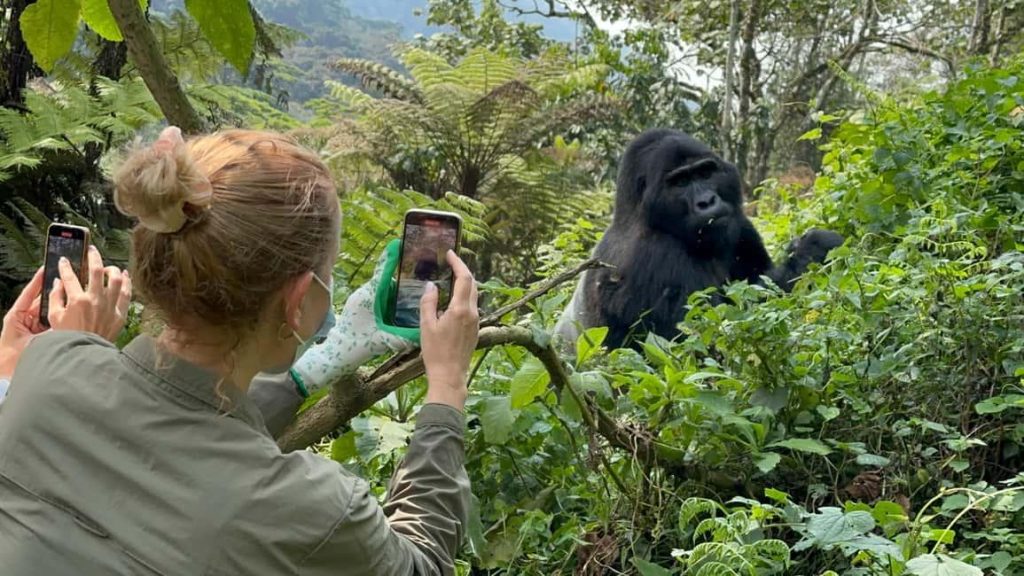
The surrounding Bwindi Impenetrable Forest is renowned for gorilla trekking, but cultural time should not be squeezed into an exhausted hour after a demanding hike. Options such as the Ruhija Batwa trail, Nkuringo Batwa cultural experience and Mgahinga Batwa experience involve different locations and arrangements. Uganda cultural heritage and traditions in this region are linked to forests, farming, identity and environmental change. Confirm the specific host organisation and activity before booking. Uganda cultural heritage and traditions are expressed differently across communities even within a single forest region.

Bakiga Traditions and Highlands of the Southwest
The Kigezi highlands offer another perspective on southwestern life through Bakiga farming traditions, music, dance and accounts of settlement in a densely cultivated landscape. Uganda cultural tours and activities are better when they show the relationship between cultural expression and practical daily work rather than presenting a dance as an isolated attraction. Ask for activities that are voluntary, locally requested and sensitive to household privacy.
A route near Lake Bunyonyi can provide a gentler afternoon between longer travel days, with lakeside communities introducing distinct local histories. For travelers seeking cultural tourism sites in Uganda, the key is to recognise regional diversity even within the southwest. Community cultural experiences in Uganda may include markets, craft workshops or storytelling, but availability varies with seasons and hosts’ schedules. Never assume children or residents are available for unscheduled performances. Uganda cultural tours and activities should distinguish a voluntary workshop from an unscheduled visit to a home.
Karamoja: Pastoral Culture and Community Visits
The northeastern region of Karamoja offers striking scenery and opportunities to learn about pastoral livelihoods, beadwork, food, settlement patterns and contemporary change. Uganda cultural heritage and traditions here include adaptations to education, markets, changing rainfall and economic opportunities. A local interpreter can make these discussions more nuanced. The Karamojong people and their culture are best approached through respectful, community-approved visits.
The area can be paired with a Kidepo Valley safari, although distance and road conditions require careful planning. Community cultural experiences in Uganda have particular value when host households or local organisations choose the format and benefit directly. Ask about photography, payments, modest dress and what spaces remain private. Historic cultural attractions in Uganda tell one part of the national story; Karamoja’s living communities demonstrate that culture is ongoing, diverse and inseparable from current realities. Community cultural experiences in Uganda work best when local representatives decide what visitors may see.

Kibiro Salt Village and Lake Albert
Kibiro on Lake Albert is associated with longstanding salt-making knowledge and a landscape shaped by local production and trade. The journey is less straightforward than a Kampala museum visit, and access may depend on local road or boat arrangements. Historic cultural attractions in Uganda sometimes reveal themselves through working landscapes rather than monumental buildings. Observe production only with permission and avoid obstructing those who are earning their living.
Travelers exploring western Uganda can consider a Kibiro hot springs excursion when route conditions allow, while recognising that a cultural visit and a hot-spring stop are not identical experiences. Uganda cultural tours and activities at working sites should prioritise a local guide and fair payment for interpretation. Cultural tourism sites in Uganda become more meaningful when travellers ask how people maintain traditional skills while responding to changing markets, infrastructure and environmental pressures. Historic cultural attractions in Uganda can include productive places whose value lies in skills passed between generations.
Jinja, Busoga and the Nile’s Cultural Landscape
Jinja is frequently introduced through the source of the Nile and adventure sports, but the area also has Busoga history, urban neighbourhoods, markets and artistic activity. Uganda cultural heritage and traditions take different forms along a major waterway where communities have long exchanged goods and ideas. Guides should distinguish the river’s symbolic importance from simple claims about where a continent’s longest river begins.
Visitors often combine city exploration with Jinja attractions or a Jinja and Ssezibwa excursion. Uganda cultural tours and activities can include food, craft markets and discussions with local artists in addition to a riverside view. Community cultural experiences in Uganda are most useful when travellers leave enough time for a real exchange, not a hurried stop between rafting and the return drive.
Gulu, Acholi Heritage and Northern Uganda
Northern Uganda brings different languages, foodways, crafts, music and political histories into view. In and around Gulu, a locally guided cultural programme may illuminate Acholi identity and the ways communities have responded to conflict, recovery and rapid urban growth. Historic cultural attractions in Uganda include places of remembrance as well as sites of celebration, and both require appropriate interpretation.
For travel through the north toward Murchison Falls National Park, consider one meaningful stop rather than treating the region solely as a transfer corridor. Uganda cultural heritage and traditions are not only preserved in formal institutions; they are carried through language, family networks, art and everyday enterprise. Community cultural experiences in Uganda should be arranged through reputable local facilitators who can explain context and ensure participants consent to any sensitive discussion. Community cultural experiences in Uganda require informed consent when sensitive memories are discussed.
Plan a Cultural Journey Across Regions
Tell us whether you prefer archaeology, food, living traditions or a combined wildlife and culture itinerary.
info@ugandarwanda-safaris.com
Craft Markets, Bark Cloth and Contemporary Creativity
An approachable way to connect heritage and modern life is to visit a craft market, art workshop or performance space. Uganda’s makers work with textiles, basketry, wood, beads, painting and newer media, often blending inherited methods with personal experimentation. Bark-cloth production holds particular cultural significance in Buganda, but not every cloth or souvenir sold in a market is handmade locally. Uganda cultural heritage and traditions gain depth when buyers ask who made an item, what materials were used and whether its story is known.
Craft shopping should be a conversation, not a contest to obtain the lowest price. Uganda cultural tours and activities centred on artisans can help visitors understand the labour behind objects. The Uganda culture guide offers a wider starting point for exploring food, music and social practice. Among cultural tourism sites in Uganda, creative spaces also allow visitors to see how contemporary Ugandans interpret heritage for themselves. Uganda cultural heritage and traditions also inspire contemporary musicians, designers and visual artists.
Food, Language and Everyday Etiquette
Food can be one of the most enjoyable introductions to cultural life. Depending on the region, visitors may encounter matooke, groundnut sauces, millet dishes, roasted meats, cassava, beans and a wide range of vegetables. Community cultural experiences in Uganda are often most relaxed around a shared demonstration or market walk where hosts can discuss household routines and local trade without turning private family life into a spectacle.
Uganda has many languages, with English widely used in tourism and Luganda prominent around Kampala. A few greetings, patient listening and asking before taking photographs will usually matter more than memorising a long phrasebook. Uganda cultural heritage and traditions are reflected in names, greetings, dress, storytelling and hospitality, but etiquette varies across communities. Uganda cultural tours and activities should therefore be guided by specific hosts rather than one set of universal rules. If you have dietary restrictions, tell your organiser before arranging a home-hosted meal. Uganda cultural tours and activities can include cooking lessons when hosts welcome that exchange. Community cultural experiences in Uganda are more meaningful when hosts choose the setting.
How to Choose Responsible Community Visits
A well-designed cultural visit makes clear who invited travelers, who guides them, who receives payment and what participants are happy to share. Community cultural experiences in Uganda should not rely on photographing children without consent, interrupting ceremonies or entering homes uninvited. Avoid programmes that promise unrestricted access to sacred places, vulnerable people or private ceremonies.
The cultural experience in Uganda is richer when visitors focus on relationships, patience and curiosity rather than collecting pictures. Historic cultural attractions in Uganda also need conservation-minded behaviour: stay on agreed paths, do not touch delicate surfaces and obey any photography restrictions. Cultural tourism sites in Uganda contribute to heritage preservation only when their custodians retain meaningful authority over how they are used. A fair guide fee and thoughtful purchases can be more valuable than a hurried group performance. Historic cultural attractions in Uganda require respectful behaviour even when there is no visible barrier.
Best Time to Visit Cultural Sites
Museums, urban landmarks and many cultural centres can be considered throughout the year, while outdoor archaeology and rural journeys may be easier in relatively drier periods. Cultural tourism sites in Uganda do not share a single opening calendar. Religious gatherings, public events, renovation work and community ceremonies can change visitor access with little notice. Confirm arrangements shortly before travel rather than trusting a generic list of hours.
A festival or market day can add energy to an itinerary, but it may also bring crowds and different expectations around transport or photography. Uganda cultural tours and activities should follow the timing of the event that matters most to you; performances may operate on set nights and guided visits may require appointments. Uganda cultural heritage and traditions remain interesting outside major celebrations because everyday food, crafts and local storytelling provide quieter encounters. When planning community cultural experiences in Uganda, ask hosts when a visit would be convenient for them. Uganda cultural tours and activities need careful coordination around holidays.
A Practical Three-Day Kampala Cultural Itinerary
On day two, consider the national museum if open, a craft workshop and an evening performance at Ndere. On day three, visit Namugongo or another heritage stop that matches your interests, then use the remaining time for food and city life. Uganda cultural tours and activities work best with flexible transfer buffers because Kampala traffic may be unpredictable. Do not schedule sacred sites as though they were quick photo stops.
A longer city itinerary can incorporate Kampala excursions, with a focus on a few places visited well. Historic cultural attractions in Uganda are often spread across several neighbourhoods, so group stops geographically and confirm host availability. Cultural tourism sites in Uganda are more enjoyable when guides provide context before arrival and leave time afterward for questions. This approach also makes Uganda cultural heritage and traditions easier to remember than a fast succession of disconnected names. Uganda cultural heritage and traditions emerge more clearly when each day is organized around a coherent theme.
Seven to Ten Days: Culture With a Uganda Safari
A Kampala introduction can lead southwest to Igongo, Lake Mburo, the Kigezi highlands and a Batwa-hosted experience near Bwindi. Another route can turn east toward Jinja and Nyero, while a longer northern journey might combine Gulu or Karamoja with wildlife areas. Uganda cultural tours and activities should be designed around actual roads and travel time, not just points on a map. Each route tells a different story and deserves realistic pacing.
A western circuit may combine Queen Elizabeth National Park with regional cultural tours, craft, food or community encounters, and a gorilla trekking experience if permits are secured. Community cultural experiences in Uganda add a human dimension to wildlife travel, but do not treat village visits as substitutes for conservation activities or vice versa. Cultural tourism sites in Uganda should contribute contrast, learning and local benefit rather than simply increasing the number of stops on an itinerary. Community cultural experiences in Uganda should not be treated as interchangeable stops. Historic cultural attractions in Uganda can anchor a balanced regional route.
Budget, Transport and Booking Considerations
Never assume that all entrance fees go to the same institution or that a community visit includes compensation for every participant. Ask for an itemised proposal explaining what is prepaid, which fees are collected locally and whether photography requires separate consent or payment. Uganda cultural tours and activities can be cost-effective when incorporated into a logical route, but distant sites may require additional driving days.
Choose a local guide with specific knowledge of the cultural places being visited, not merely a driver who knows the roads. For sacred or archaeological locations, interpretation and protocol are essential. Historic cultural attractions in Uganda may also have limited accessible facilities, so discuss mobility requirements before travelling. Community cultural experiences in Uganda should be booked with suitable notice, giving hosts time to agree on content and logistics. For remote stops, confirm road conditions, vehicle suitability, mobile coverage and emergency arrangements before departure. Historic cultural attractions in Uganda may need separate local guides and careful conservation planning.
Create a Tailor-Made Uganda Trip
Get help choosing meaningful stops and realistic road transfers with community-hosted activities.
info@ugandarwanda-safaris.com
Common Mistakes to Avoid
The first mistake is treating every local community as a tourist attraction. A second is assuming all sites are open daily or that anyone with a camera has permission to document rituals. Another is trying to see Kampala, Nyero, Karamoja and Bwindi in a handful of days. Historic cultural attractions in Uganda are geographically dispersed, and long transfers can overwhelm the experience. Choose a manageable number of places and learn how each connects to the region it inhabits.
The most satisfying cultural tourism sites in Uganda are not necessarily the ones with the biggest monuments. Uganda cultural heritage and traditions are also dynamic, so avoid language that portrays contemporary people as relics of the past. When booking Uganda cultural tours and activities, request clear details about the programme and be prepared to adapt if a community event, weather condition or conservation need changes the plan.
FAQs: cultural tourism sites in Uganda
Which site should a first-time visitor choose? Visitors with limited time can choose two or three Kampala experiences rather than crossing the whole country. Cultural tourism sites in Uganda range from well-known landmarks to small specialist destinations, so the best choice depends on whether history, archaeology, faith or living traditions interest you most.
Are cultural visits suitable for children? Many museums, performances and guided walks can suit families, but children should understand rules around sacred spaces, photography and fragile exhibits. Community cultural experiences in Uganda work best when adults prepare children to listen and participate respectfully rather than expecting entertainment at every stop. Check any age or accessibility limitations directly.
Can cultural activities be added after gorilla trekking? Often yes, but avoid tight schedules on a strenuous trekking day. A separate afternoon or morning near Bwindi offers more relaxed time for discussion. Uganda cultural tours and activities are especially valuable when the hosts’ timetable is respected. For additional planning, gorilla and cultural experiences can illustrate the combination.
Is Kasubi the only UNESCO cultural World Heritage property in Uganda? Yes, it is the country’s inscribed cultural property; Uganda also has natural World Heritage properties. Other remarkable archaeological places, including Nyero and Bigo, should not be labelled as inscribed World Heritage sites. Historic cultural attractions in Uganda include protected national sites and places on tentative lists, which are different designations.
Plan a Journey That Makes Room for People
A journey becomes more rewarding when the traveller understands not only where a place is, but why it matters to the people who care for it. Uganda cultural heritage and traditions remain diverse and continuously changing, and no single museum, performance or community visit can represent them all. That is the reason to travel with curiosity rather than a rigid cultural checklist.
From royal Buganda to the rock art of the east, from Ankole history to Batwa-led experiences in the southwest, cultural tourism sites in Uganda can complement every kind of safari. Community cultural experiences in Uganda deserve the same careful planning as wildlife permits, and Uganda cultural tours and activities should bring tangible value to local hosts. When chosen thoughtfully, historic cultural attractions in Uganda offer a deeper understanding of place long after the journey ends.