What are the Best Wildlife Viewing Seasons in Uganda?

Best Time for Wildlife Viewing in Uganda: 2027–2028 Safari Guide
Uganda offers rewarding wildlife viewing throughout the year, but each season creates a different safari experience. Discover when to travel for game drives, mountain gorillas, chimpanzees, birding and wildlife photography—and how to choose the season that best matches your priorities.
Best Overall
Second Dry Window
Green Season
Shorter Rains
Understanding Uganda’s Seasons
When Is the Best Time for Wildlife Viewing in Uganda?
For travellers primarily interested in classic savannah wildlife, June to September and December to February are generally the easiest periods to recommend. These are Uganda’s relatively drier seasons, when game-viewing roads are often easier to navigate and vegetation can be less dense in parks such as Murchison Falls, Queen Elizabeth, Lake Mburo and Kidepo Valley.
However, there is no single month when every wildlife experience is at its best. Uganda crosses several ecosystems and altitudes. Conditions in semi-arid Kidepo are different from the rainforest environment of Bwindi, while Kibale’s chimpanzee ecology does not follow exactly the same pattern as savannah wildlife.
The wetter months are therefore not a poor safari season. March to May and October to November bring greener landscapes, beautiful photographic backgrounds and often a quieter atmosphere. Wildlife remains present, boat cruises continue and gorilla and chimpanzee tracking operate throughout the year.

Season Comparison
Uganda Wildlife Seasons at a Glance
Use these periods as a planning guide rather than a weather guarantee. Rainfall varies between regions, altitude zones and individual years.
| Period | Typical Conditions | Game Viewing | Primate Trekking | Best For |
|---|---|---|---|---|
| Jun–Sep | Relatively dry | Excellent | Popular; trails often firmer | First visits, wildlife & gorillas |
| Dec–Feb | Shorter dry period | Excellent | Very good | Wildlife + primates |
| Mar–May | Longer rains | Good; greener vegetation | Muddier trails | Photography & quieter travel |
| Oct–Nov | Shorter rains | Good | Year-round | Birding & green landscapes |
Swipe horizontally on mobile to see all columns.
Planning tip: Your most productive safari combines suitable dates with the right parks. Browse Murchison Falls wildlife, Queen Elizabeth National Park and Lake Mburo safari experiences before deciding on a route.
Choose Your Safari Atmosphere
How Uganda Changes Through the Safari Seasons
Each period offers a different balance of wildlife visibility, landscapes, road conditions and visitor numbers.

June–September
Main Dry Season
Excellent for first-time visitors, multi-park road safaris and travellers wanting to combine savannah wildlife with gorilla and chimpanzee trekking.
December–February
Second Dry Season
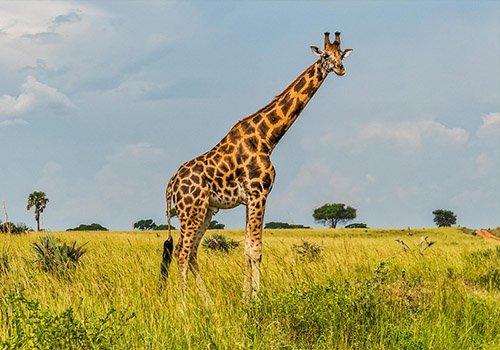
A strong alternative for wildlife and primates, especially for travellers visiting after Christmas or during January and February.
March–May / Oct–Nov
Green Season
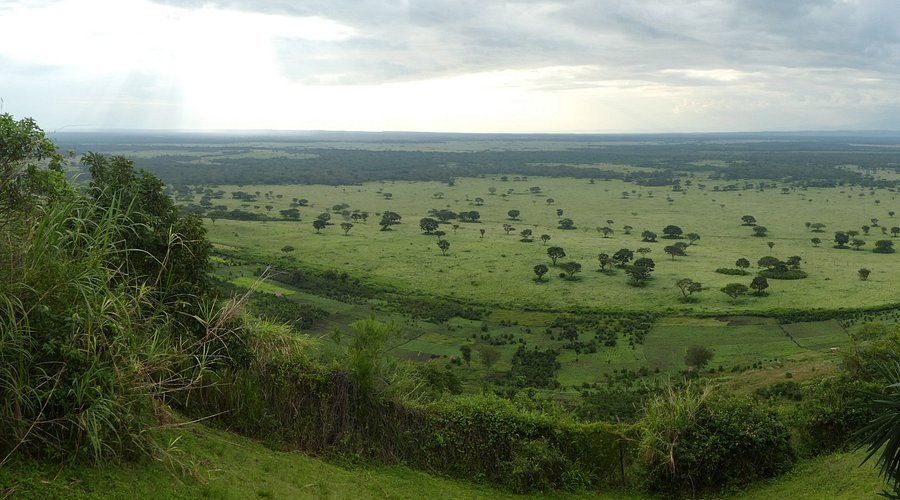
Ideal for travellers attracted to lush scenery, dramatic skies, fewer visitors and a more atmospheric photographic safari.
The Classic Choice
Why June to September Works So Well for Wildlife
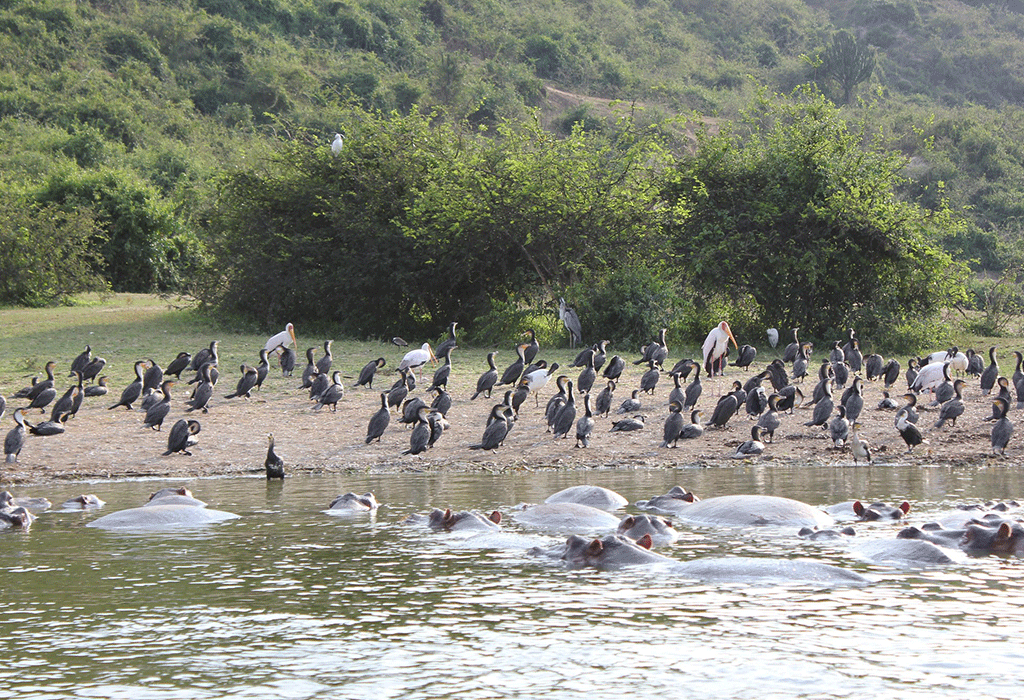
In Murchison Falls National Park, travellers can combine morning game drives with a Nile boat safari. Queen Elizabeth offers the Kasenyi Plains, Kazinga Channel and Ishasha Sector, while Lake Mburo provides a compact savannah experience with zebra, impala, eland and giraffe.
The disadvantage is demand. July and August can be particularly busy, so travellers with fixed dates should secure gorilla permits and preferred accommodation well ahead of travel.

A Different Kind of Safari
Is Uganda Worth Visiting During the Rainy Season?
Absolutely. The rainy or green season is often misunderstood. Wildlife does not leave Uganda’s parks when the rains arrive. Game drives, boat cruises and primate tracking continue, while the landscapes become intensely green.
March to May generally brings the longer rains, while October and November form a shorter wetter period. Heavy showers can affect unpaved roads and forest trails, but rain does not necessarily continue throughout every day.
The main wildlife trade-off is visibility. Taller vegetation can occasionally make smaller animals harder to see, and wildlife may spread more widely because water is readily available. In return, photographers gain greener backgrounds, dramatic cloud formations and less dust.
Travellers who value landscapes, photography, quieter parks and flexibility with weather may find it particularly rewarding.
Savannah Wildlife
Three Essential Uganda Wildlife Areas
For classic game viewing, these destinations form the foundation of many Uganda wildlife itineraries.

Savannah + Nile
Murchison Falls
One of Uganda’s strongest all-round wildlife destinations for elephants, giraffes, buffaloes, lions, antelopes and Nile wildlife. Read our Murchison Falls safari guide.
Seasonal edge: Drier periods generally make game viewing and road travel easier.
Kasenyi + Kazinga + Ishasha
Queen Elizabeth
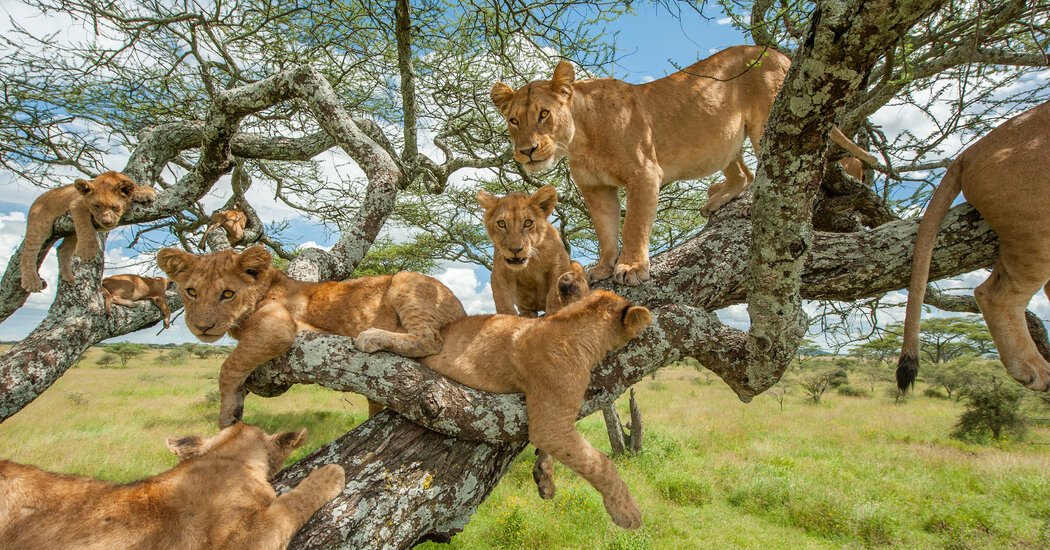
Combine game drives with the Kazinga Channel and the famous Ishasha Sector, known for opportunities to see tree-climbing lions. Read our Queen Elizabeth safari guide.
Seasonal edge: Excellent year-round, with easier visibility in drier conditions.
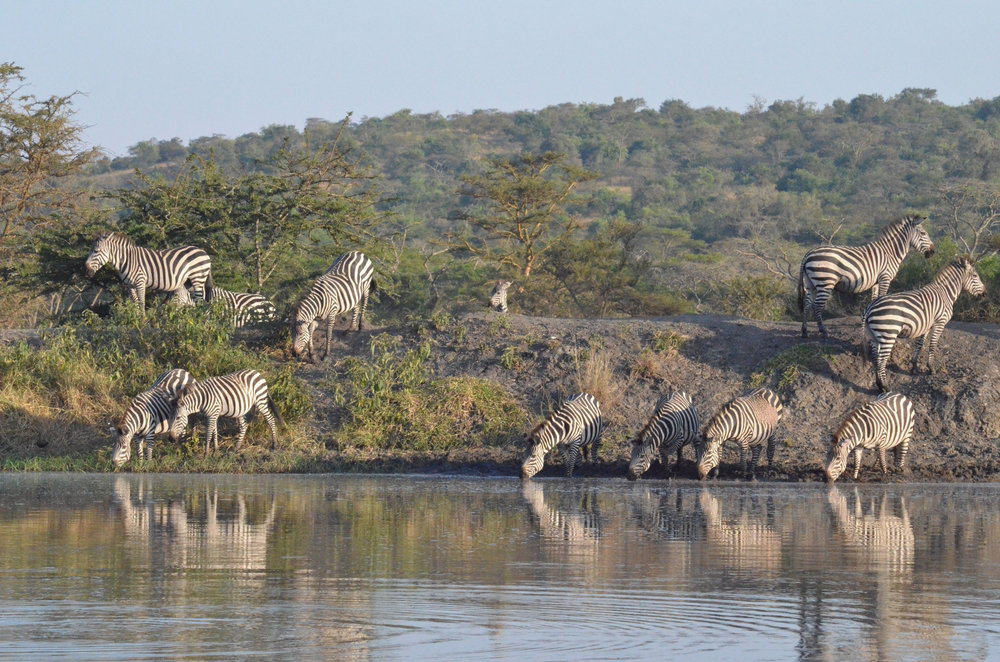
Compact Savannah
Lake Mburo
A convenient western-circuit park for zebra, impala, eland and giraffe, particularly useful near the beginning or end of a road safari. Read our Lake Mburo safari guide.
Seasonal edge: Wildlife viewing continues year-round.
Kidepo is one of Uganda’s finest choices for travellers seeking remote wilderness and open savannah. Its semi-arid northeastern climate differs from the wetter western circuit, so its seasonal pattern should be considered separately when designing the itinerary.
Best Safari Seasons by Uganda National Park
Different regions have different rainfall patterns. Use these recommendations to select a route, not as a guarantee of sightings. A skilled guide may still find rewarding wildlife on a green-season morning.
| Park | Timing guidance | Why visit |
|---|---|---|
| Murchison Falls | June–September; December–February | Nile boat safaris, giraffes, elephants and big-game drives |
| Queen Elizabeth | Drier months for open-sightline game drives | Kasenyi, Kazinga Channel and optional Ishasha exploration |
| Kidepo Valley | December–March often suits its northeastern climate | Remote plains and distinctive dry-country wildlife; plan the long transfer |
| Lake Mburo | Year-round; drier roads often easier | Zebras, impalas, boat trips and guided nature walks |
| Bwindi & Mgahinga | June–September; December–February for generally firmer trails | Mountain gorillas, forests and mountain scenery |
| Kibale | Year-round; drier conditions often easier on foot | Chimpanzee tracking and other forest primates |
For a first safari, the western route linking Kibale, Queen Elizabeth, Bwindi and Lake Mburo brings together forests and savannah without needing to cross the entire country.
Wildlife Priorities
Best Time to See Uganda’s Wildlife by Experience
Rather than choosing a month only by rainfall, decide which animals and experiences matter most.
| Experience | Strong Period | Where | Planning Note |
|---|---|---|---|
| Lions | Drier months | Queen Elizabeth, Murchison, Kidepo | Lower vegetation can improve visibility. |
| Elephants & Buffaloes | Year-round | Murchison & Queen Elizabeth | Water areas are especially productive in dry periods. |
| Mountain Gorillas | Year-round | Bwindi & Mgahinga | Drier months may mean firmer trails. |
| Chimpanzees | Year-round | Kibale | Food availability also influences movements. |
| Birdlife | Year-round | Across Uganda | Plan specialist trips around target species. |
Swipe horizontally on mobile to see all columns.
Beyond the Savannah
Combine Wildlife Viewing with Uganda’s Primates
One of Uganda’s greatest strengths is the ability to combine traditional game viewing with close forest encounters on the same journey. You can learn more through our chimpanzee tracking guide and Kibale travel guide.
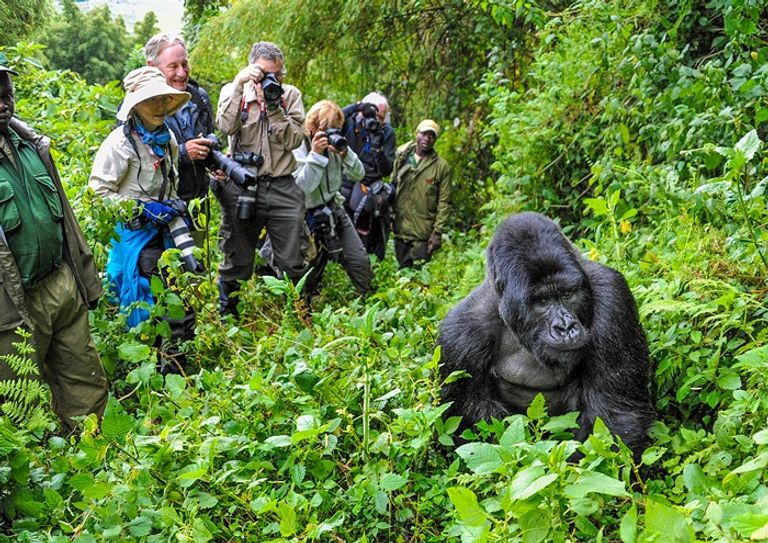
Bwindi & Mgahinga
Mountain Gorillas
Gorilla trekking operates throughout the year. June–September and December–February are popular because trails may be comparatively drier.
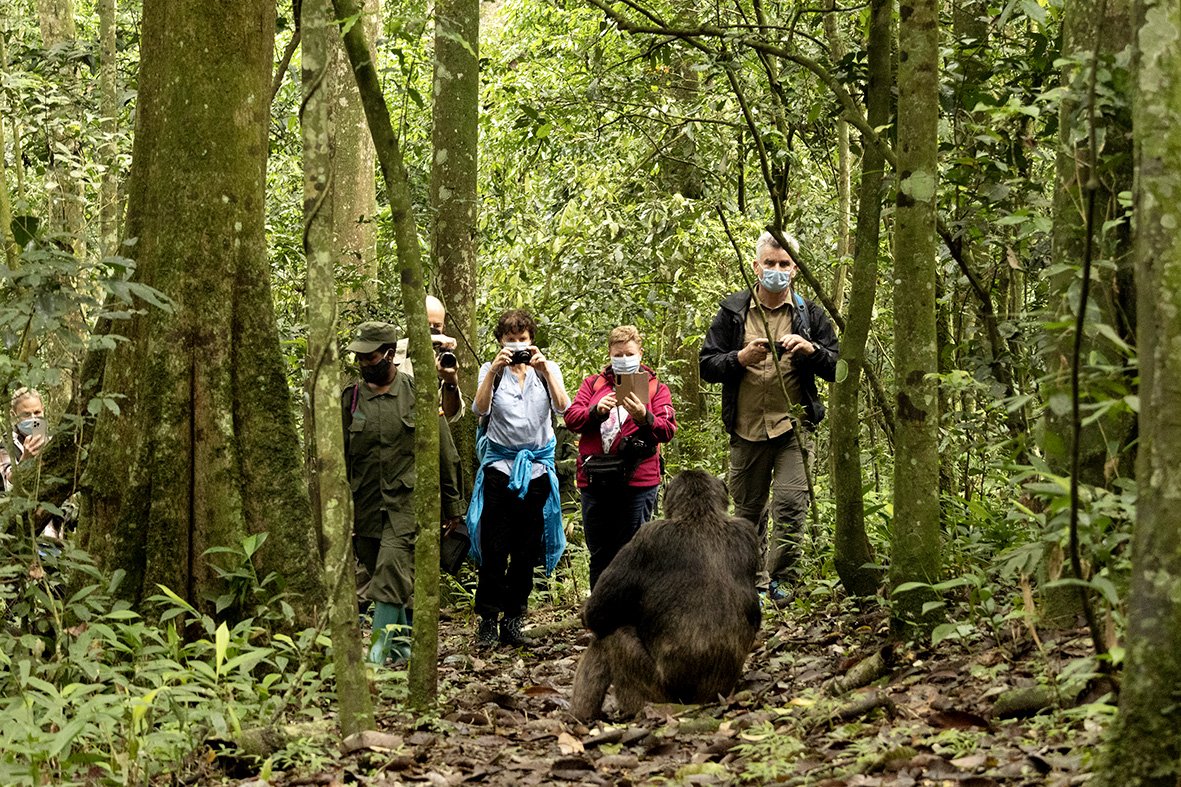
Kibale National Park
Chimpanzees
Chimpanzee tracking is year-round. Drier trails can be easier to walk, while seasonal food availability also affects chimpanzee movements.

Forests & Wetlands
Birding
Birding complements both forest and savannah safaris, allowing travellers to explore Uganda’s varied habitats between major wildlife activities.
Gorilla and chimpanzee tracking are controlled, ranger-guided activities. Travellers do not independently enter the forests to search for primates.
Best Time for Birdwatching and Shoebill Safaris
Uganda offers birdwatching throughout the year. Forest birds, wetland specialists and seasonal visitors favour different habitats, so the ideal travel dates depend on your target list. The shoebill is a particular reason to include a guided wetland excursion around Mabamba near Entebbe or suitable northern wetlands, subject to local access and sighting conditions.
Birdwatchers should not assume that every wet month is equally productive everywhere. Consider the rainfall pattern, road access, available birding guides and the species you most want to see. For mixed wildlife trips, the Kazinga Channel, Nile wetlands and Kibale forest trails introduce a broad range of habitats.

For Photographers
Dry Season or Green Season for Photography?
Neither is automatically better. Dry-season photography can provide clearer views of mammals, golden grasses and productive water sources. Dust may also create atmospheric sunrise and sunset scenes.
The green season produces very different images: rich vegetation, cleaner backgrounds, dramatic skies and softer landscapes. The compromise is that taller grass can sometimes obscure smaller wildlife and camera equipment needs better rain protection.
Serious photographers benefit from private safari transportation because it gives the driver-guide greater flexibility to wait for behaviour, position for light and spend longer at productive sightings.
12-Month Planner
Uganda Wildlife Viewing Month by Month
Drier • Excellent
Often a good drier-month choice for game drives in.
Wildlife + primates
Good for savannah drives and forest trekking; hot conditions.
Rains developing
Transition into longer rains. Wildlife remains present; carry rain.
Wet • Very green
Usually among the wetter months. Choose flexible schedules, scenic.
Green • Transition
Lush scenery and quieter travel. Some roads and steep.
Excellent safari
Drier conditions commonly return. Excellent for combining wildlife, boat.
Peak wildlife season
Popular for classic safari circuits. Reserve preferred lodges and.
Excellent • Popular
Strong all-round month for savannah sightings; expect peak travel.
Excellent overall
Often productive for game drives, though rain patterns can.
Greener • Variable
Variable showers and greener habitat. A rewarding choice for.
Wet • Quieter
Quieter parks, verdant photography and birding opportunities; waterproof trekking.
Drier • Excellent
Conditions often become drier, while festive-season demand for popular.
Season boundaries are approximate and weather patterns vary between regions and years.
Where to Stay
Where to Stay for Wildlife Viewing in Uganda

Queen Elizabeth
Kasenyi, Kazinga or Ishasha?
Stay around the northern tourism area for Kasenyi and Kazinga Channel activities. An Ishasha-area lodge makes more sense when tree-climbing lions and the onward journey to Bwindi are priorities.
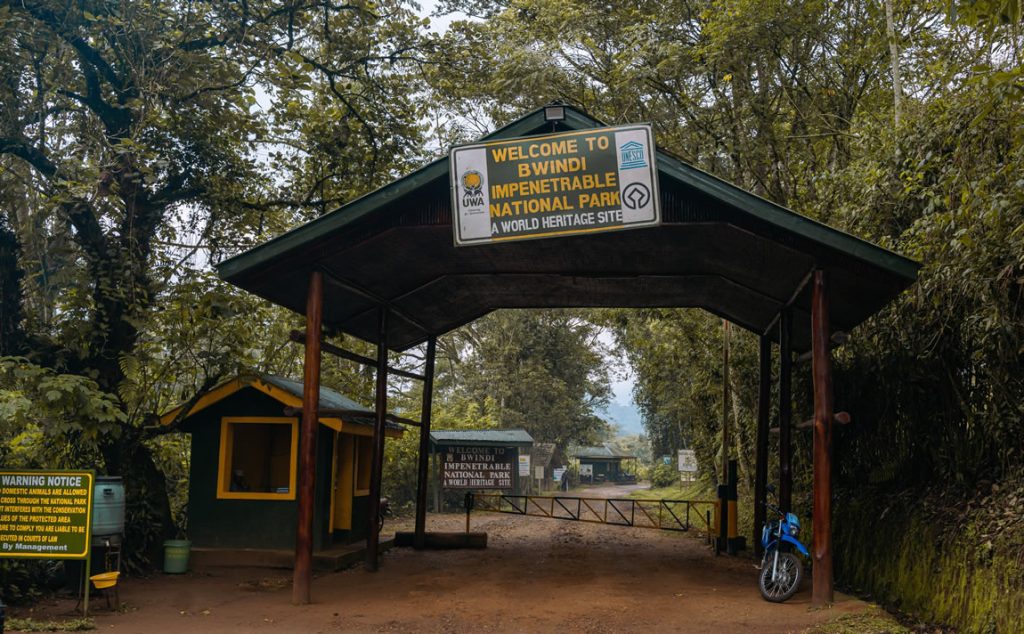
Bwindi
Match Your Gorilla Sector
Buhoma, Ruhija, Rushaga and Nkuringo have separate trekking areas. Confirm your permit sector before choosing your lodge to avoid difficult early-morning transfers.

Kibale
Stay Near the Forest
Well-positioned forest or crater-region accommodation makes early chimpanzee tracking easier while providing access to birding, community activities and surrounding landscapes.
Budget
Practical & Well Located
Prioritise cleanliness, safe access and proximity to activities over unnecessary extras.
Midrange
Comfort & Value
Often the best balance for private safari travellers seeking comfortable rooms, good meals and strong locations.
Luxury
Location & Experience
Ideal for travellers wanting elevated service, premium settings and a more exclusive safari atmosphere.
A well-positioned midrange lodge can be a better safari choice than a luxury lodge that adds unnecessary driving. Location should improve the itinerary, not complicate it.
For more practical location choices, explore our Kibale accommodation guide. Lodge suggestions should always be matched to the confirmed activity start point.
Safari Logistics
Does the Season Affect Safari Transportation?
Yes. Uganda’s major wildlife circuit is largely explored by road, and seasonal conditions can influence travel times. A capable private 4×4 safari vehicle is particularly valuable on multi-park journeys and during wetter periods when some unpaved roads and game tracks can become slippery.
Private transportation also provides flexibility for wildlife viewing. Your driver-guide can adjust departure times, stop for unexpected sightings and manage the road journey around your interests.
Specialised wildlife activities remain professionally controlled. Gorilla and chimpanzee treks are conducted with designated park rangers or guides, while your safari driver-guide handles transfers, game drives and broader trip logistics.
Efficient Western Route
01 • Kibale
02 • Queen Elizabeth
03 • Bwindi
04 • Lake Mburo
Safari Ideas
How Long Should Your Uganda Wildlife Safari Be?

7 DAYS
Wildlife + Primates
A focused route combining Kibale, Queen Elizabeth and Bwindi for travellers who want chimpanzees, game viewing and gorillas.

8 DAYS
Western Uganda Circuit
Allow more time for the western circuit and a better balance between wildlife activities and transfers.

10 DAYS
Complete Wildlife Journey
Ideal for adding more wildlife diversity while keeping the overall safari pace comfortable.
What to Pack
Pack for Changing Conditions
Even in dry months, carry lightweight rain protection when visiting Uganda’s forests. Bring neutral-coloured safari clothing, comfortable closed shoes, sun protection and a light fleece for cool mornings.
During wetter months, add a reliable waterproof jacket, quick-drying clothing, hiking footwear with good grip and waterproof protection for cameras and electronics.
Price & Availability
Does Season Affect Safari Cost?
It can, especially through accommodation availability and seasonal lodge rates. Popular properties may fill quickly during peak periods, while selected lodges may provide better value during quieter months.
When to Book a Uganda Wildlife Safari for 2027–2028
For a 2027 or 2028 safari, choose your intended travel month first, then confirm the order of destinations and the availability of permits and lodges. July, August and Christmas-period departures often demand more advance planning. If you want a particular Bwindi trekking sector or a specific boutique lodge, flexibility of a day or two can improve the options.
Permit charges, park tariffs and accommodation rates can change, so request a current written quotation rather than relying on a figure published months earlier. Permit availability is not confirmed until the relevant authority has allocated the permits under the booking arrangements. Read our Uganda safari booking guide and Uganda safari planning checklist before finalising flights.
At Safari Vacations and Travel Services, we can prepare a private itinerary around your preferred budget, whether you favour a practical lodge, comfortable midrange property or premium stay. Share your dates, guest count, favourite wildlife experiences and estimated budget to receive an appropriate route and quotation.
Expert Recommendation
Which Uganda Safari Season Is Right for You?
First-Time Visitor
Choose: June–September or December–February for a straightforward combination of wildlife and primates.
Photographer
Choose: Dry months for visibility or green season for rich colour, dramatic skies and fewer vehicles.
Primate Enthusiast
Choose: Any season, then balance trail conditions, permit availability and your wider safari route.
Quiet-Season Traveller
Choose: March–May or October–November if greener landscapes and fewer visitors appeal to you.
Plan Around What Matters to You
Not Sure Which Wildlife Season to Choose?
Tell us your preferred dates, safari length, accommodation style and the wildlife experiences at the top of your list. We can recommend the season and route that fit your priorities.
Frequently Asked Questions
Best Wildlife Viewing Seasons in Uganda FAQs
What is the best month for wildlife viewing in Uganda?
There is no single perfect month, but July, August, January and February are excellent choices for travellers prioritising classic game viewing. June and September are also very strong. The best month ultimately depends on which parks and activities you want to combine.
What is the best dry season for a Uganda safari?
June through September is the main dry-season safari window and works particularly well for first-time visitors. December through February provides another excellent opportunity for combining game viewing with gorilla and chimpanzee trekking.
Does rain ruin a Uganda safari?
No. Wildlife activities continue during wetter periods, and rain can create beautiful landscapes and photographic conditions. Heavy rain may temporarily affect road or trail conditions, so good vehicles, appropriate footwear and flexible planning become more important.
When is the best time for gorilla trekking and wildlife together?
June–September and December–February provide an easy overall combination because savannah conditions are generally favourable and forest trails may be comparatively firmer. Gorilla trekking itself takes place throughout the year.
Is dry season always better for chimpanzee trekking?
Not necessarily. Dry conditions can make walking easier, but chimpanzee movement also depends on seasonal food availability. This means wetter periods can still provide rewarding tracking, even though forest trails may be muddier.
Which parks are best for a first Uganda wildlife safari?
Murchison Falls and Queen Elizabeth are excellent foundations because they combine game drives with boat-based wildlife viewing. Lake Mburo fits naturally into western Uganda itineraries, while Kidepo is ideal for travellers wanting a more remote wilderness experience.
How many days are ideal for wildlife, gorillas and chimpanzees?
Seven days can combine Kibale, Queen Elizabeth and Bwindi at an active pace. Eight to ten days provides a more comfortable itinerary and allows additional wildlife areas. Travellers with 12–16 days can explore Uganda much more comprehensively.
Does lodge location matter on a Uganda safari?
Very much. A well-positioned lodge reduces unnecessary driving and improves access to early activities. This is particularly important in Bwindi, where accommodation should normally correspond with the trekking sector shown on your gorilla permit.
Do I need a 4×4 during the rainy season?
A capable 4×4 is strongly recommended for multi-park travel, particularly during wet periods. Some safari roads and game tracks are unpaved, and conditions can change after heavy rainfall.
How early should I book a Uganda wildlife safari?
If your itinerary includes gorilla trekking or you plan to travel during July, August, Christmas or New Year, booking several months ahead is sensible. Limited permits and well-positioned lodges can sell before ordinary safari services.
Safari Vacations and Travel Services
Plan Your Uganda Wildlife Safari for the Right Season
Whether you want lions and elephants on the savannah, mountain gorillas in Bwindi, chimpanzees in Kibale or a complete wildlife and primate journey, we can help match your travel dates with the right route, accommodation and safari pace.