Best Amboseli Waterbird and flamingo Spots

Where are the best waterbird and flamingo spots in Amboseli?
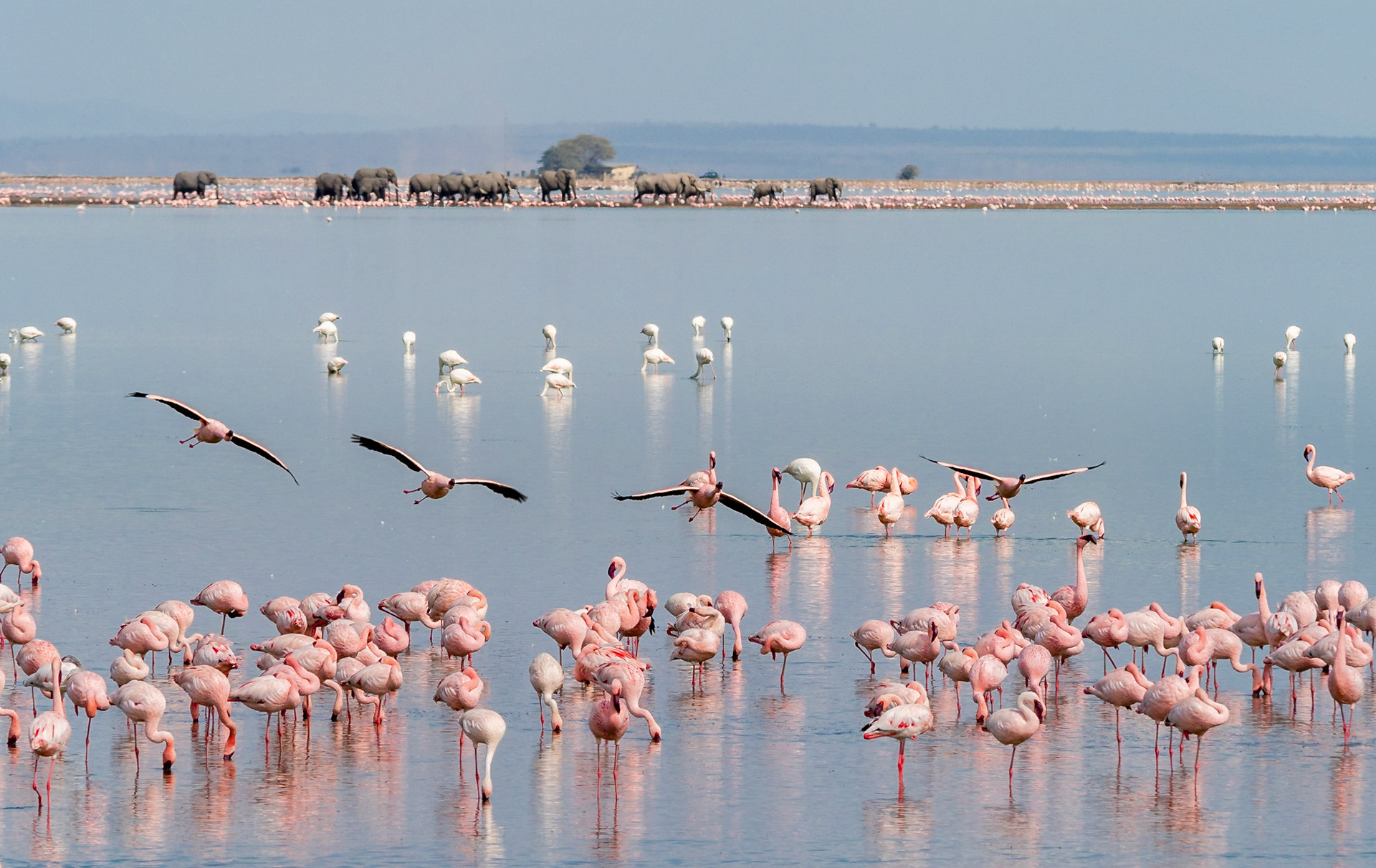
The best Amboseli waterbird and flamingo spots are Enkongo Narok Swamp, the seasonal Lake Amboseli basin, Observation Hill and the wetter margins of the park’s other swamps, including Longinye. Enkongo Narok is particularly rewarding for wetland birds and can host large flamingo flocks when conditions are right. The lake basin attracts flamingos after sufficient rain, but it may be dry at other times.
Many travelers visit Amboseli for elephants and views of Mount Kilimanjaro. Birdwatchers have another reason to stay longer: water-fed marshes and shallow lake edges support a remarkable range of birds in an otherwise dry landscape. The key to a satisfying visit is to choose sites according to current water levels rather than assume that flamingos will always be present. For broader background, explore our Amboseli National Park destination guide and Amboseli safari overview.


1. Enkongo Narok Swamp: the first place to check
Enkongo Narok, sometimes spelled Enkong Narok, is one of Amboseli’s most important wetland birding areas. Water supplied through the Kilimanjaro-fed swamp system creates a refuge for herons, egrets, jacanas, storks, pelicans and many other birds. In wetter periods, expanding open water can attract greater and lesser flamingos.
For a close look at the open-water habitat, birding guides often favor the causeway between road junctions 25 and 26. It can offer rewarding views of flamingos when they have gathered there. Exact access and the most productive stopping places vary with road conditions and water levels; ask your driver-guide to check the route before leaving your lodge.
Bring binoculars even if you have a long camera lens. Bird enthusiasts may also enjoy our guide to birdwatching in Kenya. Some birds feed far out on the water, while jacanas, egrets and smaller waders can be found closer to the roadside. Allow time to stop and identify birds rather than treating the swamp as a brief drive-through.
2. Seasonal Lake Amboseli: a flamingo opportunity after rain
Lake Amboseli is not a permanent lake. For much of the year, parts of its basin can be dry and dusty. Heavy seasonal rainfall may flood portions of the basin, forming shallow alkaline water that attracts flamingos and other aquatic birds. This changeable landscape explains why a traveler might see pink flocks on one visit but none on another.
Do not plan a trip on the assumption that the basin will be full in a particular month. Rainfall, flooding, food availability and bird movements influence sightings. A recent report from a local guide or park staff is much more useful than an old photograph. If the basin is dry, focus your birding time on the more dependable wetlands. To compare another flamingo habitat, read about Lake Nakuru National Park.
3. Observation Hill: scan the marsh from above
Observation Hill, also called Nomatior, provides broad views across Amboseli’s wetlands and plains. It is useful for understanding how the swamps connect to surrounding feeding grounds and for scanning concentrations of larger birds from a higher position.
The hill is a designated place where visitors can leave their safari vehicle and walk up to the viewpoint, subject to park rules. Carry binoculars and take time to look along the reed margins for herons, storks and pelicans. Large birds may be easier to locate from the summit than from a road bordered by tall vegetation. The hill is a superb landscape viewpoint, though it is not a substitute for close-range birding along the swamp roads. Our Kenya national parks guide provides more ideas for combining scenery and wildlife.
4. Longinye and other permanent swamp edges
Longinye Swamp and the remaining spring-fed marshes offer alternatives when the seasonal lake is dry or when Enkongo Narok is quiet. They attract wetland birds as well as elephants and other mammals that come to drink and feed around the water.
Slow, patient viewing from designated safari roads may reveal ducks, ibises, kingfishers, egrets and wading birds. Exact sightings change throughout the day. For wider Kenya wildlife possibilities, see East African safari experiences. Where visibility is obstructed by papyrus or reeds, a different angle from an established road may be more productive than waiting in one place.
Amboseli landscapes and birdwatching moments


Which waterbirds can you see?
Amboseli has more than 400 recorded bird species according to Kenya Wildlife Service. Its wetlands are particularly good for watching the feeding behavior of waterbirds, although no individual species is guaranteed on every drive. Our East African bird migration guide explains how seasonal movement changes birding experiences.
| Bird group | Where to look | What to watch for |
|---|---|---|
| Greater and lesser flamingos | Flooded lake basin or open water at Enkongo Narok | Seasonal flocks feeding in shallow water |
| Herons and egrets | Reed edges and shallow marshes | Still hunting postures and slow stalking |
| Pelicans and storks | Open pools and wetland margins | Large silhouettes feeding or soaring |
| African jacanas | Floating vegetation | Long-toed birds walking across lily pads |
| Ducks, geese and waders | Pools, mudflats and lake margins | Feeding groups and seasonal migrant birds |
| Kingfishers and hamerkops | Water channels and swamp edges | Perching, fishing and nest-building activity |
When is the best time for flamingos and waterbirds?
Waterbird watching is worthwhile in Amboseli year-round. Permanent swamps continue to support birds during dry periods, often bringing wildlife together around shrinking areas of accessible water. The dry months can also make park roads more straightforward to navigate and improve opportunities for combining birding with elephant sightings.
The wetter seasons, generally March to May and October to December, can expand shallow-water habitat and increase the chance of flamingos using the seasonal lake basin. However, rain is not a guarantee: even in these months, the exact distribution of birds depends on rainfall patterns and food conditions. Migratory birds from the northern hemisphere add variety broadly from November into April. Our East Africa safari planning guide can help you combine parks in the right season.
For photography and comfortable observation, plan a morning outing from around park opening and a second session later in the afternoon. Early light is also favorable for Mount Kilimanjaro views when the mountain is clear. Discover more African wildlife destinations for photography-led holidays. Avoid promising late access: park opening and closing rules must be followed.
A practical one-day Amboseli birding route
Early morning: Start with a slow game drive towards Enkongo Narok Swamp. Pause along safe stopping places to scan open water, floating vegetation and reed beds. If flamingos are present, give the site enough time for careful observation and photography.
Late morning: Visit Observation Hill to take in the wetland landscape. Use the viewpoint to scan larger birds and observe the connection between the marsh and the dry savanna. Continue with a leisurely drive through woodland and grassland to seek species different from the waterbirds.
Afternoon: Return to the swamp margins or investigate another accessible wetland based on the day’s sightings. Your guide can adjust the route to avoid unnecessary backtracking and accommodate park rules and road conditions. Combining the outing with a regular wildlife drive allows time for elephants, buffaloes and antelopes without sacrificing focused birding. See our six-day Kenya safari itinerary for an example of a multi-park route.
Bird photography tips
A telephoto lens is useful for birds at a distance, while binoculars help you locate individuals before lifting the camera. A beanbag or similar support can improve sharpness when photographing from a safari vehicle. Keep shutter speeds sufficiently fast for birds in flight, and avoid disrupting resting or feeding flocks to obtain a closer view.
Birdwatchers should remain on established roads and only leave the vehicle in designated areas. Kenya Wildlife Service prohibits off-road driving and advises visitors to give wildlife ample space. A respectful, quiet approach usually produces a better wildlife experience as well as more natural photographs. You can also review our safari safety advice.
Amboseli birding safari experiences


Where to stay for an Amboseli birding safari
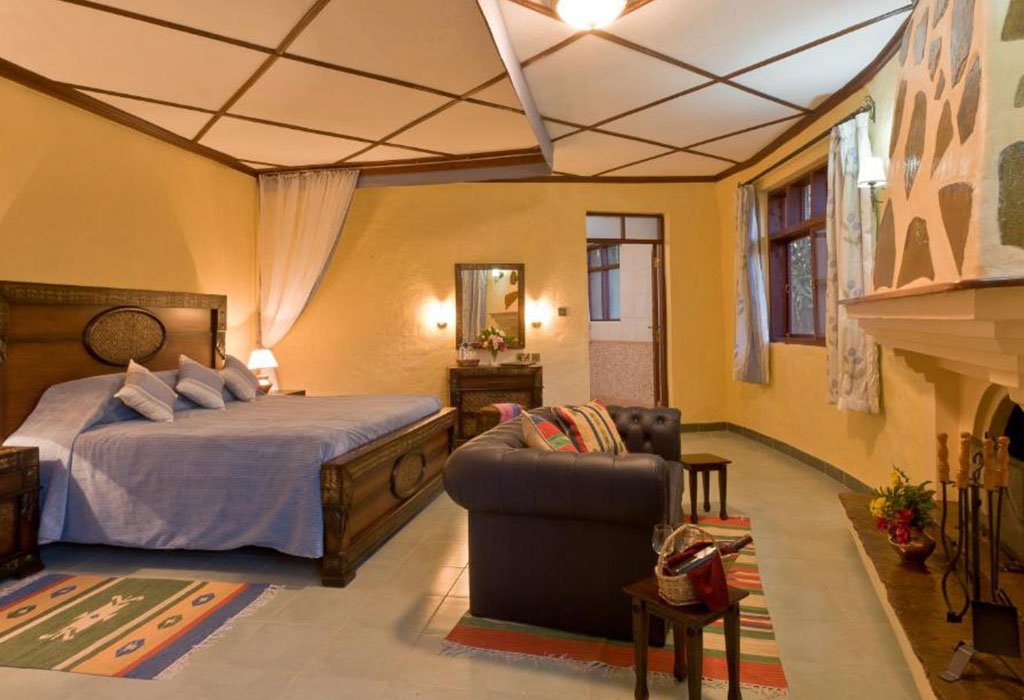
For a bird-focused stay, choose accommodation that makes it practical to reach the park’s central wetlands early in the morning. Lodges inside the park can be convenient for a full day of game drives, while properties outside the gates may suit different budgets and itineraries. Check the current gate access arrangements and travel times before booking. Our Kenya safari cost guide explains how accommodation location affects a safari budget.
Popular accommodation options to investigate include Amboseli Serena Safari Lodge, Ol Tukai Lodge and Amboseli Sopa Lodge. The best choice depends on your budget, the precise birding route and whether you want additional time for general wildlife viewing. For more accommodation planning, browse our Kenya family safari guide. Your safari itinerary should identify the actual property and its location rather than assuming that all lodges have the same access.
Should you combine Amboseli with Lake Nakuru?
If flamingos are an important goal, consider adding another Kenya birding destination rather than relying entirely on Amboseli’s seasonal lake. Lake Nakuru can provide an additional opportunity to look for flamingos and other waterbirds, although its bird numbers also fluctuate with ecological conditions. A combined journey allows travelers to experience Amboseli’s elephant-rich landscapes and the contrasting Rift Valley lake environment. Consider our seven-day Masai Mara, Lake Nakuru and Amboseli safari or Lake Nakuru wildlife guide.
Read our Amboseli safari guide for more about the park’s broader wildlife attractions, or contact us to design a bird-focused Kenya itinerary. For a wider comparison, explore our East African safari guide and the best country for an East African safari.
Accommodation options for a bird-focused safari


Frequently asked questions
Are there flamingos in Amboseli National Park?
Yes. Greater and lesser flamingos can occur in Amboseli, especially around open water at Enkongo Narok and the seasonal Lake Amboseli basin. Their presence is not guaranteed.
What is the best location for waterbirds in Amboseli?
Enkongo Narok Swamp is an excellent first choice because it offers wetland habitat for herons, egrets, pelicans, jacanas and other species. Other swamp edges can also be productive.
Can I see flamingos at Lake Amboseli throughout the year?
No. Lake Amboseli is seasonal and may be dry. Flamingos are most plausible when sufficient water and suitable feeding conditions are present.
Is Observation Hill good for birdwatching?
Yes. It offers elevated views of wetland areas and is especially useful for scanning broad habitat and spotting larger birds. It is less suitable for close-up views of small birds.
When do migratory birds visit Amboseli?
Northern-hemisphere migrants are particularly relevant from approximately November to April, although species-specific arrival and departure dates vary.
Can birding be combined with a traditional game drive?
Yes. Amboseli’s wetlands are also important to elephants and other mammals, so a well-paced route can include birds, large wildlife and landscape photography in the same day.
Do I need a specialist birding guide?
A knowledgeable birding guide is useful for identifying similar wetland birds, recognizing calls and selecting viewing stops according to local conditions, especially if you have target species.
Are visitors allowed to walk around the swamps?
No independent walking around swamps should be assumed. Visitors should remain in vehicles except in officially designated places, such as the Observation Hill visitor area, and follow park staff instructions.
Plan Your Amboseli Birdwatching Safari
Tell us your travel dates and the birds you hope to see. Safari Vacations and Travel Services can arrange a tailored Kenya safari with time for wetland birding, elephant viewing and scenic photography. Discover more wildlife safari combinations across East Africa before requesting your quote.